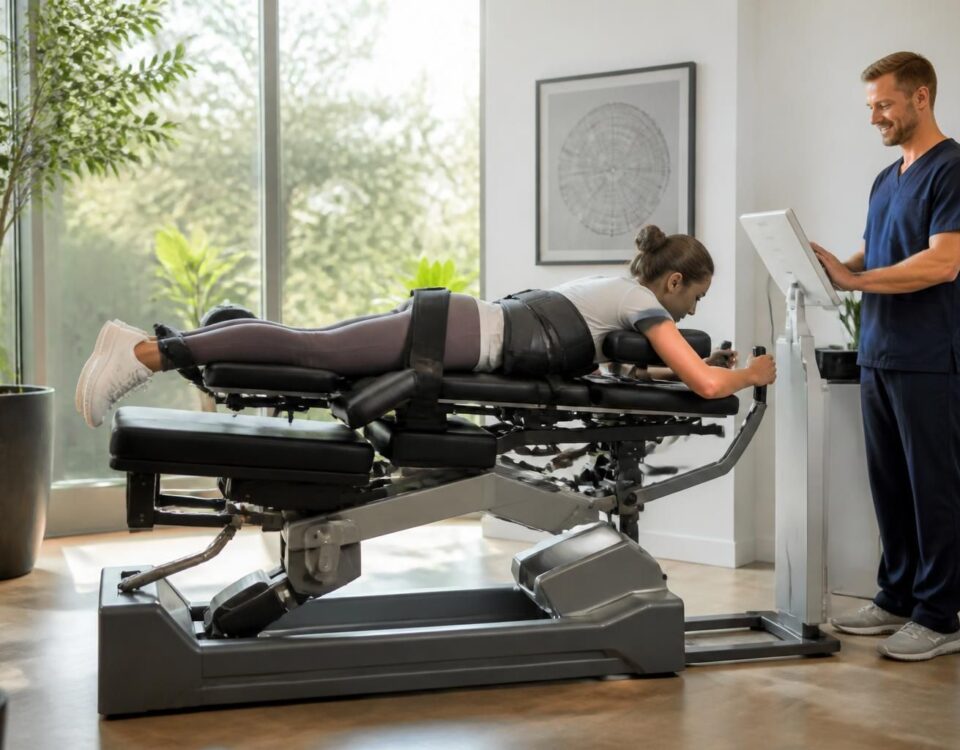
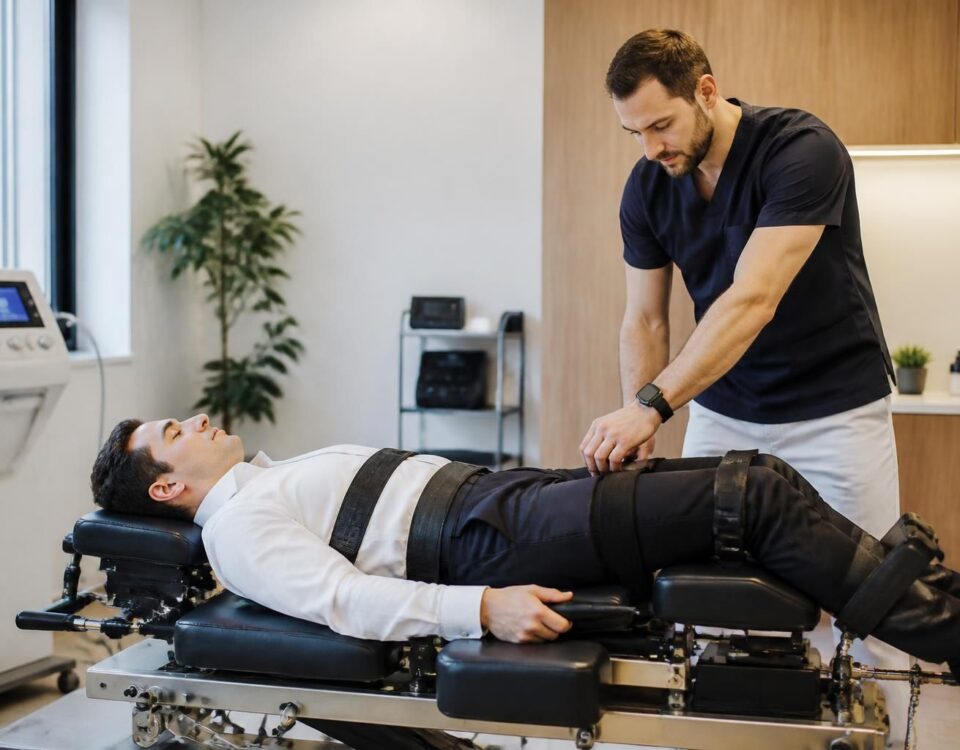
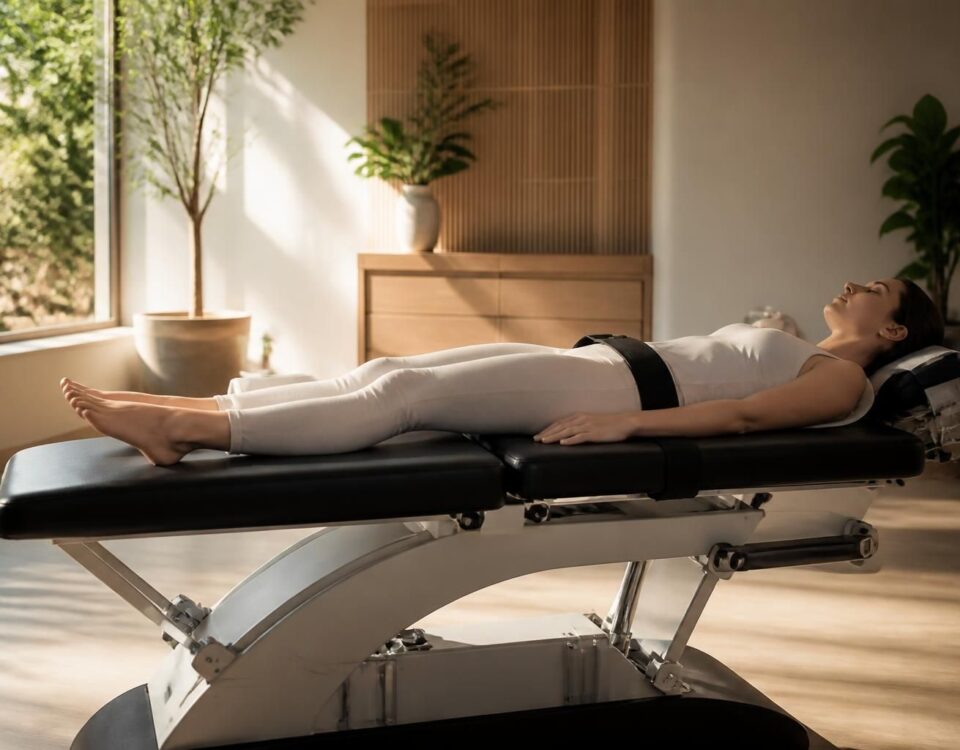
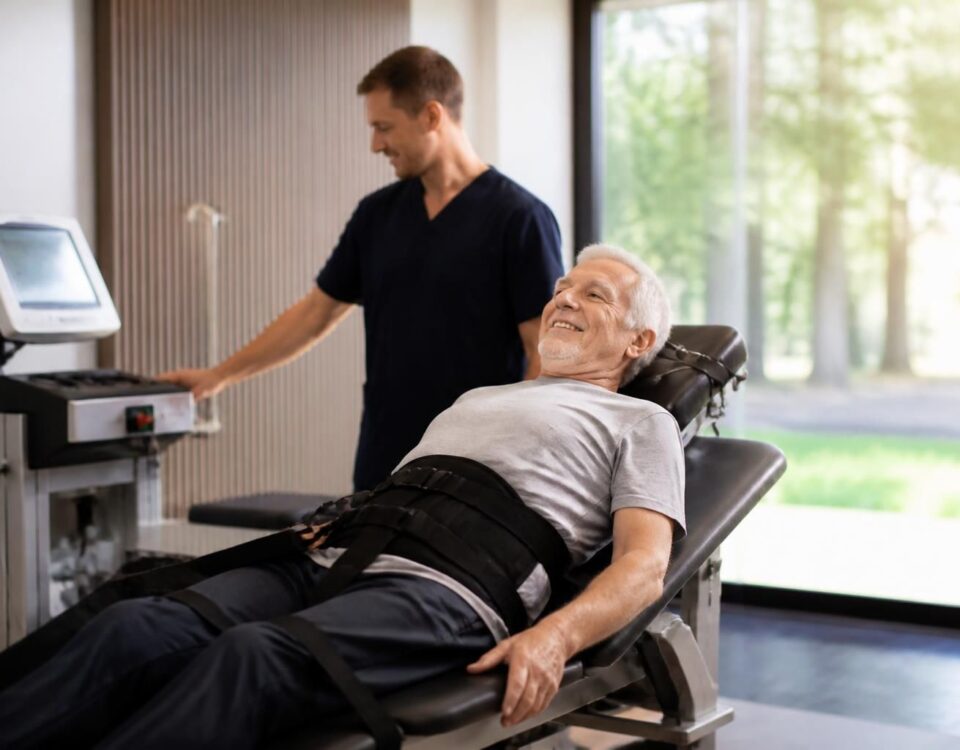
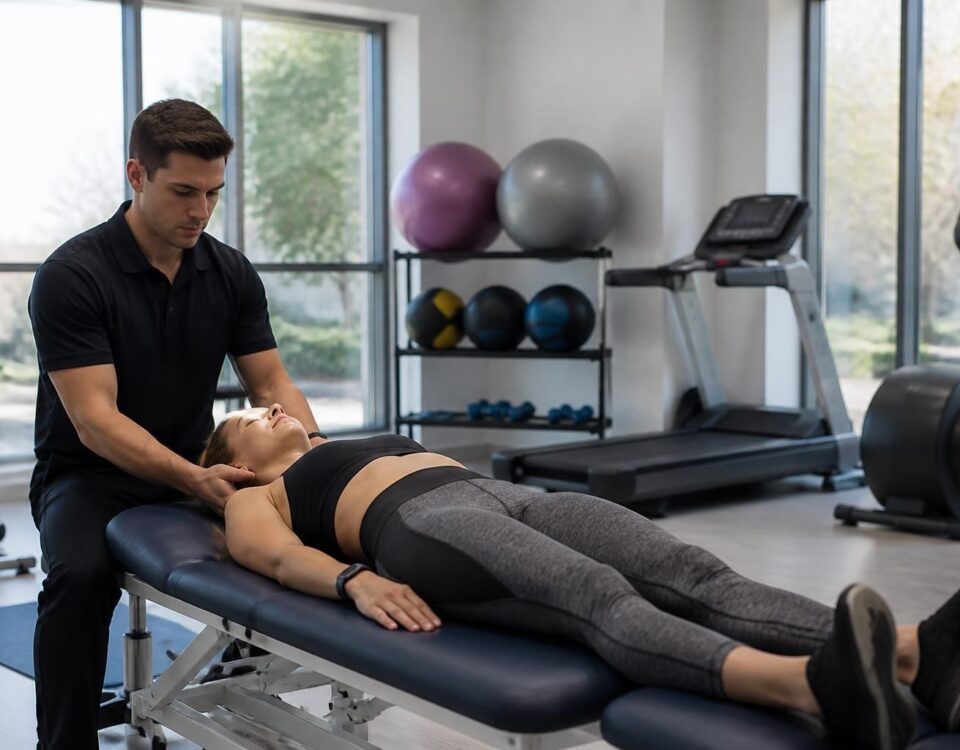
Neurovertebral decompression and reduction of acute lower back pain
26/06/2026
How neurovertebral decompression optimizes recovery after surgery
26/06/2026
In short
In short, Custom protocols for the neurovertebral decompression among athletes are an approach non-invasive Aiming to reduce the pressure on discs and nerves in order to quickly improve mobility and performance. What is it? It is a controlled traction adapted to the profile of the athlete to treat lower back or cervical pain linked to herniated discs or stenosis. What are the advantages? Lasting pain relief, accelerated recovery, faster return to training and reduced risk of recurrence thanks to a Personalized follow-up. How does it work? an initial assessment followed by controlled traction and a Regular follow-up With protocol adjustments according to the evolution of the athlete. In Montreal, this service is particularly recommended for athletes looking to optimize their recovery without surgical interventions. |
The Custom protocols for the neurovertebral decompression in athletes aim to reduce the pressure on the intervertebral discs and nerves while integrating into the program of Physical preparation and of re-athletization.
- Personalized evaluation and targeted according to sport, level and background.
- Controlled traction with adapted progression, including options active (sportsman’s participation) or assisted per device.
- Integration With rehabilitation, sports medicine and recovery techniques to optimize functional gain.
- Regular follow-up and real-time adjustments based on returns and clinical measurements (pain, mobility, endurance).
- Expected benefits : pain reduction, improvement of mobility and of Neuromuscular control, and a Accelerated return to competition.
- Remark evidence : randomized trials exist but small; The results are convincing when decompression is associated with rehabilitation; The evidence remains Moderates and specific to the populations.
This text presents the Custom protocols decompression neurovertebral applied in athletes. It describes the initial assessment, the technologies used, the monitoring framework and the safety criteria. The objective is to improve recovery, support performance and reduce pain related to disc pathologies without having to resort to surgery.
Neurovertebral decompression aims to reduce the pressure exerted on the intervertebral discs and nerve roots. In athletes, the protocols are designed to integrate into a global recovery and activity program. They are based on a Targeted evaluation and an Controlled traction adapted to each individual, in order to protect the spinal structures and optimize functional gains without risking additional injury. For more information on the approaches and technologies used, see the resources dedicated to neurovertebral decompression and its sports applications on specialized platforms.
Initial assessment and prescription
The process begins with a Clinical evaluation simple and precise. The practitioner collects history, analyzes pain, assesses mobility and examines posture. This step determines the vertebral segments to target and guides the choice of decompression protocol. The objective is to establish a clear and safe plan that fits into the athlete’s rehabilitation program without imposing unjustified exercises for the pathologies discussed.
Controlled traction and associated technologies
The heart of the protocol is based on a segmental traction sweet and controlled, applied to the identified vertebral segments. This approach promotes increased foraminal diameter when necessary, while minimizing local edema. Advanced systems allow real-time tracking and adjustments based on patient response. Specific devices, sometimes integrated into clinical platforms, facilitate morphological evaluation and monitoring of mechanical parameters during the sessions.
Integration with the sports recovery program
Custom protocols fit into a global plan of Back to sport. They harmonize with the other treatment methods of the TagMed clinic and with the athlete’s performance objectives. The approach aims to improve the mobility and the Neuro-musculoskeletal function while preserving safety and minimizing the risks of recurrence. To understand how these protocols can be integrated into a sports program, discover the specific resources offered by the specialized centers.
Monitoring, safety and quality of results
Regular follow-up is essential. The practitioner adjusts the frequency and intensity of the sessions according to clinical feedback and the evolution of symptoms. The technologies used make it possible to measure parameters such as the morphology and the mechanical properties of paraspinal tissues, in order to guide therapeutic decisions. In practice, safety requires continuous evaluation, open communication with the patient and coordinated integration with the other health professionals involved in the sports course.
Practical cases and feedback
In the clinical experience, athletes who benefited from neurovertebral decompression reported significant pain reduction and improved mobility, with faster return to training. The feedback highlights the importance of a personalized protocol and structured follow-up. For testimonials and comparative examples, you can consult the specialized resources dedicated to these protocols and their results.
To learn more about the implications and benefits of custom protocols, see TagMed resources and technical information available on sites dedicated to neurovertebral decompression:
- Tagmed Clinic
- neurovertebral decompression
- Why neurovertebral decompression is a therapy of choice for seniors
- How neurovertebral decompression reduces disc inflammation
- Neurovertebral decompression and prevention of recurrent mechanical disorders
- Neurovertebral decompression and recovery after muscle injury
- Custom protocols for neurovertebral decompression in athletes
Additional resources
To understand the mechanisms and issues, you can refer to the resources available on the platforms associated with neurovertebral decompression and osteopathy. Some publications and guides reorganize clinical data according to the pathologies commonly encountered in athletes, while insisting on the importance of the medical framework and follow-up.
Medical Disclaimer: The information and advice provided on this site does not replace the health professional’s diagnosis or treatment. Please note that Sylvain Desforges osteopath is neither a doctor of medicine nor a doctor, and is not a specialist in a medical specialty as defined by the Collège des Médecins du Québec. Manual medicine, functional medicine and sports medicine as described on this site exclude any medical treatment or diagnosis made by a doctor or specialist doctor. Always consult your doctor for any medical questions. For more details, please read our full legal notice.
Equipment and protocols: The protocols described are part of a multidisciplinary logic and favor integration with other non-invasive approaches to optimize the results. They are based on clinical experience and available data in the field of neurovertebral decompression and sports rehabilitation, while remaining consistent with patient ethics and safety. To learn more about approaches and technologies, you can visit associated resources and information pages from partner clinics.
Source and authorized domains: For additional information and clinical cases, refer to the resources at sossciatica.com, clinicagmed.com, decompressionneurovertebrale.com, sosherniediscal.com, sosherniateddisc.com, sostunnelcarpien.com and sossciatica.com. These references include clinical guides and feedback for the medical and sports community.
- Evaluation Sports specific and biomechanical Adapted to the profile and training load.
- Definition of objectives recovery and performance with measurable criteria.
- Protocol of Controlled traction Customized by segment and tolerance.
- Integration of exercises mobility and of stability targeting the areas involved.
- use of technologies and Real-time monitoring to adjust the plan.
- Security and shutdown criteria via a Continuing assessment and a pain threshold.
- Personalization by Disciplinary profile and objective of the athlete (endurance, strength, rotation).
- Planning according to season (Pre-season, Active Period, Recovery).
- Regular follow-up with feedback and readjustments of the protocol.
- prevention of relapses and gradual progression of volume and intensity.
- Integration with the manual medicine, the re-education and the relaxation.
- Success criteria: pain decrease, Mobility improvement, operation.
- Duration and frequency: Session 15-30 minutes, 2-3 times/week.

This article offers practical recommendations for designing and implementing Custom protocols of neurovertebral decompression Intended for athletes, insisting on targeted evaluation, gradual progression and integration into training and recovery to reduce pain and restore function without sustaining sports practice.
Targeted evaluation and protocol customization
For athletes, the initial assessment should measure pain and mobility as much as understanding the sporting context (discipline, season, competition objectives). It is a question of identifying the muscular and vertebral sources of pain, the type of disc or degenerative lesion, and the constraints specific to the sport practiced. This assessment makes it possible to set clear objectives (improvement of training tolerance, reduction of pain during technical procedures, restoration of trunk stability) and to determine the degree of intervention necessary. Integration with sport-related biomechanical data then guides the choice of traction parameters and the progress of the sessions.
Key elements of the evaluation
Collection of clinical information, sport-specific functional tests, and monitoring of symptoms during training. One can include an evaluation of the posture and muscle chains involved, segmental mobility tests and pain measurements on exertion. The athlete’s profile (age, competitive schedule, musculoskeletal background) determines the plan: volumes, intensity and frequency of sessions, and the ideal time to start or adjust the decompression In parallel with a targeted rehabilitation program.
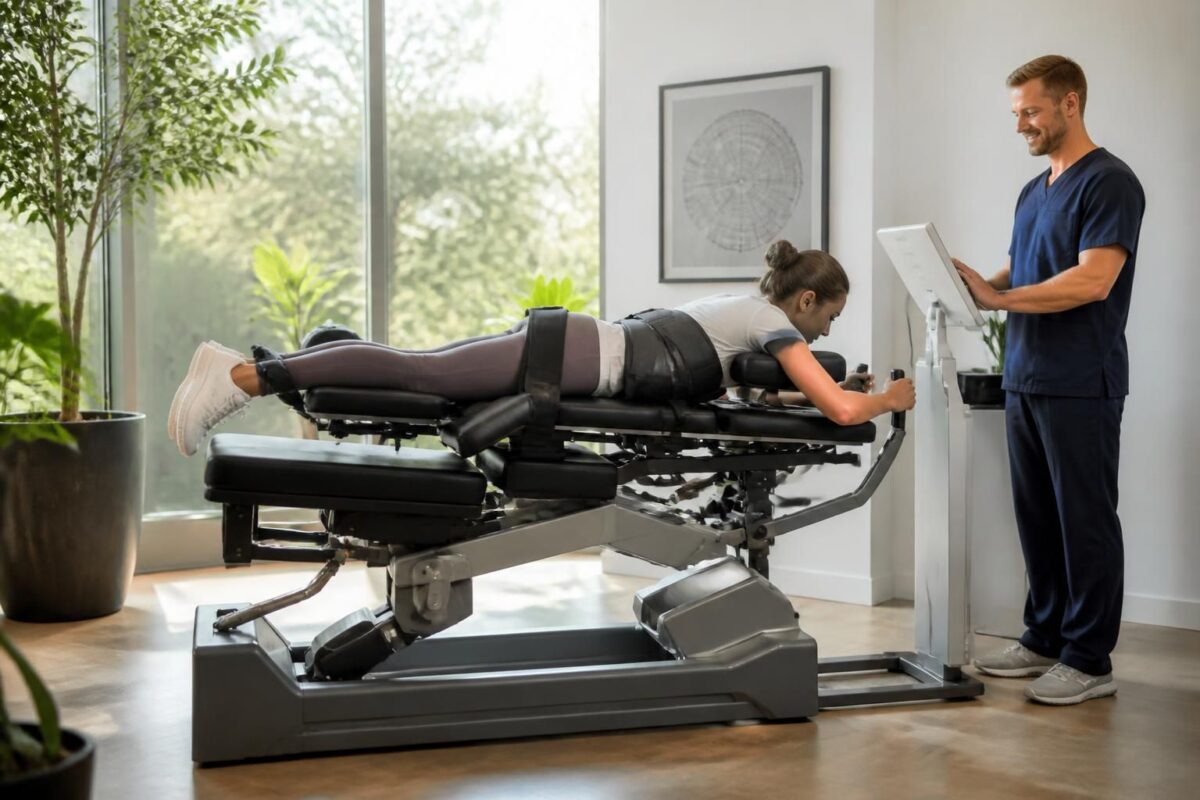
The long-term benefits of neurovertebral decompression for spinal health
In short In short, the neurovertebral decompression is a non-invasive approach that decreases the Pressure on intervertebral discs and nerves, favoring the Natural regeneration and tissue recovery. Its long-term benefits include Lasting pain reduction, Improving mobility and from the posture,…
Decompression protocols suitable for athletes
Athletic protocols are based on a Controlled traction progressive, adapted to the level of tolerance and the training plan. They combine functional rehabilitation and work-specific work in order to limit periods of inactivity and promote rapid return to competition. Each protocol is deployed in several stages, with a rise in load guided by the returns of the athlete and the measurable results obtained during sessions and training sessions.
Traction and Progress Settings
The parameters must be adjusted according to the individual tolerance: amplitude and tensile duration, application speed and recovery between series. A gradual progression is preferred, with a gradual introduction of active and dynamic exercises targeting the stabilizing muscles of the spine and trunk. The objective is to improve mechanical tolerance and integrate the technical gestures specific to the sport practiced, while monitoring the signs of aggravation.

Neurovertebral decompression and mobility: a return to an active life
In short In short, the neurovertebral decompression is therapy non-invasive who uses a gentle traction To create a space between the vertebrae and reduce the pressure on the Intervertebral discs and the nerves. It promotes a bloodstream improved, lowers tension…
Integration with training and recovery
Decompression should not be isolated; It is part of a global strategy that combines mobility, stability, muscle strengthening and recovery. The objective is to optimize performance and reduce the risk of recurrence. The protocol can be synchronized with the training cycles (pre-season, competitions, recovery) and adjusted according to the training volume and the planned competitions.
Back to sport and progression criteria
The gradual return to training is based on clear criteria: absence of pain during technical gestures, tolerance of training loads, and regained functional performance. Functional tests and performance indicators, such as improved mobility and trunk stability, serve as benchmarks to allow a gradual increase in loads and time spent in the field.
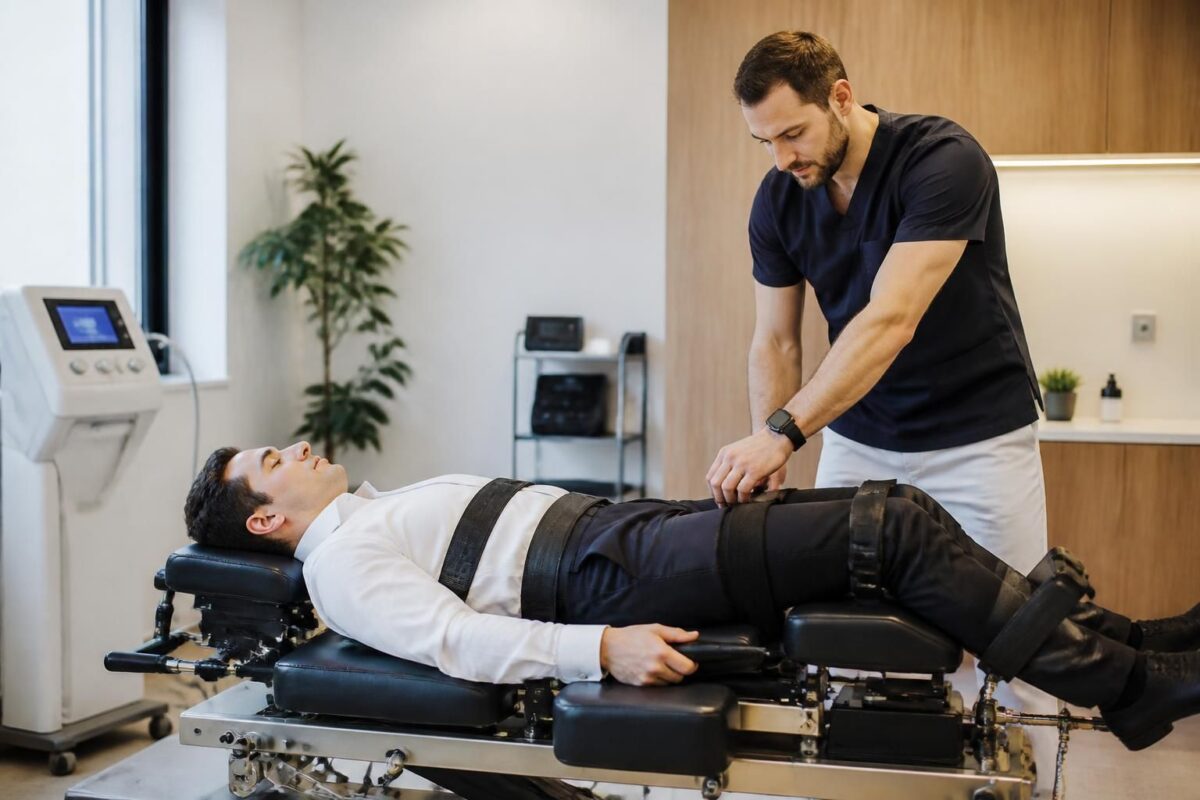
How Neurovertebral Decompression Prevents Diffuse Chronic Pain
In short decompression neurovertebral is one Non-invasive method aimed at reducing the Pressure on the intervertebral discs and the nerves, in order to prevent Diffuse chronic pain. It improves the circulation and thedisc hydration, decreases inflammation and promotes better mobility.…
Monitoring and security
Regular monitoring is essential to adjust protocols and prevent aggravation. We follow pain levels, functional limitations and signs of irritation. Safety goes through a protocol supervised by a health professional and through close coordination with coaches and sports medical staff. The objective is multidisciplinary care that promotes sustainable recovery and secure competitive recovery.
Performance indicators
Indicators include decreased pain during training, improved segmental mobility, better load tolerance and reduction in painful episodes during technical gestures. Reducing downtime and increasing painless workout volume are key signs of success.
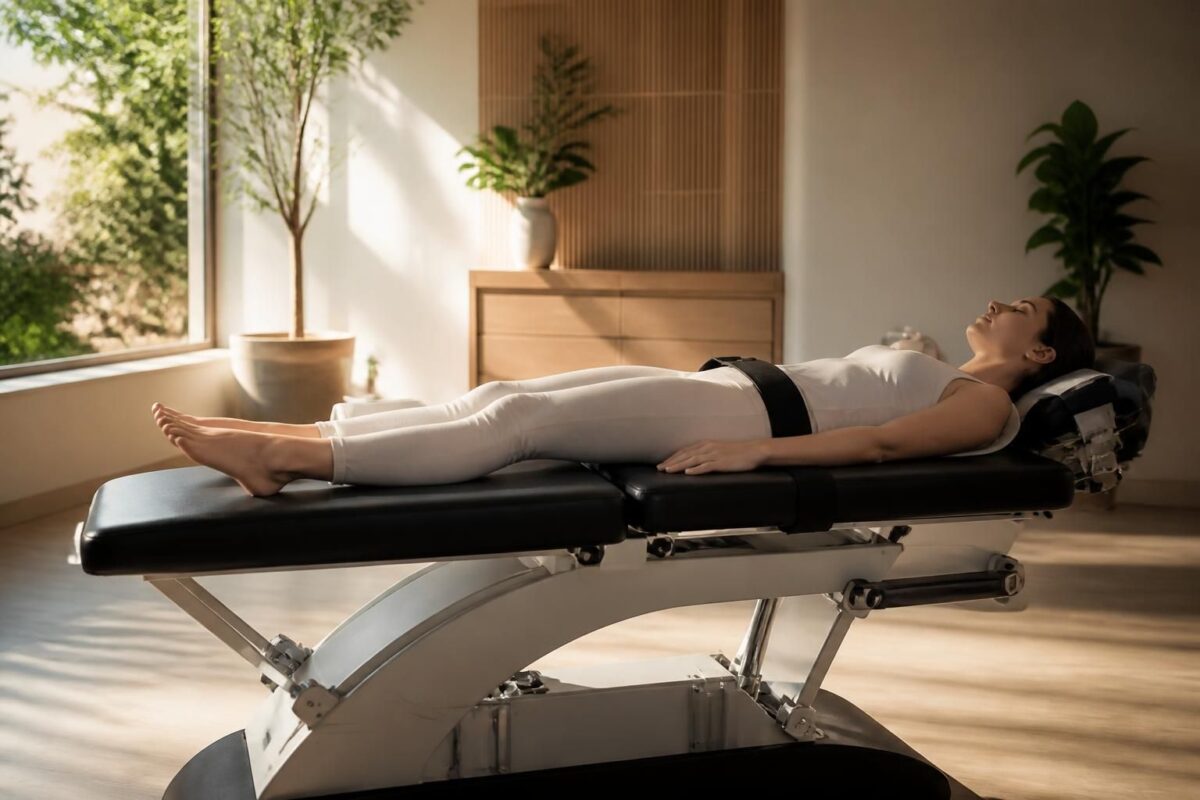
Neurovertebral Decompression and Body Alignment: Restoring Natural Balance
In short In short, neurovertebral decompression is one Non-invasive approach who restores theBody Alignment and thenatural balance back and neck. She acts by a Controlled traction of the spine to widen the intervertebral space and reduce the Pressure on discs…
Technologies and security
The use of suitable technologies and sensors allows real-time monitoring of decompression parameters and tissue responses. a careful and progressive approach, combining decompression, rehabilitation and sports discipline, guarantees safety and efficiency, while optimizing the return to competition.
Prevention and ethics
Each protocol is designed in compliance with the athlete’s medical limits and in coordination with the sports doctor, in order to preserve overall health and avoid the risks associated with premature recovery.
Why neurovertebral decompression is a lasting solution for active seniors
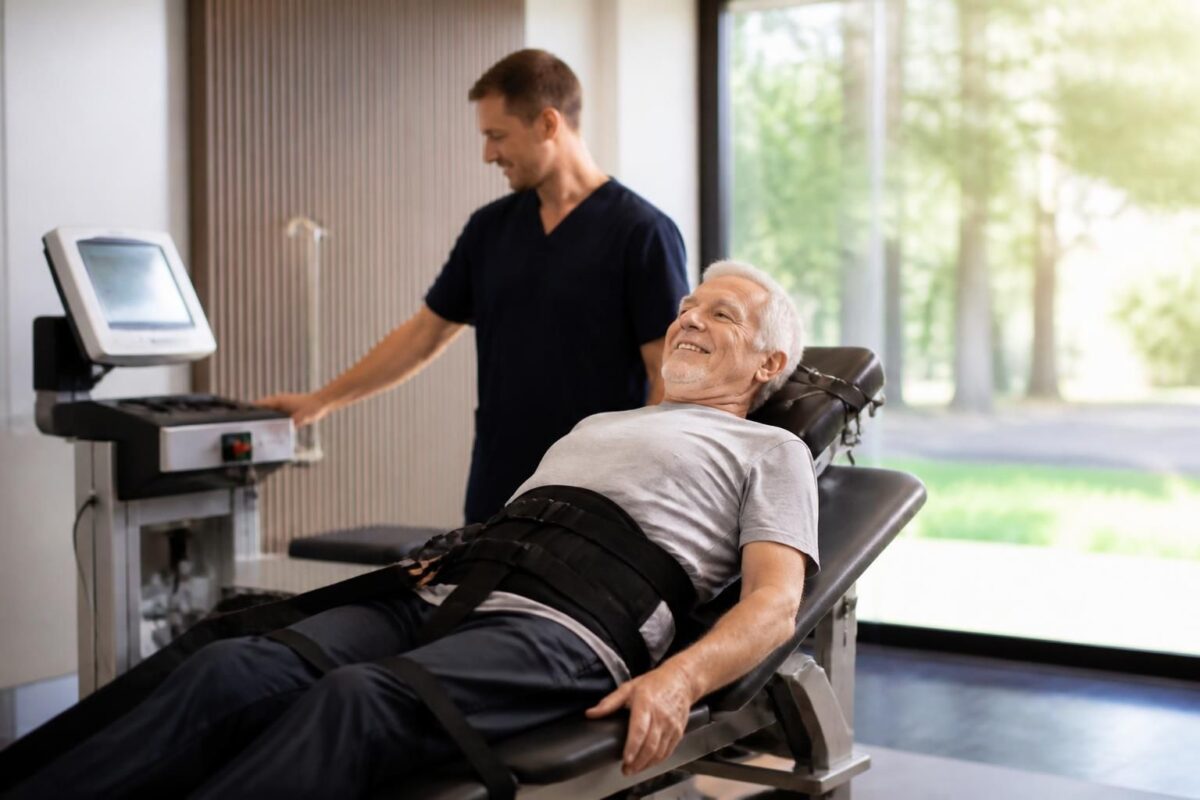
In short In short, the neurovertebral decompression is one Non-invasive therapy which sustainably relieves spinal pain in the spine active seniors By creating, by a Soft and controlled traction, a space between the vertebrae. At Montreal, it is recognized as…
Personalized protocols for neurovertebral decompression in athletes
| Protocol element | Concise description |
|---|---|
| Sport-specific initial assessment | Targets sports requirements and individual limits for a truly personalized protocol. |
| Performance and recovery objectives | Set clear recovery and performance goals that are appropriate to the schedule and level. |
| Custom Traction Settings | Adjusted traction parameters (intensity, angle, duration) depending on the sport and the recovery phase. |
| Duration and frequency of sessions | Program of sessions adapted to the competitive schedule and the training load, without disturbance. |
| Integration with training and mobility | Smooth integration with training, mobility and stability work to optimize gains. |
| Progress Protocol and Adaptation Criteria | Gradual progression with measurable criteria and regular revisions to stay on track for performance. |
| Monitoring metrics and returns | Symptoms and metrics tracking (pain, amplitude, strength) to quickly adjust and avoid overloads. |
| Safety and management of sport-specific risks | Priority security: early detection of signs of overwork and adaptation accordingly. |
Neurovertebral decompression and recovery after severe sports injury
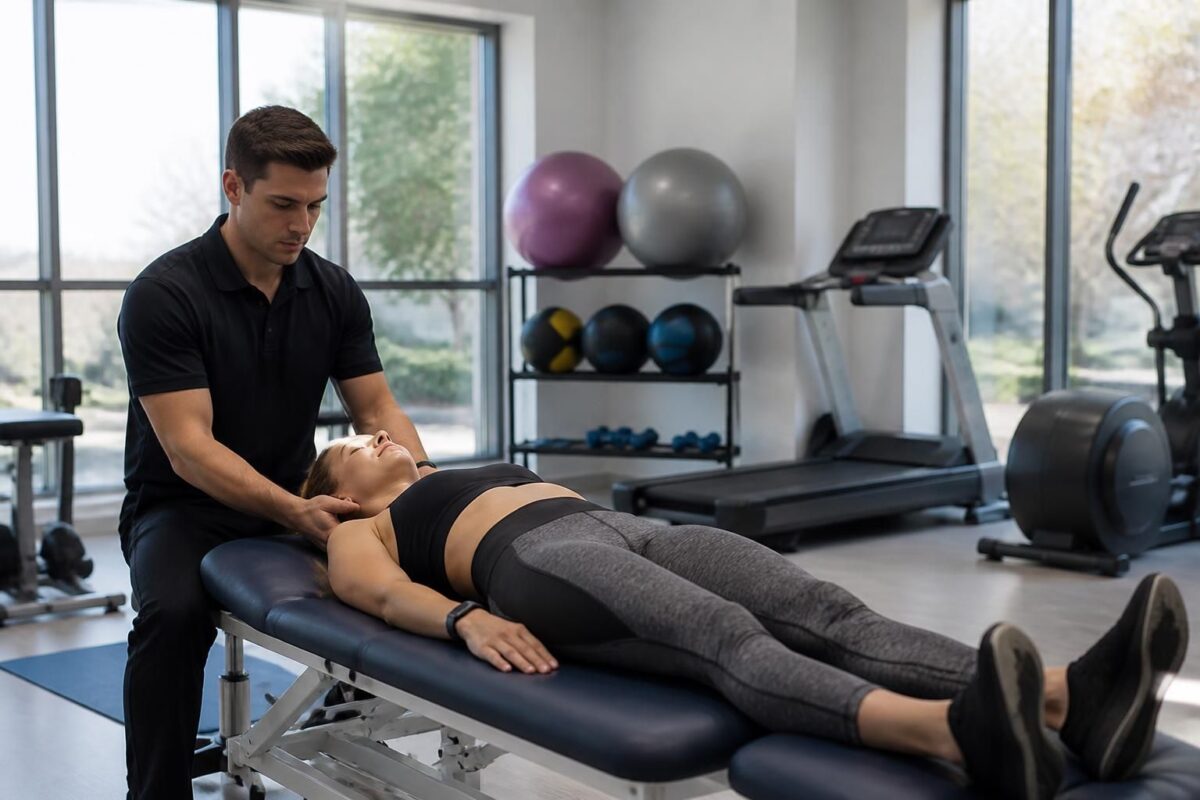
In short In short, the neurovertebral decompression is one Non-invasive method to Relieve the pressure on the Intervertebral discs and the gristle Via a Controlled traction, to facilitate the recovery After a severe sports injury. It improves the bloodstream towards…
Testimonials on personalized protocols for neurovertebral decompression in athletes
“As a sprinter, my low back pain invaded each training session and hindered my departures in Grand Prix. Thanks to Custom protocols of neurovertebral decompression, I found a fluid amplitude and stability that allow me to soar without pain. Each session was adapted to my pace and specific needs, which accelerated my competitive recovery. »
“I am a professional tennis player and I had lost access to certain authentic gestures such as heavy services because of cervical and dorsal pain. Custom protocols gave me a smooth, targeted traction, with accurate tracking. Today, my movements in the service are freer and I can return to competition without reminiscence of pain. »
“In cycling, the slightest lumbar stiffness can block breathing and pedaling. the program of neurovertebral decompression Personalized that I followed improved my alignment, trunk mobility and effort management, which allowed me to increase my performance and chain long outings without pain. »
“After a difficult season, rugby imposed constraints on my spine. The Custom protocols were designed around my technical gestures and my posture in the field. The result was a lasting improvement in my lumbar stability and a reduction in painful episodes, with a smooth recovery to the top level. »
“I am a gymnast and repeated solicitations on the shoulders and the dorsal region required a specific approach. The neurovertebral decompression adapted to my sport made it possible to reduce muscle tension and release extension movements. My rebound and my flexibility gained endurance, which strengthened my overall performance. »
“As a multi-sport athlete, I needed a protocol that fits my varied workouts and my competition periods. Personalized follow-up and real-time adjustments of sessions neurovertebral decompression Were decisive in limiting pain, improving my recovery and allowing me to aim for my goals without interruptions. »
Recent innovations in neurovertebral decompression technologies
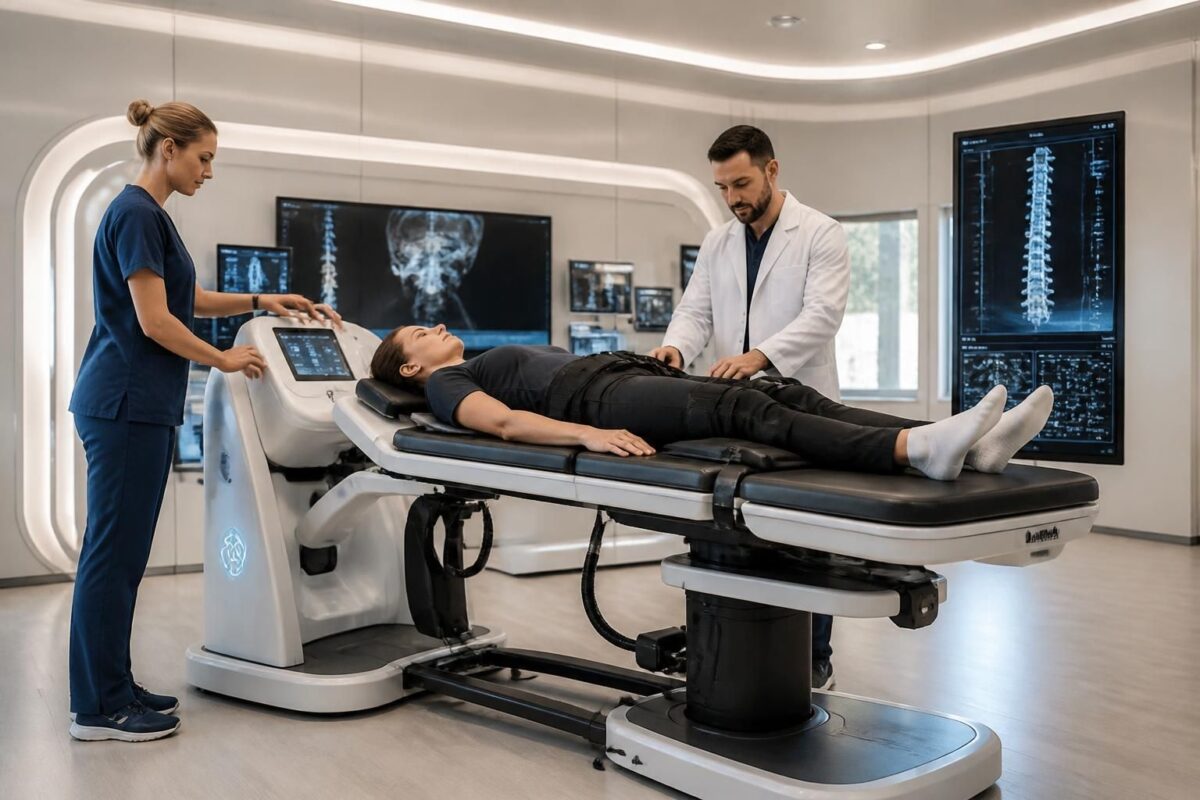
In short In short, the neurovertebral decompression is an approach non-invasive Aiming to reduce pressure on discs and nerves, and promote tissue regeneration. At Montreal, it is positioned as an effective option for lower back pain and herniated discs. The…
Personalized protocols for neurovertebral decompression in athletes
Sylvain Desforges, osteopath and expert in osteopathy, naturopathy and manual medicine, has established itself as a key player in supporting athletes facing spinal pain and functional limitations. At the head of the TagMed clinics and the ACMA association, he carries an innovative vision of care that combines science, technology and rehabilitation specific to sport. His approach is based on protocols custom neurovertebral decompression, adapted to the biology, level of effort and the calendar of training for athletes. The objective is clear: to optimize performance while preserving long-term health.
For athletes, the protocols begin with a Complete initial assessment which integrates injury history, training loads, sport biomecmic requirements and competitive goals. This analysis makes it possible to determine the vertebral segments to target and to identify aggravating factors, such as narrow foraminals or local edemas likely to influence recovery. On this basis, the protocol is designed as a dynamic system, evolving with athlete progress and returns from training.
The heart of the treatment is based on techniques of neurovertebral decompression adapted. The protocol may include a segmental traction controlled, operated either in a way active (sportsman’s participation) either in mode assisted (machinery guiding traction). This approach aims to increase the Foraminal diameter and reduce root irritation, while promoting better hydration and repositioning of the discs. Safety and progressivity are paramount: loads and amplitudes are adjusted according to tolerance, clinical signs and sports performance, to minimize risks and maximize benefits.
Sports protocols are based on a Advanced technology integration, associating decompression with additional modalities such as the laser and the Shockwave therapy. These tools aim to accelerate the reduction of inflammation, promote tissue repair and optimize muscle recovery around treated areas. The program also includes specific components of Functional rehabilitation, with exercises of trunk stability, targeted mobility and neuromuscular control, adapted to the position and level of competition.
the journey continues with a stage of Back to sport Guided: objective progression criteria, gradual training loads and functional tests help determine when to resume full training, sport-specific loads and competitions. Regular monitoring and real-time adjustment of protocols are essential to prevent recidivism and support rapid and sustainable reintegration into the competition phases.
Athletes often testify to a Improving mobility, of one Reduces discomfort and one Faster return in training and competition, while noting a better quality of life and a reduction in the limitations related to lumbar or cervical pain. Dr. Desforges puts these results at the heart of his commitment: to provide evidence-based, personalized and integrated care, to allow every athlete to perform without compromise on their health.
This text details the Custom protocols of neurovertebral decompression applied to athletes, focusing on individual evaluation, controlled traction and monitoring to optimize recovery while preserving performance and relapse prevention.
The customization of neurovertebral decompression protocols in athletes is based on a In-depth initial assessment which takes into account the history, the sport practiced and the pain mechanisms, in order to precisely target the affected spinal segments. This approach allows you to configure a Controlled traction adapted, with a possible decompression active or assisted according to the patient’s response, and establish a Personalized follow-up Adjusted according to progress and returns, in order to optimize functional results while minimizing risks.
Available clinical data, although from various populations and often small sample sizes, support the idea that personalized protocols added to rehabilitation can improve the mobility and reduce root symptoms in athletes with low back pain and disc herniation. Some studies show a Hernia Index Reduction or electromyographic gains after decompression, with generally more marked results when decompression is integrated into a global rehabilitation plan. However, the methodological quality varies and the evidence remains moderate, with a need to confirm these relationships in specific populations of athletes and in the long term.
The current protocols are based on technological and therapeutic integration, including advanced traction tools, parameter monitoring and real-time adjustment. In sports practice, this approach can be supplemented by complementary modalities (manual medicine, physiotherapy, relaxation therapies) and by technologies such as laser or shock wave therapy to optimize the recovery process and functional rehabilitation. To deepen protocol and steps details, see the associated resources on current protocols and key steps in this domain.
On a practical level, personalized sports protocols require spatial and temporal planning suitable for training and competition. A typical set may include an adjusted number of sessions (for example, a denser initial phase followed by progressive maintenance), session times ranging from 15 to 30 minutes and progression guided by the athlete’s symptoms and tolerance. The objective is not only to reduce pain and spasms, but also to improve muscle tone, trunk stability and neuromuscular recovery, in order to allow a gradual and safe recovery of sports activities.
For athletes, prevention of recurrences requires sustainable monitoring and integration of protocols into a global health and performance plan. The studies and clinical guides highlight the importance of a regular follow-up schedule, functional assessments and postural and recovery advice to maintain the gains and reduce the risk of relapse after a sports injury. To explore the aspects of prevention and continuity of care, you can consult the resources dedicated to the integration of protocols in the trajectories of sports recovery.
For additional explanations of current protocols and key steps related to neurovertebral decompression, see the following resources: Current protocols, The key stages, Radiant pain, Well-being and quality of life, relapse prevention, natural against pain, Advanced Protocols, Treatment protocols 2, Study of current protocols, Custom protocols.
Neurovertebral decompression and diffuse pain: an appropriate solution
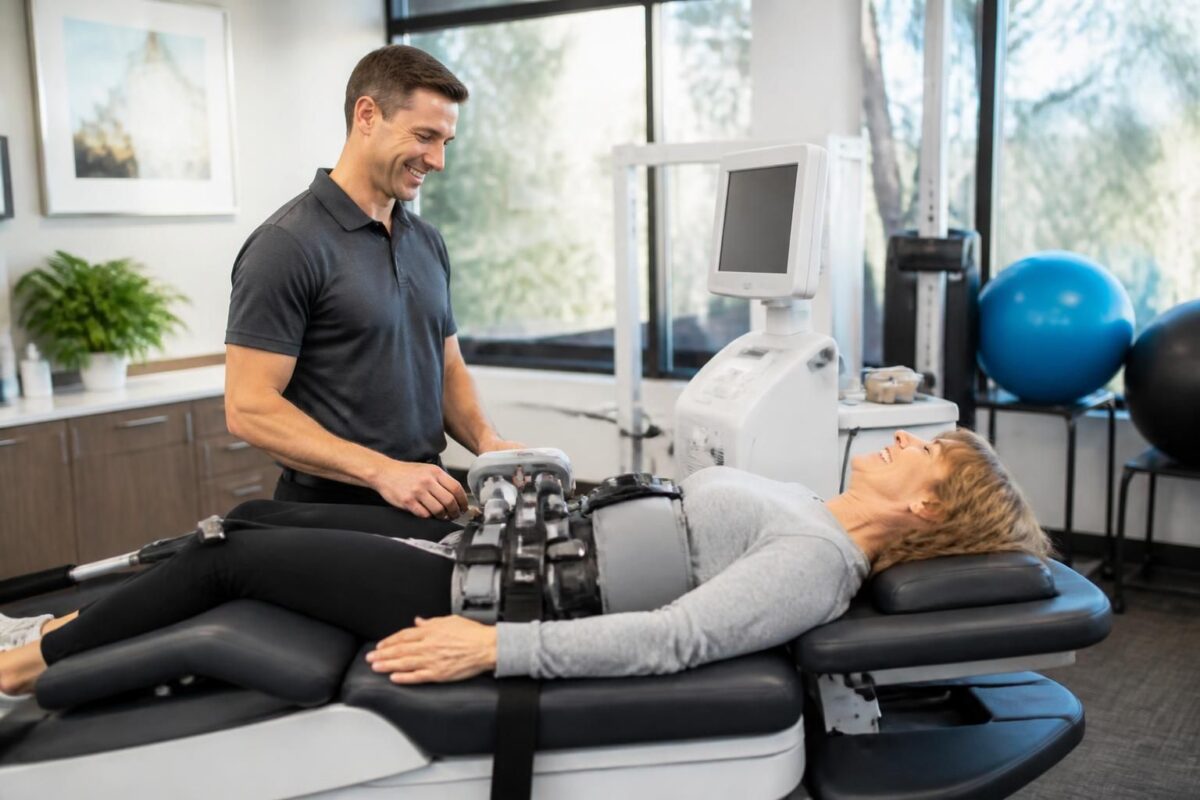
In short In short, the neurovertebral decompression is one Non-invasive solution For diffuse pain related to nerve irritation of the spine. She acts in Reducing pressure on intervertebral discs and nerves and improving the bloodstream, which promotes recovery and the…

Sylvain Desforges, B.Sc., D.O., N.D., docteur en ostéopathie
Dr Sylvain Desforges, B.Sc., D.O., N.D., osteopath, is the founding president of TAGMED and of the ACMA association. He dedicates his practice to chronic spinal pain, low back pain and symptoms compatible with sciatica, particularly when pain radiates toward the buttock, leg, calf, foot or toes.
Through SOS Sciatique, he publishes educational content on sciatica symptoms, possible causes such as disc herniation, disc narrowing, foraminal stenosis or irritation of a lumbar nerve root, as well as non-surgical approaches that may be considered according to the evaluation. At Clinique TAGMED, care may include, depending on the case, motorized neurovertebral decompression, specific osteopathic care or precision percussion.
For an evaluation related to sciatica treatment in Montreal / Mount Royal or sciatica treatment in Terrebonne, please consult the services available at Clinique TAGMED.
Medical disclaimer
The information published on SOS Sciatique is provided for educational purposes only and does not replace a consultation, diagnosis, opinion or treatment provided by a physician or another authorized healthcare professional. The author of this article is neither a medical doctor nor a specialist in a medical specialty recognized by the Collège des médecins du Québec. The osteopathic, manual medicine or functional support approaches described on this site do not constitute medical acts and are not intended to replace medical follow-up.
Consult a physician or emergency service in cases of loss of bladder or bowel control, anesthesia in the saddle area, significant or progressive weakness in the leg or foot, fever, recent trauma, severe pain or rapid worsening of symptoms. For more details, please read our Legal Notice.