Sciatica and tingling upon waking: possible causes
23/08/2026
Sciatica and too low seat: lumbar pain and irradiation
23/08/2026
IN BRIEF
| The herniated disc and acute sciatica describe a deformation or bulge of the intervertebral disc that can compress a nerve root and cause low back pain and pain radiating down the leg. Common causes include disc degeneration, sudden efforts, repeated twisting, and prolonged sitting. The benefits of quick and personalized support include symptom relief, improved mobility, and prevention of recurrences through a tailored program of exercises and manual therapy. The approach relies on targeted diagnosis followed by suitable non-surgical interventions (exercises, manual therapy, ergonomic advice). In Montreal, this service is particularly relevant for active individuals who wish to quickly resume their daily activities. |
Short summary on herniated disc and acute sciatica – common causes:
- Herniated disc: degradation of the intervertebral discs related to aging, associated with a trauma (heavy lifting, twisting, fall) or gradual wear. Aggravating factors include poor posture, excess weight, and lack of physical fitness.
- Acute sciatica: pain radiating down the leg mainly due to the compression of a nerve root by a herniated disc or foraminal narrowing, sometimes accompanied by numbness or muscle weakness.
Quick summary: this article explains the common causes of herniated disc and acute sciatica, the mechanisms involved, typical clinical signs, and management options at the TAGMED Clinic. It emphasizes non-surgical approaches when possible and the importance of personalized assessment.
Common Causes and Mechanisms
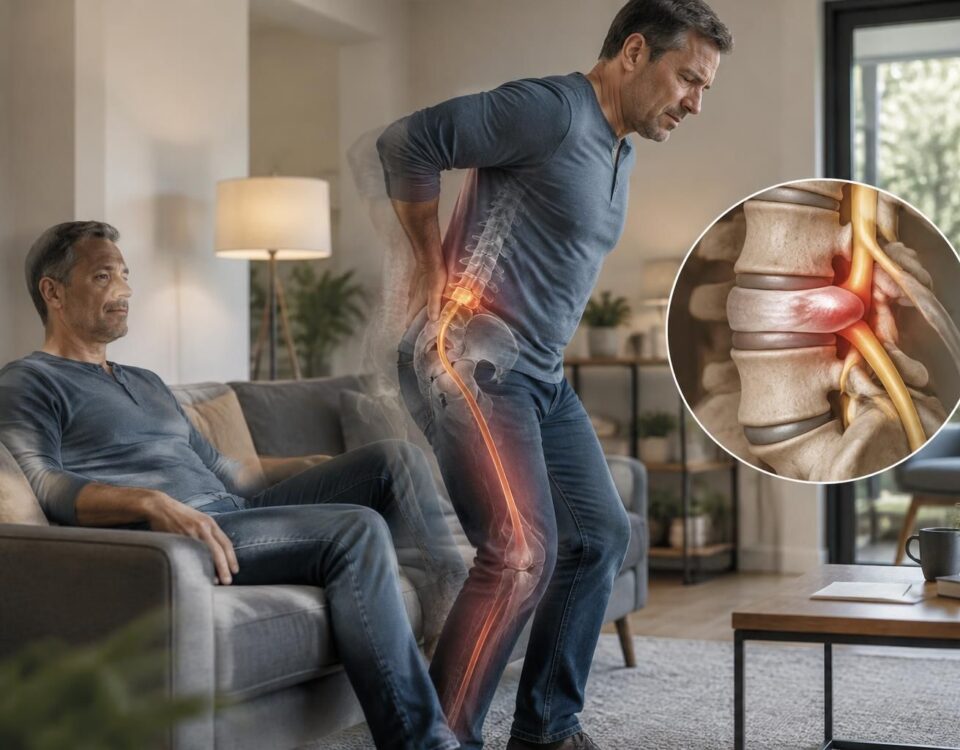
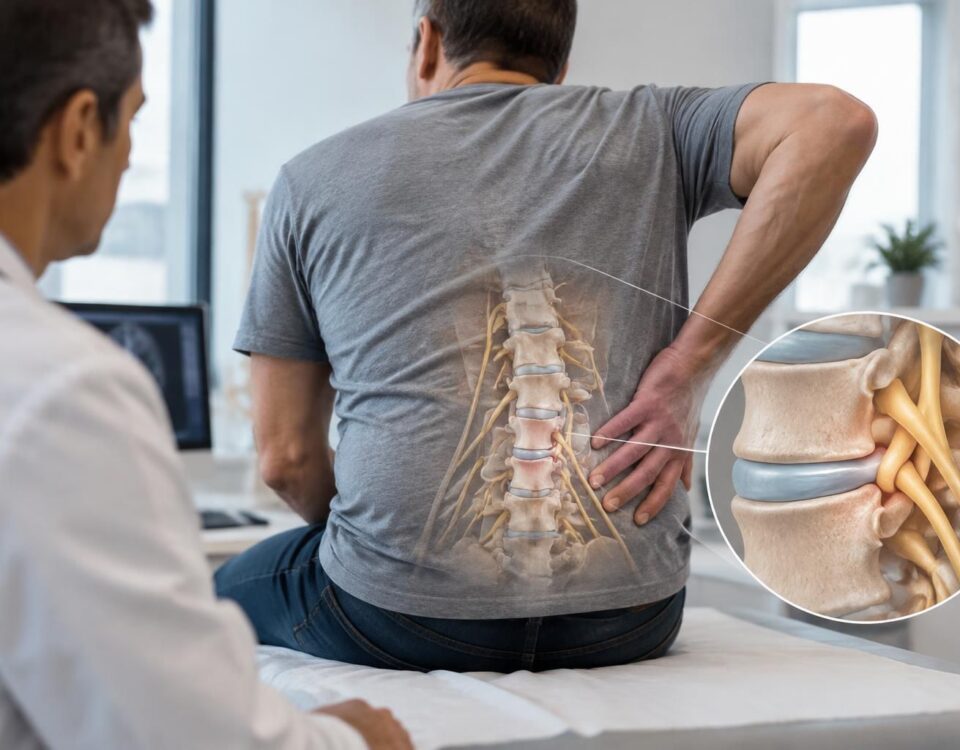
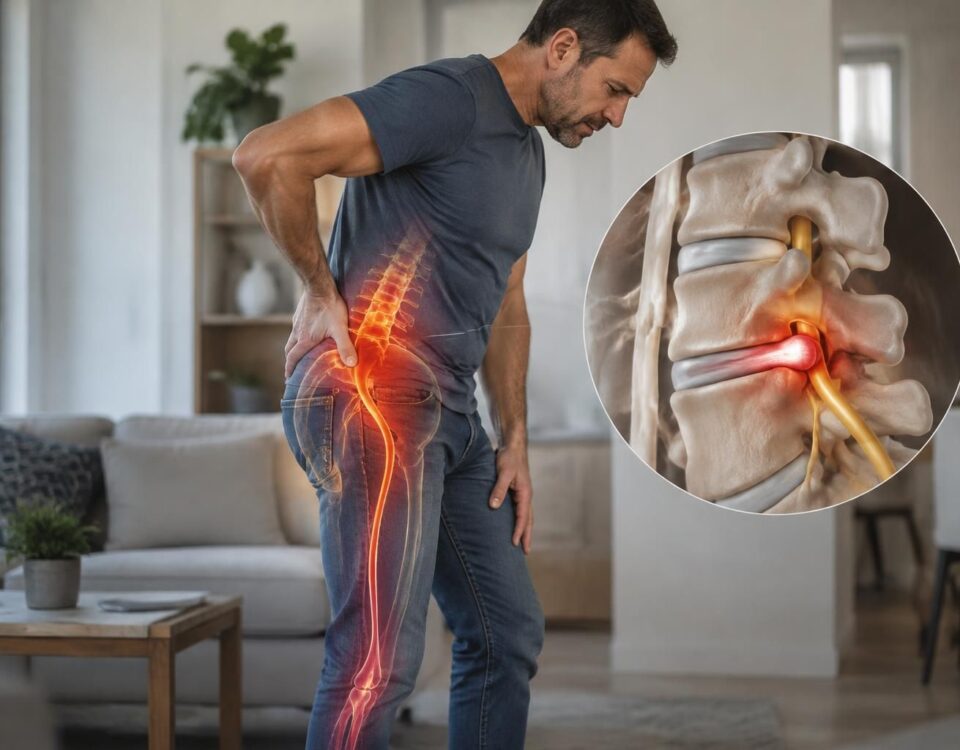
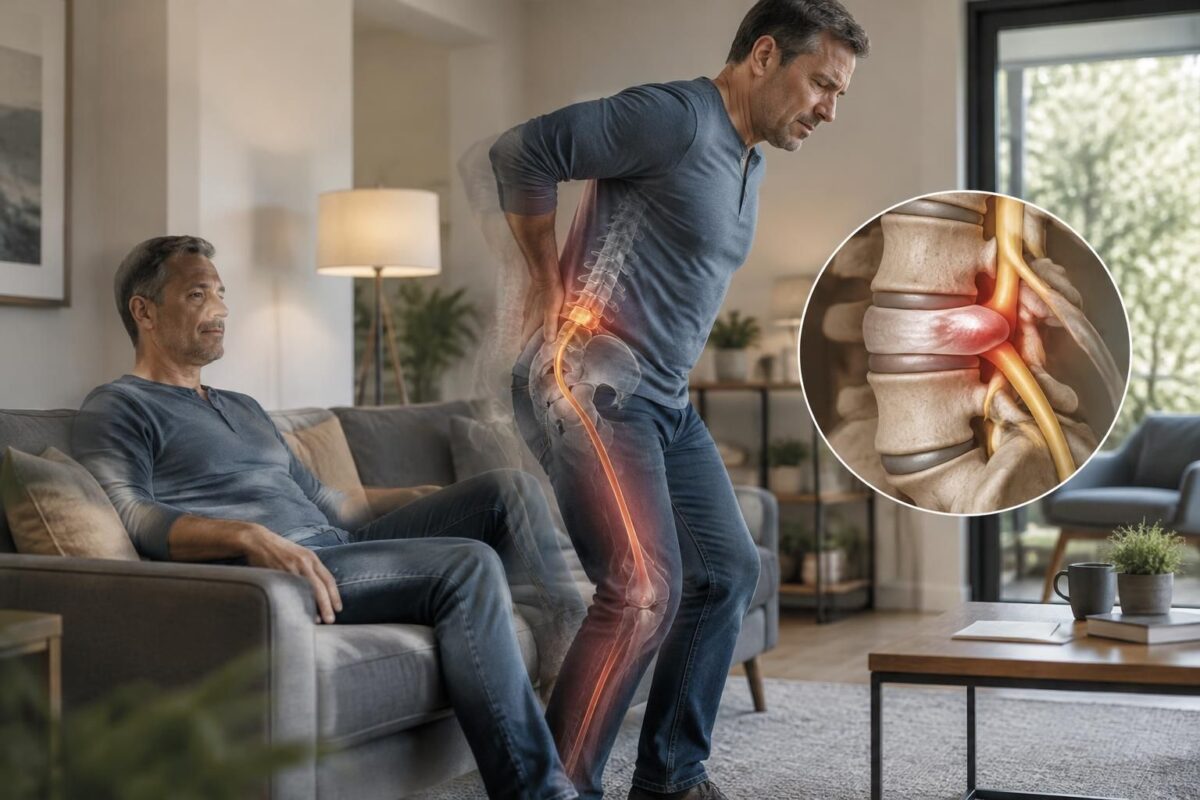
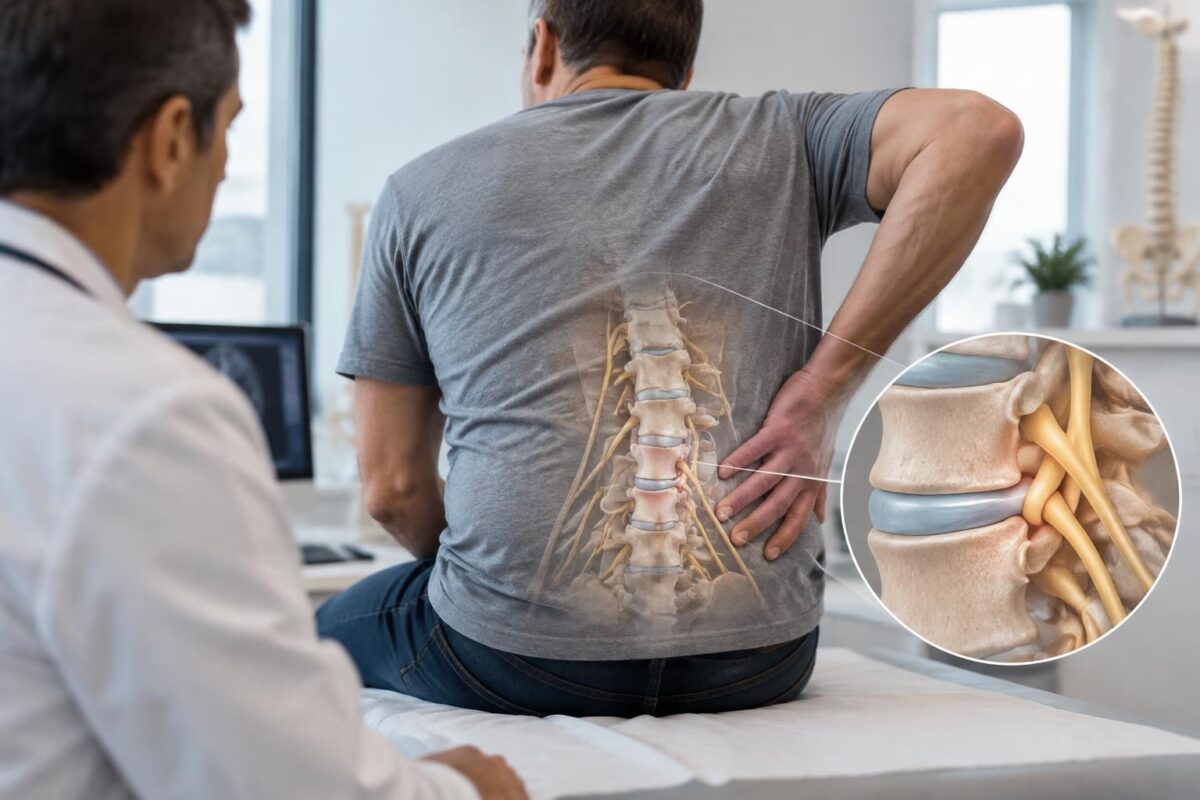
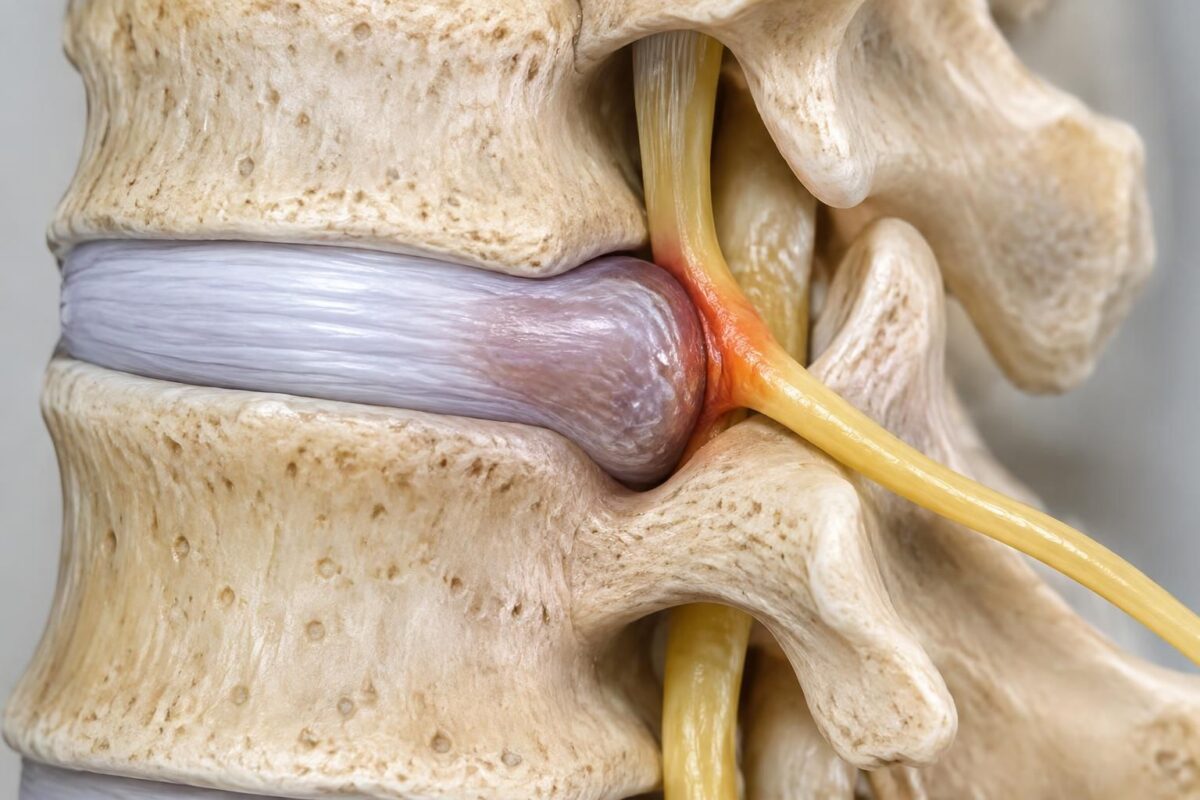
A herniated disc occurs when the nucleus pulposus of an intervertebral disc protrudes through a weakness in the annulus fibrosus. This bulge can irritate the nerve roots and trigger radicular pain. Common factors include disc aging, sudden overload during abrupt movements, or repetitive efforts that strain the lumbar spine. Degenerative changes and associated minor injuries may encourage the process. To understand nerve pathways and pain mechanisms, available information on specialized resources such as sosherniediscale and sosherniateddisc may be helpful.
Pain may result from mechanical compression, but it is also related to an inflammatory response around the nerve root. Other factors can worsen the situation, such as foraminal stenosis (narrowing of the nerve passage) or associated disc disease. For a practical and reliable perspective, consult dedicated resources on sossc…
Typical Clinical Manifestations
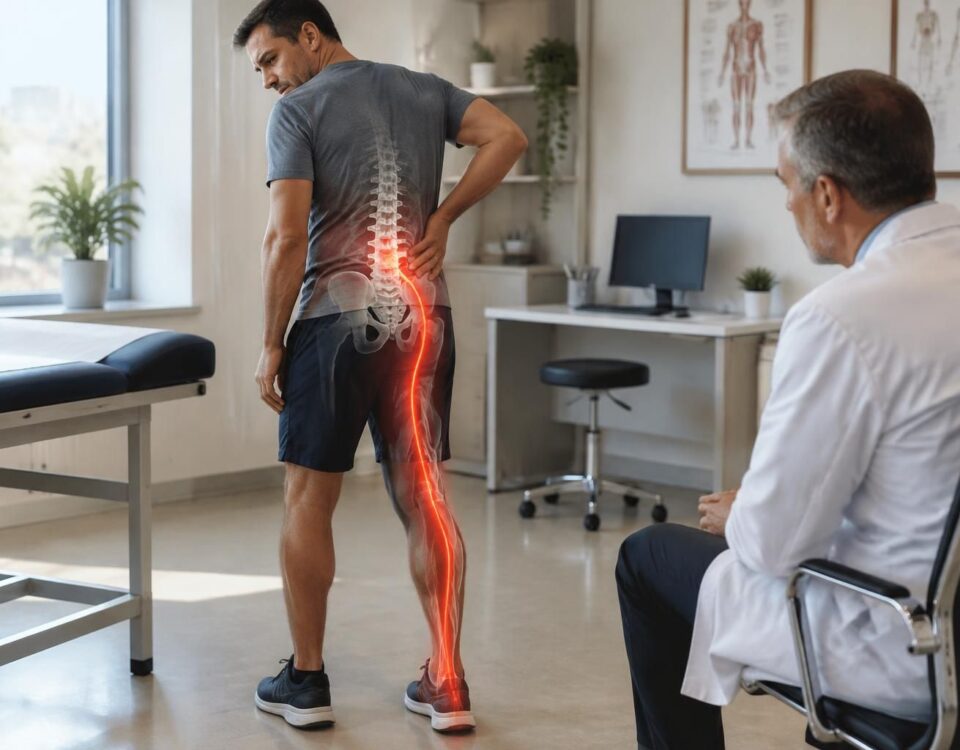
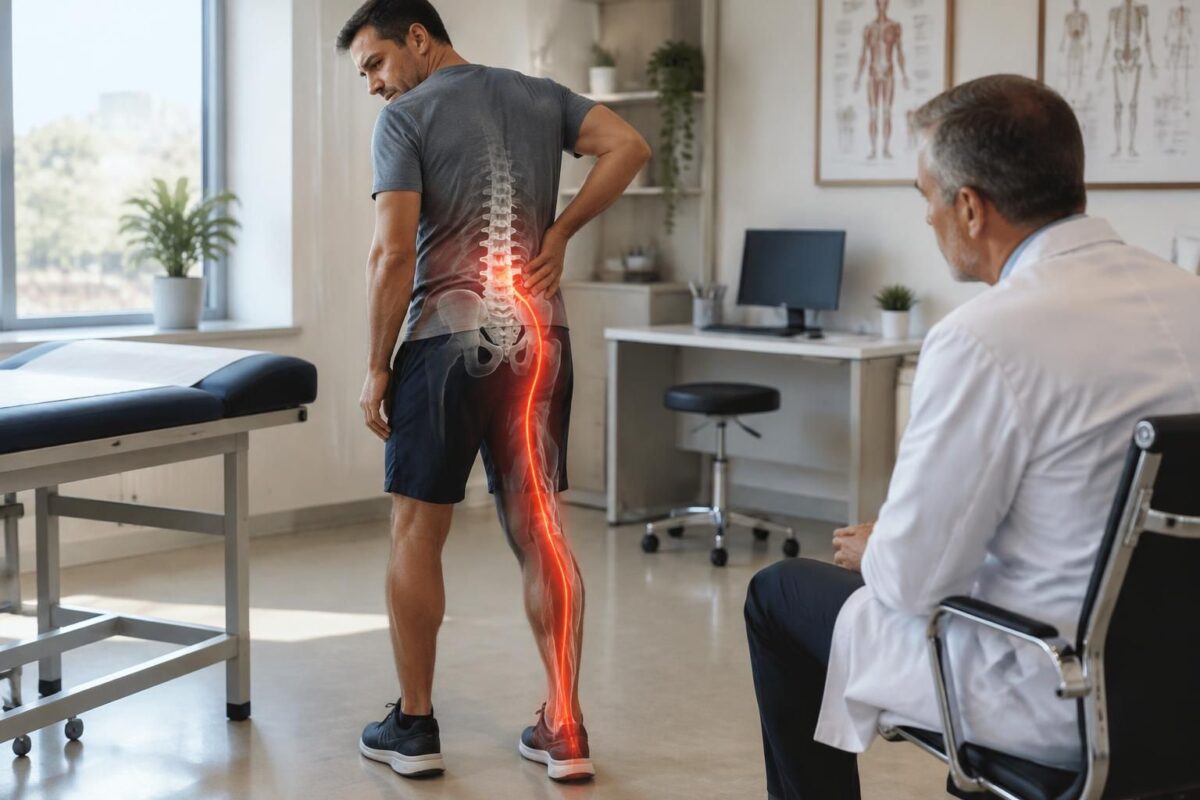
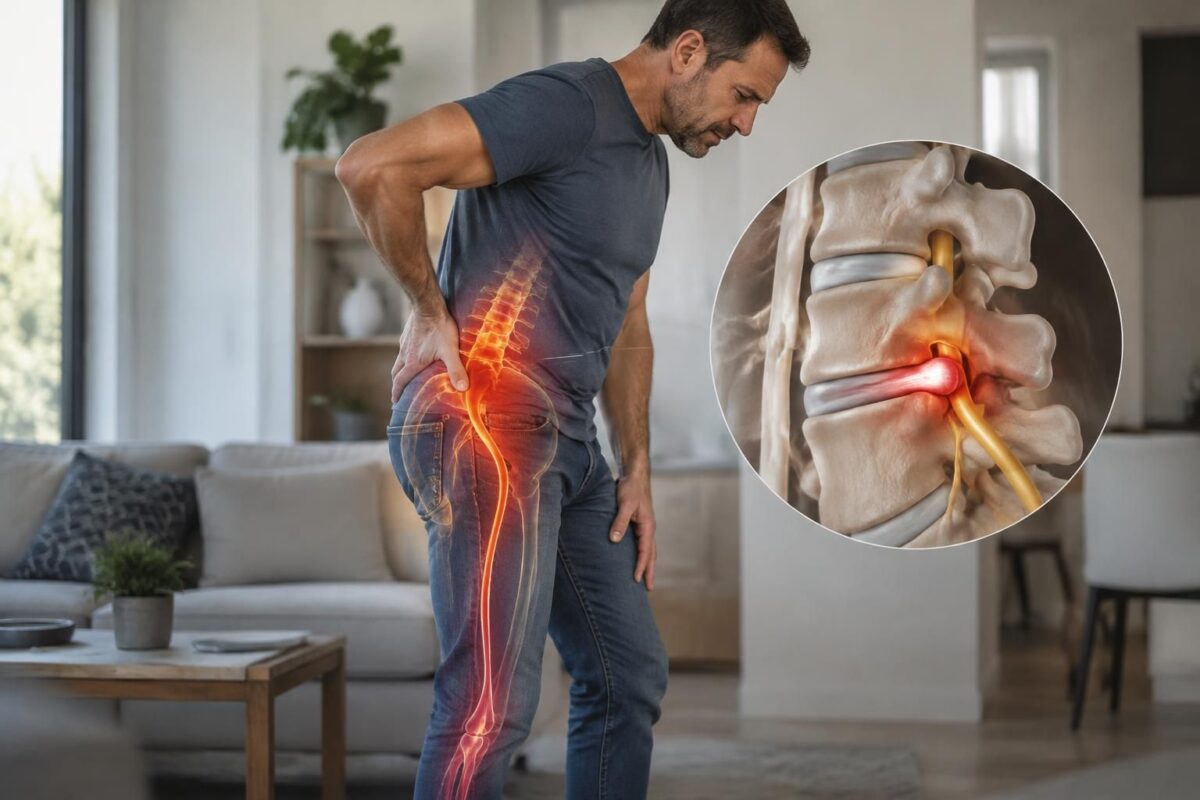
Pain often localizes to the lumbar region and radiates down the leg according to the path of the affected nerve. Paresthesia (tingling sensation) and muscle weakness in the muscles controlling the leg or foot are sometimes observed. In advanced cases, a disorder of urinary or intestinal control may occur and constitutes a medical emergency. The painful sensation can be acute, and the pain can be described as sharp, stabbing, dull, or burning, depending on the involvement and local sensitivity.
Risk Factors and Triggers
Classic risk factors include advanced age, disc heredity, a demanding professional activity on the back, obesity, and a history of low back pain. A lack of mobility and inappropriate postural habits can also favor the development of a herniated disc and associated sciatica.
Management and Available Options
Management may vary depending on severity and functional impact. Common conservative options aim to reduce pain and inflammation and promote recovery. They generally include suitable anti-inflammatory and analgesic medications, and supportive measures for the spine. At the TAGMED Clinic, non-surgical approaches are favored when appropriate, such as specific osteopathy and precision percussion. Motorized neurovertebral decompression may be offered in suitable cases to relieve pressure on nerve structures. When symptoms persist or worsen, advanced options, including targeted injections or surgery, may be discussed following a comprehensive assessment. For patients seeking additional information and treatments in Montreal or Terrebonne, TAGMED Clinic provides tailored management.
To better understand the mechanisms and associated approaches, you can consult specialized resources on websites dedicated to sciatica and herniated discs, and contact TAGMED Clinic directly for a personalized assessment.
Difference Between Hernia and Sciatica
The herniated disc is a deformation or bulge of the intervertebral disc. Sciatica is the pain that follows the path of the sciatic nerve, often caused by a hernia but also by other factors. In summary, the hernia is a structural problem, while sciatica is a painful symptom that results from an underlying issue.
When to Consult and Where to Get Treatment
Consult promptly if the pain is severe, associated with marked weakness, significant numbness, loss of urinary control, or pain that worsens rapidly despite treatment. A specialized assessment can guide towards the most suitable options, notably at the TAGMED Clinic in Montreal or Terrebonne. For resources and additional information, you can explore the resources of sosscaticite and the affiliated pages on sossciatique.com and sosherniediscale.com.
To learn more about treatment options and locations, discover TAGMED Clinic and associated resources on sossciatique.com, as well as information on neurovertebral decompression at decompressionneurovertebrale.com.
“Medical disclaimer: The information and advice provided on this site do not replace the opinion, diagnosis, or treatment of a healthcare professional. Please note that Sylvain Desforges, B.Sc., D.O., N.D., Doctor of Osteopathy, is neither a medical doctor nor a physician, and is not a specialist in any medical specialty as defined by the Collège des médecins du Québec. Manual medicine, functional medicine, and sports medicine as described on this site exclude any medical treatment or diagnosis performed by a physician or specialist. Always consult your doctor for any medical questions. For more details, please read our full Legal Notice.”
Herniated disc and acute sciatica: common causes

This article presents the common causes of herniated disc and acute sciatica, explaining how an intervertebral disc can irritate the sciatic nerve, what actions and factors increase the risk, and what concrete measures allow for prevention and timely action to limit pain and loss of mobility.
Common causes of herniated disc and acute sciatica
The most common causes are based on overload mechanisms and fragility of the intervertebral discs. A displacement of the nucleus pulposus can push against the annulus fibrosus and irritate nearby nerves, triggering low back pain associated with symptoms radiating into the leg. Frequent factors include sudden efforts during lifting, repetitive twisting, or heavy loads that exceed the trunk’s capacity. Minor repeated traumas and prolonged maintenance of poor posture are also considered risky actions. Finally, aging and natural wear of the discs increase vulnerability, facilitating the formation of a prominent focus that can compress a nerve root.
Risk factors and mechanisms
Age and disc wear
Over time, discs lose their elasticity and ability to absorb shocks. This fragility increases the likelihood that a trivial movement triggers a herniated disc or nerve irritation, even without major injury.
Poor posture and repetitive actions
A poorly aligned sitting or standing position, combined with repetitive movements of the back during work or leisure activities, stresses the various components of the spine and promotes shear movements. These habits increase the risk of fissures in the annulus fibrosus and displacement of the nucleus pulposus.
Professional and sports activities
Jobs that require lifting heavy loads, rapid twisting, or repeated vibrations expose the spine to increased stress. In sports, intense actions, poorly dosed training, or episodes of technical failure can create microtraumas that accumulate and lead to an inflammatory radiculopathy.
Clinical signs and distinctions
Pain can appear acutely, with a lower back pain that extends along a nerve pathway into the leg. Paresthesias and numbness, as well as muscle weakness in certain muscle groups, are typical signals of radicular irritation. Quick evaluation helps differentiate simple muscle pain from sciatica related to a disc bulge and prevent deterioration that could require specialized care.
Prevention and first actions
To reduce the risk of occurrence and reoccurrence, adopt a proper posture at work and in daily activities, prioritize strengthening the deep trunk muscles, and stay active with suitable exercises. Avoid heavy twisting loads and prioritize correct lifting techniques. In case of acute pain, prefer controlled movements over complete rest, and consult quickly for a personalized evaluation to identify the precise causes and choose an appropriate strategy including physiotherapy, targeted osteopathy, and ergonomic measures.
| Cause category | Concise description |
|---|---|
| Degenerative wear | Progressive deterioration of the disc favoring protrusion and irritation of nerves. |
| Acute lumbar trauma | Shock or sudden effort triggering the disc bulge. |
| Sudden movements and repetitions | Repeated bending/twisting weakening the annulus. |
| Prolonged poor posture | Continuous pressure on the spine and discs during prolonged sitting or standing positions. |
| Overload and heavy lifting | Excessive load and heavy actions increasing disc strain. |
| Weak trunk | Lack of support from abdominal and back muscles exposing the disc to more strain. |
| Pre-existing herniated disc | Presence of an old hernia that may react during an effort. |
| Repetitive professional factors | Work involving repetitive actions, vibrations, and lifting loads. |
| Other associated conditions | Foraminal stenosis or discopathy increasing the risk during acute episodes. |
Common causes of herniated disc and acute sciatica
Marie, 41, a nurse, recounts that her herniated disc appeared after a twisting movement while lifting a heavy tray. The lower back pain escalated quickly, followed by pain radiating into the leg, confirming the acute sciatica nature.
Pierre, 48 years old, truck driver, explains that years of vibrations and repeated loads have led to repeated microtraumas on his back. This triggered a herniated disc and an acute sciatica that made long trips particularly difficult.
Anna, 36 years old, administrative assistant, describes pain that started after long hours of sitting and an inadequate posture. According to her, the combination of inadequate posture and lack of movement contributed to a herniated disc and an acute sciatica.
Thomas, 55 years old, plumber, mentions an incident triggered by heavy lifting and twisting his back on a construction site. Such effort can damage the disc and cause a herniated disc, with lower back pain and radiation along the sciatic nerve, typical of an acute sciatica.
Sophie, 29 years old, athlete, recounts that intense training without warming up and heavy squats triggered a herniated disc. The pain quickly became an acute sciatica, forcing her to slow down and seek prompt treatment for proper care.
Common Causes of Herniated Discs and Acute Sciatica
Sylvain Desforges, an experienced osteopath and manual medicine practitioner, is known for his integrated practice that combines osteopathy, naturopathy, and functional approach. Central to his work are lower back pain and radiating pain in the limbs, especially when herniated discs and acute sciatica occur. His goal is to provide evidence-based care to optimize his patients’ health and well-being.
A herniated disc occurs when the gelatinous nucleus of an intervertebral disc pushes through a tear in the fibrous ring and puts pressure on adjacent nerve roots. This failure can result from a degenerative process of the disc, but also from minor trauma or poorly coordinated effort during which the disc is subjected to excessive load. The mechanisms are often multifactorial, mixing aging, reduced disc hydration, and repeated stresses on the spine.
Acute sciatica is generally the clinical sign of irritation or compression of a lumbar nerve root, most often linked to a herniated disc or other sources of disc-radicular conflict. The pain trajectory follows the path of the sciatic nerve, from the lower back to the leg and sometimes to the foot, and may be accompanied by tingling, numbness, or muscle weakness. Understanding the underlying causes is essential to tailor the treatment and prevent recurrences.
Common causes include aging and disc degeneration that reduce the discs’ resistance, repetitive movements or aggressive efforts during lifting and bending, prolonged static postures, sudden movements, and twists. Smoking, obesity, and a sedentary lifestyle increase the risk by impairing blood supply and nutrition to the discs. Occupational, sports, or pregnancy-related factors can also contribute to the onset of a herniated disc or acute sciatica.
In his approach, Dr. Desforges emphasizes individualized assessment to distinguish precise causes and propose non-surgical care plans. Manual techniques, targeted strengthening and mobility exercises, and, when appropriate, complementary modalities such as spinal decompression, laser, or shockwave therapies are prioritized. The aim is to restore function, improve tissue vascularization, and promote sustainable recovery without systematically resorting to surgery.
Prevention also plays a major role: improving posture, strengthening the trunk and back muscles, learning safe lifting techniques, and engaging in regular physical activity that stimulates mobility while protecting the spine. By understanding common causes and adopting an appropriate therapeutic strategy, it is possible to reduce pain, improve quality of life, and decrease the risk of recurrence of episodes of herniated discs and acute sciatica.
In a quick summary, this conclusion highlights the common causes of herniated discs and acute sciatica, their mechanisms, typical signs, and treatment options, while emphasizing prevention measures and the care pathway adapted to each patient. The gelatinous nucleus of a disc can pass through a weak area of the outer ring, irritating the nerve roots and triggering pain that can radiate from the back to the leg. Common triggering factors include improper lifting, repetitive efforts, disc degeneration, and poor posture, sometimes associated with lifestyle habits such as smoking or obesity. The treatment initially prioritizes non-invasive and personalized approaches, with particular attention to mobility, trunk strengthening, and postural education. For further information, many resources describe the mechanisms and care pathways, including practical aspects of rehabilitation and favorable positions for healing (Posture and Herniated Discs, Doctissimo – Sciatica).
The common causes of a herniated disc and acute sciatica are based on an interaction between mechanical and degenerative factors. An improper lift, twists or sudden movements, repeated overload, and poor posture at work or during daily activities can promote the displacement of the gelatinous nucleus through the annulus fibrosus, irritating the nerve root and triggering pain that often radiates toward the sciatic nerve. Conditions such as obesity, lack of activity, and smoking also increase risks, making prevention and maintaining core stability and regular mobility essential. To understand the mechanisms and risk factors, consult resources on the causes of sciatica and the nerve pathways (Causes of Sciatica, Nerve Pathway and Healing).
The typical symptoms associated with lumbar impairment and radicular signs can take several forms: localized lower back pain, pain radiating down the leg, and sensations of tingling or numbness in the territory of the affected nerve. In advanced cases, muscle weakness or urinary and fecal issues may arise and require urgent medical evaluation. To enhance your understanding of the nerve pathway and pain pathways, refer to resources like Doctissimo and other specialized guides (Doctissimo – sciatica, Extruded disc herniation and clinical significance).
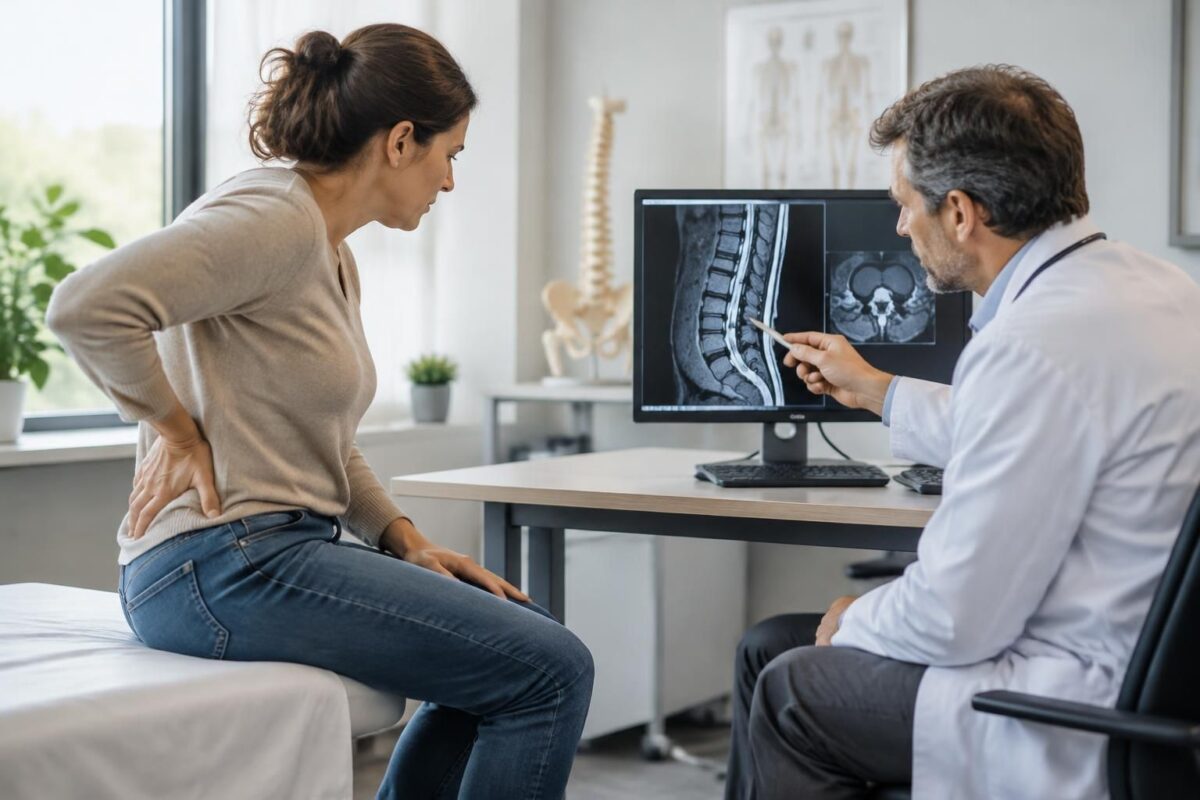
The diagnosis and treatment choice rely on clinical evaluation and, if necessary, supplementary examinations. In the majority of cases, non-surgical approaches – including physiotherapy, targeted exercises, trunk muscle strengthening, anti-inflammatories, and muscle relaxants – provide significant relief and promote recovery. Detailed instructions on prevention and home management can be found in resources dedicated to sciatica and disc herniation (Sciatica and lumbar disc herniation, Treatment of sciatica – Montreal).
If symptoms persist despite conservative treatment or if they are accompanied by alarming signs (rapid weakness, very disabling pain, loss of urinary control or sphincter issues), a specialized evaluation is necessary to consider more invasive or surgical options. Clinical resources and guides on the care pathway and current medical criteria can help make an informed decision (Tingling while sitting – possible causes, Clinical significance of the extruded hernia).
To prevent recurrences and optimize recovery, adopting a suitable rehabilitation program is crucial: working on stabilization, lumbar mobility, and neuro-meningeal exercises to restore tissue flexibility and re-establish stability in the spine. Additional resources and comprehensive care pathways are available online and can guide your management, especially concerning nerve pathways and stages of healing (Calf pain – Montreal, Sciatica & lumbar disc herniation).
Disc herniation and fluctuating symptoms
IN BRIEF A disc bulge is a protrusion of the disc between the vertebrae, which may not necessarily cause symptoms. When pain fluctuates, its intensity can vary based on movements, activities, and other factors; the bulge visible on MRI does…
Disc bulge and mild nerve compression
IN BRIEF A disc bulge with mild nerve compression occurs when a disc slightly protrudes and may irritate a nerve, sometimes causing pain, tingling, or numbness. Symptoms and imaging do not always align: the assessment takes into account your movements…
Disc herniation and foraminal irritation
IN BRIEF A disc bulge can reduce the space of the foramen, the opening through which a nerve exits, and contribute to its irritation. This can cause lower back pain radiating into the buttock or leg, tingling, or numbness. An…
Disc bulge L5-S1 and pain toward the foot
IN SHORT A L5-S1 disc bulge corresponds to a disc that slightly overruns between the last lumbar vertebra and the sacrum. It can irritate a nerve root and cause pain resembling sciatica down to the foot, but this anomaly visible…
Disc herniation L4-L5 and leg pain
IN BRIEF A L4-L5 disc bulge is a protrusion of the lumbar disc that can contribute to pain in the buttock or leg if a nerve root is irritated. An MRI in a neutral position does not always show what…
Disc bulge and sciatica: possible cause or simple discovery?
IN SHORT A disc bulge is a diffuse protrusion of a disc, sometimes associated with sciatica, but often discovered incidentally on imaging. To determine if it explains symptoms, one must compare the image to their path, the neurological examination, and…
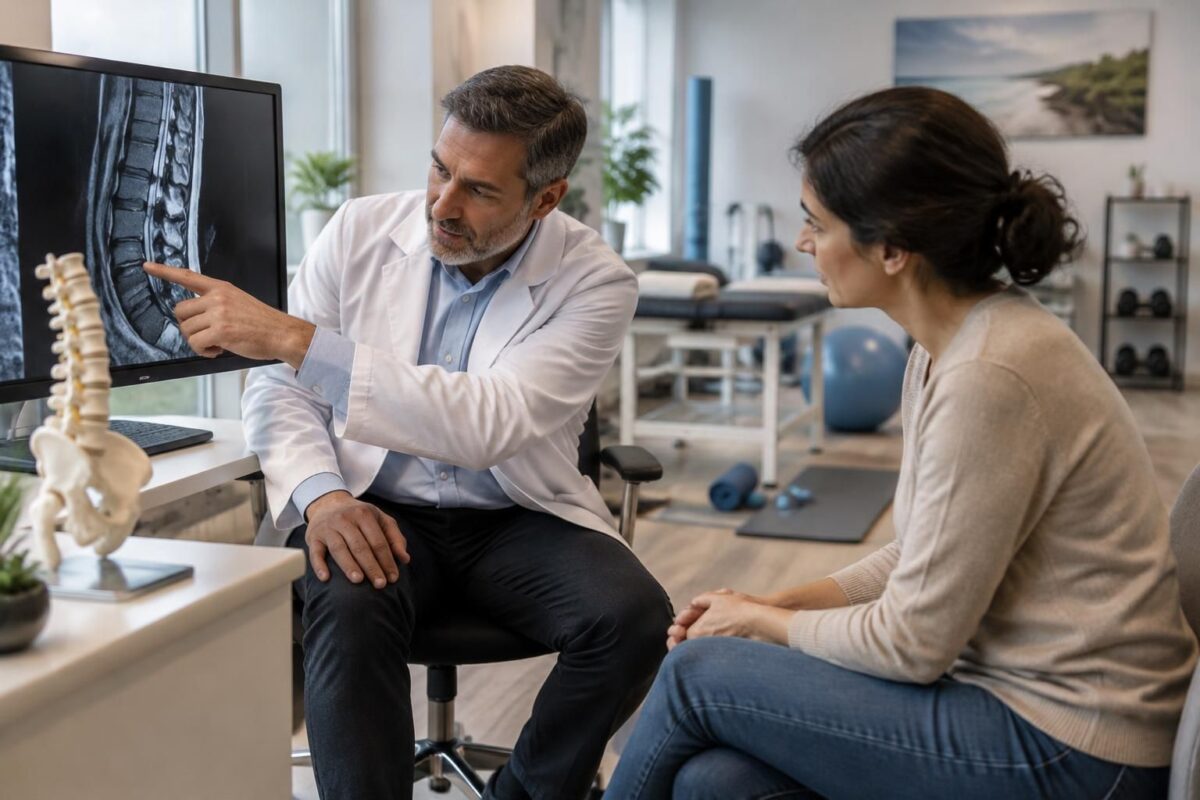
Lumbar Disc Protrusion and the Choice of a Non-Surgical Approach
IN SHORT A disc protrusion is a bulging of a disc between the vertebrae; it often does not cause any symptoms. If it is accompanied by pain, a non-surgical approach may include appropriate activity, prescribed medications, and progressive rehabilitation. It…
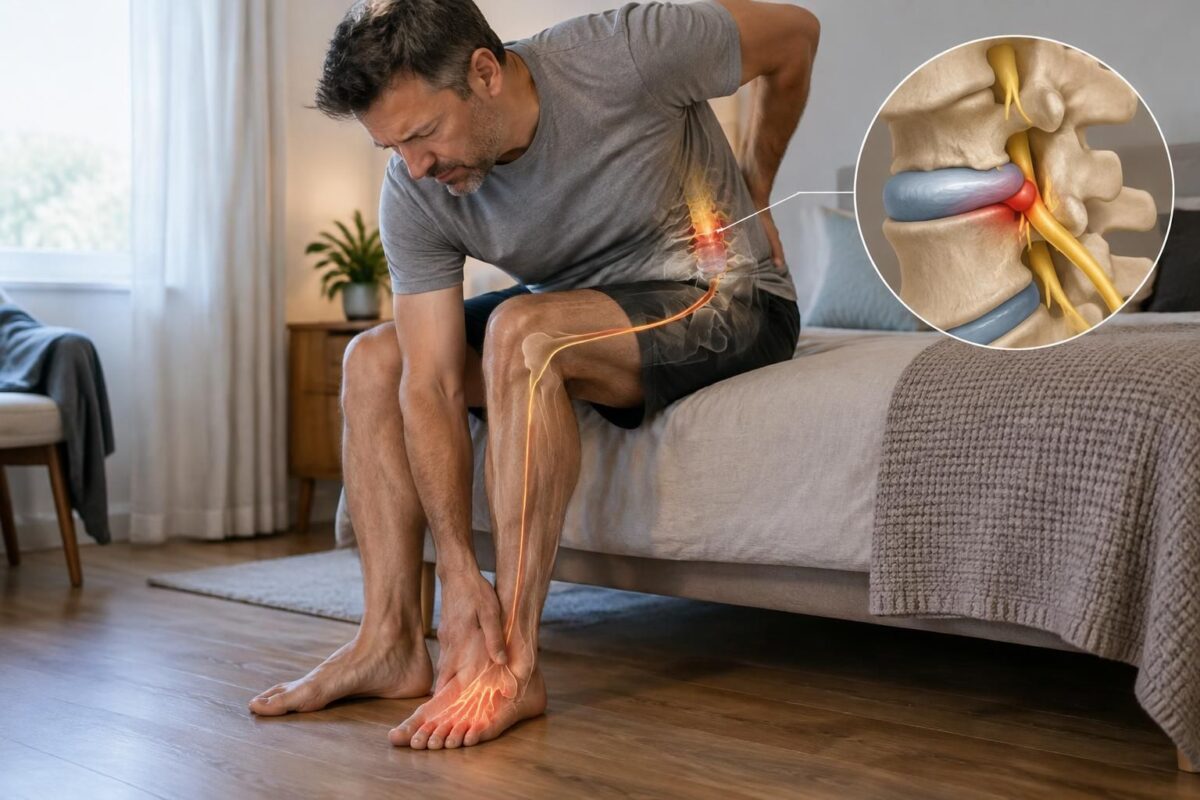
Disc herniation and pain on the top of the foot
IN BRIEF A disc protrusion is an intervertebral disc that bulges without necessarily rupturing. Pain on the top of the foot may sometimes be related to irritation of a lumbar nerve, but it does not alone confirm disc involvement. An…

Sylvain Desforges, B.Sc., D.O., N.D., docteur en ostéopathie
Dr Sylvain Desforges, B.Sc., D.O., N.D., osteopath, is the founding president of TAGMED and of the ACMA association. He dedicates his practice to chronic spinal pain, low back pain and symptoms compatible with sciatica, particularly when pain radiates toward the buttock, leg, calf, foot or toes.
Through SOS Sciatique, he publishes educational content on sciatica symptoms, possible causes such as disc herniation, disc narrowing, foraminal stenosis or irritation of a lumbar nerve root, as well as non-surgical approaches that may be considered according to the evaluation. At Clinique TAGMED, care may include, depending on the case, motorized neurovertebral decompression, specific osteopathic care or precision percussion.
For an evaluation related to sciatica treatment in Montreal / Mount Royal or sciatica treatment in Terrebonne, please consult the services available at Clinique TAGMED.
Medical disclaimer
The information published on SOS Sciatique is provided for educational purposes only and does not replace a consultation, diagnosis, opinion or treatment provided by a physician or another authorized healthcare professional. The author of this article is neither a medical doctor nor a specialist in a medical specialty recognized by the Collège des médecins du Québec. The osteopathic, manual medicine or functional support approaches described on this site do not constitute medical acts and are not intended to replace medical follow-up.
Consult a physician or emergency service in cases of loss of bladder or bowel control, anesthesia in the saddle area, significant or progressive weakness in the leg or foot, fever, recent trauma, severe pain or rapid worsening of symptoms. For more details, please read our Legal Notice.