Neurovertebral decompression and postural alignment: correcting imbalances
26/06/2026
Neurovertebral decompression and prevention of chronic cervical pain
26/06/2026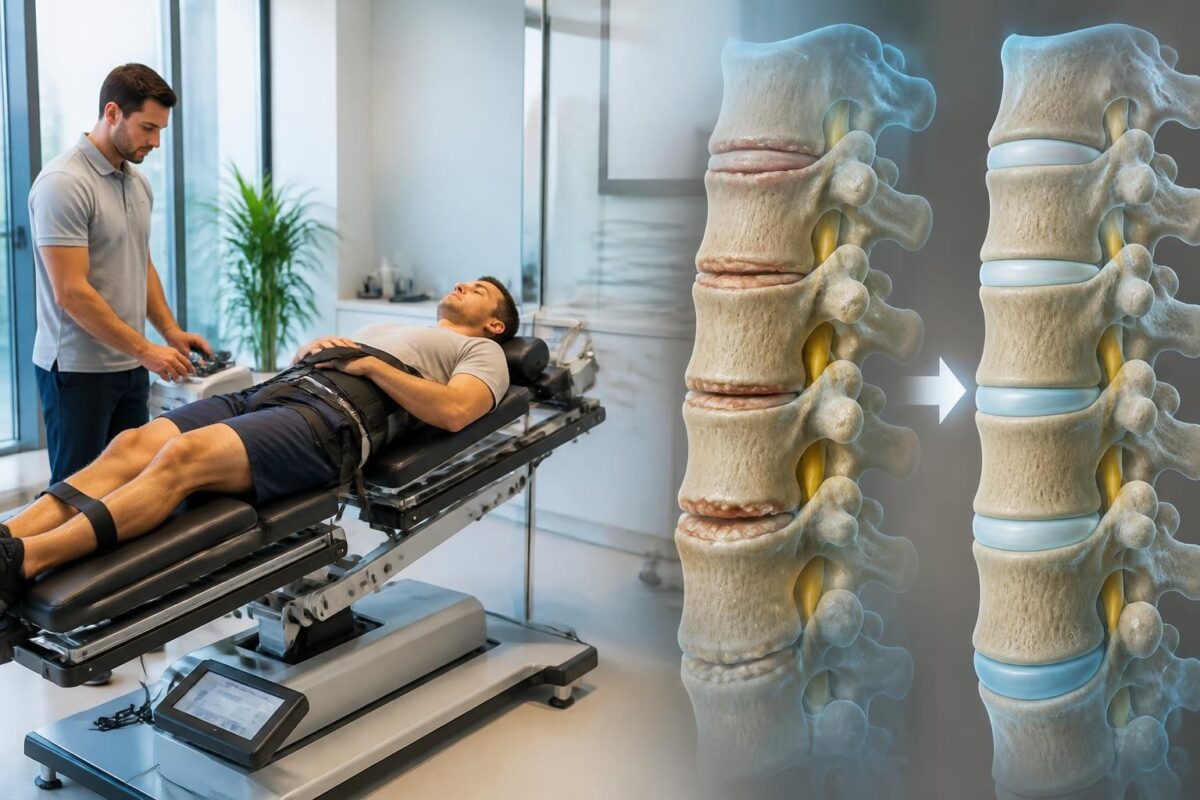
In short
| In short, neurovertebral decompression is one Non-invasive method which aims to Regenerate intervertebral discs By reducing the pressure and improving thehydration and the nutritional intake of discs. Its advantages include the Sustainable relief back and cervical pain, Improved mobility and prevention of discs. Its operation is based on a Soft and controlled traction who creates a negative pressure inside the disc, favoring its rehydration and his Tissue regeneration. accessible to Montreal And in our TagMed clinics, this treatment can be integrated into a rehabilitation program to optimize recovery without surgery. |
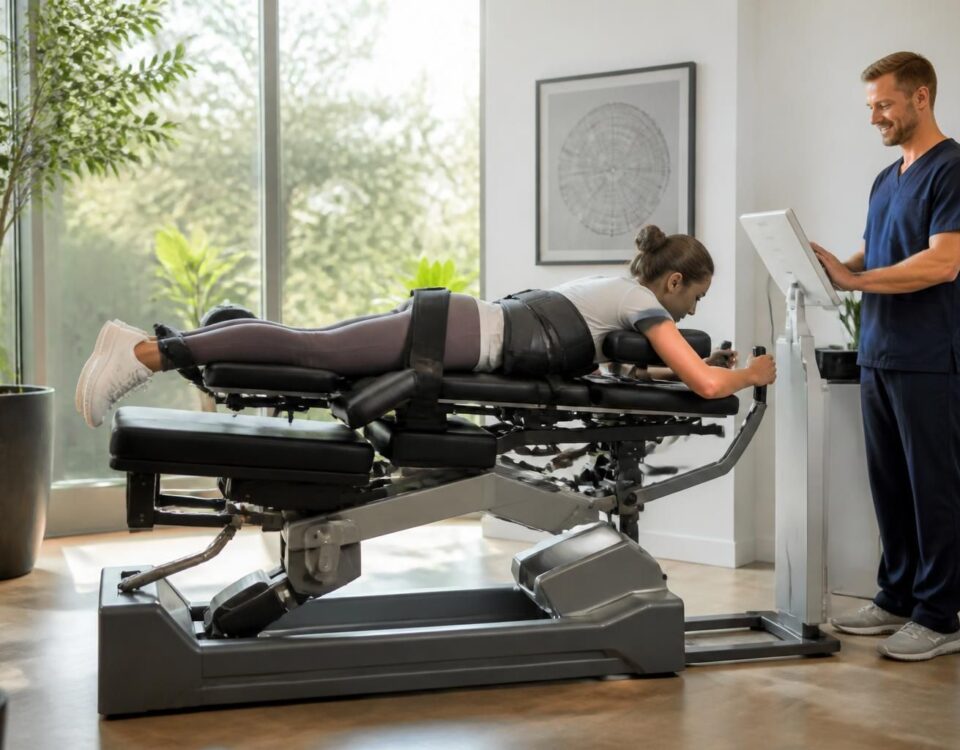
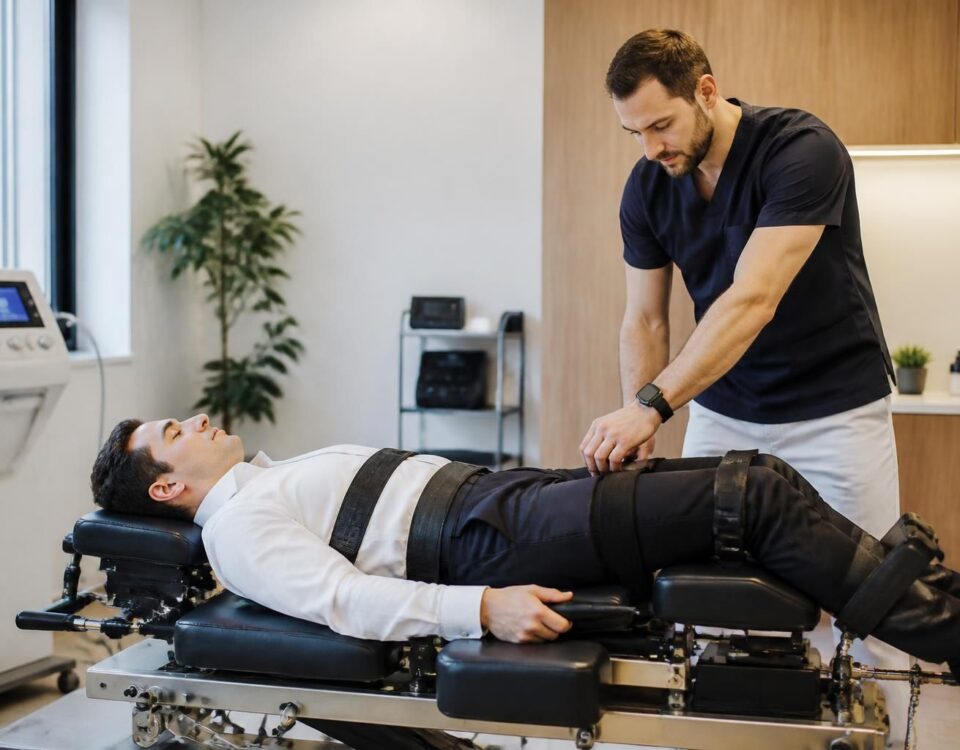
The neurovertebral decompression is an approach non-invasive which acts by a Controlled traction for Reduce pressure on intervertebral discs. This pressure decrease Boosts fluid circulation and improve theHydration and nutritional intake discs, favoring their regeneration and fabric repair. By creating an environment conducive to healing, it helps to Reduce the pain and to Improve mobility, while limiting settlements and lesions. Overall, it contributes to maintaining the health of the column and supporting the regeneration of degenerate discs when associated with a rehabilitation program.
This article written by Sylvain Desforges, osteopath and expert in manual therapies, explains how neurovertebral decompression can promote the regeneration of intervertebral discs. It describes action mechanisms, effects on disc hydration and nutrition, and the role of this non-invasive approach in pain management and mobility improvement. For more information, see the resources available on Clinique TagMed and our specialized partners.
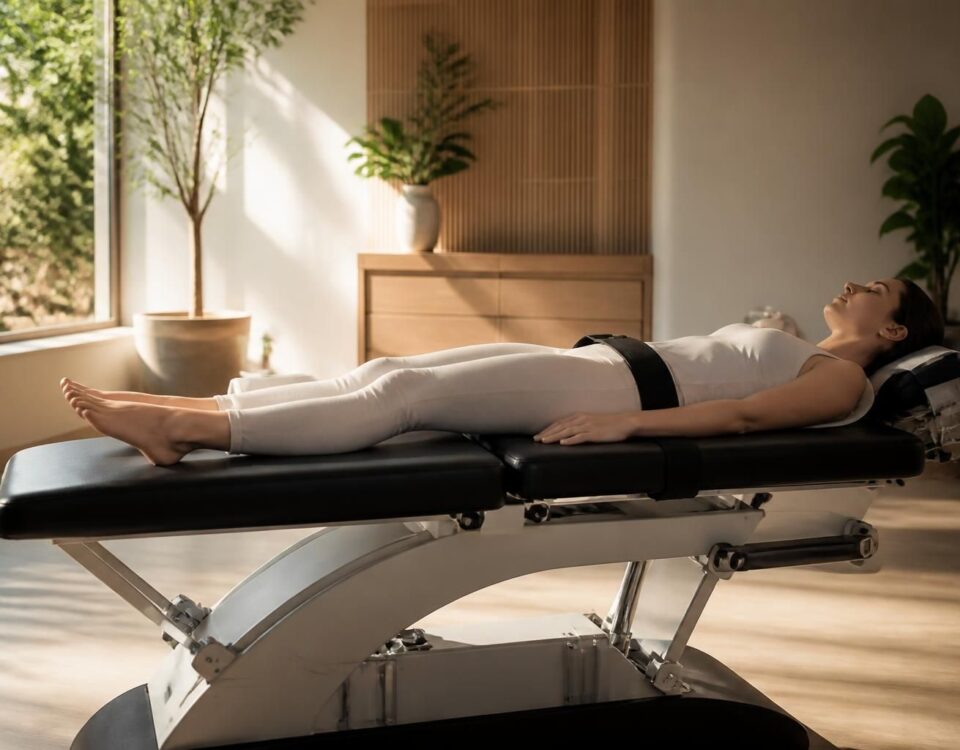
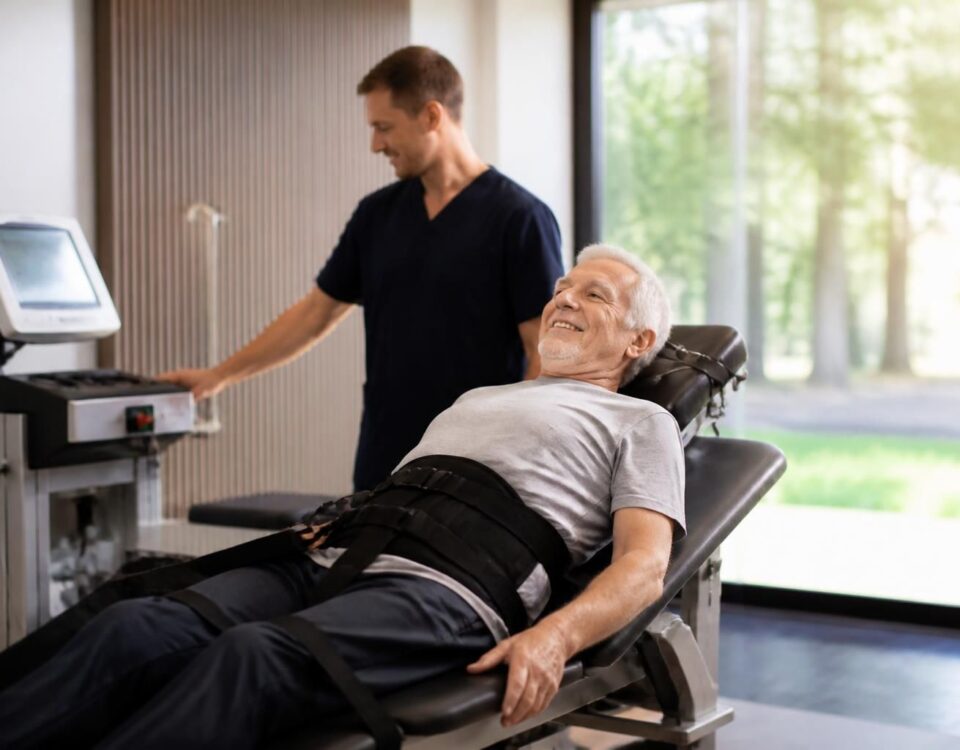
Neurovertebral decompression is a non-invasive technique that applies controlled traction on the spine. This action reduces the pressure on the intervertebral discs and facilitates the rehydration and nutrition of the discs. This approach reduces tension, supports tissue regeneration and is part of a evidence-based care process. To find out more, you can visit Clinique TagMed and associated resources.
Pressure reduction and disc rehydration
The key mechanism is based on creating negative space inside the disks. This decompression allows the disc to relax, absorb water and essential nutrients and regain better elasticity. By lowering the pressure, the discs can better rehydrate and recover part of their mechanical function.
Nutrition and fluid circulation
Controlled traction promotes better fluid circulation in the disc region. Better circulation of nutrients and oxygen supports the healing and regeneration processes of damaged tissues. This improvement contributes to the resilience of the discs in the face of daily constraints.
Activation of natural regeneration mechanisms
By reducing compression and improving nutritional intake, decompression stimulates natural tissue regeneration mechanisms. The discs benefit from an environment conducive to the repair and gradual restoration of their structure.
Impact on pain and mobility
The decrease in pressure on the nerves and nerve roots often results in a reduction in back and cervical pain. This improvement can allow freer mobility and resumption of functional activities, while limiting repeated painful episodes.
Clinical integration and safety
Neurovertebral decompression is a non-surgical, safe and suitable option for many patient profiles. It can be integrated into a care pathway coordinated with the TAGMED Clinic and, where relevant, combined with other validated approaches in neurology and osteopathy. To learn more, check out the following resources: Benefits in rehabilitation, Disk regeneration, and disc regeneration. To learn more about approaches to TagMed, visit Tagmed Clinic.
Additional resources highlight how neurovertebral decompression can support disc regeneration and intervertebral disc rehydration, while providing secure, non-surgical management. For an overview of mechanisms and results, see the following resources: Chronic cervical relief, Disk Regeneration Support and Prevention of future hernias. These resources are part of a logic of care centered on the patient and safety.
For information, neurovertebral decompression can be proposed in addition to other non-invasive approaches available at the TAGMED clinic, and is the subject of personalized evaluations to determine suitability for each patient. For more information and studies, see Disc herniation and decompression and sciatic resources.
For patients and professionals, additional resources on the effects of neurovertebral decompression and its benefits on intervertebral disc regeneration are available through partner sites: Persistent radicular pain and Secondary muscle pain.
Additional indications and contextualizations are available on the TagMed website and in our partner resources recognized by osteopathic practice and associated approaches. For additional information on neurovertebral decompression and its effects, see also Nervous tissue regeneration tablets and Regeneration of intervertebral discs.
For general and contextual information, see the following resources: Benefits in rehabilitation, Prevention of future hernias, and Persistent radicular pain.
For additional information on training and professional references, the practice aligns with the standards established in recognized professional organizations such as ACMA and the College of Canadian Osteopaths. For more information on care pathways and clinical options, see Tagmed Clinic.
Medical Disclaimer: The information and advice provided on this site does not replace the health professional’s diagnosis or treatment. Please note that Sylvain Desforges osteopath is neither a doctor of medicine nor a doctor, and is not a specialist in a medical specialty as defined by the Collège des Médecins du Québec. Manual medicine, functional medicine and sports medicine as described on this site exclude any medical treatment or diagnosis made by a doctor or specialist doctor. Always consult your doctor for any medical questions. For more details, please read our full legal notice.
- Reduction in intradiscal pressure by controlled traction
- Creating a negative pressure Promoting the repositioning of internal elements
- Improvement of the Fluid circulation Around the disc
- Nerve decompression and Decreased inflammation local
- guided stretching of the vertebrae which contributes to a better posture
- nutrition and oxygenation increased discs thanks to better infusion
- activation of the natural mechanisms of disc regeneration
- rehydration of the pulpy nucleus and restitution of its elasticism
- targeted pain reduction and improvement in mobility
- prevention of settlement and reduced risk of future hernia
- Integration into a rehabilitation program for spinal stability

This article offers practical recommendations on how to neurovertebral decompression promotes the Regeneration of intervertebral discs. By generating controlled traction that decreases pressure and facilitating nutrient intake, this approach supports hydration, tissue repair and recovery from normal mobility. It is part of a global strategy, combining manual medicine, targeted rehabilitation and adapted lifestyle.
Principle and essential mechanisms
The Controlled traction applied to the spine creates a negative pressure inside the intervertebral discs. This dynamic makes it possible to reduce the compressive forces, favoring the rebalancing of the disc contents and the reduction of bulges, while attenuating the associated pain.
Pressure reduction and negative decompression
By lowering the facet and foraminal pressure, decompression offers a favorable space for rehydration and restitution of the mechanical properties of the discs. This effect promotes the transfer of fluids and nutrients essential for tissue regeneration and the protection of nerve roots.
Hydration and Disc Nutrition
The discs, devoid of direct vascular intake, depend on a supply of water and nutrients diffused by the surrounding fluids. Decompression improves this diffusion, reinforcing the elasticity of the discs and their shock absorption capacity, which contributes to preventing painful episodes and supporting regeneration.
Reduced tensions and improved mobility
By releasing muscle tension around the spinal segments, the technique contributes to better posture and vertebral mobility more fluid. This relaxation facilitates the integration of rehabilitation exercises and the maintenance of the gains obtained during decompression sessions.
Stimulation of regeneration mechanisms
The combination of Better fluid circulation and of Reduction of mechanical stresses Activates the natural mechanisms of disc regeneration, improves tissue tolerance and supports reconstruction of the disc architecture. This approach aims at lasting results rather than ephemeral effects.
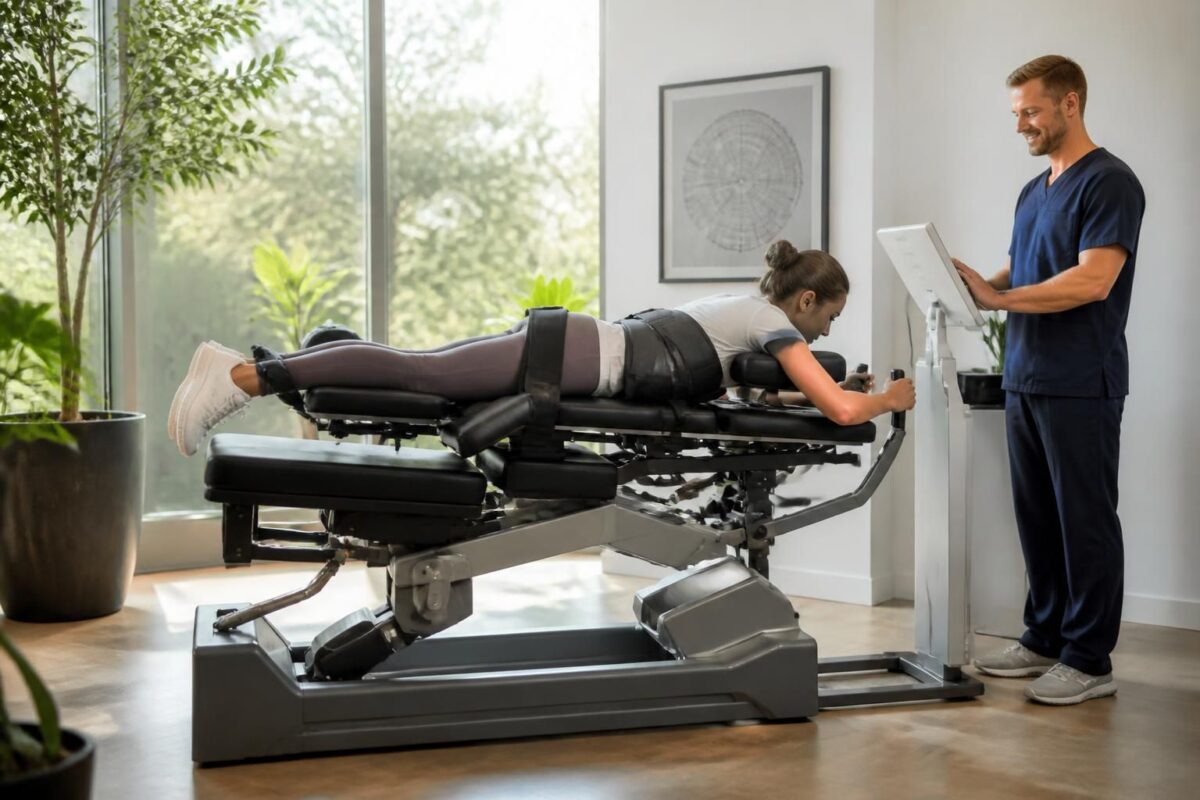
The long-term benefits of neurovertebral decompression for spinal health
In short In short, the neurovertebral decompression is a non-invasive approach that decreases the Pressure on intervertebral discs and nerves, favoring the Natural regeneration and tissue recovery. Its long-term benefits include Lasting pain reduction, Improving mobility and from the posture,…

Neurovertebral decompression and mobility: a return to an active life
In short In short, the neurovertebral decompression is therapy non-invasive who uses a gentle traction To create a space between the vertebrae and reduce the pressure on the Intervertebral discs and the nerves. It promotes a bloodstream improved, lowers tension…
Selection criteria and custom support
Patient selection
This procedure is particularly suitable for patients with slipped disc, of Degenerative disc disease or of disc pinch, in whom the symptoms persist despite conservative measures. A clinical and radiological assessment is essential to determine suitability for treatment and to prevent contraindications.
Individualized treatment plan
The protocol is adapted to each patient and progressive. It combines cycles of gradual traction and rest periods, with an optimized frequency and duration according to tolerance and evolution. The objective is to stabilize the column, improve posture and prepare the ground for reinforcement and mobility exercises.
Monitoring and adjustments
Regular monitoring makes it possible to adjust the intensity, the duration of the cycles and the integration with the rehabilitation. Feedback on pain, mobility and daily function guide decisions to maximize benefits and minimize risks.
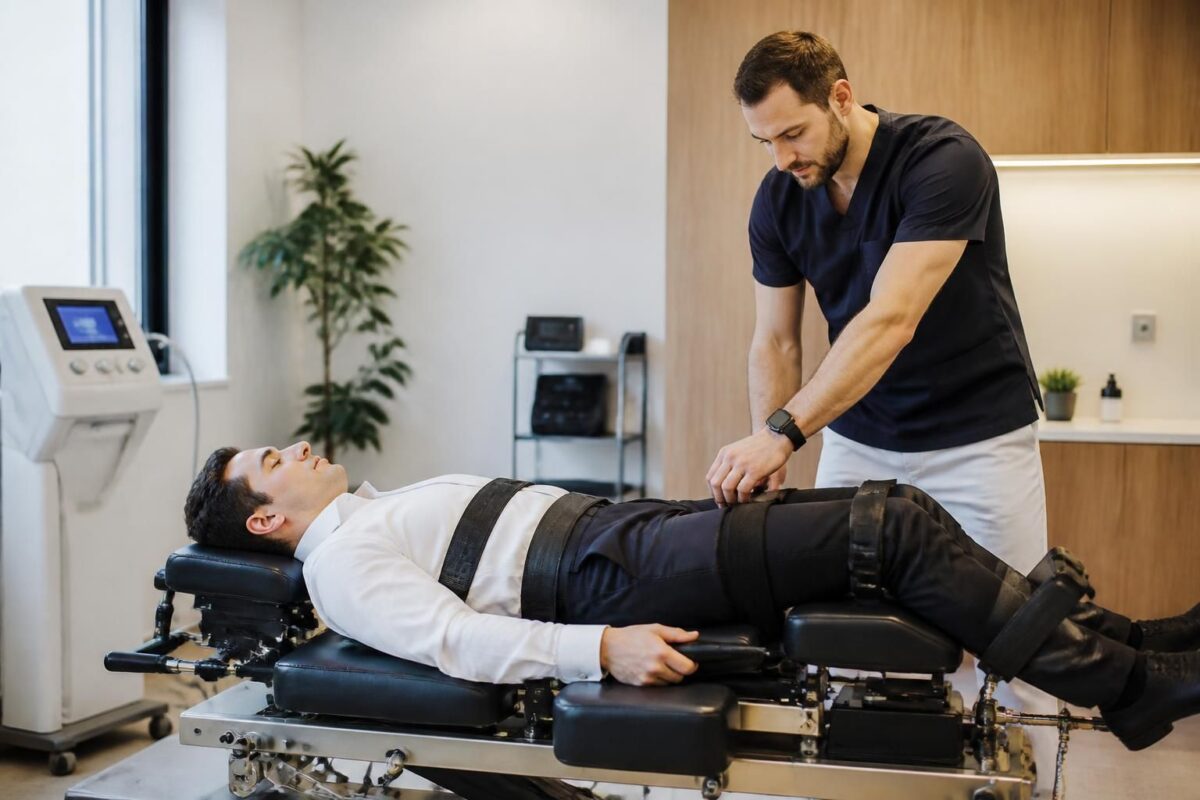
How Neurovertebral Decompression Prevents Diffuse Chronic Pain
In short decompression neurovertebral is one Non-invasive method aimed at reducing the Pressure on the intervertebral discs and the nerves, in order to prevent Diffuse chronic pain. It improves the circulation and thedisc hydration, decreases inflammation and promotes better mobility.…
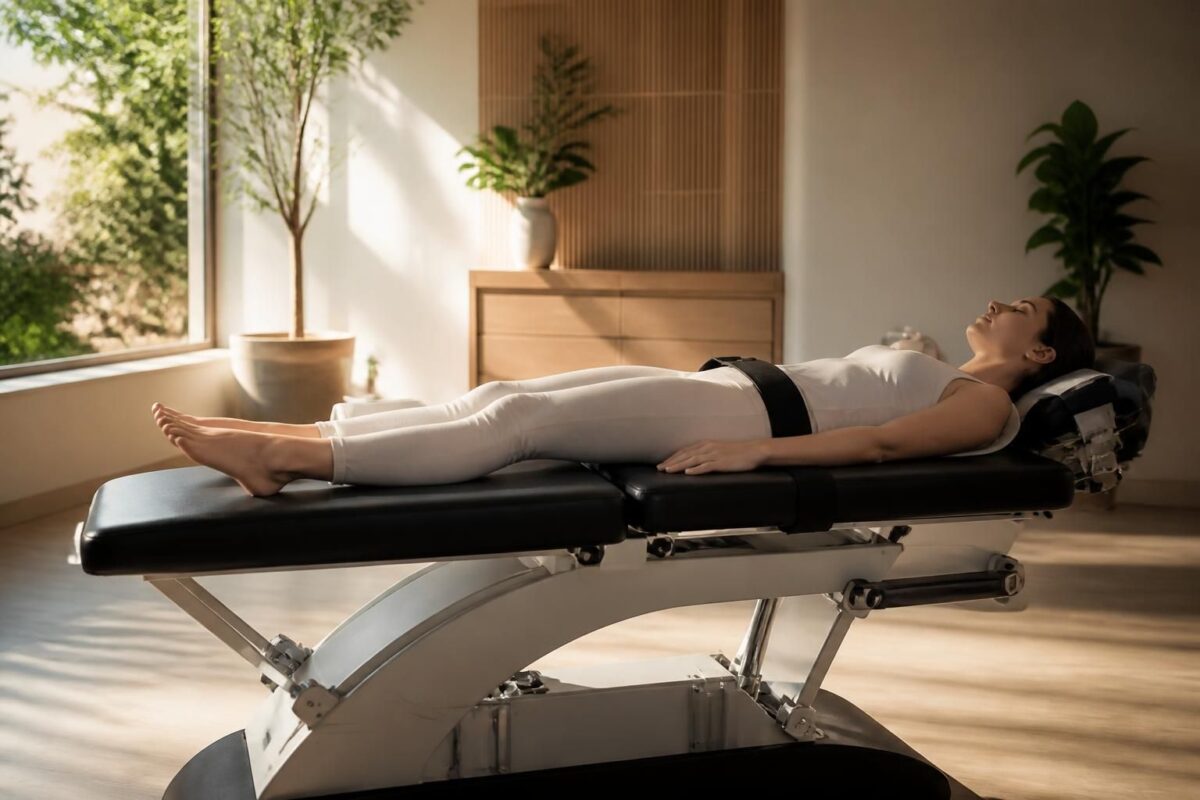
Neurovertebral Decompression and Body Alignment: Restoring Natural Balance
In short In short, neurovertebral decompression is one Non-invasive approach who restores theBody Alignment and thenatural balance back and neck. She acts by a Controlled traction of the spine to widen the intervertebral space and reduce the Pressure on discs…
Integration with other therapies and activities
Decompression can be associated with other non-invasive approaches and technologies, depending on individual needs. It is ideally part of a rehabilitation program including strengthening exercises, targeted stretching and postural advice to support disc regeneration and prevent recurrences.
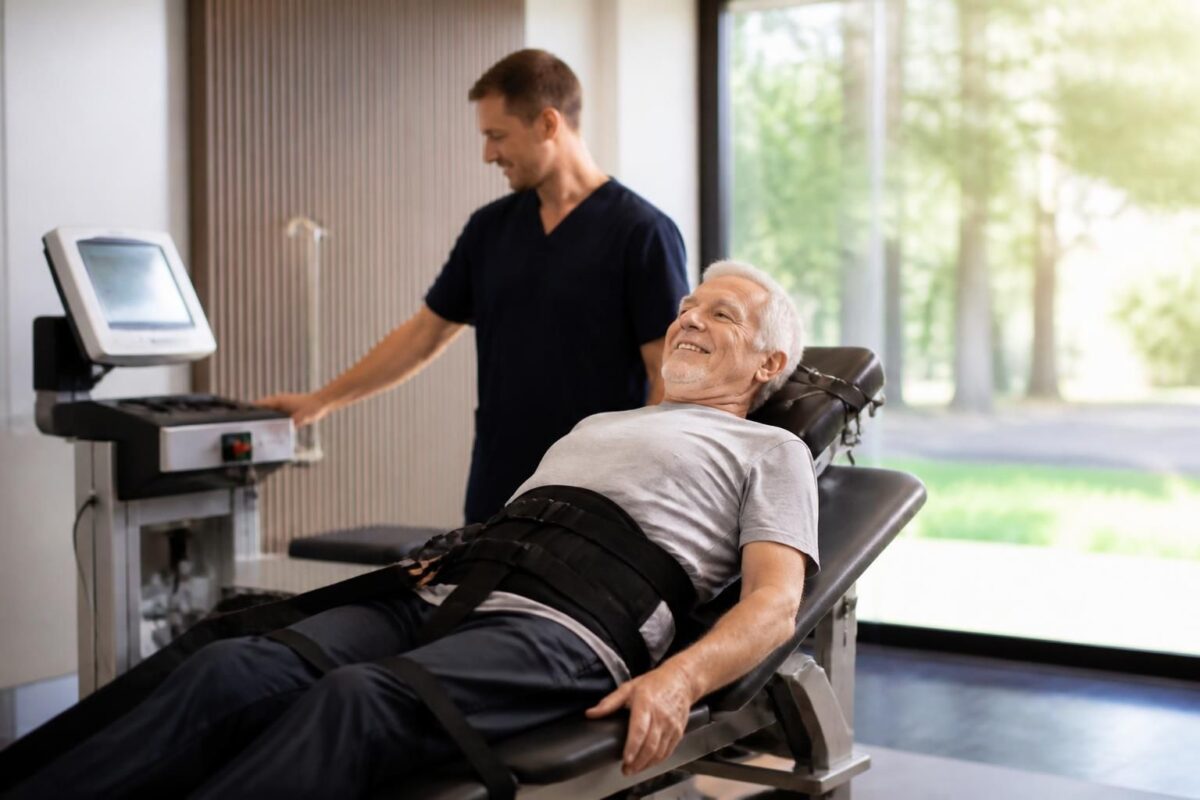
Why neurovertebral decompression is a lasting solution for active seniors
In short In short, the neurovertebral decompression is one Non-invasive therapy which sustainably relieves spinal pain in the spine active seniors By creating, by a Soft and controlled traction, a space between the vertebrae. At Montreal, it is recognized as…
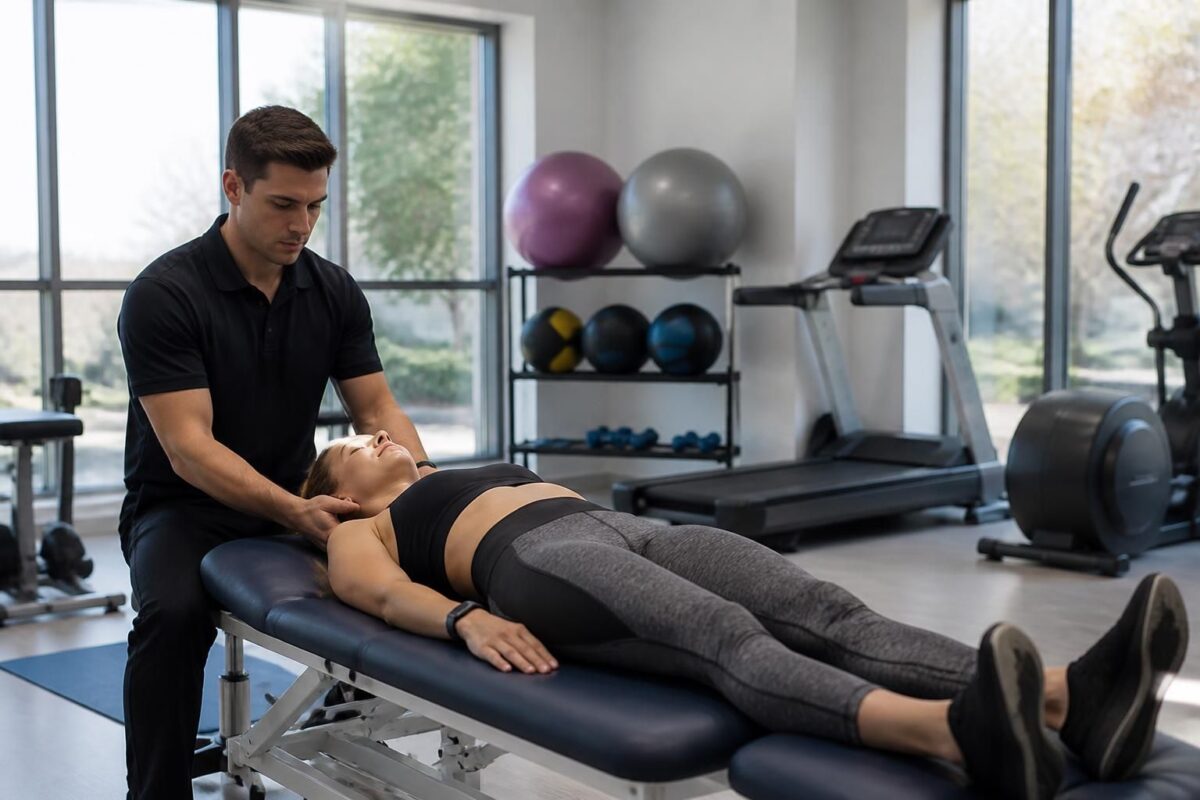
Neurovertebral decompression and recovery after severe sports injury
In short In short, the neurovertebral decompression is one Non-invasive method to Relieve the pressure on the Intervertebral discs and the gristle Via a Controlled traction, to facilitate the recovery After a severe sports injury. It improves the bloodstream towards…
Practical tips for optimizing results
To promote regeneration, favor a Adapted hydration, a balanced diet and a Adapted physical activity. Scrupulously respect the therapeutic protocol, avoid sudden efforts and gradually integrate stability and mobility exercises. Success is based on a consistent approach between decompression sessions, rehabilitation and daily habits.
| Axis of influence | Impact on regeneration |
|---|---|
| Reduced pressure on discs | Controlled traction decreases the pressure intra-discal, favoring the rehydration and the contribution nutritional discs. |
| Hydration and nutrition of discs | Increase in Fluid circulation Around the disk and better availability of essential nutrients. |
| Activation of regeneration mechanisms | stimulates the intrinsic mechanisms of regeneration disc and the synthesis of extracellular matrices. |
| Inflammation reduction | decrease ininflammation local that hinders healing and hinders healing. |
| Release of stresses on the nerves | Tension reduces compression on the nerves, freeing up space and facilitating the regeneration process. |
| Improved microcirculation | Improvement of the microcirculation local and increased nutrient intake. |
| Mobility and spinal alignment | Improvement of the mobility and from thealignment vertebral, supporting conditions conducive to regeneration. |
| Non-invasive approach and tolerance | Approach non-invasive and secure promoting access and adherence to regenerative treatment. |
| Integration into a rehabilitation program | Integrated into a program, it optimizes the re-education and gain consolidation. |
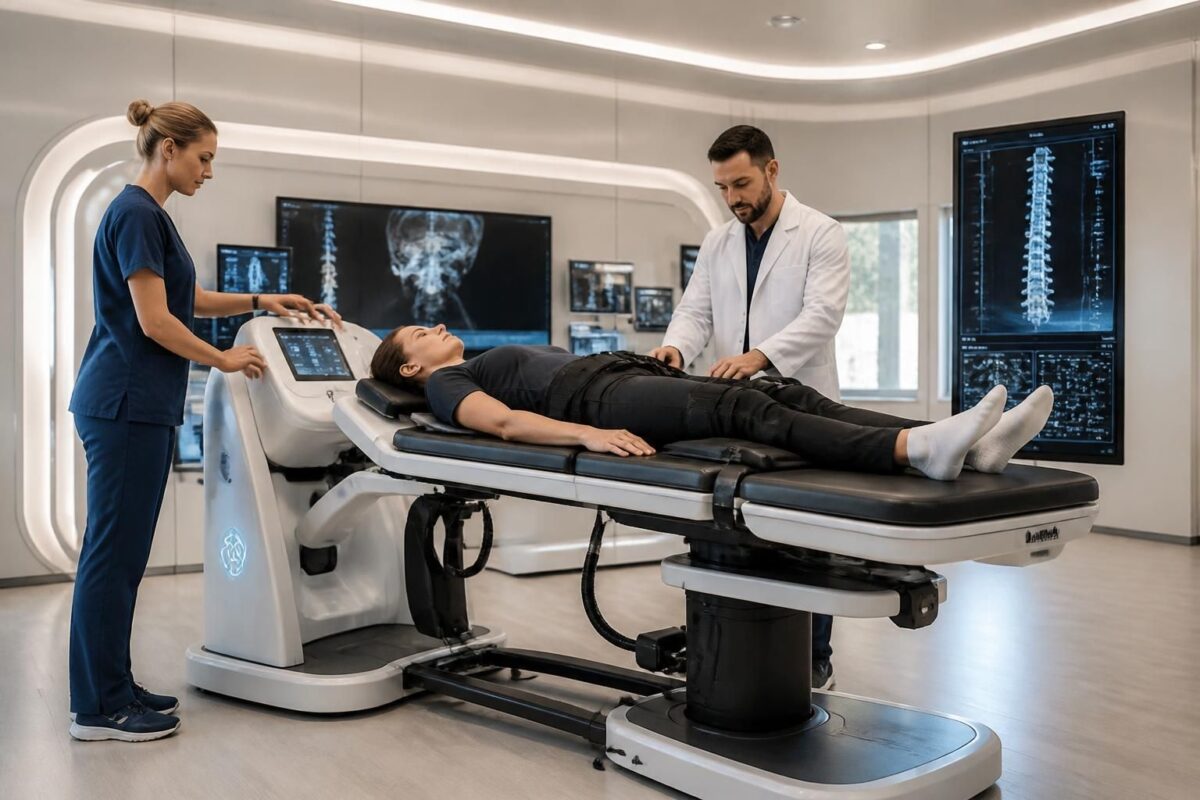
Recent innovations in neurovertebral decompression technologies
In short In short, the neurovertebral decompression is an approach non-invasive Aiming to reduce pressure on discs and nerves, and promote tissue regeneration. At Montreal, it is positioned as an effective option for lower back pain and herniated discs. The…
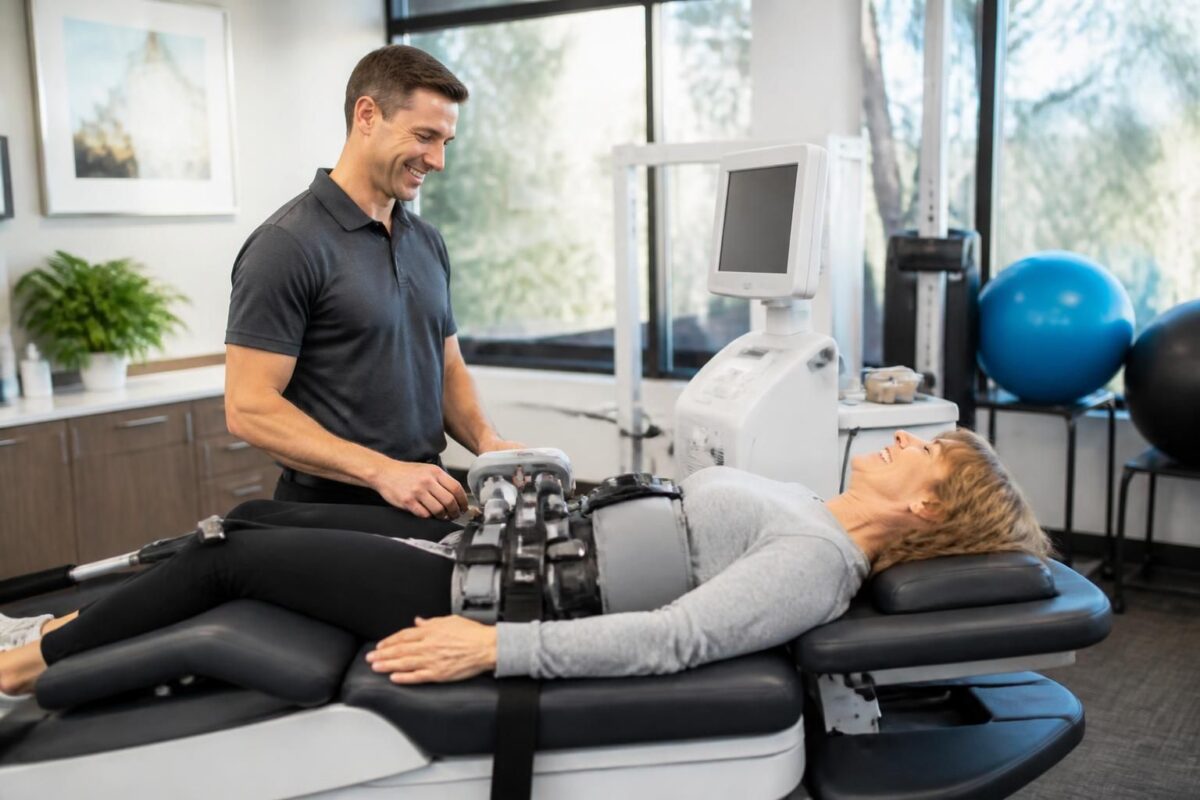
Neurovertebral decompression and diffuse pain: an appropriate solution
In short In short, the neurovertebral decompression is one Non-invasive solution For diffuse pain related to nerve irritation of the spine. She acts in Reducing pressure on intervertebral discs and nerves and improving the bloodstream, which promotes recovery and the…
Testimonials: How neurovertebral decompression stimulates intervertebral disc regeneration
Since my first sessions of neurovertebral decompression, I observe a tangible progression of the Regeneration of intervertebral discs. the controlled and precise traction has contributed to reducing the pressure exerted on the Intervertebral discs and promote better nutrition of these tissues. Today, my pain has decreased and my mobility has become fluid again, allowing me to resume my daily activities with confidence.
As a sportsman, I suffered from back pain due to an irritated lumbar disc. After a few weeks of treatment with neurovertebral decompression, I saw a real Regeneration of intervertebral discs and a significant reduction in pain. The circulation of fluids around the discs has improved, the tissues have been better nourished and my recovery after exercise is faster than before.
At 65, the very idea of sudden movements scared me. Thanks to the neurovertebral decompression, I felt a real Regeneration of intervertebral discs and better hydration of the discs. My pains are less present, my posture has improved and I sleep better. Every morning, I wake up with less stiffness and more serenity in my gestures.
As an active mother, my days were dominated by pain related to a disc pinch. After the treatment, I was able to observe a clear Regeneration of intervertebral discs and an Improved fluid circulation around the discs. My Daily Activities—Carrying Children, Playing Sports, Cooking—have become easier and less tiring.
For me who works in a standing position and carries loads frequently, the neurovertebral decompression allowed a Regeneration of intervertebral discs faster than expected. I found a notable range of movement, the pain is less present and my professional and personal days are going without major limitation. It was a solution that gave me confidence and energy.
the DR Sylvain Desforges, expert in osteopathy, naturopathyTagmed and the ACMA association. His career is guided by a constant quest for innovation in health, with particular attention to the Management of Chronic pain and the integration of advanced technologies. Its practice is based on an evidence-based approach, aimed at optimizing the health and well-being of each patient, focusing on personalized and holistic care. In this context, the neurovertebral decompression occupies a central place as a disc regeneration lever.
The neurovertebral decompression is a modality non-invasive which acts directly on the intervertebral discs by reducing the pressure exerted there. by a Controlled traction, it opens the spaces around the vertebrae and facilitates the circulation of fluids in the disc region. this better water dynamics allows a Disc nutrition increased and a rehydration Discs, essential elements for the regeneration of damaged tissues. By releasing tensions, it also contributes to mitigating the compaction mechanisms and re-establishing conditions conducive to the natural healing of the discs.
Dr. Desforges’ work integrates this decompression into an approach to Personalized rehabilitation. The equipment used is often computer assisted and operates in relaxation and traction cycles adapted to the unique profile of each patient. This methodology allows Gentle mechanical decompression While remaining aligned with a global rehabilitation plan: targeted exercises, complementary therapies and progressive monitoring of functional objectives. The objective is not only to relieve pain, but also to promote long-lasting spinal stability and regained mobility.
clinically, the benefits are manifested by a pain reduction, an improvement in the posture and a regained ability to resume daily activities. By improving the circulation of fluids and nutrition of the discs, decompression acts on the regeneration mechanisms and can slow the progression of degenerative lesions. This approach is particularly suited to pathologies such as disc hernias and disc bulges, offering a non-surgical alternative that favors natural regeneration and functional recovery over the long term.
Beyond the technique itself, Dr. Desforges strives to spread a culture of care based on evidence and innovation. Its vision is to integrate neurovertebral decompression into multidisciplinary programs that combine laser and Shockwave therapy When relevant, in order to amplify the results and support each patient towards a better quality of life. This proactive and personalized approach illustrates the belief that disc regeneration is possible thanks to a synergy between advanced technologies and manual know-how.
This conclusion details how the neurovertebral decompression can stimulate the Regeneration of intervertebral discs by reducing the pressure, by improving the Fluid circulation and promoting the necessary nutritional intake. It describes a non-invasive and customizable mechanism that fits into a rehabilitation program and can contribute to better mobility and lasting pain reduction.
The heart of the process lies in the application of a Controlled traction which generates a negative pressure inside the intervertebral disc. This dynamic allows the disc to relax, rehydrate and activate the natural mechanisms of disc regeneration, while releasing the compressed nerve roots and decreasing associated pain. To deepen these mechanisms and clinical outcomes, see Comment#ATFP_CLOSE_TRANSLATE_SPAN# Neurovertebral decompression regenerates your discs.
This disc regeneration is supported by the improvement of the Disc nutrition and from the Fluid circulation, which allows a better hydration and tissue recovery. The process thus contributes to restoring elasticity and preventing compaction phenomena that aggravate pain. Resources detail these physical and physiological benefits of treatment: for example, Comment#ATFP_CLOSE_TRANSLATE_SPAN# Decompression regenerates disks.
On a practical level, the technique is non-invasive and Highly customizable, integrating into a rehabilitation program Including specific exercises and complementary therapies. You can learn more about regenerative effects and the global approach through resources such as Decompression#ATFP_CLOSE_TRANSLATE_SPAN# Neurovertebral: a therapy that stimulates the regeneration of damaged tissues.
Clinical evidence and testimonials indicate notable improvements in mobility and pain reduction for conditions such as disc hernias and degenerative disc diseases. To explore this data, see Studies#ATFP_CLOSE_TRANSLATE_SPAN# Clinics Proving Efficacy of Neurovertebral Decompression and analyzes related to body alignment in Alignment#ATFP_CLOSE_TRANSLATE_SPAN# and natural rebalancing. Other resources present equipment innovations and mechanisms of action, including LES#ATFP_CLOSE_TRANSLATE_SPAN# Equipment Innovations and Comment#ATFP_CLOSE_TRANSLATE_SPAN# Decompression affects mid-back pain.
For active people and athletes, strong arguments support the use of decompression as a therapeutic option and as a complement to sports rehabilitation. Consult Why#atfp_close_translate_span# It is an option for athletes can be illuminating. perspectives focused on comfort and spinal flexibility, in particular through the advice of professionals such as Comment#atfp_close_translate_span# It improves spinal flexibility, complete this vision.
In addition, practical resources related to the improvement of well-being and disc regeneration underline the importance of a structured and personalized follow-up. To learn more about mechanisms and benefits, you can also consult Comment#atfp_close_translate_span# It improves tissue regeneration. Finally, content dedicated to spinal alignment and body balance completes an integrated approach.

Sylvain Desforges, B.Sc., D.O., N.D., docteur en ostéopathie
Dr Sylvain Desforges, B.Sc., D.O., N.D., osteopath, is the founding president of TAGMED and of the ACMA association. He dedicates his practice to chronic spinal pain, low back pain and symptoms compatible with sciatica, particularly when pain radiates toward the buttock, leg, calf, foot or toes.
Through SOS Sciatique, he publishes educational content on sciatica symptoms, possible causes such as disc herniation, disc narrowing, foraminal stenosis or irritation of a lumbar nerve root, as well as non-surgical approaches that may be considered according to the evaluation. At Clinique TAGMED, care may include, depending on the case, motorized neurovertebral decompression, specific osteopathic care or precision percussion.
For an evaluation related to sciatica treatment in Montreal / Mount Royal or sciatica treatment in Terrebonne, please consult the services available at Clinique TAGMED.
Medical disclaimer
The information published on SOS Sciatique is provided for educational purposes only and does not replace a consultation, diagnosis, opinion or treatment provided by a physician or another authorized healthcare professional. The author of this article is neither a medical doctor nor a specialist in a medical specialty recognized by the Collège des médecins du Québec. The osteopathic, manual medicine or functional support approaches described on this site do not constitute medical acts and are not intended to replace medical follow-up.
Consult a physician or emergency service in cases of loss of bladder or bowel control, anesthesia in the saddle area, significant or progressive weakness in the leg or foot, fever, recent trauma, severe pain or rapid worsening of symptoms. For more details, please read our Legal Notice.