Why osteopathy is essential for people in rehabilitation
28/06/2026
Osteopathic approaches to improve posture and reduce tension
28/06/2026
In short
| In short, theosteopathy is a manual approach that acts on the inflammatory pain By improving the mobility fabrics, reducing tension and improving the circulation blood and lymphatic. It also acts on the autonomic nervous system To reduce physical stress and promoteself-healing. Result: less pain, better mobility and prevention of recurrences, without medication or surgery. In Montreal, this service is particularly useful for musculoskeletal inflammatory pain and associated postural disorders. |
Here is how osteopathy acts on inflammatory pain By combining optimization of inflammation mechanisms and work on mobility and posture.
- traffic improvement: Osteopathic techniques stimulate local blood and lymphatic circulation, which accelerates tissue nutrition and promotes the drainage of inflammatory waste, which is often a source of pain and rigidity.
- Reduction of tensions and release of trigger points: By releasing fascias and muscles, the irritation of the nerve endings is reduced and the painful circle is broken which maintains the inflammation.
- Autonomic Nervous System Regulation: The manipulations aim to calm the activation of the nervous system, reducing inflammatory tone and body stress, a source of pain.
- Restoration of mobility and muscle chains: By working on chains and joints, osteopathy improves joint amplitudes and coordination, limiting compensations that strengthen inflammation.
- Adapted and complementary approach: Depending on whether it is acute, chronic or low grade, the intervention is adjusted to support healing and prevention, in addition to medical treatments when necessary.
Quick summary: theosteopathy acts on the inflammatory pain By working on the mechanisms that trigger and maintain inflammation, then improving tissue mobility and fluid circulation. It aims to reduce tension, regulate the nervous system and promote the body’s self-healing capacities, without favoring a single zone, but by treating the body as a whole.
Understanding inflammation and the goals of osteopathy
Inflammation is a natural response to the body in the face of aggression, whether acute or chronic. This response triggers heat, redness, swelling and pain. Osteopathy seeks to limit the repetition or persistence of this reaction. It promotes better circulation of fluids and a reduction in the tensions that fuel ignition.
In chronic inflammatory situations, the pain may spread and affect several areas of the body. The osteopathic approach then aims to identify the chains and the relationships between the structures, in order to restore homeostasis and improve the overall function.
To deepen the relationship between osteopathy And inflammation, specialized resources show how posture, sleep and physical tension affect the inflammatory process. For example, information on the impact of osteopathic techniques on posture and sleep quality can be viewed in dedicated resources.
Specific approaches exist for cervical and lumbar inflammatory pain. You can also learn about the effects of osteopathy on post-injury pain and maintain muscle mass after injury.
Mechanisms targeted by osteopathy
osteopathic techniques aim to Improve venous and lymphatic circulation, to reduce tensions and to promote the Tissue mobility. These direct actions influence the painful signals less and the more the inflammatory terrain itself.
The autonomic nervous system, in particular the orthosympathetic branch, can be balanced by the gentle manipulations and techniques used. This helps to decrease physiological stress associating inflammation and pain.
By working on fascias and muscle chains, the osteopath can reduce areas of rigidity and nervous irritation. This approach diminishes painful messages and improves overall body mobility.
Information on the benefits of osteopathy for posture, sleep and chronic pain exist and can be viewed via dedicated resources.
Osteopathic techniques relevant to inflammatory pain
The Joint mobilization and the Myofascial release Release joint and fascia tensions, which can quickly reduce local sensitivity and support functional recovery.
The vertebral decompression Acts on the pressure exerted on the discs and nerves, limiting irritation and promoting better circulation at the spinal level. This approach is adapted to certain inflammatory pathologies related to the spine, without proposing exercises or stretching as part of the treatment.
The Cranio-sacred therapy And gentle postural manipulations help restore the harmony of the neurovascular system and reduce overall tensions that can aggravate inflammation.
The techniques of the muscle chains, combining a global vision of the body, make it possible to identify dysfunctions at a distance and to provide an appropriate response to them to limit inflammatory recurrences.
To enrich your understanding, resources available in specialized areas present the positive impact of osteopathy on posture and sleep, and on the overall benefits for the reduction of inflammatory pain as part of regular follow-up.
Integration and safety of osteopathic care
Osteopathy is part of a global approach to well-being. It can improve mobility, reduce tension and promote better quality of life without chemical remedies, when contraindications are met.
An initial assessment allows you to verify treatment suitability and adapt the techniques according to the patient’s characteristics. In some cases, life advice, appropriate ergonomics and general stress management measures can complement the treatment.
For additional information on the results observed after osteopathy and inflammatory conditions, several online resources address the benefits on pain and posture, as well as on improving sleep quality and muscle recovery. These resources are to be consulted via authorized domains.
For specific information on the neurovertebral decompression And the associated conditions without advocating exercises, you can consult dedicated resources on this subject.
Useful resources on inflammation and osteopathy in the context of inflammatory and post-injury pain can be consulted in the following areas:
Osteopathy and cervical pain,
Osteopathy and balanced posture,
Osteopathy and sleep,
Benefits for muscles after injury,
Prevention of overuse injuries,
Osteopathy and carpal tunnel,
Medical Disclaimer: The information and advice provided on this site does not replace the health professional’s diagnosis or treatment. Please note that Sylvain Desforges osteopath is neither a doctor of medicine nor a doctor, and is not a specialist in a medical specialty as defined by the Collège des Médecins du Québec. Manual medicine, functional medicine and sports medicine as described on this site exclude any medical treatment or diagnosis made by a doctor or specialist doctor. Always consult your doctor for any medical questions. For more details, please read our full legal notice.
- acute inflammation : Gentle approach that limits irritation and supports local repair.
- chronic inflammation : Correction of mechanical imbalances that fuel ignition.
- Low grade inflammation : Reduction of tension and diffuse pain.
- circulatory regulation : Improvement of local blood and lymph circulation.
- Myofascial release and Trigger points : Targeted relaxation and reduced pain referral.
- Mobilization and decompression : Improved mobility and reduced pressure on the nerves.
- Muscle chains : Correction of postural dysfunctions that maintain inflammation.
- lymphatic drainage : Stimulation of venous return and reduction of edema.
- Cranio-sacral therapy and Membrane balancing : regulation of the nervous system and cranial tensions.
- self-healing and homeostasis : facilitation of the mechanisms of self-regulation of the body.
- stress management (Psycho-corporal): Reduced stress and influence on the autonomic nervous system.

This article explains how osteopathy can act on inflammatory pain by working on the mechanisms that trigger and maintain inflammation. It describes the different types of inflammation (acute, chronic and low grade) and specifies how osteopathic techniques intervene to improve tissue mobility, promote circulation and regulate the nervous system, in order to reduce pain and support recovery.
Understand inflammation and its connection to pain
Inflammation is a physiological defense response that occurs when a tissue is attacked by repeated infection, shock, or microtrauma. In this context, mediators like IL‑6 or TNF‑Alpha are released and cause heat, redness, swelling, pain and loss of function. In case of acute inflammation, the reaction is protective and temporary, aimed at tissue repair. Chronic or low-grade inflammation persists or repeats, and can lead to diffuse pain and severe fatigue. On the musculoskeletal level, this permanence can stiffen the tissues and limit the joint amplitudes, while maintaining a state of alertness of the autonomic nervous system.
Mechanical action and tissue mobility
By working on the fascias, muscles and joints, the osteopath improves the glide and mobility of structures. This improvement decreases tensions and pressures irritating the pain receptors, and can thus reduce local sensitivity. Better mobility also helps to restore more harmonious movement patterns, limiting the mechanical stresses likely to maintain the inflammation.
Improved circulation and drainage
Osteopathic techniques require blood circulation and lymphatic drainage. By promoting venous return and elimination of metabolic debris, they help reduce local edema and reduce toxins that can amplify inflammation. This drainage action supports the recovery phase and may decrease the pain associated with tissues in water retention or congestion.
Nervous system and stress regulation
Stress and activation of the sympathetic nervous system can amplify painful perception and inflammation. Osteopathy aims to promote better regulation of the autonomic nervous system, which can reduce excessive muscle tone, improve general relaxation and promote restful sleep. This regulation can thus alleviate the symptoms and promote overall recovery.
Role of muscle chains and respiration
Depending on the muscle chain approach, localized tension can disrupt the overall balance of the body. By working on these chains, the osteopath seeks to restore the harmonious sequence of body segments. Respiration and diaphragm also play a key role: better respiratory dynamics contribute to better tissue oxygenation and more fluid thoraco-abdominal mechanics, which can support the reduction of tension and the effectiveness of natural anti-inflammatory treatments in the body.
Adaptation to the type of inflammation
The appropriate mechanisms and techniques vary according to the inflammation: acute, chronic or low grade. In acute inflammation, the work is generally softer and focused on reducing tension and preserving movements. In chronic or low-grade inflammation, the approach can be oriented towards global re-motion, chain work and postural support to limit recurrences and promote a better quality of life.
Security and Evaluation Elements
Before any session, an in-depth assessment is carried out to identify contraindications and understand the patient’s goals. The osteopath adapts the techniques to the inflammatory state and collaborates if necessary with other health professionals to ensure safe and effective care.

How osteopathy improves the quality of life of active people
In short In short, theosteopathy is a global approach that Optimizes mobility and the function of the body of ACTIVE PEOPLE, for a better quality of life. It helps prevent injury and reduce Musculoskeletal pain While promoting the Sports recovery.…

Osteopathy and sports recovery: prepare the body for lasting performance
In short In short, Osteopathy and Sports recovery is one Global manual approach that sustainably prepares the body for the effort by restoring mobility and circulation After the effort. It is a discipline that acts on the sinews, the joints,…
Integration and monitoring
To optimize the results, osteopathy can be part of a global approach including postural advice, adapted exercises and stress management. Regular visits, for example every 3 to 6 months, help maintain the balance of muscle chains and prevent inflammatory relapses, while supporting functional recovery and general well-being.
| key | Concise osteopathic effect |
|---|---|
| Tissue mobility and release of tensions | better mobility tissues and decreases microtraumas, facilitating local inflammation resolution. |
| Myofascial release and trigger points | Reduces tension and local nervous irritation, soothes inflammatory pain. |
| Mechanical decompression and joint disengagement | Reduces pressure on sensitive structures and improves circulation. |
| Blood and lymphatic circulation | Stimulates drainage and intake of nutrients, promoting recovery. |
| Autonomic Nervous System Activation | Promotes a response parasympathetic and reduces the use of stress that maintains inflammation. |
| Muscle chains and posture | Corrects postural imbalances to reduce recurring tensions. |
| Visceral and cranial approaches | Improve mobility and overall drainage, supporting homeostasis. |
| Indications and limits | Osteopathy can help inflammatory pain musculoskeletal, but requires initial assessment and does not replace medical treatment. |
“Before, every inflammatory thrust in my knee immobilized me, with a burning pain and a stiffness that lasted for hours. After a few weeks of osteopathy, I felt a decrease in pain and a better mobility. My sleep improved and I found activities that I had abandoned. »
“I suffered from an inflammatory low back pain that came up in flare-ups. The osteopathic approach has calmed the local signs and improved theamplitude Movements. Decompression and mobilization techniques have released tensions and promoted better circulation fluids. I can resume my daily activities without fear of reappearance. »
“For inflammatory tendinopathy of the elbow, the points and the fascias were worked. From the first sessions, the pain decreased and recovery became more fluid, with less swelling and improved sleep. Osteopathy helped me reconnect with my daily tasks without limiting my actions. »
“A patient with diffuse inflammation and chronic fatigue testifies that osteopathy helped her better manage stress and low-grade inflammation. Autonomous nervous system management and gentle techniques have brought lasting well-being, my energy levels and my quality of life having improved significantly. »
Sylvain Desforges, a recognized osteopath in the fields of osteopathy, naturopathy and manual medicine, places the Inflammatory pain at the heart of its therapeutic approach. Founder president of TagMed and the ACMA association, he relies on a evidence-based practice to accompany his patients with a holistic perspective. Its goal is to improve the quality of life by working on the mechanisms that feed inflammation and its impact on movement, sleep and energy.
The inflammation is a physiological response to the body’s defense against tissue aggression (infection, injury, repeated microtraumas). It is manifested by a complex cascade involving vasodilation, vascular permeability and arrival of immune cells, leading to classic signs: heat, redness, swelling, pain and loss of function. In osteopathic practice, it is a question of aiming not only the painful symptom, but the factors that maintain this reaction, whether it is acute, chronic or of low rank, in order to prevent its chronicity and promote the resumption of activities.
For inflammatory pain, the osteopathic intervention acts on several levels. First by Joint mobilizations and myofascial techniques that release tension and restore normal musculoskeletal structures. Then, through approaches visceral and craniosacral which aim to optimize mechanical and neurovascular exchanges around the organs and the nervous system, reducing tensions that exacerbate inflammation and pain. Finally, through gestures of Manual lymphatic drainage and fluid management protocols, to improve the elimination of metabolic waste and support tissue recovery.
In modern practice, osteopathy is not limited to touch. Dr. Desforges also incorporates advanced technologies compatible with an approach evidence-based to complete manual work. interventions such as vertebral decompression, therapies by laser and the shock waves are part of a multimodal strategy intended to reduce nervous irritation, promote tissue nutrition and accelerate repair. This synergy between manual techniques and technologies makes it possible to adapt the treatment to the location and chronology of inflammation, while remaining centered on the patient and his functional objectives.
Dr. Desforges’ approach is guided by an in-depth evaluation from the first consultation. It seeks to understand the mechanical, hormonal and environmental factors that nourish inflammation in each patient and to propose a personalized plan. The objective is to restore the harmony between structure and function, to reactivate the self-regulation of the body and to prevent recurrences thanks to postural advice, adapted exercises and a regular maintenance routine.
To discover his approach and the services available within the TagMed clinic, make an appointment and benefit from support focused on efficiency, safety and sustainable well-being.
This text explains how Osteopathy acts on the inflammatory pain, distinguishing acute, chronic and low-grade inflammation, and describing mechanisms, techniques and effects on recovery and prevention. You will discover how osteopathic approaches can improve circulation, reduce tension and support self-healing, without necessarily waiting for a drug intervention.
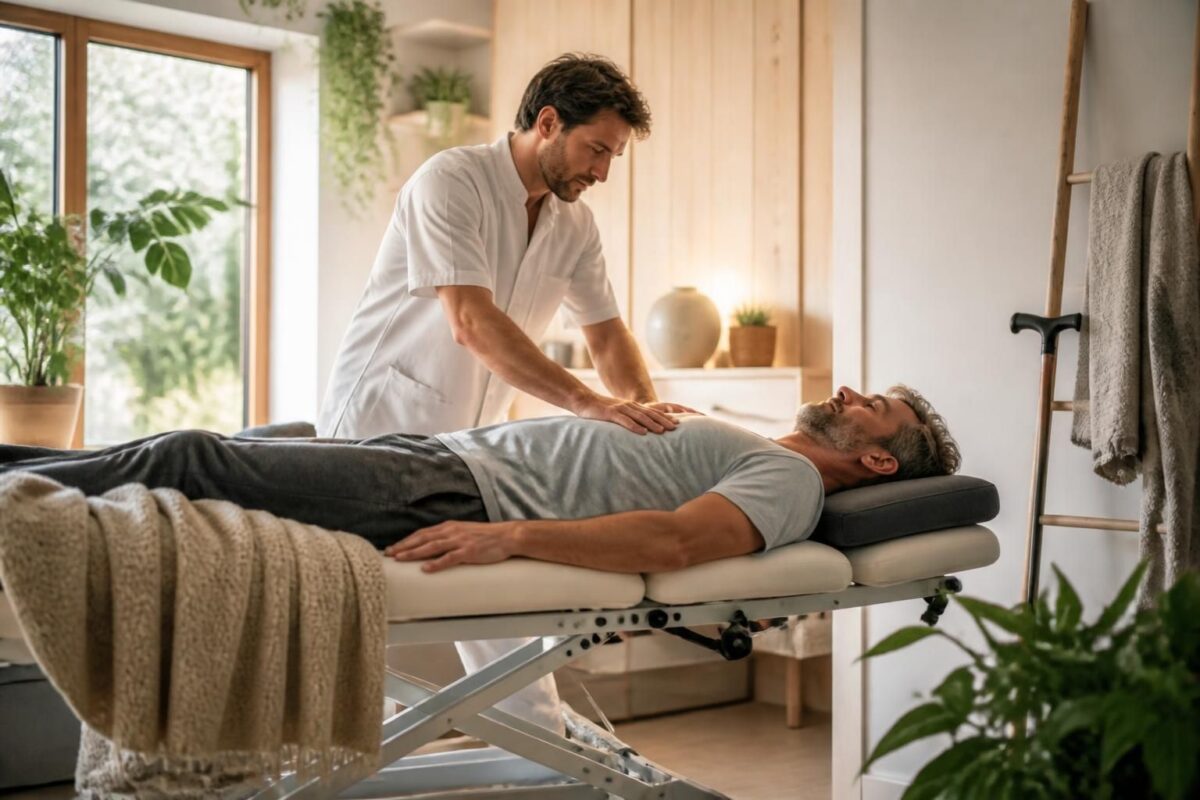
Why Osteopathy Is Essential For Recovery People
In short In short, Osteopathy in convalescence is an approach manual and holistic which helps to accelerate the recovery by restoring The balance, the mobility and a good circulation fabrics. it contributes to Reduce the pain, support the Back to…

Osteopathic manipulations to strengthen post-traumatic muscles
In short In short, Osteopathic manipulations for Strengthen post-traumatic muscles constitute a gentle manual approach aimed at restoring the mobility, reduce the pain and facilitate the Functional rehabilitation After a injury. What is Is it? A series of precise gestures…
Understanding inflammation and the role of osteopathy
In the body, theinflammation is first of all a defense response that is triggered in the face of aggression (trauma, infection or repeated microtraumas). This reaction causes heat, redness, swelling and pain, and aims to repair tissues. In practice, osteopathy seeks to regulate this process by improving the circulation and the drainage of fluids, in order to limit the pressure on the nerves and to promote the relaxation of the tissues.
When the inflammation remains acute, it is protective and usually reabsorbs quickly. On the other hand, inflammation that persists can become chronic or of low rank, which can contribute to diffuse pain and chronic fatigue. In these contexts, osteopathic mechanisms aim to rebalance tensions, reduce mechanical irritations and bring better harmony between structure and function. Specialized resources describe how these inflammatory dynamics relate to pain and recovery, including effects on the autonomic nervous system. To deepen these notions, you can consult syntheses on inflammation and osteopathy and their impact on recovery.
Several osteopathic approaches align with this logic, especially when the objective is to reduce local inflammation and support healing processes. The techniques can act on body fluids, tissue mobility and local innervation to create a context conducive to regeneration. Examples and practical perspectives are addressed in specialized resources on inflammation and osteopathy, particularly in connection with the recovery and management of inflammatory pain. To expand your understanding, discover excerpts and analyzes of these mechanisms through the following resources: We-mag link on osteopathy and inflammation, practitioner’s thoughts and Osteopathy and localized inflammations.

Osteopathy and prevention of work-related musculoskeletal disorders
In short theosteopathy is one Manual approach that restores body balance and prevents MSD related to work. Its advantages: reduction of tension, improvement of mobility and prevention of chronic pain. She is preventive and healing, suitable for office and trades…

The benefits of osteopathy to treat muscle imbalances
In short theosteopathy is a manual approach to restore themuscle harmony and postural considering the body as a whole. Its main benefits include the reduction of aches and tensions, the improvement of the mobility and from the posture, and prevention…
osteopathic techniques and their action on inflammatory pain
The Osteopathic techniques play a key role in the management of inflammatory pain by improving the circulation, by releasing tensions and facilitating global mobility. The vertebral manipulation and the Disc decompression Aim to restore mobility and reduce nerve pressure, which can help reduce irritation and local inflammation when the mechanisms are mechanical. These techniques directly target the painful areas by seeking optimized space and circulation of fluids.
The Release of myofascial chains and the Release of trigger points Eliminate deep tensions that fuel inflammatory pain. By working on the fascias and on points of tension, the osteopath can improve overall mobility and reduce nociceptive signals that react to inflammation. These approaches are often effective on Chronic pain and stiffness associated with inflammation.
The Joint mobilization and the Passive stretches Complete the treatment by improving the range of motion and decreasing the mechanical stresses that fuel the inflammatory cycle. The approach to Muscle chains (Busquet) allows to identify and intervene on interdependent dysfunctions, in order to restore the overall balance of the postural chains and to avoid recurrent reinflammations.
Osteopathy is also interested in visceral and cranial aspects. Visceral manipulation and Manual lymphatic drainage Help improve fluid circulation, vascularization and organic function, which can reduce localized edema and inflammation. The Craniosacral therapy and balancing membranes aim to harmonize the cranio-sacral system and to support the mechanisms of regulation of the autonomic nervous system, often involved in inflammatory reactions of mechanical origin.
To enrich your knowledge, you can explore resources that describe these approaches and their impact on localized inflammation and inflammatory pain, for example detailed articles on inflammation and osteopathy presented in the links below: Osteopathy and inflammation – Understanding and relieving inflammatory pain, Osteopathy and sports recovery and Understanding Osteopathy Pain.
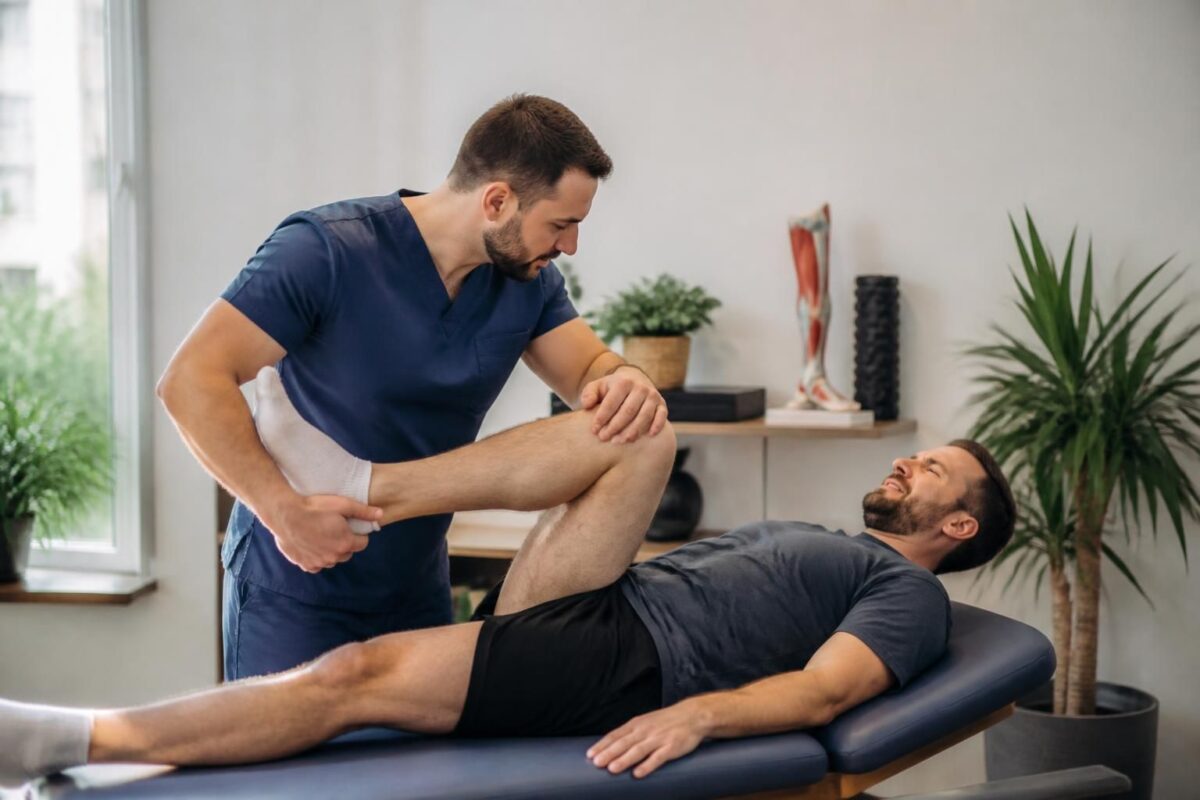
Osteopathy and chronic leg pain: regaining an optimal quality of life
In short In short, Osteopathy is one Global manual approach aimed at reducing Chronic leg pain and improve the quality of life. What is it? Non-drug therapy using the hands to identify restrictions and treat lesional chains. How does it…
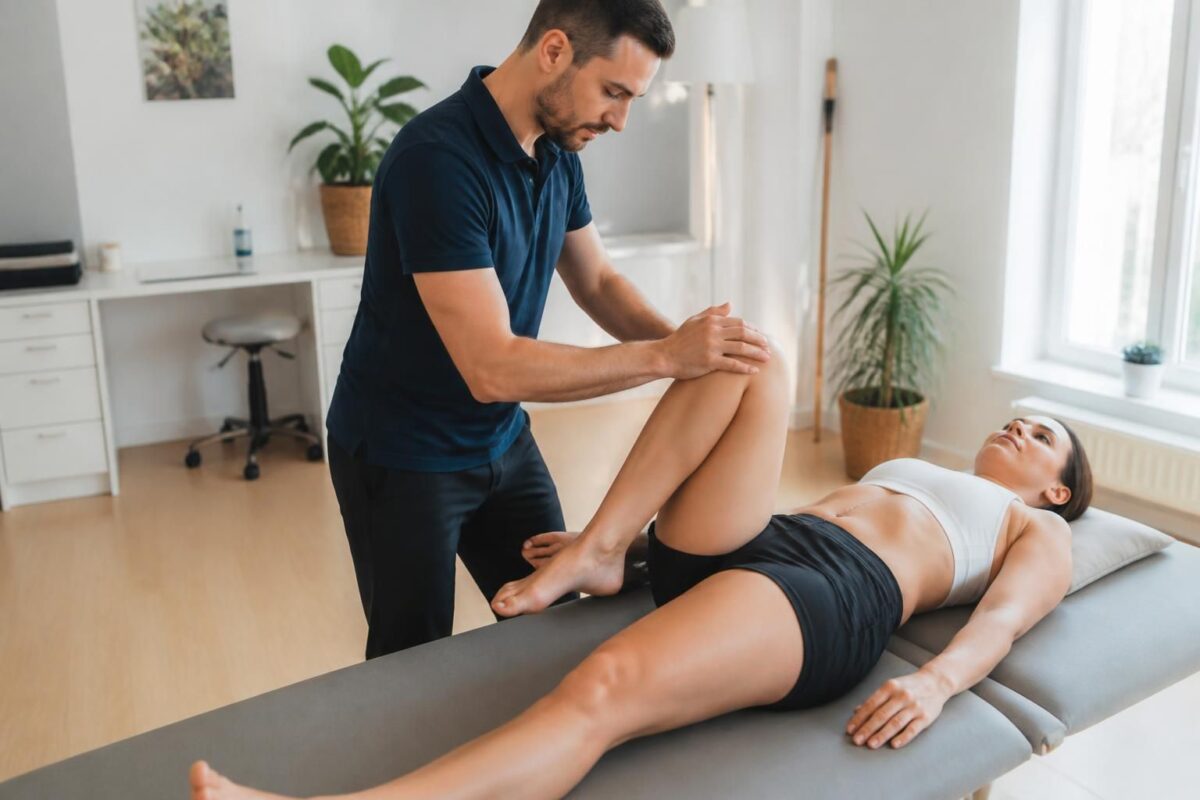
How osteopathy supports recovery after complex surgery
In short In short, Post-operative osteopathy is an approach fresh which supports the recovery After a Complex surgery. It helps to reduce the pain and the fatigue, improves the mobility and accelerates the healing thanks to a better vascularization and…
Impact on pain, function and nervous system
The use of osteopathy can contribute to a reduction significant inflammatory pain and improved joint and muscle function. By harmonizing circulatory flows and reducing mechanical tensions, osteopathy can also reduce stress-related orthosympathetic system activation, which can promote better recovery and quality of life.
Recent clinical findings and syntheses suggest that these interventions can complement standard treatments, reduce drug needs and improve exercise tolerance and mobility. The goal is to provide a global approach that supports the body in its ability to regulate inflammation and respond more effectively to exercise, trauma or daily stress. To examine these mechanisms and their practical implications, refer in particular to the resources that deal with the action of osteopathy on inflammation and inflammatory pain.
Integration and prevention
Osteopathy is part of a global approach to well-being and can be associated with other disciplines (physiotherapy, conventional medicine) to optimize inflammation management and accelerate recovery. Collaboration between professionals can make it possible to adapt treatments, plan exercises and offer postural and ergonomic advice to prevent inflammatory relapses.
Regular follow-up, with appropriate maintenance sessions (for example every 3 to 6 months), can help maintain the body’s structural and functional balance, limit inflammatory episodes and promote better resilience to stress and mechanical overload. This preventive approach represents an investment in sustainable health and quality of life on a daily basis.
Additional resources
To deepen the links between osteopathy and inflammation and better understand the mechanisms involved, see the following resources: Osteopathy and inflammation – we-mag, Osteopathy and sports recovery, Osteopathy and inflammation – Understanding and relieving inflammatory pain, and Osteopathy and localized inflammations.

Sylvain Desforges, B.Sc., D.O., N.D., docteur en ostéopathie
Dr Sylvain Desforges, B.Sc., D.O., N.D., osteopath, is the founding president of TAGMED and of the ACMA association. He dedicates his practice to chronic spinal pain, low back pain and symptoms compatible with sciatica, particularly when pain radiates toward the buttock, leg, calf, foot or toes.
Through SOS Sciatique, he publishes educational content on sciatica symptoms, possible causes such as disc herniation, disc narrowing, foraminal stenosis or irritation of a lumbar nerve root, as well as non-surgical approaches that may be considered according to the evaluation. At Clinique TAGMED, care may include, depending on the case, motorized neurovertebral decompression, specific osteopathic care or precision percussion.
For an evaluation related to sciatica treatment in Montreal / Mount Royal or sciatica treatment in Terrebonne, please consult the services available at Clinique TAGMED.
Medical disclaimer
The information published on SOS Sciatique is provided for educational purposes only and does not replace a consultation, diagnosis, opinion or treatment provided by a physician or another authorized healthcare professional. The author of this article is neither a medical doctor nor a specialist in a medical specialty recognized by the Collège des médecins du Québec. The osteopathic, manual medicine or functional support approaches described on this site do not constitute medical acts and are not intended to replace medical follow-up.
Consult a physician or emergency service in cases of loss of bladder or bowel control, anesthesia in the saddle area, significant or progressive weakness in the leg or foot, fever, recent trauma, severe pain or rapid worsening of symptoms. For more details, please read our Legal Notice.