Osteopathy and leg pain: personalized care
28/06/2026
Osteopathic manipulations to relieve neck tension
28/06/2026
In short What is Sleep Osteopathy ? a Natural and holistic approach which affects restful factors, in particular the stress, the Body tensions and body balance. What advantages? reduction of stress and anxiety, Deep relaxation, improvement of the posture and from the digestion, better regulation of circadian rhythm and of deep sleep. How does it work? via techniques that release tensions musculo-fascials, work the diaphragm, the spine and the skull, and stimulate the parasympathetic nervous system to promote rest. In Montreal, this service is particularly useful for people looking for a local solution to sleep disorders related to the stress. |
Find out how Osteopathy Can improve sleep quality by acting on multiple key levers. By targeting the stress and theanxiety, it helps to find the necessary calm for falling asleep. She releases the Muscle tensions, especially in the neck and back, to promote an optimal rest position and ease of falling asleep. It also supports the operation of the digestive system to prevent nighttime discomfort. by techniques that regulate the the nervous system and harmonize the circadian rhythm, it contributes to deep sleep and repairer and better recovery in the morning. Finally, it combines with simple habits (regular schedules, reduction of screens) to amplify the benefits and promote a real sleep routine.
This article presents how theosteopathy can improve the sleep quality. It explains simple mechanisms and practical approaches, without resorting to risky exercises. You will discover concrete mechanisms, adapted techniques and daily advice to promote more restorative nights.
Understanding sleep cycles and circadian rhythm
Sleep consists of cycles of about 90 minutes. Each cycle includes distinct phases: falling asleep, light sleep, deep sleep, and REM sleep. The circadian rhythm is our biological clock that follows daylight. A disruption of this rhythm can disturb sleep. Osteopathy acts on the nervous and hormonal system to help restore this rhythm and promote a smoother transition between the resting phases.
osteopathy and sleep: a global approach
Reduced stress and anxiety. Stress increases the activity of the nervous system and delays falling asleep. Gentle osteopathic techniques help create a sleep-friendly state of relaxation, by decreasing the activation of the sympathetic system.
Release of muscle tension. Tensions, especially in the neck and back, can interfere with falling asleep and sleep quality. By working on posture and tension releases, osteopathy facilitates a more favorable rest position and free breathing during the night.
Improvement of digestion. Digestive discomfort can awaken or disturb sleep. Appropriate osteopathic manipulations can support digestive functioning and reduce nocturnal discomfort.
Nervous system regulation. Targeted techniques promote the activity of the parasympathetic nervous system, useful for relaxation and deep sleep.
Osteopathic techniques for better quality sleep
Diaphragm Release Techniques : They facilitate deeper and calmer breathing, which contributes to general calm before bedtime.
Cranial manipulations : These gestures can reduce stress and activate deeper states of rest.
Mobilizations of the cervical spine : They improve blood circulation to the brain and support better sleep preparation.
Visceral techniques : They aim to optimize the functioning of the digestive system and reduce nocturnal discomfort related to the diet or the stomach.
Practical tips to improve your sleep
Maintain regular hours by going to bed and getting up at the same time every day. Avoid electronic devices before bedtime to limit melatonin disruption. Consider breathing, relaxation or meditation exercises to calm the mind. In case of persistent disorders, consult an osteopath for a personalized assessment.
Integration of osteopathy into a sleep routine
The osteopathic approach can be part of a global sleep hygiene routine. It goes well with a balanced diet, adapted physical activity and relaxing evening practices. The objective is to create a physiological and nervous balance favorable to restorative nights.
Resources and useful links
To explore additional perspectives on the osteopathic approach, see the following resources:
Osteopathy and leg pain – personalized care
Why osteopathy is an effective alternative for athletes
Osteopathy and sports recovery – tool to improve resilience
Recovery after fracture and osteopathy
Also, training and practices in osteopathy are based on recognized institutions such as NUMSS, NAO, National University of Medical Sciences and National Academy of osteopathy, which ensure professional standards and continuous training for practitioners.
Medical Disclaimer: The information and advice provided on this site does not replace the health professional’s diagnosis or treatment. Please note that Sylvain Desforges osteopath is neither a doctor of medicine nor a doctor, and is not a specialist in a medical specialty as defined by the Collège des Médecins du Québec. Manual medicine, functional medicine and sports medicine as described on this site exclude any medical treatment or diagnosis made by a doctor or specialist doctor. Always consult your doctor for any medical questions. For more details, please read our full legal notice.
- stress reduction and activation of parasympathetic nervous system to promote falling asleep.
- muscle relaxation (cervical and dorsal) and improvement of nocturnal posture.
- Diaphragmatic breathing and better oxygenation nocturnal.
- digestive balance and reduction of nighttime awakenings related to discomfort.
- Release from cranial tensions and general relaxation.
- Improved brain circulation and nighttime comfort.
- Circadian rhythm regulation by harmonizing the autonomic nervous system.
- Comfort and painkillers thanks to targeted mobilizations reducing nocturnal pain.

This recommendation presents how theosteopathy can improve sleep quality By acting on the stress, the the nervous system and physical balance. By combining targeted manual techniques and practical advice, it offers a natural way to find restorative nights and more energy during the day.
Key mechanisms by which osteopathy improves sleep
Sleep is guided by cycles and a balance between the sympathetic and parasympathetic nervous system. Osteopathy acts as a global support by acting on nervous tone, muscle tension and internal organs to promote a return to a state of deep rest.
Reduced stress and anxiety
The stress And anxiety can activate the nervous system, delay falling asleep and fragment sleep. Osteopathic techniques aim to release tension in the neck, shoulders and skull, which allows the body to switch to a state of relaxation conducive to falling asleep and sleep continuity.
regulation of the nervous system and circadian rhythm
By working on the autonomic nervous system and influencing the links between brain and brainstem, osteopathy can help harmonize the circadian rhythm. Targeted manipulations can support smoother transitions between awake and sleep, improving the quality and depth of cycles.
Release of tensions and improvement of posture
Muscle tension, especially in the neck and back, can cause nocturnal awakening and less breathing at night. By restoring a neutral posture and releasing tense areas, osteopathy promotes more fluid breathing and appropriate circulation, sources of more stable sleep.
Balance of the digestive system and nocturnal comfort
An unbalanced digestive system can disrupt sleep and cause nighttime discomfort. Visceral osteopathic techniques can improve motility and transit, reduce nighttime discomfort and contribute to more peaceful nights.

How osteopathy improves the quality of life of active people
In short In short, theosteopathy is a global approach that Optimizes mobility and the function of the body of ACTIVE PEOPLE, for a better quality of life. It helps prevent injury and reduce Musculoskeletal pain While promoting the Sports recovery.…

Osteopathy and sports recovery: prepare the body for lasting performance
In short In short, Osteopathy and Sports recovery is one Global manual approach that sustainably prepares the body for the effort by restoring mobility and circulation After the effort. It is a discipline that acts on the sinews, the joints,…
Osteopathic techniques useful for sleep
Several approaches are used to support sleep, each aiming to reduce the noise of the nervous system and promote a resting body environment.
Diaphragmatic release and deep breathing
The Diaphragmatic breathing Stimulates the parasympathetic system and can accelerate sleep. By releasing the diaphragm, the osteopath facilitates slower and regular breathing, a source of a lasting state of relaxation.
Cranial manipulations and cervical spine
The cranial techniques and the mobilizations of Cervical spine Help reduce nervous “noise” and improve circulation to the brain. This approach can decrease nighttime awakenings and promote a deep sleep phase.
Visceral techniques and autonomy
Gestures on the internal organs work to optimize digestive function and visceral balance. A more harmonious digestive system can reduce nocturnal discomfort and support a more continuous night.
Why Osteopathy Is Essential For Recovery People
In short In short, Osteopathy in convalescence is an approach manual and holistic which helps to accelerate the recovery by restoring The balance, the mobility and a good circulation fabrics. it contributes to Reduce the pain, support the Back to…

Osteopathic manipulations to strengthen post-traumatic muscles
In short In short, Osteopathic manipulations for Strengthen post-traumatic muscles constitute a gentle manual approach aimed at restoring the mobility, reduce the pain and facilitate the Functional rehabilitation After a injury. What is Is it? A series of precise gestures…
Practical tips to maximize benefits
In addition to osteopathy sessions, simple habits reinforce the positive effects on sleep and extend the benefits on a daily basis.
Sleep rhythm and hygiene
Set fixed times for bedtime and sunrise, create a dark and cool environment, and limit screens 1 to 2 hours before bedtime to promote a sleep quality sustainable.
Relaxation routines and physical activity
Include breathing exercises, meditation or gentle yoga in the evening. Regular physical activity, carried out during the day, supports sleep cycles and reduces accumulated tension.
When to consult and what to expect
If the disorders persist despite the adjustments, consult a qualified osteopath for a personalized assessment. A first session may include a postural and digestive assessment, followed by an adapted plan to gradually improve your sleep.
| Axis of osteopathic intervention | Impact on sleep |
|---|---|
| stress reduction and activation parasympathetic | Promotes sleep and deeper nights. |
| Cervical and dorsal relaxation | Maintains a neutral posture and promotes sleep. |
| Improved breathing and diaphragm | deeper breathing and nocturnal calm. |
| Nervous system regulation by cranial manipulation | Reduces tension and harmonizes sleep-wake cycles. |
| Visceral stimulation and digestion | Reduces nocturnal digestive discomfort and prolongs sleep. |
| Restoration of spinal mobility | Increased body comfort and less nighttime awakening. |
| cerebral circulation and neural recovery | Better oxygenation and cognitive recovery. |
| Hormonal regulation sleep-related | Stabilization of melatonin and cortisol. |
| Personalized follow-up | Approach adapted for lasting results. |

Osteopathy and prevention of work-related musculoskeletal disorders
In short theosteopathy is one Manual approach that restores body balance and prevents MSD related to work. Its advantages: reduction of tension, improvement of mobility and prevention of chronic pain. She is preventive and healing, suitable for office and trades…

The benefits of osteopathy to treat muscle imbalances
In short theosteopathy is a manual approach to restore themuscle harmony and postural considering the body as a whole. Its main benefits include the reduction of aches and tensions, the improvement of the mobility and from the posture, and prevention…
Testimonials: How Osteopathy Improves Sleep Quality
“Since my first session, I have seen a stress reduction and an Decreased night awakenings. My sleep became more deep and repairer. »
“My nights were agitated; After the sessions, the periods of restful sleep continue and I wake up less tired. The the nervous system seems better balanced and my sleep quality has improved significantly. »
“The tension in the neck and back made it difficult to fall asleep. Thanks to osteopathy, my posture is more relaxed and I get to sleep more quickly, without going around in circles for hours. »
“Lumbar pain woke me up in the middle of the night. With osteopathic manipulations, my Night breathing and my digestion regularize, and my nights are more calm and continue. »
“I noticed a better regulation of my circadian rhythm and an stress reduction At the end of the day, this gives me Longer and restorative nights. »
“Now I wake up less and, when that happens, it’s in a state of deep calm thanks to the relaxation induced by osteopathic techniques. My mind is more serene and my sleep is more extended. »
“Alongside a simple routine, osteopathy has allowed a Better circulation to the brain and a rapid drowsiness Without dependency on treatments. My nights are really more restorative. »
As part of a natural and holistic approach, osteopathy acts as a key lever to improve sleep quality. By focusing on the overall balance of the body, it aims to reduce the stress, to harmonize the the nervous system and to restore physiological exchanges that promote deeper and restorative nights. This approach is based on a pragmatic and personalized vision, focused on sustainable well-being and the effectiveness of the results observed in the daily life of patients.
To understand the impact on sleep, we must consider the physiological cycles that govern at night and the role of circadian rhythm. Osteopathy is not content to act punctually on the symptoms; It seeks to relaunch sleep regulation mechanisms by influencing body tension, breathing, and visceral function. By working on key areas such as the neck, back and pelvis, it helps to restore favorable posture and optimize blood circulation to the brain, allowing a more fluid transition between the different phases of sleep and better memory consolidation during night rest.
On a practical level, three main axes explain the osteopathic effectiveness on sleep. First, the Reduced stress and anxiety by gentle techniques that soothe the nervous system and promote a state of relaxation conducive to falling asleep. Second, the Release of muscle tension, particularly at the cervical and dorsal level, which can disturb the entry into sleep and cause night awakenings. Third, theImprovement of digestion and rebalancing of internal organs, which avoid nocturnal discomfort and awakening due to reflux or bloating. The goal is to achieve a global harmony that supports deep and restful sleep.
The techniques used by the osteopath to promote sleep include specific approaches such as diaphragmatic releases for more complete and soothing breathing, cranial manipulations to reduce stress and promote deep calm, mobilization of the cervical spine to Optimize brain irrigation and visceral techniques to optimize digestive function. Each intervention is adapted to the patient, taking into account its history, its way of life and its daily constraints, in order to build a personalized and effective course.
To accompany the sessions, practical advice completes the osteopathic approach: establishing regular bedtime and lifting times, limiting exposure to screens and blue light in the evening, practicing breathing exercises, relaxation activities such as yoga or meditation, and solicit an osteopath in case of persistent disorders. The union of an adapted lifestyle and targeted osteopathic work makes it possible to optimize the mechanisms of night recovery and to improve the sleep quality, with positive repercussions on alertness, mood and daytime performance.
This approach, based on evidence and manual expertise, shows how osteopathy can become a reliable partner in the quest for deeper and restorative sleep, focusing on both the body and its psychophysiological balance..
This text demonstrates how Osteopathy can improve sleep quality By reducing the stress, by harmonizing the the nervous system And by rebalancing the functioning of the body, in particular through muscle relaxation, the optimization of breathing and the improvement of digestion. It highlights the mechanisms, techniques and practical advice that promote more restorative nights.
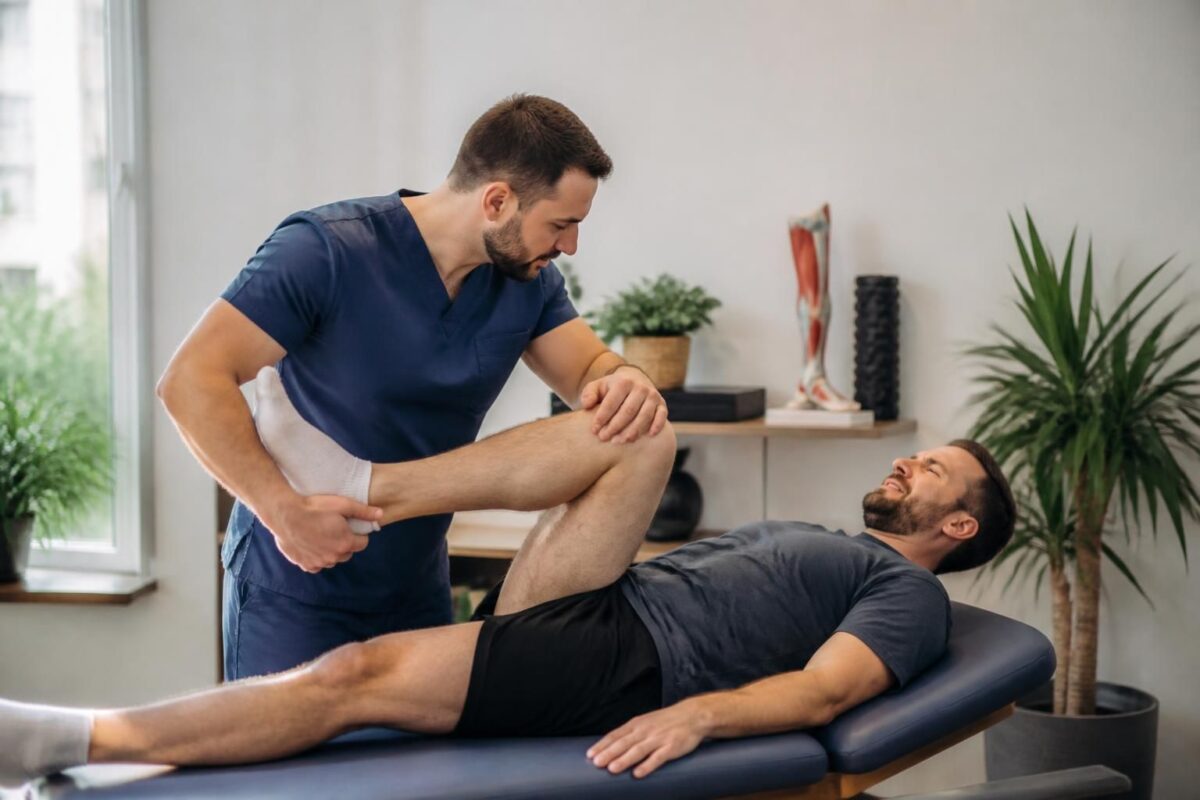
Osteopathy and chronic leg pain: regaining an optimal quality of life
In short In short, Osteopathy is one Global manual approach aimed at reducing Chronic leg pain and improve the quality of life. What is it? Non-drug therapy using the hands to identify restrictions and treat lesional chains. How does it…
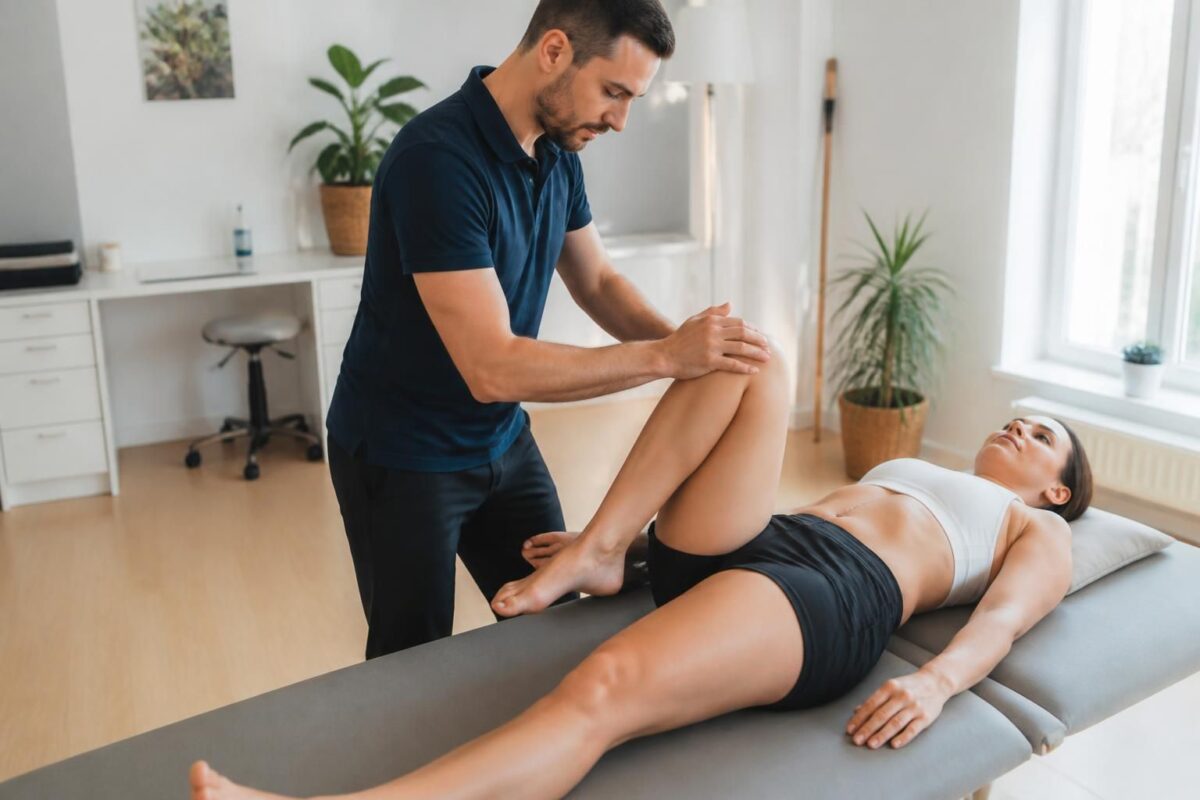
How osteopathy supports recovery after complex surgery
In short In short, Post-operative osteopathy is an approach fresh which supports the recovery After a Complex surgery. It helps to reduce the pain and the fatigue, improves the mobility and accelerates the healing thanks to a better vascularization and…
Summary and practical implications
The Sleep cycles And the associated phases, which last about 90 minutes, benefit from a fragile balance. theosteopathy Acts in favor of a quiet rest and one Neurovegetative balance, in particular by manipulations that promote the Diaphragmatic breathing and the release of accumulated tensions. Targeted techniques can encourage a smoother transition between phases and help reduce nighttime awakenings.
The stress and anxiety are frequent barriers to sleep; Osteopathic approaches aim to activate the parasympathetic nervous system, favoring a state of relaxation conducive to the Restful sleep. Specific techniques make it possible to reduce the activation of the sympathetic nervous system and to establish a solid base for a calmer night. To deepen these mechanisms, see the resources dedicated to the management of nervous tensions and their effects on sleep.
The posture And muscular tensions, especially in the cervical and dorsal spine, directly influence sleep quality. By restoring optimal body alignment and releasing points of tension, osteopathy improves circulation and nerve contribution to the brain, which can reduce feelings of tension at bedtime and promote sleep. Detailed studies and clinical returns explain how muscle recovery and flexibility can be optimized by appropriate osteopathic approaches.
The functioning of the digestive system is also closely linked to sleep. Targeted visceral manipulations can help regulate transit and prevent nighttime discomfort, contributing to quieter nights. A more stable digestion reduces discomfort-related awakenings, overall improving the quality of nighttime rest. To explore these mechanisms, consult the resources that describe the impact of osteopathy on digestive regulation and night comfort.
In practice, various osteopathic techniques can be mobilized for sleep, including diaphragm release techniques, cranial manipulation, cervical spine mobilization and visceral approaches. These approaches are aimed at improving ventilation, reducing stress, optimizing brain circulation and fostering a state of deep relaxation conducive to the deep sleep. Specialized resources describe these techniques and their effects on restorative rest.
To go further and explore feedback and additional explanations, you can consult dedicated resources, for example on muscle recovery, the benefits of osteopathy for nervous tensions and non-invasive approaches: Optimize muscle flexibility, Relieve nervous tension, Effective Restorative Sleep Approach, and other useful resources like A lasting solution for chronic pain or Natural solution for better sleep.
For those who want a more general perspective on the link between theosteopathy, the Overall well-being and the sleep, additional resources address body balance and beneficial effects on nighttime rest: Overall well-being and body balance, News on osteopathy and sleep.

Sylvain Desforges, B.Sc., D.O., N.D., docteur en ostéopathie
Dr Sylvain Desforges, B.Sc., D.O., N.D., osteopath, is the founding president of TAGMED and of the ACMA association. He dedicates his practice to chronic spinal pain, low back pain and symptoms compatible with sciatica, particularly when pain radiates toward the buttock, leg, calf, foot or toes.
Through SOS Sciatique, he publishes educational content on sciatica symptoms, possible causes such as disc herniation, disc narrowing, foraminal stenosis or irritation of a lumbar nerve root, as well as non-surgical approaches that may be considered according to the evaluation. At Clinique TAGMED, care may include, depending on the case, motorized neurovertebral decompression, specific osteopathic care or precision percussion.
For an evaluation related to sciatica treatment in Montreal / Mount Royal or sciatica treatment in Terrebonne, please consult the services available at Clinique TAGMED.
Medical disclaimer
The information published on SOS Sciatique is provided for educational purposes only and does not replace a consultation, diagnosis, opinion or treatment provided by a physician or another authorized healthcare professional. The author of this article is neither a medical doctor nor a specialist in a medical specialty recognized by the Collège des médecins du Québec. The osteopathic, manual medicine or functional support approaches described on this site do not constitute medical acts and are not intended to replace medical follow-up.
Consult a physician or emergency service in cases of loss of bladder or bowel control, anesthesia in the saddle area, significant or progressive weakness in the leg or foot, fever, recent trauma, severe pain or rapid worsening of symptoms. For more details, please read our Legal Notice.