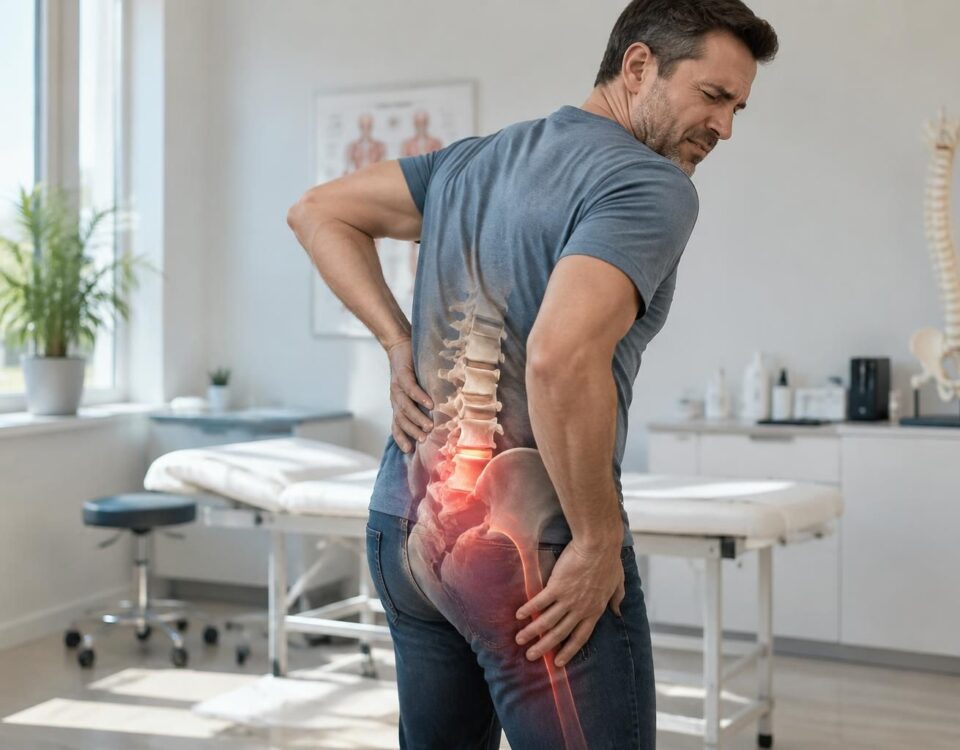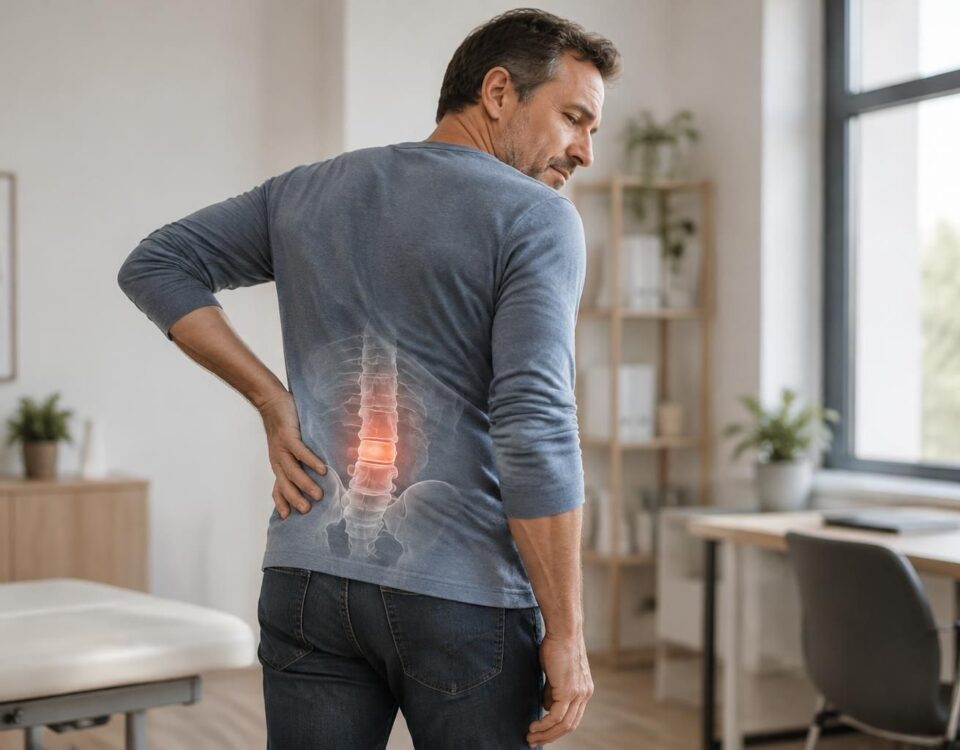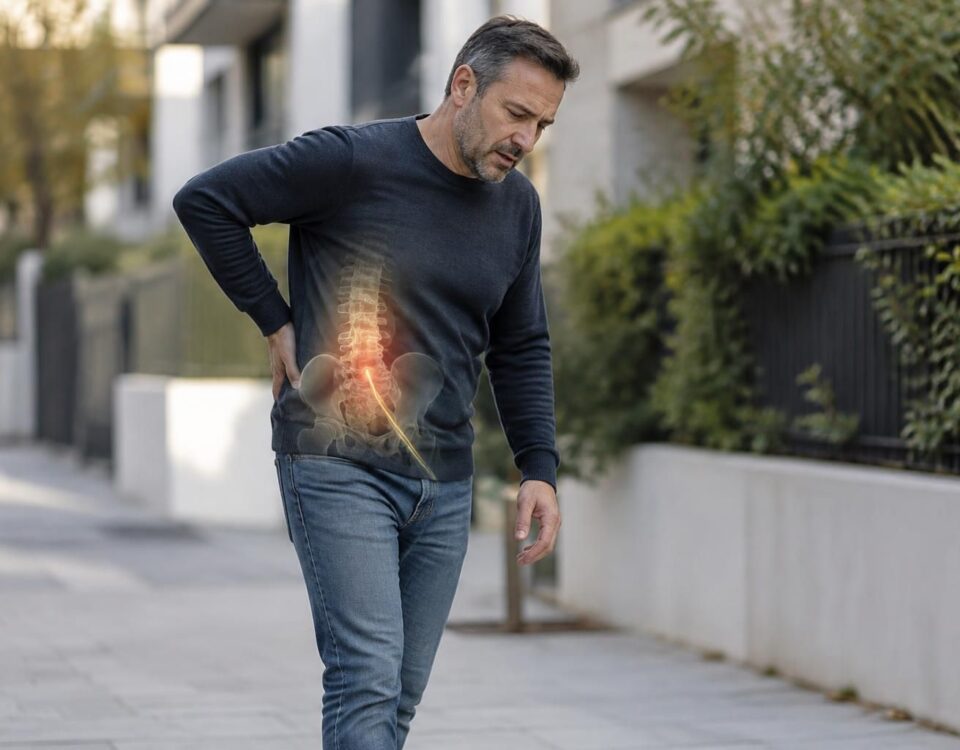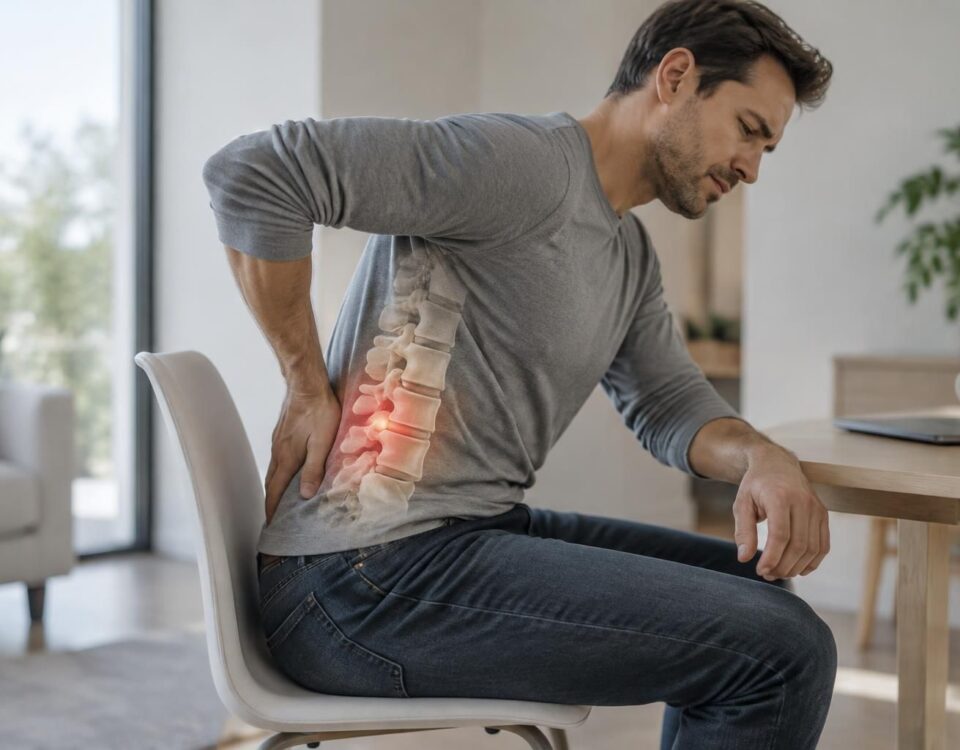
Sciatica and difficulty finding a comfortable position
16/10/2026
Sciatica and deadlifts: risk depending on the cause
16/10/2026
IN BRIEF
| A disc protrusion is a bulging of a disc between the vertebrae. Pain that appears after lifting a load does not prove that it is the cause: the MRI must be interpreted alongside the symptoms and the clinical examination. Appropriate activity and professional advice can help guide recovery. Seek prompt medical attention if experiencing progressive weakness, loss of sensation in the perineum, or urinary or intestinal problems. |
Disc Protrusion and Pain After Lifting
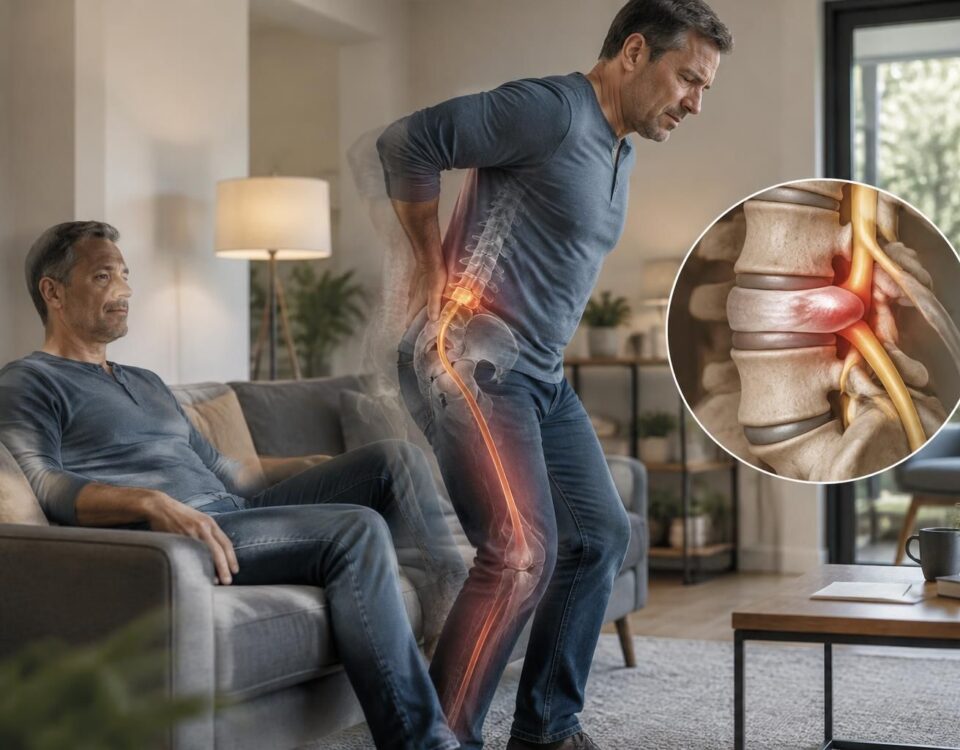
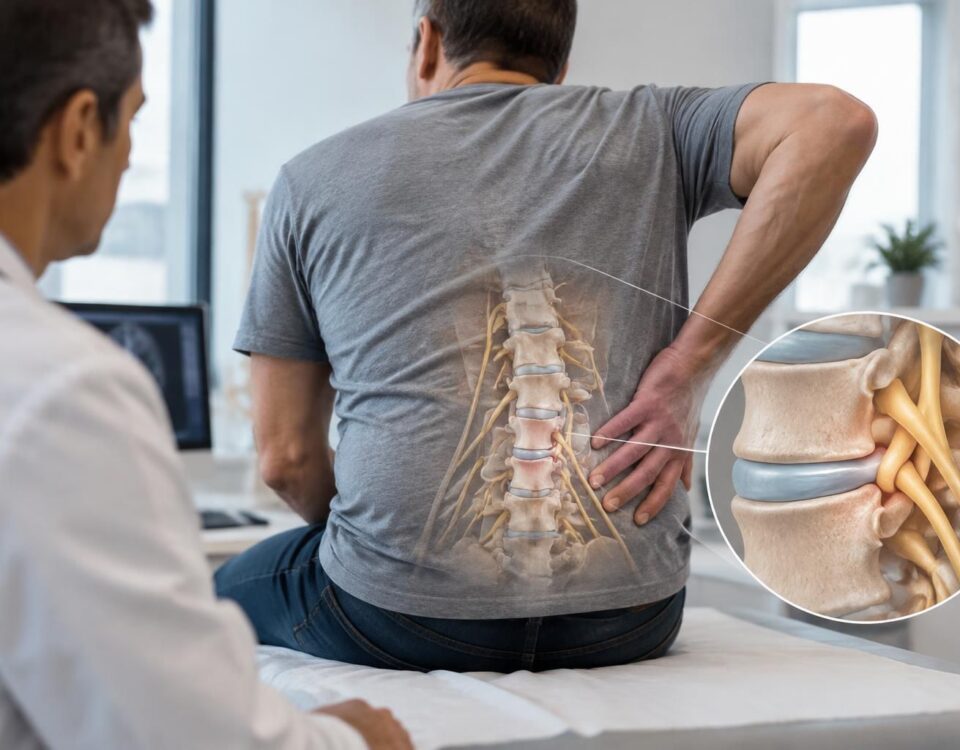
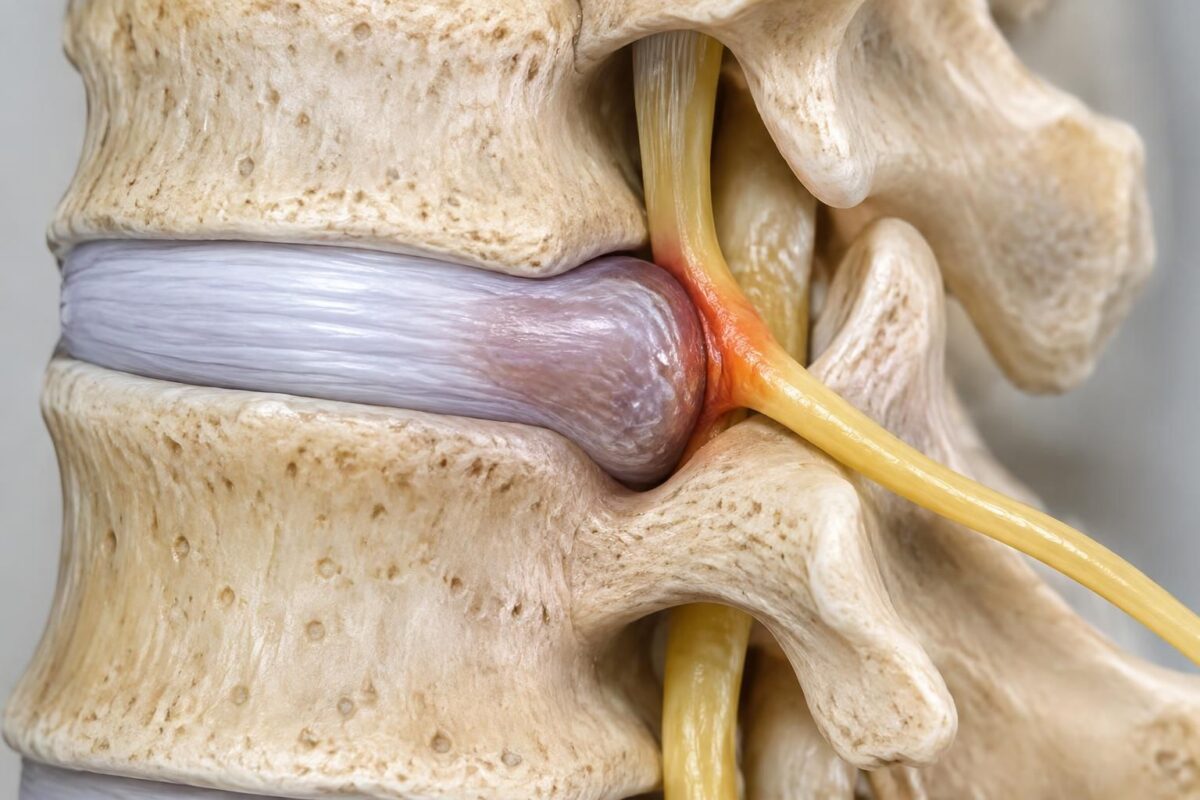
Pain that occurs after lifting a load does not necessarily mean that the disc protrusion visible on the MRI is the cause. This image depicts a bulging of the disc, but its significance must be assessed alongside the symptoms and the clinical examination. Pain may remain in the back or radiate to the buttock and leg if a nerve is irritated.
Stay as active as the pain allows and avoid resuming efforts that worsen the symptoms too quickly. Consult a healthcare professional if the pain persists, intensifies, or is accompanied by weakness. Urgent evaluation is required for urinary or intestinal disturbances, or loss of sensation in the perineal area.
Pain that appears after lifting a load can originate from several structures in the back. A disc protrusion may be present, but lifting and the pain are not sufficient to confirm this diagnosis. The imaging report must be interpreted alongside the symptoms and the clinical examination. This article explains possible causes, signs to watch for, and options to discuss with a healthcare professional. Lifting puts a strain on the muscles, ligaments, and discs of the spine. A heavy load, a sudden movement, or twisting can trigger lower back pain. Pain after exertion may also reveal pre-existing sensitivity, without the disc necessarily being the cause. The pain may stay in the lower back. It may also radiate down into the buttock or leg if a nerve root is irritated. The path, duration, and evolution of the symptoms help the professional assess the situation. A disc protrusion refers to a bulging of the intervertebral disc beyond its normal shape. This term describes an anatomical image. It does not, on its own, prove that the disc causes the pain or that the situation is serious. A protrusion may be visible on the MRI without causing any symptoms. Conversely, significant pain may have multiple causes, even if imaging shows a small bulge. Therefore, it is important to compare the level indicated in the report with the painful area, sensations in the leg, and the exam results. Protrusion and disc herniation are related terms, but they do not describe exactly the same condition. To better understand the differences between certain radiological terms, visit our page on disc protrusion and calf pain. Symptoms vary depending on the cause and the area affected. Localized pain in the lower back may be accompanied by stiffness or make certain movements difficult. Irritation of a nerve root may cause pain radiating into the buttock, thigh, calf, or foot, sometimes accompanied by tingling sensations. Coughing or sneezing may sometimes exacerbate pain radiating into the leg. This sign does not allow for a diagnosis on its own. You can discuss this with a professional and read our article on painful coughing and nerve irritation. After the onset of pain, avoid repeating the movement that triggered it. Do not force yourself to “test” your back. A comfortable position and changing posture as tolerated may help manage discomfort. Also avoid staying in bed for long periods without professional advice. A pain medication may not be suitable for everyone. Consult a doctor or pharmacist, especially if you are already taking medication, have a chronic illness, or are pregnant. Do not start or stop any treatment without advice tailored to your situation. If the pain persists, worsens, or radiates down the leg, seek evaluation. The professional will determine if a medical examination or imaging is necessary. An MRI is not required in every case: its relevance depends on the symptoms, their duration, and the signs noted during the examination. Some signs require prompt medical evaluation. Consult immediately if you notice: These symptoms should not be automatically attributed to a protrusion. They warrant a quick medical evaluation to investigate the cause. A radiograph, CT scan, or MRI can show the shape of the discs and their relationship with surrounding structures. The results must be correlated with your symptoms and clinical examination. Terms like “protrusion,” “contact,” or “conflict” are insufficient to determine treatment. Before an appointment, note when the pain began, what movement triggered it, where it spreads, and what modifies it. Also mention any weakness, numbness, and activities that the pain limits. Bring the complete report and a list of medications you are already taking. Management depends on the diagnosis and the impact of the symptoms. The professional may discuss monitoring, pain management, or other suitable options after assessment. Surgery is not decided solely based on the presence of a protrusion on the MRI. It may be considered in certain specific situations, particularly when significant neurological signs or persistent symptoms severely limit daily life. At TAGMED Clinic, an evaluation may allow for discussion, if applicable, of care such as specific osteopathy or motorized neurovertebral decompression. These approaches do not replace a medical diagnosis and are not suitable for all situations. The relevance of each option should be determined based on your health condition and symptoms. Consult the services of the TAGMED Clinic. To learn more about symptoms that may accompany pain radiating down the leg, also visit our page on sciatica and monitoring factors. Sylvain Desforges, B.Sc., D.O., N.D., osteopath and naturopath, is the founding president of TAGMED and the ACMA association. His practice focuses on chronic pain in the spine, lower back pain, and pain associated with sciatica, particularly when the pain radiates down to the buttock, leg, calf, foot, or toes. Through SOS Sciatique, he publishes educational content on the symptoms of sciatica, possible causes such as disc herniation, disc pinch, foraminal stenosis, or irritation of a lumbar nerve root, as well as on non-surgical approaches that can be considered after evaluation. At TAGMED Clinic, treatments may include, depending on the situation, motorized neurovertebral decompression, specific osteopathy, or a precision impactor. For an evaluation, consult the services related to sciatica treatment in Montreal and Mont-Royal or sciatica treatment in Terrebonne, at TAGMED Clinic. Medical disclaimer: The information and advice provided on this site do not replace the opinion, diagnosis, or treatment of a health professional. Please note that Sylvain Desforges, B.Sc., D.O., N.D., Doctor of Osteopathy, is neither a medical doctor nor a physician, and is not a specialist in a medical field as defined by the Collège des médecins du Québec. Manual medicine, functional medicine, and sports medicine as described on this site exclude any treatment or medical diagnosis made by a doctor or medical specialist. Always consult your physician for any medical questions. For more details, please read our complete legal notice.Why can the back hurt after lifting a load?
Is a disc protrusion necessarily responsible for the pain?
What symptoms can appear after lifting?
What to do in the hours following?
When should you consult urgently?
How is imaging interpreted?
What care options can be discussed?
About the Author
Medical Disclaimer
After Lifting a Load: What to Watch For?
Symptoms to Monitor
Useful Guidelines

Pain that appears after lifting a load can be concerning, especially if an MRI mentions a disc herniation. However, the link between the image and pain cannot be established solely from the report: a herniation may be old and asymptomatic. Here are guidelines to react cautiously, stay active within your tolerance, and know when to seek medical advice.
IN BRIEF A disc bulge is a diffuse protrusion of the disc and does not always cause symptoms. A buttock pain may sometimes be associated with nerve irritation, but the bulge visible on imaging is not enough to establish the…
Disc herniation and lumbar stiffness
IN BRIEF The disc bulge is a protrusion of the disc between the vertebrae, without a necessary tear, and does not always indicate a herniation or a cause of pain. It can accompany lumbar stiffness, but the link must be…
After Lifting: What Can the Pain Mean?
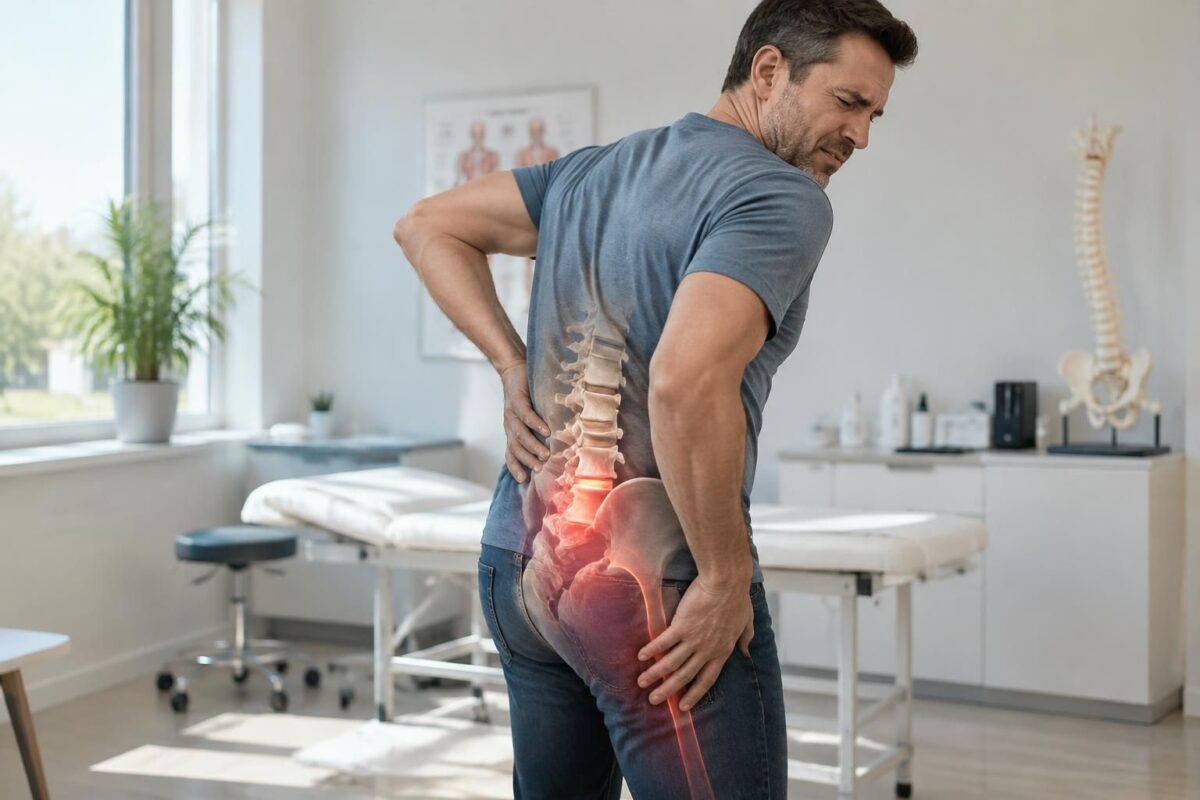
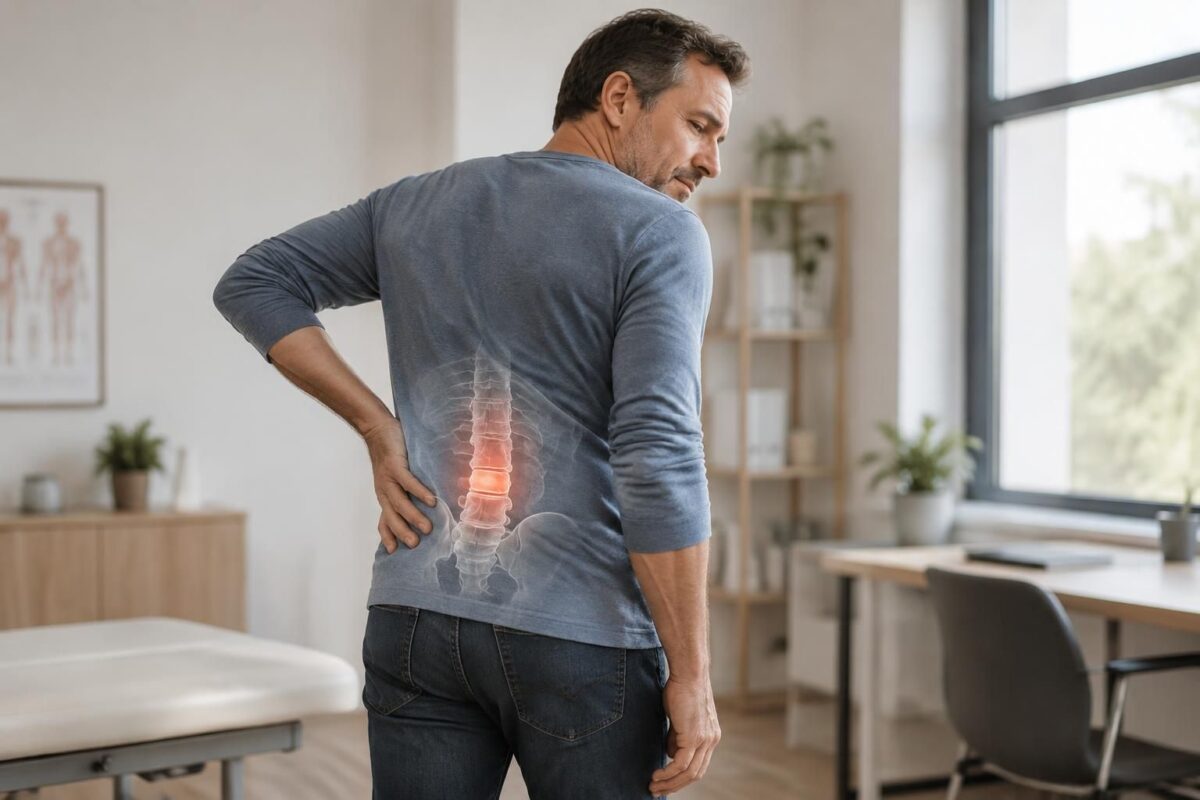
Lifting an object can trigger lower back pain, stiffness, or discomfort radiating into the buttock and leg. This does not necessarily mean that the disc has suddenly deteriorated. The effort may have awakened a sensitive area, stressed the muscles, or coincided with the onset of symptoms. A disc herniation describes a bulging of the disc but does not prove on its own that it compresses a nerve or explains the pain.
Note when the pain started, its location, its evolution, and the movements that aggravate or relieve it. Also report tingling, an area with reduced sensitivity, or weakness. This information will help a professional compare your symptoms with the examination and, if applicable, the imaging.
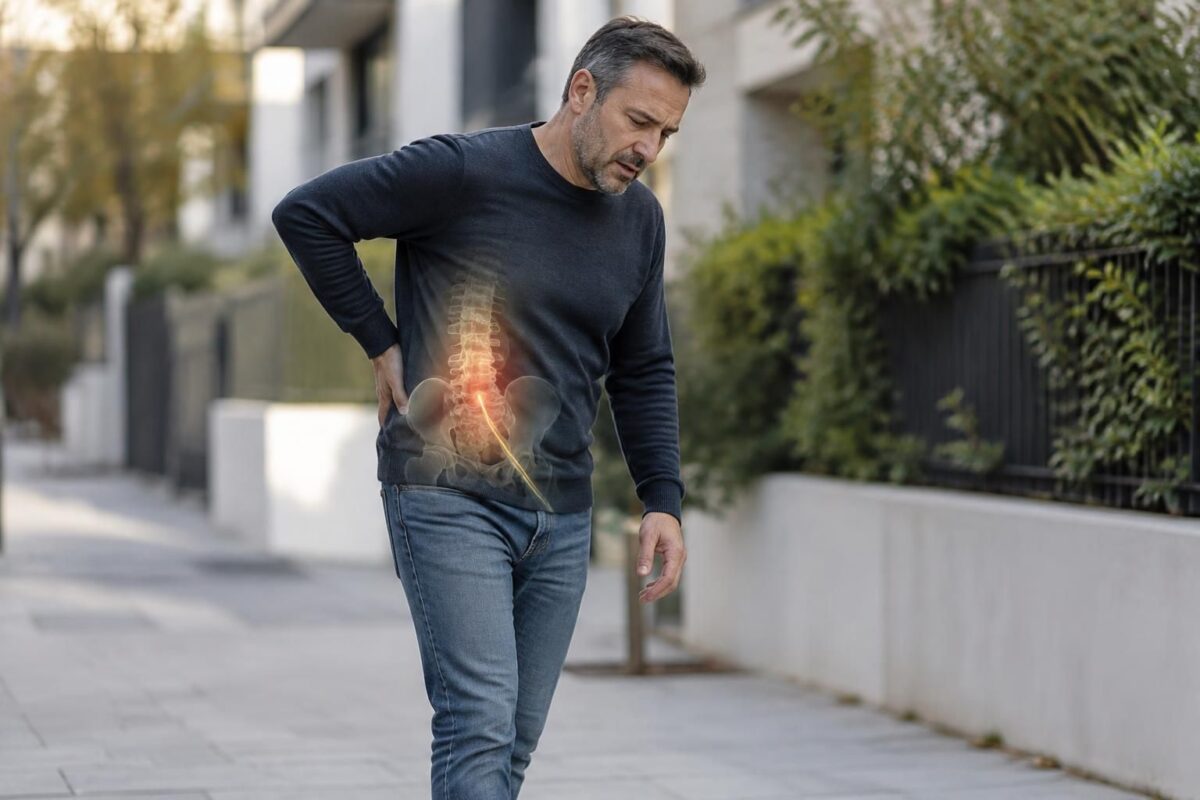
Disc herniation and pain while walking
IN BRIEF A disc bulge is a protrusion of the disc between the vertebrae, which can sometimes be accompanied by pain while walking or radiating down the leg. A gentle and progressive walk helps maintain activity if symptoms remain stable,…
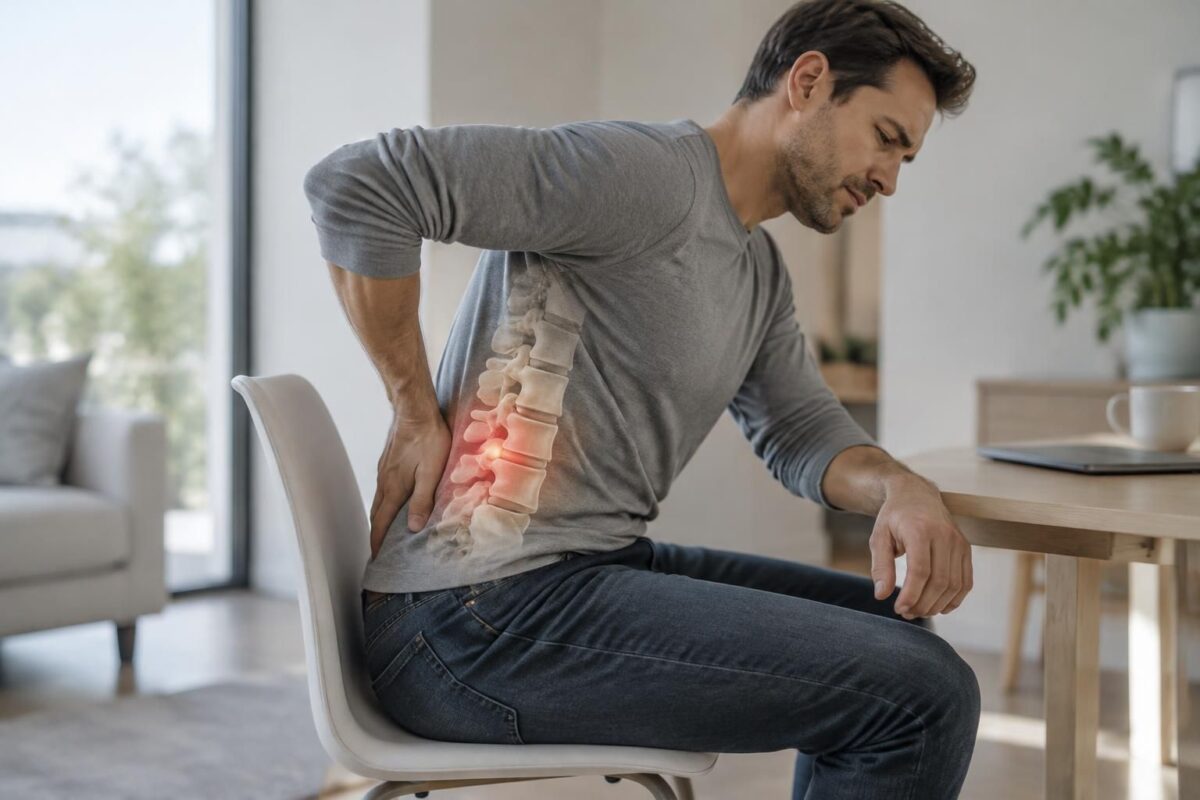
Disc bulge and pain in sitting position
IN BRIEF A disk bulge is a protrusion of a disk between the vertebrae; it does not always cause symptoms. Prolonged sitting can accentuate lower back pain and sometimes pain that radiates into the buttock or leg. Varying positions, moving…
What to Do in the First Hours and Days?
Adjust Activity Without Immobilizing
If the pain allows, continue light activities, such as walking for a few minutes and regularly changing positions. Temporarily reduce movements that cause severe pain, including lifting heavy loads or repeated twisting. However, avoid prolonged bed rest: a gradual return to movement, suited to your symptoms, is generally preferable to complete immobilization.
When resuming lifting, bring the load closer to your body, bend at the hips and knees as much as possible, and avoid twisting the torso while lifting. Start with a light load. If the pain sharply intensifies or radiates further down the leg, stop the action and seek advice rather than forcing it.
Choose Relief Measures Cautiously
A comfortable position, posture changes, or the cautious application of heat may provide relief for some people. Medications are not suitable for everyone: before taking a pain reliever or anti-inflammatory, check for contraindications and interactions with a doctor or pharmacist, especially if you have a chronic illness, are taking other treatments, or are pregnant.
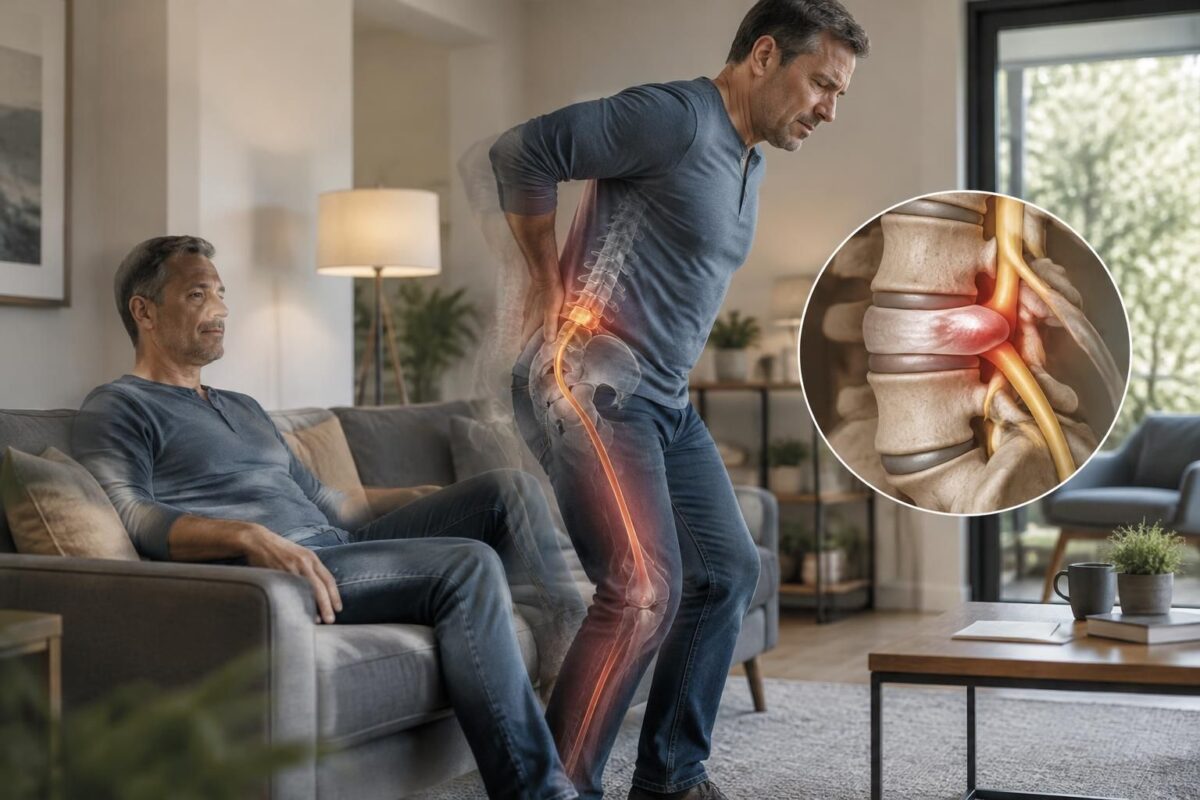
Disc herniation and fluctuating symptoms
IN BRIEF A disc bulge is a protrusion of the disc between the vertebrae, which may not necessarily cause symptoms. When pain fluctuates, its intensity can vary based on movements, activities, and other factors; the bulge visible on MRI does…
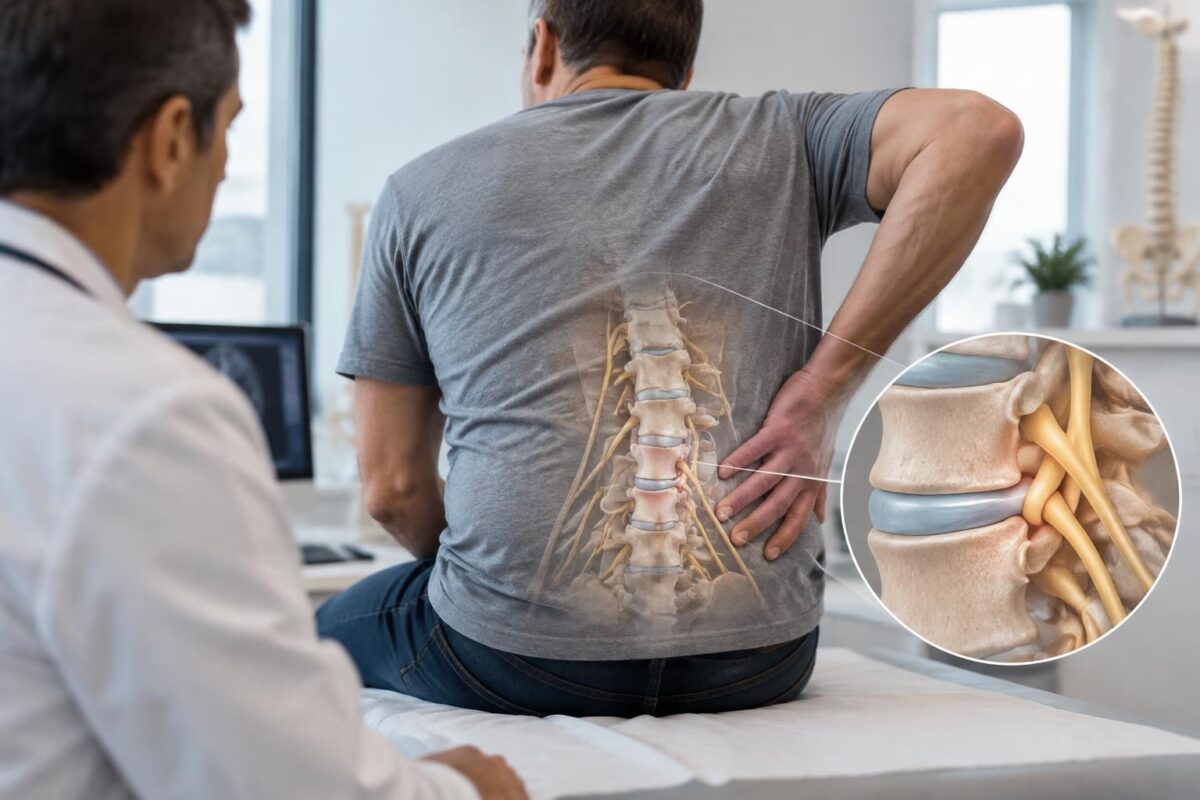
Disc bulge and mild nerve compression
IN BRIEF A disc bulge with mild nerve compression occurs when a disc slightly protrudes and may irritate a nerve, sometimes causing pain, tingling, or numbness. Symptoms and imaging do not always align: the assessment takes into account your movements…
When to Consult and What Does the MRI Mean?
Seek medical advice if the pain is significant, persists, recurs regularly, or is accompanied by radiation, tingling, or decreased sensitivity. An MRI is not always immediately necessary. The professional first evaluates the symptoms, their duration, and the physical examination, then determines if imaging or specific management is indicated.
A protrusion mentioned in the MRI is not sufficient to decide on treatment or surgery. The decision particularly depends on the correlation between the described level, the pain pathway, and the examination results. If discomfort limits your work, discuss with the doctor the tasks to adapt and the pace of resumption.
Disc herniation and foraminal irritation
IN BRIEF A disc bulge can reduce the space of the foramen, the opening through which a nerve exits, and contribute to its irritation. This can cause lower back pain radiating into the buttock or leg, tingling, or numbness. An…
Disc bulge L5-S1 and pain toward the foot
IN SHORT A L5-S1 disc bulge corresponds to a disc that slightly overruns between the last lumbar vertebra and the sacrum. It can irritate a nerve root and cause pain resembling sciatica down to the foot, but this anomaly visible…
Recognizing Signs of Emergency
Quickly consult a medical service in case of significant or progressive weakness in one leg or foot, loss of bladder or bowel control, or numbness around the perineum. A fever, recent trauma, or rapid worsening also warrant immediate evaluation. These signs require medical assessment, regardless of what is noted in the report.
| Reference | To remember |
|---|---|
| Onset after exertion | Lifting may trigger pain without proving that the protrusion is the cause. |
| Localized back pain | It may be related to several structures; MRI alone cannot provide a definitive answer. |
| Pain radiating down the leg | A radiating path may suggest nerve irritation and deserves evaluation based on its progression. |
| Tingling or weakness | Report these symptoms to a professional, especially if they worsen. |
| What the MRI shows | The protrusion should be correlated with symptoms and clinical examination. |
| Activity after the episode | Favor tolerated movements; avoid prolonged rest and efforts that significantly worsen pain. |
| Emergency signs | Urinary or bowel disturbances, perineal numbness, or significant weakness: consult without delay. |
Fictional testimonies: disc protrusion and pain after lifting a load
The narratives below are fictional and composite examples. They illustrate various possible experiences but do not describe real patients and do not allow for a diagnosis. Pain that occurs after lifting does not, by itself, prove that a disc protrusion is the cause.
“The pain started while carrying a box”
“I felt pain in my lower back while lifting a box. In the first few days, I mostly felt pain when bending or sitting for long periods. After a consultation, an MRI mentioned a disc protrusion. I was worried that my back was seriously damaged, but the professional explained that the image needed to be related to my symptoms and examination.”
“The back pain radiated down the leg”
“After moving a piece of furniture, lower back pain appeared, then it spread to my buttock and leg. I also felt tingling. The report spoke of a protrusion, but my doctor mainly wanted to know where the pain radiated, if my leg was weaker, and how the symptoms evolved. This helped me describe what I was experiencing more clearly.”
“The report worried me more than the pain”
“My pain after lifting remained moderate, but the term disc protrusion in the report worried me a lot. I learned that this term describes an overhang of the disc and does not suffice, by itself, to determine the severity of the situation. I prepared my questions and brought the complete report to my appointment.”
“I had to adapt my tasks at work”
“I carry loads in my job, and the pain appeared after a particularly demanding day. I didn’t know whether to continue working or stop. With the professional overseeing me, I discussed my tasks, the movements that triggered the pain, and potential adaptations. The decision did not solely depend on the MRI result.”
“I gradually resumed my activities”
“After a painful episode while lifting a load, I first wanted to stay completely still. I was advised to respect the pain without prolonging bed rest and to gradually resume movements according to my tolerance. As the symptoms persisted, I sought a new opinion rather than choosing exercises at random.”
These experiences illustrate why a disc protrusion on MRI cannot solely predict pain, its progression, or the necessary treatment. The affected level, the path of symptoms, the clinical examination, and difficulties in daily activities must also be taken into account. After lifting, note the onset of pain, its progression, the movements that worsen it, and any tingling or loss of strength, then share this information with a healthcare professional.
Consult quickly if you notice significant or progressive weakness in a leg or foot. Urinary or bowel disturbances, loss of sensation in the perineal area, fever, or rapid worsening require urgent medical evaluation.
Medical warning: this information is educational and does not replace a consultation, diagnosis, or treatment by a licensed healthcare professional. A disc protrusion cannot be correctly interpreted without taking into account the clinical situation of the individual.
Disc protrusion and pain after lifting a load
Pain that appears after lifting an object can be concerning, especially if imaging has already revealed a disc protrusion. However, pain that occurs during exertion does not, by itself, prove that a disc has been damaged or that the protrusion is the cause. The triggering moment, symptoms, and their evolution must be considered alongside the clinical examination.
Intervertebral discs are located between the vertebrae and help distribute stress. A protrusion refers to a bulging of the disc beyond its usual shape. This term describes an appearance, often seen on MRI; it does not allow, in isolation, for determining the intensity of the pain or the necessary treatment. Some protrusions cause no symptoms, while significant pain can have multiple causes.
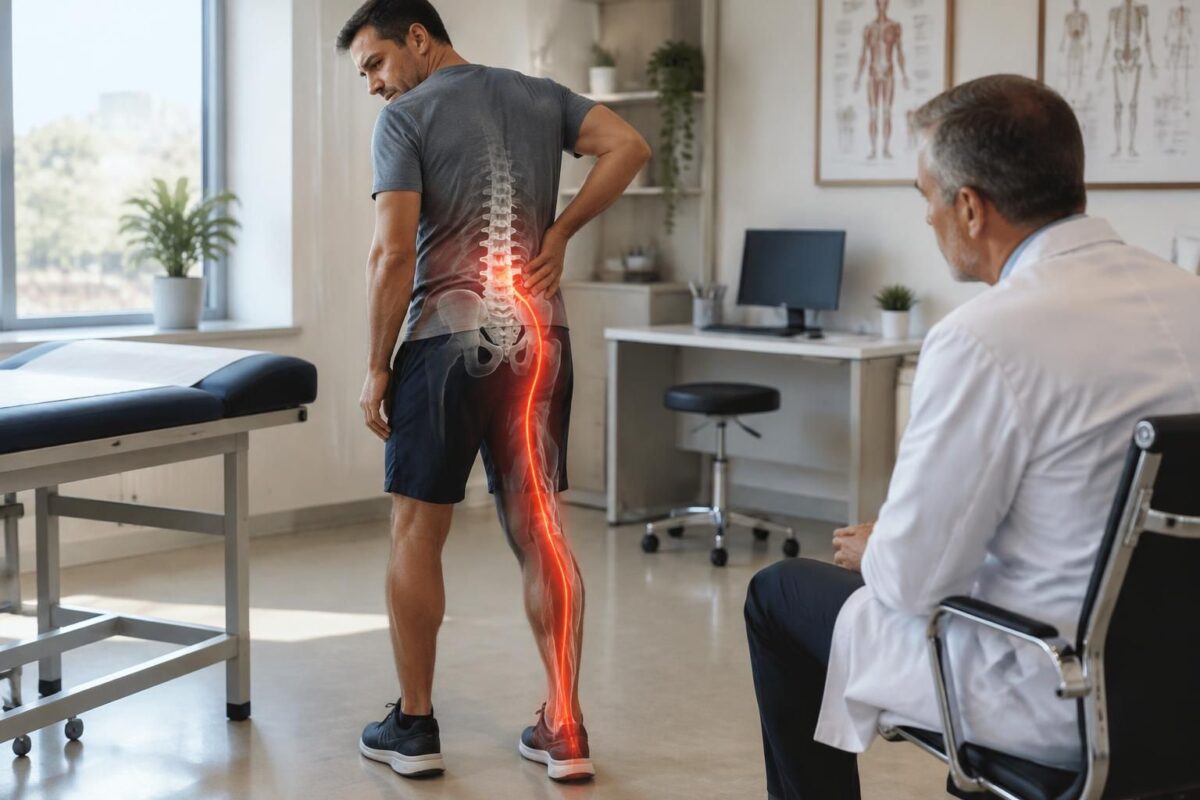
When lifting, the back is stressed by the load, posture, movement, and effort exerted. Pain may occur after unusual movement, twisting, lifting a load away from the body, or a period of fatigue. It may also correspond to muscular or joint irritation. If a nerve root is irritated, the pain may radiate into the buttock or leg and be accompanied by tingling, numbness, or sometimes weakness. Only a healthcare professional can evaluate whether these signs align with imaging.
After the onset of pain, it is generally best to avoid efforts that aggravate it without imposing prolonged bed rest. Gentle movements and position changes, within tolerated limits, can help maintain ordinary activities. Resuming lifting should be gradual: bringing the object closer to the body, avoiding trunk rotation while lifting, and breaking tasks into smaller parts are useful precautions. If the pain significantly increases or new symptoms appear, seek advice from a professional.
Pain medications do not suit everyone in the same way. The choice of an analgesic or anti-inflammatory should take into account health status, other treatments, and possible contraindications. A pharmacist or doctor can help verify their appropriateness. A consultation is also relevant if the pain persists, limits walking or sleep, radiates down the leg, or does not improve as expected.
A quick medical evaluation is necessary in cases of significant or progressive weakness in a leg or foot, loss of bladder or bowel control, or numbness in the perineal area. A fever, recent trauma, severe pain, or rapid deterioration also warrant immediate medical advice. These signs should not be interpreted solely from the report of an MRI.
To prepare for the consultation, note the action taken, when the pain began, its path, the movements that exacerbate or relieve it, and its consequences on your activities. Bring the imaging report if you have one. The professional will be able to correlate this information with the examination and determine whether monitoring, appropriate care, or additional advice is indicated.
About the author
Sylvain Desforges, B.Sc., D.O., N.D., osteopath and naturopath, is the founding president of TAGMED and the ACMA association. His practice particularly focuses on chronic spinal pain, lower back pain, and pain consistent with sciatica.
Through SOS Sciatique, he publishes educational content on symptoms, possible causes, and non-surgical approaches that may be considered based on the evaluation. At TAGMED Clinic, care may include, depending on the case, motorized neurovertebral decompression, specific osteopathy, or precision impactor.
Medical warning
These informations are provided for educational purposes and do not replace a consultation, diagnosis, or treatment by a physician or other authorized health professional. The author is neither a doctor nor a specialist in a medical field recognized by the Collège des médecins du Québec. Osteopathic, manual therapy, or functional support approaches do not replace medical follow-up. Consult a physician or emergency service in the presence of the warning signs described above.
Pain that appears after lifting a load may be related to strain on the back, but it does not suffice to demonstrate that a disc protrusion is the cause. The MRI, symptoms, and clinical examination must be interpreted together. The intensity of the pain, its path, its evolution, and the possible presence of weakness or sensory disturbances help determine the next steps.
Pain after lifting: understanding the situation
Lifting may have simply triggered or revealed pain in an already sensitive area. A mention of disc protrusion on an MRI alone does not allow one to conclude that the disc has recently deteriorated or that it explains all symptoms. To better distinguish the terms used in reports, also refer to this presentation of the difference between herniated disk and disc pinching or the guide dedicated to disc protrusion, MRI, and symptoms.
Pain that remains in the lower back does not necessarily mean that a nerve is compressed. On the other hand, pain that radiates into the buttock or leg, tingling, or an area with reduced sensitivity should be described precisely to a healthcare professional. The L4-L5 location can be a useful reference, without constituting a diagnosis on its own; information about L4-L5 disc protrusion and the possible links between protrusion and sciatica can help prepare the questions to ask.
After the painful episode, avoid resuming heavy lifting if it significantly increases the symptoms. Depending on your tolerance and the advice received, gentle movements and changes of position may be preferable to prolonged immobility. If sitting or driving exacerbates the pain, note it: these circumstances can be useful during the evaluation, as explained in this article on pain that increases while driving. Work constraints and handling gestures can also be discussed with a professional, particularly using these ergonomic guidelines and disc protrusion.
Note when the pain started, the action taken, its path, what aggravates or relieves it, as well as any difficulties you encounter in walking, sleeping, or working. The doctor or professional accompanying you can correlate these elements with the examination and the imaging report. Additional resources address the symptoms associated with a disc protrusion and the variations in the path of the pain, particularly its centralization or peripherization. However, these observations do not replace a clinical evaluation.
Seek medical advice quickly if new or progressive weakness appears in a leg or foot. Difficulties in controlling the bladder or bowels, or loss of sensitivity in the perineal area, require urgent evaluation. In the absence of these signs, persistent pain that worsens or severely limits activities also justifies a consultation to determine the measures suited to your situation.

Sylvain Desforges, B.Sc., D.O., N.D., docteur en ostéopathie
Dr Sylvain Desforges, B.Sc., D.O., N.D., osteopath, is the founding president of TAGMED and of the ACMA association. He dedicates his practice to chronic spinal pain, low back pain and symptoms compatible with sciatica, particularly when pain radiates toward the buttock, leg, calf, foot or toes.
Through SOS Sciatique, he publishes educational content on sciatica symptoms, possible causes such as disc herniation, disc narrowing, foraminal stenosis or irritation of a lumbar nerve root, as well as non-surgical approaches that may be considered according to the evaluation. At Clinique TAGMED, care may include, depending on the case, motorized neurovertebral decompression, specific osteopathic care or precision percussion.
For an evaluation related to sciatica treatment in Montreal / Mount Royal or sciatica treatment in Terrebonne, please consult the services available at Clinique TAGMED.
Medical disclaimer
The information published on SOS Sciatique is provided for educational purposes only and does not replace a consultation, diagnosis, opinion or treatment provided by a physician or another authorized healthcare professional. The author of this article is neither a medical doctor nor a specialist in a medical specialty recognized by the Collège des médecins du Québec. The osteopathic, manual medicine or functional support approaches described on this site do not constitute medical acts and are not intended to replace medical follow-up.
Consult a physician or emergency service in cases of loss of bladder or bowel control, anesthesia in the saddle area, significant or progressive weakness in the leg or foot, fever, recent trauma, severe pain or rapid worsening of symptoms. For more details, please read our Legal Notice.