Custom protocols in neurovertebral decompression for optimal results
26/06/2026
Modern techniques to maximize results in neurovertebral decompression
26/06/2026
In short
| In short, the neurovertebral decompression is an approach non-invasive which aims to relieve column pain by creating a space between the vertebrae and reducing the pressure on the nerves and discs. she improves blood circulation around the nervous tissues, promotes the oxygenation and nutrition of the tissues, and supports the regeneration Tissue. The main advantages include a Sustainable relief pain, reduced numbness and mobility increased, as well as better posture and recovery after painful episodes. How it works: a traction controlled and progressive on the spine releases the discs and reduces nerve compression, improving blood flow and nutrient intake. Accessible in Montreal, this service is particularly recommended for people with chronic spinal pain and wishing to regain an active life without pain. |
The neurovertebral decompression, carried out by controlled traction to create a space between the vertebrae, acts not only on the pain but also on the bloodstream around the column.
This improvement in blood flow facilitates theSupply of oxygen and nutrients towards discs and nervous tissues, favoring their regeneration and contributing to lasting relief.
The unexpected benefit: a Reduced pain Accompanied by better mobility and general well-being, all without the need for invasive intervention.
Note: This information do not replace medical advice and should be discussed with your healthcare professional.
This article, written by a healthcare professional, explores how neurovertebral decompression can improve blood circulation around the spine. It explains why this beneficial effect occurs and how it is associated with pain reduction and optimization of tissue regeneration. We discover simple reasons and practical implications for the management of spinal pain, without resorting to invasive gestures. Complementary resources from reliable sources help to deepen the subject while remaining focused on an evidence-based approach within the TagMed clinic and partner networks.
how neurovertebral decompression affects circulation
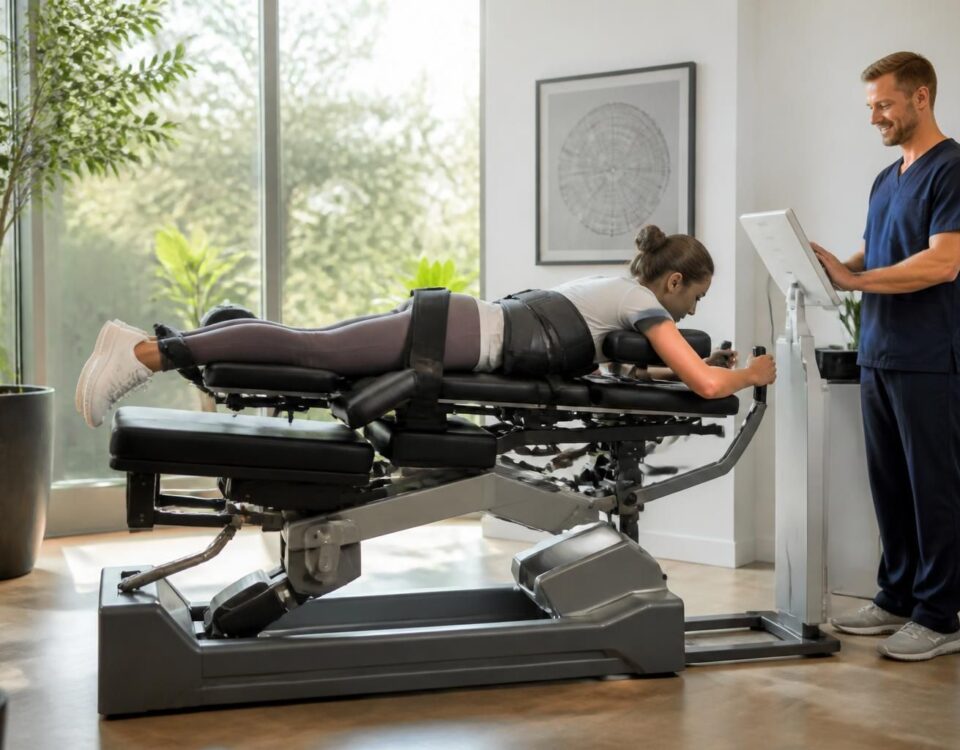
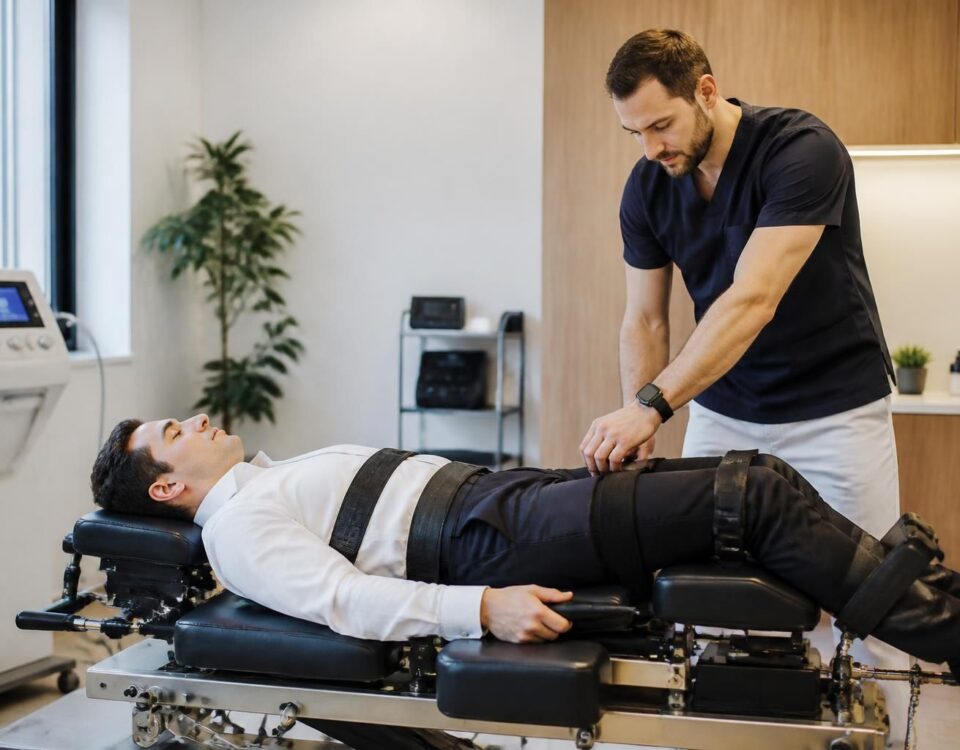
The neurovertebral decompression Creates a space between the vertebrae by controlled traction. This space reduces the pressure exerted on the spinal nerves and on the intervertebral discs. Less pressure allows the blood flow to better irrigate the surrounding tissues. The result is a Better circulation Around the spine and adjacent nerve tissue. This improved circulation helps transport the oxygen and nutrients needed to repair and regenerate damaged tissues.
Stimulating a more effective blood flow also promotes better elimination of metabolic waste and a reduction in local inflammation. Over the course of the sessions, this dynamic contributes to a oxygenation increased nerve tissue and decreased painful signals, which can improve mobility and function.
To deepen this dimension, several resources discuss the relationship between decompression and circulation. For example, analyzes and testimonies presented on specialized platforms highlight how traction and disc space mechanisms favorably influence tissue perfusion and nervous health. These elements enrich the clinical approach oriented towards lasting results without surgery.
Studies and feedback show that improving circulation is not only beneficial for patients with lower back and neck pain, but can also promote better recovery after painful events or previous treatments. For additional and clinical information, see the following resources: How decompression improves circulation, For athletes, and Decompression and herniated disc.
Effects on oxygenation and inflammation
A Increased traffic Promotes the supply of oxygen and nutrients to the nervous tissues. This contributes to a tissue regeneration and a decrease in inflammatory signals. Better oxygenation supports cellular metabolism and can reduce oxidative stress that often accompanies chronic pain. In addition, a reduction in local inflammation can alleviate pain and associated neurological symptoms.
In this context, decompression acts as a lever that favorably modifies the vascular and tissue microenvironment around the column. The well-applied traction mechanisms facilitate better tissue perfusion and support more effective recovery, while remaining non-invasive.
To deepen the link between decompression and circulation, additional resources explain how this approach fits into a global management of spinal pain. Discover in particular the perspectives and benefits described on specialized resources: Neuropathic pain, prevention, and pain prevention.
Impact on pain and mobility
Reducing pressure on nerves and discs can lead to a significant decrease in spinal pain. This painful improvement is often accompanied by better mobility and a gradual return to daily activities. The goal is a quality of life improved and an increased possibility of performing daily gestures without limiting pain.
From a practical perspective, action on circulation and oxygenation can also support the additional treatments offered at the TagMed clinic in Montreal and Terrebonne. The approach focuses on non-invasive techniques that respect the integrity of the structures and which aim to resume activity without resorting to surgical interventions for a majority of patients.
Integration in practice and security
Neurovertebral decompression is part of a global approach to care. It may be associated with other non-surgical therapeutic modalities where appropriate. For patients, it is essential to discuss with a health professional to assess eligibility and the appropriate treatment plan. Additional information on the approach and results observed are available on specialized resources such as athletes and slipped disc.
neurovertebral decompression remains a non-invasive and promising option to improve blood circulation and support tissue healing around the spine. It is part of a global care strategy that favors evidence-based approaches and individualized care in associated clinics.
To explore the benefits and mechanisms, also check the following resources: Benefits on muscle tension, Blood circulation and unexpected benefit, and Suitable for all ages.
To learn more about practical implications in TagMed Clinic and non-surgical options available, visit Tagmed Clinic.
Key benefits highlighted in the article:
- Improved blood circulation around the column.
- Optimization of oxygenation nervous tissue.
- Decreased inflammation local thanks to better drainage.
- Reduced nerve compression and associated pain.
- Potentially accelerated tissue recovery thanks to a better supply of nutrients.
For more information about the approach and potential benefits, see the following resources: Neuropathic pain, prevention, and Joint and nerve tensions.
Practical reference and safety: The information presented remains intended to inform and does not replace a personalized medical opinion. For advice adapted to your situation, consult a health professional.
Medical Disclaimer: The information and advice provided on this site does not replace the health professional’s diagnosis or treatment. Please note that Dr. Sylvain Desforges osteopath is neither a doctor of medicine nor a doctor, and is not a specialist in a medical specialty as defined by the Collège des Médecins du Québec. Manual medicine, functional medicine and sports medicine as described on this site exclude any medical treatment or diagnosis made by a doctor or specialist doctor. Always consult your doctor for any medical questions. For more details, please read our full legal notice.
Neurovertebral decompression and blood circulation: unexpected benefit

neurovertebral decompression Don’t just ease the pain. it can act in depth on the bloodstream, improving the oxygenation and nutritional balance of nerve tissue. This article offers you concrete recommendations for understanding this unexpected benefit and how to integrate it sustainably into a personalized care approach.
The mechanism: how decompression influences circulation
The Controlled traction Applied to the spine creates a space between the vertebrae. This space reduces the pressure exerted on the nerves and intervertebral discs, making it easier to blood flow around nervous tissue. At the same time, improving the bloodstream Stimulates intake in oxygen and in nutrients essential, promoting Tissue regeneration and reduction of local inflammation. The result is a gradual reduction in pain and better recovery capacity.
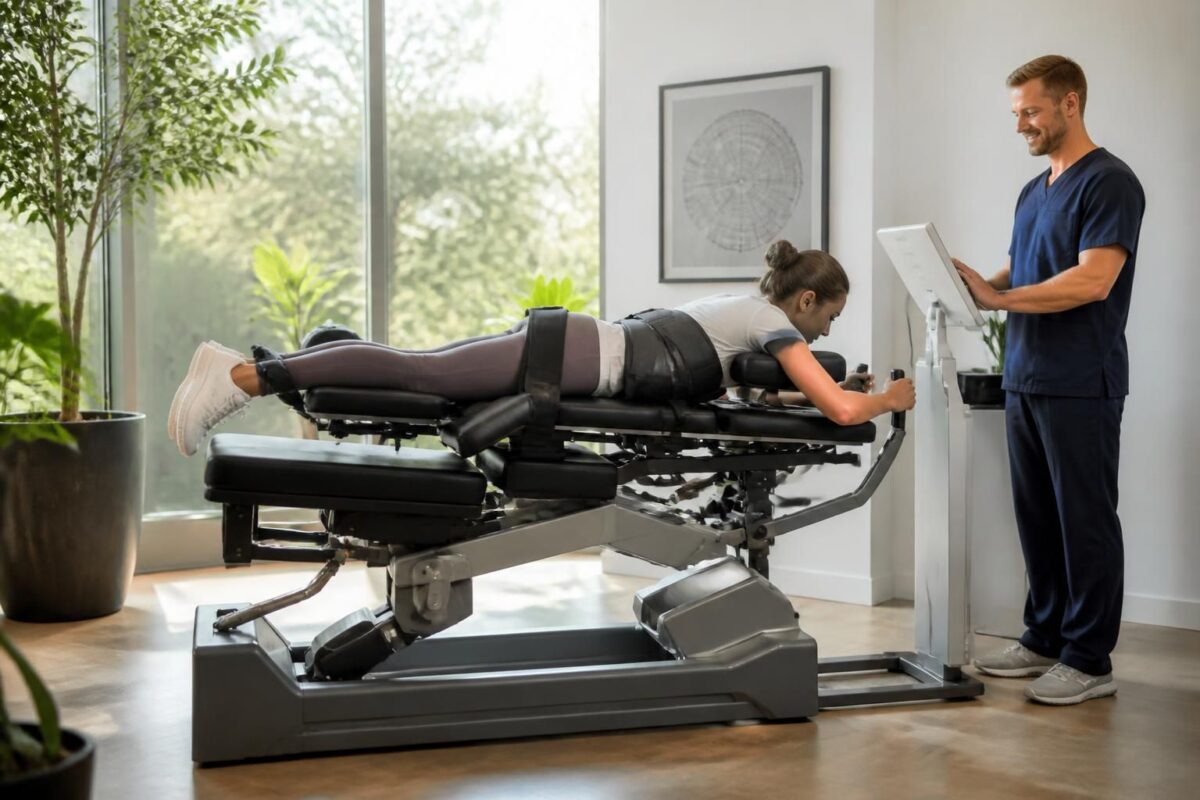
The long-term benefits of neurovertebral decompression for spinal health
In short In short, the neurovertebral decompression is a non-invasive approach that decreases the Pressure on intervertebral discs and nerves, favoring the Natural regeneration and tissue recovery. Its long-term benefits include Lasting pain reduction, Improving mobility and from the posture,…
Unexpected benefits for everyday life
In addition to the reduction in pain, the gains on the quality of life often appear as better sleep, increased energy and a more serene mental state. Improved circulation can also support greater mobility and a better posture, which helps to prevent repetitive tensions and recurrences. Patients who notice these effects generally describe a feeling of lightness in the movements and a resumption of activities they thought were lost.

Neurovertebral decompression and mobility: a return to an active life
In short In short, the neurovertebral decompression is therapy non-invasive who uses a gentle traction To create a space between the vertebrae and reduce the pressure on the Intervertebral discs and the nerves. It promotes a bloodstream improved, lowers tension…
For whom and when to initiate this protocol
Decompression can be considered in people suffering from lower back or cervical pain linked to disc pathologies (tensions, herniated discs, stenosis) when conservative approaches are preferred or complementary. An appropriate clinical assessment and imaging make it possible to determine eligibility and to adjust the protocol. It is crucial to remember that this technique is not autonomous medical treatment and should be coordinated with your doctor or specialist.
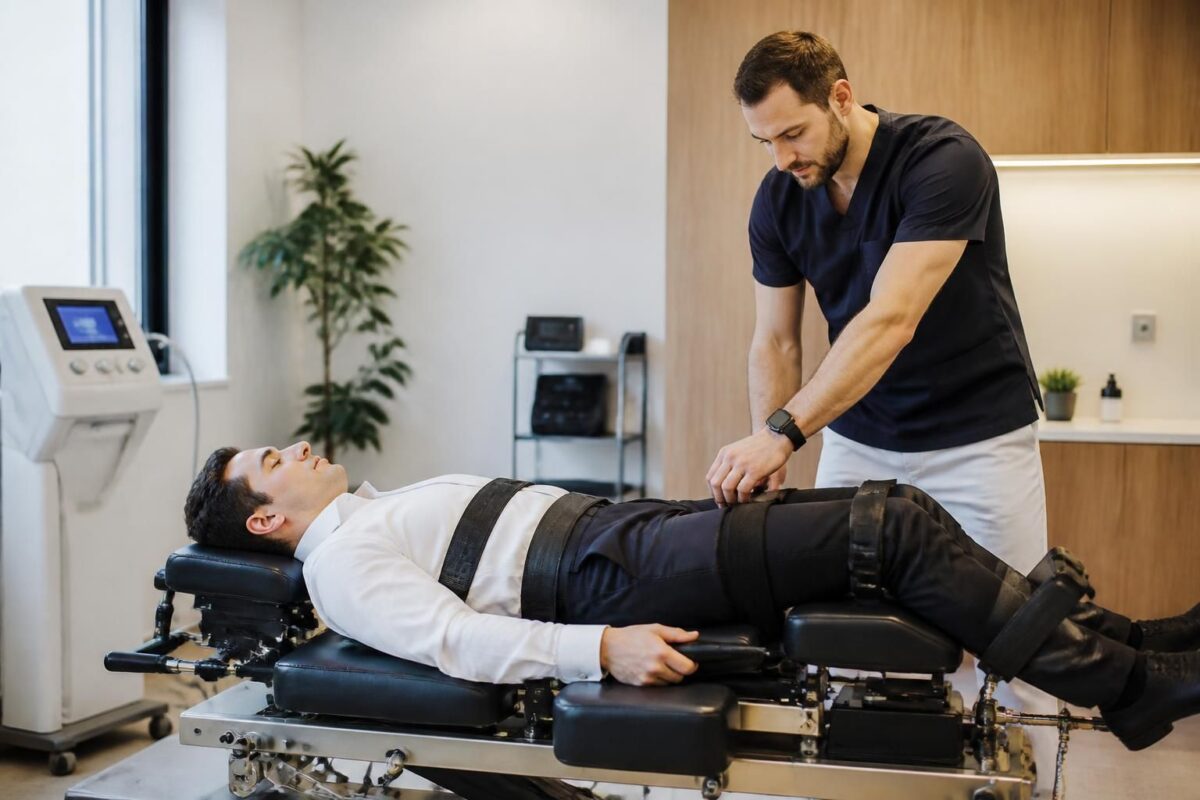
How Neurovertebral Decompression Prevents Diffuse Chronic Pain
In short decompression neurovertebral is one Non-invasive method aimed at reducing the Pressure on the intervertebral discs and the nerves, in order to prevent Diffuse chronic pain. It improves the circulation and thedisc hydration, decreases inflammation and promotes better mobility.…
Care plan: Practical recommendations
Model Protocol and Durability
A typical program includes 15 to 25 sessions, modulated according to the severity and response of the patient. Progression is progressive: gradual increase in amplitude and duration of stretching, with regular monitoring of symptoms and mobility. The goal is to optimize the circulation around the column and support tissue regeneration without causing acute pain.
What you can do between sessions
Adopt habits favoring circulation And recovery: adapted hydration, balanced diet rich in essential nutrients, and gentle exercises to be done at home to maintain mobility. Correct posture and active breaks during long sitting periods support the results and prevent future tensions.
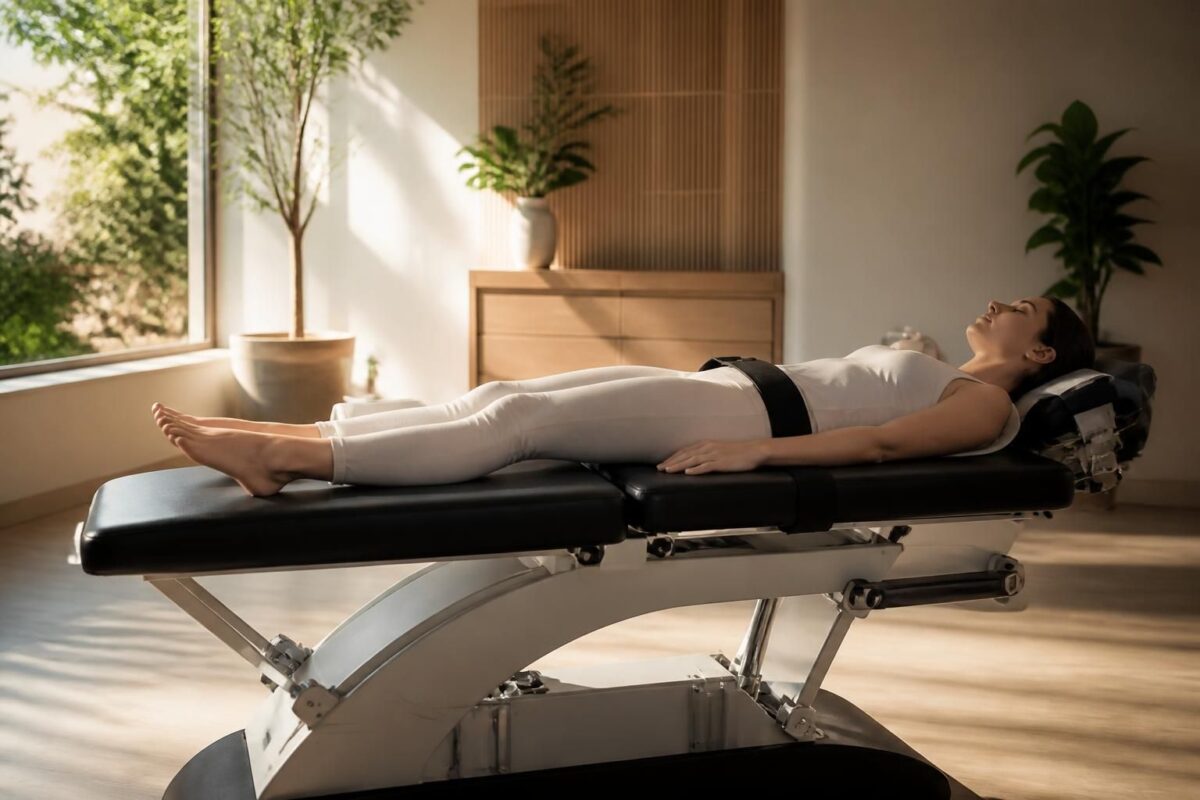
Neurovertebral Decompression and Body Alignment: Restoring Natural Balance
In short In short, neurovertebral decompression is one Non-invasive approach who restores theBody Alignment and thenatural balance back and neck. She acts by a Controlled traction of the spine to widen the intervertebral space and reduce the Pressure on discs…
Integration with other therapies
Decompression can be combined with other non-invasive approaches, such as manual therapy modalities, muscle strengthening programs and stress management techniques. This synergy is designed for Maximize results and provide continuous improvement in the vertebral functioning and global traffic.
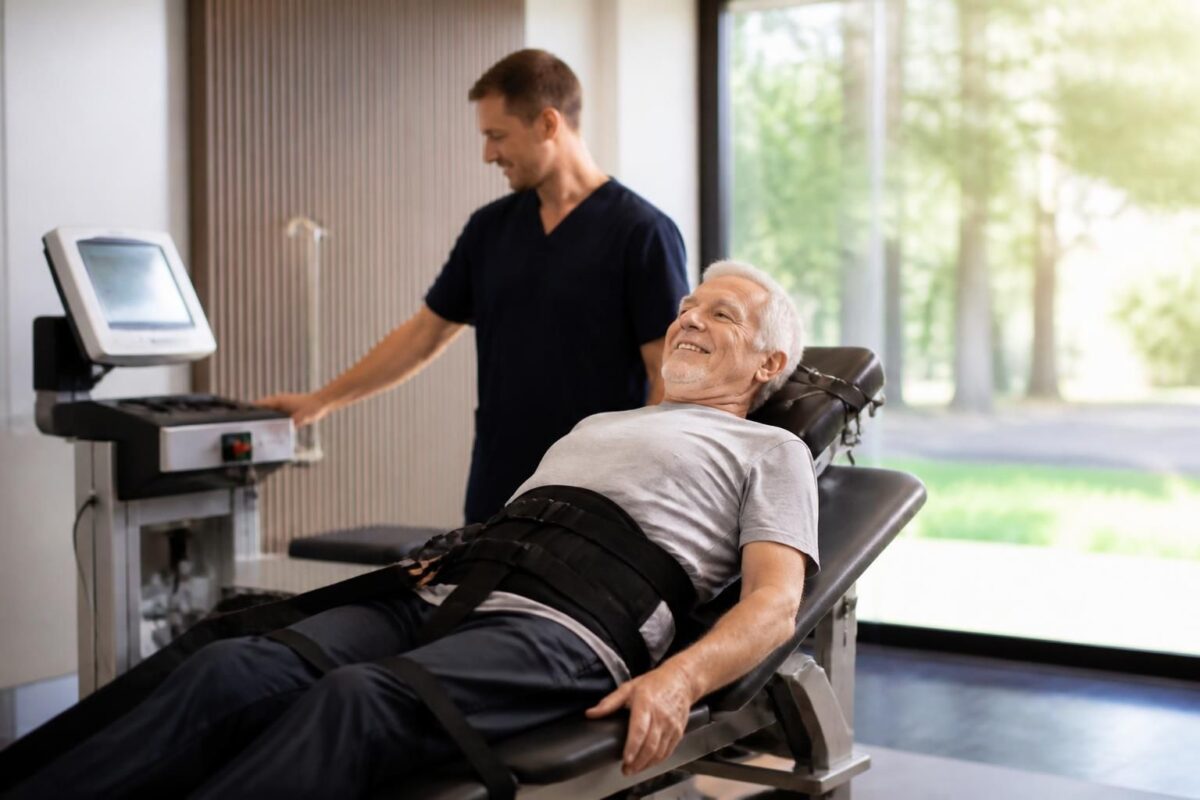
Why neurovertebral decompression is a lasting solution for active seniors
In short In short, the neurovertebral decompression is one Non-invasive therapy which sustainably relieves spinal pain in the spine active seniors By creating, by a Soft and controlled traction, a space between the vertebrae. At Montreal, it is recognized as…
Precautions and key messages
Before you start, make sure to Personalized report And discuss any contraindications with your practitioner. In case of implants, spinal infections or complex medical conditions, the therapeutic route should be adjusted. Finally, decompression does not replace medical advice: it complements a global care plan adapted to your clinical history and your health objectives.
| Axis | Concise description |
|---|---|
| Mechanism | soft traction that creates a intervertebral space and reduces the nerve pressure and discs, favoring a Improved blood flow and an Tissue regeneration. |
| blood flow | increased perfusion of nervous and disc tissues, intake ofoxygen and essential nutrients. |
| Cellular effects | top oxygenation and elimination of toxins, helping to reduce inflammation and stimulate regeneration. |
| Responsiveness and sustainability | Rapid improvement for some, with perceptible and lasting benefits on mobility and comfort. |
| Security | Method non-invasive and secure when practiced according to protocol, without the need for surgery. |
| Population | chronic pain Lumbar or cervical linked to disc pathologies, identified after evaluation. |
| Monitoring | Indicators: pain (VAS), mobility, numbness and quality of life. |
| Therapeutic integration | Complementary to rehabilitation, diet and other manual therapies to amplify the results. |
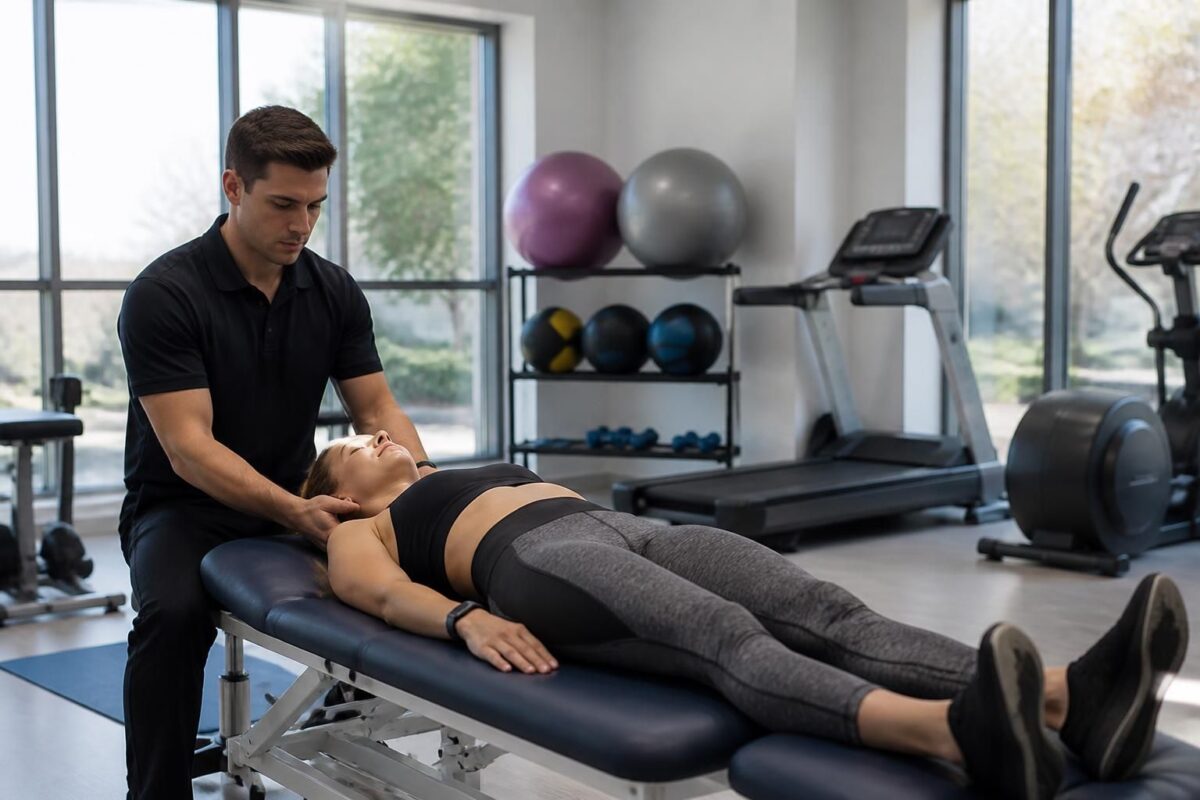
Neurovertebral decompression and recovery after severe sports injury
In short In short, the neurovertebral decompression is one Non-invasive method to Relieve the pressure on the Intervertebral discs and the gristle Via a Controlled traction, to facilitate the recovery After a severe sports injury. It improves the bloodstream towards…
Testimonials: neurovertebral decompression and blood circulation, an unexpected benefit
Marie, 42 years old: “After a few sessions of neurovertebral decompression, I have not only seen my pain decrease, but my bloodstream improved significantly. it was a unexpected profit which gave me more energy for my days and activities. »
Antoine, 36: “I came mainly to relieve lower back pain, but I was surprised by the effect on my bloodstream. Tensions in the legs dissipated and my recovery after sport became faster — a unexpected profit which I highly recommend. »
Léa, 29: “The change was quickly visible: better bloodstream And less heaviness in the feet at the end of the day. The unexpected profit Has been a better quality of sleep and a more stable mood. »
Julien, 48: “As an athlete, I already appreciated the reduction of pain, but the real unexpected profit was a Improved blood circulation which has promoted faster recovery and better performance during workouts. »
Sophie, 55: “I had little hope, but the neurovertebral decompression improved my bloodstream In a sustainable way and, without waiting, I felt more energy and better mobility. it’s a unexpected profit that changed my life. »
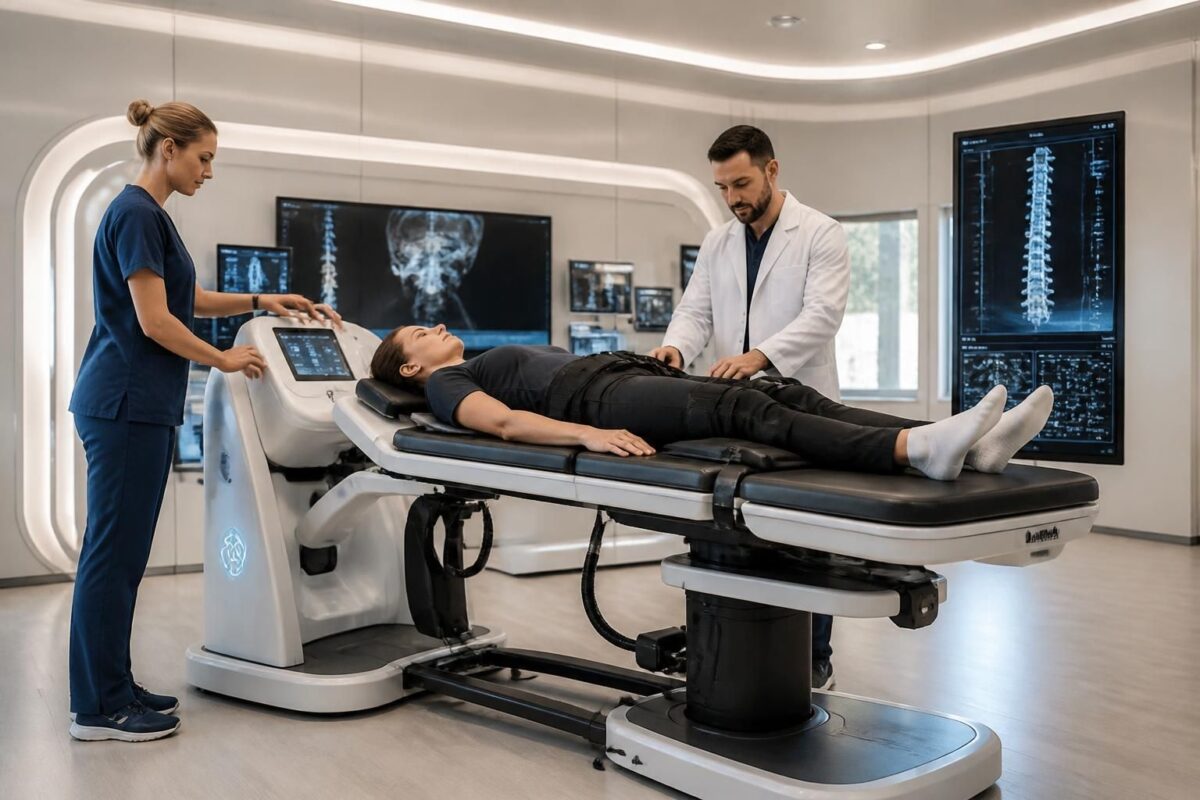
Recent innovations in neurovertebral decompression technologies
In short In short, the neurovertebral decompression is an approach non-invasive Aiming to reduce pressure on discs and nerves, and promote tissue regeneration. At Montreal, it is positioned as an effective option for lower back pain and herniated discs. The…
Neurovertebral decompression and blood circulation: an unexpected benefit
This biography traces the journey of a clinician whose exploration of the mechanisms between neurovertebral decompression and bloodstream revealed an unexpected benefit for the overall health of patients. First guided by osteopathic practice and manual medicine, it gradually highlighted how the lightening of vertebral stresses could influence not only pain, but also local and tissue circulatory flow. This therapeutic approach, based on clinical observations and empirical data, has proven to be a powerful lever to promote healing and vitality.
Trained in the fields of osteopathy and the disciplines associated with the management of musculoskeletal disorders, the protagonist of this professional history devoted himself to understanding the links between the spine and the vasculo-muscular system. His curiosity was focused on how the traction applied during decompression can widen the intervertebral space and decrease the pressure on the nerves, while improving the irrigation of the surrounding tissues. Over time, he developed a rigorous methodology to measure the effects of treatment on tissue perfusion and oxygenation of discs and the nervous system.
The first clinical results were encouraging. By observing patients with lower back, cervical and sciatic pain, he found that improving blood flow around the vertebral structures coincided with a noticeable reduction in pain and better mobility. The approach used functional assessments and imaging tools to correlate changes in blood flow with symptom attenuation. This relationship, still debatable in some circles, was reinforced by patient testimonies describing not only a decrease in pain but also an improvement in endurance and recovery after exercise.
Beyond the immediate mechanical effect, the increase in blood flow promotes Tissue regeneration and the provision of essential nutrients, fundamental conditions for the resilience of intervertebral discs and the health of the nervous system. This angle allowed the clinician to integrate neurovertebral decompression into wider care programs, often combining lifestyle tips, targeted exercises, and other non-invasive therapies to optimize long-term outcomes. Patients thus report not only a decrease in pain, but also a better quality of sleep and greater energy on a daily basis.
This professional trajectory illustrates a transformation: moving from a treatment exclusively focused on reducing pain to a holistic approach that considers blood circulation as a key healing vector. By treating the source of compression and stimulating blood flow, neurovertebral decompression becomes a motor of Sustainable well-being and a gateway to a physical and social activity found. History continues to evolve, with research and clinical applications that deepen our understanding of the mechanisms and unexpected benefits of this approach.
This article details the connection between neurovertebral decompression and bloodstream, showing how controlled traction can improve irrigation of tissue around the spine and nerves. It explores the mechanisms, potential benefits and resources to understand how this unexpected benefit can be part of an integrated and personalized care pathway.
The key mechanism lies in increasing the space between the vertebrae, which reduces the spinal nerve pressure and improves the blood flow local. This Increased traffic Promotes theoxygenation and supply of essential nutrients to nervous and discs, thus supporting the regeneration and lasting pain reduction.
Beyond the initial relief, the collateral benefits are notable: improvement of the posture, decrease ininflammation, and acceleration of the recovery fabrics. Better circulation also contributes to a better sleep And to a renewed vitality, which allows you to resume daily and sporting activities with more momentum.
For people with chronic pain, this approach non-invasive Offers an interesting alternative to surgery and can optimize the effectiveness of other associated therapies. specialized resources describe the directions, the limitations and the Long-term results of this method: Long-term benefits.
The combination of decompression and vertebral alignment is often presented as an effective duo for optimizing mobility and reducing symptoms, especially in people with chronic sciatic or lumbar pain: An effective duo.
To deepen the points mentioned, you can consult other resources on the role, indications and results observed, as well as the impact on sleep and spinal health: Role and information for the patient, Indications and limits, Optimizing spinal health and Long-term benefits.
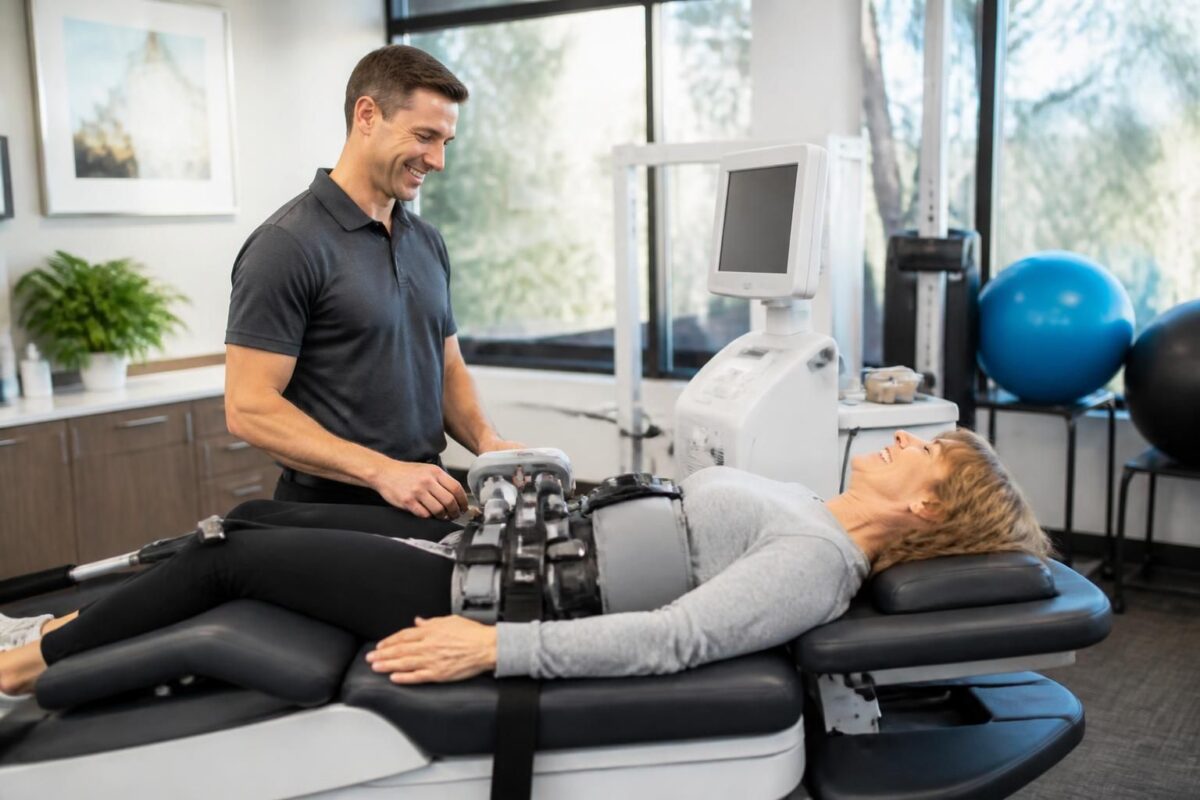
Neurovertebral decompression and diffuse pain: an appropriate solution
In short In short, the neurovertebral decompression is one Non-invasive solution For diffuse pain related to nerve irritation of the spine. She acts in Reducing pressure on intervertebral discs and nerves and improving the bloodstream, which promotes recovery and the…

Dr Sylvain Desforges, B.Sc., D.O., N.D., osteopath, is the founding president of TAGMED and of the ACMA association. He dedicates his practice to chronic spinal pain, low back pain and symptoms compatible with sciatica, particularly when pain radiates toward the buttock, leg, calf, foot or toes.
Through SOS Sciatique, he publishes educational content on sciatica symptoms, possible causes such as disc herniation, disc narrowing, foraminal stenosis or irritation of a lumbar nerve root, as well as non-surgical approaches that may be considered according to the evaluation. At Clinique TAGMED, care may include, depending on the case, motorized neurovertebral decompression, specific osteopathic care or precision percussion.
For an evaluation related to sciatica treatment in Montreal / Mount Royal or sciatica treatment in Terrebonne, please consult the services available at Clinique TAGMED.
Medical disclaimer
The information published on SOS Sciatique is provided for educational purposes only and does not replace a consultation, diagnosis, opinion or treatment provided by a physician or another authorized healthcare professional. The author of this article is neither a medical doctor nor a specialist in a medical specialty recognized by the Collège des médecins du Québec. The osteopathic, manual medicine or functional support approaches described on this site do not constitute medical acts and are not intended to replace medical follow-up.
Consult a physician or emergency service in cases of loss of bladder or bowel control, anesthesia in the saddle area, significant or progressive weakness in the leg or foot, fever, recent trauma, severe pain or rapid worsening of symptoms. For more details, please read our Legal Notice.