Key steps for successful treatment in neurovertebral decompression
26/06/2026
How neurovertebral decompression prevents disc degeneration
26/06/2026
In short
| In short, the neurovertebral decompression is one Innovative support and non-invasive which targets Neuropathic pain by reducing the pressure on the intervertebral discs and nerves. accessible to Montreal, this service is particularly recommended for neuropathic pain related to herniated discs or vertebral degeneration and for people wishing to avoid surgery. The mechanism is based on gentle traction that creates a space between the vertebrae and decreases pressure, promoting disc rehydration and regeneration of nervous tissue. Benefits include quick and lasting relief, improved circulation, regained mobility and easy integration into a multidisciplinary care program. |
The neurovertebral decompression is one Non-invasive approach which is based on a Soft and controlled traction of the spine. By creating a space between the vertebrae, it Reduces pressure on intervertebral discs and on the gristle, allowing a Improved blood circulation in the fabrics concerned and favoring the Nervous tissue regeneration. These mechanisms lead to a Reduction of neuropathic pain, to a Better mobility and to a Greatly improved quality of life.
This support is often personalized thanks to a Full assessment and to a adapted protocol, with a Regular follow-up To adjust the treatment over time. Usable alone or in addition to other non-invasive therapies, it may constitute a Alternative to surgery and help prevent recurrences, by restoring long-lasting vertebral and nervous functioning.
This article presents a non-invasive approach to treating neuropathic pain related to vertebral pathologies. It describes the mechanisms of action, the indications, the possible benefits and the integration of neurovertebral decompression in a multi-professional care. The goal is to offer an effective, patient-centric, and evidence-based strategy.
What is neurovertebral decompression?
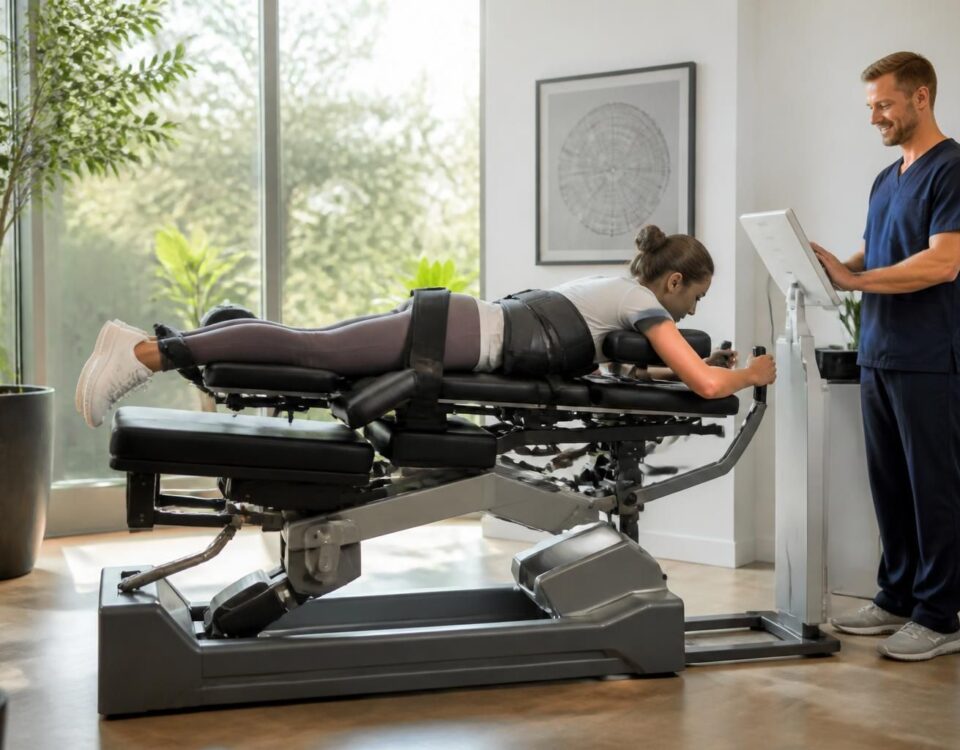
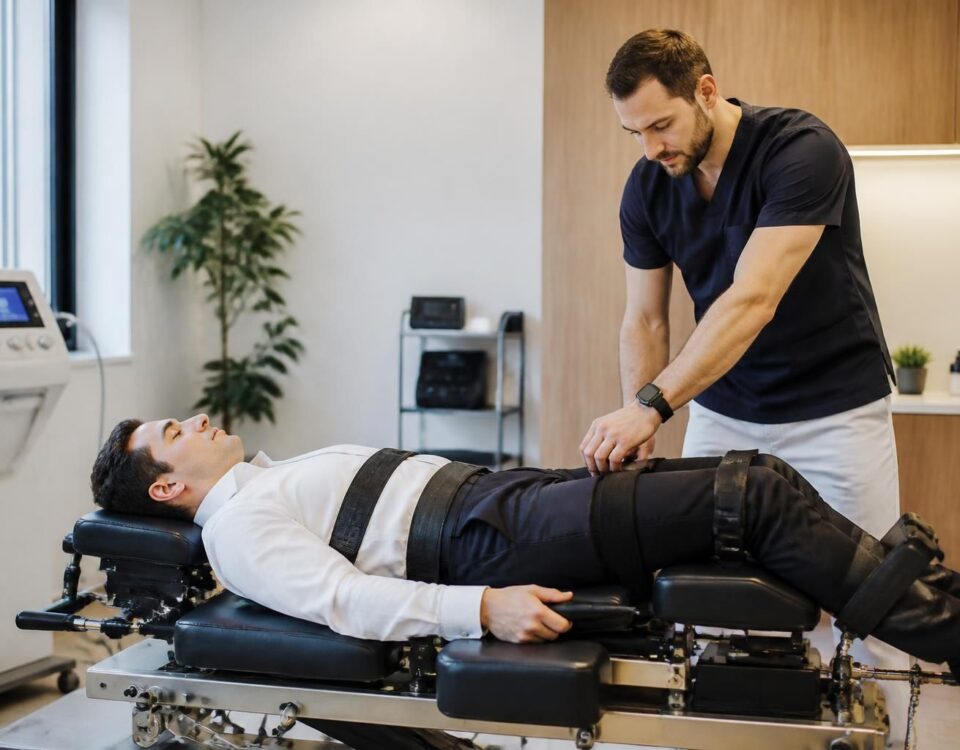
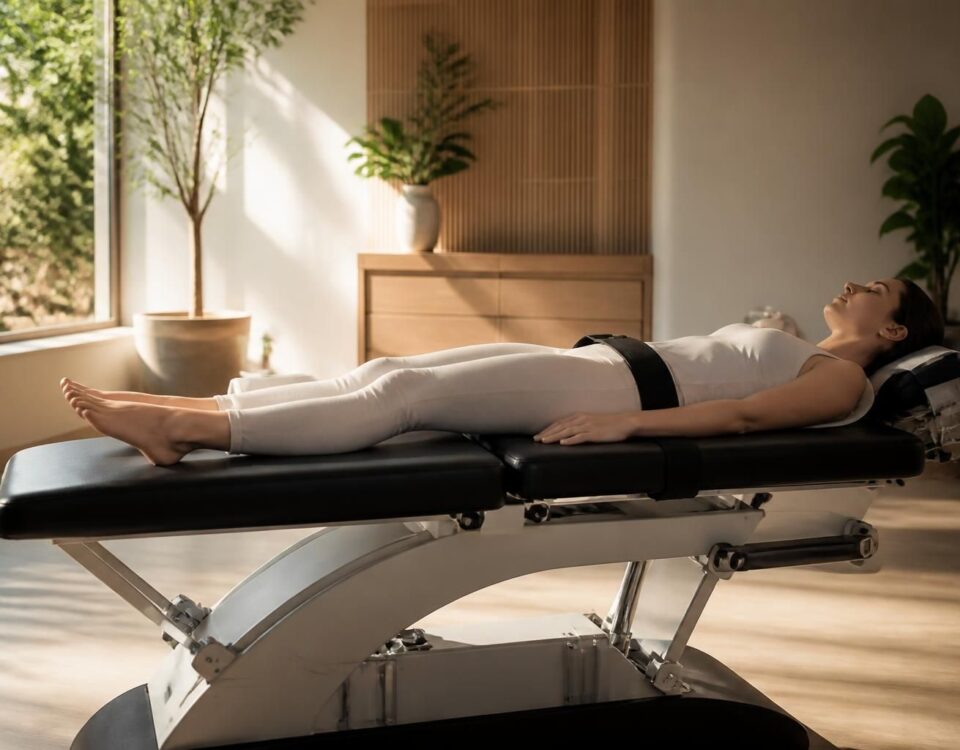
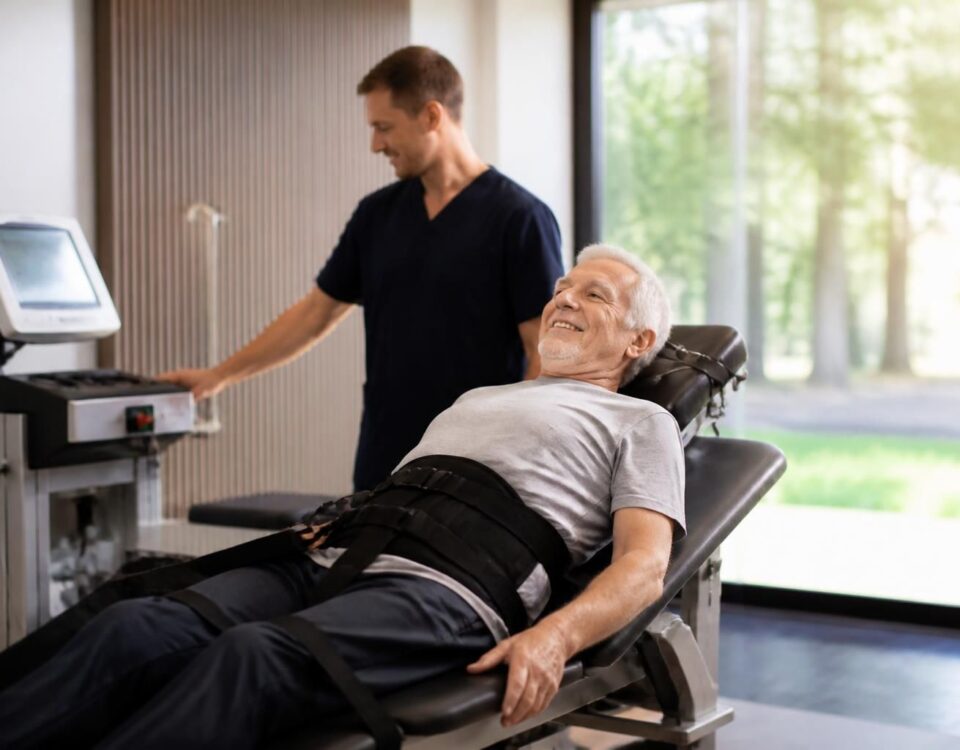
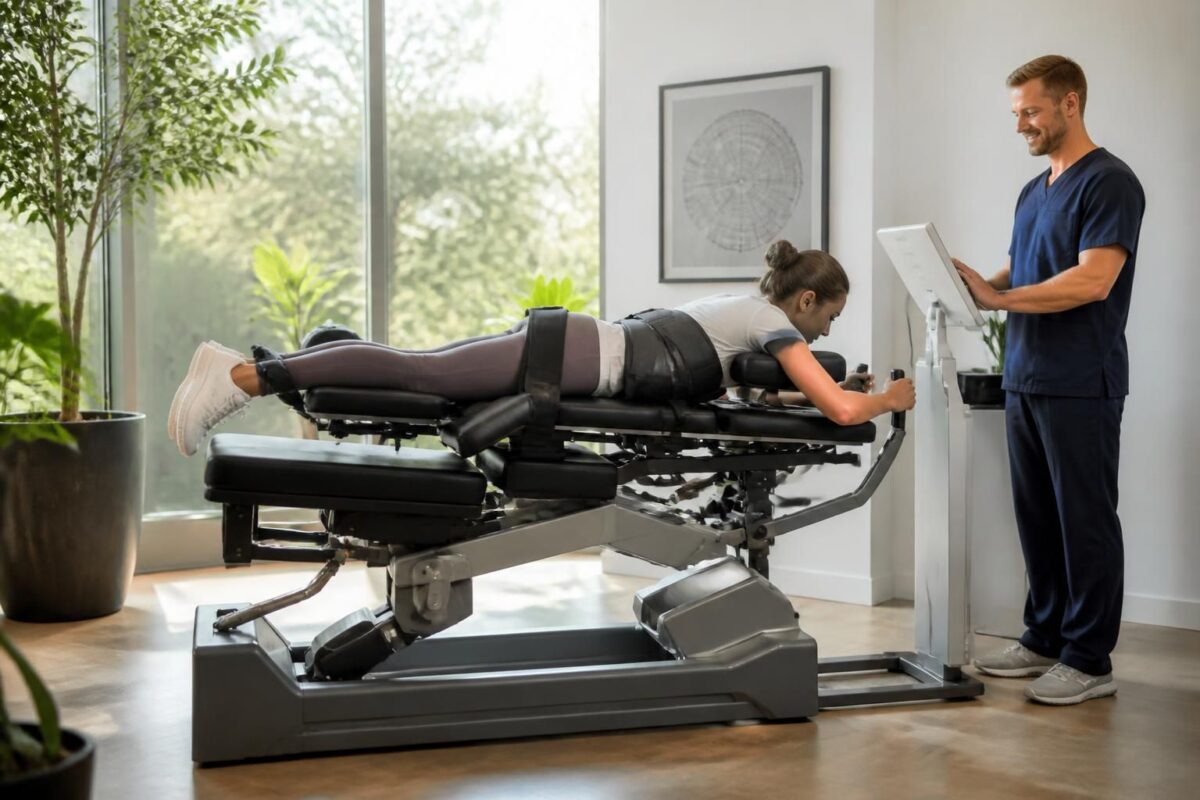
The neurovertebral decompression is a non-invasive technique that uses controlled traction to create a space between the vertebrae. This action reduces the pressure exerted on the intervertebral discs and on the nerves. It then promotes better circulation around the spine and can facilitate rehydration and recovery of damaged tissues.
How does it affect neuropathic pain?
By reducing the pressure on the nerves, decompression improves the local blood supply and stimulates the repair processes of nerve tissue. This approach can alleviate radiant pain, decrease associated muscle tension and promote improved mobility. It is part of a logic of lasting relief and support for a functional return.
Indications and selection criteria
Common indications include conditions where nerves and vertebral discs are affected. The criteria are based on clinical evaluation and, when necessary, on imaging examinations. This technique is particularly suitable for patients with neuropathic symptoms associated with disc disorders compatible with light and controlled traction. A global assessment is essential to confirm the adequacy to the treatment and to plan the course of care.
Care path and multidisciplinary approach
Neurovertebral decompression is ideally integrated into a global care approach. It can be associated with other non-invasive approaches and appropriate rehabilitation programs. The use of recognized training can be considered in professionals from structures such as NUMSS, NAO, National University of Medical Sciences or National Academy of osteopathy. The Practice Framework is based on professional standards and ethical standards of organizations such as ACMA (Canadian Alternative Medicine), College of Canadian Osteopaths and College of Canadian Osteopaths. This integration aims to address the underlying causes of pain and prevent recurrences, while respecting the specific needs of each patient. In the TagMed clinics in Montreal and Terrebonne, care is coordinated by experienced professionals who favor a personalized approach based on clinical results.
Additional resources and information
To learn more, you can consult specialized resources on related topics:
Myths about neurovertebral decompression •
Decompression and herniated disc •
Why essential after an accident •
Innovative support •
Multidisciplinary approach •
Sciatica Relief •
back muscle pain •
Durable solution •
The benefits •
Research Update
Medical Disclaimer: The information and advice provided on this site does not replace the health professional’s diagnosis or treatment. Please note that Dr. Sylvain Desforges osteopath is neither a doctor of medicine nor a doctor, and is not a specialist in a medical specialty as defined by the Collège des Médecins du Québec. Manual medicine, functional medicine and sports medicine as described on this site exclude any medical treatment or diagnosis made by a doctor or specialist doctor. Always consult your doctor for any medical questions. For more details, please read our full legal notice.
- Axis – Course Patient and mobility
- Traction fresh and controlled
- Not invasive – without surgery
- Space enlarged intervertebral and rehydration the discs
- Reduction of the nervous pressure
- Circulation and Tissue nutrition Improved
- Personalization of protocol
- Evaluation Pre-treatment and imagery
- Integration multidisciplinary with osteopathy and Associated therapies
- Prevention of recurrences and reduction of interventions
- Results functional and quality of life
- Security and comfort patient

neurovertebral decompression represents a Innovative support For neuropathic pain. This article offers clear recommendations on its framework, its indications, its progress and its integration into a multidisciplinary approach. It is based on a Soft and controlled traction which aims to reduce the pressure on the nerves and intervertebral discs, promote circulation and support tissue regeneration, without having to resort to surgery.
Understanding the therapeutic framework
The neurovertebral decompression aims to create a space between the vertebrae to reduce the pressure exerted on the nerves and discs. This approach non-invasive May help reduce neuropathic pain associated with vertebral pathologies and improve overall mobility. By promoting better blood circulation, it supports the healing process without major operative risks.
Mechanisms and effects
The traction applied in a way controlled Causes a Disc rehydration and can improve spinal alignment. This reduces nerve irritation and radiant pain, while facilitating the return to daily functional activities.
The long-term benefits of neurovertebral decompression for spinal health
In short In short, the neurovertebral decompression is a non-invasive approach that decreases the Pressure on intervertebral discs and nerves, favoring the Natural regeneration and tissue recovery. Its long-term benefits include Lasting pain reduction, Improving mobility and from the posture,…
Objectives and benefits
The key objectives are Reduce the pain, fromImprove range of motion and of Prevent recurrences When support is integrated into a global program. a better one circulation and an improvement in nervous functioning Support recovery and autonomy on a daily basis.

Neurovertebral decompression and mobility: a return to an active life
In short In short, the neurovertebral decompression is therapy non-invasive who uses a gentle traction To create a space between the vertebrae and reduce the pressure on the Intervertebral discs and the nerves. It promotes a bloodstream improved, lowers tension…
Indications and target population
This approach is particularly relevant for patients with slipped disc, of Disc bulges, of disc degeneration, or persistent neuropathic pain after surgery. It is also suitable for people with cervical or lumbar pain radiating to the limbs, when non-invasive treatment is desired to limit the risks.
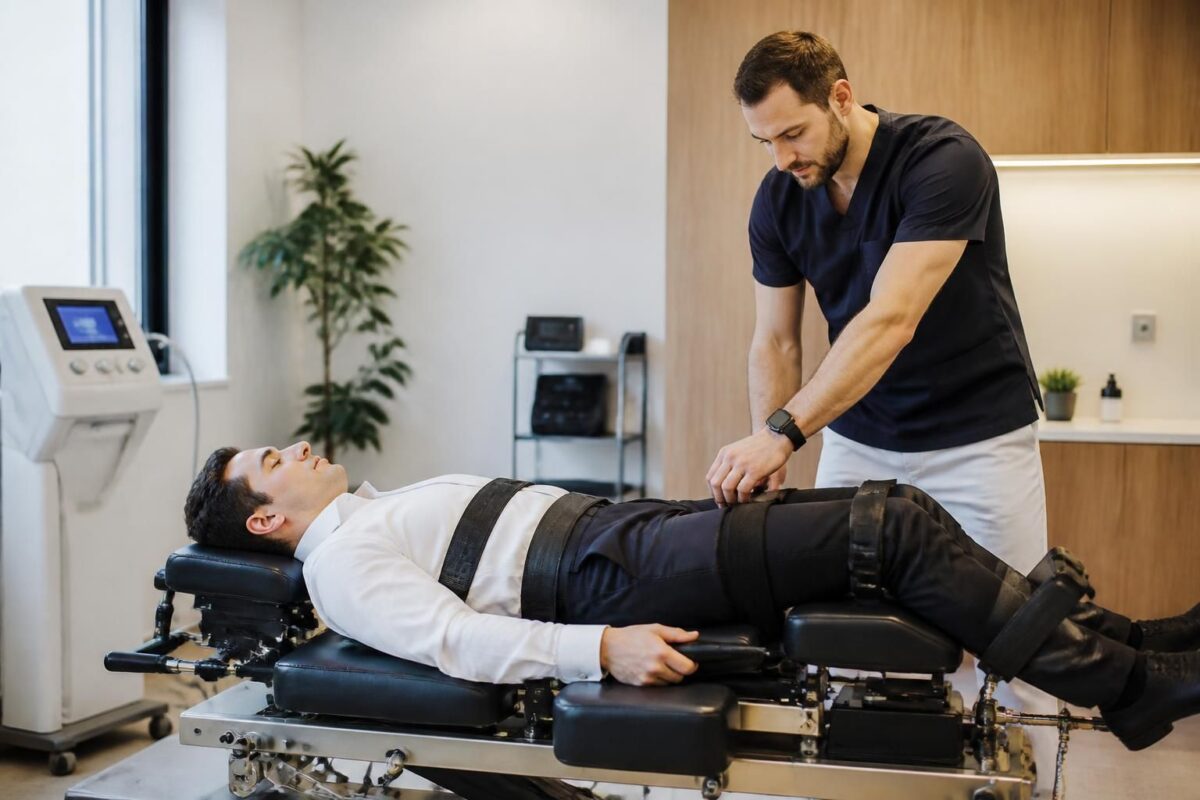
How Neurovertebral Decompression Prevents Diffuse Chronic Pain
In short decompression neurovertebral is one Non-invasive method aimed at reducing the Pressure on the intervertebral discs and the nerves, in order to prevent Diffuse chronic pain. It improves the circulation and thedisc hydration, decreases inflammation and promotes better mobility.…
Support process
initial assessment
The assessment includes an in-depth clinical examination, listening to symptoms and a history study. Imaging examinations, such as MRI or X-ray, can guide the therapeutic decision and specify the areas to be treated.
Personalized treatment plan
The protocol is adapted to the overall health status of the patient and its functional objectives. It provides for regular sessions with appropriate progression, and can be supplemented by targeted exercises, postural advice and interventions for neuromuscular purposes, constantly adjusted according to the feedback and results observed.
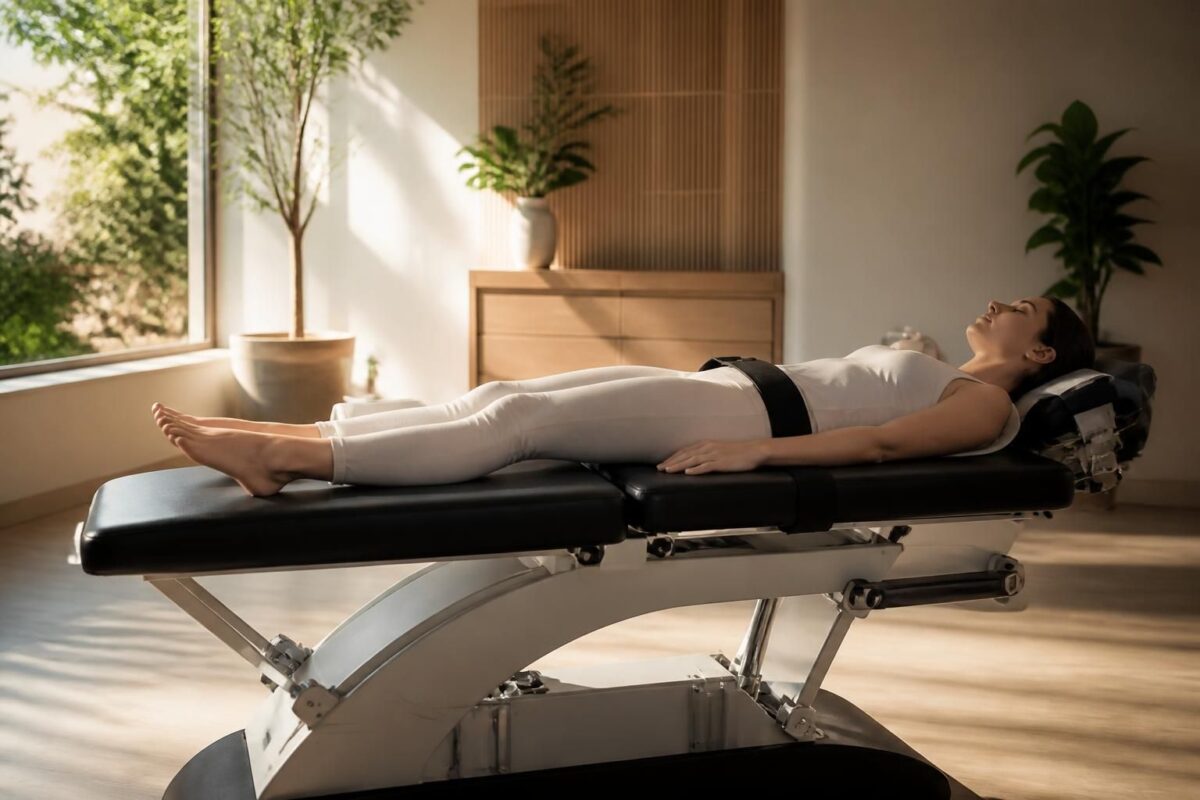
Neurovertebral Decompression and Body Alignment: Restoring Natural Balance
In short In short, neurovertebral decompression is one Non-invasive approach who restores theBody Alignment and thenatural balance back and neck. She acts by a Controlled traction of the spine to widen the intervertebral space and reduce the Pressure on discs…
Integration with other approaches
The neurovertebral decompression can be part of an approach multidisciplinary Including osteopathy, physiotherapy, shockwave therapy or light naturopathic interventions. Gentle exercises, relaxation techniques and excellent postural hygiene enhance efficiency and promote sustainable recovery.
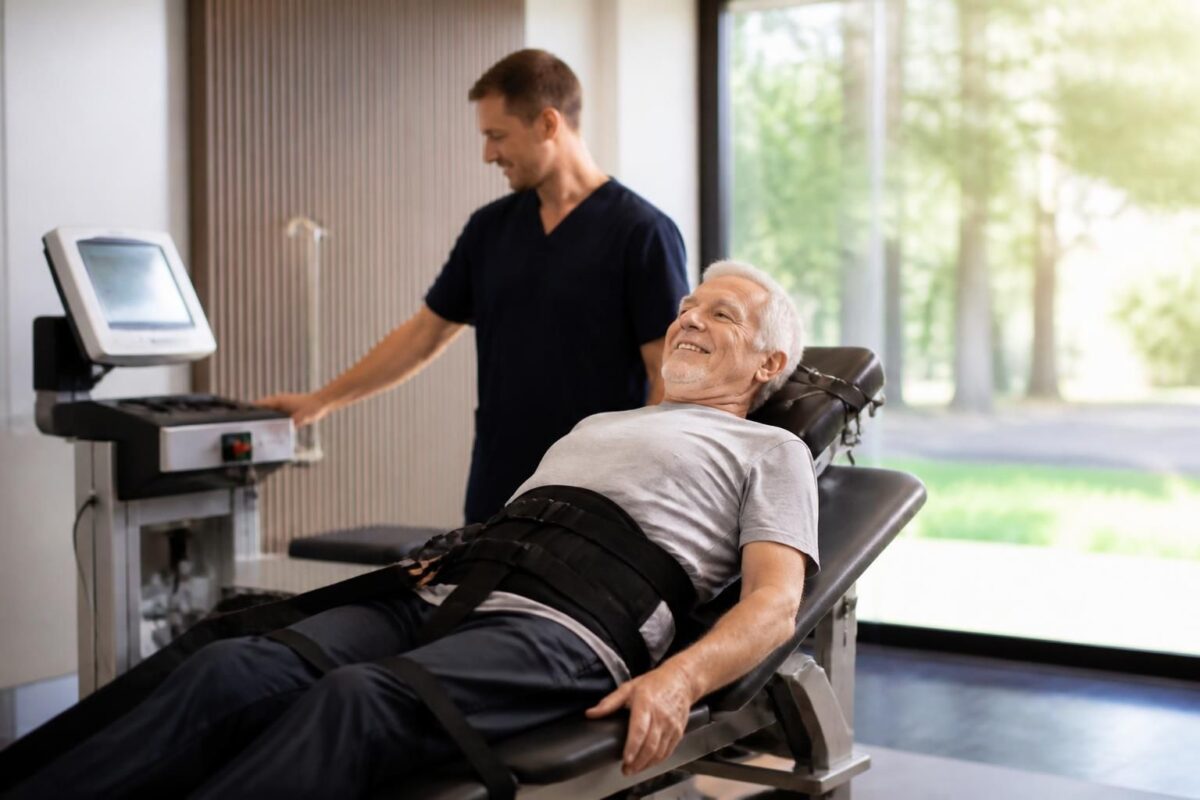
Why neurovertebral decompression is a lasting solution for active seniors
In short In short, the neurovertebral decompression is one Non-invasive therapy which sustainably relieves spinal pain in the spine active seniors By creating, by a Soft and controlled traction, a space between the vertebrae. At Montreal, it is recognized as…
Safety, contraindications and follow-up
Before any treatment, an accurate assessment of contraindications is necessary. Regular monitoring makes it possible to adjust the duration and frequency of the sessions and to ensure appropriate progress. In case of new pain, fever, loss of function or neurological signs, it is advisable to consult quickly.
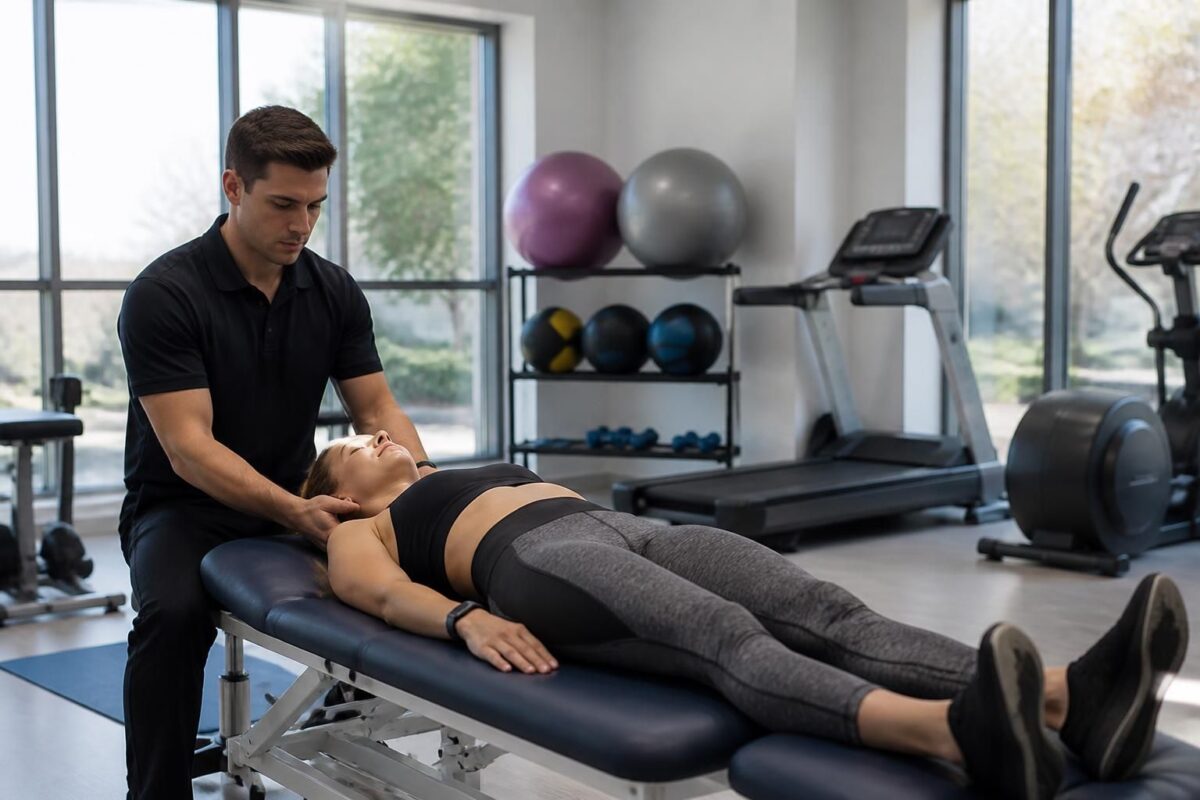
Neurovertebral decompression and recovery after severe sports injury
In short In short, the neurovertebral decompression is one Non-invasive method to Relieve the pressure on the Intervertebral discs and the gristle Via a Controlled traction, to facilitate the recovery After a severe sports injury. It improves the bloodstream towards…
Testimonials and expected results
Patients often report a Significant pain reduction and an Mobility found, with a gradual return to usual activities and a better quality of life. These results are frequently accompanied by improved sleep and renewed energy over the sessions and follow-up.
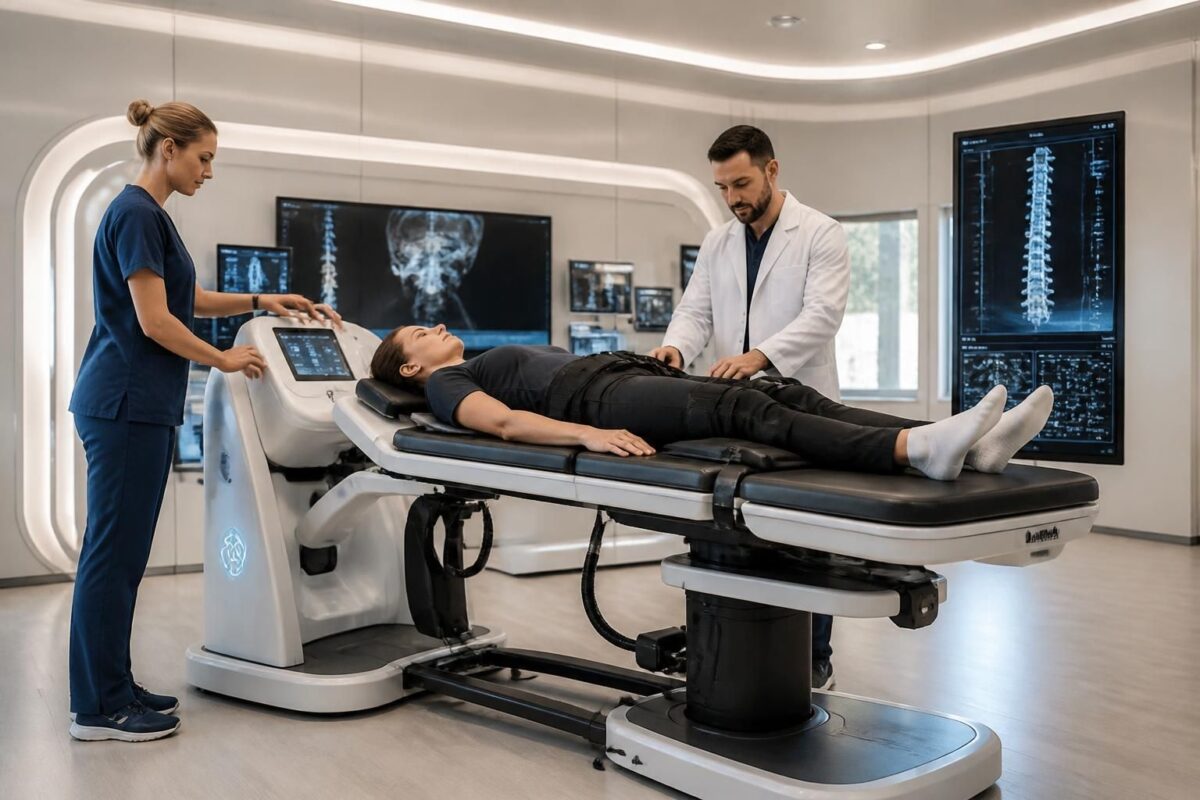
Recent innovations in neurovertebral decompression technologies
In short In short, the neurovertebral decompression is an approach non-invasive Aiming to reduce pressure on discs and nerves, and promote tissue regeneration. At Montreal, it is positioned as an effective option for lower back pain and herniated discs. The…
Key points to remember
The neurovertebral decompression constitutes a Non-invasive option Effective for neuropathic pain related to spinal disorders. It is based on a Soft and controlled traction aimed at reducing the Pressure on nerves and discs, to improve the circulation and promote the Nervous tissue regeneration. A Personalized evaluation and one Regular follow-up, combined with a multidisciplinary approach, optimize results and reduce risks.
| Element | Concise description |
|---|---|
| Mechanism of action | Controlled traction creates a space between the vertebrae, decreases the pressure on the discs and nerves, promoting hydration and repositioning. |
| Benefits for Neuropathic Pain | Reduction of pain and improved circulation, supporting the regeneration of nerve tissue. |
| Clinical indications | herniated discs, bulges and disc degeneration, radiculopathies and radiating pain. |
| Method of treatment | Non-invasive process, light and tolerated traction, short sessions. |
| Security and evaluation | Pre-assessment needed; contraindications to appreciate; not universal. |
| Multidisciplinary integration | Easily integrates with other non-invasive and therapeutic approaches for global management. |
| Mobility impact | Reduction of pain and tension, improvement of ampitude and movement, gradual return to activities. |
| Customization and Protocol | Tailor-made plan and regular follow-up to adjust the sessions and optimize the results. |
| Duration and persistence | progressive weeks and sometimes lasting benefits in responding patients. |
| Target audience | People suffering from neuropathic pain of vertebral origin wishing to avoid surgery. |
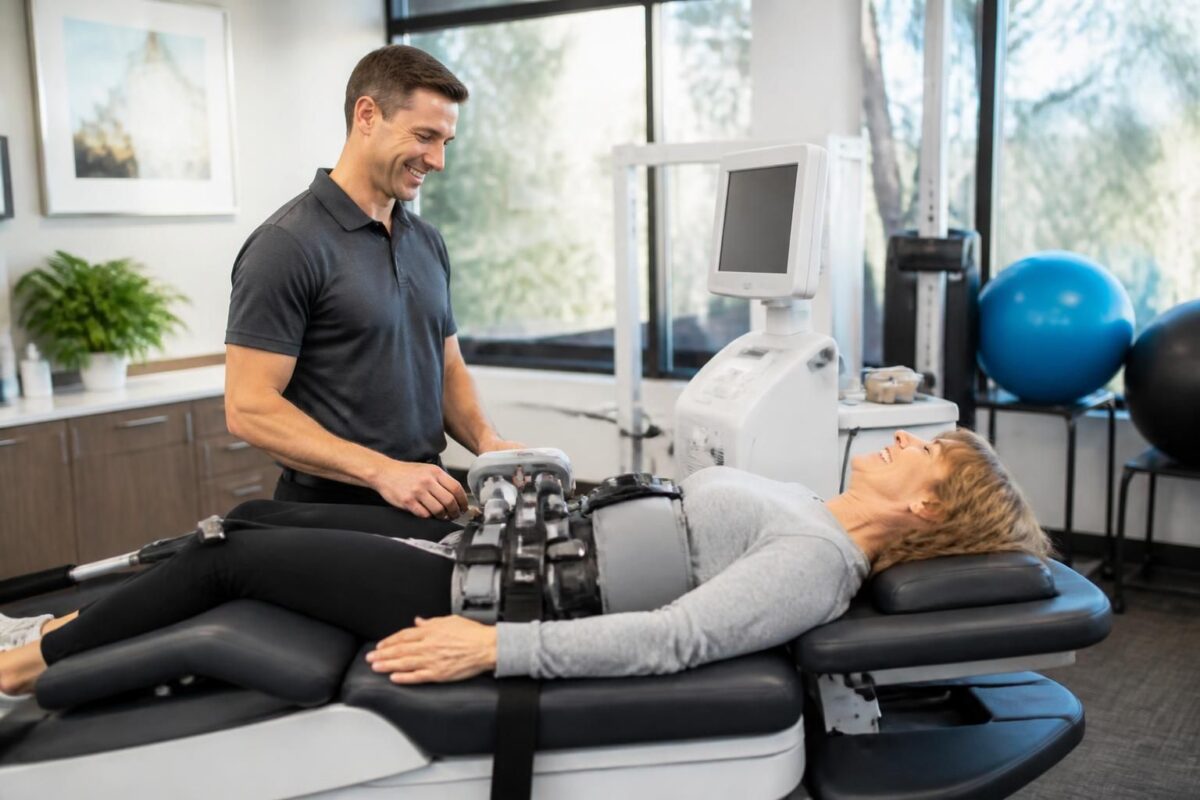
Neurovertebral decompression and diffuse pain: an appropriate solution
In short In short, the neurovertebral decompression is one Non-invasive solution For diffuse pain related to nerve irritation of the spine. She acts in Reducing pressure on intervertebral discs and nerves and improving the bloodstream, which promotes recovery and the…
Testimonials on neurovertebral decompression and neuropathic pain: innovative care
Testimony of Marie, 42 years old, Montreal : Before treatment, my neuropathic pain was almost daily and I had given up some activities that I liked. After the sessions of neurovertebral decompression, I felt a noticeable decrease in pain and an improvement in sensitivity in the limbs. My mobility has returned and I can enjoy my walks again with my children. This non-invasive approach has given me confidence and hopes for a better quality of life.
Testimony of Antoine, 35 years old, sportsman : As a sports enthusiast, the pain associated with an old herniated disc affected my performance and my post-workout recovery. After starting treatment, the Improved blood circulation and the reduction of muscular tensions allowed a Faster recovery and an Mobility found during training sessions. I came back to my usual pace, more serene and more confident in my physical abilities.
Testimony of Sophie, 49, Terrebonne : After surgery, I suffered from persistent neuropathic pain that disturbed my sleep and my daily balance. personalized support, focused on a Controlled traction and an traffic improvement, reduced the pain and helped me resume my activities. I recommend this approach to anyone looking for a gentle and effective alternative to manage post-operative pain.
Testimony of Claire, 60 years old, Laval : My cervical pain was accompanied by tensions and paresthesias which limited my ability to work and move freely. the program of Non-invasive decompression Reduced pressure on the nerves and released the muscles around the neck. Today, my daily gestures are more fluid and my nights are more peaceful, which considerably improves my quality of life.
Testimony of Léa, 29, Montreal : A car emergency triggered neuropathic pain in the lower back. After a few sessions, I saw a marked reduction in pain and an Better stamina during my professional and personal activities. The treatment is non-invasive And is accompanied by an adapted follow-up that helps me to remain committed to my rehabilitation, day after day.
Dr. Sylvain Desforges, expert in osteopathy, naturopathy and manual medicine, embodies an approach based on innovation and clinical expertise. At the head of the TagMed clinics and the ACMA association, he dedicates his career to the management of Chronic pain and the integration of advanced technologies. Its ambition is to provide care based on scientific evidence to optimize the health and well-being of each patient. This trajectory is part of a holistic vision where the human remains at the heart of the care.
Having developed a practice centered on chronic pain, he puts at the service of his patients a range of innovative tools and protocols. Among these are approaches such as neurovertebral decompression, the laser and shockwave therapy, used in a logic of synergy with other disciplines. This combination aims not only to alleviate the symptoms but also to act on the underlying causes of pain, in order to permanently restore mobility and quality of life.
The neurovertebral decompression Occupies a central place in the management of spine-related pain and associated neuropathic pain. This non-invasive technique is based on controlled traction that creates a space between the vertebrae and reduces the pressure exerted on the intervertebral discs and nerves. Result: improved blood circulation, hydration and tissue regeneration, and a noticeable reduction in neuropathic pain and surrounding muscle tension. The approach is part of a personalized logic, each patient benefiting from a plan adapted to their state of health and their functional objectives.
In its approach, innovation is not just a technological promise, but a practice framework based on in-depth evaluation and monitoring. Early detection of factors contributing to pain, setting clear goals and continuously adjusting protocols optimize results. At the same time, complementary technologies, such as laser and shockwave therapies, support tissue repair and inflammation, while remaining compatible with non-drug and non-surgical treatment.
Dr. Desforges’ professional career demonstrates a lasting commitment to modern and integrative medicine. His leadership with TagMed and ACMA reflects a desire to promote accessible, evidence-based and appropriate care for each individual. In practice, this means active listening, patient education on pain mechanisms and close collaboration with other health professionals to ensure consistent and effective care.
For patients suffering from neuropathic pain, the approach proposed by this researcher-doctor offers a modern and reassuring way. By associating decompression, physical modalities and global support, it is part of Innovative support which aims to sustainably reduce pain, restore mobility and improve daily life. The related services and expertise are available within the TagMed structures and within the framework of ACMA’s action, dedicated to improving the prospects for patient well-being.
This detailed conclusion addresses the neurovertebral decompression like a Innovative support of Neuropathic pain. It summarizes the mechanisms, benefits and conditions of application, while underlining the importance of an approach multidisciplinary and personalized who favors solutions non-invasive and prevention of recurrences.
Clinical perspectives and implications
The neurovertebral decompression is distinguished by its ability to act on the cause of neuropathic pain by reducing the pressure on the nerves and intervertebral discs. This mechanism, based on a Soft and controlled traction, creates a space between the vertebrae and promotes the rehydration and regeneration of nerve tissue, thus contributing to a lasting decrease in symptoms and to a Improving mobility.
from a perspective preventive, this approach reduces the risk of recurrence and avoids more invasive interventions when appropriate. It fits ideally in a Overall care pathway including osteopathy, physiotherapy, and, where appropriate, complementary technologies such as shockwave or laser therapies, in order to strengthen recovery and muscle function around the spine.
Typical indications cover vertebral conditions associated with neuropathic pain such as disc hernias, disc bulges and disc degeneration, as well as irradiating and neuropathic pain of vertebral origin. However, patient selection is based on an in-depth pre-treatment assessment adapted to each clinical context, to ensure that treatment is appropriate and safe.
In addition to the physical benefits, the approach holistic bet on a therapeutic education and advice onPostural hygiene, the Functional rehabilitation and maintaining a healthy lifestyle. This combination promotes a lasting improvement in the quality of life and better resilience in the face of daily and sporting constraints.
For professionals and patients wishing to deepen, several specialized resources describe the technological aspects and the clinical benefits of this therapy, particularly in connection with the Neurovertebral decompression technology and its applications. You can view details of the technology and indications in the following resources, which illustrate the foundations and results observed in practice:
For more information and to explore cases and related approaches, see the following resources:
neurovertebral decompression – technology,
Why neurovertebral decompression is recommended for radicular pain,
Neurovertebral decompression and aging – Preserve spinal health,
Complementary therapy to prevent recurrences of neuropathic pain caused by a herniated disc,
Manipulations in neurovertebral decompression – what you need to know,
Improve flexibility and prevent recurrences after cervical injuries,
Neurovertebral Decompression and Secondary Muscle Pain – Full Management,
Neurovertebral decompression and neuropathic pain – personalized care,
Neurovertebral Decompression and Chronic Pain – An Innovative Approach,
Neurovertebral decompression and posture – correcting imbalances.
In summary, the neurovertebral decompression Represents an option non-invasive and personalized to process the Neuropathic pain by tackling their spinal causes, while offering a structured path to rehabilitation and prevention, integrated into a therapeutic relationship adapted to each patient.

Dr Sylvain Desforges, B.Sc., D.O., N.D., osteopath, is the founding president of TAGMED and of the ACMA association. He dedicates his practice to chronic spinal pain, low back pain and symptoms compatible with sciatica, particularly when pain radiates toward the buttock, leg, calf, foot or toes.
Through SOS Sciatique, he publishes educational content on sciatica symptoms, possible causes such as disc herniation, disc narrowing, foraminal stenosis or irritation of a lumbar nerve root, as well as non-surgical approaches that may be considered according to the evaluation. At Clinique TAGMED, care may include, depending on the case, motorized neurovertebral decompression, specific osteopathic care or precision percussion.
For an evaluation related to sciatica treatment in Montreal / Mount Royal or sciatica treatment in Terrebonne, please consult the services available at Clinique TAGMED.
Medical disclaimer
The information published on SOS Sciatique is provided for educational purposes only and does not replace a consultation, diagnosis, opinion or treatment provided by a physician or another authorized healthcare professional. The author of this article is neither a medical doctor nor a specialist in a medical specialty recognized by the Collège des médecins du Québec. The osteopathic, manual medicine or functional support approaches described on this site do not constitute medical acts and are not intended to replace medical follow-up.
Consult a physician or emergency service in cases of loss of bladder or bowel control, anesthesia in the saddle area, significant or progressive weakness in the leg or foot, fever, recent trauma, severe pain or rapid worsening of symptoms. For more details, please read our Legal Notice.