How neurovertebral decompression helps relieve chronic neck pain
26/06/2026
The benefits of neurovertebral decompression to improve joint mobility
26/06/2026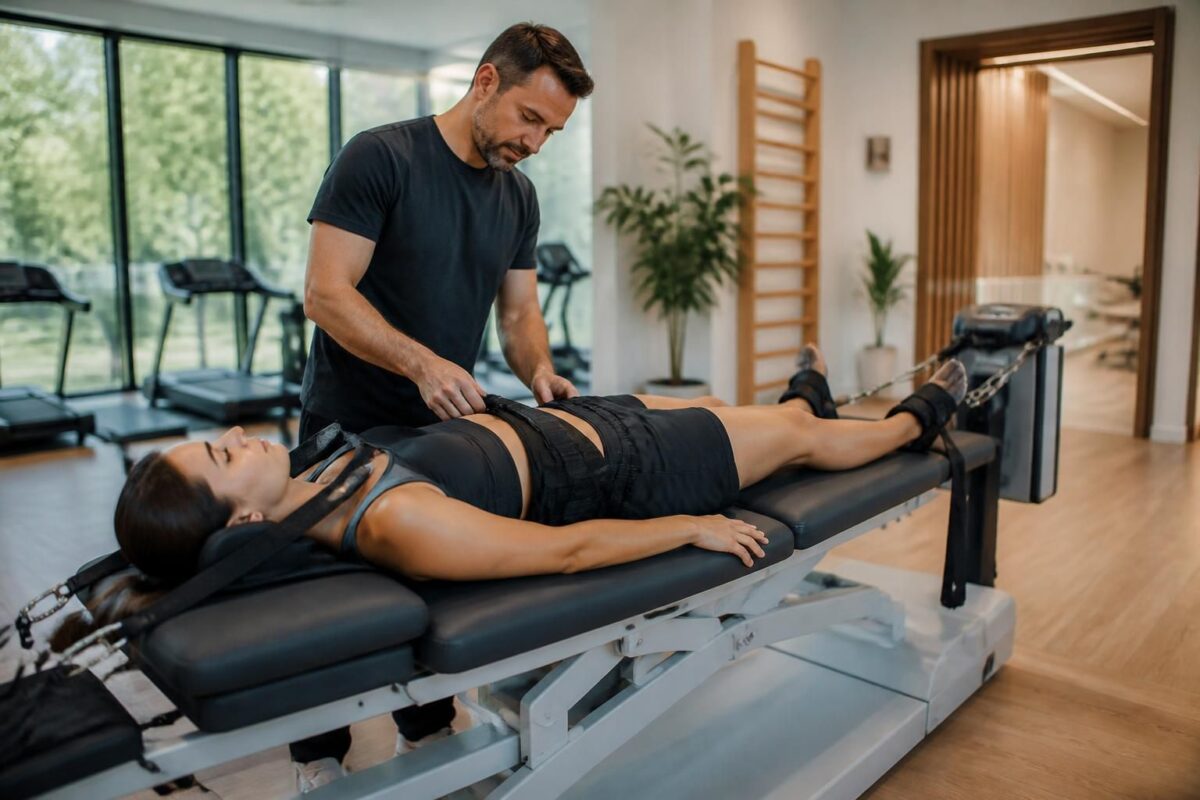
In short
|
Definition: neurovertebral decompression is one Non-invasive therapy which aims to reduce the Pressure on the intervertebral discs and the gristle of the spine. Advantages and applications: it allows a pain reduction, a Improving mobility, a Faster recovery After effort and Prevention of recurrences, offering a Alternative to surgery. operation: it is based on a Controlled traction who creates a negative pressure in the disk, favoring its rehydration and disc repositioning, while improving circulation and tissue nutrition. Local targeting: in Montreal, this service is particularly useful for sportsman and the Active professionals Wishing to optimize their physical performance and recovery. |
The neurovertebral decompression is an approach non-invasive which is based on a Controlled traction of the spine to reduce the Intra-discal pressure and release the compressed nerves. by creating a precise vacuum and promoting the Disc rehydration, it can help Reposition discs and reduce associated pain.
- Effects on Physical performance : Improved range of motion, better stability and posture, and optimized recovery after exercise.
- Typical indications: lumbar and cervical pain, slipped disc, disc bulging and nerve-related disorders in the column.
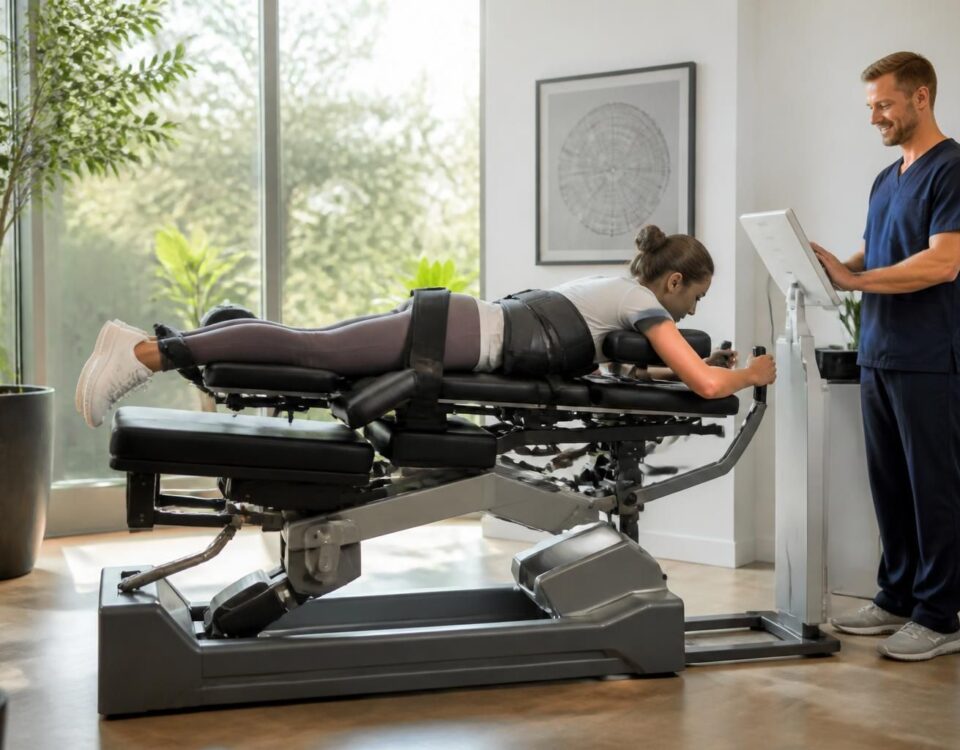
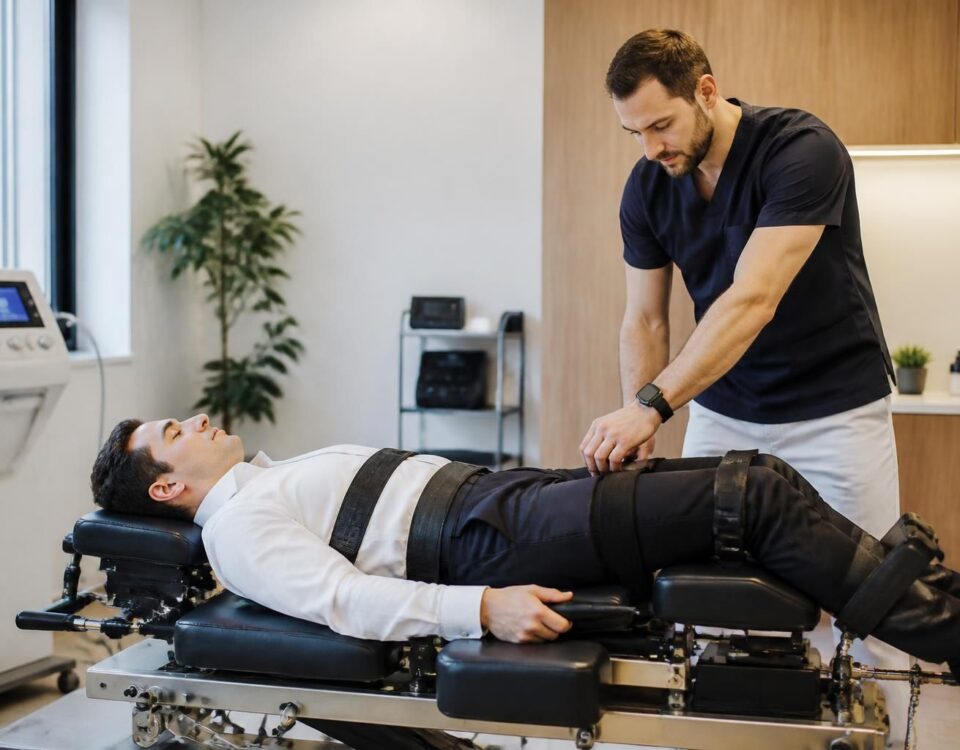
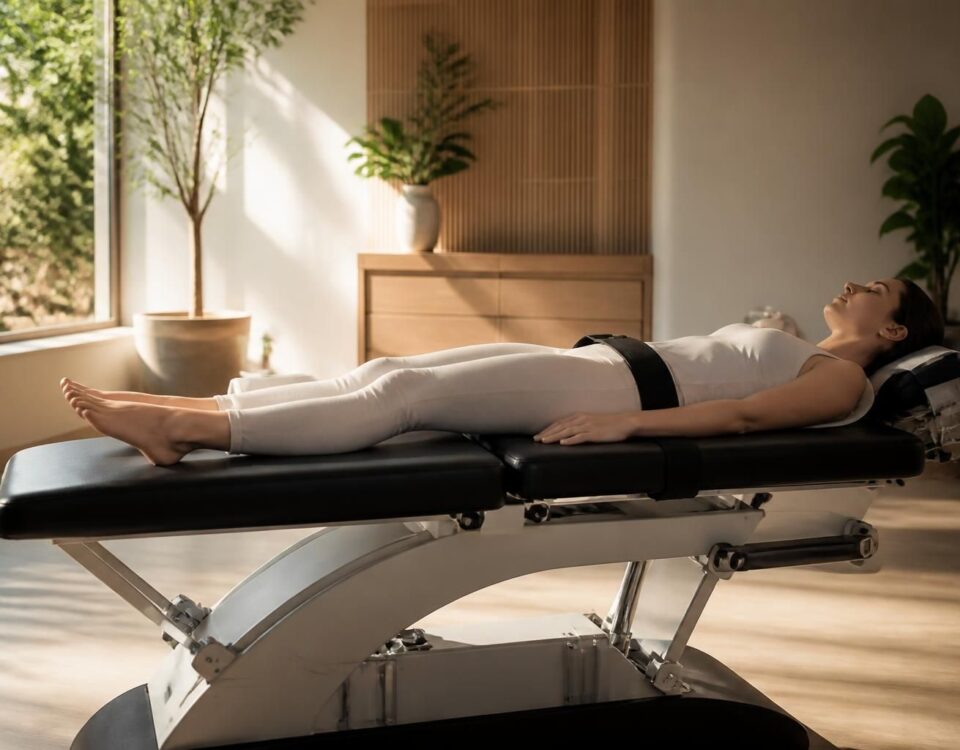
- Care course: initial assessment, Personalized treatment plan, sessions on decompression table with Real-time monitoring and monitoring.
- Benefits for athletes and workers: support for Injury prevention and acceleration of the return to training.
To discuss your case and determine if this approach is appropriate, contact your healthcare professional.
This article, written by a health professional and expert in osteopathy, explains how the neurovertebral decompression Can improve physical performance. It describes the mechanism, impacts on recovery and performance, as well as key elements of a safe and effective clinical pathway. The objective is to offer a clear and practical view of the integration of this approach in sports preparation and an active lifestyle, without resorting to specific exercises as part of the treatment.
This section presents the foundations, benefits and modalities associated with the neurovertebral decompression to support training and performance. The process aims to free up space around discs and nerves, in order to promote better mobility and more effective recovery after exercise.
Principle and action on the body
The system is based on a Controlled traction computer-guided spine. This traction creates a negative pressure inside the intervertebral discs. This pressure promotes Disc rehydration and the possible repositioning of herniated or rounded discs. As a result, the pressure exerted on the Spinal nerves May decrease, which helps to reduce pain and restore a more fluid range of motion. This approach is non-surgical and aims for sustainable functional improvement, in addition to a global recovery and reinforcement program.
Impact on physical performance
By promoting the mobility and stability of the column, the neurovertebral decompression Can improve training ability and recovery after exercise. Athletes may experience a decrease in back discomfort that limit training, better movement responsiveness, and reduced nerve irritation during repetitive activities. This approach can also support a more regular progression of the training load, while remaining appropriate for each profile and each discipline. For athletes, however, efficiency depends on integration with a global prevention and muscle strengthening strategy, supervised by professionals.
Evaluation and protocol
The course begins with a clinical and functional evaluation. The doctor or osteopath identifies the areas to be treated and determines the number of sessions and their rhythm. A typical program may include several weeks of regular treatment, performed under supervision, with symptom monitoring and mobility. About the protocol, the traction parameters are continuously adjusted based on the patient’s progress and responses to treatment. The goal is to obtain a gradual reduction in pain and an improvement in exercise tolerance, without requiring special exercises as part of the decompression treatment.
Contraindications and safety
Contraindications exist, in particular in the event of vertebral fractures, severe osteoporosis, active inflammatory diseases, or serious neurological pathologies. A medical assessment is essential to check suitability for treatment. The practitioner can also recommend additional examinations to specify the diagnosis and identify potential contraindications. Safety and efficacy depend on a rigorous case sorting and a protocol adapted to each patient.
Integration into a sports and clinical program
Decompression does not replace a training program or full sports preparation. It is a non-invasive component of a global course that can include muscle strengthening, proprioception and postural adjustments, made under professional supervision. In TagMed, this approach is integrated into a global offer to facilitate the return to physical activity and optimization of performance. To learn more about the services offered, visit Tagmed Clinic.
Resources and Deepening
To deepen the subject, you can consult specialized resources on the mechanisms and applications of neurovertebral decompression. Some online publications and guides provide clear explanations of the role of the neurovertebral decompression in reducing nerve pressure and improving disc function. Additional information and clinical perspectives are available on the following sites: SOS Sciatica – Neurovertebral decompression and treatment of advanced degenerative pathologies, Neurovertebral decompression – Back to sport, and Neurovertebral Decompression – Alternative to Drug Treatments. Resources on the link between decompression and sports performance are also available via TagMed – Performance improvement for athletes.
For content dedicated to the interfaces between chronic pain, disc pathologies and non-invasive approaches, you can explore the following resources: sossciatica.com, SoshernieDiscale.com, SosherniatedDisc.com, and sostunnelcarpien.com. For more information on clinical locations and feedback from sports, see also DecompressionNeurovertebrale.com.
For information, discover additional explanations on the decompression mechanisms and the options available via the clinical and media resources partners mentioned above. Access to these resources is useful to better understand therapeutic choices and potential impacts on physical performance.
Medical Disclaimer: The information and advice provided on this site does not replace the health professional’s diagnosis or treatment. Please note that Dr. Sylvain Desforges osteopath is neither a doctor of medicine nor a doctor, and is not a specialist in a medical specialty as defined by the Collège des Médecins du Québec. Manual medicine, functional medicine and sports medicine as described on this site exclude any medical treatment or diagnosis made by a doctor or specialist doctor. Always consult your doctor for any medical questions. For more details, please read our full legal notice. »
AXIS: Reduced spinal pressure To optimize the recovery and the Physical performance thanks to a mobility and an stability found.
neurovertebral decompression
- Objective : Reduce pressure on discs and nerves.
- Mode : Non-invasive and controlled technique.
- directions : lower back/cervical pain related to hernia, bulge or sciatica.
- Effects : Improved mobility and decreased pain.
- Program : 15–25 typical sessions over 3–5 weeks.
- Results : disc rehydration and better function, reduction of medical needs.
- contraindications : vertebral fractures, tumors, infections, pregnancy, instability.
Optimization of physical performance
- Recovery : Pain in reduction and accelerated return to training.
- Mobility : Improved amplitude and posture.
- Prevention : Spinal stability and reduced risk of injury.
- Performance : Functional gains and long-term endurance.
- Integration : Programs combining mobility, strength and technique.
- Security : professional supervision and non-invasive approach for athletes.

This recommendation summarizes how neurovertebral decompression can support theOptimization of physical performance, explaining the mechanism, potential benefits and practical benchmarks for a secure and effective approach. The objective is to combine pain relief, regained mobility and better sporting performance while respecting individual limits.
What is neurovertebral decompression and why it can help performance
The neurovertebral decompression is a non-invasive approach that acts on the disks and nerves of the column. By reducing the Intra-discal pressure, it promotes rehydration and repositioning damaged structures, which can result in lasting pain reduction and greater range of motion. For athletes, this can result in a better mastery of technical gestures and a reduction in limitations related to pain or stiffness.
This therapy can facilitate smooth movement of movements, limit compensation and improve neuromuscular efficiency during training and competitions. The objective is to create a more stable functional base on which the body can rely during demanding activities.
The long-term benefits of neurovertebral decompression for spinal health
In short In short, the neurovertebral decompression is a non-invasive approach that decreases the Pressure on intervertebral discs and nerves, favoring the Natural regeneration and tissue recovery. Its long-term benefits include Lasting pain reduction, Improving mobility and from the posture,…

Neurovertebral decompression and mobility: a return to an active life
In short In short, the neurovertebral decompression is therapy non-invasive who uses a gentle traction To create a space between the vertebrae and reduce the pressure on the Intervertebral discs and the nerves. It promotes a bloodstream improved, lowers tension…
Potential impact on physical performance
pain reduction and improved mobility
Decreasing pain and renewing mobility promote more sustained training cycles less disturbed by discomfort. A regained mobility of the lumbar and cervical segments allows better mechanics of movements and a reduction in compensation patterns which can lead to other overloads.
Recovery and regeneration
By stimulating better local circulation and facilitating the movement of nutrients, decompression can support recovery after intense sessions. This can result in shortened cooldowns, less tiredness and faster recovery of expected training loads.
Posture and energy saving
Improved vertebral alignment and increased spine stability contribute to improved movement efficiency. This results in energy saving during repeated efforts and a reduction in the risk of overuse of muscle chains associated with poor postures.
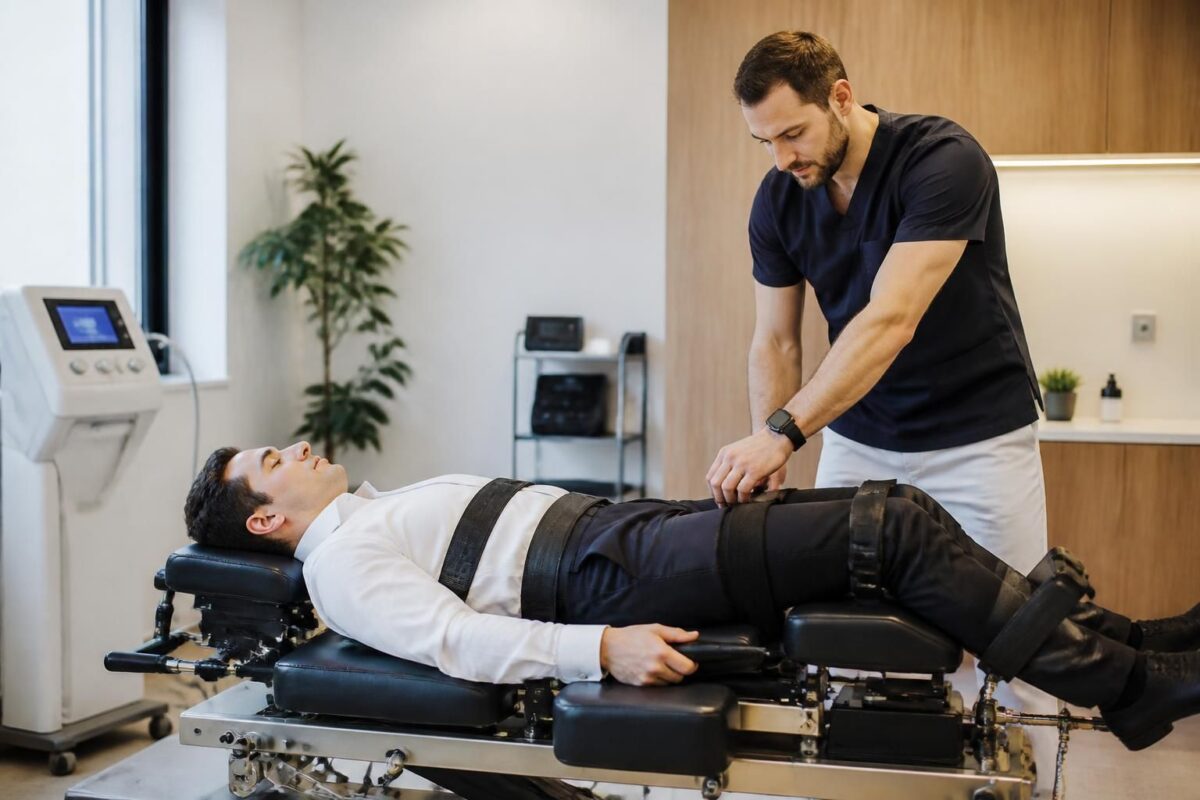
How Neurovertebral Decompression Prevents Diffuse Chronic Pain
In short decompression neurovertebral is one Non-invasive method aimed at reducing the Pressure on the intervertebral discs and the nerves, in order to prevent Diffuse chronic pain. It improves the circulation and thedisc hydration, decreases inflammation and promotes better mobility.…
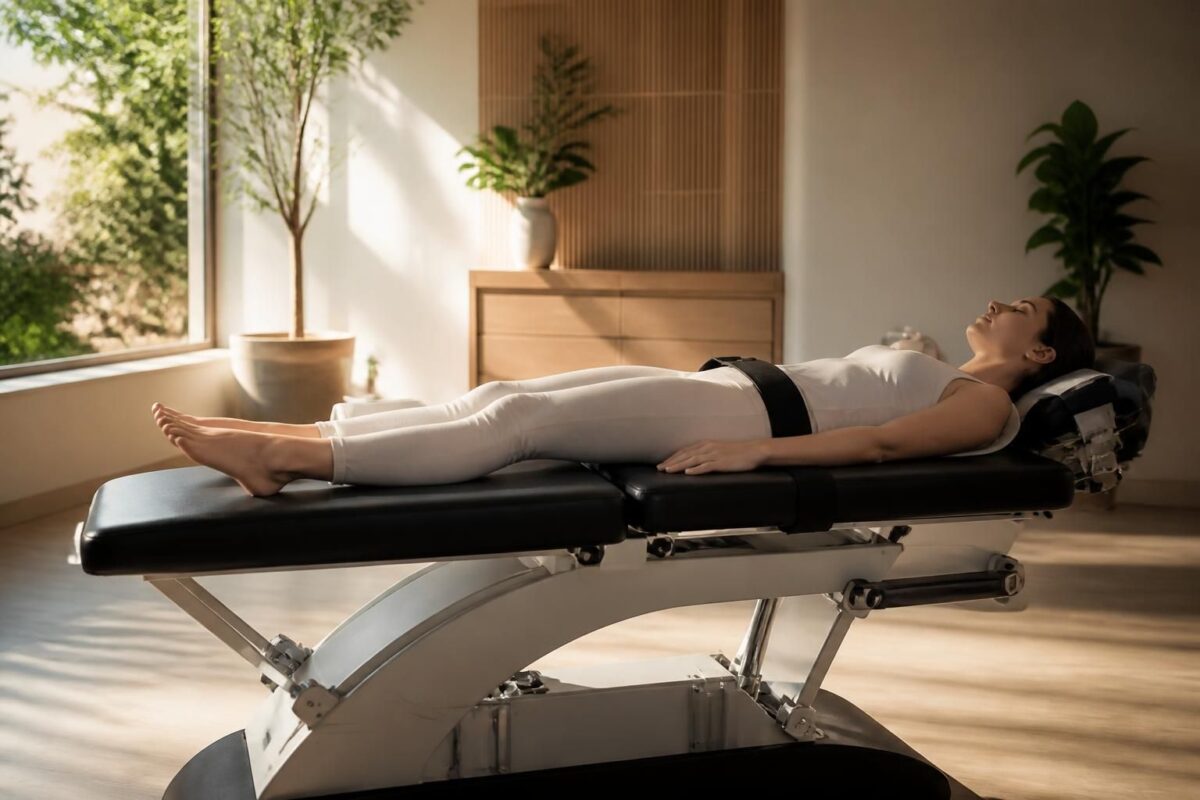
Neurovertebral Decompression and Body Alignment: Restoring Natural Balance
In short In short, neurovertebral decompression is one Non-invasive approach who restores theBody Alignment and thenatural balance back and neck. She acts by a Controlled traction of the spine to widen the intervertebral space and reduce the Pressure on discs…
Integration into a training program
Evaluation and personalized plan
Before integrating the decompression, carry out an assessment with a qualified professional and define a personalized plan including the number of sessions, their frequency and their duration, adapted to the sporting objectives and the level of physical condition.
Frequency and coordination with training
Session schedules to coordinate with the training cycle to avoid competition days or too close load peaks. Integration can be progressive, by combining mobility, reinforcement and technical work in order to amplify performance gains while preserving safety.
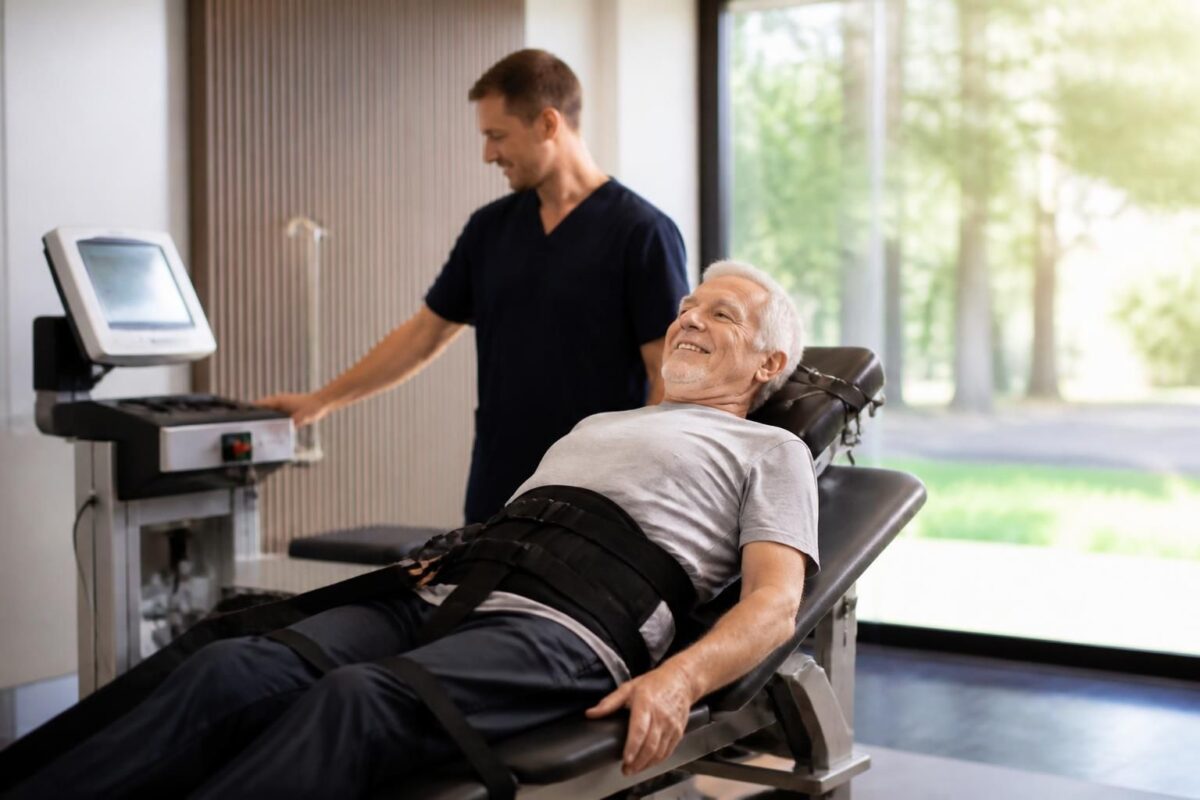
Why neurovertebral decompression is a lasting solution for active seniors
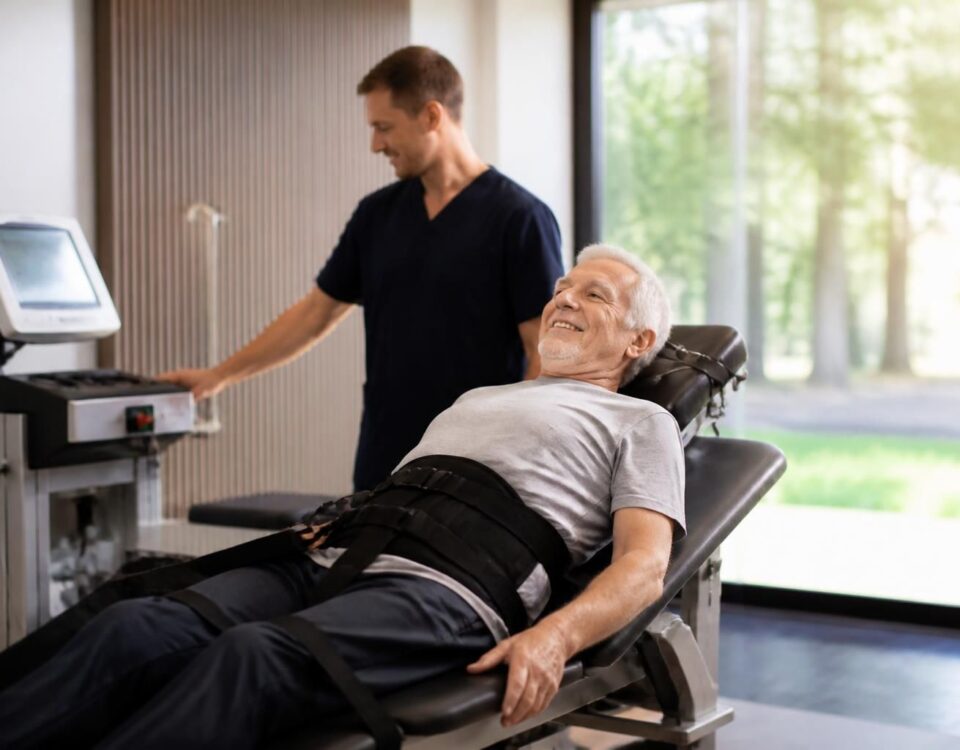
In short In short, the neurovertebral decompression is one Non-invasive therapy which sustainably relieves spinal pain in the spine active seniors By creating, by a Soft and controlled traction, a space between the vertebrae. At Montreal, it is recognized as…
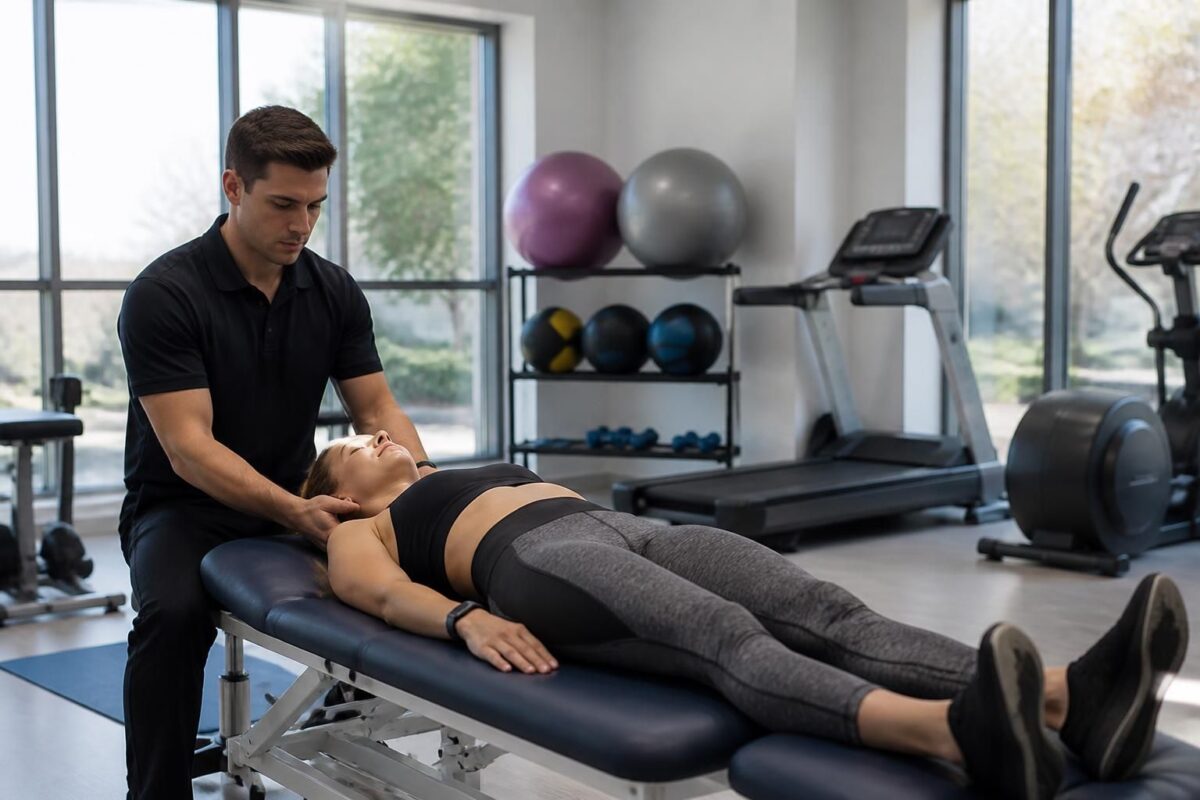
Neurovertebral decompression and recovery after severe sports injury
In short In short, the neurovertebral decompression is one Non-invasive method to Relieve the pressure on the Intervertebral discs and the gristle Via a Controlled traction, to facilitate the recovery After a severe sports injury. It improves the bloodstream towards…
Good practices and precautions
It is essential to consult a health professional before starting, especially in the presence of acute symptoms or known pathologies. Decompression is not indicated in all situations and contraindications must be evaluated on a case-by-case basis. In any case, the protocol must be adapted to the overall health status, and the results must be monitored regularly to adjust the plan and maximize the benefits while minimizing the risks.
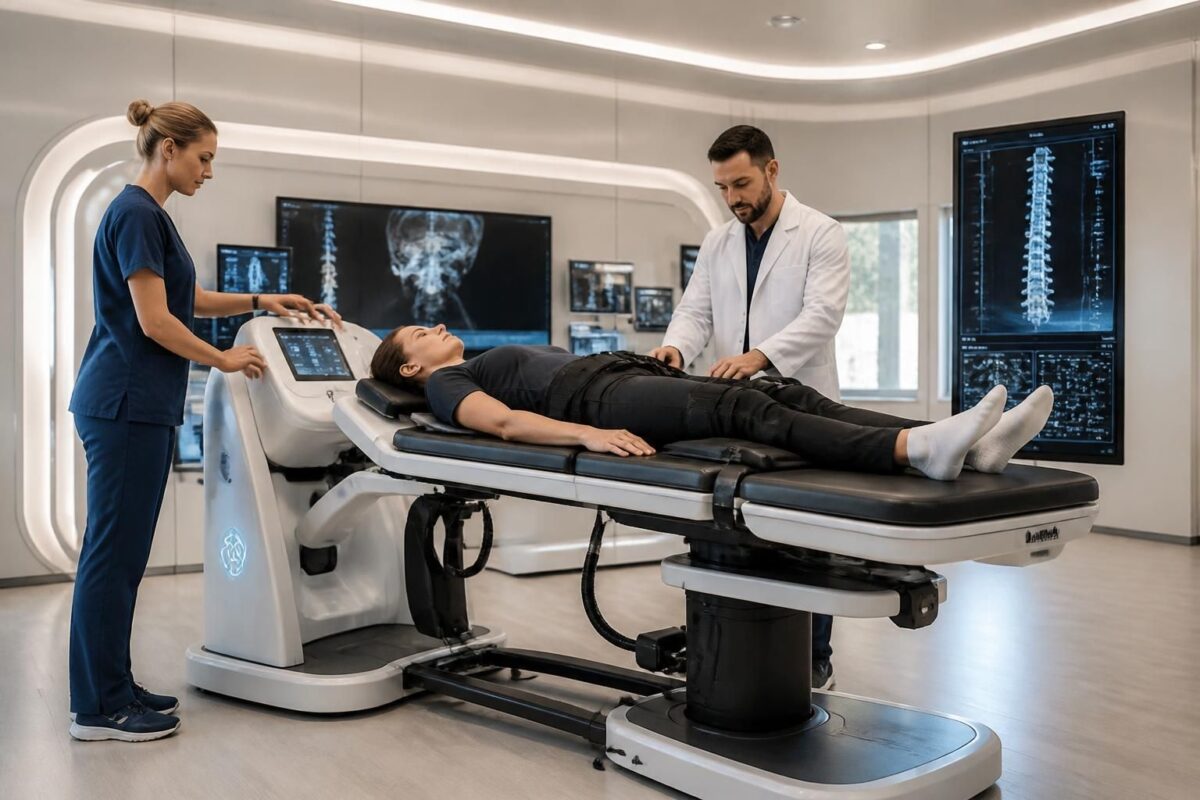
Recent innovations in neurovertebral decompression technologies
In short In short, the neurovertebral decompression is an approach non-invasive Aiming to reduce pressure on discs and nerves, and promote tissue regeneration. At Montreal, it is positioned as an effective option for lower back pain and herniated discs. The…
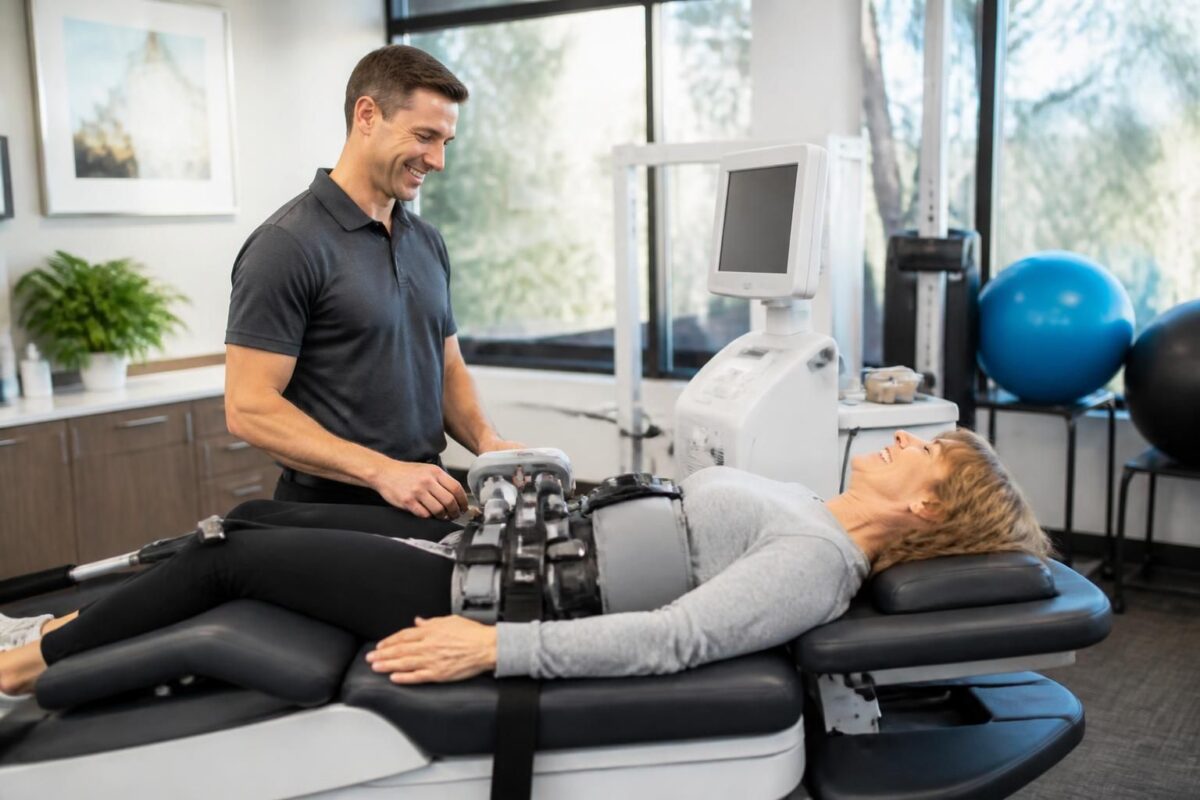
Neurovertebral decompression and diffuse pain: an appropriate solution
In short In short, the neurovertebral decompression is one Non-invasive solution For diffuse pain related to nerve irritation of the spine. She acts in Reducing pressure on intervertebral discs and nerves and improving the bloodstream, which promotes recovery and the…
Targeted comparison: neurovertebral decompression and optimization of physical performance
| Aspect | Comparative |
|---|---|
| Objective | Decompression Soulfulge the pain and frees the disc space; Optimization Promotes recovery and lasting physical performance. |
| Mechanism | Targeted traction creating a negative pressure in the disk, facilitating rehydration and repositioning. |
| Mode of intervention | non-invasive, session on a specialized table With traction controlled and personalized. |
| Target audience | sportsman and active people seeking sustainable improvement without surgery. |
| Effect on recovery and performance | pain reduction and inflammation; Improvement of the mobility, endurance and performance. |
| Security and invasiveness | low risk, non-surgical, followed by a professional recommended. |
| Number of typical sessions | 15 to 25 sessions According to severity and program. |
| Key contraindications | contraindications Keys: fractures, active infections; Medical assessment recommended. |
| Expected results | gradual improvement pain and mobility; reduction of Functional limitations and back to thetraining. |
Testimonials on neurovertebral decompression and optimization of physical performance
Before starting my journey, my Lower back pain Braking me in my daily outings and my workouts. After several sessions of neurovertebral decompression, the pain decreased markedly and my mobility has improved. Today, I am more confident and my Physical performance progress as my body gets used to the movement again.
As an amateur athlete, I appreciated the accuracy and customization of the protocol. The neurovertebral decompression Greatly improved my recovery and allowed me to increase my painless workouts. My Physical performance are now measured by my personal records, week after week.
For me who regularly practices the sport, the stability and posture of the trunk have been strengthened thanks to this treatment and the associated reinforcement work. I saw a better posture and an increase in performance During training cycles, with a noticeable decrease in cervical tension.
For the past few weeks, recovery after exercise has been faster and the following sessions are gaining in efficiency. I highly recommend the neurovertebral decompression to any athlete wishing Optimize your physical performance without the need for surgery.
As a coach, I observed concrete results in my athletes: less pain, better recovery and measurable performance improvements. The approach is safe, targeted and focused on the long term, which allows everyone to progress sustainably without compromise in quality of life or performance.
With a long experience in the fields ofosteopathy, from the naturopathy And manual medicine, this expert occupies a central place in health innovation. Founding president of the Tagmed clinics and the ACMA association, he leads an approach that aims to rethink care through an alliance between science and clinical practice. His work focuses on the management of chronic pain and the integration of advanced technologies, in particular the neurovertebral decompression, the laser and shockwave therapy. Its mission is to offer evidence-based care to optimize the health and well-being of each patient, while remaining attentive to the specific needs of athletes and active people in search of performance.
The practice of neurovertebral decompression is a non-surgical route aimed at reducing the pressure exerted on the intervertebral discs and on the nerves. Thanks to a controlled and precise traction, the device creates a space between the vertebrae, facilitating the rehydration of the discs and the progressive repositioning of the damaged elements. This approach can help reduce lower back and cervical pain, radicular manifestations and other spine-related dysfunctions. It is considered as a complementary or alternative option depending on the overall patient assessment and its functional objectives. As part of an individualized program, it is part of a rehabilitation and reinforcement strategy aimed at restoring mobility and trunk stability.
For the optimization of Physical performance, this technique is coordinated with other physical-therapeutic and technological interventions. It not only makes it possible to lighten the pain, but also to improve the amplitude of the gestures, the posture and the ability to train in the long term. Athletes and active people benefit from a faster return to sports activities and a more effective recovery process after exercise. By associating decompression with mobility, stability and conditioning protocols, it is possible to support higher performance levels while reducing the risk of recurrence.
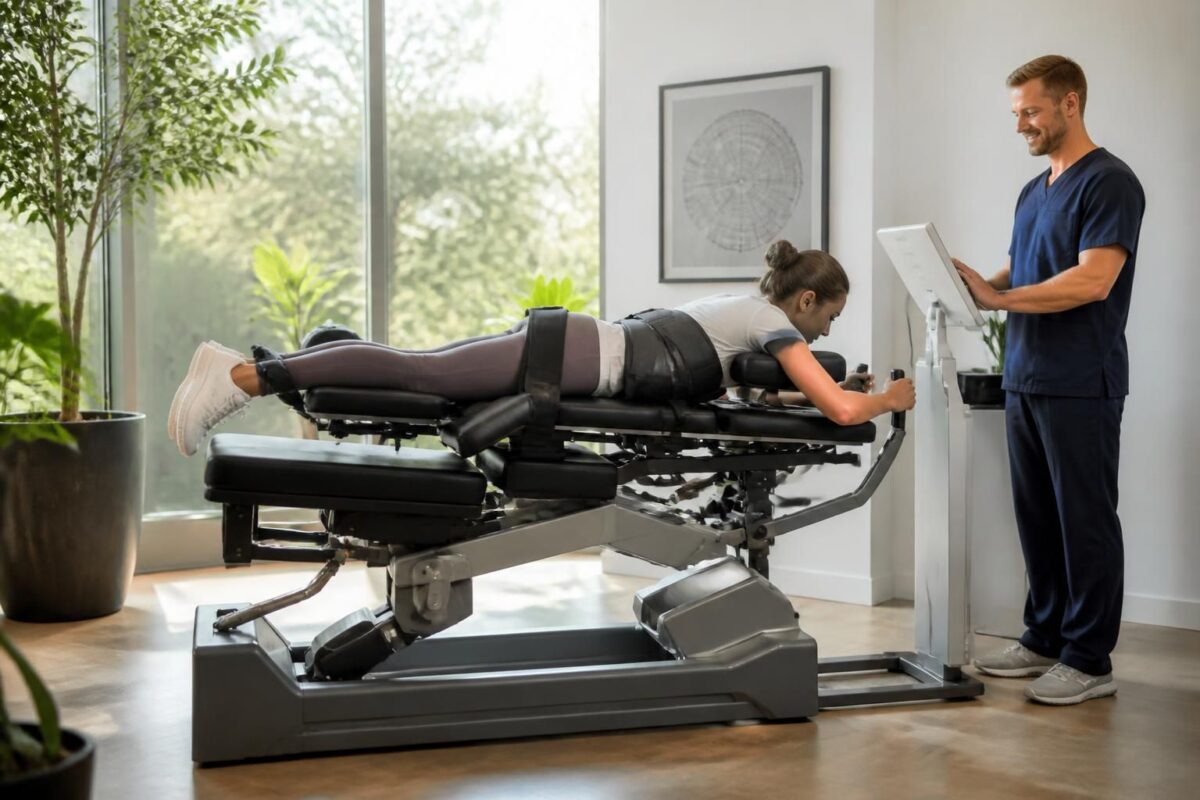
The typical care pathway is based on an in-depth initial evaluation, the construction of a personalized treatment plan and the completion of sessions on a specialized table. Each session is supervised by a therapist and adjusted in real time by a computerized control system, guaranteeing security and efficiency. After the decompression cycle, follow-up is ensured, with targeted advice on posture, muscle strengthening and lifestyle habits that preserve the gains obtained and prevent relapses. This integrated approach aims to establish measurable and sustainable progression, adapted to both the daily needs and the specific requirements of sports activities.
The results observed vary according to the severity of the pathologies, the adherence to the protocol and the overall health status. Nevertheless, patients generally benefit from a rapid reduction in pain and a gradual improvement in function, allowing them to reconnect with their usual activities and training. This approach reflects the goal of a lasting balance between well-being, performance and quality of life, without resorting to invasive interventions and with constant attention paid to scientific evidence and treatment safety.
This conclusion summarizes how the neurovertebral decompression can boost Physical performance By decreasing the Intra-discal pressure, by improving thealignment and mobility of the column, and facilitating the recovery and injury prevention during training and competitions. It highlights key mechanisms, relevant indications and practical ways to integrate this approach into a performance program, while emphasizing the importance of a personalized evaluation and a suitable protocol.
The neurovertebral decompression acts mainly by lowering the Pressure on discs and the spinal nerves, which promotes the Disc rehydration and the repositioning of the discs concerned. This pressure reduction contributes to an improvement in the mobility and a rapid decrease in pain, thus allowing a more effective resumption of workouts and Overload prevention. At the same time, it can stimulate a better bloodstream and accelerate the Tissue repair, key elements to optimize recovery time between efforts and loading phases.
For athletes, the benefits go beyond immediate relief: improving thevertebral alignment and from the posture May promote better technical efficiency and a reduction in stress on musculoskeletal structures during exercise. This approach also acts as a tool for prevention Disc pathologies and worsening chronic conditions, limiting risk factors that can compromise long-term performance.
As part of a high-performance program, the integration of neurovertebral decompression must be planned in a coordinated manner with the training cycles, workloads and specific objectives of the athlete. A typical course can include an in-depth initial assessment, a personalized treatment plan and regular monitoring to adjust parameters and optimize benefits while ensuring patient safety and comfort. Specialized resources describe in detail how this approach can positively influence alignment, the vertebral function and the Prevention of herniated discs futures.
To deepen these concepts and their practical implications, you can consult the following resources which include the impact on the alignment and progression of spinal pathologies, the effects on the spinal function and the benefits in the sporting context:
Improvement#atfp_close_translate_span# of vertebral alignment, Prevention#ATFP_CLOSE_TRANSLATE_SPAN# of the progression of spinal pathologies, Decompression#ATFP_CLOSE_TRANSLATE_SPAN# Neurovertebral, Function#ATFP_CLOSE_TRANSLATE_SPAN# Improved vertebral, Effects#atfp_close_translate_span# on physical performance, Optimization#ATFP_CLOSE_TRANSLATE_SPAN# Physical performance, Promotes#ATFP_CLOSE_TRANSLATE_SPAN# Recovery after intense physical exertion.
Additional resources describe the mechanisms of action, indications and potential benefits in the sporting and re-athletics context. For a comprehensive and personalized approach, the medical assessment and supervision of a competent professional remain essential to ensure the safety and effectiveness of treatment within the framework of a performance program.

Dr Sylvain Desforges, B.Sc., D.O., N.D., osteopath, is the founding president of TAGMED and of the ACMA association. He dedicates his practice to chronic spinal pain, low back pain and symptoms compatible with sciatica, particularly when pain radiates toward the buttock, leg, calf, foot or toes.
Through SOS Sciatique, he publishes educational content on sciatica symptoms, possible causes such as disc herniation, disc narrowing, foraminal stenosis or irritation of a lumbar nerve root, as well as non-surgical approaches that may be considered according to the evaluation. At Clinique TAGMED, care may include, depending on the case, motorized neurovertebral decompression, specific osteopathic care or precision percussion.
For an evaluation related to sciatica treatment in Montreal / Mount Royal or sciatica treatment in Terrebonne, please consult the services available at Clinique TAGMED.
Medical disclaimer
The information published on SOS Sciatique is provided for educational purposes only and does not replace a consultation, diagnosis, opinion or treatment provided by a physician or another authorized healthcare professional. The author of this article is neither a medical doctor nor a specialist in a medical specialty recognized by the Collège des médecins du Québec. The osteopathic, manual medicine or functional support approaches described on this site do not constitute medical acts and are not intended to replace medical follow-up.
Consult a physician or emergency service in cases of loss of bladder or bowel control, anesthesia in the saddle area, significant or progressive weakness in the leg or foot, fever, recent trauma, severe pain or rapid worsening of symptoms. For more details, please read our Legal Notice.