Custom protocols for complex pain in neurovertebral decompression
26/06/2026
Why neurovertebral decompression is essential after an accident
26/06/2026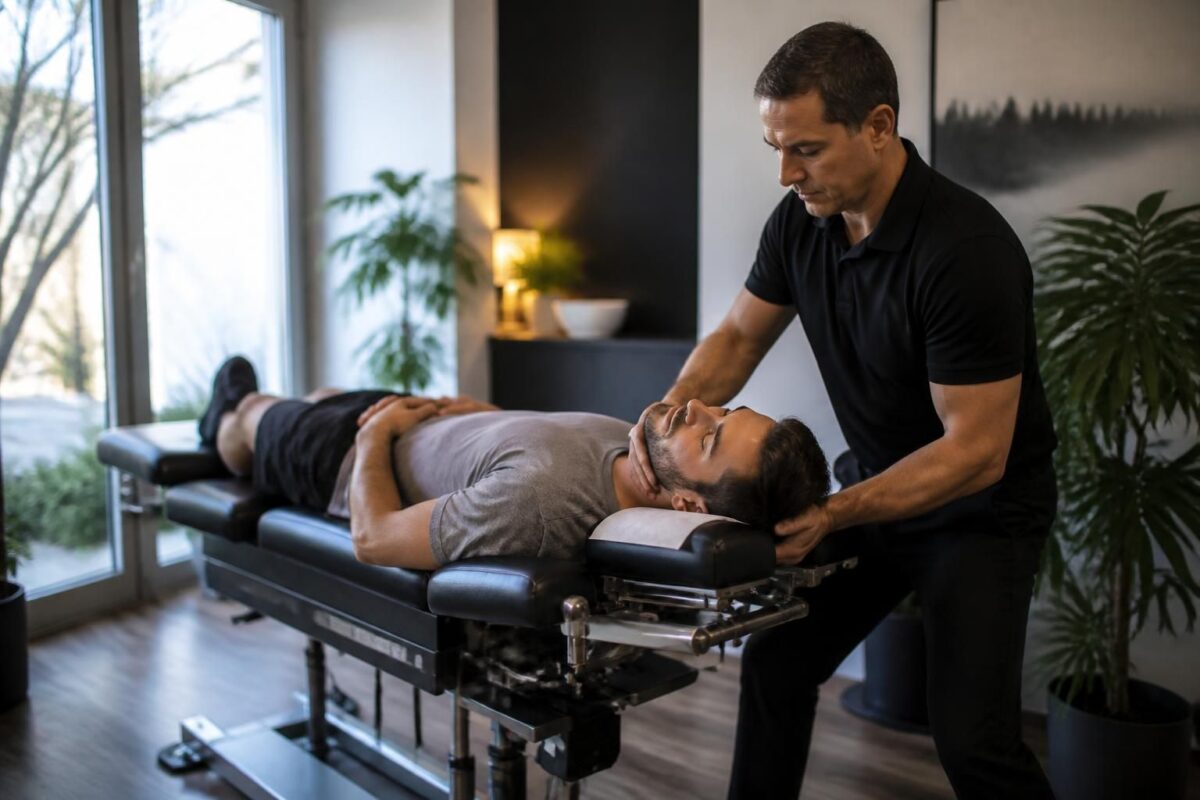
In short
| In short, neurovertebral decompression is one Non-invasive solution which aims to relieve the back pain by reducing the pressure on discs and nerves. It acts on the Overall well-being By improving the mobility and functionality of the spine. The Proven results show a Lasting pain reduction, a Improving mobility and an quick recovery, without surgery. In Montreal, this treatment is particularly recommended for those who wish to avoid invasive interventions and regain a better quality of life. How does it work? A Soft and targeted traction Create a negative pressure on the discs, promoting their rehydration and reduction of nerve compression, then fits into a Personalized care plan and integrated with other wellness approaches. |
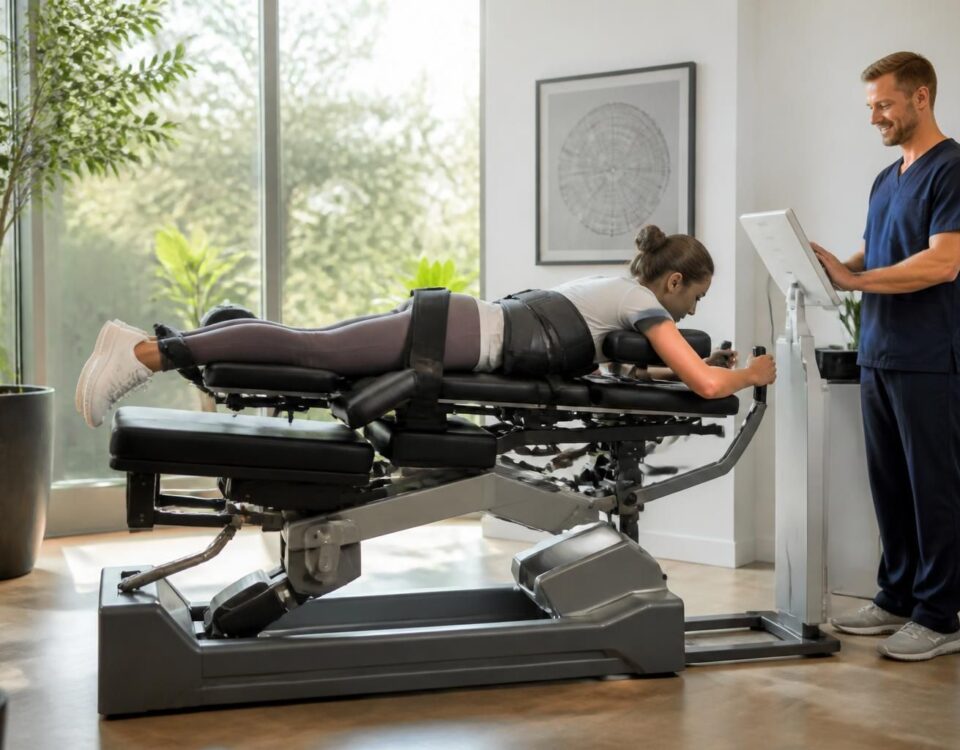
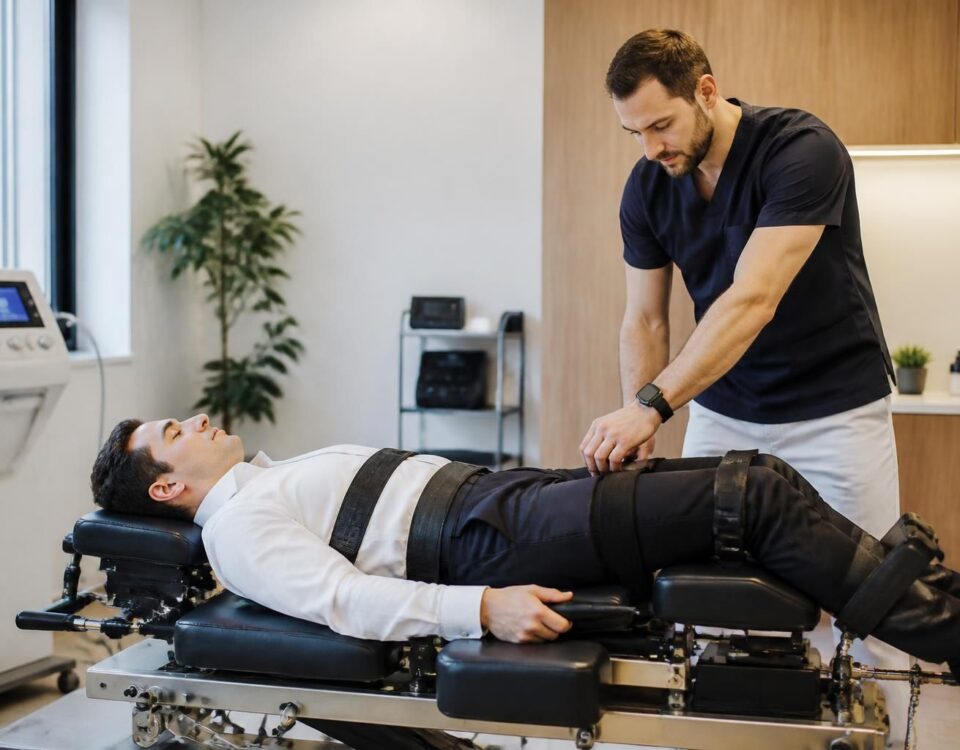
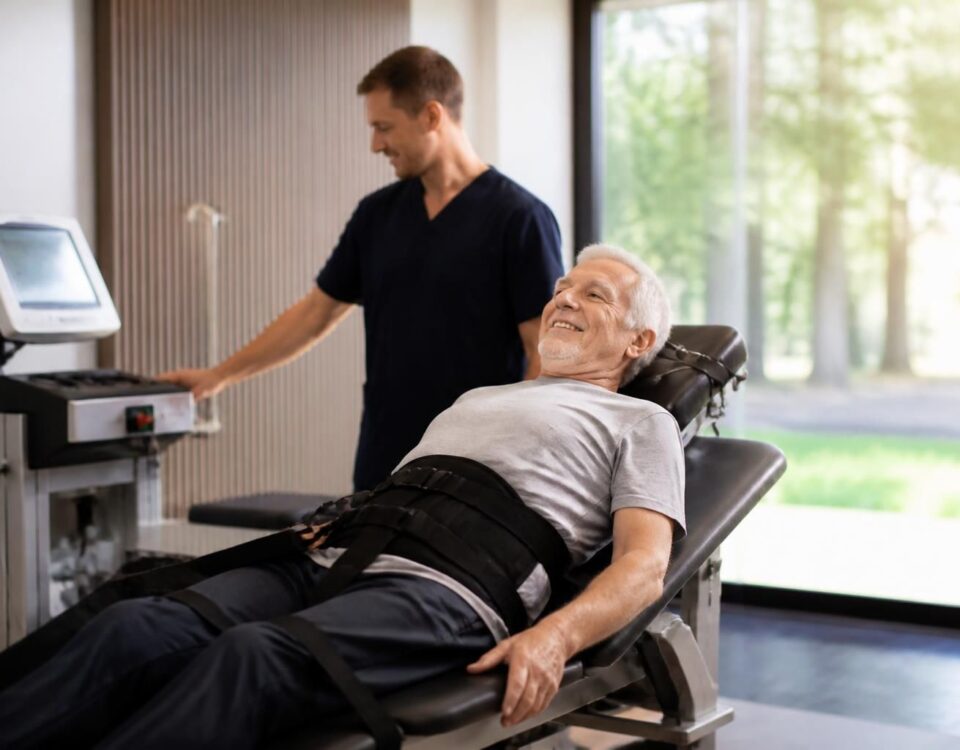
The neurovertebral decompression is therapy non-invasive which aims to relieve pain related to intervertebral discs by reducing pressure on the nerves and facilitating tissue rehydration. This gentle approach can promote sustainable recovery without surgery.
integrated into a care plan focused on the Overall well-being, it allows Improving mobility, pain reduction and an Better quality of life on a daily basis.
The results are proven through clinical studies and patient feedback, making this method a credible and secure to invasive treatments, with an approach personalized adapted to each patient.
This article, written by a health professional and expert in osteopathy, presents how neurovertebral decompression fits into an approach to Overall well-being. He explains the mechanism, clinical evidence and the central role of an integrated care plan, which aims to improve mobility, reduce pain and promote sustainable quality of life without having to resort to surgery.
Principle and mechanism
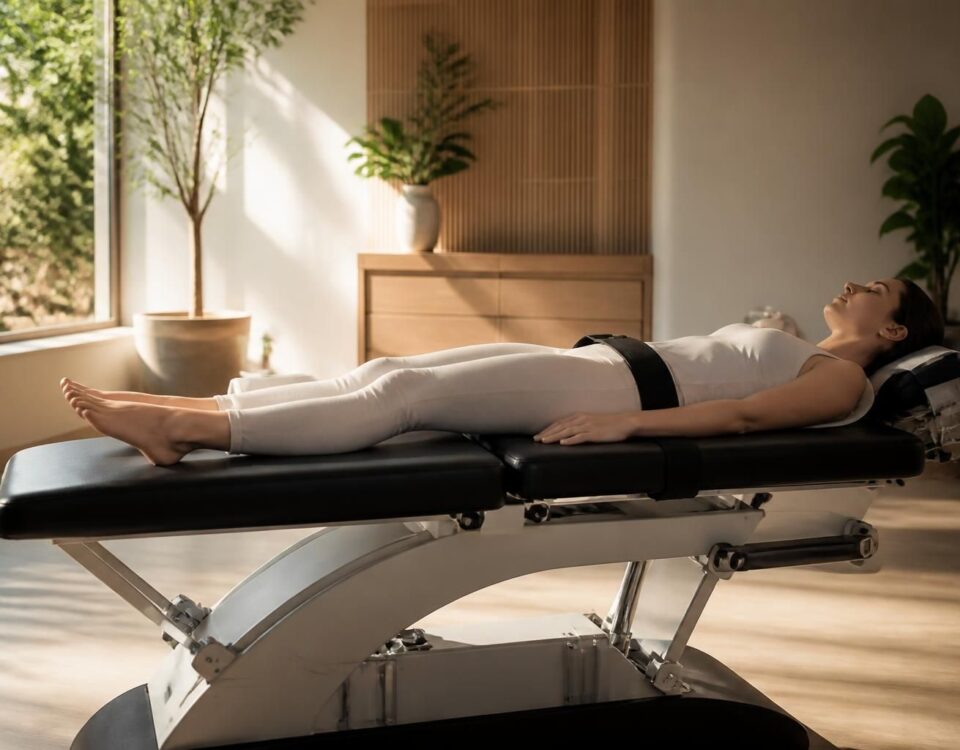
The neurovertebral decompression is an approach non-invasive which applies targeted traction on the spine. This action generates a negative pressure in the intervertebral discs, favoring the rehydration and the Resorption of disc bulges. The result is a decrease in pressure on the nerves and a gradual improvement in mobility, without surgery.
Clinical evidence and results
Clinical analyzes show encouraging results. we bring back approximately 71% improvement in patients with pain related to disc diseases, and Overall success rate around 86% For symptom relief and regained mobility. These figures reflect medium- and long-term benefits when the protocol is monitored under professional supervision and adapted to each case.
Dynamics related to intervertebral space and reduction in nerve compression support sustained functional recovery. This approach is not limited to immediate relief; It promotes sustainable reorganization of the column and better distribution of loads on the spinal segments.
Impact on well-being and quality of life
Beyond the pain reduction, neurovertebral decompression contributes to a Improving mobility and to a Functional recovery Faster. Patients have Better activity tolerance and a decrease in stress related to discomfort, which positively influences psychological and social well-being. This approach promotes a gradual resumption of daily activities and, consequently, a better quality of life.
Integration into a global approach to care
Neurovertebral decompression is part of an approach holistic well-being. In TagMed clinics and affiliate networks, it is seen as a component of a global plan that may include other natural approaches and manual practices. This coordination aims to optimize the results while ensuring patient safety and progress measured over time.
Supervision and security
Security is central. Before any treatment, a medical evaluation confirms eligibility and to rule out contraindications. The treatment takes place under the supervision of a qualified practitioner and is adapted to the severity of the symptoms and the condition of the patient. The goal is a gradual improvement of symptoms with the least possible risk and without prolonged recovery time.
Clinical signs and nature of results
The most frequently observed benefits include decreased pain, increased mobility and better recovery of functional activities. The results can be measured by the evolution of pain, the progression of mobility and the gradual return to activities of daily living. The use of regular evaluations allows the protocol to be adjusted to maximize long-term results.
Testimonials and patient experience
Patients who benefited from neurovertebral decompression describe a significant reduction in symptoms and resumption of activities without the risks associated with surgery. These returns are part of the clinical data and support its role as a credible option for those who want to avoid invasive interventions.
Additional resources and information
To learn more, check out the following resources:
Neurovertebral decompression and overall health — Sossciatica,
Root pain management — Sosciatica,
Clinical Studies — DecompressionEvertebral,
Technology and device — SoshernieDiscale,
Post-surgery recovery — Sosciatica
Clinical information and training rely on standards such as NUMSS, NAO, National University of Medical Sciences and National Academy of osteopathy. The professional associations mentioned include ACMA, College of Canadian Osteopaths and College of Canadian Osteopaths.
For more information on care and benefits in Montreal and Terrebonne, see Tagmed Clinic.
Medical Disclaimer: The information and advice provided on this site does not replace the health professional’s diagnosis or treatment. Please note that Dr. Sylvain Desforges osteopath is neither a doctor of medicine nor a doctor, and is not a specialist in a medical specialty as defined by the Collège des Médecins du Québec. Manual medicine, functional medicine and sports medicine as described on this site exclude any medical treatment or diagnosis made by a doctor or specialist doctor. Always consult your doctor for any medical questions. For more details, please read our full legal notice.
Authorized web links and domains used in this article:
sosciatica,
Tagmed Clinic,
DecompressionNeurVertebrale,
SosherniaDiscal,
Sosherniateddisc,
SostunnelCarpal,
sosciatica
Education and professional practices remain aligned with the standards set by NUMSS, NAO, and National University of Medical Sciences. For professional associations, the references remain ACMA, College of Canadian Osteopaths and College of Canadian Osteopaths.
In accordance with the objective of transparency and security, this content does not replace a personalized medical consultation. If you are experiencing symptoms or pain, make an appointment with a qualified healthcare professional.
- non-invasive and security : No surgery
- Lasting pain reduction and mobility improved
- quick recovery : quick return to activities
- Improvement of amplitude movements and function
- Psychological well-being : Decreased pain-related anxiety
- Quality of life found : Autonomy and energy
- Integrated approach : Supplement to other non-invasive therapies
- Prevention of complications : Reduction of risks compared to surgery

This recommendation highlights the neurovertebral decompression as an effective lever for the Overall well-being. As a non-invasive method, it aims to reduce pressure on discs and nerves, which results in a Lasting pain improvement, a better mobility and an quality of life found. Strong clinical results support these benefits and make it possible to envisage harmonious integration into a global approach to health.
How does decompression work and why it talks about well-being
Neurovertebral decompression is based on a gentle traction who creates a negative pressure at the level of the intervertebral discs. This mechanism promotes tissue rehydration, facilitates the resorption of bulges and reduces pressure on the nerves, thus contributing to rapid pain relief and Functional recovery.
Direct impact on pain and mobility
By limiting nerve compression, this approach makes it possible to find smoother mobility And to resume daily activities with less constraints. Progressive relief often results in regained energy and Reduced pain-related anxiety.
Contribution to psychological and social well-being
Less pain and better spinal functionality are usually accompanied by a more positive mindset, improved sleep and better participation in social and sporting activities. The cumulative effect on morale and motivation enhances adherence to a healthy lifestyle and prevention plans.
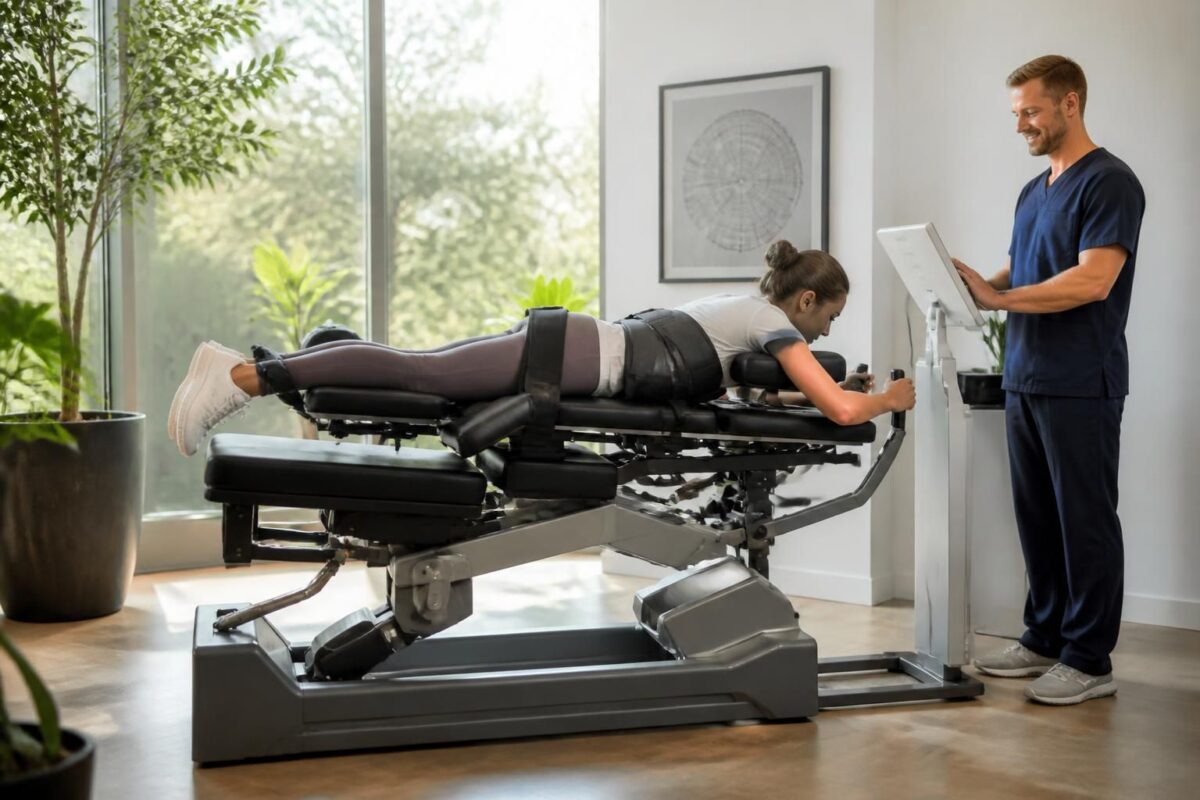
The long-term benefits of neurovertebral decompression for spinal health
In short In short, the neurovertebral decompression is a non-invasive approach that decreases the Pressure on intervertebral discs and nerves, favoring the Natural regeneration and tissue recovery. Its long-term benefits include Lasting pain reduction, Improving mobility and from the posture,…

Neurovertebral decompression and mobility: a return to an active life
In short In short, the neurovertebral decompression is therapy non-invasive who uses a gentle traction To create a space between the vertebrae and reduce the pressure on the Intervertebral discs and the nerves. It promotes a bloodstream improved, lowers tension…
Clinical results and evidence
Available data indicate encouraging results: approximately 71% of patients report Significant improvement, and up to 86% observe a Sustainable relief symptoms after the sessions. In addition to the reduction of pain, we often notice a better local traffic and improved disc function.
Integration into a holistic approach
Decompression fits ideally in a treatment plan overall who can combine physiotherapy techniques, gentle manual therapies and advice in Hydration and posture. This synergy maximizes the chances of restoring body balance and supporting long-term results.
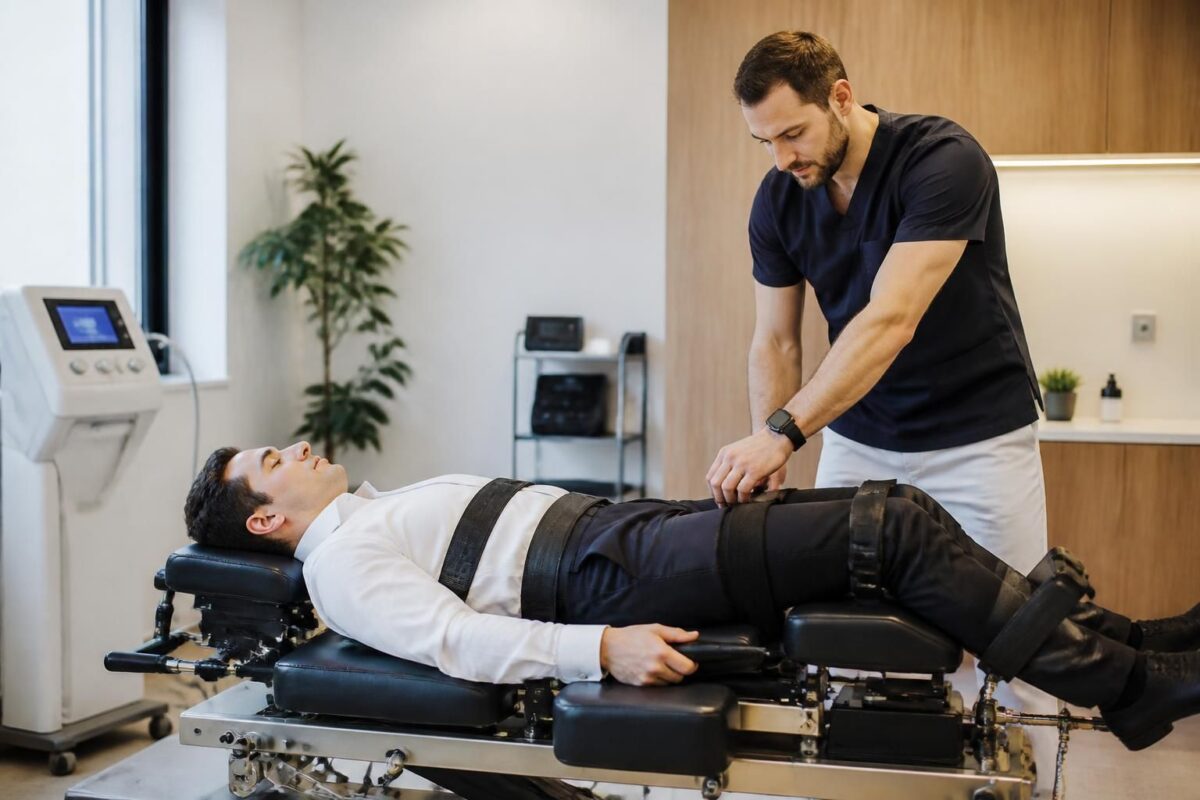
How Neurovertebral Decompression Prevents Diffuse Chronic Pain
In short decompression neurovertebral is one Non-invasive method aimed at reducing the Pressure on the intervertebral discs and the nerves, in order to prevent Diffuse chronic pain. It improves the circulation and thedisc hydration, decreases inflammation and promotes better mobility.…
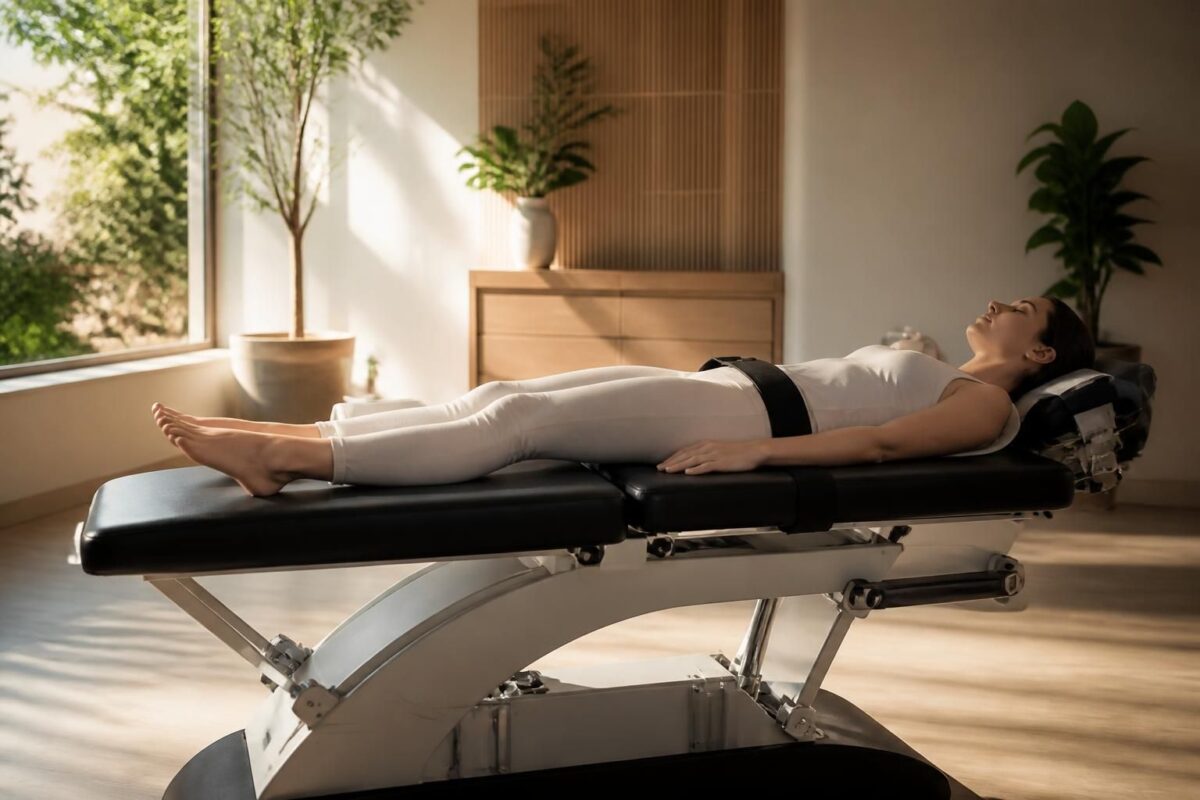
Neurovertebral Decompression and Body Alignment: Restoring Natural Balance
In short In short, neurovertebral decompression is one Non-invasive approach who restores theBody Alignment and thenatural balance back and neck. She acts by a Controlled traction of the spine to widen the intervertebral space and reduce the Pressure on discs…
Prepare and optimize the course
To get the most out of this treatment, it is recommended to start with a complete medical assessment in order to identify any indications and possible contraindications. The protocol is then personalized: the number and frequency of sessions are adjusted according to the patient’s response and functional objectives. Regular monitoring allows you to adjust the plan and ensure constant progress.
Education and prevention
Patient education on postures, ergonomics and physical activity habits is essential. At the same time, targeted exercises and lifestyle tips help to sustain benefits and prevent pain recurrences.
| Axis of evaluation | Concise impact |
|---|---|
| Pain | rapid and lasting decrease in pain and better tolerance. |
| Mobility | improvement of theamplitude and from the fluidity Movements. |
| Quality of life | overall improvement in quality of life and of welfare. |
| Durability | Results durable with reduction of symptoms. |
| Security | Security High and low risk, non-invasive approach. |
| Recovery | Recovery quick, early return to activities. |
| Adaptability | Adaptability processing and custom adjustments. |
| Global approach | holistic approach and integration with other therapies. |
| Accessibility | Accessibility Increased, multiple centers and competitive cost. |
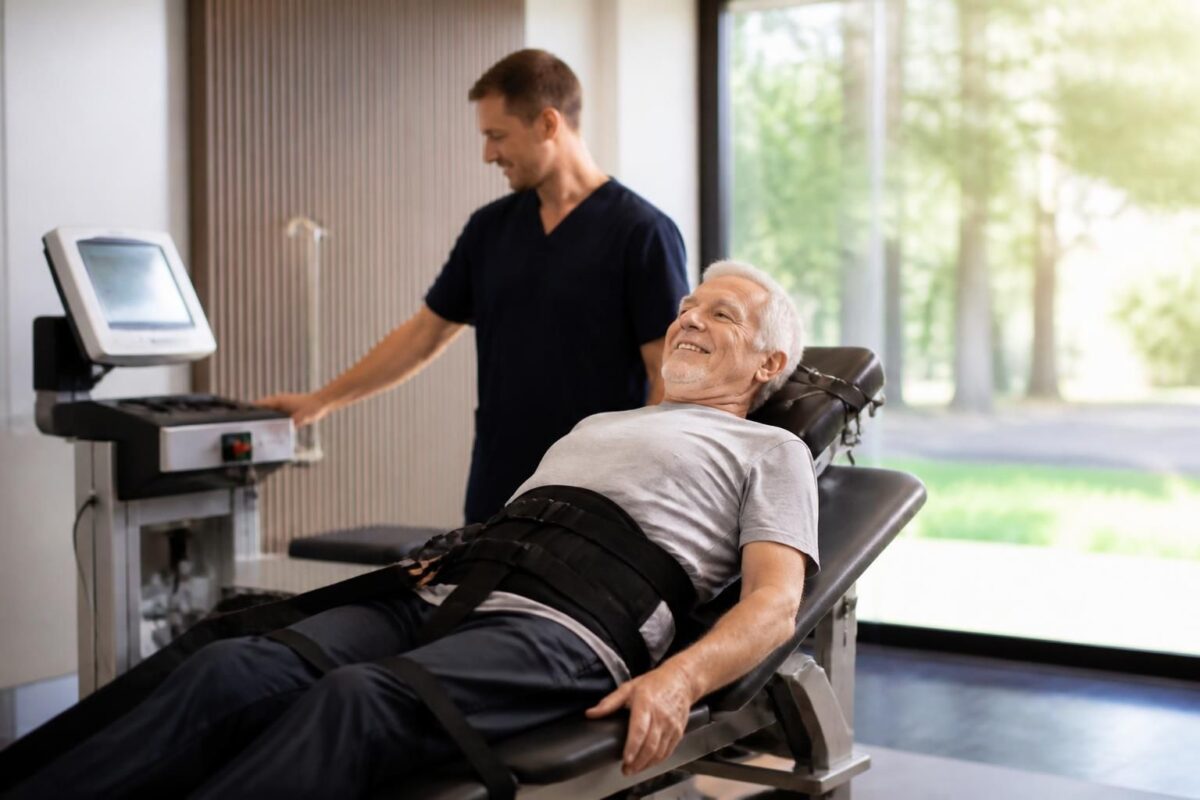
Why neurovertebral decompression is a lasting solution for active seniors
In short In short, the neurovertebral decompression is one Non-invasive therapy which sustainably relieves spinal pain in the spine active seniors By creating, by a Soft and controlled traction, a space between the vertebrae. At Montreal, it is recognized as…
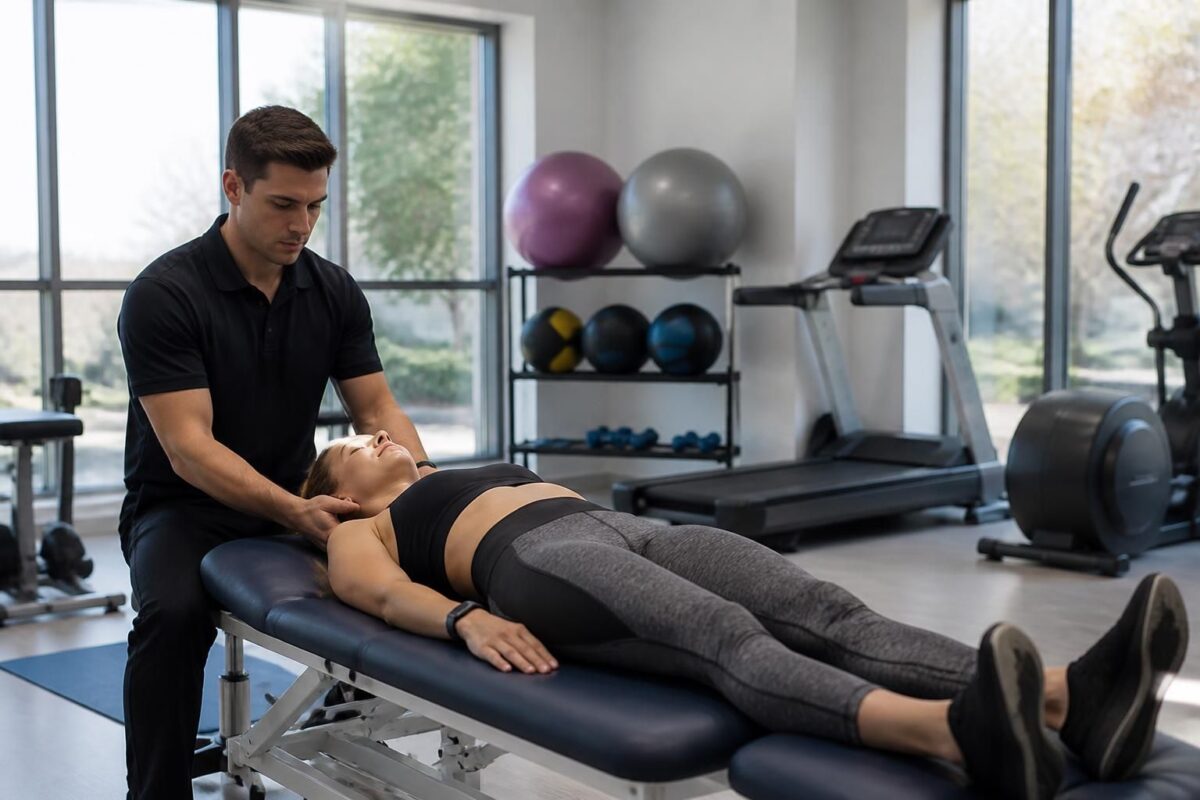
Neurovertebral decompression and recovery after severe sports injury
In short In short, the neurovertebral decompression is one Non-invasive method to Relieve the pressure on the Intervertebral discs and the gristle Via a Controlled traction, to facilitate the recovery After a severe sports injury. It improves the bloodstream towards…
Testimonials on neurovertebral decompression and overall well-being: proven results
several patients testify to the benefits of neurovertebral decompression on their Overall well-being. They report a Lasting pain reduction, a Mobility found and a significant improvement in their quality of life on a daily basis.
“Before, my Lower back pain prevented me from sleeping and working. After several sessions of neurovertebral decompression, pain decreased, my mobility improved and I found the desire to move. — Marie, 52 years old.
“I feared surgery for my slipped disc; After the sessions, pain decreased and I can do sports again without pain. — Jean, 47 years old.
“My Nocturnal pain woke me up. After treatment, the pain nocturnal decreased and the nights are more peaceful; I wake up with less tension. — Claudine, 60 years old.
“I was apprehensive about an operation for a bulge disc; After the sessions, pain is mastered and my spine becomes more stable; I can resume my daily activities. — Thierry, 38 years old.
“After a surgery, I was still suffering from pain. Neurovertebral decompression was revealing; pain decreased and my quality of life improved significantly; Each session brings me closer to my Optimal health. — Lucie, 45.
The professional career of Dr. Sylvain Desforges is at the crossroads of theosteopathy, from the naturopathy and manual medicine, with a resolutely focused vision of health innovation. Founding President of the TagMed Clinics and the ACMA Association, he puts an approach at the heart of his practice. Evidence- Based aimed at improving the quality of life of his patients. Its approach is based on careful listening, rigorous evaluation and harmonious integration of advanced technologies, including neurovertebral decompression, the laser and shockwave therapy, in order to propose non-invasive and effective solutions.
The neurovertebral decompression occupies a central place in its approach to Overall well-being. This gentle technique creates controlled traction of the spine and generates a negative pressure at the level of the intervertebral discs. Result: better hydration and resorption of the disc bulges, marked reduction in compression on the nerves and a rebalancing of the forces that support the column. This non-invasive approach provides prospects for lasting relief, without the risks and recovery times associated with surgery, while facilitating the rapid return to smoother daily activities.
Beyond physical relief, Dr. Desforges aims for a Sustainable improvement of well-being By adopting a holistic perspective. Decompression is integrated into a multidisciplinary care plan that takes into account mobility, posture, breathing and rhythm of life. This synergy makes it possible to address persistent pain while restoring the balance of the body, promoting better resilience to stress and a reduction in mental tension linked to chronic pain. The results observed result not only in a decrease in symptoms, but also in better confidence in their physical abilities and greater autonomy on a daily basis.
Dr. Desforges’ therapeutic approach is based on proven technologies and approaches, combining decompression, laser and Shockwave Therapies in custom protocols. Each patient benefits from regular monitoring, targeted pain and mobility assessments, and therapeutic plan adjustment based on clinical course. This approach personalized aims to maximize the chances of functional recovery and prevent recurrences, while promoting Prevention of complications associated with more invasive treatments.
Based on a philosophy based on data and experience, Dr. Desforges emphasizes clarity of goals and communication with his patients. The objective is clear: to offer tangible results that improve daily life, while preserving bodily integrity and supporting a Healthy lifestyle. Thanks to this integrated approach, patients can regain regained mobility, better controlled pain and better control of their long-term spinal health.
This article explores how the neurovertebral decompression Influence the Overall well-being, by presenting clinical evidence that supports its effectiveness non-invasive To reduce the pain, improve the mobility and promote a quality of life found. It highlights the mechanisms of action, observable results and avenues of integration into a global health strategy, with practical benchmarks for patients and professionals.
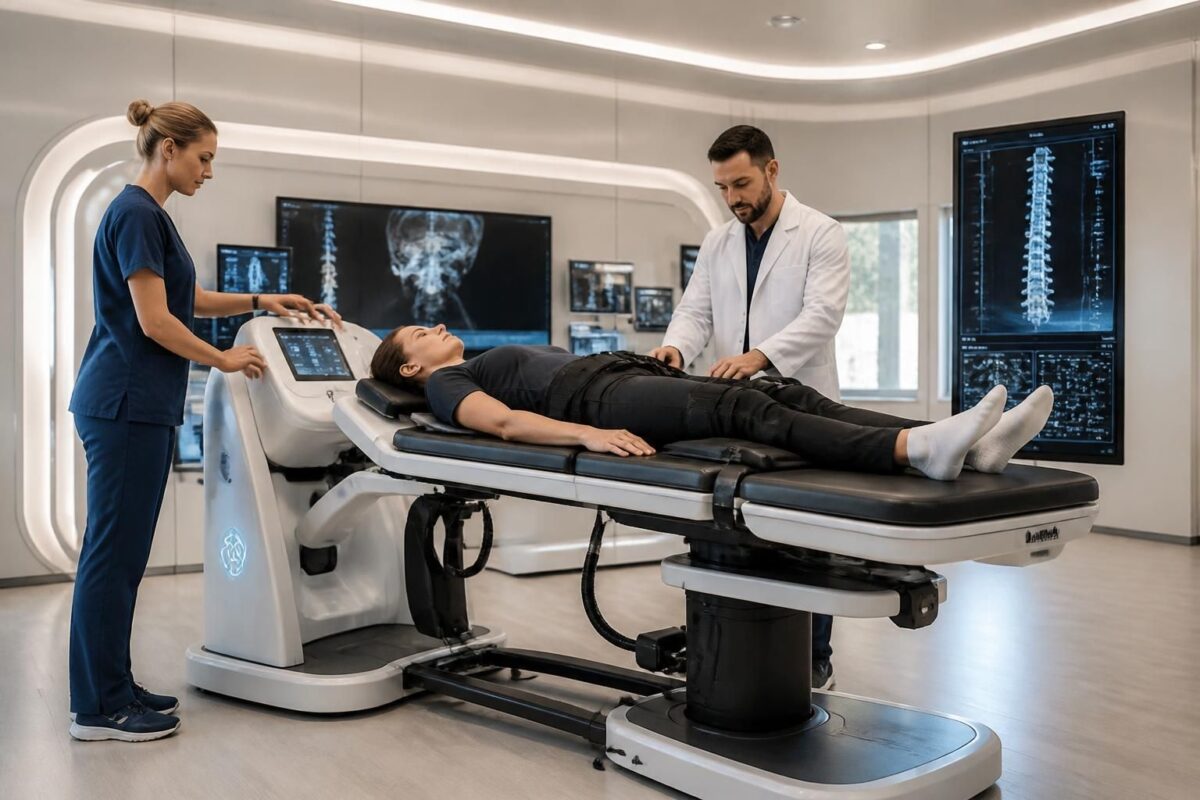
Recent innovations in neurovertebral decompression technologies
In short In short, the neurovertebral decompression is an approach non-invasive Aiming to reduce pressure on discs and nerves, and promote tissue regeneration. At Montreal, it is positioned as an effective option for lower back pain and herniated discs. The…
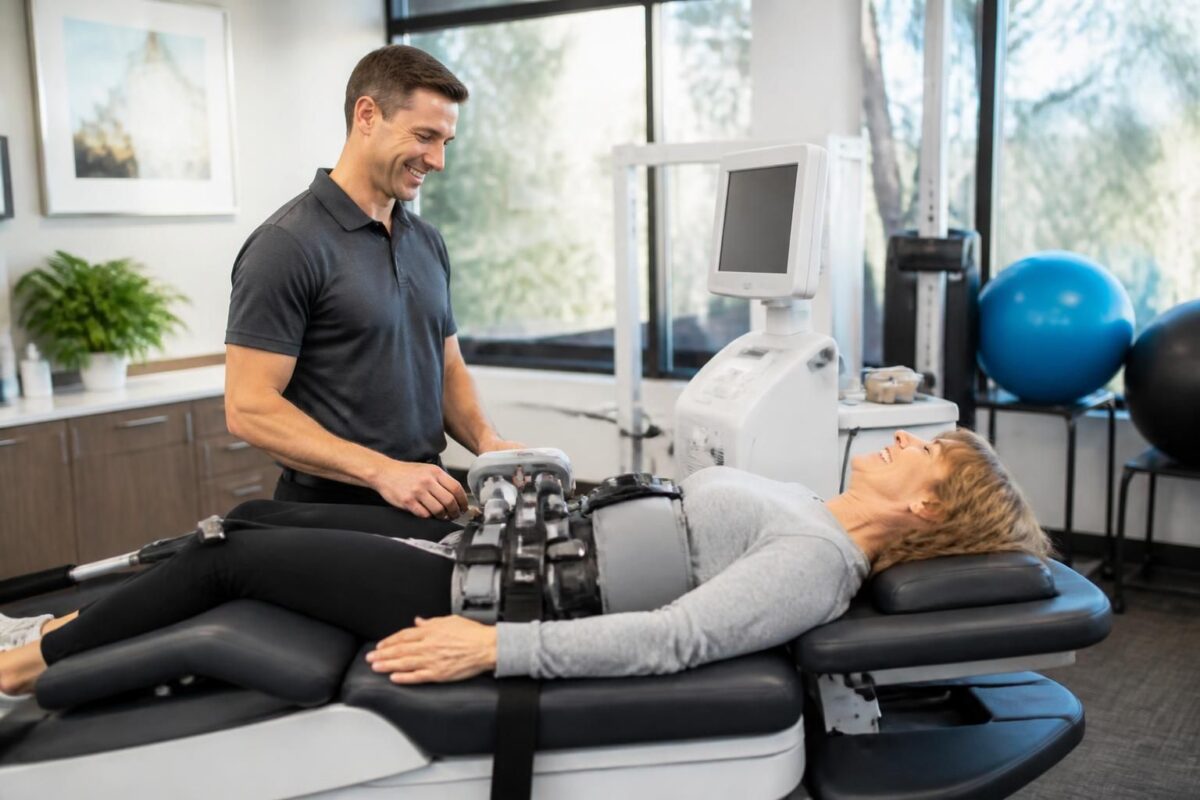
Neurovertebral decompression and diffuse pain: an appropriate solution
In short In short, the neurovertebral decompression is one Non-invasive solution For diffuse pain related to nerve irritation of the spine. She acts in Reducing pressure on intervertebral discs and nerves and improving the bloodstream, which promotes recovery and the…
Practical implications and proven results
The neurovertebral decompression It is distinguished by its ability to sustainably relieve back and cervical pain without surgery. Clinical data indicates a Significant pain reduction and an Improving mobility, which facilitates the rapid return to daily and professional activities. In existing summaries, approximately 71% of patients report Significant improvement and the rate of Overall success neighboring 86%, which underlines the overall effectiveness of this approach in the management of pain related to the spine.
This method is particularly suitable for people who wish to avoid invasive solutions, while benefiting from a progressive and personalized treatment. In practice, it can be enrolled in a Integrated treatment plan with complementary therapies such as physiotherapy, targeted exercises and postural measurements. international resources and analyzes confirm the role of decompression as credible alternative to surgery and as a major lever of Sustainable well-being (See in particular comparative analyzes and clinical reports available online).
The benefits go beyond immediate pain relief: they extend to a function improvement and to a Reduction of limitations daily. Functional improvements result in a renewed ability to practice sports or professional activities, with protocols adjusted to individual needs and regular follow-ups to optimize results. For various contexts (discal bulge, herniated disc, stenosis and other vertebral pathologies), decompression offers Adaptable and effective solution which can be associated with other natural approaches to maximize relief and recovery.
In terms of safety and accessibility, neurovertebral decompression has Low risks and an Minimum recovery period compared to surgery. It allows a Quick return to everyday life and contributes to a Anxiety reduction associated with invasive treatments. For active people and athletes, it is accompanied by a rehabilitation framework that promotes Prevention of complications and an Sustainable preservation of spinal capital.
To deepen technical aspects, innovations and personalized protocols, consult the following resources that present clinical analyses and feedback:
- Why neurovertebral decompression is a credible alternative to invasive solutions
- Clinical studies and therapeutic advances
- Clinical studies confirming efficacy
- Why it is a natural solution against pain
- Report on neurovertebral decompression
- international comparative on the role of decompression
Beyond the clinical results, neurovertebral decompression is part of a holistic approach to well-being: it can be combined with complementary non-invasive protocols and rehabilitation modules focused on hydration, posture and muscle building, to to support sustainable recovery and relapse prevention. For detailed analytics and reports, you can explore specialized resources and related publications.

Dr Sylvain Desforges, B.Sc., D.O., N.D., osteopath, is the founding president of TAGMED and of the ACMA association. He dedicates his practice to chronic spinal pain, low back pain and symptoms compatible with sciatica, particularly when pain radiates toward the buttock, leg, calf, foot or toes.
Through SOS Sciatique, he publishes educational content on sciatica symptoms, possible causes such as disc herniation, disc narrowing, foraminal stenosis or irritation of a lumbar nerve root, as well as non-surgical approaches that may be considered according to the evaluation. At Clinique TAGMED, care may include, depending on the case, motorized neurovertebral decompression, specific osteopathic care or precision percussion.
For an evaluation related to sciatica treatment in Montreal / Mount Royal or sciatica treatment in Terrebonne, please consult the services available at Clinique TAGMED.
Medical disclaimer
The information published on SOS Sciatique is provided for educational purposes only and does not replace a consultation, diagnosis, opinion or treatment provided by a physician or another authorized healthcare professional. The author of this article is neither a medical doctor nor a specialist in a medical specialty recognized by the Collège des médecins du Québec. The osteopathic, manual medicine or functional support approaches described on this site do not constitute medical acts and are not intended to replace medical follow-up.
Consult a physician or emergency service in cases of loss of bladder or bowel control, anesthesia in the saddle area, significant or progressive weakness in the leg or foot, fever, recent trauma, severe pain or rapid worsening of symptoms. For more details, please read our Legal Notice.