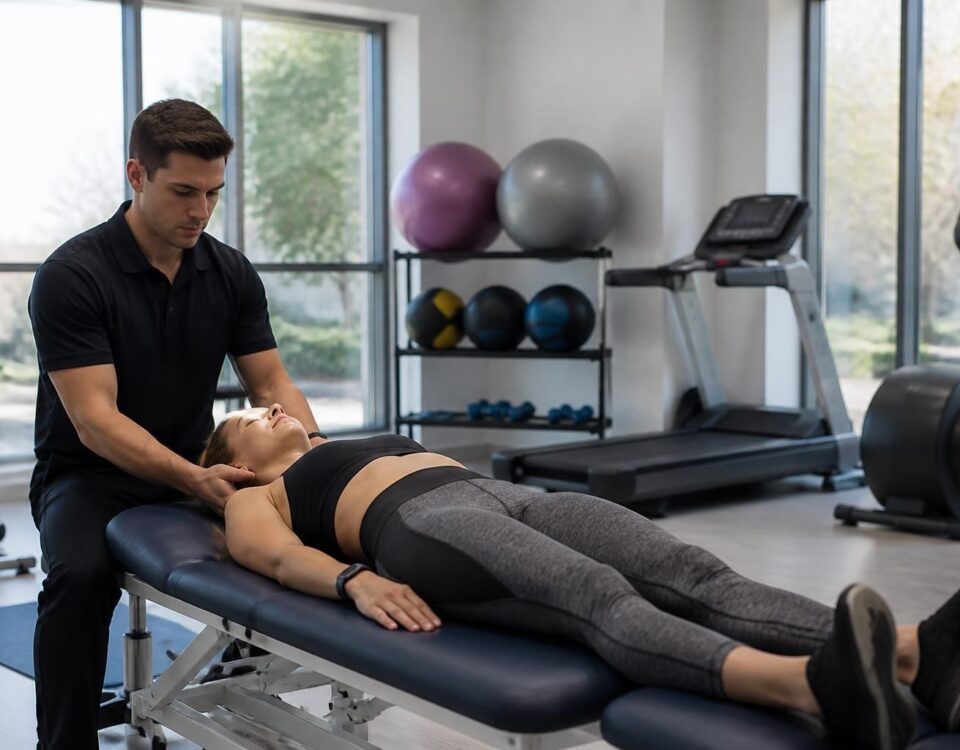
How neurovertebral decompression improves vertebral alignment
26/06/2026
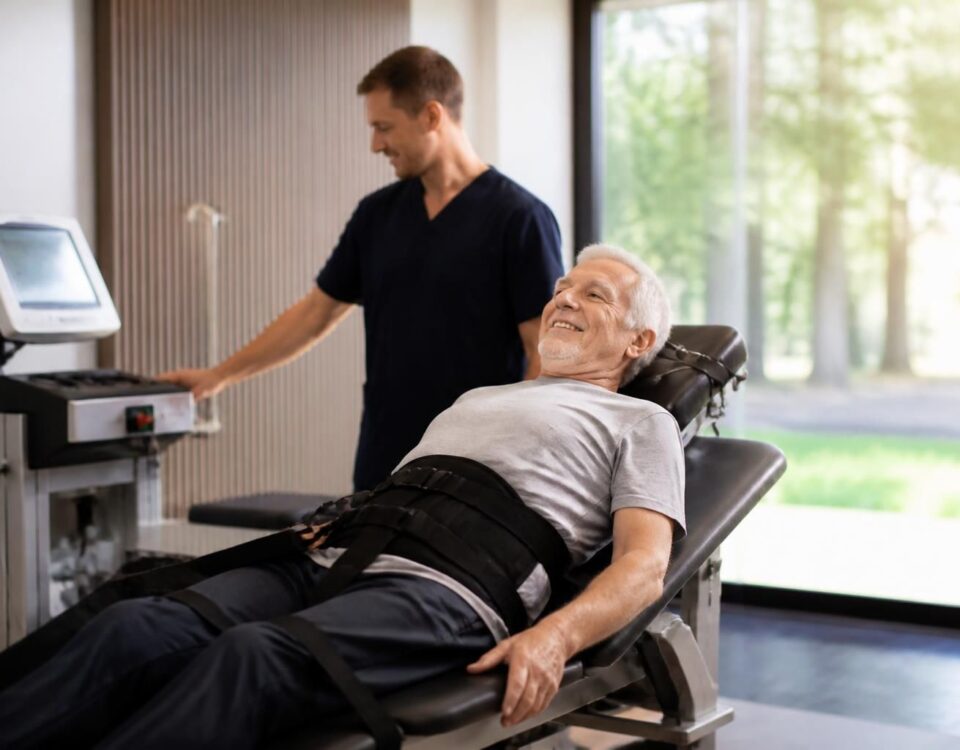
Why neurovertebral decompression is a safe choice for seniors
26/06/2026
In short
| In short, the neurovertebral decompression is a method non-invasive aimed at reducing the pressure on Intervertebral discs and the gristle of the cervical region. Its main advantages include Quick relief chronic cervical pain,Improving mobility and the Prevention of recurrences, without the use of drugs. How does it work? It’s a Controlled traction which creates a space between the vertebrae, promoting circulation and tissue regeneration. In Montreal, this service is particularly recommended for persistent cervical pain and irradiating symptoms, as part of a multidisciplinary program. |
The neurovertebral decompression is one Non-invasive method intended to relieve neck pain and prevent their recurrence.
By reducing the pressure on the Intervertebral discs and the gristle, it promotes blood circulation and tissue regeneration, contributing to a faster return to mobility.
This approach is part of a Prevention of chronic cervical pain In addition to a program including Targeted exercises and an posture suitable for everyday life.
of Regular sessions and one Professional follow-up allow you to get a Sustainable relief and limit recurrences.
To optimize the results, combine it with a Adapted physical activity, of Stretching and strengthening exercises, and techniques of stress management.
This article, written by an expert health professional, presents the neurovertebral decompression as an effective approach for Prevention of chronic cervical pain. He explains the principle, the benefits and the integration of this technique into a global care plan. It also highlights reliable resources and essential considerations for patients and professionals.
The neurovertebral decompression is a method non-invasive which aims to reduce the pressure on Intervertebral discs and on the gristle of the cervical region. This pressure reduction improves local circulation and can promote tissue regeneration, thus helping to prevent recurrent cervical pain.
What is neurovertebral decompression?
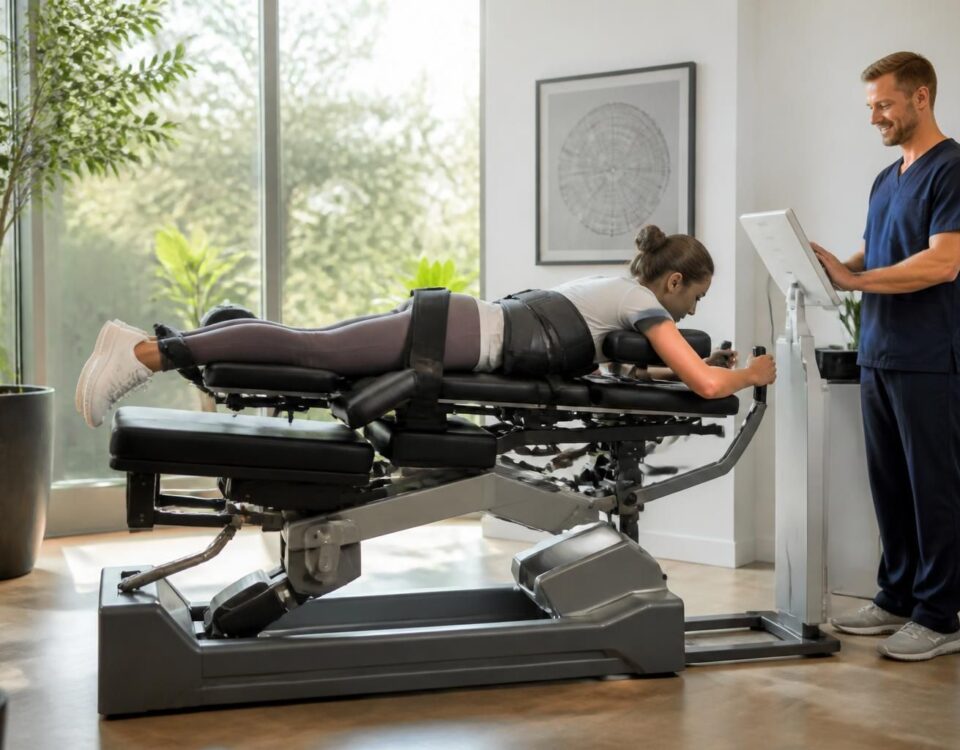
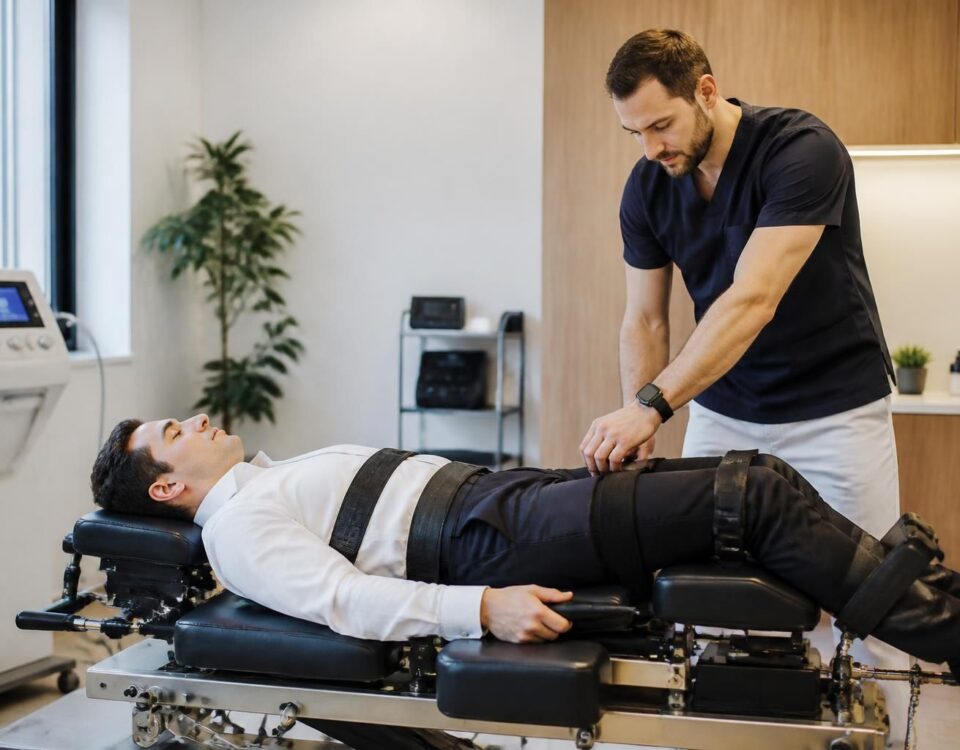
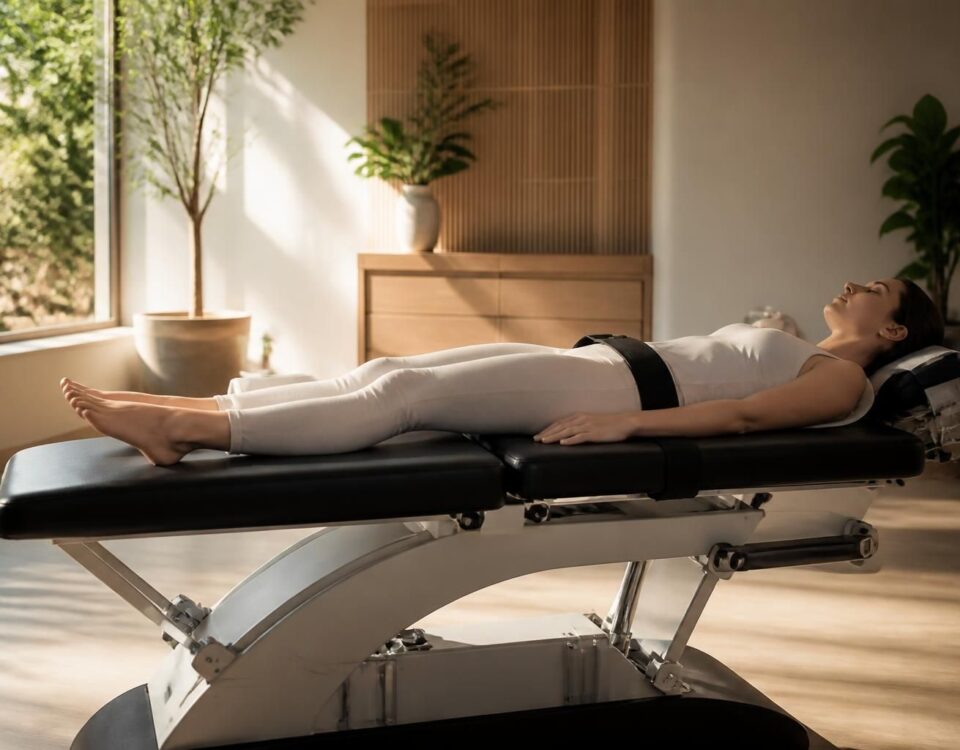
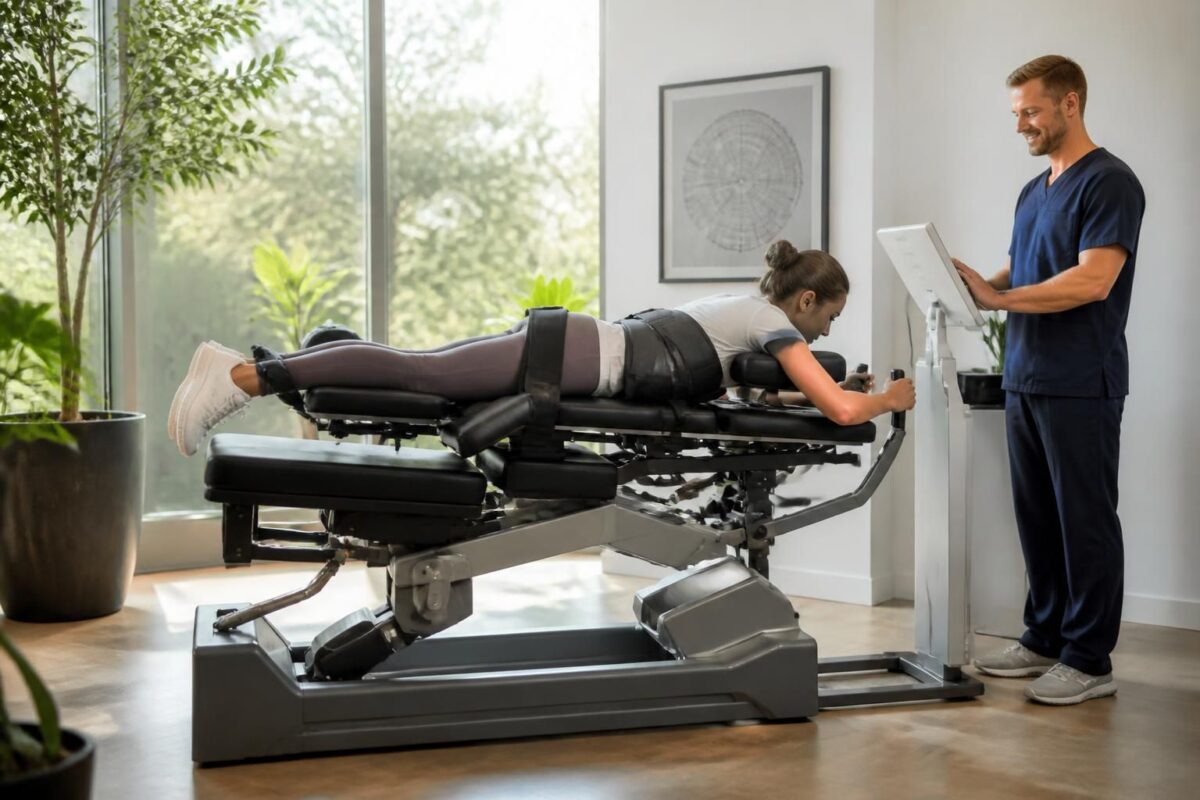
This is a technique that uses a decompression table to apply controlled traction to the cervical spine. This traction creates a space between the vertebrae. This decreases pressure on discs and nerves, while improving blood flow and tissue repair process.
Neurovertebral decompression is an approach advanced and non-invasive. It can be integrated into a multidisciplinary program aimed at preventing Chronic pain cervical and to promote a better quality of life.
How does this help prevent chronic cervical pain?
By reducing the pressure on the discs and nerves, decompression promotes better hydration and repositioning of the discs. This approach supports tissue regeneration and can reduce recurrent painful episodes. It is part of a preventive dynamic that includes regular professional monitoring and ergonomic measures on a daily basis.
For professionals, this method can be associated with an assessment of risk factors and overall prevention strategies. It is not intended to replace other therapies when indicated, but to complete a care course focused on cervical spine health.
Integration into a prevention program
Decompression fits ideally into a Multidisciplinary program of care. It is accompanied by postural evaluations and ergonomic advice for the workstation. Healthy lifestyle habits can also support the goal of preventing chronic cervical pain.
This approach aims to prevent the onset and recurrence of cervical pain, by promoting a more balanced spine and better tolerance to daily mechanical stress.
Things to consider before treatment
Before starting a decompression, a Professional assessment is recommended to determine the adequacy of the therapy to your condition. The consultation makes it possible to specify the objectives, the frequency of the sessions and the integration with other methods of care available in your local clinic.
Additional resources and information can be viewed via specialized sources, such as sossciatica.com and decompressionneurovertebrale.com. You can also explore TagMed-related content on Cliniquetagmed.com.
To better understand the overall prevention framework and mechanisms, you can consult additional resources such as How decompression improves disc function and the reference guides available on Advanced Protocols.
Resources and useful links
To explore further, the following pages provide additional information and clinical perspectives. These resources remain information tools and do not replace a personalized medical consultation.
Neurovertebral decompression and prevention of chronic cervical pain — Professional file.
Neurovertebral decompression and post-traumatic recovery — sossciatica.com.
Useful links
Resources associated with prevention and non-invasive therapy.
TagMed Resources and Dedicated Articles: tagmed.
Other relevant references: Prevention of invasive surgeries, Complete guide.
For more information, discussions and clinical cases, visit the resources mentioned above and make sure to discuss your situation with your healthcare professional.
Medical Disclaimer: The information and advice provided on this site does not replace the health professional’s diagnosis or treatment. Please note that Dr. Sylvain Desforges osteopath is neither a doctor of medicine nor a doctor, and is not a specialist in a medical specialty as defined by the Collège des Médecins du Québec. Manual medicine, functional medicine and sports medicine as described on this site exclude any medical treatment or diagnosis made by a doctor or specialist doctor. Always consult your doctor for any medical questions. For more details, please read our full legal notice.
- neurovertebral decompression : non-invasive, controlled traction of the cervical spine.
- Earnings : pain decreased, mobility found, regeneration Tissue.
- directions : chronic cervical pain, cervical disc herniation, radiculopathy.
- Mechanism : reduction of pressure on the records and the gristle.
- Posture and ergonomics : Neutral posture, Height screen Eyes.
- Drill : Neck stretches, Shoulder reinforcement.
- Physical activity : yoga, swimming, neck mobility.
- stress management : breathing, relaxation.

The neurovertebral decompression is an approach non-invasive which aims to reduce the pressure on the intervertebral discs and nerves in the cervical region. This article offers practical recommendations for preventing chronic cervical pain by combining this method with ergonomic measures, targeted exercises and lifestyle habits conducive to spinal health. The objective is to help prevent the onset and recurrence of pain, while promoting long-lasting posture and optimized mobility.
What is neurovertebral decompression and why it is useful
Neurovertebral decompression uses controlled movements and supports to create a space between the cervical vertebrae. this approach reduces the pressure exerted on the Intervertebral discs and the gristle, improves the bloodstream local and promotes the tissue regeneration. In practice, it is part of a preventive logic, because better hydraulicity of the discs and an adequate alignment of the vertebrae support mobility and limit painful episodes. This method is particularly suitable for those who suffer from chronic cervical pain and who want to avoid drug or invasive treatments.
The long-term benefits of neurovertebral decompression for spinal health
In short In short, the neurovertebral decompression is a non-invasive approach that decreases the Pressure on intervertebral discs and nerves, favoring the Natural regeneration and tissue recovery. Its long-term benefits include Lasting pain reduction, Improving mobility and from the posture,…

Neurovertebral decompression and mobility: a return to an active life
In short In short, the neurovertebral decompression is therapy non-invasive who uses a gentle traction To create a space between the vertebrae and reduce the pressure on the Intervertebral discs and the nerves. It promotes a bloodstream improved, lowers tension…
how it acts on the cervical spine and the pain
The central mechanism is based on a Controlled traction which gradually increases the space between the vertebrae. This action reduces pressure on discs and nerve roots, which quickly relieves discomfort and facilitates tissue recovery. In addition, decompression promotes better circulation and hydration of the disc structures, which helps prevent recurrent aggravation and pain. Integrated into a care program, it can be associated with other manual approaches to optimize results while remaining an option non-invasive.
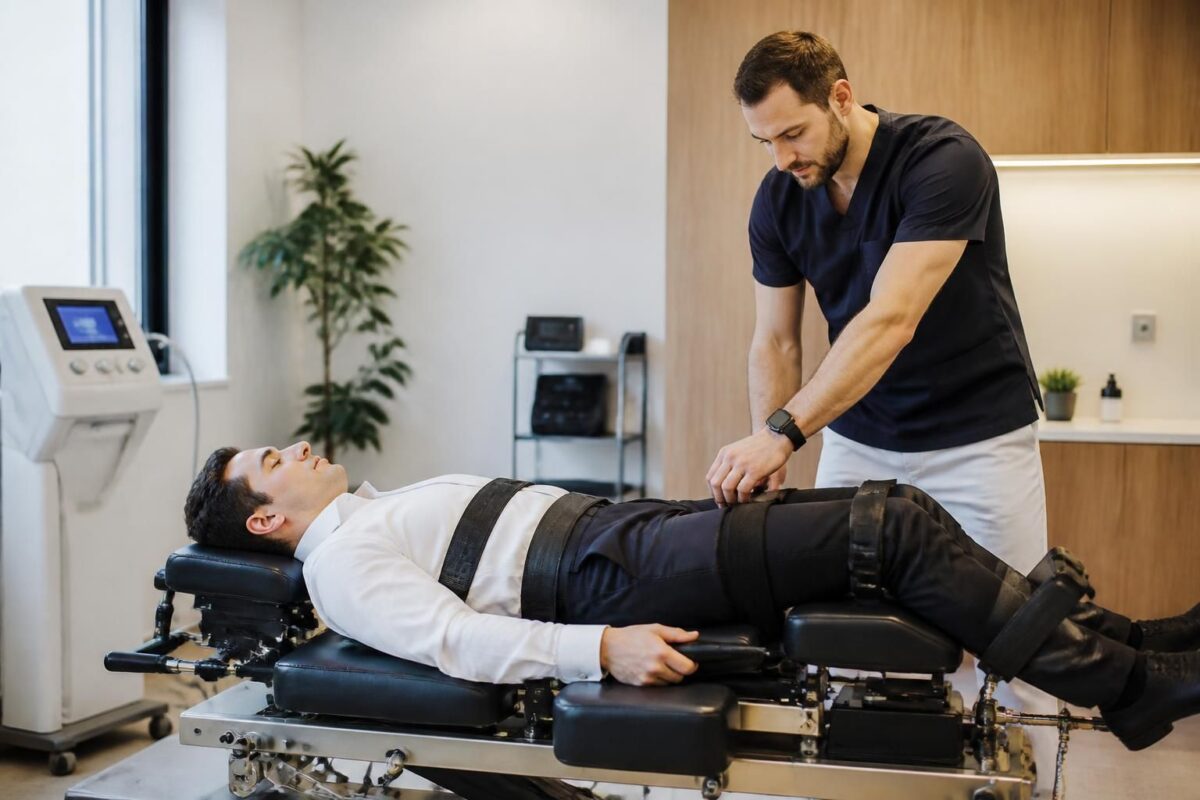
How Neurovertebral Decompression Prevents Diffuse Chronic Pain
In short decompression neurovertebral is one Non-invasive method aimed at reducing the Pressure on the intervertebral discs and the nerves, in order to prevent Diffuse chronic pain. It improves the circulation and thedisc hydration, decreases inflammation and promotes better mobility.…
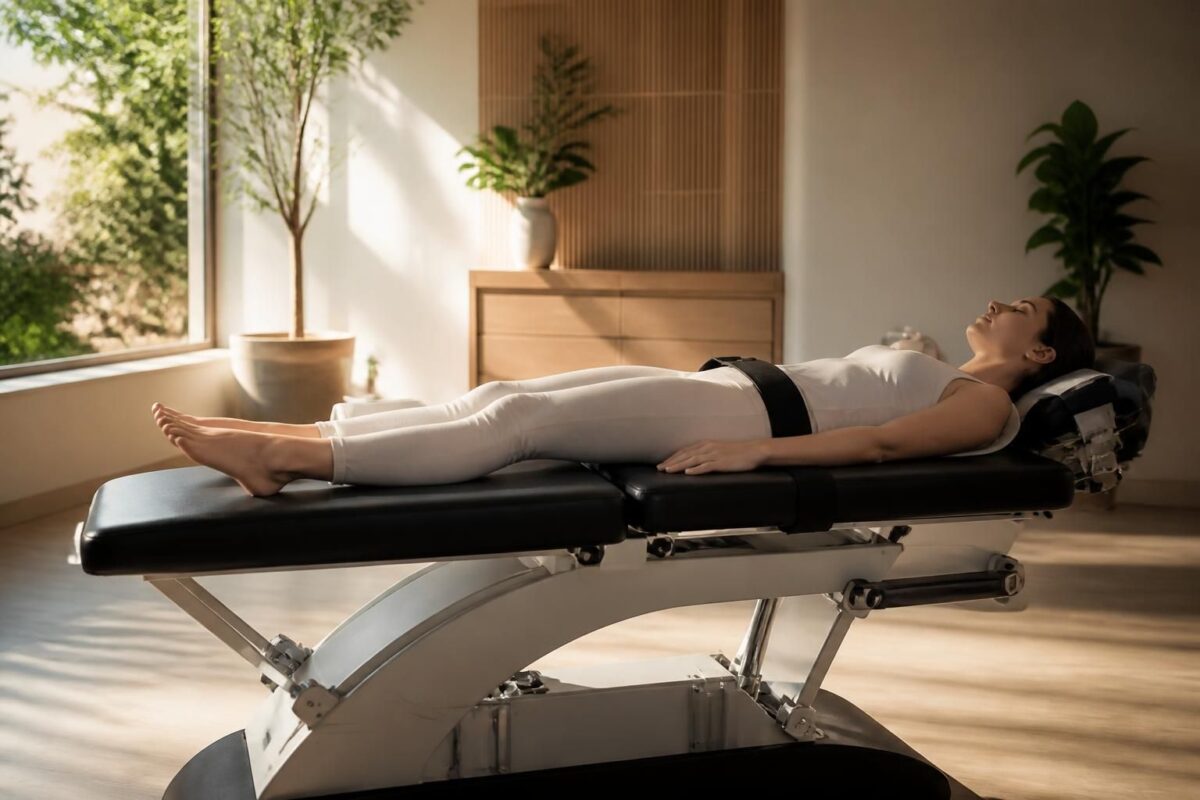
Neurovertebral Decompression and Body Alignment: Restoring Natural Balance
In short In short, neurovertebral decompression is one Non-invasive approach who restores theBody Alignment and thenatural balance back and neck. She acts by a Controlled traction of the spine to widen the intervertebral space and reduce the Pressure on discs…
Prevention of chronic cervical pain
To sustainably prevent cervical pain, adopt a global strategy that combines posture, ergonomy and adapted physical activity. Maintain a neutral position during daily and professional activities, favoring an ergonomic chair and a screen at eye level. Regular exercise program: reinforcement and flexibility of the neck and shoulders, with dedicated sessions a few times a week. Practices like gentle stretching, yoga, or pilates can improve flexibility and reduce muscle tension, especially after long periods in front of a screen. Stress management and breathing techniques also help to limit muscle tension and promote better recovery. Finally, ensure adequate hydration and quality sleep, which support tissue health and spinal alignment.
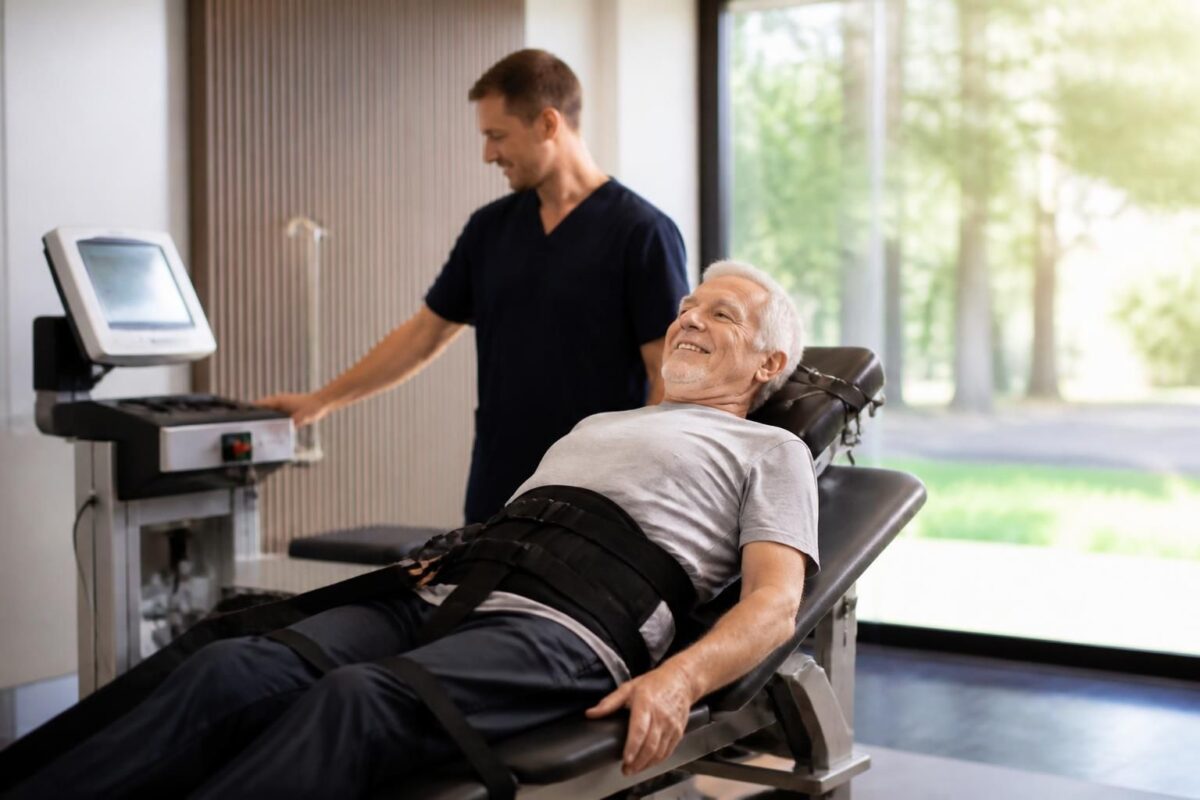
Why neurovertebral decompression is a lasting solution for active seniors
In short In short, the neurovertebral decompression is one Non-invasive therapy which sustainably relieves spinal pain in the spine active seniors By creating, by a Soft and controlled traction, a space between the vertebrae. At Montreal, it is recognized as…
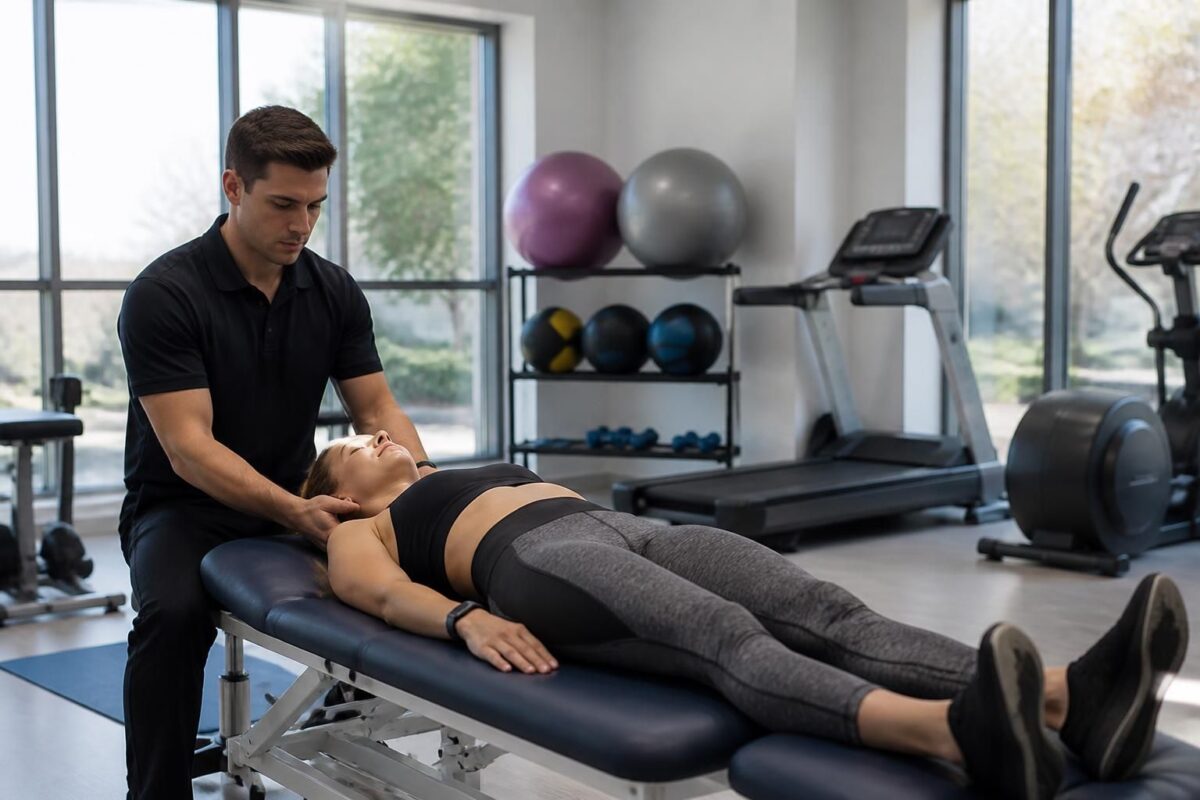
Neurovertebral decompression and recovery after severe sports injury
In short In short, the neurovertebral decompression is one Non-invasive method to Relieve the pressure on the Intervertebral discs and the gristle Via a Controlled traction, to facilitate the recovery After a severe sports injury. It improves the bloodstream towards…
Integration into a care program
To achieve long-lasting results, neurovertebral decompression must be part of a Multidisciplinary program personalized. It begins with a thorough clinical evaluation and the definition of realistic goals. Frequency of sessions and duration of treatment are adjusted according to the course and symptoms.
Individualized treatment plan
The plan will offer adapted decompression sessions, supplemented by therapeutic exercises and postural advice. The objective is to create a lasting balance between muscle relaxation, joint mobility and recurrence prevention.
Monitoring and adjustments
Regular monitoring allows for progress to be assessed and the plan adjusted. Periodic reassessments help target the underlying causes and prevent pain returns through preventive measures that are appropriate for your lifestyle and your professional or sporting activities.
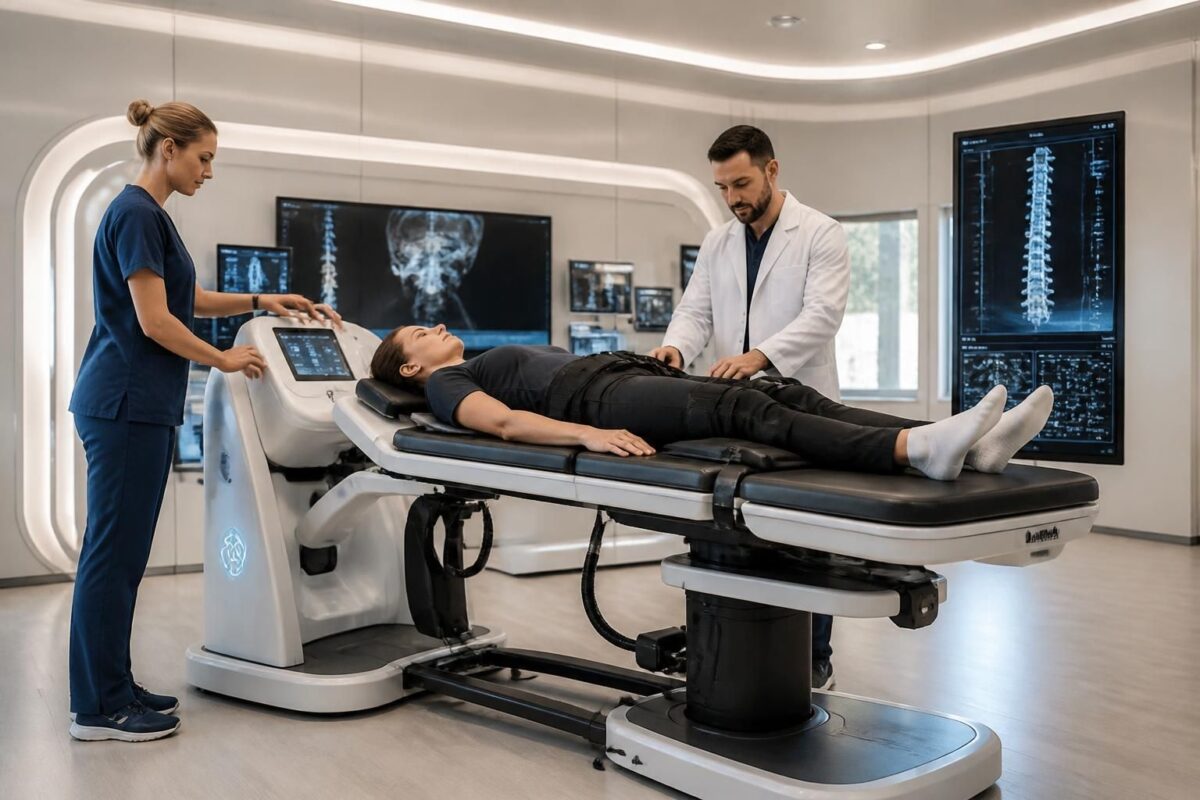
Recent innovations in neurovertebral decompression technologies
In short In short, the neurovertebral decompression is an approach non-invasive Aiming to reduce pressure on discs and nerves, and promote tissue regeneration. At Montreal, it is positioned as an effective option for lower back pain and herniated discs. The…
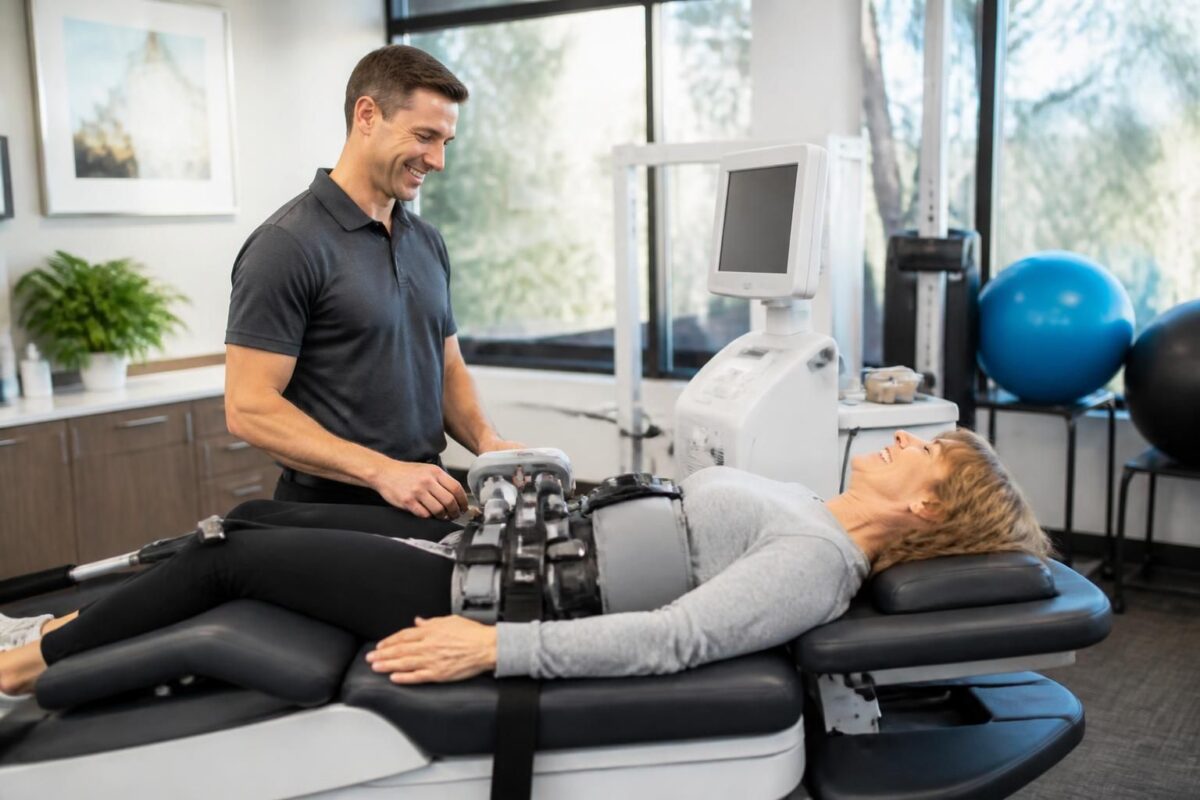
Neurovertebral decompression and diffuse pain: an appropriate solution
In short In short, the neurovertebral decompression is one Non-invasive solution For diffuse pain related to nerve irritation of the spine. She acts in Reducing pressure on intervertebral discs and nerves and improving the bloodstream, which promotes recovery and the…
Practical advice for active people
Integrate active micro-breaks into your day, alternate between work phases and cervical stretching, and favor activities that strengthen the neck and shoulder girdle. Promote relaxation and breathing techniques to reduce harmful noise and tension. Adopting a consistent, consistent routine for your schedule will make it easier to maintain a healthy neck and a functional cervical spine over the long term.
| Aspect | key elements |
|---|---|
| Definition | Technical non-invasive Aiming to reduce pressure on discs and cervical nerves to relieve pain and improve mobility. |
| Mechanism | Controlled traction on the cervical spine to create a space between the vertebrae, improving the circulation and the regeneration fabrics. |
| directions | cervical disc hernias, chronic pain and radiculopathies, with an alternative non-surgical. |
| Earnings | Relief quick, improvement of the mobility, and effect preventive limiting recurrences. |
| Prevention | Combine postural exercises and ergonomics to prevent recurrences and support treatment. Posture and ergonomy on a daily basis. |
| Clinical integration | Integrated into a Multidisciplinary program, with coordination between osteopathy, physiotherapy and medical follow-up. |
| Sessions and follow-up | Typical duration 15–30 minutes; Custom Plan To adjust the treatment and evaluate the progress. |
| precautions | Consult a health professional first; This does not replace medical advice and monitor Nervous signs requiring support. |
Testimonials on neurovertebral decompression and chronic neck pain prevention
“Above all, my neck pain slowed me down at work and in my sports activities. After a few sessions of neurovertebral decompression, I reduced the pain and found a mobility which allows me to get up every morning with more serenity. This approach non-invasive acts directly on the discs and nerves, and represents a key step in my prevention future pain. »
“As a professional often on the go, the cervical pain had become my companion. Since my journey with the neurovertebral decompression, my neck pain decreased and my posture improved. I am convinced that this method contributes sustainably to the prevention recurrences without the use of drugs. »
“I spend long hours in front of a screen and the stiffness of the neck handicapped me on a daily basis. After the treatment, I noted a best posture and an prevention effective recurrent pain. It’s a solution natural which helps me to remain active and serene. »
“As part of my sporting activity, cervical tensions slowed down my performance. The neurovertebral decompression gave me a recovery faster and a mobility found, while protecting my spine against future pain. It’s an approach preventive which deserves to be known to athletes. »
“As a teacher, neck pain affected my fatigue and comfort during class. I found a pain reduction and an Better quality of life After a few sessions. this method non-invasive fits perfectly into a process of prevention neck pain. »
“For me who am active all week, the Prevention of neck pain is essential. The neurovertebral decompression Keep my spine healthy, with short and effective sessions that help me preserve my mobility and confidence in my professional and personal movements. »
The neurovertebral decompression is a non-invasive therapeutic approach that aims to release the pressure exerted on the intervertebral discs and nerves in the cervical region. By creating a dynamic space between the vertebrae, this method offers an effective way to relieve chronic pain and promote a gradual return to an active life. It is part of an approach focused on scientific evidence and individualization of care, in order to obtain lasting results for each patient.
The mechanism is based on the application of controlled traction using specialized equipment, designed to gently stretch the cervical spine and rebalance the affected spinal segments. This traction promotes the rehydration and repositioning of discs, reduces compression on nerve roots and improves the body’s natural ability to regenerate injured tissue. The process, which is not very invasive, can be adapted according to the level of pain, mobility and antecedents of each, guaranteeing a safe and personalized progression.
The clinical effects of decompression are not limited to immediate relief. By improving the intervertebral space and local blood circulation, it acts as a catalyst for the recovery of nervous and muscular tissues, while helping to reduce associated tensions. This approach also acts on the prevention of cervical pain by tackling the underlying mechanical causes, rather than masking the symptoms through temporary treatments. Thus, it naturally integrates into a global program dedicated to the prevention and management of long-term pain.
From a preventive perspective, decompression is associated with essential complementary practices. Postural education, workstation ergonomics and the integration of targeted physical exercises play a crucial role. Simple routines of stretching and strengthening of the neck and shoulders, combined with daily habits favoring a neutral posture, make it possible to maintain the gains obtained by decompression and to limit recurrences. Stress management and lifestyle factors, such as hydration and sleep, also enhance long-term benefits.
Within a multidisciplinary clinical setting, neurovertebral decompression is often proposed as a key component in the treatment of chronic cervical pain. It can be coupled with other manual therapies and postural rehabilitation programs, in order to address both symptoms and root causes. Regular monitoring with a professional makes it possible to adjust the protocols, assess progress and strengthen the preventive strategies put in place.
Patients frequently describe a significant decrease in pain and improved mobility after the first few weeks of treatment. Beyond relief, it is the ability to resume daily and sporting activities that illustrates the effectiveness of this approach in the prevention of cervical pain and overall quality of life.
This conclusion summarizes the impact of the neurovertebral decompression on the Chronic cervical pain And highlights non-invasive mechanisms, expected results and essential prevention strategies to preserve spine health on a daily basis.
The neurovertebral decompression Mainly acts by reducing the pressure exerted on the intervertebral discs and cervical nerves, thus promoting better bloodstream and an Tissue regeneration local. His character non-invasive In fact an attractive option to quickly relieve pain and improve mobility, while avoiding the side effects of drug treatments. This approach is part of a long-term prevention logic, in addition to a care program including adapted exercises and improvement of posture.
To optimize benefits, it is recommended to integrate decompression into a multidisciplinary plan that promotes prevention neck pain. This involves in particular regular exercises targeting the neck and trapezoids, a ergonomy adapted to the work and the practices of stress management to limit muscle tension. By combining these elements, prevention becomes active and personal, reducing the risk of recurrence and prolonging the beneficial effects of decompression.
Clinically, personalized evaluation and regular follow-up are key. The procedure may be associated with other manual therapies or rehabilitation protocols, in order to target the underlying causes and adjust the treatment according to the evolution of the patient’s condition. For those looking for a natural and sustainable solution, decompression can be an effective way to prevent the installation of chronic pain and facilitate the return to an active and ergonomic life.
Additional resources and testimonies point out that improvements can be significant, with a decrease in pain and a better quality of life. To learn more about practical mechanisms and applications, you can view specialized information such as analyzes on decompression action on cervical herniated discs and overall spinal health support.
In summary, neurovertebral decompression offers an approach natural and preventive For chronic cervical pain. By combining regular sessions, favorable posture, targeted exercises and professional follow-up, it helps to maintain a healthy spine and to prevent the onset or recurrence of symptoms.
To further the mechanisms and results, see for example the following resources: How decompression affects cervical herniated discs, Column overall health support, and Global support.

Dr Sylvain Desforges, B.Sc., D.O., N.D., osteopath, is the founding president of TAGMED and of the ACMA association. He dedicates his practice to chronic spinal pain, low back pain and symptoms compatible with sciatica, particularly when pain radiates toward the buttock, leg, calf, foot or toes.
Through SOS Sciatique, he publishes educational content on sciatica symptoms, possible causes such as disc herniation, disc narrowing, foraminal stenosis or irritation of a lumbar nerve root, as well as non-surgical approaches that may be considered according to the evaluation. At Clinique TAGMED, care may include, depending on the case, motorized neurovertebral decompression, specific osteopathic care or precision percussion.
For an evaluation related to sciatica treatment in Montreal / Mount Royal or sciatica treatment in Terrebonne, please consult the services available at Clinique TAGMED.
Medical disclaimer
The information published on SOS Sciatique is provided for educational purposes only and does not replace a consultation, diagnosis, opinion or treatment provided by a physician or another authorized healthcare professional. The author of this article is neither a medical doctor nor a specialist in a medical specialty recognized by the Collège des médecins du Québec. The osteopathic, manual medicine or functional support approaches described on this site do not constitute medical acts and are not intended to replace medical follow-up.
Consult a physician or emergency service in cases of loss of bladder or bowel control, anesthesia in the saddle area, significant or progressive weakness in the leg or foot, fever, recent trauma, severe pain or rapid worsening of symptoms. For more details, please read our Legal Notice.