Why neurovertebral decompression is a natural solution for acute pain
26/06/2026
Advanced protocols for patients with neurovertebral decompression
26/06/2026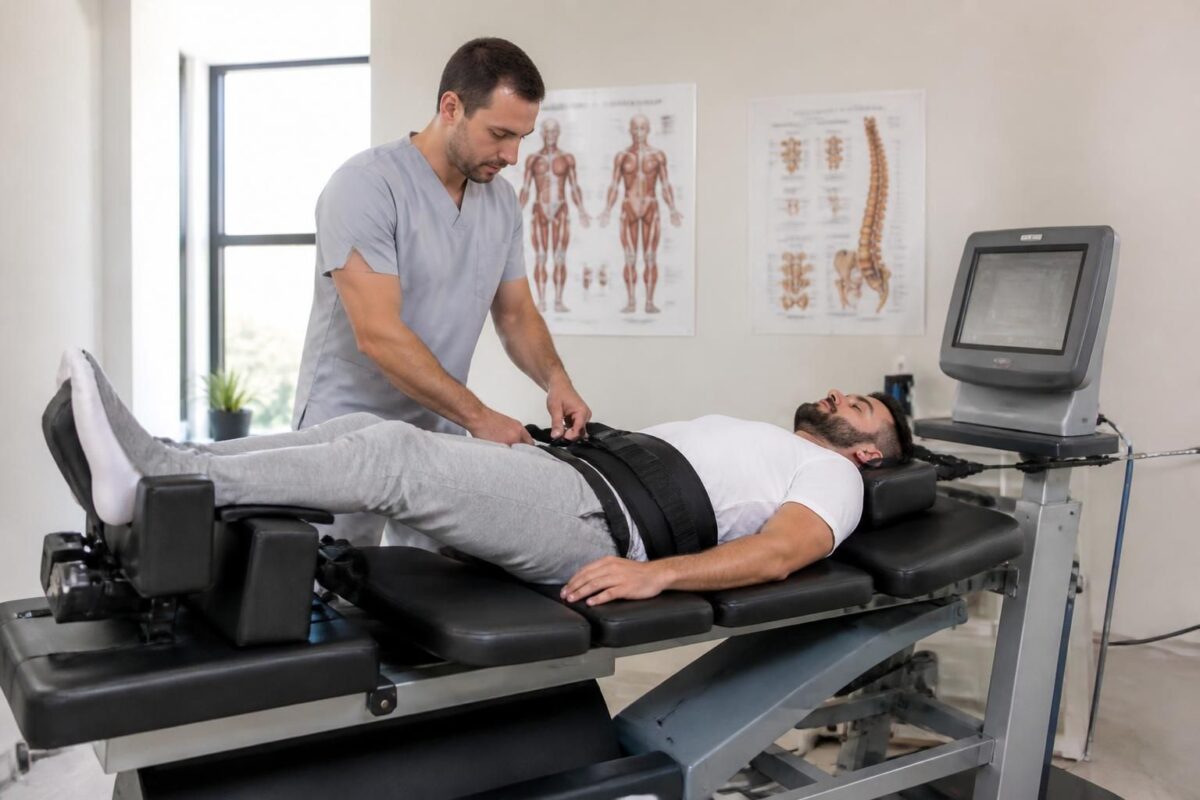
In short
| In short, the neurovertebral decompression is one Non-invasive technique to Reduce pressure on intervertebral discs and nerves. It promotes the Tissue regeneration and the Prevention of disc complications such as The disc herniation, The disc bulge and the disc degeneration. Advantages: Quick relief, better mobility and Prevention of recurrences without surgery. In Montreal, this service is particularly recommended for lower back and cervical pain related to disc disorders. operation: a Controlled traction Creates a space between the vertebrae, improving circulation and promoting tissue healing. |
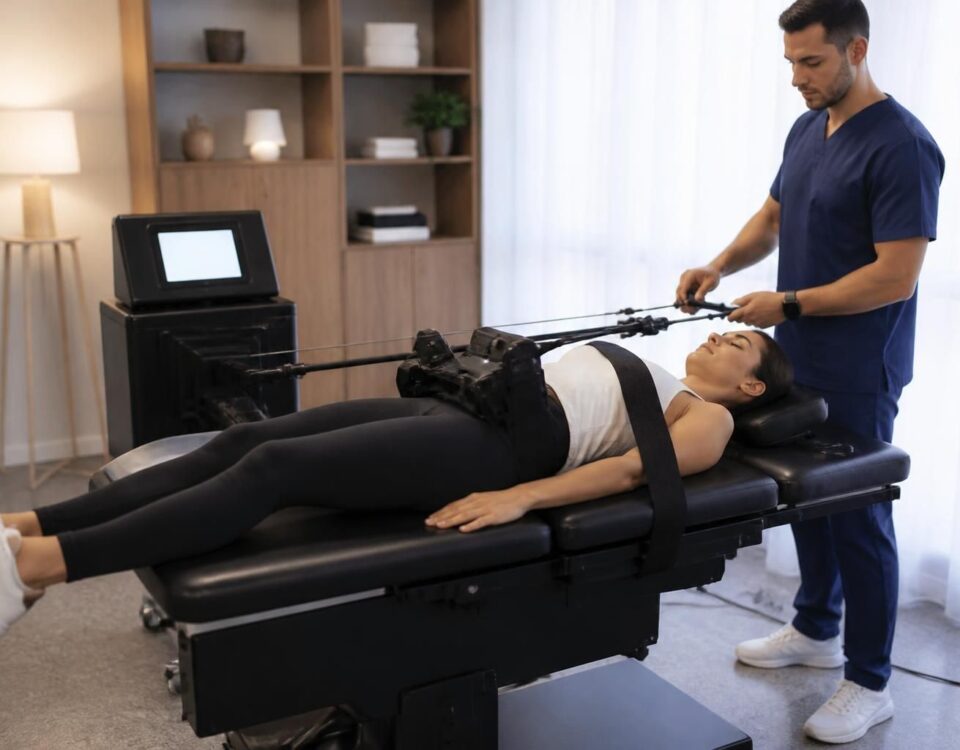
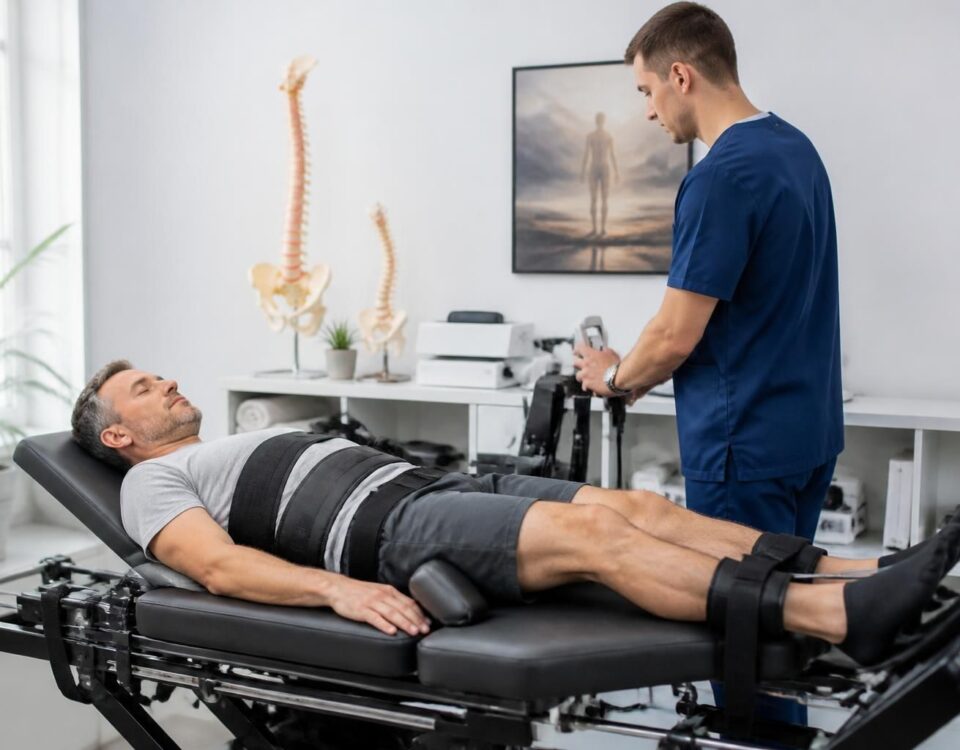
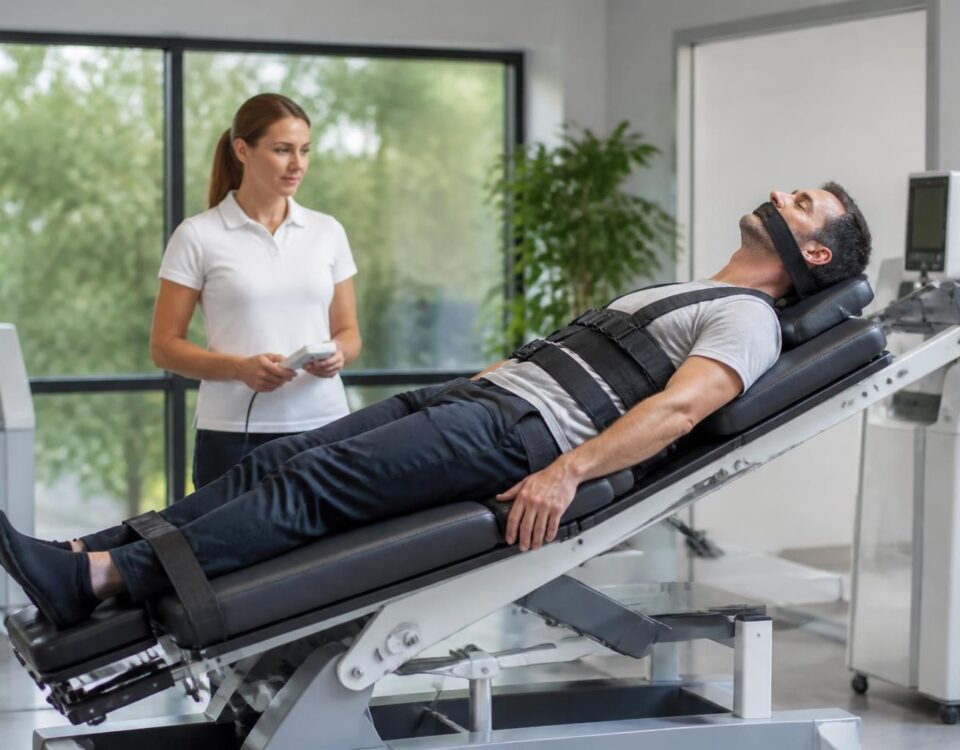
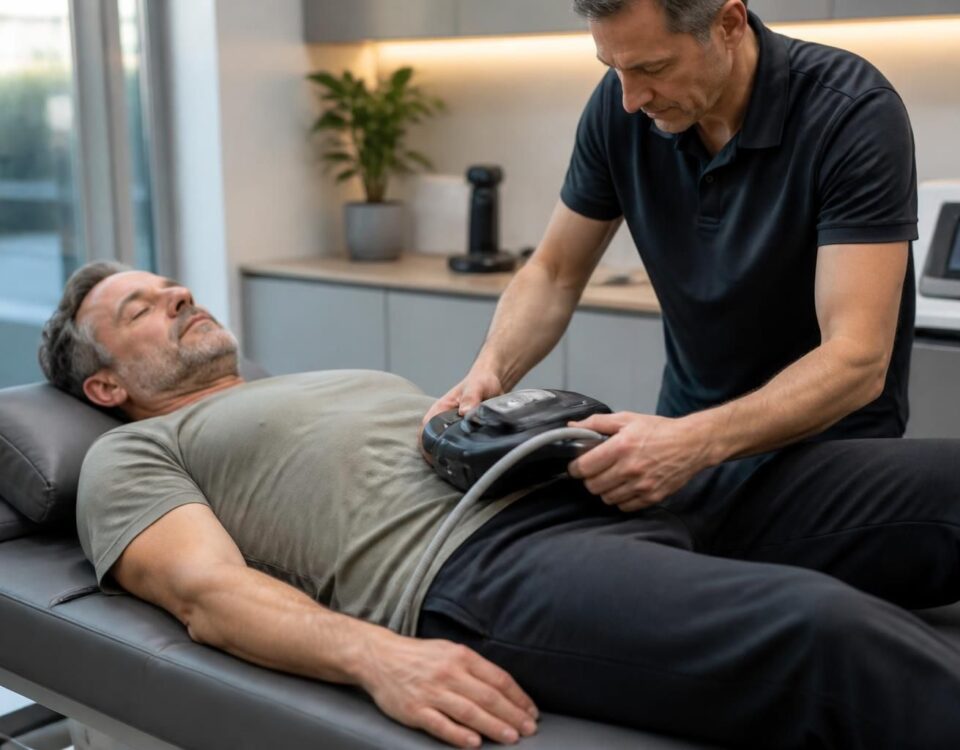
The neurovertebral decompression is an approach non-invasive who uses a gentle traction To create a space between the vertebrae and decrease the pressure on the discs and nerves. This mechanism promotes the Tissue regeneration and improves the bloodstream in the area concerned.
For the Prevention of disc complications, she integrates with a care program including posture, theergonomy, adapted exercises and a Regular follow-up. The objective is to prevent recurrences and problems such as herniated discs, bulges and neuropathic pain, while reducing the risk of surgery.
Typical benefits include a Quick relief and an Improving mobility, offering an effective and sustainable alternative to preserve the quality of life without surgery.
Quick Summary: This article presents the neurovertebral decompression as an approach non-invasive for the Prevention of disc complications. It describes the mechanism, clinical results and essential elements of prevention. The objective is to propose an effective and safe solution to reduce recurrences and improve the quality of life of patients.
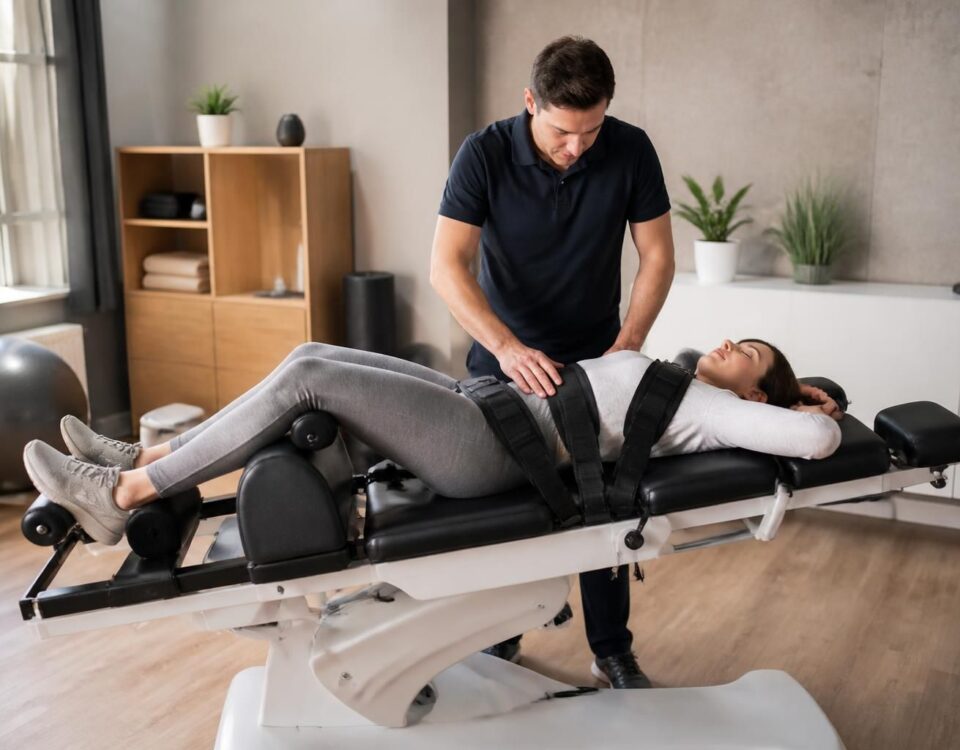
The neurovertebral decompression Applies a Controlled traction on the spine to create a space between the vertebrae. this space reduces the pressure exerted on the Intervertebral discs and on the nerves. This pressure reduction facilitates tissue regeneration and improves local circulation. The treatment is non-invasive and aims to prevent surgical interventions when the pain comes from disc ailments such as a slipped disc, protrusion or disc degeneration.
Principles and mechanism
The traction is applied in a progressive and controlled way. It creates a retract between the vertebrae and releases the load on the discs. This can promote the retraction of the disc elements and reduce nerve irritations. Clinical data shows that a significant proportion of patients experience relief after several sessions, which can reduce the risk of progression to more invasive treatments.
Efficacy and clinical results
Studies report that on average up to 71% Patients see improvement after several sessions. The results observed include decreased pain and improved functional mobility. This benefit is obtained without surgery and with a low risk profile.
Indications and limits
Typical indications include pain related to recurrent mechanical disorders of the spine and nerve compressions associated with disc herniations, bulges or disc degeneration. Treatment is considered when the symptoms do not require immediate surgery and when the clinical protocol is adapted by trained professionals. Like any intervention, contraindications exist and the choice must be made after evaluation by a qualified practitioner and within the framework of a recognized protocol, for example within TAGMED clinics. The training of professionals involved in this field comes in particular from the NUMSS, NAO or National University of Medical Sciences/National Academy of osteopathy. Relevant professional associations include ACMA, the College of Canadian Osteopaths and the College of Canadian Osteopaths.
Integration in the prevention of disc complications
To maximize results, neurovertebral decompression can be integrated into a multidisciplinary care program. This may include regular assessments and appropriate protocols, with monitoring and adjustments depending on the evolution of the patient’s condition. The objective is to prevent recurrences and to improve the spinal function in the long term. In this context, care can be supplemented by complementary technologies available in TagMed clinics and in centers dedicated to neurovertebral decompression, in compliance with clinical protocols and specific indications.
Non-pharmacological prevention elements
Prevention requires simple and effective measures, adapted to each patient. Ergonomics and posture At work and at home help reduce tension on the column. Advice covers the adoption of suitable workstations and safe lifting mechanisms. stress management and relaxation techniques help to reduce muscle tension and support the healing process. Regular consultations with health professionals make it possible to assess and adjust the prevention plan. Finally, patient education on good practices promotes sustainable prevention of pain and recurrence discs.
To learn more, you can consult the following resources
– Tagmed Clinic: Tagmed Clinic
– Neurovertebral decompression and prevention of complications: Neurovertebral decompression and prevention
– Analyzes and clinical cases related to discopathy and decompression: SOS Sciatica – Neurovertebral Decompression
The professionals involved in this field follow training courses recognized by NUMSS and NAO, or by the equivalent organizations National University of Medical Sciences and National Academy of Osteopathy. ACMA, the College of Canadian Osteopaths and the College of Canadian Osteopaths are the relevant professional associations in this field.
For more information on technologies and protocols, visit the following resources: neurovertebral decompression, Disc herniation and decompression, Tagmed Clinic.
Medical Disclaimer: The information and advice provided on this site does not replace the health professional’s diagnosis or treatment. Please note that Dr. Sylvain Desforges osteopath is neither a doctor of medicine nor a doctor, and is not a specialist in a medical specialty as defined by the Collège des Médecins du Québec. Manual medicine, functional medicine and sports medicine as described on this site exclude any medical treatment or diagnosis made by a doctor or specialist doctor. Always consult your doctor for any medical questions. For more details, please read our full legal notice.
Additional sources and resources:
Documentations and additional information on neurovertebral decompression and the prevention of disc complications can be found on partner sites such as sossciatica.com, sosherniediscale.com and clinicagmed.com.
Medical Disclaimer: The information and advice provided on this site does not replace the health professional’s diagnosis or treatment. Please note that Dr. Sylvain Desforges osteopath is neither a doctor of medicine nor a doctor, and is not a specialist in a medical specialty as defined by the Collège des Médecins du Québec. Manual medicine, functional medicine and sports medicine as described on this site exclude any medical treatment or diagnosis made by a doctor or specialist doctor. Always consult your doctor for any medical questions. For more details, please read our full legal notice.
Axis: Structured course combining therapeutic action and prevention of disc complications.
- Controlled traction To decrease the pressure on discs and nerves.
- Tissue regeneration and better local vascularization.
- Quick relief and improved mobility.
- directions: herniated disc, bulging and disc degeneration.
- non-invasive and avoid surgery.
- Regular checks to adapt the protocol.
- Prevention of recurrences through a global program (ergonomics and exercises).
- muscle building column support muscles.
- Postural education and practices at work and at home.
- Regular exercises and adapted activities (flexibility and stability).
- Professional follow-up to adjust the plan.
- stress management To reduce muscle tension and pain.

This recommendation presents good practices around the neurovertebral decompression as a non-invasive approach to prevent Disc complications. It explains the mechanisms, indications, integration into a care protocol and prevention measures to be adopted on a daily basis.
Role and objectives of neurovertebral decompression
The neurovertebral decompression Aims to relieve pain related to recurrent mechanical disorders by lowering pressure on the intervertebral discs and nerves. By promoting better blood circulation and tissue regeneration, it can reduce nerve irritation and reduce lower back and cervical pain without surgery. As part of a multidisciplinary plan, it contributes to preventing recurrences and restoring mobility.
Indications and expected results
Typical indications include herniated discs, disc bulges and disc degeneration, with a purpose of Lasting pain reduction and functional improvement. Clinical data indicates that a significant percentage of patients may experience Improvement of symptoms After several sessions. This approach is generally placed in a preventive and therapeutic strategy, rather than as the only treatment.
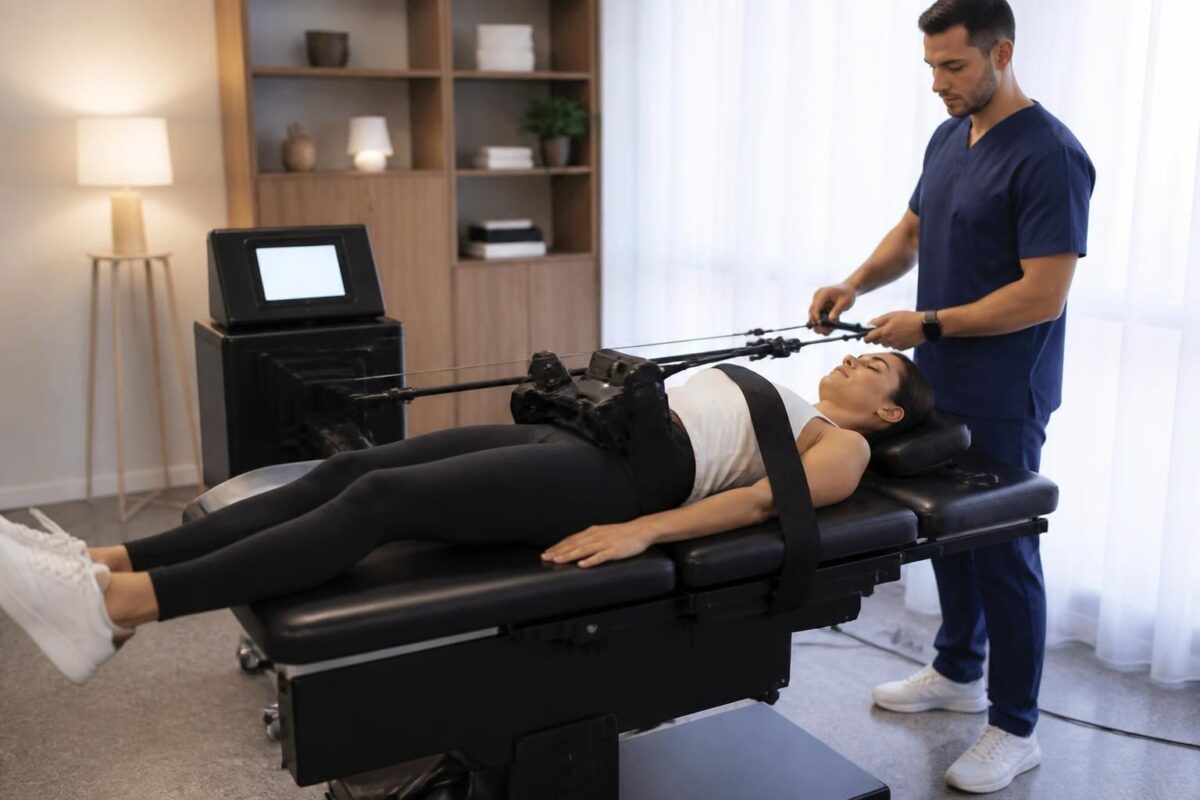
How neurovertebral decompression optimizes body alignment
In short In short, neurovertebral decompression is one Non-invasive therapy which aims to Reduce pressure on intervertebral discs and nerves via controlled traction of the spine. What does it bring? This makes it possible to correct the Postural imbalances and…
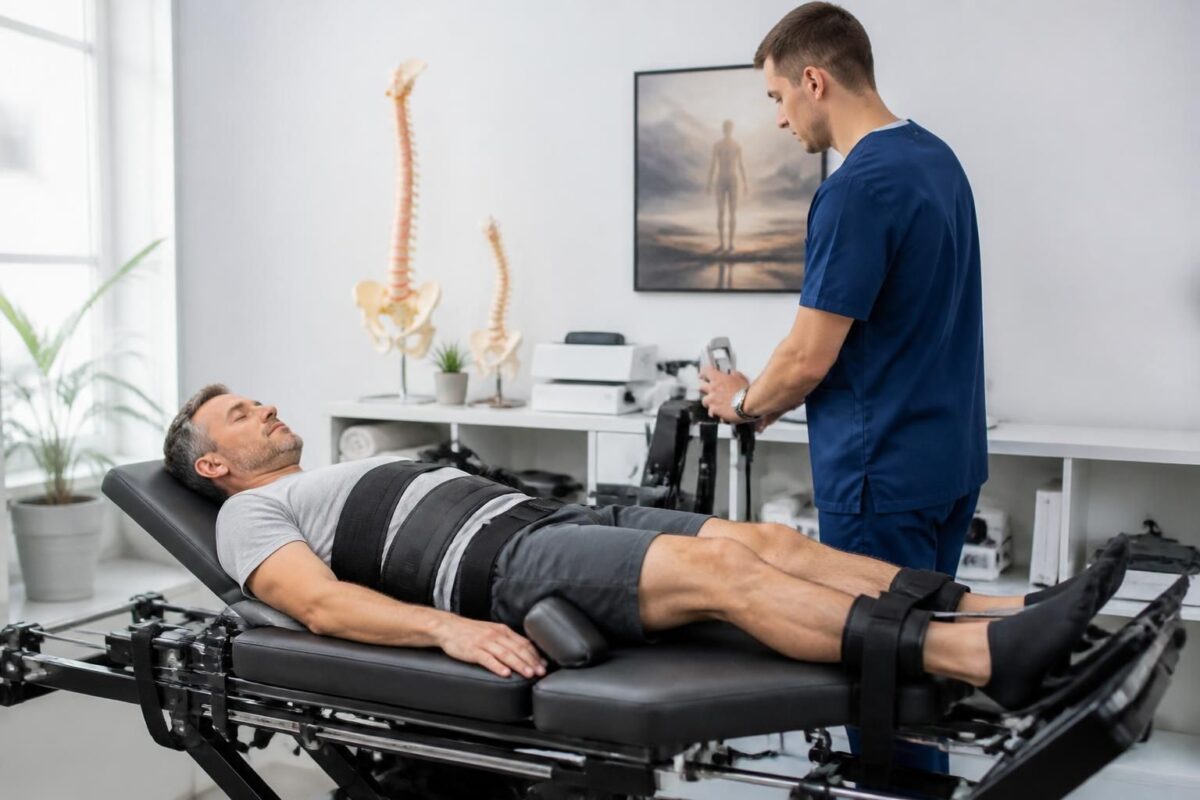
Neurovertebral decompression and post-traumatic pain management
In short In short, the neurovertebral decompression is one Non-invasive method which aims to reduce the pressure on gristle and the Intervertebral discs To treat pain post-traumatic and associated neuropathic pain. Its key advantages include theImproved flexibility of the column…
Mechanistic principles of decompression
The technique is based on a gentle traction which creates a space between the vertebrae, thus reducing the pressure on the discs and nerves. This effect facilitates the retraction of herniated discs and improves local blood supply, promoting Tissue regeneration and reducing inflammation. The objective is to achieve a gradual improvement in mobility and functionality, while minimizing the risks associated with invasive interventions.
Decompression can also contribute to better posture and reduction of muscle tension around the spine, which contributes to the prevention of recurrent mechanical disorders and satellite pain.
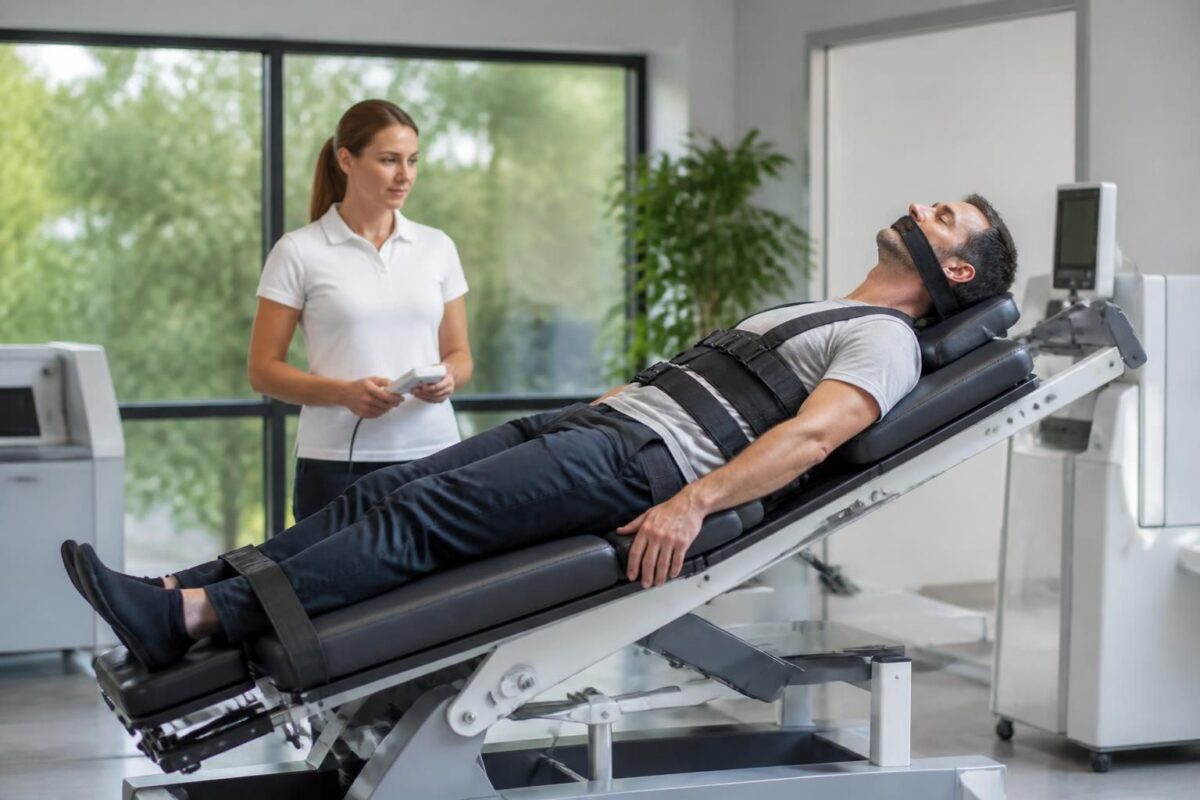
Why neurovertebral decompression is an essential preventive solution
In short In short, neurovertebral decompression is one Preventive solution non-invasive which aims to sustainably reduce the pressures on the discs and nerves. What is it? targeted therapy using Controlled traction on the column to create a Intra-discal vacuum, promote…
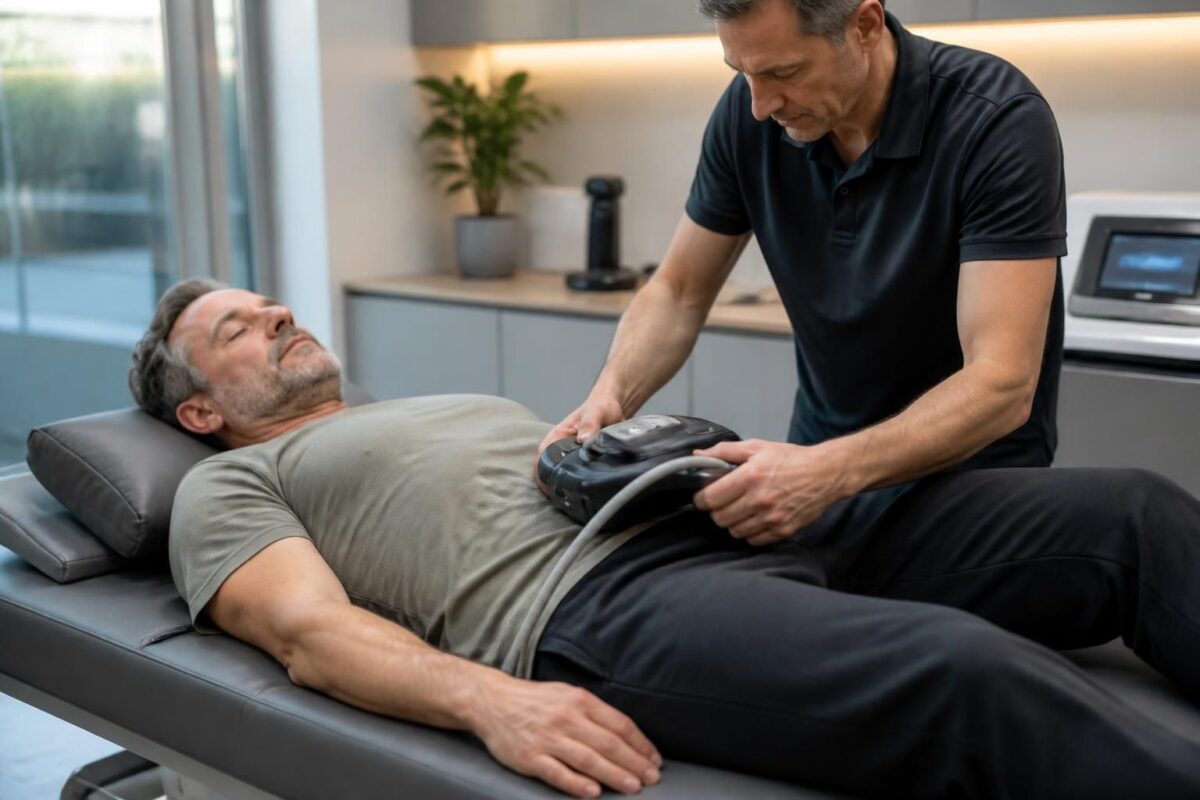
Neurovertebral decompression and treatment of chronic lumbar pain
In short In short, neurovertebral decompression is a technique non-invasive of Treatment of chronic lower back pain which reduces the Pressure on discs and nerves and can relieve the herniated discs and the disc degeneration. At Montreal, it offers a…
Integration into a disc complication prevention protocol
To optimize the results, decompression must be part of a personalized protocol, established after a complete evaluation. It is associated with manual therapies, strengthening and trunk stability exercises, as well as postural and ergonomic advice. A coherent program promotes continuity of benefits and helps prevent recurrences.
The protocol often includes an appropriate progression of the number and intensity of sessions, supplemented by home exercises targeted at the support muscles of the spine and flexibility of the spinal segments. Regular monitoring allows adjustment of traction parameters and incorporates other complementary approaches such as stimulation laser or joint mobility techniques when necessary.
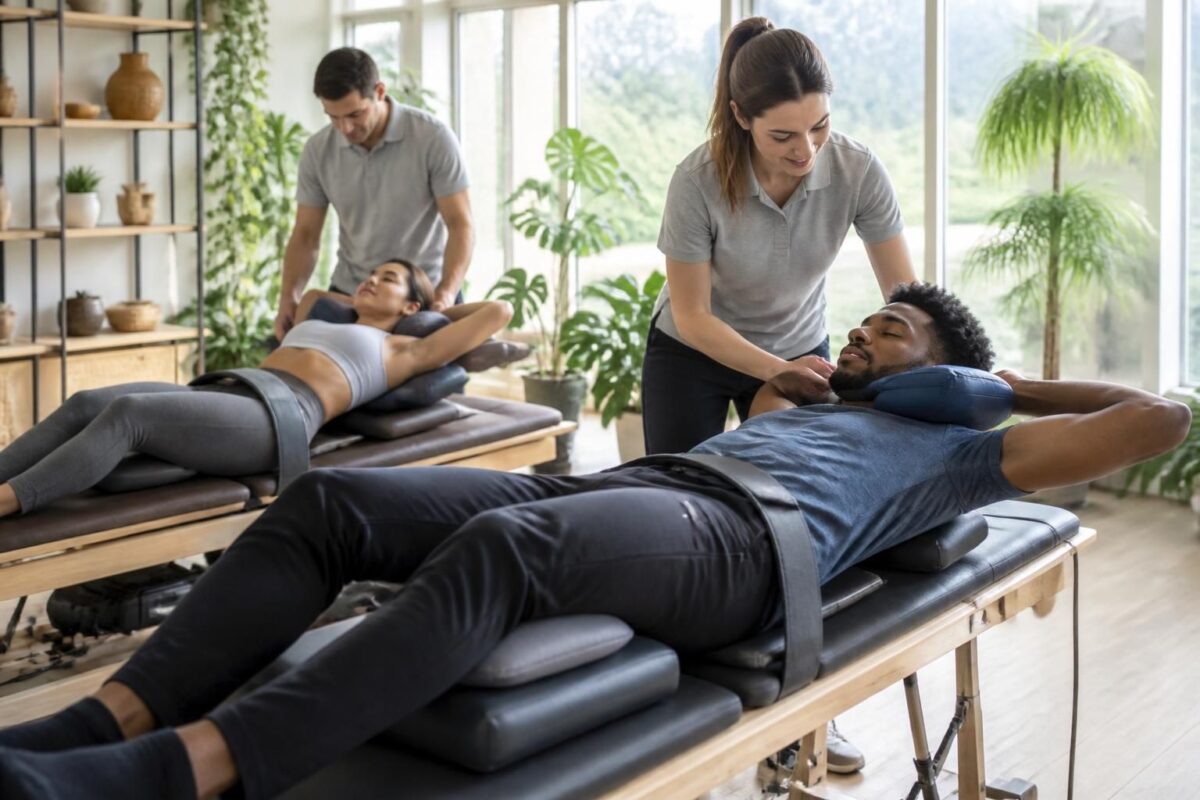
The physical and mental benefits of a neurovertebral decompression program
In short In short, the program of neurovertebral decompression is one Non-invasive approach which aims to underline the Chronic pain and improve the Physical and mental well-being. What is it? A technique that decreases pressure on discs and nerves to…
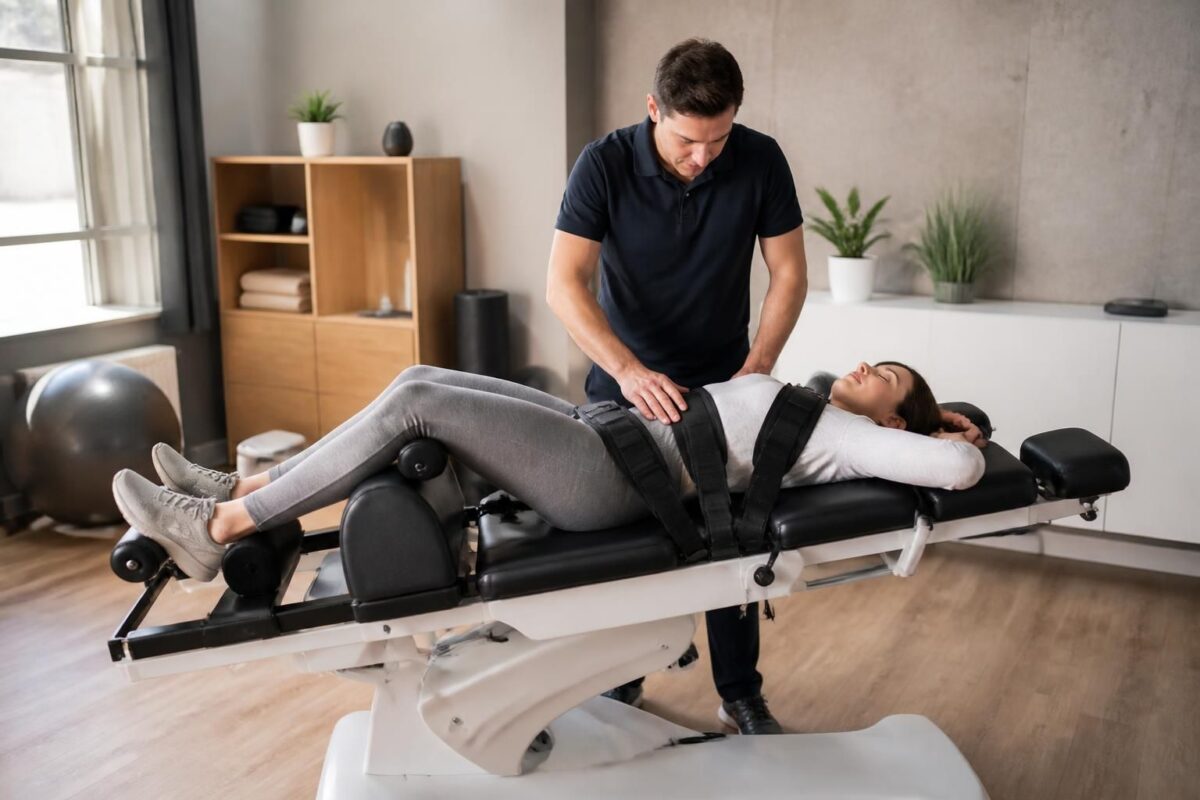
Neurovertebral decompression and relief of associated muscle pain
In short In short, the neurovertebral decompression is one Non-invasive approach which relieves the Associated muscle pain By applying a gentle traction on the spine for Release the intervertebral space and improve the circulation. Its advantages include reducing inflammation,Improving mobility…
Additional measures to optimize the prevention of recurrences
Ergonomics and posture: Adopt suitable workstations, seats and supports that support the natural curvature of the column, in order to limit tension chains and repeated stresses.
Exercise and physical activity: Prioritize a program of regular exercises to strengthen the back, abdominal belt and mobility, supplemented by activities such as swimming or yoga to improve spinal stability and flexibility.
Stress and sleep management: Chronic stress can amplify muscle tension; Relaxation techniques and quality sleep support preventive effects.
Professional follow-up: Periodic evaluations make it possible to measure progress, to adjust treatments and to anticipate painful episodes before their aggravation.
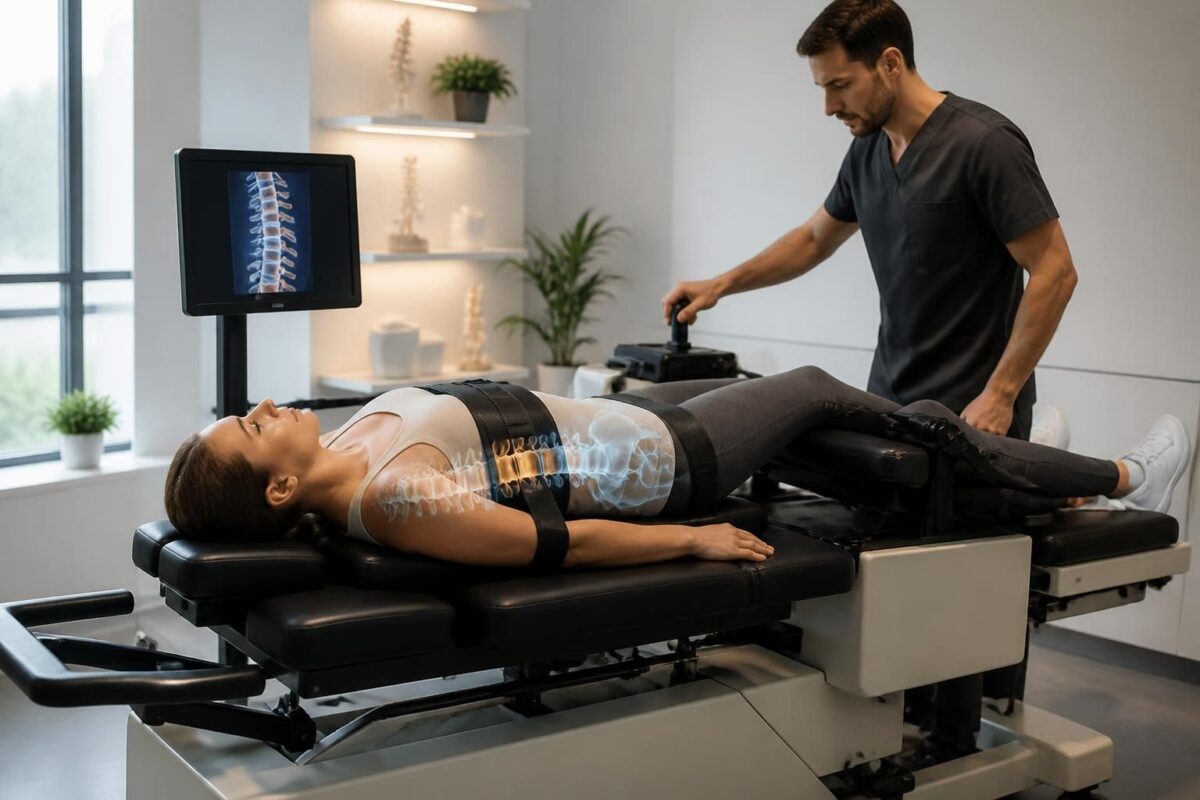
How neurovertebral decompression improves the function of intervertebral discs
In short In short, the neurovertebral decompression is one Non-invasive technique which applies a Controlled traction along the column to create a space between the vertebrae and reduce the Intradiscal pressure on the Intervertebral discs. This reduction promotes Disk retraction…
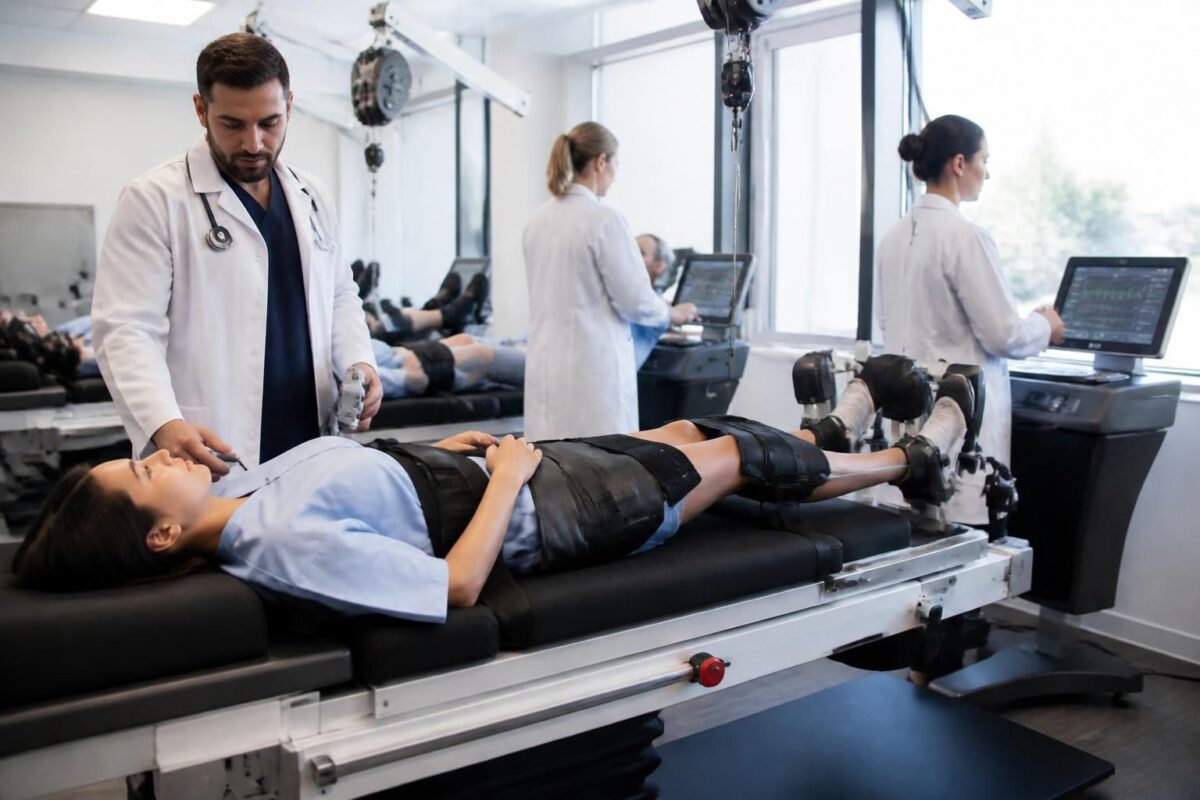
Advanced protocols for patients with neurovertebral decompression
In short In short, neurovertebral decompression is one Non-invasive technique which releases the pressure on the discs and nerves by a Controlled traction computer-guided. What is it? a series of Advanced Protocols adapted to the severity of lumbar or cervical…
Monitoring and security
The security And efficiency is based on an individualized approach. Minor side effects such as slight stiffness or temporary fatigue may appear after a session, but the serious risks remain infrequent when the protocols are respected and personalized. Careful monitoring allows you to intervene quickly in the event of changes in symptoms or absence of progression.
| Aspect | Concise details |
|---|---|
| Therapeutic objective | solace Recurrent mechanical pain and prevent disc recurrences |
| Type of treatment | Traction controlled and non-invasive targeting the intervertebral space; better circulation and regeneration tissue |
| Main directions | herniated discs, bulges, disc degeneration, back pain and neck pain recurring |
| Key Benefits | Quick relief without surgery; improvement mobility and quality of life; Decrease in disc pressure |
| Mechanism of action | space between vertebrae; reduction of the pressure on discs and nerves; top drip and decrease ininflammation |
| observed efficiency | Approximately 71% Patients report improvement after multiple sessions |
| Effects on prevention | reduces the risk of recurrence pain; accompanies the drill and improves the posture; promotes the stability long-term |
| Risks and security | risks weak-willed; sometimes stiffness or fatigue Passenger after session |
| Integration and associated prevention | multidisciplinary protocol including Manual therapies, program ofdrill, ergonomy and Regular follow-up |
Testimonials on neurovertebral decompression and the prevention of disc complications
“Before starting the neurovertebral decompression, I suffered from constant lower back pain that prevented me from sitting for more than an hour at my desk. After a few sessions, the pain disappeared and my mobility improved. I regained my ability to work a whole day without discomfort, and I felt a clear Prevention of disc complications in the long term. — Alice, 42, executive.
“As an amateur sportsman, I had to put my passion on hiatus because of a persistent disc. The decompression not only relieved the pain, but it also gave me the tools to strengthen my spine and prevent relapses. I am now more confident in my training and I can resume my sessions without fear of aggravating my situation. — Marc, 35, amateur athlete.
“I was reassured by the non-invasive nature of the method. After several sessions of neurovertebral decompression, my cervical pain linked to disc degeneration has decreased, and my walking has become more fluid. This approach has become a key component of my Prevention of disc complications on a daily basis. » — Sophie, 59, active retiree.
“My doctor told me about surgical options for a herniated disc. Thanks to the decompression, I avoided the operation and I found a real quality of life. Daily activities have returned and I feel that the risks of recurrence are significantly reduced. It is a gentle, effective approach adapted to my pace. » — Julien, 28, a technology professional.
“I was looking for a solution to prevent recurrences after a painful period. The decompression protocol, combined with ergonomic advice and exercise program, helped me keep my spine in good condition and limit painful episodes. I feel more proactive in managing my spinal health. — Nadia, 48, executive assistant.
“After years of stressful environments and muscle tension, I have seen significant results thanks to an integrated approach to neurovertebral decompression and complementary therapies. My mobility has improved, the pain subsides quickly after the sessions and I am now more vigilant about ergonomics and stress management to prevent any disc complication future. — Luc, 56, quality supervisor.
Dr. Sylvain Desforges is a osteopath, naturopath and expert in manual medicine whose approach focuses on theHealth Innovation and management of Chronic pain. At the head of the TagMed clinics and the ACMA association, he develops protocols integrating advanced technologies to optimize the health and well-being of patients. His approach is based on scientific evidence and a multidisciplinary vision aimed at preventing disc complications while improving quality of life.
The neurovertebral decompression is a non-invasive therapy using controlled traction on the spine to create a space between the vertebrae. This action reduces the pressure exerted on the intervertebral discs and on the nerves, favoring the Tissue regeneration and better blood circulation in affected areas. By directly targeting the mechanical pain-causing mechanisms, this approach can provide quick relief, reduce the risks associated with surgery, and contribute to a faster and more sustainable resumption of activities.
In the context of the prevention of disc complications, neurovertebral decompression is particularly aimed at conditions such as herniated discs, bulges and disc degeneration. It is integrated into a global program that aims not only at treating current symptoms, but also at preventing their recurrence. This prevention involves strengthening support muscles, improving posture and ergonomics at work, regular exercises and stress management strategies. The goal is to establish sufficient spinal stability to limit tensions and nervous irritations in the long term.
Clinical returns indicate that a significant number of patients report a Significant improvement After several decompression sessions. Evidence of evidence underscores that pain reduction and improved mobility can be associated with decreased addiction to drug treatments and better ability to maintain daily activities. Dr. Desforges’ approach envisages a Personalized follow-up and an adaptation of the protocol based on individual progress and needs, in order to consolidate the gains obtained and to prevent relapses.
In practice, neurovertebral decompression is part of a care protocol that favors an approach multidisciplinary. In addition to the technique itself, the program can integrate complementary manual therapies, targeted reinforcement and flexibility exercises, ergonomic advice and stress management techniques. This combination aims to create a synergy that promotes mobility, reduces pain and minimizes disc recurrences, while avoiding actual or potential surgical interventions.
Its mission remains to provide care evidence-based In order to optimize the health and well-being of each patient. To find out more about its approach and available services, it is possible to contact Clinique TagMed and quickly discuss options for the treatment and prevention of disc complications.
This text presents a clear summary on the neurovertebral decompression and its role in the Prevention of disc complications. It explains the non-invasive soft traction mechanism, its effects on intervertebral discs and circulation, and offers practical axes to reduce the risk of recurrence while improving mobility and quality of life.
Synthesis and perspectives
The neurovertebral decompression Use a Controlled traction To create a space between the vertebrae, which Reduces pressure on intervertebral discs and nerves. By promoting blood circulation and facilitating tissue regeneration, it acts on the mechanical causes of pain and can help prevent recurrences and complications associated with protrusions and disc degeneration. Clinical data indicates that a significant percentage of patients experience improvement after several sessions, which reinforces the interest of integrating it into a personalized care protocol.
For Prevent disc complications And the associated pain, it is essential to include decompression in a global program. This approach may include a combination with manual therapies, strengthening and easing exercises, as well as ergonomic and posture tips on a daily basis. Prevention also involves stress reduction strategies and modalities that enhance spinal stability, in order to limit factors favoring relapses and nerve damage.
In modern protocols, decompression is often associated with complementary technologies and regular monitoring. Integration with approaches such as laser therapies or shock wave therapies can optimize results, while targeted use of ergonomic principles and appropriate exercises reinforces the prevention of recurrences and disc complications. For athletes and active people, these joint protocols support the maintenance or restitution of mobility and performance.
To deepen the subject and discover a variety of perspectives on the mechanisms, indications and benefits in post-surgical or chronic context, you can consult the following resources, which shed additional light and concrete examples:
Support after vertebral surgery,
Prevention of complications related to disc protrusion,
Prevent neurological complications,
Prevention of disc complications,
Prevent relapses after injury,
Regain mobility and freedom of movement.
In summary, the Prevention of disc complications goes through a neurovertebral decompression well integrated into a global care program, a Personalized follow-up and daily actions targeted at theergonomy, the muscle building and the stress management. These elements contribute to limiting the risks of recurrence and to supporting a better mobility and an quality of life sustainable.
For clinical examples, testimonials and additional analyses, see in particular dedicated resources and associated publications that describe the mechanisms and practical benefits of neurovertebral decompression In various disc and neurological contexts:
Read more about the mechanisms and indications:
Post-surgical pain and decompression,
Reduction of acute lower back pain,
Neurological complications related to herniated discs,
Neurological complications in pathologies related to herniated discs,
Recurrences after injury,
Mobility and freedom of movement.
Note: This information is intended to support clinical reflection and does not replace an individual medical assessment. For appropriate care, discuss with your healthcare professional and consult the resources mentioned above.

Dr Sylvain Desforges, B.Sc., D.O., N.D., osteopath, is the founding president of TAGMED and of the ACMA association. He dedicates his practice to chronic spinal pain, low back pain and symptoms compatible with sciatica, particularly when pain radiates toward the buttock, leg, calf, foot or toes.
Through SOS Sciatique, he publishes educational content on sciatica symptoms, possible causes such as disc herniation, disc narrowing, foraminal stenosis or irritation of a lumbar nerve root, as well as non-surgical approaches that may be considered according to the evaluation. At Clinique TAGMED, care may include, depending on the case, motorized neurovertebral decompression, specific osteopathic care or precision percussion.
For an evaluation related to sciatica treatment in Montreal / Mount Royal or sciatica treatment in Terrebonne, please consult the services available at Clinique TAGMED.
Medical disclaimer
The information published on SOS Sciatique is provided for educational purposes only and does not replace a consultation, diagnosis, opinion or treatment provided by a physician or another authorized healthcare professional. The author of this article is neither a medical doctor nor a specialist in a medical specialty recognized by the Collège des médecins du Québec. The osteopathic, manual medicine or functional support approaches described on this site do not constitute medical acts and are not intended to replace medical follow-up.
Consult a physician or emergency service in cases of loss of bladder or bowel control, anesthesia in the saddle area, significant or progressive weakness in the leg or foot, fever, recent trauma, severe pain or rapid worsening of symptoms. For more details, please read our Legal Notice.