Modern techniques in neurovertebral decompression for optimal results
26/06/2026
Recent studies demonstrating the effectiveness of neurovertebral decompression
26/06/2026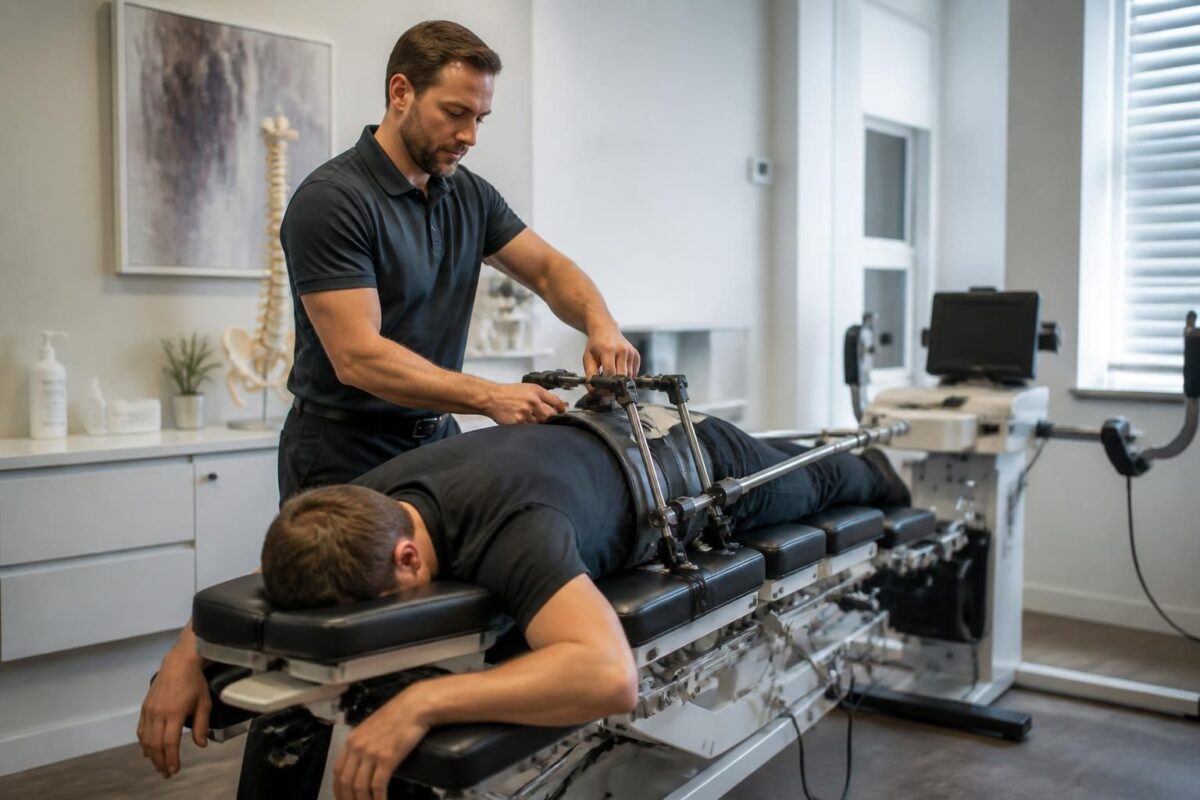
In short
| In short, the neurovertebral decompression is an approach non-invasive which acts by a Controlled traction on the spine To reduce the pressure on the Intervertebral discs and the gristle, creating a space between the vertebrae. Its benefits include a Quick relief pain, a Improved mobility and an Prevention of recurrences, while offering an alternative to surgery when possible. This approach integrates with rehabilitation programs with drill And some Complementary therapies, and is accessible in firms that adopt these techniques, particularly around Montreal. |
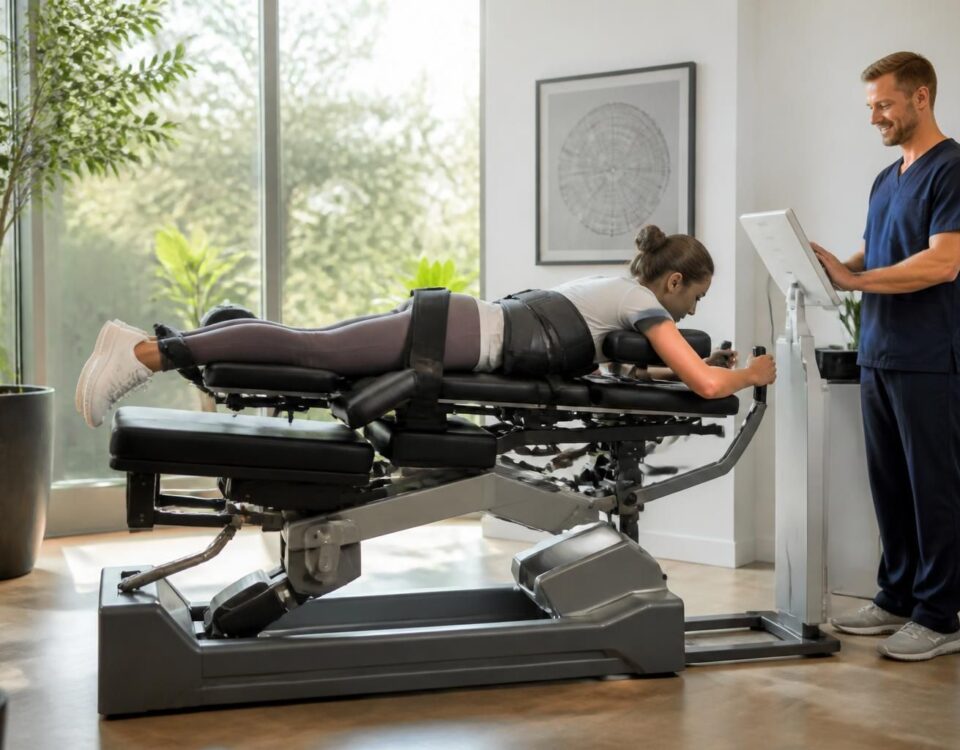
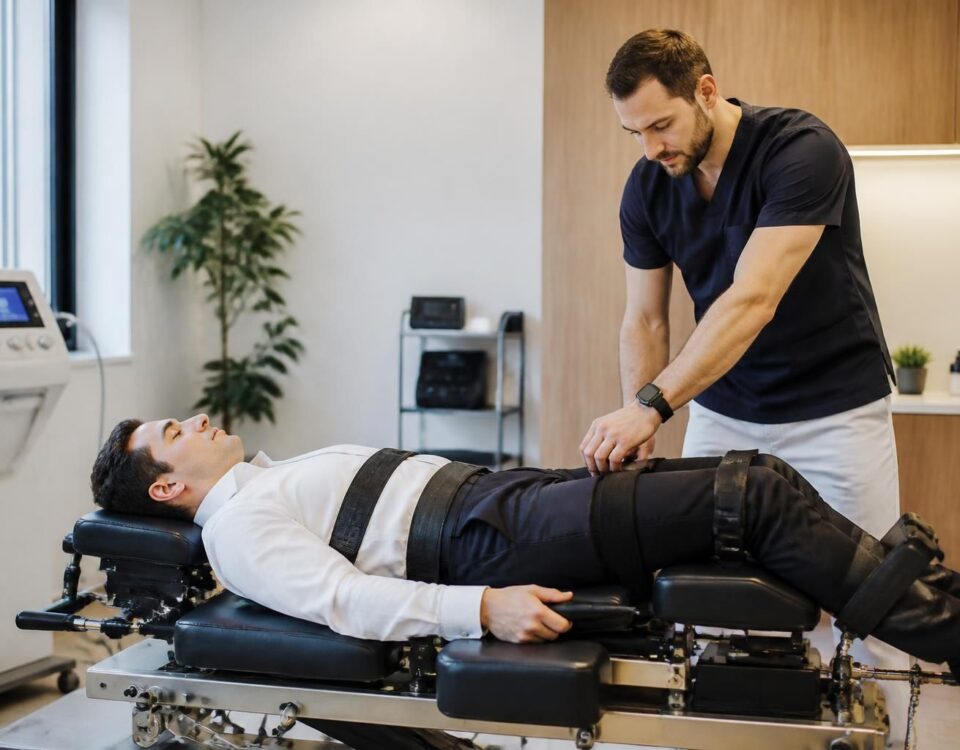
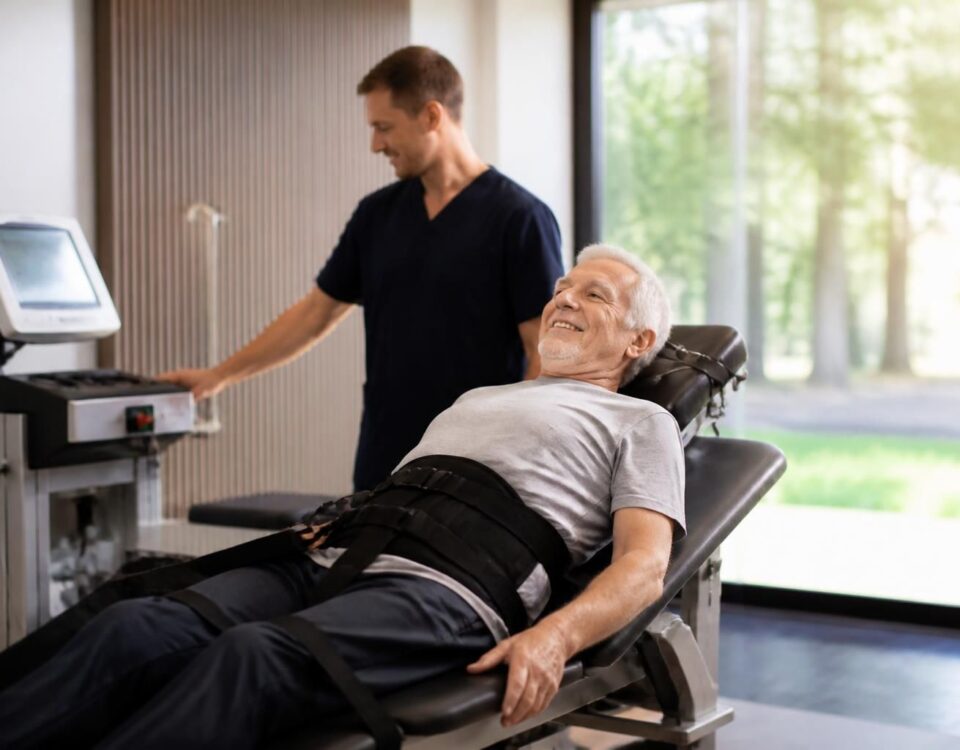
The neurovertebral decompression is an approach non-invasive which aims to relieve the pain linked to mechanical disorders of the spine by creating a space between the vertebrae by controlled traction. it reduces the pressure on the discs and nerves, promotes the rehydration and tissue healing, and provides a Quick relief which can be durable. By acting on the mechanical and muscular factors, it participates in the Prevention of recurrent mechanical disorders by strengthening support structures and improving the mobility and the posture. Associated with exercises strengthening, stretching and a Healthy lifestyle, it fits into a Multidisciplinary program to reduce recurrences and optimize the quality of life.
Neurovertebral decompression is a non-invasive approach that aims to reduce the pressure exerted on the elements of the spine. This article explains how this technique can contribute to the prevention of recurrent mechanical disorders by improving the vertebral dynamics and function of intervertebral discs. You will discover the mechanisms, clinical indications and practical implications for effective integration in the office.
Principle and mechanisms
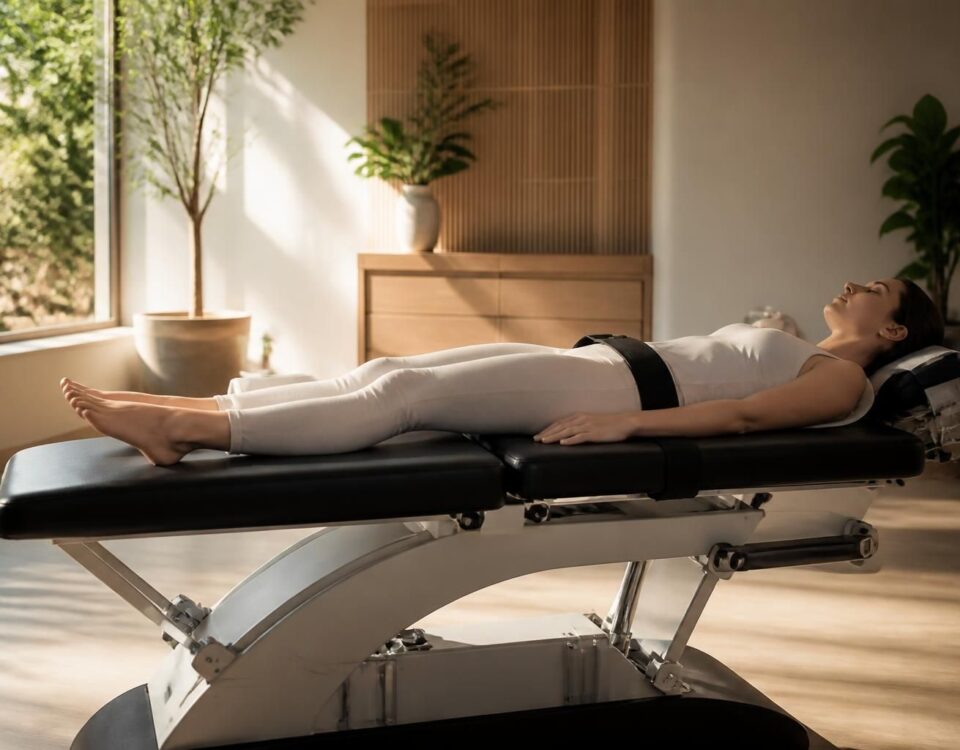
The neurovertebral decompression Relies on controlled traction that creates a space between the vertebrae. This space allows better circulation of nutrients to the intervertebral discs and releases the compressed nerve roots. the process can promote the Disc rehydration and faster functional recovery of adjacent tissues. As a whole, this approach seeks to reduce the mechanical factors that cause pain and stiffness, without resorting to surgery.
Indications and clinical results
Common indications include conditions affecting the spine and associated with recurrent pain, such as degenerative conditions and nerve compressions. The reported clinical findings show a reduction in pain and improved mobility in a significant proportion of cases. For a detailed understanding of the mechanisms and effectiveness observed, refer to this set of specialized resources:
- Why neurovertebral decompression is essential in spinal stenosis
- How it helps prevent future herniated discs
- Reduction of disc inflammation
- An advance in manual medicine
Integration and practice in office
The integration of the neurovertebral decompression In a clinical practice offers a non-invasive alternative, useful to complement other approaches. This modality can be associated with multidisciplinary care, while remaining focused on the needs of the patient and respecting the clinical indications. Firms can consider planning tailored to their patient flow, invest in reliable equipment and set up safety and follow-up protocols. For professionals wishing to deepen this field, resources such as articles and descriptive summaries available on specialized sites offer a relevant technical and practical framework, particularly in the following areas:
- integration with the care offered by Tagmed Clinic in Montreal or Terrebonne.
- Reference to relevant training, including within NUMSS, NAO, National University of Medical Sciences, National Academy of osteopathy.
- Roles of relevant professional associations, such as ACMA, College of Canadian Osteopaths and College of Canadian Osteopaths.
Comparison of approaches and security
Compared to other approaches, neurovertebral decompression offers an alternative non-invasive With a favorable safety profile when practiced by competent professionals. In some cases, physiotherapy can be considered as a complementary option, but its relative efficacy may be less depending on the context, and it is presented here in a comparative framework to shed light on therapeutic choices. This framework allows professionals and patients to make informed decisions on the treatments to be preferred with a view to preventing recurrences and sustainable improvement of spinal function.
| Approach | Relative efficiency |
|---|---|
| neurovertebral decompression | High for reducing nerve pressure and improving mobility |
| Conventional physiotherapy | variable; May be less effective in some cases of persistent nerve pressure |
Cases and professional testimonials (summary)
Several health professionals have observed significant improvements in their patients after the introduction of neurovertebral decompression. Returns highlight a decrease in pain and a better ability to conduct daily activities, while reducing the risk of relapse when supplemented by appropriate support measures and regular monitoring. For specific examples and returns, see reviews and reports on specialized sites, including the following resources:
Practical aspects and care framework
To ensure a safe and effective approach, practice should ensure full initial assessment, regular follow-up and transparent communication with patients. As part of an integrated approach, neurovertebral decompression can be coordinated with relevant nutritional advice and manual therapies, while remaining consistent with professional practices and ethics. To learn more about mechanisms and benefits, see the following resources: Well-being and quality of life, Prevention of recurrent injuries.
To deepen the clinical and practical aspects, you can consult the following references that describe the evolution and application of neurovertebral decompression in the context of manual medicine and the integrative approach:
- Neurovertebral decompression, advanced in manual medicine
- Spinal stenosis and decompression
- Prevention of future disc hernias
Note that the practice of neurovertebral decompression is part of a multidisciplinary framework and is based on increasing clinical evidence. For patients and professionals, it offers a non-invasive way to a freer spine and a better quality of life.
For more information and resources, visit the specialized sites available in authorized domains: sossciatica.com, decompressionneurovertebrale.com, sosherniediscale.com, sosherniateddisc.com, sostunnelcarpien.com, Cliniquetagmed.com.
Medical Disclaimer: The information and advice provided on this site does not replace the health professional’s diagnosis or treatment. Please note that Dr. Sylvain Desforges osteopath is neither a doctor of medicine nor a doctor, and is not a specialist in a medical specialty as defined by the Collège des Médecins du Québec. Manual medicine, functional medicine and sports medicine as described on this site exclude any medical treatment or diagnosis made by a doctor or specialist doctor. Always consult your doctor for any medical questions. For more details, please read our full legal notice.
- Controlled traction To create an intervertebral space and reduce the pressure
- Disc rehydration and restoration of their elasticity
- Improving mobility and flexibility of the spine
- Postural comfort and reduced stiffness
- Personalized follow-up To adjust the protocol according to the patient
- Prevention of recurrences by strengthening the stabilizing muscles
- Functional exercises targeted to support the column
- Therapeutic integration (Physiotherapy, osteopathy, posture)
- initial assessment and personalized plan
- Avoidance or delay of surgeries thanks to a non-invasive approach

Neurovertebral decompression is a non-invasive approach aimed at reducing pressure on the intervertebral discs and nerves, in order to reduce pain and prevent recurrences from mechanical disorders. This article offers practical recommendations for integrating this technique into a global program including reinforcement, posture and lifestyle.
Understanding neurovertebral decompression
Decompression is based on a Controlled traction applied to the spine to create a intervertebral space between the vertebrae. This action reduces the pressure on the Intervertebral discs and on the gristle, stimulates the circulation and promotes the rehydration and the Tissue repair. In practice, it is carried out without surgery and can be integrated into a global therapeutic plan.
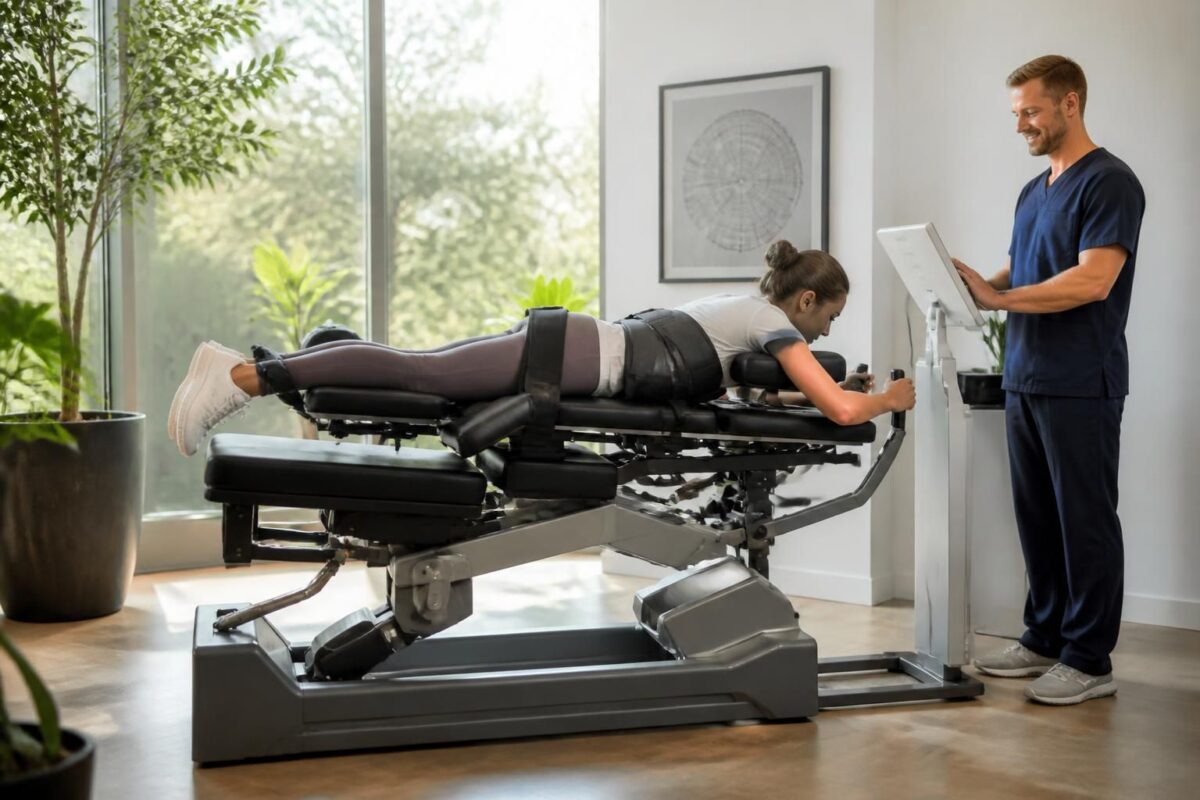
The long-term benefits of neurovertebral decompression for spinal health
In short In short, the neurovertebral decompression is a non-invasive approach that decreases the Pressure on intervertebral discs and nerves, favoring the Natural regeneration and tissue recovery. Its long-term benefits include Lasting pain reduction, Improving mobility and from the posture,…

Neurovertebral decompression and mobility: a return to an active life
In short In short, the neurovertebral decompression is therapy non-invasive who uses a gentle traction To create a space between the vertebrae and reduce the pressure on the Intervertebral discs and the nerves. It promotes a bloodstream improved, lowers tension…
Why it helps prevent recurrent mechanical disorders
By reducing pressure and improving mobility, decompression can decrease painful episodes and limit nerve irritation during movements, especially when aggravating factors remain under control. Combining with trunk strengthening exercises and targeted stretching helps stabilize the spine and prevent recurrences. The posture, ergonomics and maintenance of a healthy weight complement the effectiveness of the method.
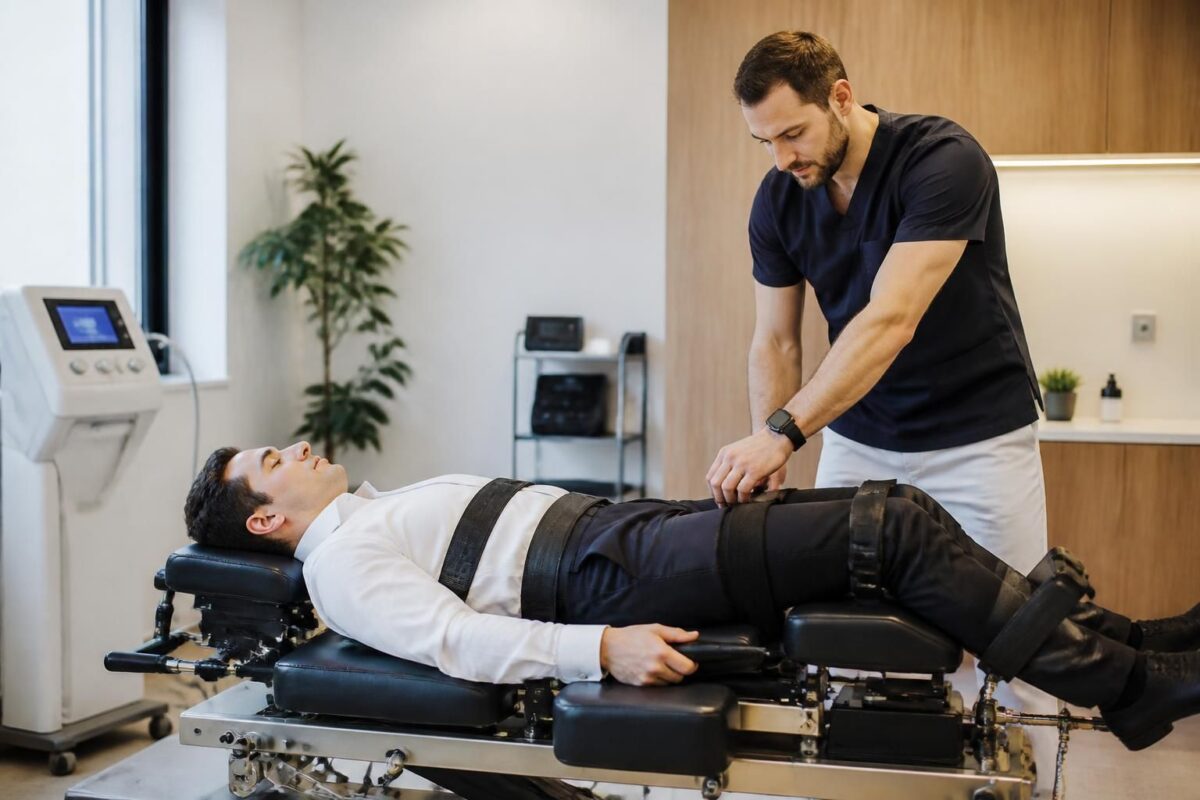
How Neurovertebral Decompression Prevents Diffuse Chronic Pain
In short decompression neurovertebral is one Non-invasive method aimed at reducing the Pressure on the intervertebral discs and the nerves, in order to prevent Diffuse chronic pain. It improves the circulation and thedisc hydration, decreases inflammation and promotes better mobility.…
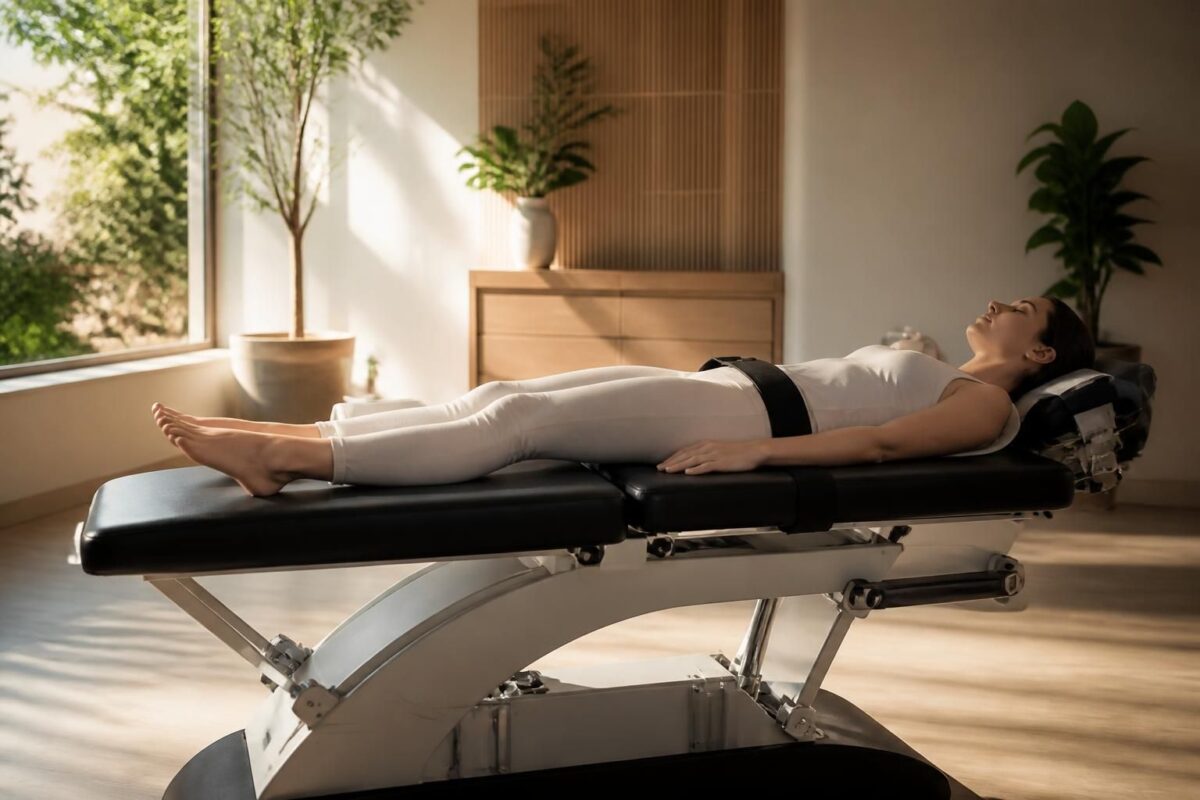
Neurovertebral Decompression and Body Alignment: Restoring Natural Balance
In short In short, neurovertebral decompression is one Non-invasive approach who restores theBody Alignment and thenatural balance back and neck. She acts by a Controlled traction of the spine to widen the intervertebral space and reduce the Pressure on discs…
Practical recommendations
3.1 Patient assessment and selection
Before starting a program, carrying out a global evaluation makes it possible to determine the adequacy and the precautions. History of surgery, structural pathologies or inflammatory low back pain should be taken into account. The objective is to target the patients who benefit the most from decompression without increased risk.
3.2 Personalized treatment plan
Establish an individual protocol with an adapted progression: frequency of sessions, duration and traction value. Combine decompression with strengthening and flexibility exercises to optimize results and support functional gains.
3.3 Exercises and lifestyle
Integrate abdominal and lumbar muscle strengthening exercises, hamstring and piriform stretching, and posture tips during daily activities. Maintaining regular physical activity and healthy weight prevents recurrences and supports the healing process.
3.4 Monitoring and security
Set up regular monitoring to adjust the plan according to feedback and progress. Report any new pain, disproportionate numbness or neurological weakness in order to intervene quickly and adapt the treatment.
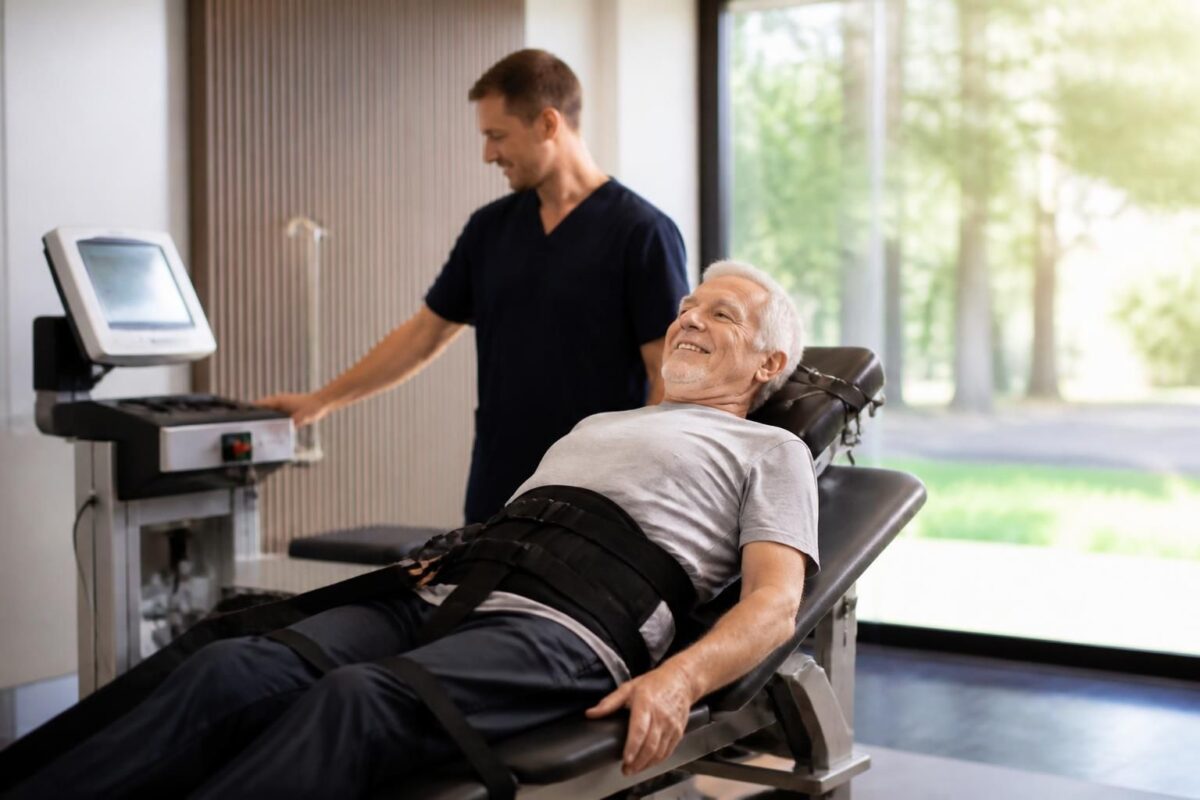
Why neurovertebral decompression is a lasting solution for active seniors
In short In short, the neurovertebral decompression is one Non-invasive therapy which sustainably relieves spinal pain in the spine active seniors By creating, by a Soft and controlled traction, a space between the vertebrae. At Montreal, it is recognized as…
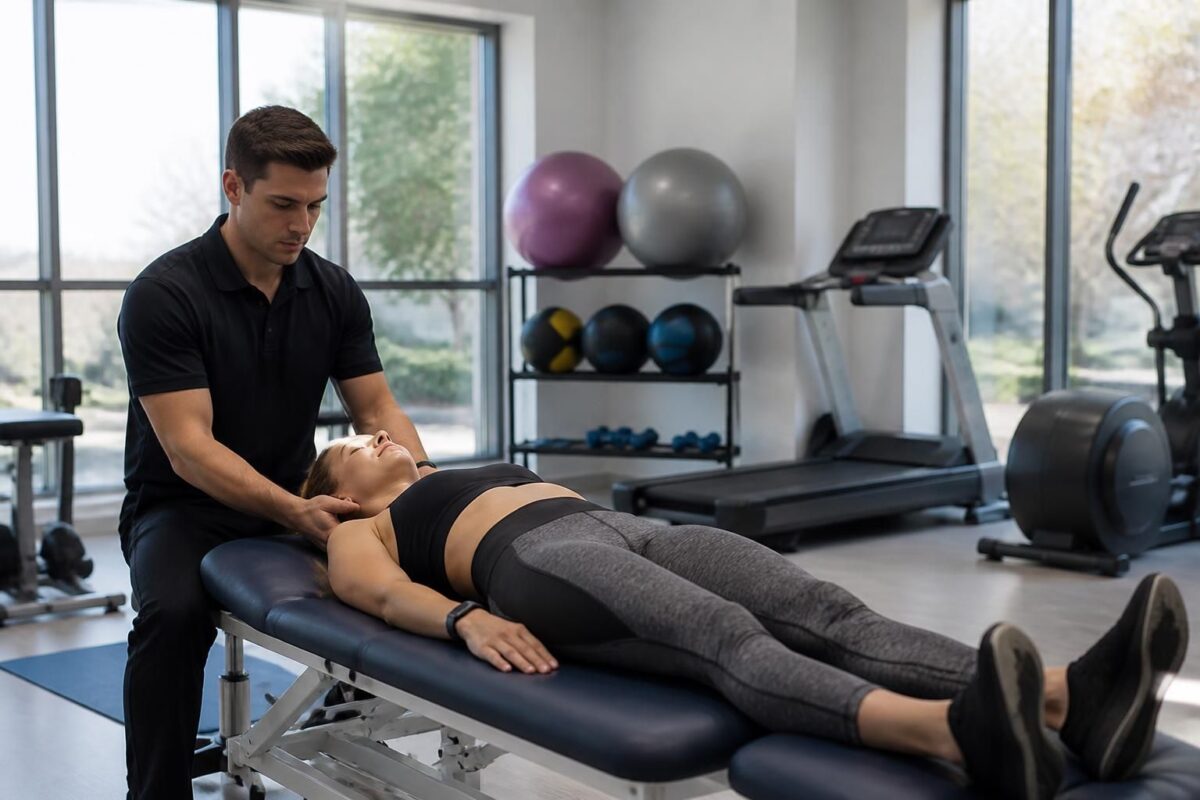
Neurovertebral decompression and recovery after severe sports injury
In short In short, the neurovertebral decompression is one Non-invasive method to Relieve the pressure on the Intervertebral discs and the gristle Via a Controlled traction, to facilitate the recovery After a severe sports injury. It improves the bloodstream towards…
Integration into practice and advice for everyday life
To maximize benefits, combine decompression with a multimodal approach: manual therapies, nutritional advice and appropriate physical activity. Patient education on warning signals and prevention strategies is essential to maintain long-term results.
| Axis | Concise description |
|---|---|
| Definition and purpose | neurovertebral decompression Uses controlled traction to create a space between the vertebrae and reduce the pressure on the discs and nerves, promoting healing and mobility. |
| Mechanism of action | Gentle traction that improves circulation and hydration of discs, facilitating tissue regeneration and nerve root decompression. |
| preventive profit | Reduces triggering factors and painful episodes by combining exercises, posture and strengthening muscle support. |
| scope | Indicated for low back pain, sciatica and radiculopathies related to hernias or stenosis, with individual adaptation. |
| Nature and security | Option non-invasive, without surgery or anesthesia, with less risk and faster recovery. |
| Integration in the course | Incorporates a multidisciplinary care plan including physiotherapy, ergonomics and behavioral advice for a harmonized approach. |
| Duration and follow-up | Progressive protocol with regular evaluations to adjust sessions and maximize results. |
| Clinical results | Improvement of the mobility and reduction of pain, with decreased recurrence in many patients. |
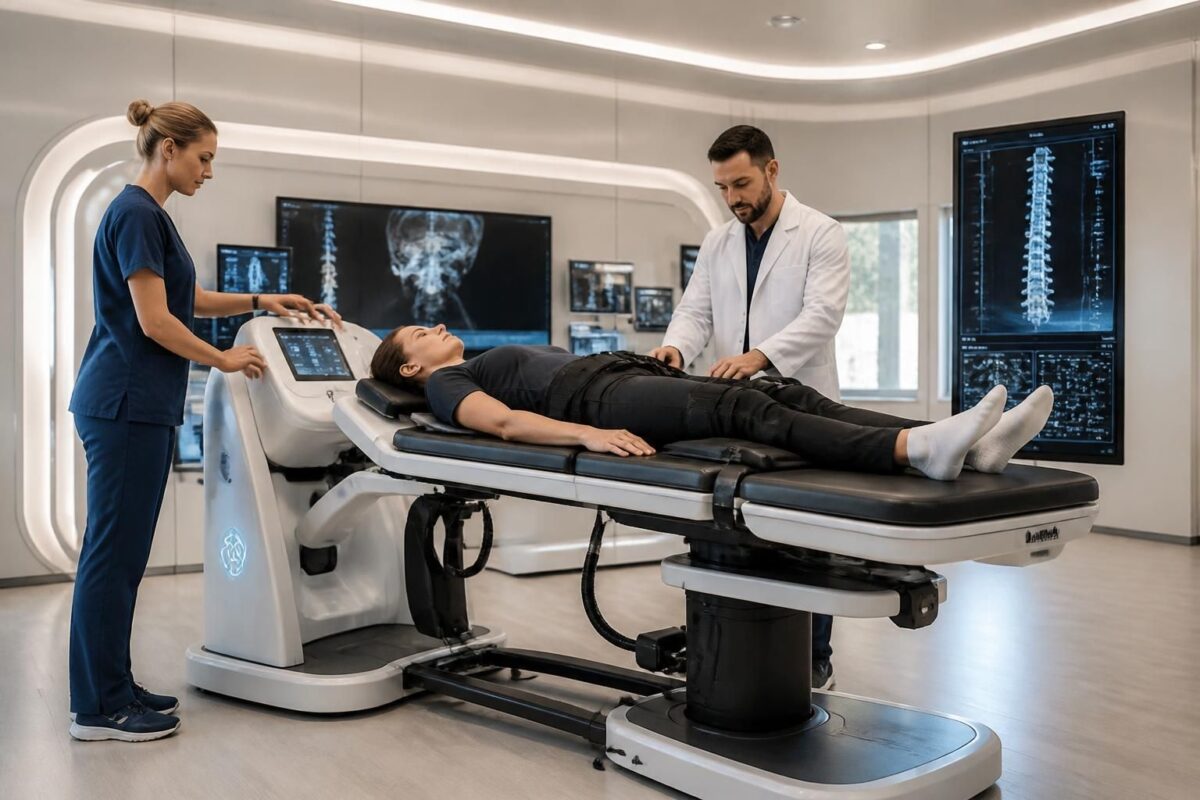
Recent innovations in neurovertebral decompression technologies
In short In short, the neurovertebral decompression is an approach non-invasive Aiming to reduce pressure on discs and nerves, and promote tissue regeneration. At Montreal, it is positioned as an effective option for lower back pain and herniated discs. The…
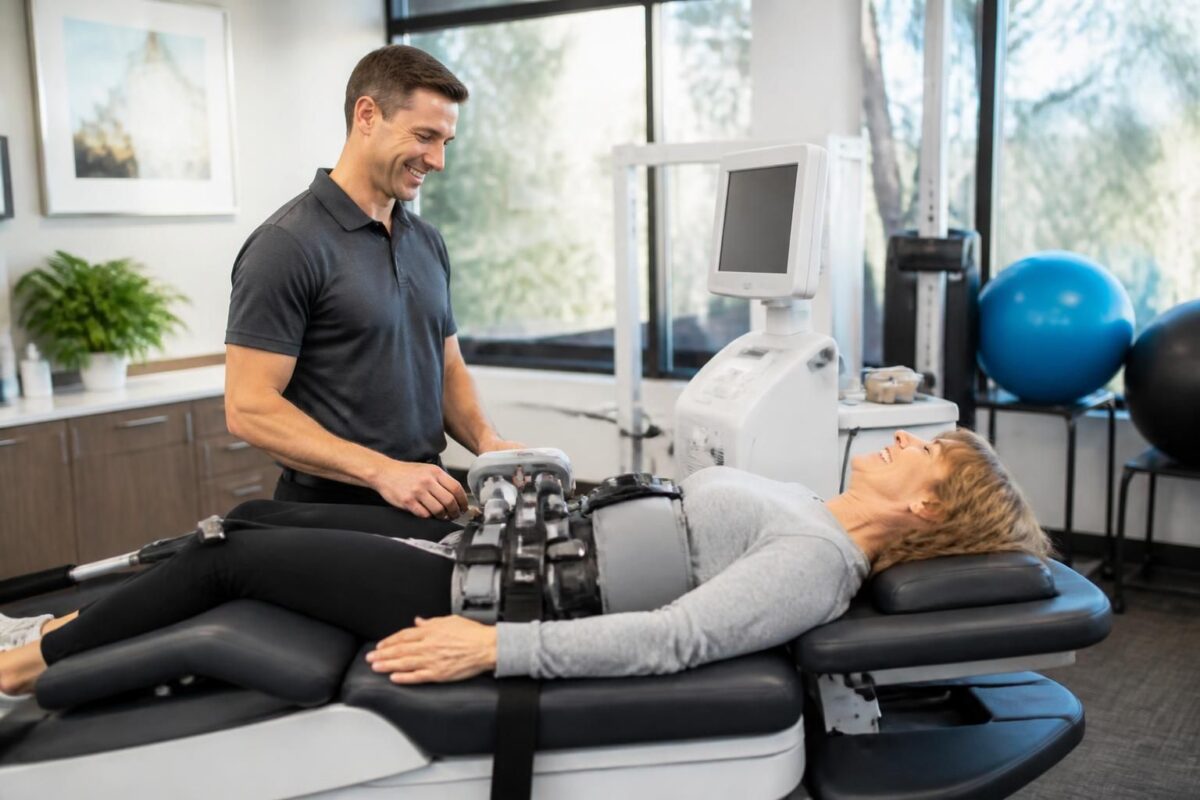
Neurovertebral decompression and diffuse pain: an appropriate solution
In short In short, the neurovertebral decompression is one Non-invasive solution For diffuse pain related to nerve irritation of the spine. She acts in Reducing pressure on intervertebral discs and nerves and improving the bloodstream, which promotes recovery and the…
Testimonials on neurovertebral decompression and prevention of recurrent mechanical disorders
Marie, 60, an active retiree, testifies to the impact of the neurovertebral decompression on his lower back pain. “In a few sessions, I felt a relief and an Improving mobility which allowed me to resume my daily activities without limiting my actions, ”she confides. She points out that this treatment non-invasive participate in the Prevention of recurrences by promoting better tissue regeneration.
Jean, 45, a former sportsman, says: “After years of pain related to a herniated disc, the neurovertebral decompression changed my life. My symptoms decreased and my flexibility came back; I feel less limited and more active, which contributes to the Prevention of recurrent mechanical disorders. »
Claire, 39, executive, explains: “This treatment non-invasive my allowed to regain correct posture and reduce inflammation. I noticed a pain reduction and an Preservation of mobility which helps me with work and my leisure, while reducing the risks of recurrence. »
Louis, 52, technician, shares: “Regular sessions helped maintain a column aligned and strengthen my stabilizing muscles. The Prevention of recurrent mechanical disorders has become a priority for me, and the neurovertebral decompression Fits perfectly with professional exercises to preserve results. »
Camille, 58, a gardener, says: “I was afraid of having to stop activities that I like. Thanks to the neurovertebral decompression, I found comfort and I was able to resume gardening without pain. I am convinced that this treatment contributes to the Prevention of recurrences By improving the overall health of my column. »
Thomas, 68, retired, concludes: “The results have been lasting. By combining the neurovertebral decompression With targeted exercises, I not only relieved my pain, but I also strengthened my spine to avoid relapses; It’s an integrated approach that makes the difference. »
Dr. Sylvain Desforges is a practitioner whose career associates theosteopathy, the naturopathy and the manual medicine. At the head of reference clinics and as founding president of TagMed clinics as well as ACMA, he takes an approach centered on health innovation and continuous improvement of care. His practice highlights the neurovertebral decompression as a fundamental pillar, supplemented by non-invasive technologies such as the laser and shockwave therapies. Its objective is to provide evidence-based care to optimize the health and well-being of its patients.
At the heart of his approach is a precise understanding of the functioning of the neurovertebral decompression. This technique, based on controlled traction, aims to create a space between the vertebrae and reduce the pressure exerted on the intervertebral discs and nerve roots. By promoting blood circulation and hydration of tissues, it helps restore mobility and reduce pain. This non-invasive approach is considered as a key step to prevent aggravations and promote natural regeneration of the spinal structures.
For Dr. Desforges, the Prevention of recurrent mechanical disorders Goes through built-in and custom support. Decompression is associated with rehabilitation programs focused on strengthening stabilizing muscles, stretching exercises and posture and lifestyle advice. Each patient benefits from a tailor-made plan, scalable and adapted to their needs, in order to maintain the spine in an optimal functional state and to limit recurrences.
Its clinical framework is based on an evidence-based approach and practical experience. The initial assessment is thorough and progress is monitored regularly, allowing protocols to be adjusted and measured not only immediate relief, but also improved mobility and reduction of inflammation. The integration of advanced technologies is designed in a coherent and secure way, in order to offer a therapeutic synergy without compromise on patient safety.
In his clinics and through his collaborations, Dr. Desforges promotes a culture of responsible innovation and sharing best practices. He endeavors to demonstrate that the neurovertebral decompression Can be part of a global therapeutic strategy, facilitating a rapid return to activity and a better quality of life. This approach, centered on prevention, is aimed at both patients with lower back pain and those who wish to avoid recurrences associated with recurrent mechanical disorders.
Driven by the conviction that each person deserves personalized and effective care, Dr. Desforges continues his work of insight into the possibilities offered by decompression and associated therapies. He remains committed to the training of professionals, the continuous evaluation of technologies and the promotion of an ethical and scientific framework to sustainably support patients towards a healthier spine and an active life without pain.
This summary summarizes the interest of the neurovertebral decompression as a non-invasive approach to treat back pain and prevent Recurrent mechanical disorders. By targeting intervertebral discs and nerves, this method improves mobility, promotes recovery and fits into a strategy multidisciplinary Combining manual therapies, therapeutic exercise and lifestyle advice. The clinical results and patient testimonies support its preventive and therapeutic role, particularly when the intervention remains appropriate for each patient and monitored over time.
The heart of the approach is based on a Controlled traction which creates a space between the vertebrae and reduces the pressure on the Intervertebral discs as well as on the nerves. This pressure reduction improves tissue nutrition, promotes hydration and accelerates healing, while improving mobility and spinal stability. Used in a targeted way, it can reduce painful episodes and prevent recurrences, thus providing a solid basis for resuming daily activities without pain.
integrated into an approach integrative, neurovertebral decompression can be associated with strengthening exercises, stretching and complementary therapies (physiotherapy, acupuncture, manual therapies). This synergy maximizes the benefits and reinforces the mechanisms for preventing recurrent mechanical disorders. To further this approach, please see: An integrative approach to prevent recurrent pain.
Clinical data and patient feedback support the efficacy of this method in the treatment of lower back pain and associated pathologies (discal hernias, spinal stenosis) and show how it can help prevent radiant pain and recurrences. Complementary resources and testimonies illustrate these benefits and help to better understand the impact on working life and mobility, such as those presented in Benefits for active patients and Prevention of recurrent mechanical disorders.
On a practical level, in-office integration requires a rigorous initial assessment, appropriate equipment planning and staff training. The objective is to offer a non-invasive alternative that complements existing treatments while promoting functional recovery and relapse prevention. Resources and use cases are also accessible via specialized publications, for example A recognized solution to prevent recurrences.
Finally, the prevention of recurrent mechanical disorders is based on an evidence-based approach, regular assessments and the adoption of a healthy lifestyle. by combining decompression, Target reinforcement And stress management, it is possible to sustainably reduce pain and improve functionality. To broaden your understanding of mechanisms and results, you can look at resources such as This encyclopedic overview and Osteopathic decompression in practice.

Dr Sylvain Desforges, B.Sc., D.O., N.D., osteopath, is the founding president of TAGMED and of the ACMA association. He dedicates his practice to chronic spinal pain, low back pain and symptoms compatible with sciatica, particularly when pain radiates toward the buttock, leg, calf, foot or toes.
Through SOS Sciatique, he publishes educational content on sciatica symptoms, possible causes such as disc herniation, disc narrowing, foraminal stenosis or irritation of a lumbar nerve root, as well as non-surgical approaches that may be considered according to the evaluation. At Clinique TAGMED, care may include, depending on the case, motorized neurovertebral decompression, specific osteopathic care or precision percussion.
For an evaluation related to sciatica treatment in Montreal / Mount Royal or sciatica treatment in Terrebonne, please consult the services available at Clinique TAGMED.
Medical disclaimer
The information published on SOS Sciatique is provided for educational purposes only and does not replace a consultation, diagnosis, opinion or treatment provided by a physician or another authorized healthcare professional. The author of this article is neither a medical doctor nor a specialist in a medical specialty recognized by the Collège des médecins du Québec. The osteopathic, manual medicine or functional support approaches described on this site do not constitute medical acts and are not intended to replace medical follow-up.
Consult a physician or emergency service in cases of loss of bladder or bowel control, anesthesia in the saddle area, significant or progressive weakness in the leg or foot, fever, recent trauma, severe pain or rapid worsening of symptoms. For more details, please read our Legal Notice.