How neurovertebral decompression improves the function of intervertebral discs
26/06/2026
The physical and mental benefits of a neurovertebral decompression program
26/06/2026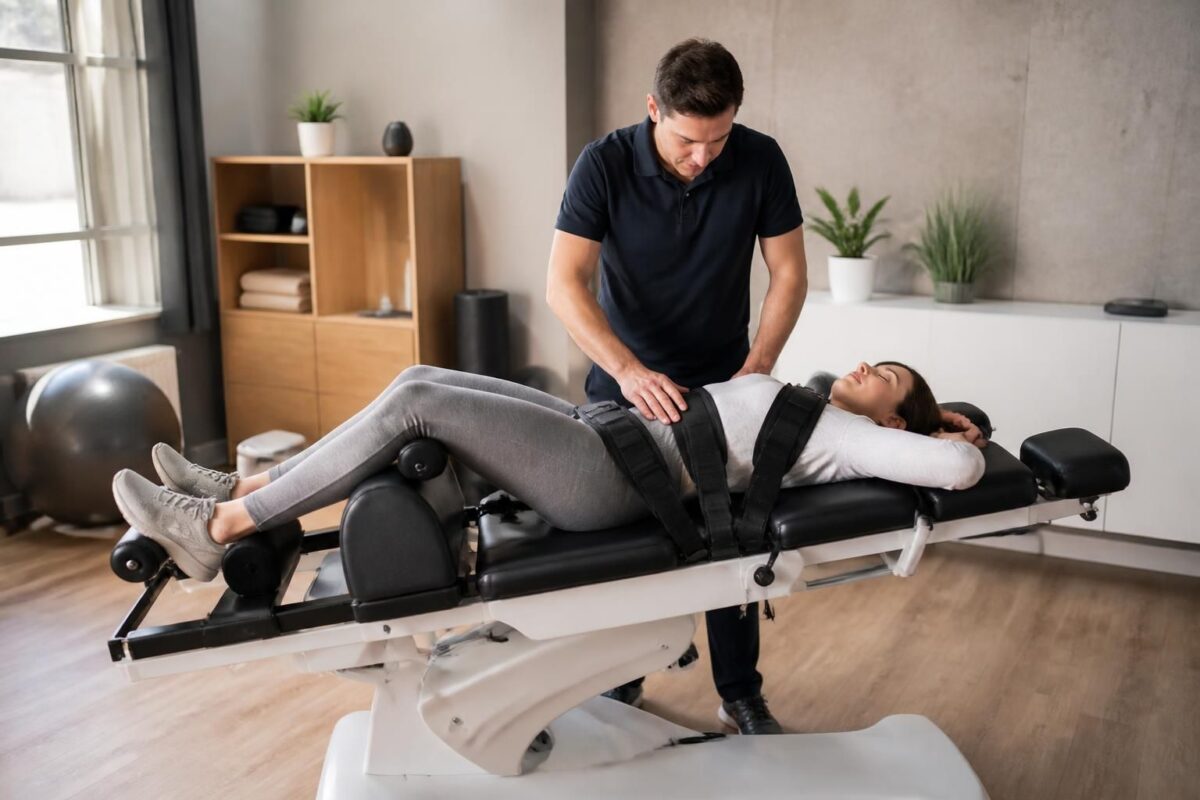
In short
| In short, the neurovertebral decompression is one Non-invasive approach which relieves the Associated muscle pain By applying a gentle traction on the spine for Release the intervertebral space and improve the circulation. Its advantages include reducing inflammation,Improving mobility and an recovery Faster, without surgery. accessible to Montreal, it is suitable for Lower back pain and cervical irradiated and takes place during Painless sessions and Custom. |
The neurovertebral decompression is an approach non-invasive aimed at relieving Associated muscle pain related to spinal disorders.
- Mechanism : application of a gentle traction on the spine, creating space between the vertebrae, reducing pressure on the spine Intervertebral discs and the gristle, improvement of the bloodstream and from theDisk imbibition.
- Earnings : decrease ininflammation, Sustainable relief pain, improvement of mobility and accelerating tissue recovery.
- directions : lower back and cervical pain, neuralgia, chronic muscle pain linked to nerve or disc tension.
- Progress : session supervised by a professional, adapted to the patient; Generally well tolerated and painless treatment.
- Integration into the care pathway : Combination with postural advice, targeted exercises and good hydration to promote healing and prevent recurrences.
This article explains how neurovertebral decompression can relieve muscle pain associated with spinal tension and irritation. It describes the mechanism, indications, the course of sessions and the integration of this approach in a course of care, with resources to deepen the understanding and the options available.
Neurovertebral decompression is a non-invasive approach that acts on the spine to decrease the pressure exerted on the intervertebral discs and on the nerve roots. This pressure reduction promotes better circulation of fluids and nutrients in the tissues, which can restore a certain balance of the muscles surrounding the spine and reduce muscle pain linked to tension or referred pain. For more information, you can consult the full guide on this technique and its applications.
How decompression works and what is its effect on the muscles
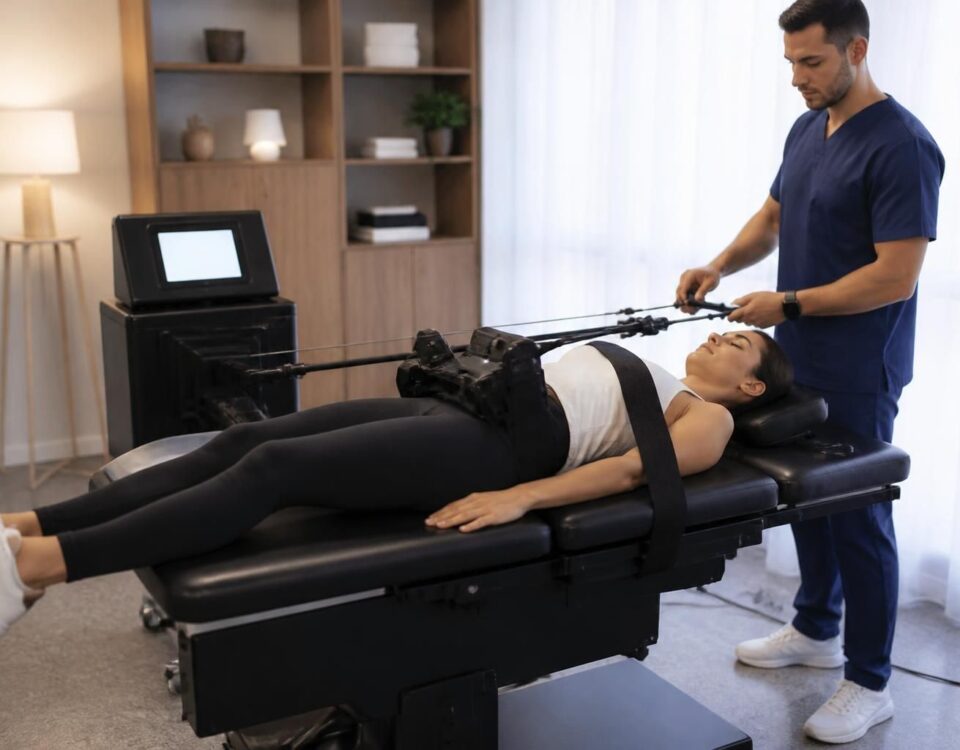
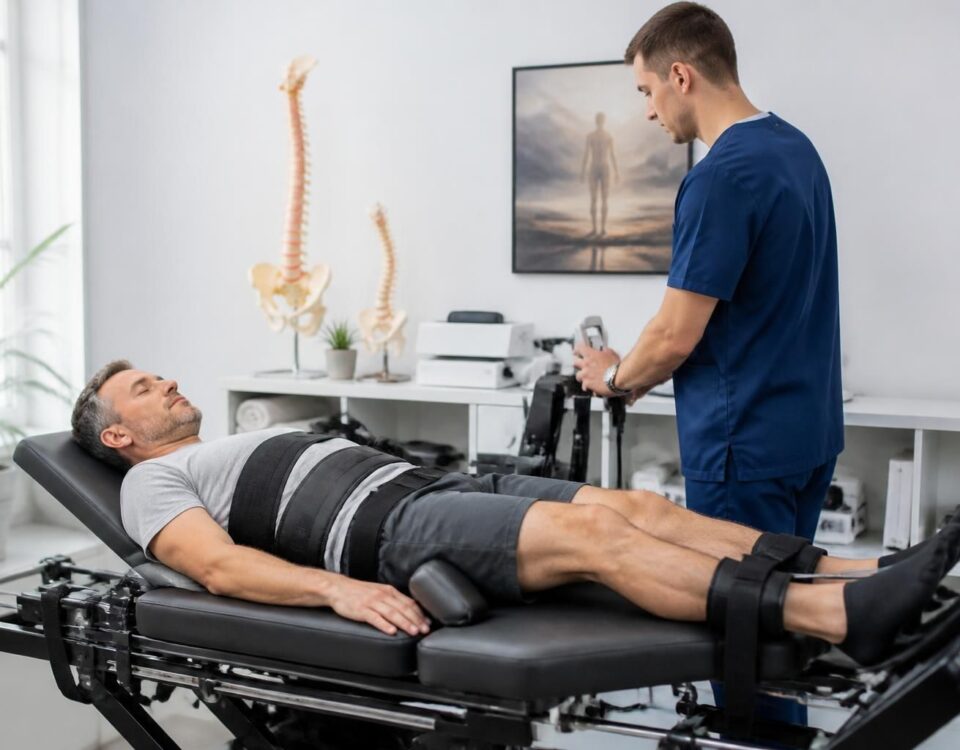
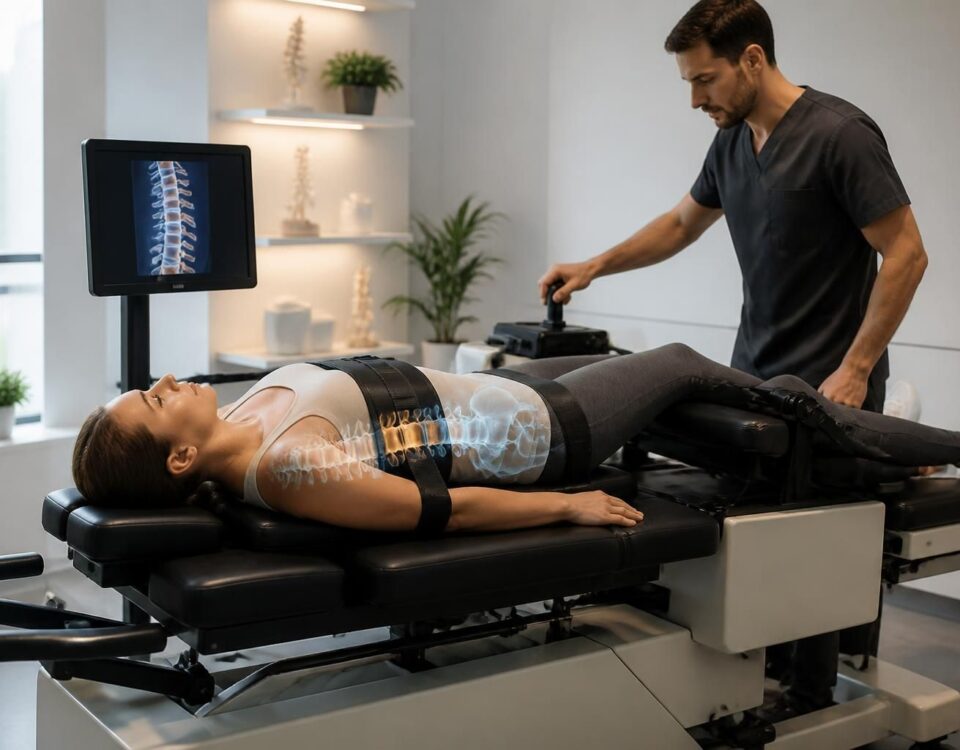
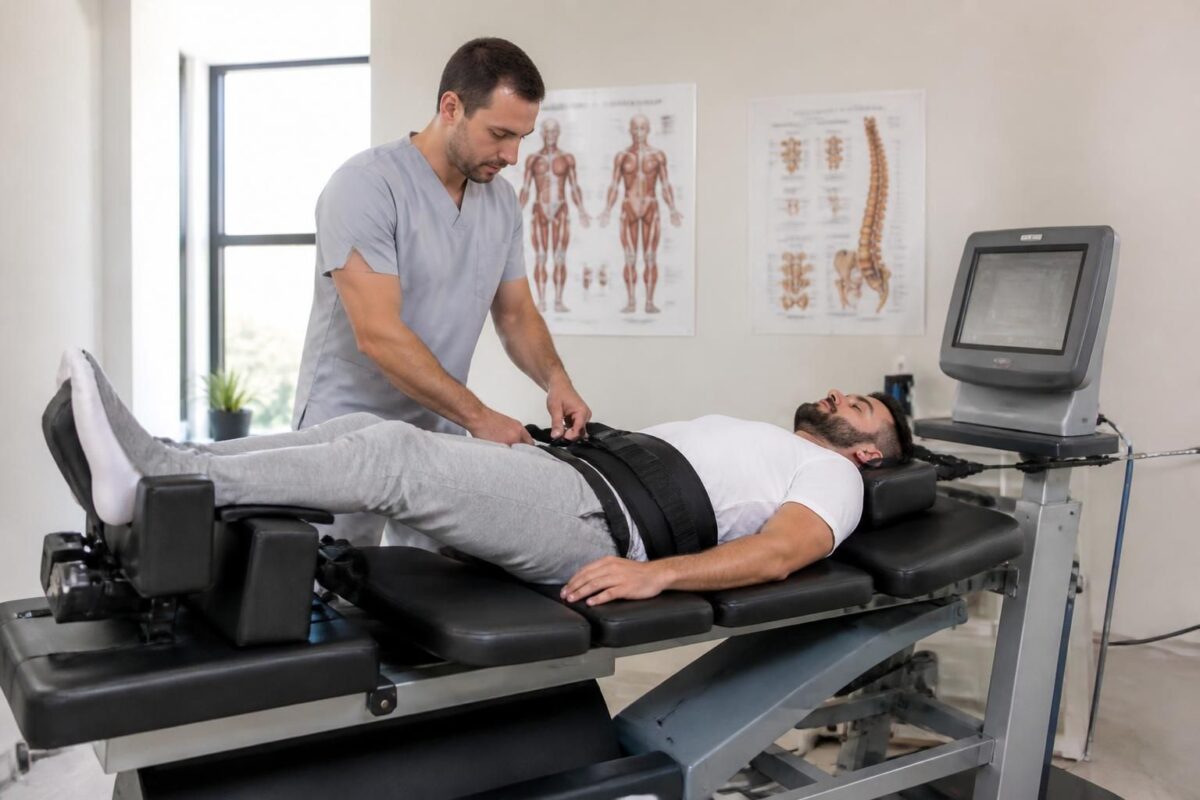
The technique applies gentle and controlled traction on the spine. It creates a space between the vertebrae, which decreases the pressure on the surrounding discs and nerves. This decrease in pressure can contribute to the reduction of muscle spasms and tensions accumulated in the back and neck, and can improve mobility. The objective is to provide lasting comfort without the need for surgery. For an overview of protocols and results, see Dedicated Resources.
Indications and safety
This approach is mainly suitable for lower back and cervical pain associated with pathologies such as nerve pinches, protrusions or disc degeneration. It represents a non-invasive option, with a favorable safety profile when carried out by qualified professionals and according to established protocols. For elderly or at-risk patients, a prior assessment by a specialist is recommended to confirm the adequacy of treatment.
For patients and professionals wishing to deepen the technical aspects and protocols, several accessible resources describe the steps and selection criteria. For example, you can explore content that presents advanced protocols and mechanisms of action, as well as the observed benefits on mobility and quality of life.
Session process
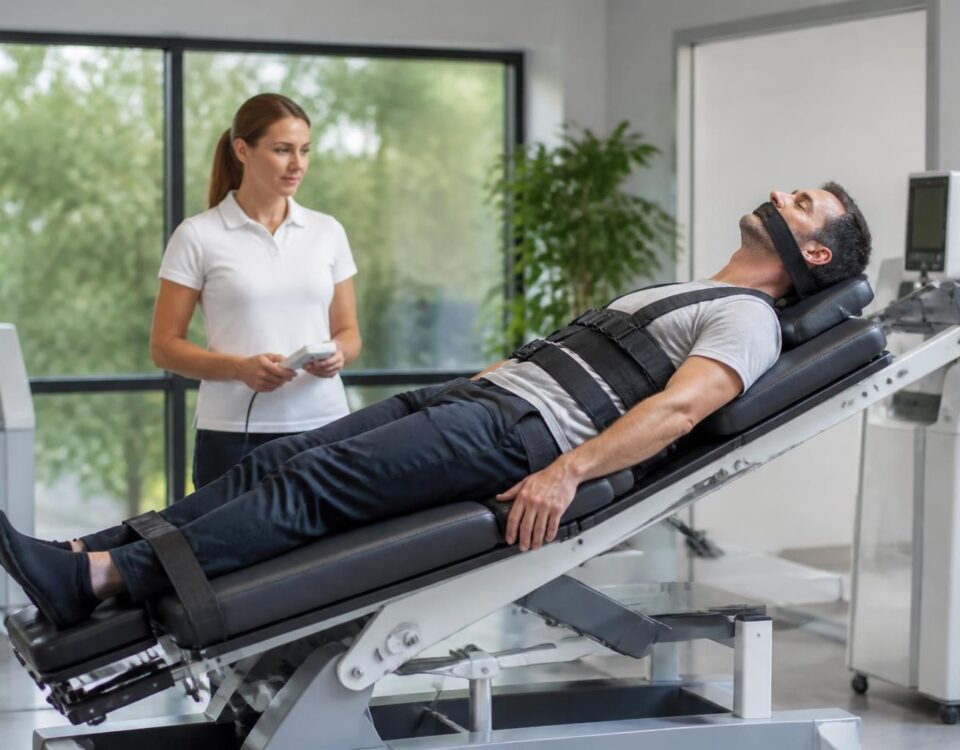
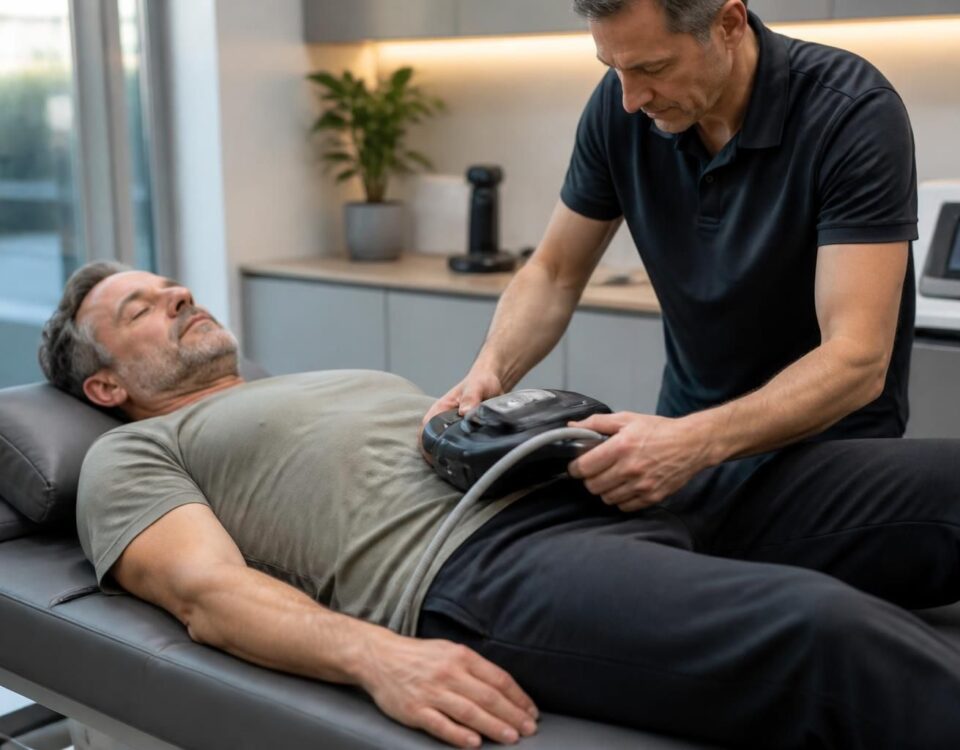
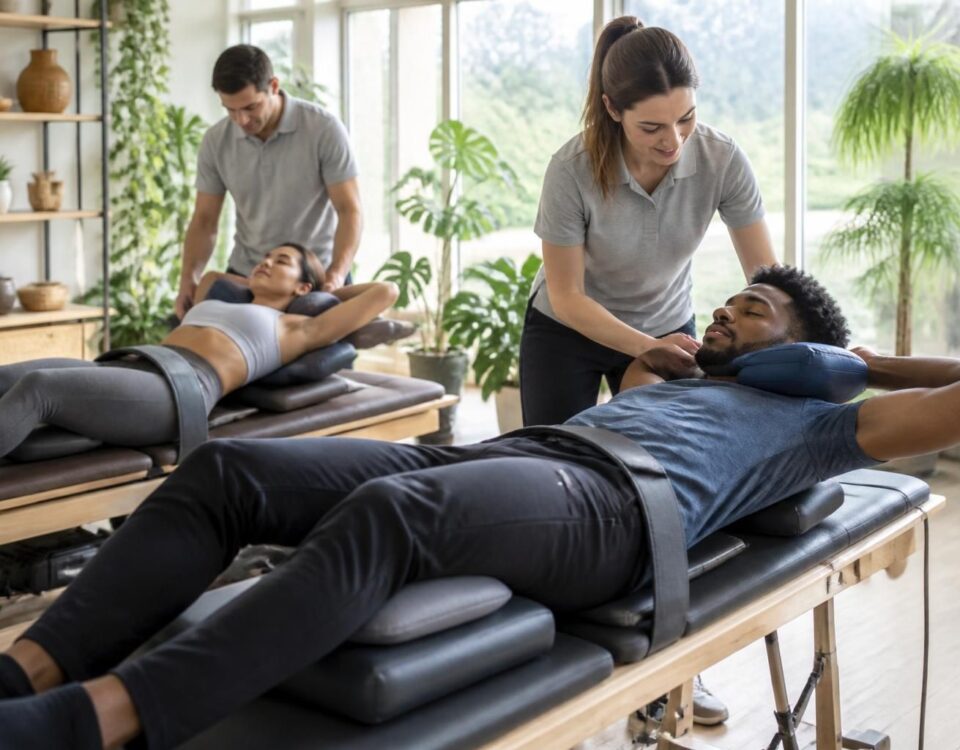
A typical session lasts about 30 to 45 minutes. The patient is placed on a specialized table, and the professional adjusts the traction parameters as appropriate. Treatment is generally well tolerated and does not cause pain. The number of sessions varies according to the severity of the symptoms and the patient’s goals, and is part of a global care plan supervised by the healthcare team.
To learn more about the practical elements and results observed, see the content dedicated to neurovertebral decompression and the prevention of chronic mechanical disorders, which presents key points and examples of courses.
Integration into a care pathway
Neurovertebral decompression fits into a global approach to pain and mobility management. It is often offered in specialized clinics and can be associated with lifestyle, posture and hydration advice. The initial assessment allows you to define a personalized program, with regular follow-ups to assess progress and adjust the treatment if necessary.
For people who want to deepen practical aspects and long-term outcomes, resources share information on improving flexibility, reducing muscle tension and maintaining benefits after treatment. You can also explore articles dedicated to improving the quality of life and prevention of recurrences.
In addition, discover how decompression can be considered in an associative and professional framework, in particular within organizations dedicated to osteopathy and manual medicine. Specific resources explain the benefits of this approach for patients with associated nerve and muscle pain.
To learn more, here are some useful and relevant resources on the topics discussed:
- Neurovertebral decompression and mobility
- Advanced Protocols for Patients in Neurovertebral Decompression
- Prevention of chronic mechanical disorders
- Complete guide to neurovertebral decompression
- How decompression improves flexibility and reduces muscle tension
- An effective solution for nerve pain
- Decompression and well-being, regaining a quality of life
- Why decompression is a therapy of choice for seniors
- Neurovertebral Decompression and Secondary Muscle Pain – Full Management
- Neurovertebral decompression and mobility
- Advanced protocols for decompression patients
- Complete guide
- Prevention of mechanical disorders
Training and Safety: Professionals involved in decompression may have been trained in recognized schools and programs such as NUMSS and NAO. Osteopaths trained by National University of Medical Sciences or National Academy of osteopathy can also practice this approach, with appropriate supervision and within the framework of the professional rules in force. Relevant professional associations include ACMA (Canadian Alternative Medicine Alliance), as well as the College of Canadian Osteopaths and the College of Canadian Osteopaths.
For patients, it is important to remember that the information provided here does not replace personalized medical advice. Always consult your healthcare professional for proper diagnosis and treatment.
Medical Disclaimer: The information and advice provided on this site does not replace the health professional’s diagnosis or treatment. Please note that Dr. Sylvain Desforges osteopath is neither a doctor of medicine nor a doctor, and is not a specialist in a medical specialty as defined by the Collège des Médecins du Québec. Manual medicine, functional medicine and sports medicine as described on this site exclude any medical treatment or diagnosis made by a doctor or specialist doctor. Always consult your doctor for any medical questions. For more details, please read our full legal notice.
Axis: Cascade effect of decompression on muscles and posture
- Principle : gentle traction that creates a space between the vertebrae and reduces the pressure on the discs and nerves.
- Circulation : Improvement of the vascularization and imbibition of the discs to nourish the tissues.
- Inflammation : Decreased inflammation around the nerve roots and adjacent muscles.
- Mobility : Increased spinal flexibility and improved posture.
- non-invasive : Alternative to surgery with less risk and faster recovery.
- Muscle pain : Reduction of pain and associated muscle tension.
- Relaxation : decrease in spas and muscle tone, facilitating relaxation.
- Posture and balance : decrease in compensation and better distribution of efforts.
- Functional recovery : faster return to daily and sports activities.
- lasting effect : Progressive and lasting relief when integrated into a care program.

This summary offers practical recommendations on the neurovertebral decompression and the Relief of associated muscle pain. It describes the mechanism, the situations where it is useful, and concrete advice for optimizing the results, favoring a non-invasive and personalized approach.
Understanding neurovertebral decompression and its effects on muscle pain
The neurovertebral decompression consists of applying a gentle traction on the spine to create a space between the vertebrae and decrease the pressure on the intervertebral discs and on the nerve roots. This pressure reduction promotes an improvement in the bloodstream and a decrease ininflammation, which can reduce protective muscle reflexes and rigidity. As a result, muscle pain associated with prolonged tension and misalignment subsides and mobility improves.
How neurovertebral decompression optimizes body alignment
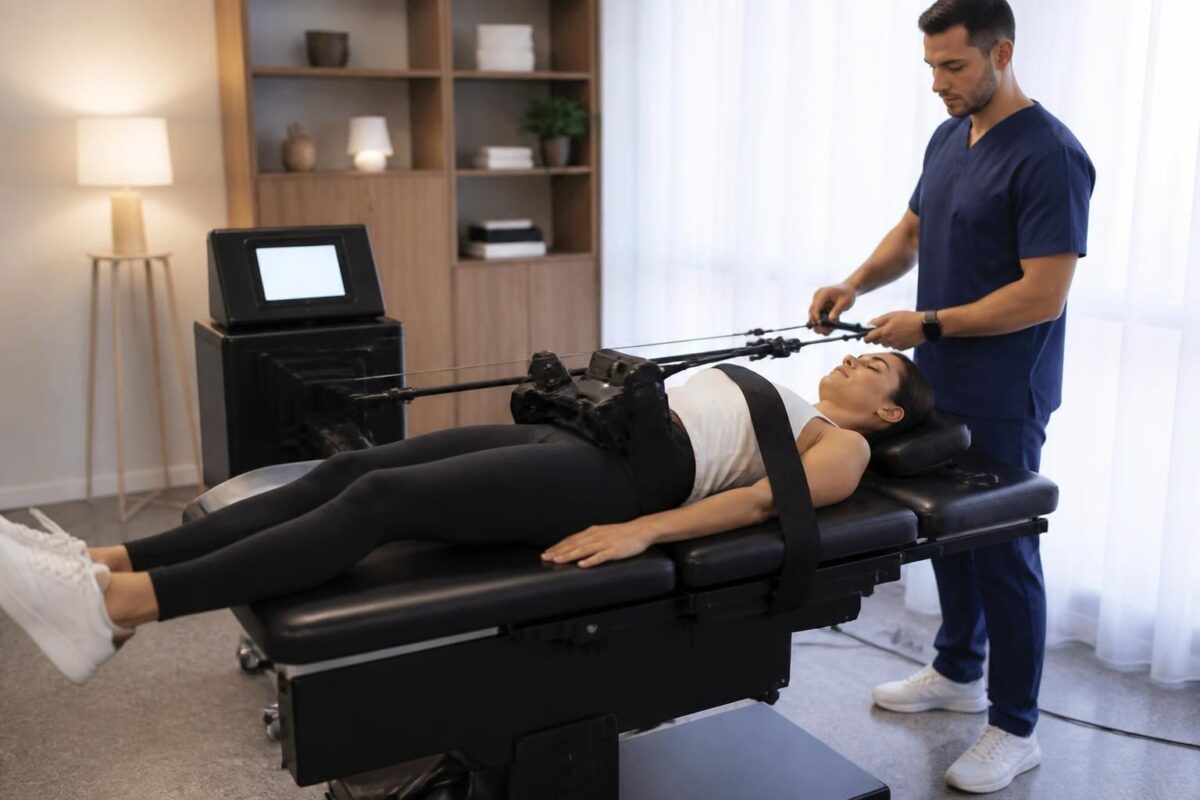
In short In short, neurovertebral decompression is one Non-invasive therapy which aims to Reduce pressure on intervertebral discs and nerves via controlled traction of the spine. What does it bring? This makes it possible to correct the Postural imbalances and…
Neurovertebral decompression and post-traumatic pain management
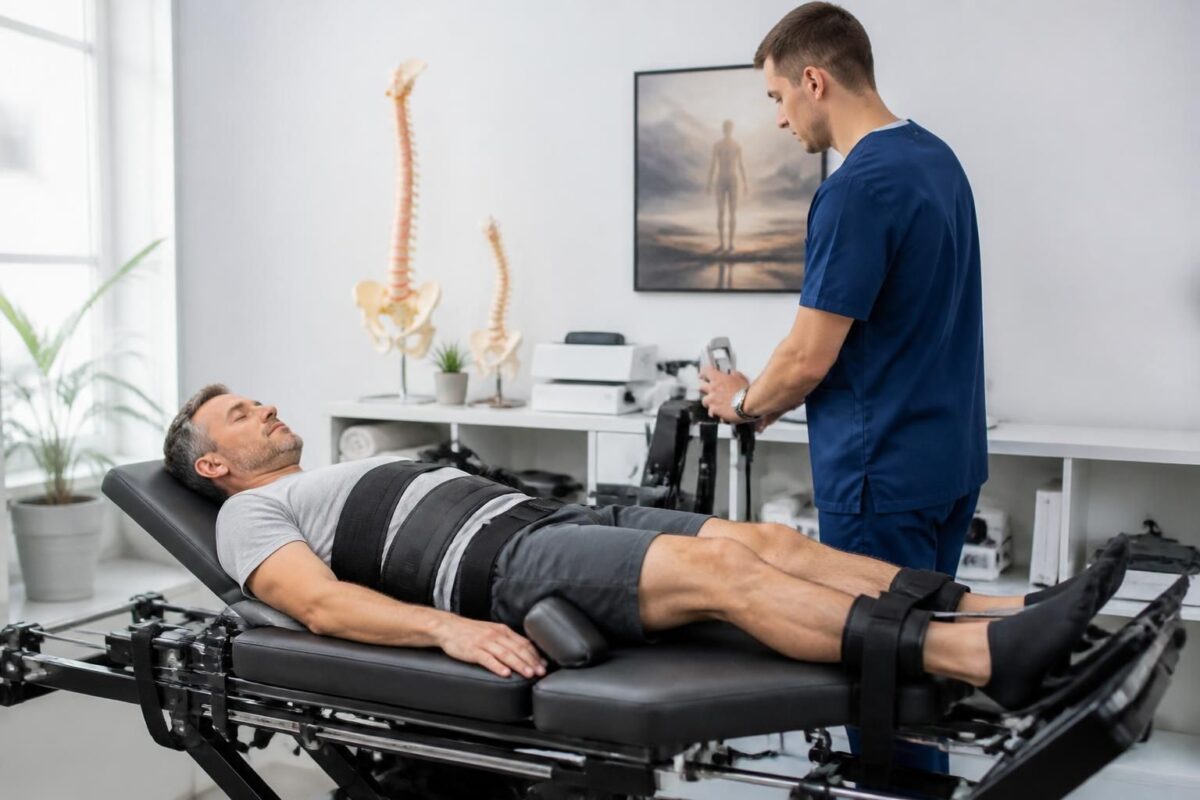
In short In short, the neurovertebral decompression is one Non-invasive method which aims to reduce the pressure on gristle and the Intervertebral discs To treat pain post-traumatic and associated neuropathic pain. Its key advantages include theImproved flexibility of the column…
Indications and benefits for muscles
This technique is particularly suitable when muscle pain comes from nervous conflict or disc degeneration. By releasing compressed nerves and reducing spasms, it helps the muscles regain their natural tone and provides Lasting pain reduction. Patients often report better posture and greater ease in resuming daily and sporting activities.
Why neurovertebral decompression is an essential preventive solution
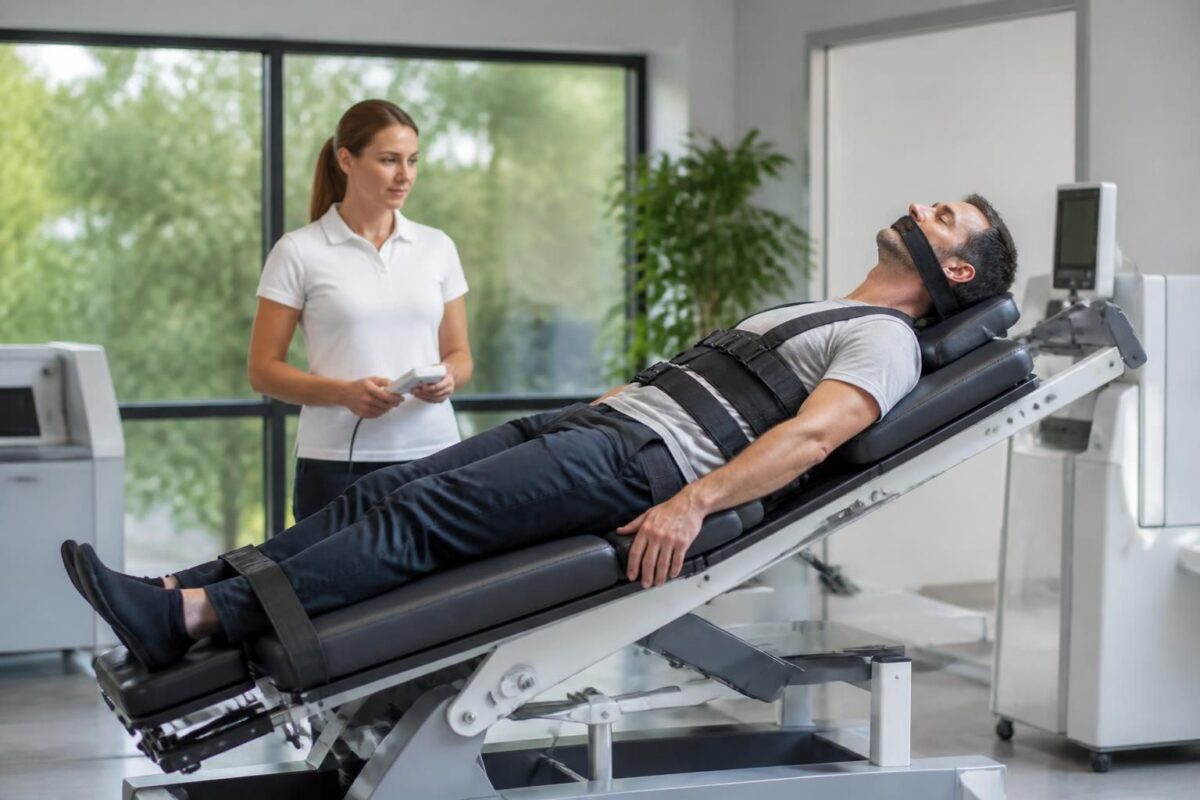
In short In short, neurovertebral decompression is one Preventive solution non-invasive which aims to sustainably reduce the pressures on the discs and nerves. What is it? targeted therapy using Controlled traction on the column to create a Intra-discal vacuum, promote…
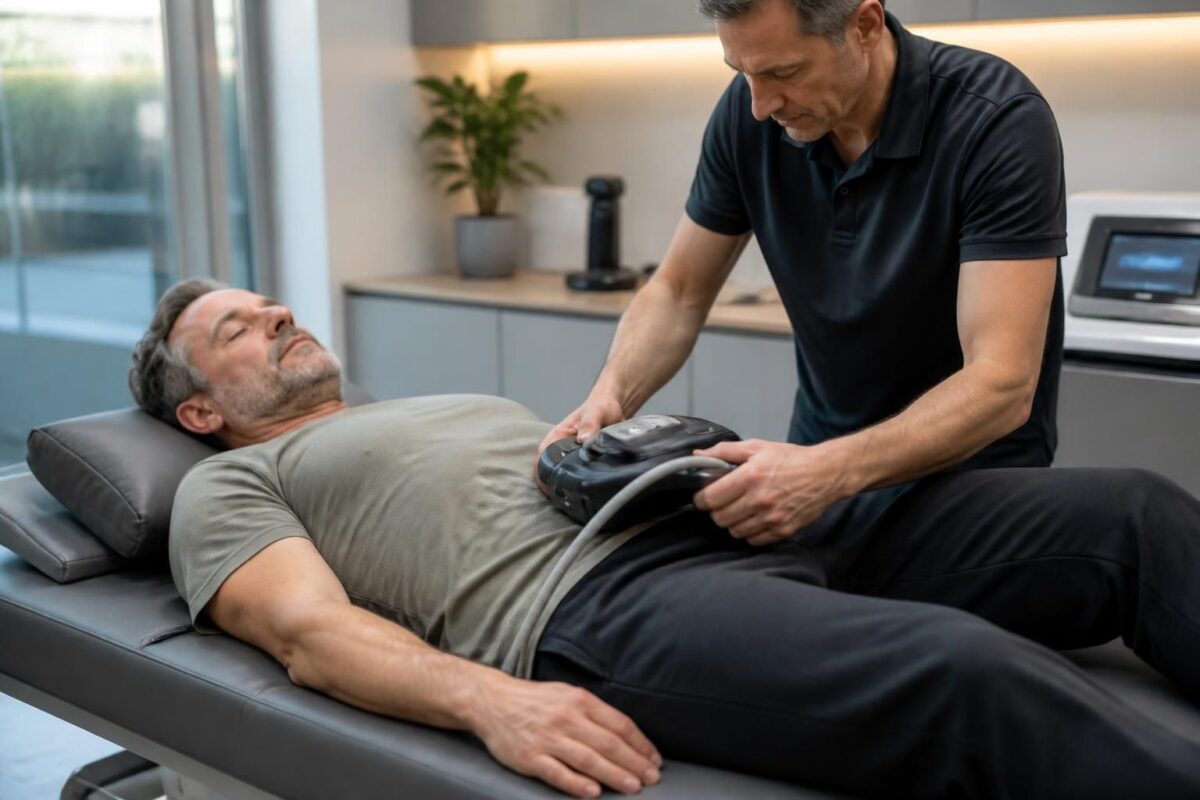
Neurovertebral decompression and treatment of chronic lumbar pain
In short In short, neurovertebral decompression is a technique non-invasive of Treatment of chronic lower back pain which reduces the Pressure on discs and nerves and can relieve the herniated discs and the disc degeneration. At Montreal, it offers a…
Practical tips for optimizing results
Preparation and safety
Before you start, make sure you Professional assessment To confirm theAdequacy of treatment and customize the protocol. Inform your therapist of any medical history, pregnancy or conditions that could influence the therapeutic decision.
Integration with other approaches
To maximize profits, combine decompression with exercises muscle building, exercises of posture and techniques of relaxation. Sufficient hydration, a balanced diet and active day breaks support recovery and recurrence prevention.
Frequency and rhythm of sessions
An effective course provides for regular sessions, typically spaced 2 to 3 days apart, with a duration of 30 to 45 minutes per session, and a progression plan adapted to your answer. The therapist will adjust the settings based on your progress and comfort.
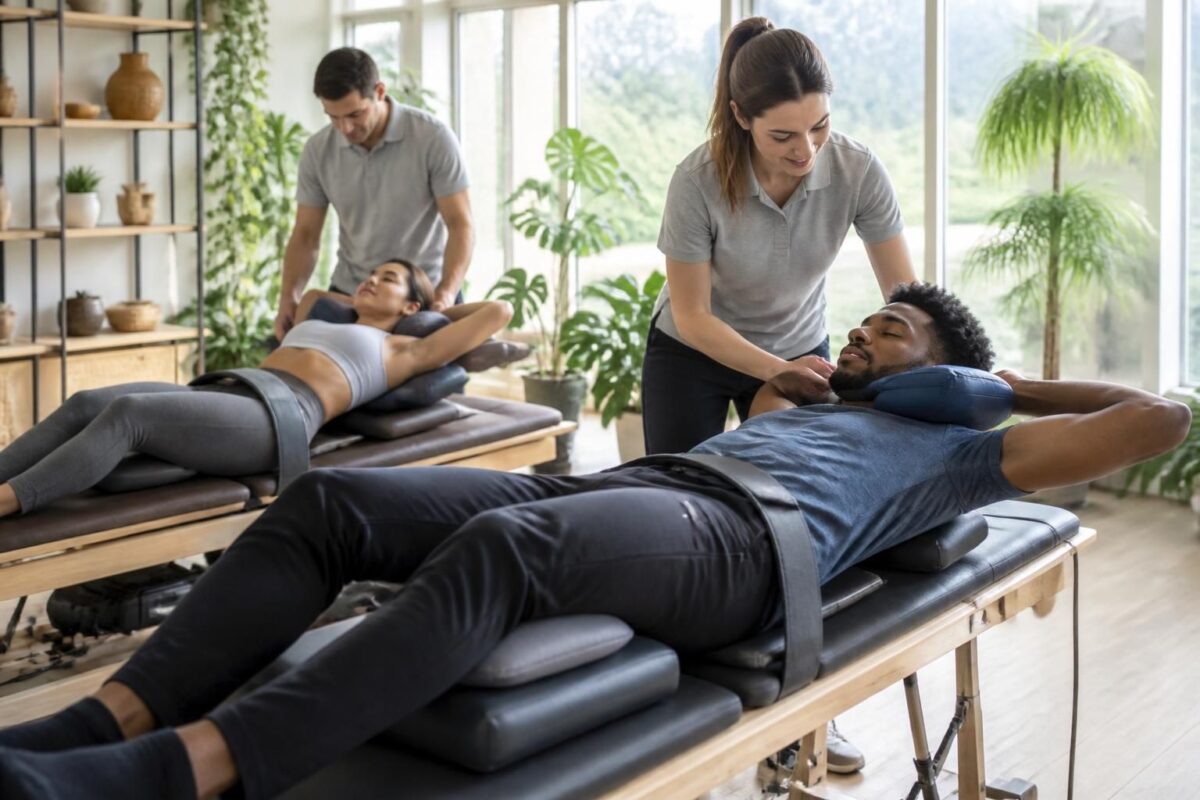
The physical and mental benefits of a neurovertebral decompression program
In short In short, the program of neurovertebral decompression is one Non-invasive approach which aims to underline the Chronic pain and improve the Physical and mental well-being. What is it? A technique that decreases pressure on discs and nerves to…
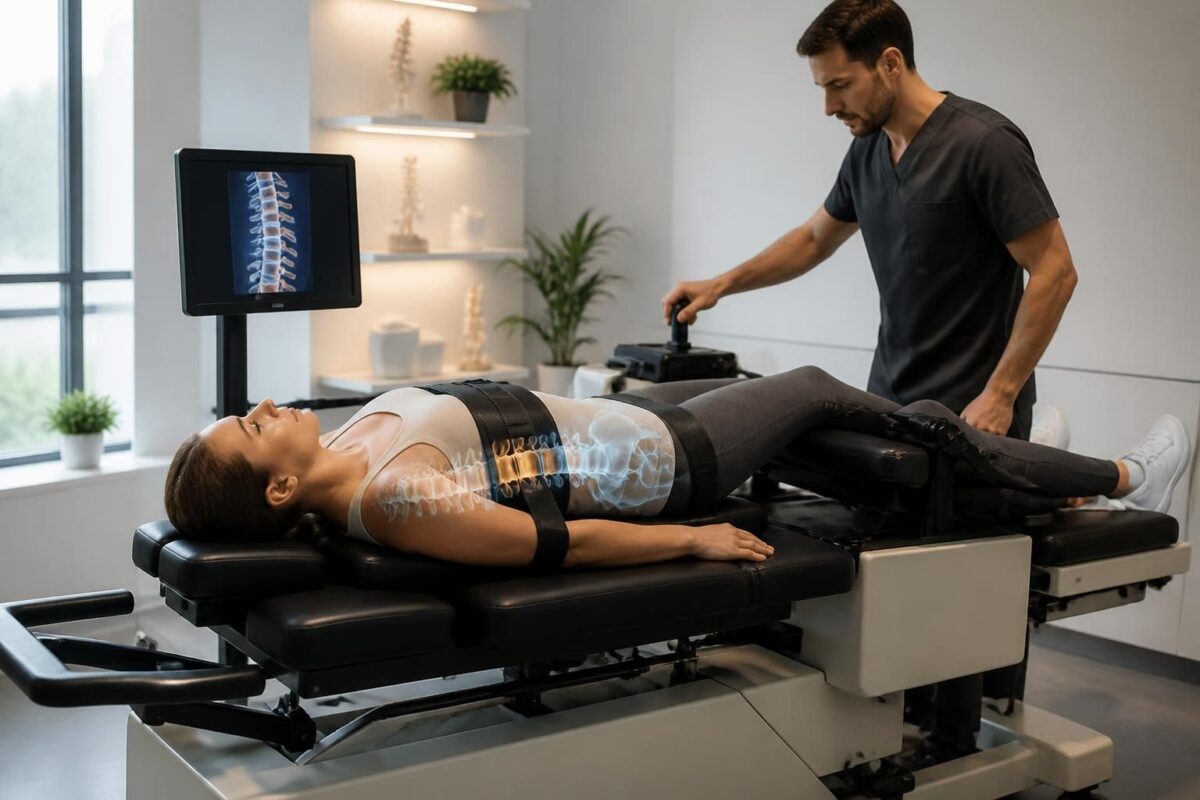
How neurovertebral decompression improves the function of intervertebral discs
In short In short, the neurovertebral decompression is one Non-invasive technique which applies a Controlled traction along the column to create a space between the vertebrae and reduce the Intradiscal pressure on the Intervertebral discs. This reduction promotes Disk retraction…
Plan of a care pathway
Planning a custom path is essential. Here are the key steps and their purpose.
initial assessment
Analysis of symptoms, mobility and aggravating factors to define realistic goals and an appropriate decompression protocol.
Planning and objectives
Definition of the targets to be achieved over a given period and description of the additional exercises to be carried out at home.
Decompression sessions
Realization of the sessions with follow-up of sensations and adjustment of the parameters according to tolerance and efficiency.
Exercises and home support
Soft stretching and targeted reinforcement program to support treatment and prevent recurrences.
Monitoring and adjustments
Regular reassessment to measure progress and adapt the plan accordingly, to ensure Sustainable recovery.
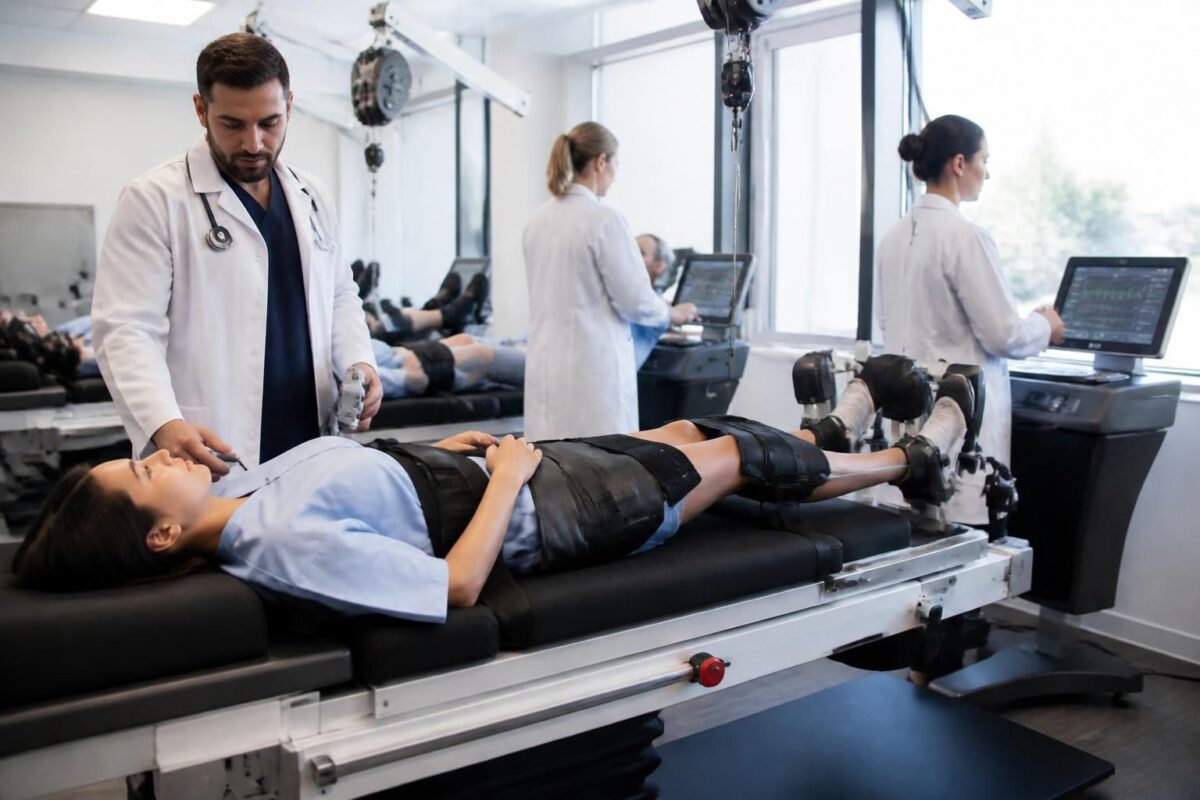
Advanced protocols for patients with neurovertebral decompression
In short In short, neurovertebral decompression is one Non-invasive technique which releases the pressure on the discs and nerves by a Controlled traction computer-guided. What is it? a series of Advanced Protocols adapted to the severity of lumbar or cervical…
Neurovertebral decompression and prevention of disc complications
In short In short, the neurovertebral decompression is one Non-invasive technique to Reduce pressure on intervertebral discs and nerves. It promotes the Tissue regeneration and the Prevention of disc complications such as The disc herniation, The disc bulge and the…
Comparative: neurovertebral decompression and associated muscle pain relief
| Aspect | Effect and summary |
|---|---|
| Definition | Technical non-invasive Aiming to reduce the pressure on the nerves and reduce associated muscle tension. |
| Mechanism | Traction fresh on the spine to create space and promote circulation local. |
| Target audience | Adults suffering from herniated discs, nerve pinches, lumbar or cervical pain and associated muscle pain. |
| Nervous benefits | Relief lasting Nerve pain and improved mobility. |
| Muscle benefits | reduction of voltages and muscle tone, decreased muscle-related pain. |
| Type of treatment | Option non-invasive avoiding surgery and its risks. |
| Effects on circulation and regeneration | Improves the bloodstream and supports the regeneration of nerve and muscle tissue. |
| Impact on mobility | Increases range of motion and facilitates daily activities. |
| Duration and persistence | Progressive results over several sessions with maintenance potential after a dedicated course. |
| Security and risks | considered low-risk when practiced by a qualified professional; Protocol adapted to contraindications. |
Testimonials on neurovertebral decompression and associated muscle pain relief
Emilie, 43 years old testifies: “For months, I had lower back pain and muscle tension that limited my days. After the sessions of neurovertebral decompression, the relief appeared gradually and my sinews relaxed. I sleep better and I found a better mobility“.”
Mark, 52 years old testifies: “After a fall and cervical pain, the neurovertebral decompression reduced pressure on my nerves and my sinews of the neck have relaxed. I found an amplitude of movement that I thought was lost. »
Aurore, 36 years old testifies: “I am athletic and my shoulders and my back hurt after training. Thanks to the decompression, my associated muscle pain subsided and I was able to resume my sessions without pain. »
Pierre, 60 years old testifies: “The muscles around my spine relaxed. The relief muscle pain was followed by better posture and faster recovery after my exercises. »
Sophie, 49 years old testifies: “The sessions decompression allowed me to alternate between muscle relaxation and activity. I feel less tense and my Associated muscle pain have decreased. »
Thierry, 67 years old testifies: “By avoiding surgery, I discovered a non-invasive solution. After several sessions, my Muscle pain and my back pain decreased and I found a better mobility on a daily basis. »
the DR Sylvain Desforges, expert in osteopathy, naturopathy and manual medicine, occupies a central place in the innovation of musculoskeletal care. Founding President of the TagMed Clinics and the ACMA Association, he devoted his career to developing integrative and evidence-based approaches to improve the quality of life of patients with Chronic pain. His career combines clinical practice, applied research and pedagogical leadership, in order to disseminate therapeutic methods that combine efficacy and safety.
At the heart of his approach is the neurovertebral decompression, a technique non-invasive Aiming to reduce pressure around intervertebral discs and nerve roots. By a gentle and controlled traction of the column, it widens the space between the vertebrae, improves the circulation of nutrient fluids and allows rehydration of the discs. This modulation of nerve pressure contributes to alleviating radicular pain and, concomitantly, to reducing associated muscle tension, thus facilitating the return to daily activities and better mobility.
In practice, Dr. Desforges considers muscle pain as often linked to neuromuscular imbalances and tensions maintained by repeated positions or local inflammation. Neurovertebral decompression acts as the engine of a healing process, promoting blood circulation and tissue metabolism. associated with complementary therapies, such as stimulation by laser and the shock waves, it can accelerate tissue recovery, reduce spasms and improve flexibility, while targeting structural causes rather than treating symptoms only.
Dr. Desforges favors a structured and personalized approach. Each patient receives an in-depth assessment that determines the most appropriate decompression program, then a scheduled cycle of sessions based on goals, health status and background. The results are measured regularly to adjust the treatment and optimize the benefits. The protocol is designed to be non-invasive and safe, minimizing risks while paying particular attention to ergonomics, posture and lifestyle, which sustainably support functional improvement.
Through his commitment to writing a more effective and verifiable medicine, Dr. Desforges contributes to the dissemination of a model of care that combines neuroscience, biomechanics and modern technologies. Its vision is to offer treatments that not only relieve pain but gradually restore functional capacity. By guiding his clinics and participating in professional networks, he encourages a collaborative approach between osteopathy, naturopathy and manual medicine, in order to offer complete and integrated rehabilitation courses.
For those considering neurovertebral decompression as a therapeutic option, Dr. Desforges’ expertise provides patient-centric, data-based and appropriate care for each profile. His work illustrates how the relief of associated muscle pain can be part of a sustainable recovery strategy, restoring the balance of the nervous system and the musculoskeletal system.
neurovertebral decompression offers an approach non-invasive For the relief of Associated muscle pain By acting on the spine and surrounding tissues. This article details how this technique, based on gentle traction, can free up the space between the vertebrae, reduce the pressure on the nerves and improve circulation, which promotes repair and reduction of muscle tension linked to chronic pain.
The neurovertebral decompression is based on a gentle traction which creates a space between the vertebrae, thus reducing the pressure on the intervertebral discs and nerve roots. By improving local circulation and disc imbibition, this approach helps to reduce inflammation and promote tissue regeneration involved. The results observed are illustrated by a significant decrease in associated muscle pain, better mobility and an increased ability to carry out daily activities without discomfort.
The benefits of this therapy are not limited to occasional relief. By promoting a more balanced posture and better musculoskeletal coordination, it contributes to a Prevention of recurrences And to a lasting recovery after painful episodes. His character non-invasive distinguishes it from surgical interventions and pharmacological treatments, offering a safe option for those seeking to avoid the risks and recovery times associated with surgery.
To optimize the results, decompression integration must be part of a Overall care pathway Including a complete initial assessment, a personalized program and multidisciplinary support. At the same time, adopting a healthy lifestyle, adapted exercises and good posture contributes to supporting the therapeutic benefits and maintaining a functional spine over the long term.
Typical indications include pain due to herniated discs, nerve pinches and degenerative disorders that disrupt nerve function and trigger associated muscle pain. Although the results are encouraging, it is essential to consult a health professional to assess the suitability of this approach to your situation, because each case is unique and requires an accurate adaptation of the protocol.
For those who wish to deepen the subject and discover additional perspectives, several online resources present analyzes and feedback on neurovertebral decompression and the relief of associated muscle pain. For example, you can explore detailed information and testimonials via the following links: Neurovertebral decompression: a natural alternative to surgical solutions, Modern techniques in neurovertebral decompression, Neurovertebral decompression and rehabilitation after complex surgery, Vertebral decompression: a natural treatment, Neurovertebral decompression and relief of associated muscle pain, Role of neurovertebral decompression, Why decompression is essential for sedentary workers, Complete guide for patients, Prevention of relapses after an injury, Muscle tension and rapid results.
In summary, the neurovertebral decompression stands out as a modern and effective therapeutic option for Relief of associated muscle pain, offering a realistic and safe alternative to surgery and medication, while placing the patient at the heart of a personalized and lasting healing process.

Dr Sylvain Desforges, B.Sc., D.O., N.D., osteopath, is the founding president of TAGMED and of the ACMA association. He dedicates his practice to chronic spinal pain, low back pain and symptoms compatible with sciatica, particularly when pain radiates toward the buttock, leg, calf, foot or toes.
Through SOS Sciatique, he publishes educational content on sciatica symptoms, possible causes such as disc herniation, disc narrowing, foraminal stenosis or irritation of a lumbar nerve root, as well as non-surgical approaches that may be considered according to the evaluation. At Clinique TAGMED, care may include, depending on the case, motorized neurovertebral decompression, specific osteopathic care or precision percussion.
For an evaluation related to sciatica treatment in Montreal / Mount Royal or sciatica treatment in Terrebonne, please consult the services available at Clinique TAGMED.
Medical disclaimer
The information published on SOS Sciatique is provided for educational purposes only and does not replace a consultation, diagnosis, opinion or treatment provided by a physician or another authorized healthcare professional. The author of this article is neither a medical doctor nor a specialist in a medical specialty recognized by the Collège des médecins du Québec. The osteopathic, manual medicine or functional support approaches described on this site do not constitute medical acts and are not intended to replace medical follow-up.
Consult a physician or emergency service in cases of loss of bladder or bowel control, anesthesia in the saddle area, significant or progressive weakness in the leg or foot, fever, recent trauma, severe pain or rapid worsening of symptoms. For more details, please read our Legal Notice.