Osteopathic approaches to prevent sports injuries
28/06/2026
Osteopathic manipulations to relieve trapezoid tensions
28/06/2026
In short
| In short, theosteopathy is a manual and holistic approach that aims to strengthen the Musculoskeletal system and the Overall well-being. What is it? a discipline that improves mobility and thealignment tissues and joints to prevent pain. What are the advantages? pain reduction, better posture, circulation and balance of the nervous system, prevention of imbalances and recovery after exercise; Suitable for all ages. How does it work? gentle techniques that release tension, restore harmony between muscles, joints and fascias, and stimulateself-healing of the body. At Montreal, this service is particularly recommended for postural tension and lower back pain related to the active lifestyle. |
theosteopathy is an approach holistic which aims to strengthen the Musculoskeletal system To improve the Overall well-being. By working on the Joint mobility, the Release of muscle tension and theNerve function optimization, it allows to restore the balance of the Neuro-musculoskeletal triad and support self-healing of the body. This approach promotes better posture, a Blood and lymphatic circulation improved and lasting pain reduction. Result: regained energy, increased mobility and optimized physical performance in daily life and sports activity.
This article, written by a health professional and expert, explains how theosteopathy can promote the Overall well-being By strengthening the Musculoskeletal system. It emphasizes a simple and practical approach that seeks to optimize mobility, reduce tension and support nervous regulation, for a better quality of life on a daily basis.
Foundations and Approach
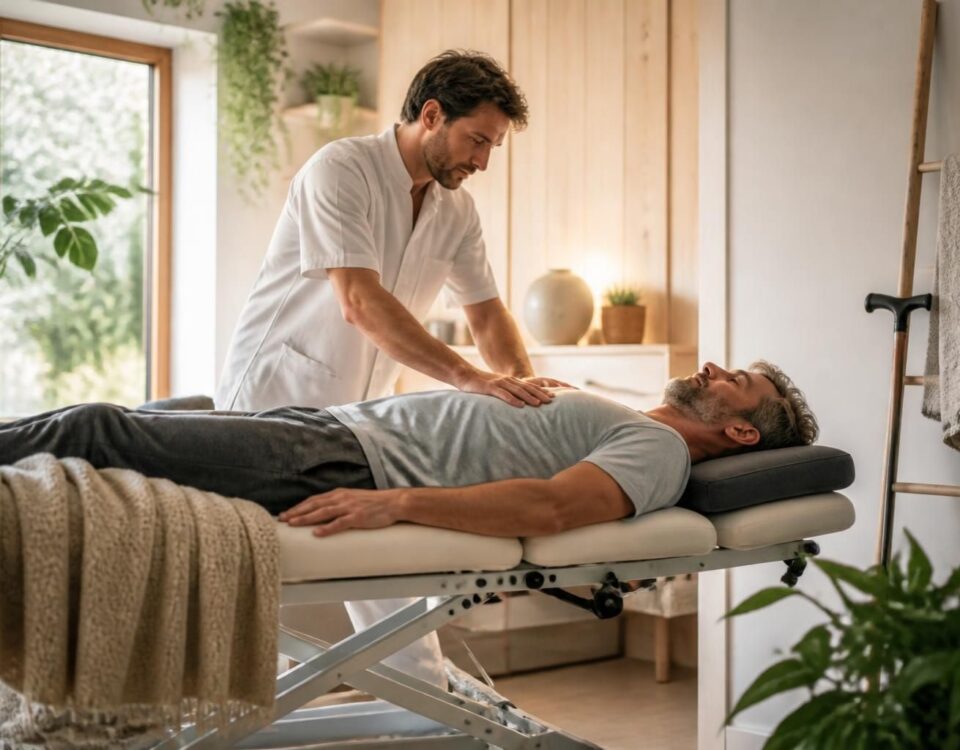
The body is perceived as a functional unit. The Triad neuro-musculoskeletal Regroups the nervous system, muscles and joints. A disturbance in one of these elements can impact the whole body. Osteopathy aims to restore harmony between these systems to support Self-healing ability and the Optimal operation of the body. Preferred techniques include gentle manipulations, joint mobilizations and targeted release methods.
Mobility and articulation
The Joint mobility is at the heart of osteopathic practice. A freely moving joint reduces muscle tension and improves blood and lymph circulation. This better circulation nourishes the tissues and supports the functioning of the nervous system.
Release of muscle tension
Prolonged muscle tension limit movement and can lead to pain. Osteopathic work aims to relax tensions and harmonize tensions between muscle groups. By restoring a muscle balance, we support a healthier posture and better stability of the trunk and shoulders.
Role of the nervous system
The nervous system regulates sensations and bodily functions. By acting on the structures surrounding the spine and nerves, osteopathy can promote better transmission of nerve signals. This can contribute to more moderate pain perception, improved coordination and more appropriate postural responsiveness.
Global approach and prevention
The holistic approach considers the body as a whole. Occasional pain may reflect an imbalance elsewhere, for example in the hips or spine. Treating the cause, rather than the only symptom, helps prevent future imbalances. Osteopathy is thus part of a proactive approach to prevention, rehabilitation and maintenance of well-being.
Integration into working life and resources
For active people, osteopathy can support the performance and recovery. For sedentary people, it can help to improve mobility and posture durably. Useful resources include articles on Sustainable benefits for overall health and on the Performance of active professionals. For an assessment and care, the TagMed Clinic offers services adapted to your needs (Tagmed Clinic). Additional information on osteopathic approaches and general indications are available on the pages Muscle pain and pain management and Cervical and daily pain.
For technical aspects and the prevention of imbalances, the field of training is provided by recognized institutions, such as NUMSS, NAO, National University of Medical Sciences and National Academy of osteopathy, which train the professionals of tomorrow. Among the professional associations are ACMA, the College of Canadian Osteopaths and the College of Canadian Osteopaths.
Additional resources on osteopathy and overall well-being can be found in the following areas: Why Osteopathy is a Sustainable Solution for Global Health, Improve performance among active professionals, and Osteopathy and muscle pain.
For general information, the site neurovertebral decompression Can complete your understanding, without detailing specific exercises here.
Care and assessment services are also available at the Tagmed Clinic, and trainings or resources can be consulted from the establishments mentioned above.
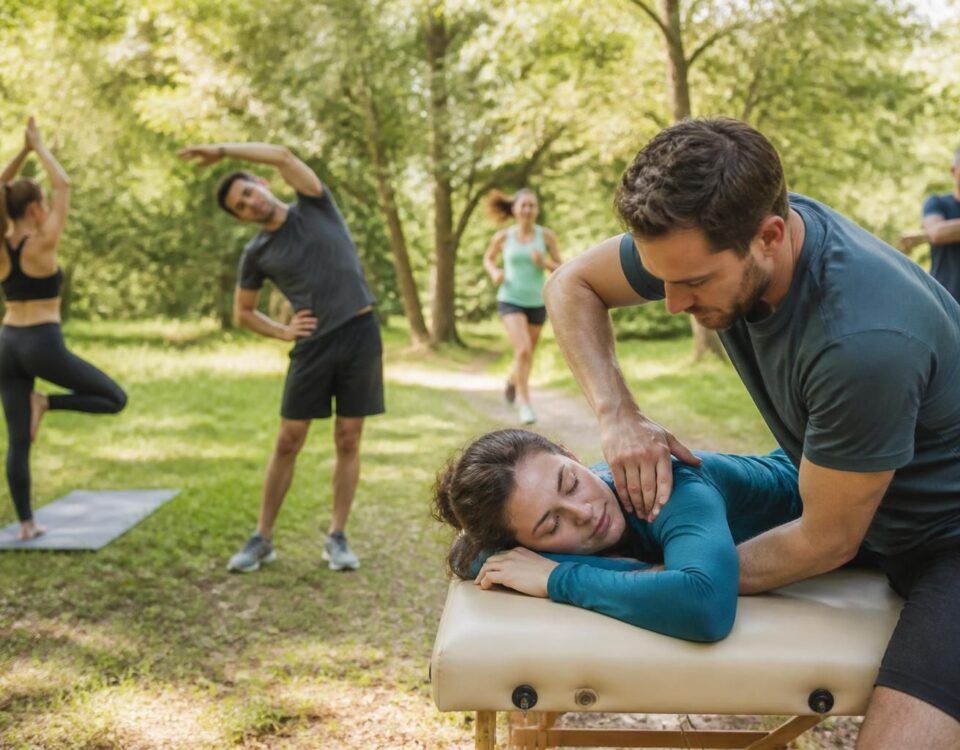
In connection with sports practice or the prevention of injuries, osteopathy relies on manual techniques and on a global assessment of the body to identify areas likely to limit mobility or generate repetitive tensions. This pro-active approach promotes better posture, better circulation and more effective nervous regulation, thus contributing to a Physical and emotional well-being reinforced.
To complete your understanding, you can also explore public resources on The benefits of osteopathy to prevent muscle imbalances and Osteopathy and pain management.
Reminder of training and professional executives: Numss, NAO, National University of Medical Sciences and National Academy of Osteopathy train osteopaths. Professional associations include ACMA, College of Canadian Osteopaths and College of Canadian Osteopaths.
As part of osteopathic practice, the objective is to improve mobility, balance muscle tension and optimize circulation, in order to support overall health and the body’s ability to self-regulate.
For any questions relating to specific medical conditions or treatments, consult your doctor or authorized professional. Scientific resources and foundations support the osteopathic approach, while respecting the clear indications and the limits specific to each case.
“Medical disclaimer: The information and advice provided on this site does not replace the health professional’s benefit, diagnosis or treatment. Please note that Sylvain Desforges osteopath is neither a doctor of medicine nor a doctor, and is not a specialist in a medical specialty as defined by the Collège des Médecins du Québec. Manual medicine, functional medicine and sports medicine as described on this site exclude any medical treatment or diagnosis made by a doctor or specialist doctor. Always consult your doctor for any medical questions. For more details, please read our full legal notice. »

This article offers practical recommendations to improve the Overall well-being By strengthening the Musculoskeletal system Through an approach osteopathic and holistic. You will discover how the mobility, thealignment And recovery interact to improve posture, reduce tension and promote better quality of life on a daily basis.
Understanding the link between mobility and well-being
At the heart of osteopathy, Neuro-musculoskeletal triad Connects the functioning of the nervous system, muscles and bones. When one of these elements is restricted, the whole body can suffer: pain, fatigue and limitation of movement. IMPROVE THE Joint mobility and the Tissue flexibility Restore theharmony and supports the General well-being.
Good mobility promotes better circulation and more effective stress management. By restoring appropriate amplitudes of motion, you prevent compensation that can lead to Chronic pain and persistent fatigue. The goal is toListen to the body and to favor gestures that preserve the balance between the different structures.

How osteopathy improves the quality of life of active people
In short In short, theosteopathy is a global approach that Optimizes mobility and the function of the body of ACTIVE PEOPLE, for a better quality of life. It helps prevent injury and reduce Musculoskeletal pain While promoting the Sports recovery.…

Osteopathy and sports recovery: prepare the body for lasting performance
In short In short, Osteopathy and Sports recovery is one Global manual approach that sustainably prepares the body for the effort by restoring mobility and circulation After the effort. It is a discipline that acts on the sinews, the joints,…
Strengthen the musculoskeletal system on a daily basis
Adapted and regular physical activity
Integrate simple and progressive exercises that strengthen the stabilizing muscles and improve the mobility of the shoulders, hips and back. Favor short but regular sessions, including posture, breathing and motor control work. The goal is to create a solid foundation that supports the joints and reduces tension.
Opt for activities that you like and that respect your body tolerance. A blend of soft reinforcement, targeted stretching and trunk stability work promotes better postural label and lasting energy during the day.
Postural hygiene and ergonomics
Adapt your workstation and your daily habits to limit unfavorable joint loads. Adjust your chair, the height of your screen and favor active breaks every 30 to 60 minutes. A good ergonomy Contributes to maintaining a posture balanced, to reduce cervical and lumbar tensions and to preserve mobility for the long term.
Integrate effective micro-mayors, such as straightening with relaxed shoulders, place the chin slightly tucked in and spread the weight evenly on both feet when moving. These simple gestures reinforce the harmony of the musculoskeletal system.
Recovery and sleep
Sleep is a key factor in tissue recovery and nervous system regulation. Aim for sufficient duration and favor positions that support the spine. In practice, favor diaphragmatic breathing routines and periods of relaxation before bedtime to improve the quality of rest and promote better resilience on a daily basis.
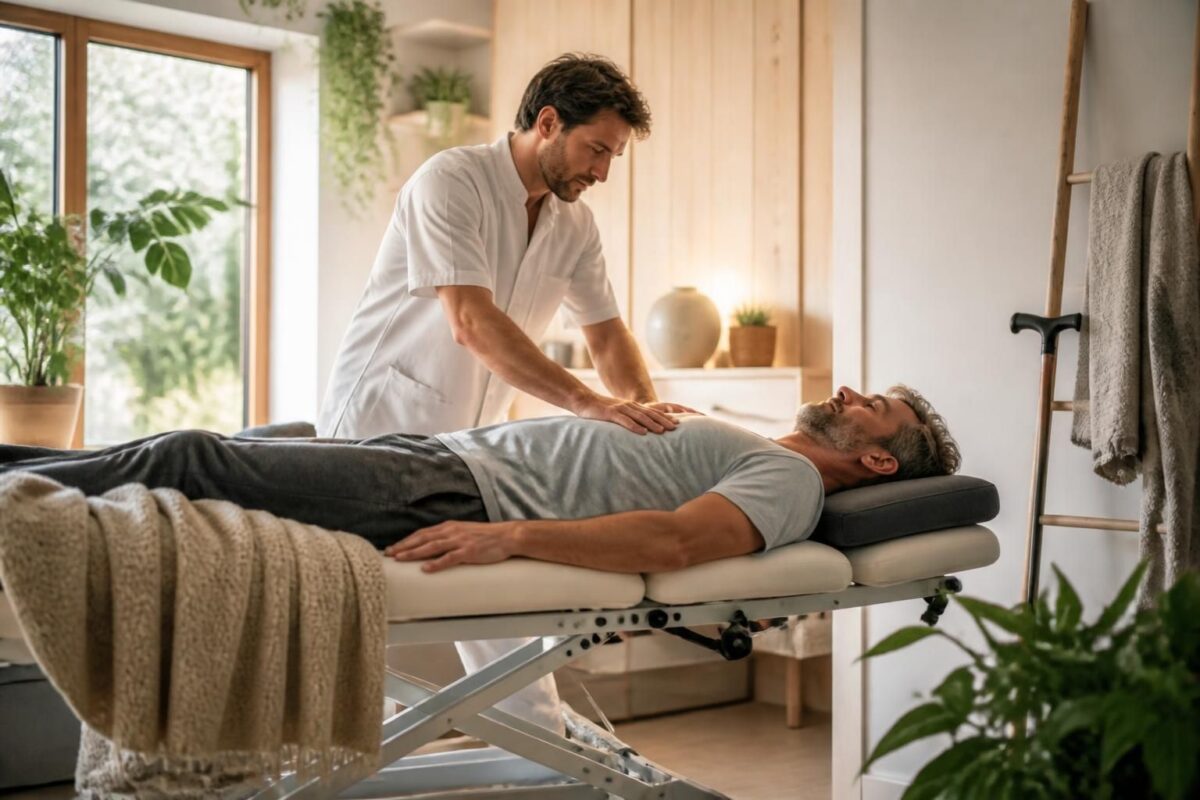
Why Osteopathy Is Essential For Recovery People
In short In short, Osteopathy in convalescence is an approach manual and holistic which helps to accelerate the recovery by restoring The balance, the mobility and a good circulation fabrics. it contributes to Reduce the pain, support the Back to…

Osteopathic manipulations to strengthen post-traumatic muscles
In short In short, Osteopathic manipulations for Strengthen post-traumatic muscles constitute a gentle manual approach aimed at restoring the mobility, reduce the pain and facilitate the Functional rehabilitation After a injury. What is Is it? A series of precise gestures…
The role of osteopathy in overall well-being
by techniques sweet and targeted, osteopathy helps release tensions, Restore theJoint amplitude and promote the circulation. This approach emphasizes the structure-function relationship and aims to prevention as well as the natural self-healing of the body, in order to sustainably support well-being.

Osteopathy and prevention of work-related musculoskeletal disorders
In short theosteopathy is one Manual approach that restores body balance and prevents MSD related to work. Its advantages: reduction of tension, improvement of mobility and prevention of chronic pain. She is preventive and healing, suitable for office and trades…

The benefits of osteopathy to treat muscle imbalances
In short theosteopathy is a manual approach to restore themuscle harmony and postural considering the body as a whole. Its main benefits include the reduction of aches and tensions, the improvement of the mobility and from the posture, and prevention…
Practical tips for a holistic approach
Adopt a simple and regular routine that combines adapted physical activity, ergonomics and recovery. Listen to the signals of your body and do not hesitate to request an osteopathic assessment to identify the axes of mobility to improve. At the same time, maintain a balanced diet and sufficient hydration to support everyday tissues and energy.
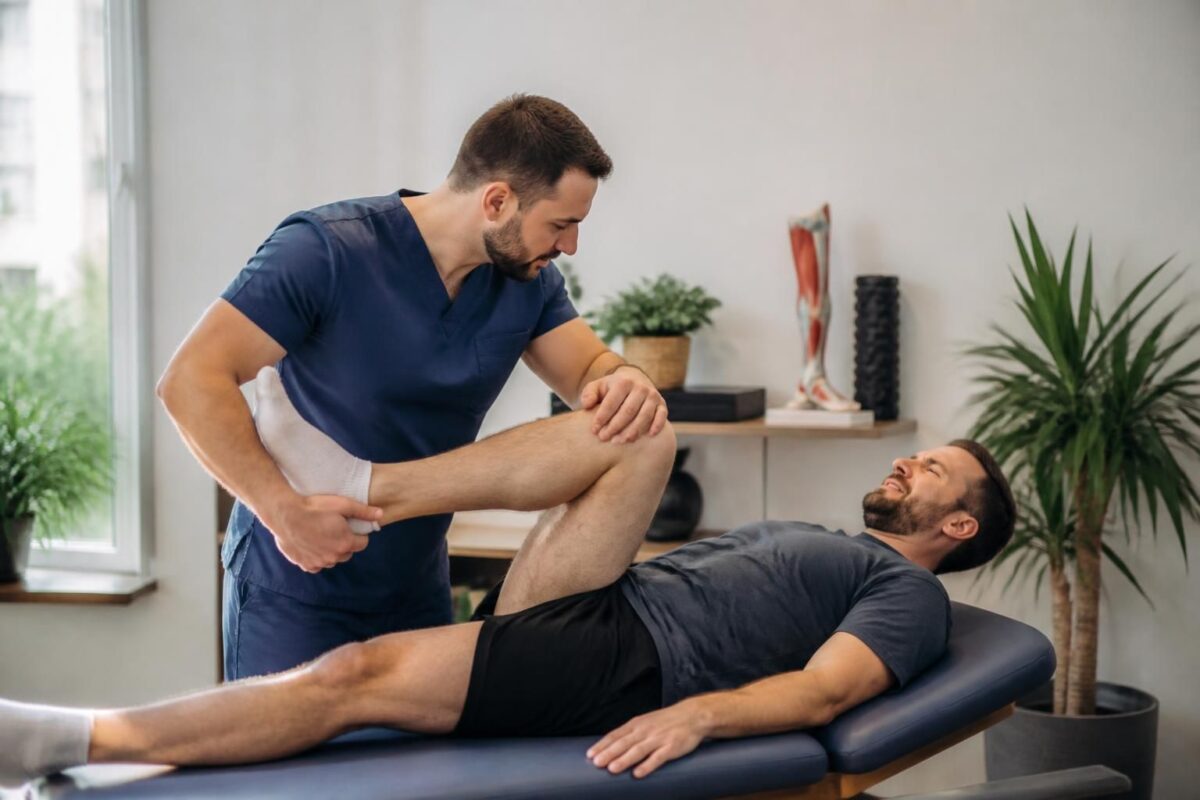
Osteopathy and chronic leg pain: regaining an optimal quality of life
In short In short, Osteopathy is one Global manual approach aimed at reducing Chronic leg pain and improve the quality of life. What is it? Non-drug therapy using the hands to identify restrictions and treat lesional chains. How does it…
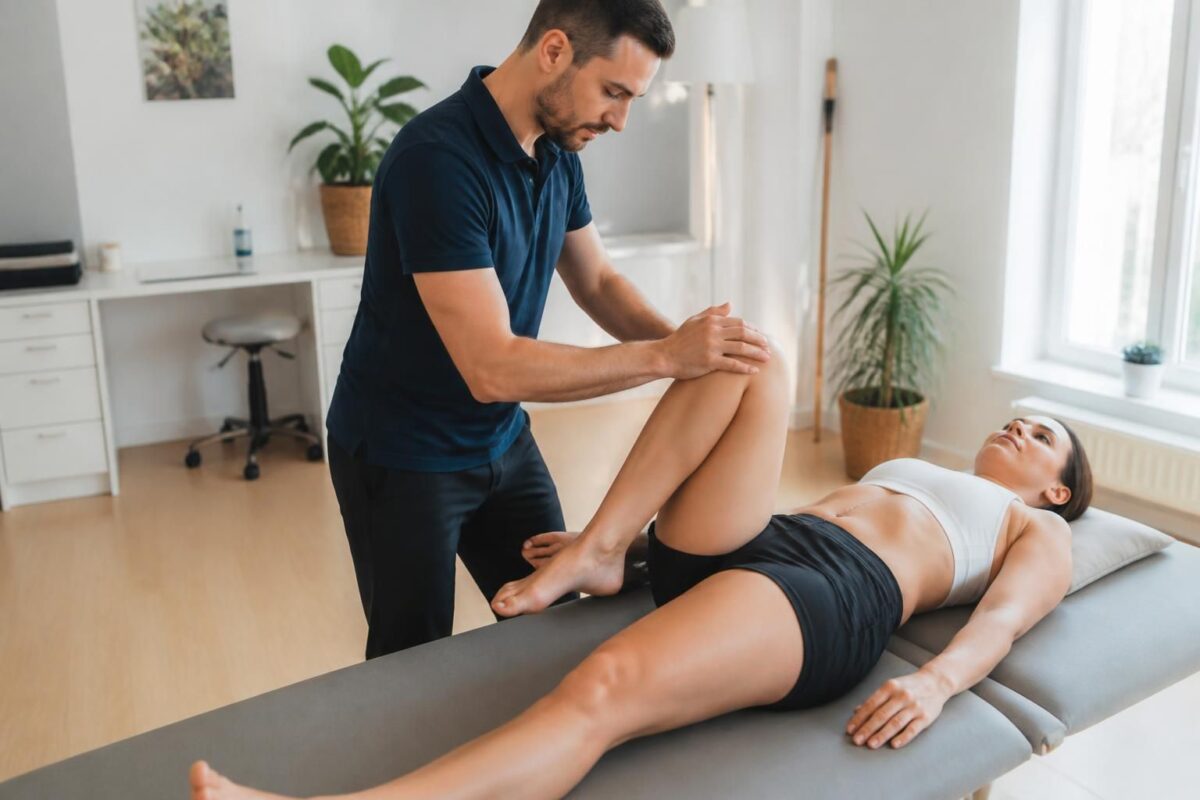
How osteopathy supports recovery after complex surgery
In short In short, Post-operative osteopathy is an approach fresh which supports the recovery After a Complex surgery. It helps to reduce the pain and the fatigue, improves the mobility and accelerates the healing thanks to a better vascularization and…
Osteopathy and overall well-being: strengthening the musculoskeletal system
| Axis | Concise impact |
|---|---|
| Joint mobility | Improves the amplitude and fluidity of the joints |
| Muscle tensions | Release muscle tension and reduce pain |
| Posture and alignment | Optimizes body positioning and prevents chronic pain |
| The nervous system | Balances nerve pathways and reduces pain awareness |
| Circulation and fluids | Stimulates blood and lymphatic circulation, accelerates recovery |
| prevention | Prevention: pro-active approach to maintain mobility and function |
| rehabilitation | Accompanies post-injury rehabilitation |
| well-being global | Contributes to physical and mental well-being |
| Lasting effects | Durable effects with regular practice |
Testimonials: Osteopathy and overall well-being — Strengthening the musculoskeletal system
For a few months, the sessions ofosteopathy allowed me to reduce my Lower back pain and improve my mobility. I find an ease in my daily gestures and a general well-being.
My posture lined up and the Muscle tensions dissipated thanks to targeted work on the Musculoskeletal system.
As an athlete, I have seen a marked improvement in my performance and an recovery faster after training.
The Joint mobility has been restored and I felt a energy new, as if my body was finally working harmoniously.
For me and my family, osteopathy is a way preventive effective in avoiding Postural imbalances and maintain a Sustainable well-being.
theosteopathy is a care discipline focused on the intimate interrelation between body tissues. Its goal is to improve the mobility and the elasticity of Neuromusculoskeletal structures In order to support the Overall health and quality of life. favoring an approach preventive And personalized, it aims to promote the body’s natural ability to heal and self-regulate. This practice, based on careful observation of the interactions between bones, muscles, nerves and organs, acts on the function rather than on isolated damage, for lasting and visible results on a daily basis.
The Neuro-musculoskeletal triad Describes the functional unit of the body where the the nervous system, the sinews and the skeleton constantly interact. A disturbance in one of these poles can influence equilibrium, posture and the ability to move. Osteopathy seeks to restore the mobility and theharmony between these systems, in order to improve not only the pain but also performance and daily well-being.
The the nervous system, heart of regulation, governs the transmission and control of essential functions. Tensions around the column or peripheral nerves can hinder the flow of signals and cause pain, stiffness and dysfunction. By releasing constraints and improving the mobility of the spinal segments, osteopathy promotes better transmission of influxes and a feeling of rediscovered lightness.
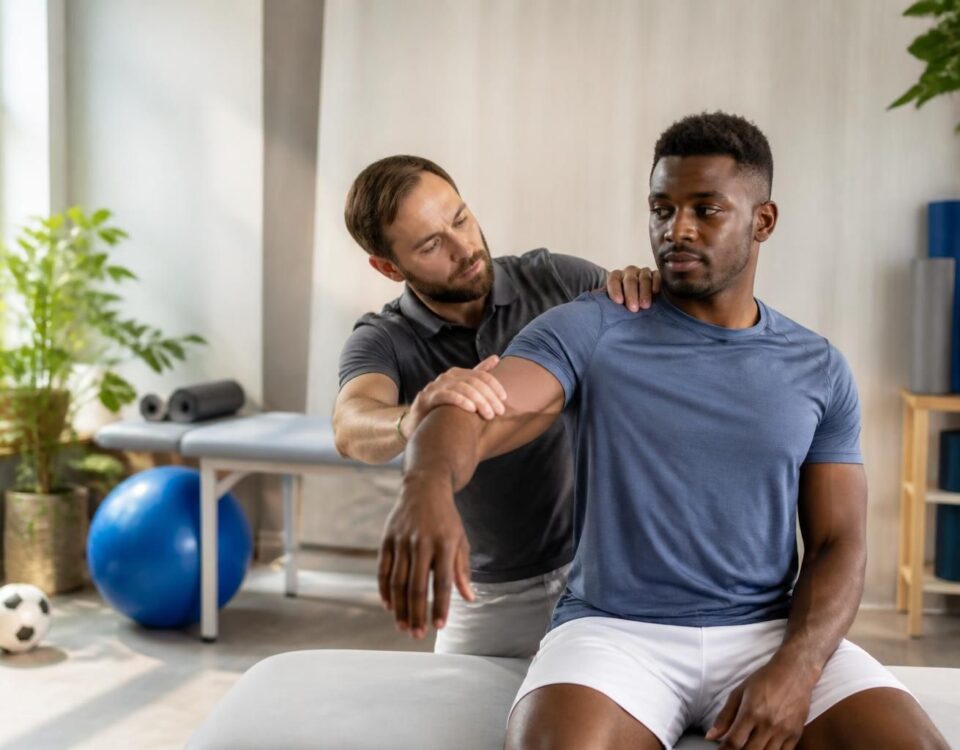
The muscle system Ensures movement and stability. Chronic tensions or postural imbalances can generate restrictions that maintain a painful loop. by relaxation techniques myofascial, targeted stretching and tissue rebalancing, the osteopath helps to release the tense muscles and restore a harmonious tone, for more fluid and less tiring everyday gestures.
The skeletal system Offers structural body seating. Immobilized or misaligned joints can alter the overall function and impact the mobility of other segments. Osteopathic action aims to restore thealignment and the mobility joints, in order to improve body synchronization and to prevent painful compensations that settle over time.
Approach holistic: Rather than treating an isolated area, osteopathy considers the body as a whole. Knee pain can originate in a hip, spine or even a pelvic function. By evaluating the links between the regions, the practitioner adapts the care plan to treat the cause and not only the symptoms, with strong and lasting personalization.
Prevention and rehabilitation: osteopathy is part of the prevention than in recovery after trauma. By working on the mobility, thebalance and the circulation, it contributes to reducing tension, optimizing posture and accelerating the return to activity. This proactive approach is suitable for both athletes and active people wishing to preserve their health capital and energy.
Techniques and technologies: the use of fine manipulations, joint mobilizations and stretching is the heart of the intervention. In addition, the integration of adapted technologies can amplify the benefits: non-invasive spinal decompression, therapies by laser and shock waves, used in a targeted and secure manner to facilitate recovery and strengthen muscle function. These tools enable faster and more sustainable results.
To adopt this approach is to choose an approach where the health is seen as a dynamic balance between structure and function, sustainable and adapted to everyone. This therapeutic route offers a better mobility, a more aligned posture, optimized circulation and stress reduction, while strengthening the resilience on a daily basis and the ability to practice activities that are important to you.
This summary highlights how Osteopathy, based on the functional unit of the body and the Neuro-musculoskeletal triad, contributes to Overall well-being By consolidating the Musculoskeletal system, by improving the Joint mobility and promoting self-healing with a holistic approach. By going through targeted manual techniques and preventive advice, it shows how to reduce pain and optimize performance and quality of life.
The Strengthening of the musculoskeletal system is built around the Joint mobility, of Relaxation of muscle tension and thetraffic optimization and from the nervous function. osteopathic techniques, in particular engagement and the Myofascial relaxation, aim to restore the harmony of the tissues and to support a lasting posture on a daily basis, while preserving the balance of the body.
adopt a holistic approach Identifies the root causes pain and imbalances, rather than limiting oneself to treating the symptoms. This perspective guides personalized interventions and practical advice to maintain mobility and prevent recurrences. To learn more, see Why Osteopathy Is A Global Approach to Well-Being.
The long-term benefits are part of a proactive approach: better posture, lasting pain reduction, more effective recovery after exercise and increased protection against injury. This approach also supports the emotional well-being and improves the Physical performance active people. For additional perspectives on uses and results, explore How Osteopathy Improves Sports Performance or Why osteopathy is an effective solution for sports recovery.
Finally, the integration of osteopathy with other approaches can sustainably strengthen functional capacities: nutrition, appropriate physical activity and chronic pain prevention. To broaden your understanding and discover different perspectives, consult additional resources such as Synergy of nutrition and osteopathy and Osteopathy – Cinga, or Osteopathy and well-being, strengthening functional capacities.
For daily prevention and well-being oriented resources, explore Osteopathy and prevention — Maintaining optimal health on a daily basis and Osteopathy and well-being — Natural solution against chronic pain. Other relevant resources include Overall well-being — Strengthening the musculoskeletal system and Benefits for relieving chronic leg pain.
In short, each session is part of a dynamic of prevention, mobility and nervous harmony that can sustainably support general well-being and physical performance. To deepen mechanisms and applications, resources like Osteopathy and well-being — a natural solution against chronic pain or How Osteopathy Improves Sports Performance can be viewed as needed.

Sylvain Desforges, B.Sc., D.O., N.D., docteur en ostéopathie
Dr Sylvain Desforges, B.Sc., D.O., N.D., osteopath, is the founding president of TAGMED and of the ACMA association. He dedicates his practice to chronic spinal pain, low back pain and symptoms compatible with sciatica, particularly when pain radiates toward the buttock, leg, calf, foot or toes.
Through SOS Sciatique, he publishes educational content on sciatica symptoms, possible causes such as disc herniation, disc narrowing, foraminal stenosis or irritation of a lumbar nerve root, as well as non-surgical approaches that may be considered according to the evaluation. At Clinique TAGMED, care may include, depending on the case, motorized neurovertebral decompression, specific osteopathic care or precision percussion.
For an evaluation related to sciatica treatment in Montreal / Mount Royal or sciatica treatment in Terrebonne, please consult the services available at Clinique TAGMED.
Medical disclaimer
The information published on SOS Sciatique is provided for educational purposes only and does not replace a consultation, diagnosis, opinion or treatment provided by a physician or another authorized healthcare professional. The author of this article is neither a medical doctor nor a specialist in a medical specialty recognized by the Collège des médecins du Québec. The osteopathic, manual medicine or functional support approaches described on this site do not constitute medical acts and are not intended to replace medical follow-up.
Consult a physician or emergency service in cases of loss of bladder or bowel control, anesthesia in the saddle area, significant or progressive weakness in the leg or foot, fever, recent trauma, severe pain or rapid worsening of symptoms. For more details, please read our Legal Notice.