Sciatica in Terrebonne: pain that starts from the lower back down to the leg
12/08/2026
Central disc herniation and sciatic pain: what you need to understand
12/08/2026
IN BRIEF
| In brief, sciatica with mild low back pain and pain radiating down the leg is a sciatic nerve neuralgia. The pain starts in the lower back and may travel down the leg. Benefits: rapid pain relief, improved mobility, and appropriate management without surgery. How it works: quick assessment, exercise plan, and non-pharmacological therapies, with complementary options if necessary. Available in Montreal, this service aims to restore walking and daily activities while limiting pain. |
The sciatica is a sciatic nerve neuralgia that causes pain starting from the lower back and potentially radiating down to the leg. When the low back pain is mild but the pain in the leg is very pronounced, it often corresponds to painful irradiation along the path of the nerve, often related to a herniated disc or nerve compression.
Associated symptoms may include burning sensations, tingling, numbness, and weakness in the leg. Early diagnosis and treatment can reduce pain and restore mobility.
Quick tips: stay as active as possible without overexerting, avoid positions that worsen the pain, and consult a professional quickly for an assessment and appropriate treatment plan (e.g., physiotherapy, imaging tests if necessary).
This article, written by a healthcare professional, explains why sciatica can occur when low back pain is mild, and how to manage pain radiating down the leg without immediately resorting to surgery. It describes possible causes, signs to watch for, and the management options offered by specialized clinics, with clear guidelines to guide your approach, while prioritizing non-surgical methods when appropriate.
Understanding the Situation
The sciatica is a sciatic nerve neuralgia. This pain can start in the lumbar areas and radiate along the nerve’s path, down to the toes. When it is accompanied by low back pain, it is referred to as lumbosciatica. The pain can affect one or both legs, and the severity varies among individuals. If in doubt, a teleconsultation may be considered if your primary care physician is not available immediately. To understand the mechanisms and the most common causes (including their impacts on the painful path), you can refer to dedicated resources on specialized sites.
Signs and Symptoms
Typical signs include intense pain starting in the lower back and radiating to the buttock, then down the thigh and sometimes to the foot. This pain may have an “electric shock” nature and be accompanied by tingling, numbness, or muscle weakness in the affected leg. The presence of a single painful path, with nerve symptoms, helps to distinguish sciatica from simple low back pain.
Assessment and When to Consult Quickly
A consultation should be considered in case of alarming symptoms: loss of urinary control or incontinence, fever, very intense pain or rapid progression, or pain after significant trauma. A lumbar MRI may be indicated to assess a cause like a herniated disc, a protrusion, or other spinal anomalies. An evaluation by an osteopath or physician can guide treatment and the need for imaging.
Management Options
Depending on the assessment, non-surgical approaches remain a priority. At the TAGMED Clinic, care may include specific osteopathy, motorized neurovertebral decompression, and the use of a precision impactor, as part of an individualized plan. At the same time, general measures to relieve pain and promote mobility may be considered, while avoiding actions that do not suit your case. If symptoms persist, further tests may be proposed to clarify the cause and adapt treatment.
To deepen your understanding of issues related to sciatica, you can consult specialized resources on the following sites: sossciatique.com, sossciatique.com – disc-radicular conflict, and sossciatique.com – relationship between lumbar disc and sciatic nerve. Additional information on neurovertebral decompression and other non-surgical options is available at decompressionneurovertebrale.com and in resources associated with TAGMED Clinic.
Imaging and Additional Assessment
The use of imaging is guided by clinical progression. A lumbar MRI may reveal a herniated disc, protrusion, or disc compression. Based on the results and symptoms, a rheumatologist or another specialist may propose appropriate options, without immediately favoring surgery when symptoms improve with appropriate management. For additional information, dedicated resources explain the links between the lumbar disc and the sciatic nerve.
Practical Tips and Lifestyle
Stay as active as tolerable and avoid positions that worsen the pain. Light walking can be beneficial when the pain is controlled. Favor a suitable posture in daily life and avoid prolonged efforts that heavily strain the back and affected leg. If in doubt about what actions to prioritize, request a personalized assessment during your next visit to the TAGMED clinic. Multidisciplinary management aims to reduce pain and restore mobility without immediately resorting to invasive interventions.
For additional information on common causes and general approaches to sciatica, consult the following resources: Sciatica and pain radiating to the buttock, Lumbosciatica and back pain, and Sciatica in Terrebonne.
Restrictions and precautions: in cases of neurovertebral decompression or associated pathologies (herniated disc, foraminal stenosis, etc.), this text avoids recommending specific exercises or stretches when there is no clearly demonstrated indication or when it is a non-surgical evaluation. For more information, please refer to eligible resources and your care team.
For personalized support, TAGMED Clinic offers tailored solutions in Montreal or Terrebonne.
“Medical disclaimer: The information and advice provided on this site do not replace the opinion, diagnosis, or treatment of a health professional. Please note that Sylvain Desforges, B.Sc., D.O., N.D., Doctor of Osteopathy, is neither a doctor of medicine nor a physician, and is not a specialist in a medical specialty as defined by the Collège des médecins du Québec. Manual medicine, functional medicine, and sports medicine as described on this site exclude any treatment or medical diagnosis made by a physician or specialist. Always consult your doctor for any medical questions. For more details, please read our full Legal Notice.”
@media (max-width: 700px){
.two-columns-sciatique{flex-direction:column;}
}
.two-columns-sciatique ul{margin:0;padding-left:20px;list-style:disc}
.two-columns-sciatique li{margin-bottom:8px}
- Key signs: mild low back pain with pain radiating down the leg and sometimes electric sensations.
- Ttrajectory: pain that follows the typical pathway of the sciatic nerve (buttock → thigh → calf).
- Potential causes: sciatica related to a herniated disc, muscle strain, or osteoarthritis; possible pregnancy.
- Urgency: consult promptly if there is loss of strength, decreased sphincter control, or rapidly worsening pain.
- Recommended actions: stay as active as possible, avoid prolonged immobility, and prioritize relief positions.
- Treatment and follow-up: appropriate analgesics/anti-inflammatories, medical evaluation for guidance, physiotherapy after the acute phase, and possible imaging if pain persists.

This recommendation addresses a situation where sciatica is accompanied by mild low back pain but significant pain in the leg. Here you will find clear guidelines, practical advice, and indications on what requires prompt medical evaluation without delving into heavy technical details. The goal is to help you understand potential causes, adapt your activities, and consider safe management options.
Symptoms and initial guidelines
Sciatica typically manifests as pain originating in the lower back and radiating down the leg. In your case, the pain is more intense in the leg than in the lumbar area, and may feel like an electrical shock or tingling that travels through the thigh to the foot. You may also experience numbness or muscle weakness in the affected leg. The path of the pain depends on the irritated nerve root and may be more lateral or more posterior, depending on the location of the compression or irritation.
Low back pain can be mild independently, but the presence of marked pain in the leg indicates a radicular component that should be taken seriously. If the pain is associated with significant stiffness, fever, or loss of urinary or bowel control, this is a warning signal requiring urgent medical attention.
Possible causes and interpretation
The most frequent cause of sciatica is irritation or compression of a sciatic nerve due to a herniated disc or disc impaction. Factors such as poor posture, repetitive movements, or improper lifting can promote this phenomenon. In some cases, mild low back pain may coexist with more marked radicular pain in the leg, without necessitating the assumption of serious damage if the signs evolve favorably.
There are also less common but more serious causes that should be considered if symptoms change rapidly or worsen. That is why a personalized clinical evaluation can be useful to differentiate benign radiculopathy from a condition requiring imaging or specialized care.
When to seek prompt attention
Consult quickly if you observe any of the following warning signs: loss of urinary or bowel control, progressive or significant weakness in the leg, associated chest pain, unexplained fever, recent significant trauma, low back pain accompanied by significant swelling or differential pain that does not improve after a few days.
In the absence of these signals, a medical evaluation may be considered within 24 to 72 hours depending on the intensity and evolution of symptoms, in order to confirm the diagnosis and consider appropriate treatments.
Initial management and practical advice
For the pain, simple and appropriate measures can help: stay as active as possible, prioritize activities that do not trigger acute pain, and avoid positions that worsen leg pain. Light walking and active breaks can encourage a return to mobility without increasing radicular pain.
Simple medication options can be discussed with a healthcare professional: a pain reliever like paracetamol or non-steroidal anti-inflammatory drugs may be considered as first-line treatment, while respecting usual precautions. If muscle tightness adds to the pain, a muscle relaxant may be suggested after medical advice. In case of persistent pain, a multidisciplinary approach (physiotherapy, postural advice, targeted exercises) can accelerate recovery.
Simple exercises and stretches
Piriformis exercise: lying on your back, bring one bent leg towards the other knee and hold for 20 to 30 seconds, then switch sides. Gentle spinal mobilization: with knees bent and feet on the ground, slowly move your knees back and forth from side to side for 1 minute. Cat pose: on all fours, arch your back then round it, alternating each position for 20 seconds each. These movements, performed without worsening pain, may help to release the nerve and restore mobility.
After the acute phase, an assessment by a physiotherapist or doctor can allow for the adaptation of exercises to your situation and help prevent relapses. If the pain persists beyond a few weeks or is accompanied by warning signs, do not hesitate to consult.
Sciatica and mild low back pain with severe leg pain — Quick comparison
| Element | Concise text |
|---|---|
| Severity and spread | Mild low back pain with pronounced radicular pain in the leg; quickly assess to target treatment. |
| Typical location | Pain starts from the lower back and radiates towards the leg, path can vary. |
| Warning signs | Weakness, numbness, or loss of bladder control require prompt consultation. |
| Diagnostic hypotheses | Lumbar radiculopathy due to a herniated disc or foraminal stenosis. |
| Useful exams | Targeted clinical examination; imaging (MRI) if persistence or alarming signs. |
| Treatment approaches | Pain management with paracetamol or anti-inflammatories, suitable activity. |
| Role of physiotherapy | Sessions after the emergency to restore mobility and reduce the risk of chronicity. |
| When to consider imaging | MRI recommended if pain persists > 4–6 weeks or concerning signs. |
| Prevention elements | Appropriate physical activity and correct postures to avoid worsening. |
Testimonials on sciatica and mild low back pain but severe leg pain
“Upon waking, the low back pain was mild, but a sharp pain in the leg appeared suddenly. It was a sciatica that almost prevented me from moving. Thanks to tailored support, I quickly regained mobility and was able to resume my daily activities without fearing the pain.”
“I struggled to stand, as my painful leg burned and radiated down to my foot. My sciatica was quite present, but the care plan provided me with simple exercises and practical advice that reduced the intensity and improved my sleep.”
“As an athlete, a pain in the leg related to a sciatica interrupted my training. The low back pain was mild, but the nerve inflammation blocked everything. After a few targeted sessions, the pain subsided, and I was able to gradually resume my training sessions with confidence.”
“My back felt almost fine in the morning, but my leg woke me up with intense jolts, a clear sign of sciatica. Close monitoring and tailored exercises helped ease the pain and restore my normal gait without electric shock sensations with each step.”
“The sciatica first manifested as very mild low back pain, then a pain in the leg that kept me glued to the couch. With clear advice and simple exercises, I regained stability and improved my quality of life, without having to be still all day.”
Sciatica and mild low back pain with significant leg pain: expert approach
Dr. Desforges is recognized as an expert in osteopathy, naturopathy, and manual medicine, and he serves as the founding president of TAGMED clinics as well as the ACMA association. His career is guided by a constant desire to innovate in healthcare and provide concrete and effective solutions for chronic pain, particularly those related to the spine. His approach is based on a multidisciplinary and evidence-based vision, aimed at optimizing the health and well-being of each patient.
Sciatica is a neuralgia affecting the sciatic nerve that can manifest as intense pain starting in the lower back and radiating down the thigh, then to the foot. In scenarios where the low back pain is mild but the leg pain is predominant, the goal is to quickly establish whether the origin is discal, foraminal, or neurovertebral, and to determine the best therapeutic path to reduce pain and restore mobility. “Truncated” forms may also be encountered where pain does not follow the entire length of the leg, guiding assessment and treatment plans. Dr. Desforges welcomes each patient with attentive listening and precise evaluation to tailor care to each individual’s unique situation.
His “verified and effective” approach emphasizes a comprehensive assessment and a multimodal care plan that may include targeted osteopathic techniques, rehabilitation exercises, and postural advice. When pain is significant in the leg, he prioritizes non-surgical and tailored interventions to quickly decrease pain while addressing the underlying cause. Additionally, advanced technologies such as motorized neurovertebral decompression, laser therapies, and shockwave treatments may be integrated based on clinical evaluation and patient needs. Each program is designed to be personalized and progress step by step, with a particular emphasis on safety and efficacy.
For patients with mild low back pain accompanied by leg pain that intensifies, Dr. Desforges proposes a quick and realistic strategy aimed at restoring mobility and facilitating a return to daily activities. The care aims to reduce painful signs, improve spinal mechanics, and prevent relapses through scheduled exercises, ergonomic advice, and regular monitoring of symptom progression. This approach is part of a philosophy of care based on available data tailored to the particularities of each patient.
To learn more about the approach and services available at the TAGMED Clinic, feel free to contact the establishment. Dr. Desforges’ path prioritizes clear communication, measurable results, and active collaboration with the patient to quickly regain optimal quality of life.
This article concludes with the link between sciatica and mild low back pain accompanied by marked pain in the leg. It recalls typical mechanisms, warning signs, possible non-surgical approaches, and reliable resources to guide appropriate and safe management, while emphasizing the importance of accurate assessment to avoid complications.
Sciatica is a neuralgia of the sciatic nerve that often manifests as low back pain which may start off mild but can extend, even root itself, along the leg. This sensation may be accompanied by tingling, numbness, or muscle weakness. Understanding this profile allows for the distinction between simple low back pain and a more significant nociceptive process, and to act quickly to relieve, protect, and restore mobility.
Warning signs require rapid assessment: very intense pain, progressive weakness in the leg, or neurological issues such as loss of urinary or fecal control. Even though most episodes improve within a few weeks, the presence of these signs should lead to prompt consultation to rule out more serious causes and define an appropriate treatment plan.
Management primarily aims at relieving pain and restoring functional mobility. This may include simple analgesic measures and, if necessary, non-steroidal anti-inflammatory drugs, complemented by targeted exercises and supervised stretching. Non-drug approaches such as osteopathy, physiotherapy, or other forms of manual therapy may be appropriate after clinical evaluation. The goal is to desaturate pain, relax tensed muscles, and strengthen the trunk and biomechanical elements of the leg to prevent recurrences.
In persistent situations or when a specific structural cause is suspected (e.g., a herniated disc), additional examinations such as lumbar MRI may be considered. Non-surgical interventional options, such as injections under radiological supervision or specific protocols prescribed by a specialist, may be discussed, with the aim of quickly reducing pain and restoring functionality without resorting to surgery when possible. Follow-up with a healthcare professional allows for treatment adjustments and helps avoid pain chronicity.
To access practical and safe advice, several resources can be consulted to better understand symptoms, durations, and available treatments, and to guide the choice of an approach adapted to each situation. For example, resources describe the mechanisms and treatments for sciatica, as well as specific information for Montreal and other regions, to help choose a safe approach according to symptoms: Top Santé – Sciatica: symptoms, duration and treatment, Sciatica in Montreal: pain radiating from the lower back to the leg, Paramedian herniated disc and sciatica, Le Traumato – Sciatica, and other resources such as Sciatica and pain after a long phone call sitting, Treatment of sciatica in Terrebonne – role of non-surgical care, Sciatica in Montreal – choosing a safe approach according to your symptoms, Le Médecin – Sciatalgia, and teleconsultation options like Qare for a rapid evaluation.
Sciatica and pain appeared after a fall
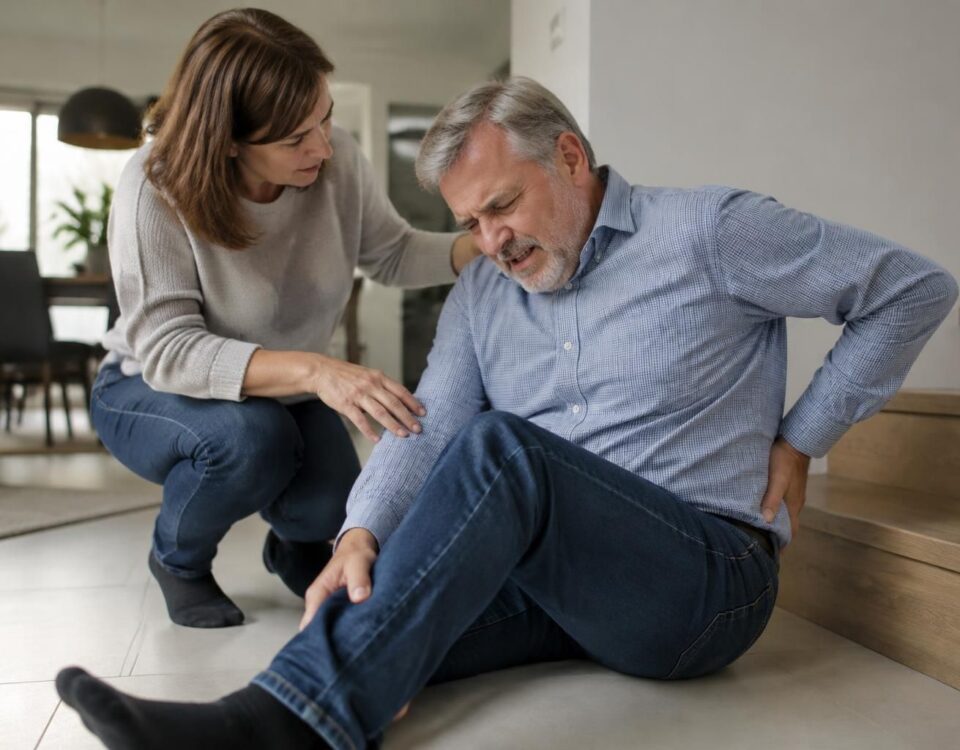
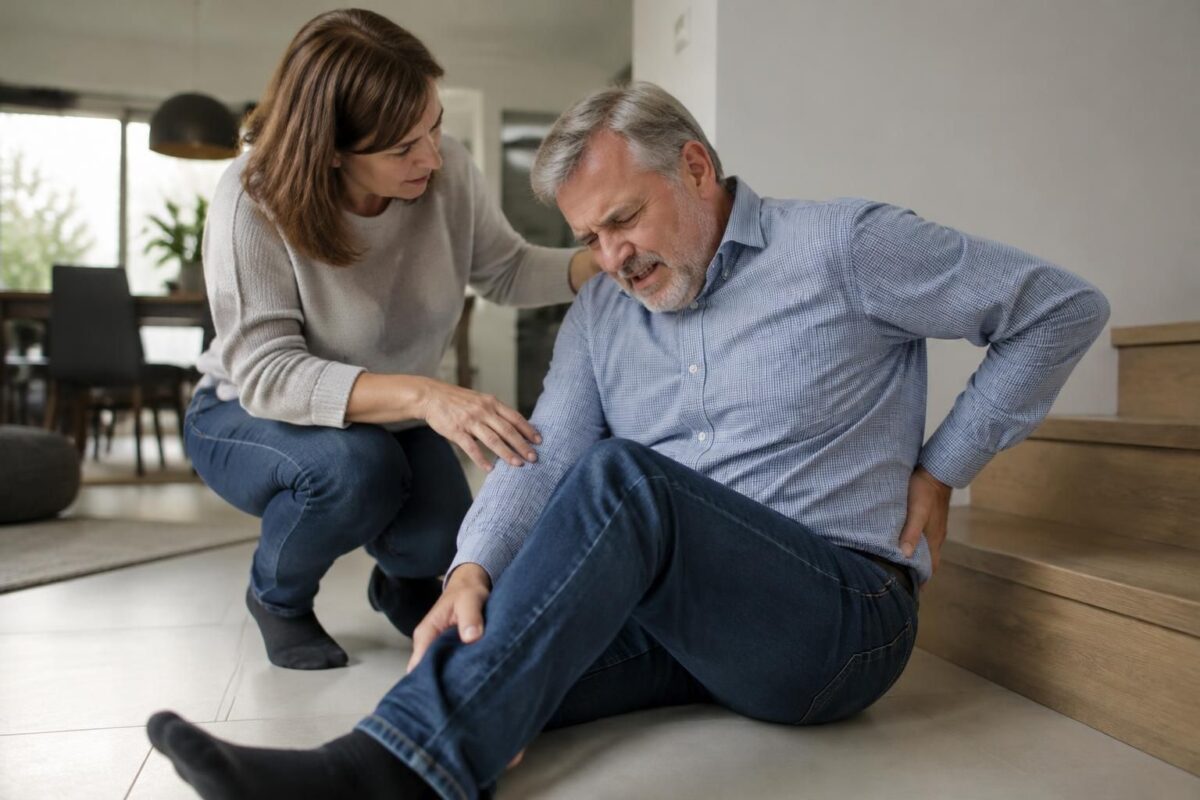
IN BRIEF A sciatic pain after a fall may stem from nerve irritation or an injury to the hip, buttock, or lower back. It can radiate down the leg and be accompanied by tingling or numbness. Rest, avoid movements that…
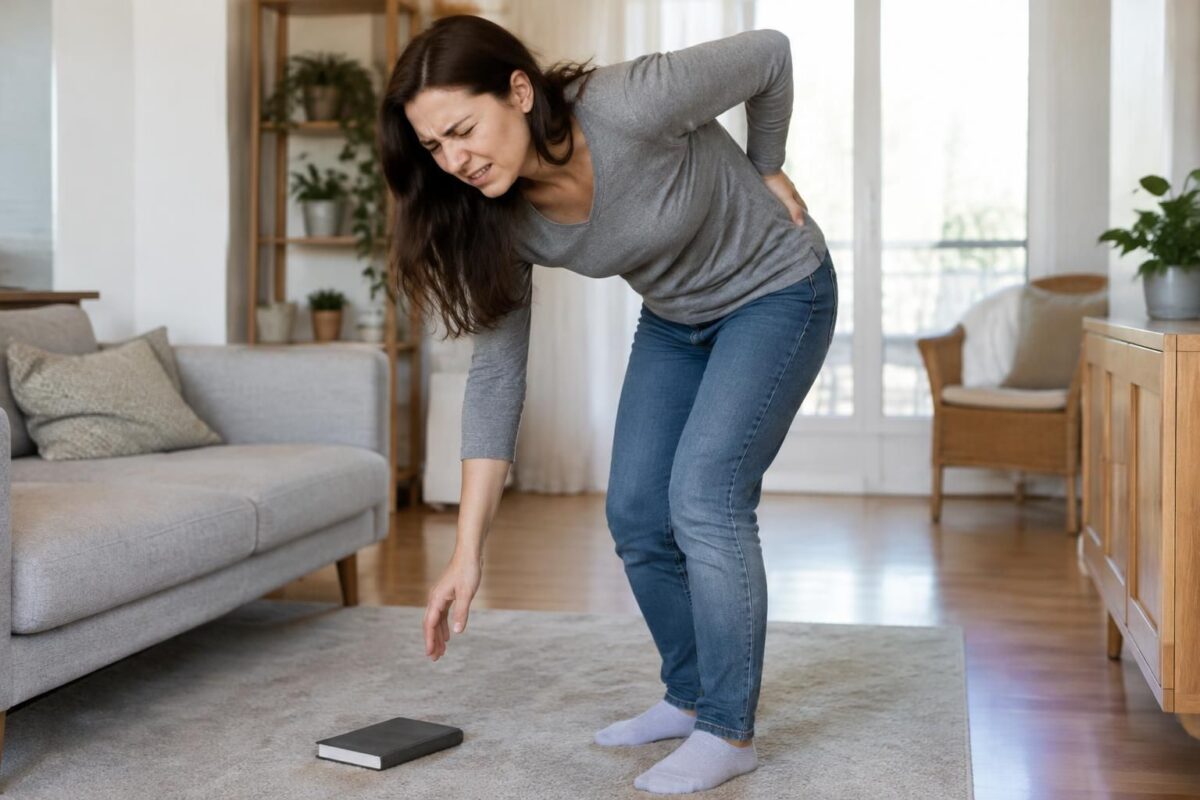
Sciatica and pain that occurred after a wrong move
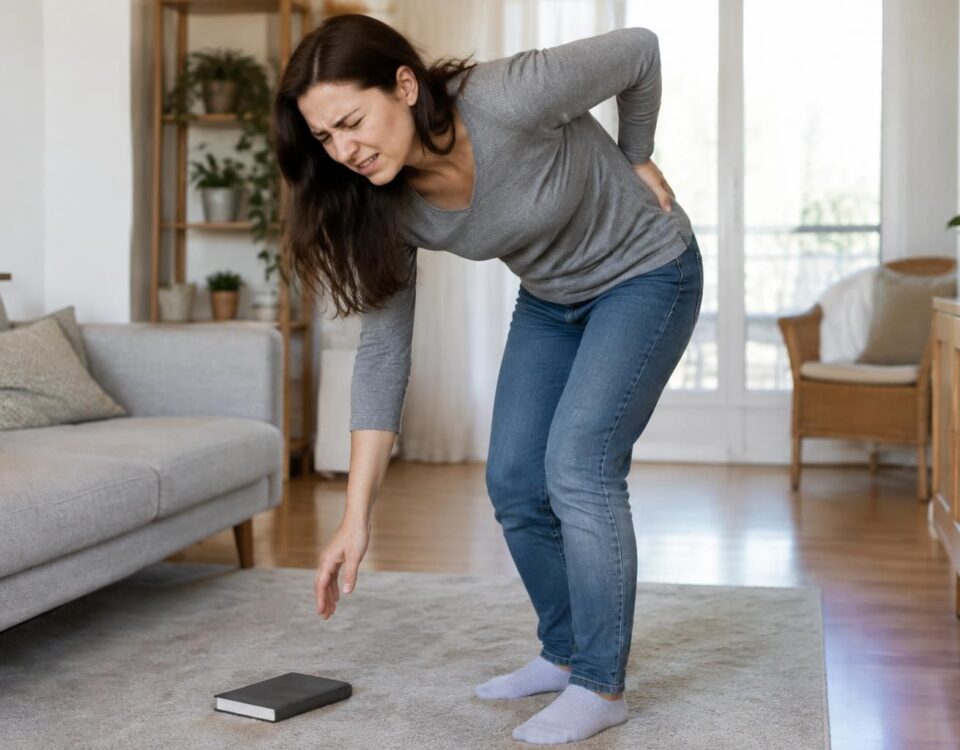
IN BRIEF A sciatica that appeared after a sudden movement corresponds to a lower back pain that can radiate into the buttock and leg, sometimes down to the foot. The movement may trigger or worsen the symptoms, without revealing the…
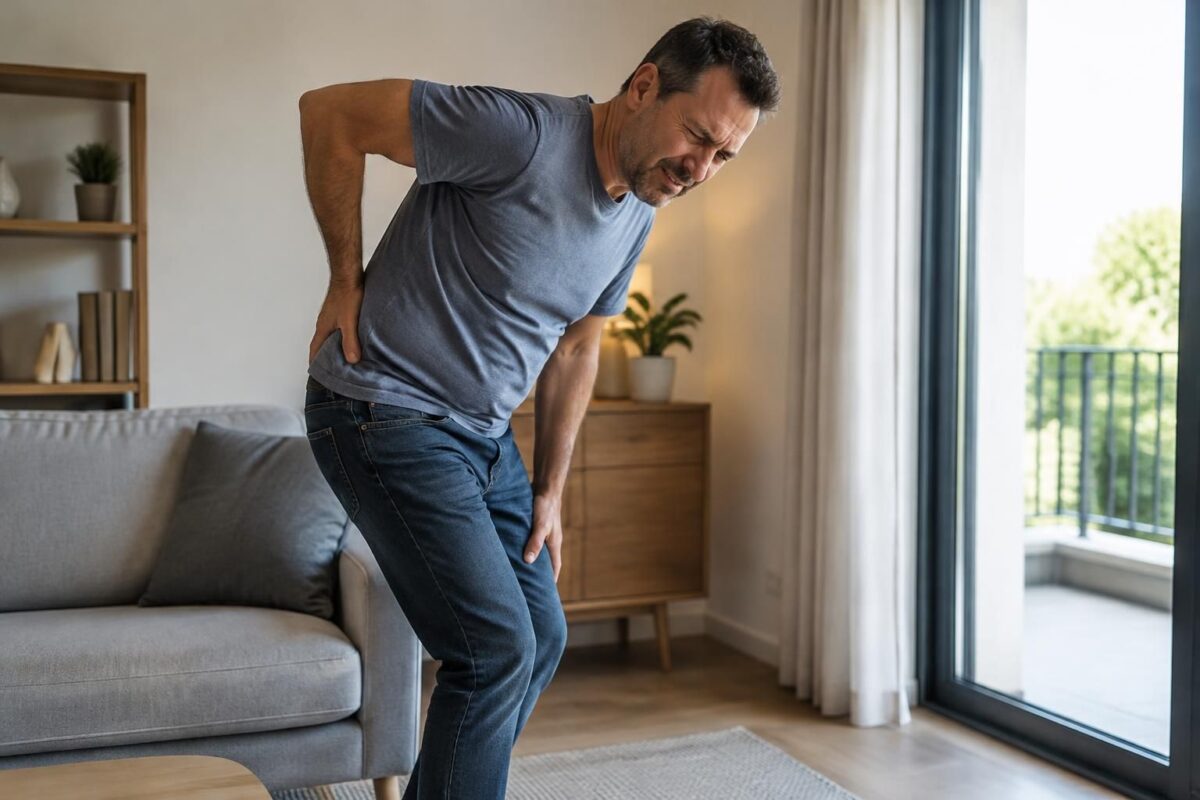
Sciatica and pain that appeared suddenly
IN BRIEF A sudden onset sciatica is pain that radiates from the buttock down the leg, sometimes to the foot, and may be accompanied by burning or tingling sensations. It can be related to lumbar nerve irritation or, at times,…

Sciatica and pain that descends slowly
IN BRIEF Sciatica is a pain that often starts in the lower back or buttock and gradually descends into the leg, sometimes reaching the foot, when a nerve root is irritated. It may be accompanied by tingling or numbness and…

Disabling sciatica: what to do when the leg limits activities?
IN BRIEF A debilitating sciatica causes pain that travels down the leg and can limit walking, sleeping, or daily activities. If your leg is holding you back, have the cause evaluated and adjust your activities without straining: non-surgical approaches may…

Moderate sciatica: when to consult?
IN BRIEF A moderate sciatica is pain that starts from the lower back and radiates down into the buttock or leg, sometimes accompanied by tingling. If it limits your activities, persists, or worsens, consult a healthcare professional to assess the…

Mild sciatica: should we still keep an eye on it?
IN BRIEF A mild sciatica causes moderate pain that can radiate from the lower back to the buttock and leg. While it often improves over time, monitor its progress, avoid prolonged rest, and maintain gentle activity according to your tolerance.…

Severe sciatica: what signs warrant an evaluation?
IN BRIEF A severe sciatica is pain that radiates from the lower back or buttock down the leg and may be accompanied by nerve signs. A significant or progressive weakness, difficulties urinating or controlling bowel movements, or numbness in the…

Sylvain Desforges, B.Sc., D.O., N.D., docteur en ostéopathie
Dr Sylvain Desforges, B.Sc., D.O., N.D., osteopath, is the founding president of TAGMED and of the ACMA association. He dedicates his practice to chronic spinal pain, low back pain and symptoms compatible with sciatica, particularly when pain radiates toward the buttock, leg, calf, foot or toes.
Through SOS Sciatique, he publishes educational content on sciatica symptoms, possible causes such as disc herniation, disc narrowing, foraminal stenosis or irritation of a lumbar nerve root, as well as non-surgical approaches that may be considered according to the evaluation. At Clinique TAGMED, care may include, depending on the case, motorized neurovertebral decompression, specific osteopathic care or precision percussion.
For an evaluation related to sciatica treatment in Montreal / Mount Royal or sciatica treatment in Terrebonne, please consult the services available at Clinique TAGMED.
Medical disclaimer
The information published on SOS Sciatique is provided for educational purposes only and does not replace a consultation, diagnosis, opinion or treatment provided by a physician or another authorized healthcare professional. The author of this article is neither a medical doctor nor a specialist in a medical specialty recognized by the Collège des médecins du Québec. The osteopathic, manual medicine or functional support approaches described on this site do not constitute medical acts and are not intended to replace medical follow-up.
Consult a physician or emergency service in cases of loss of bladder or bowel control, anesthesia in the saddle area, significant or progressive weakness in the leg or foot, fever, recent trauma, severe pain or rapid worsening of symptoms. For more details, please read our Legal Notice.