


Herniated disc and cauda equina syndrome: warning signs
20/09/2026
Sciatica in Montreal: Symptoms Worsening in the Evening
21/09/2026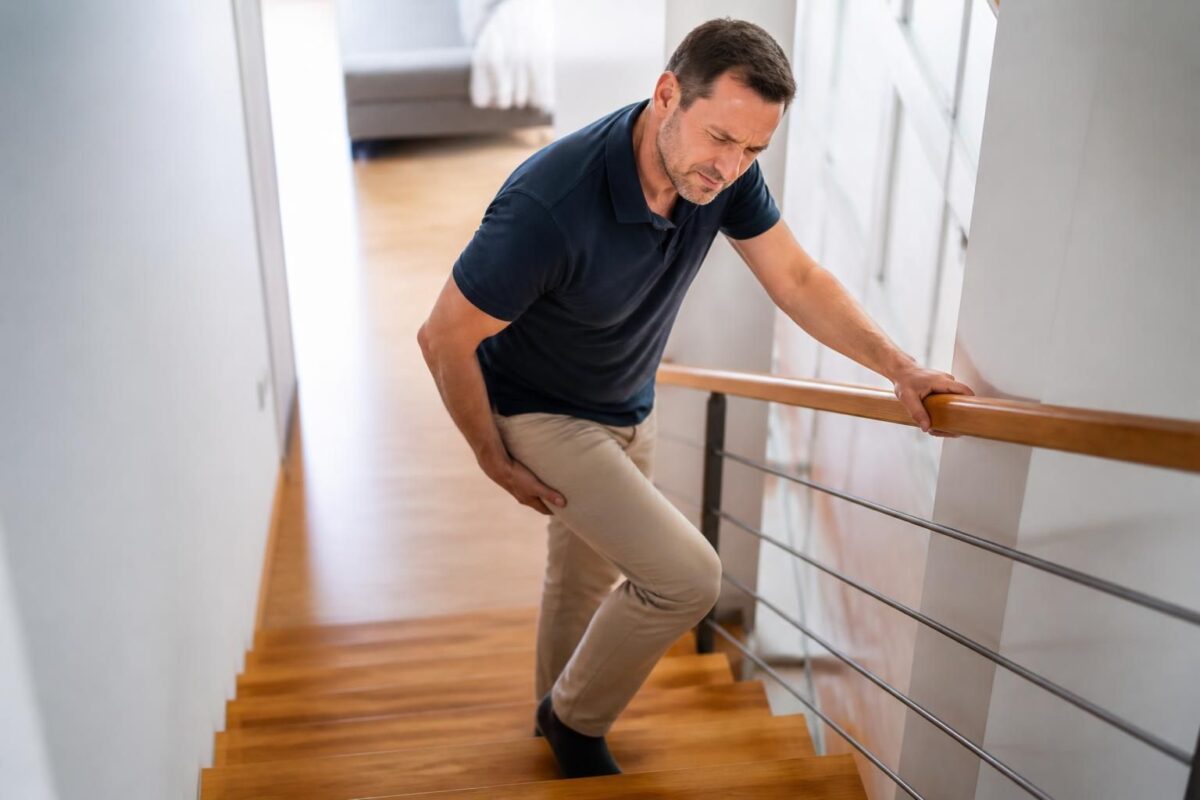
IN BRIEF In brief, sciatica and climbing stairs are characterized by a pain in the leg due to irritation or compression of the sciatic nerve. This pain can be triggered or worsened when climbing stairs, and can be managed quickly through a progressive approach, gentle exercises, and appropriate activity. The key benefit is a quicker return to mobility and easier stair climbing, without immediately resorting to heavy treatments. Adopt a simple and regular routine to reduce pain and regain comfort in daily life, while remaining vigilant for more significant signs indicating the need for medical consultation. |
Sciatica causes nerve pain that starts from the lower back or buttock and radiates down the leg, often described as burning or electric. Climbing stairs can intensify this pain, as the effort and bending put strain on the sciatic nerve. To manage this pain, favor gentle and regular activity rather than complete rest, alternating between light walking and varied positions. Simple stretches and gradual movements can help release the nerve; heat or cold may provide temporary relief depending on your tolerance. If pain persists, or if you experience weakness, numbness, or urinary issues, promptly consult a doctor or physical therapist to assess the causes and adjust treatment.
This article, written by a healthcare professional, explains the link between sciatica, stair climbing, and leg pain. It outlines possible mechanisms, signs to watch for, and practical approaches for safely going up and down stairs. It provides reliable resources and reminds when to seek consultation.
Understanding the Link Between Stair Climbing and Pain
Stair climbing engages the lower back, glutes, and leg. The sciatic nerve can be irritated or compressed, triggering pain that runs down the leg. This pain may present as a burning sensation, electric shock, or numbness.
Typical Pathway According to Nerve Root
If the L5 root is affected, the pain may travel up the back of the thigh and spread to the outer side of the knee, then reach the top of the foot and the toe. If the S1 root is involved, the pain follows the back of the thigh and calf, and may reach the sole of the foot or the outer side of the foot.
Aggravating Factors When Climbing
Factors such as improper posture, walking too fast, or pre-existing pain can increase intensity. Stairs may also heighten pressure on the lower back and on the sciatic nerve when not tolerated.

Sciatica and return to activity: why to progress slowly
IN BRIEF Returning to activity after sciatica involves gradually regaining movement without exacerbating pain. It helps maintain mobility while minimizing the risk of relapse. Start with walking, then alternate between walking and running for short intervals, increasing effort step by…

Sciatica and physical activity: how to avoid mistakes
IN BRIEF Sciatica is pain that follows the path of the sciatic nerve, from the lower back to the leg. Appropriate physical activity helps to stay mobile without maintaining irritation: favor gentle walking, cycling in an upright position, or swimming,…
Signs to Watch For When Climbing Stairs
While climbing, pay attention to rapidly worsening pain, increased numbness, sudden weakness, or significant tingling. These signs may require prompt medical evaluation.
Sciatica and forced walking: risk of worsening
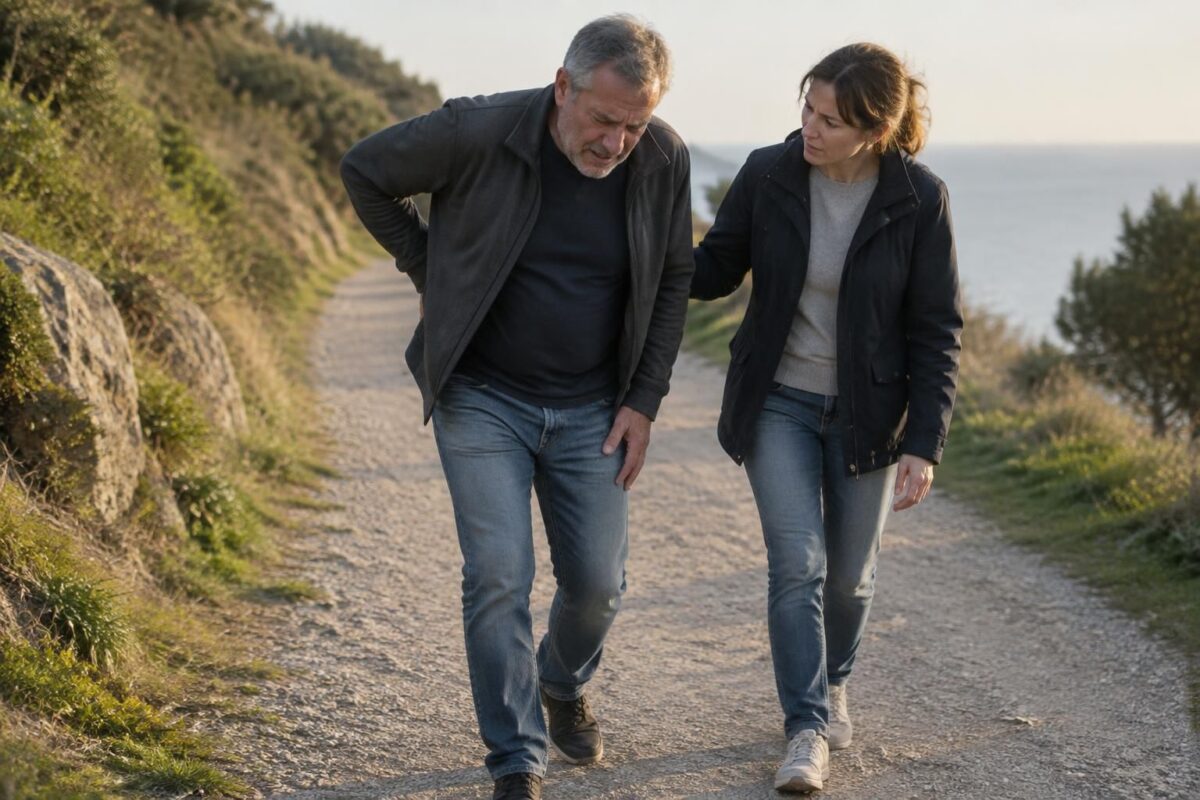
IN BRIEF Sciatica can make walking painful, but pushing yourself may worsen the symptoms. Walk for short periods, at your own pace, only if the pain remains tolerable and does not intensify over time. If you are limping, if the…

Sciatica and daily walking: how to respect tolerance
IN BRIEF Sciatica is pain related to the irritation of a nerve, which can extend from the lower back down to the leg. Walking with sciatica is often possible and helps to maintain mobility, provided you move slowly, take short…
Practical Management When Climbing Stairs
Employ simple strategies to limit pain and remain mobile. Use a handrail or banister for stability. Step one stair at a time and take breaks if pain increases. Avoid sudden movements and maintain a moderate pace. Keep a neutral back position and aligned shoulders.
If pain is problematic, you may consider adapted options under medical supervision. Resources and professional advice can guide you to suitable solutions for your situation. For an assessment by an osteopath or professional, consulting clinics like cliniquetagmed.com may be helpful.
Useful resources on the subject include explanations about why pain may travel down the leg during walking or stair climbing. For more information, consult:
• Sciatica and pain that returns after walking
• Sciatica and heavy legs while walking
• Pain while sitting and tingling in the foot
• Burning pain behind the thigh

Sciatica and Gradual Resumption of Walking After an Attack
IN BRIEF Sciatica is pain related to irritation or compression of the sciatic nerve. After an episode, gradually resuming walking can help maintain mobility and limit stiffness without straining. Start with short walks on flat terrain, wear comfortable shoes, and…

Sciatica and walking after sitting: why the pain increases at the start
IN BRIEF Sciatica can hurt more during the first steps after sitting for a long time: a sensitized nerve may tolerate maintained posture and the restart of movement less well. Gradually standing up, walking for a few minutes, and varying…
When to Consult and When to Get Evaluated
Consult if the pain persists after several weeks, becomes very debilitating, or is accompanied by marked weakness, significant numbness, urinary or intestinal issues, or pain that occurs after trauma.

Sciatica and difficulty walking on tiptoes
IN BRIEF The difficulties in walking on tiptoes with sciatica may indicate muscle weakness related to nerve damage. This test helps identify a deficit but is not sufficient to establish a diagnosis. If the weakness is new, worsens, or is…

Sciatica and difficulty walking on heels
IN BRIEF The difficulty in walking on heels with sciatica may be related to weakness in the muscles that lift the foot, sometimes caused by nerve irritation or compression. This sign alone does not determine the cause: have it assessed…
Resources and References
For additional information, you can consult the following resources:
• Sciatica: why the pain travels down the leg
• Sciatica: why the pain travels down the leg
• Positions and gestures that relieve sciatica
• Sciatica and pain during position change
For a more specialized approach, you may refer to the following resources: cliniquetagmed.com. Guides and professional assessments can assist you in adapting your activity and planning appropriate care.
“Medical disclaimer: The information and advice provided on this site do not replace the opinion, diagnosis, or treatment of a health professional. Please note that Dr. Sylvain Desforges, osteopath, is neither a doctor of medicine nor a physician, and is not specialized in any medical specialty as defined by the Collège des médecins du Québec. Manual medicine, functional medicine, and sports medicine as described on this site exclude any treatment or medical diagnosis provided by a physician or specialist. Always consult your physician for any medical questions. For more details, please read our complete Legal Notice.”
.two-col-sciatique-escaliers .two-col {
display: grid;
grid-template-columns: 1fr 1fr;
gap: 20px;
}
.two-col-sciatique-escaliers ul {
padding: 0;
margin: 0;
list-style: none;
}
.two-col-sciatique-escaliers li {
margin-bottom: 8px;
}
- Stairs and sciatica: climbing can trigger pain in the leg.
- Use a handrail and move slowly.
- Adopt a technique: back straight, foot placed on each step.
- Progress in small steps and take regular breaks.
- In crisis, prefer safer alternatives and exercises off the stairs.
- Avoid stairs during an acute crisis if the pain is major.
- Do targeted stretches and mobility movements off the stairs.
- Monitor for signs: persistent pain, numbness, weakness, loss of control.
- Consult quickly if the pain does not subside after a few weeks or if neurological symptoms appear.
- Apply heat or cold as tolerated and remain active without straining.

This sheet guides you on managing sciatica when climbing stairs. You will discover why pain may arise or worsen, the actions to take to climb safely, helpful exercises and stretches, and the signs that require a medical consultation. The goal is to remain active without causing harm and to learn to progress step by step toward greater mobility.
Understanding the link between sciatica and climbing stairs
Sciatica is a nerve pain that can radiate down the leg from an irritated or compressed nerve, often related to movements of the lower back. Climbing stairs places significant demands on the back and pelvis, and can either aggravate the pain or, depending on tolerance, help test mobility and the flow of movement. In some cases, the effort can trigger pain or sensations of tingling behind the thigh and calf.
It is important to evaluate each climb step by step. If the pain becomes intense or is accompanied by marked weakness, it is necessary to adapt the effort and consult if needed. The goal is to move without straining and to favor movements that keep the spine and hips in good alignment.
Preparing for safe stair climbs
Before climbing, ensure that the staircase is well lit, that the handrail is accessible, and that your shoes provide good grip. Avoid heavy loads and sudden movements during an acute crisis. If pain is present, start with a few low-intensity steps and gradually increase according to your tolerance.
Adopt a stable posture and avoid twisting your body while climbing. Stand upright, lightly engage your abdominal muscles, and ensure that your foot makes full contact with each step. Breathe calmly and take your time, especially on the first steps after a rest.
Practical techniques for climbing without worsening pain
Use the railing and move one foot at a time, without leaning excessively forward. Clearly place the heel then the toe of the foot on each step and avoid trunk rotations. Keep your back aligned and shoulders relaxed to limit tension in the lower back.
Climb at a slow and steady pace, without jolting the movement. If pain increases, pause and resume at a gentler pace. Ask someone to observe your movement to ensure that the technique remains safe and to slightly correct your posture if possible.
Helpful exercises and stretches for stair climbing
Stretches targeting the piriformis and glutes, as well as gentle back work, can help relieve the sciatic nerve and improve mobility. For instance, lying down, cross one leg over the other and maintain the stretch of the glute; these movements should be done without pain and can be repeated several times a day.
Stretching the back and gently performing a “rounded back” exercise can help loosen the pelvis and lower back, while avoiding sudden movements. Start with short sets, then gradually increase according to your comfort. Consult a professional if you experience acute pain during these movements.
When to seek help and how to progress
If the pain persists after several weeks, is accompanied by notable weakness, loss of sensation, or urinary problems, it is necessary to consult quickly. If in doubt about how to proceed during stair climbing, a professional can propose a personalized exercise program and, if needed, suitable rehabilitation.
| Element | Brief Description |
|---|---|
| Origin | Probable origin: irritation or compression of the sciatic or femoral nerve; climbing stairs increases tension. |
| Type of Pain | Neurological pain: burning or electric shock following the path of the nerve. |
| Pathway | Typical pathway: from the lower back/hip to the leg, sometimes down to the foot. |
| Other Signs | Numbness and/or muscle weakness sometimes appear. |
| Aggravating Factors | Climbing stairs, repetitive movements, or heavy loads increase pain. |
| Immediate Management | Appropriate activity and periods of active rest; prioritize tolerated climbs; apply heat/cold according to tolerance. |
| Useful Exercises | Gentle and progressive exercises, with targeted stretches under supervision. |
| When to Consult | If pain > 2–3 weeks, marked weakness, persistent numbness, or loss of control. |
| Differences and Diagnosis | Femoral neuralgia: pain in the front of the thigh; sciatic: posterior pathway; clinical diagnosis needed. |
Testimonials about Sciatica and Climbing Stairs: Pain in the Leg
“Before, every time I climbed the stairs, the sciatica shot a pain down my leg. It was like an electric shock that originated from my lower back and blocked my movements. After a few weeks of working on targeted stretches and simple exercises, I regained better tolerance for climbing and the pain significantly decreased.”
“At the beginning of the crisis, going up a step became almost impossible: the pain shot down my leg and the pain stopped me dead. By working with my physiotherapist on progressive exercises and applying light heat, I regained mobility and was able to climb a few steps without the pain taking over again.”
“I thought I would have to avoid stairs forever. By staying active without overexerting and favoring gentle movements, the sciatica gradually calmed down and I discovered effective stretches, like those for the piriformis and gluteal muscles, which help me climb without triggering a sharp rise in pain.
“At the office, going up and down the stairs was a real challenge. I alternated between walking and resting, and I integrated simple exercises like the rounded back to maintain mobility. Little by little, the pain in my leg receded and I returned to my daily movements without significant discomfort.”
“I quickly consulted and tried complementary methods like osteopathy and targeted stretches. Work on the rounded back and stretching the gluteus allowed me to better tolerate climbing stairs. Today, going up 2 or 3 floors no longer triggers the pain like it did before.”
Sciatica and Climbing Stairs: Journey, Challenges, and Therapeutic Approach
Dr. Sylvain Desforges, recognized as a specialist in osteopathy, naturopathy, and manual medicine, is the founding president of TAGMED clinics and the ACMA association office. In his practice, he prioritizes an innovative approach to healthcare in order to help patients regain optimal quality of life despite pains related to the nervous and musculoskeletal systems.
His journey is guided by a central conviction: to explain and treat the underlying causes of pain, and not just relieve symptoms temporarily. Specializing in the management of chronic pain, he works to integrate advanced approaches and innovative technologies within a evidence-based framework. This approach aims to sustainably improve mobility and function, particularly for individuals facing manifestations such as sciatica and difficulties climbing stairs.
In his work with patients suffering from leg pain, Dr. Desforges prioritizes a comprehensive assessment that often connects the symptoms to lumbar and radicular mechanisms. He combines fine manual techniques with personalized programs that integrate progressive exercises, postural hygiene advice, and targeted rehabilitation protocols to promote a gradual return to daily activities — particularly accessing and descending steps, which can be key indicators of neurological and functional status.
To complement the therapeutic arsenal, he relies on advanced therapies such as spinal decompression, laser, and shock waves. These tools, when wisely integrated into a personalized treatment plan, help to alleviate nerve irritation and improve muscle recovery while remaining compatible with daily activities, including stairs, which are often a source of poor tolerance or aggravation during acute episodes.
The philosophy of Dr. Desforges is based on close collaboration with patients. Each program is designed as a participatory experience where the patient becomes an active participant in their healing. He emphasizes patient education, understanding bodily signals, and adapting daily gestures. The goal is to offer evidence-based care while respecting individual pace and pain tolerance to allow for smoother and less anxiety-inducing stair climbing.
In practice, his approach translates into a multidisciplinary method that may involve osteopaths, physiotherapists, and other health professionals to provide coherent and sustainable care. His commitment to medical innovation aims to optimize the function and well-being of patients in the long term, transforming obstacles like climbing stairs into benchmarks of progress and recovery.
For more information on his approach and the services available within TAGMED and ACMA clinics, directly contacting his teams allows access to a tailored assessment and personalized solutions that support every step of the care journey.
This article guides you on sciatica related to climbing stairs and the pain that may follow in the leg. You will find clear signals, practical advice for safely climbing and descending, simple exercises to perform, and reliable resources to delve deeper into the topic without delay.
Impact of climbing stairs on sciatica
Sciatic pain can follow the path of one or more nerve roots located in the lower back and spread to the back of the thigh, the calf, or the foot when you go up or down stairs. Depending on the affected root (L5 or S1), the path may vary: behind the thigh then along the outer side of the leg to the forefoot, or down behind the knee to the sole of the foot. This pain may be accompanied by tingling, numbness, or muscle weakness, which can make stairs particularly difficult. To better understand the mechanisms and the differences according to the nerve paths, you can consult specialized resources like these: all the pains that travel down the leg and the explanations about the link between nerves and movement. Specialized articles and blogs explain how pain that travels down the leg can be perceived when climbing and descending stairs, and how to distinguish sciatica from other leg-related pain.
Practical management and safety during ascent and descent
To limit aggravation when climbing stairs, favor gentle and gradual movements. Use a handrail or support to maintain your balance, and do only a limited number of steps at a time. Alternate between slow climbs and rest if necessary, and avoid overly long trips during acute periods. Adjusting your pace and positions can significantly reduce pain and allow you to stay active without risk. Dedicated resources offer concrete strategies to relieve pain when climbing stairs and explain how to manage difficulties descending steps.
Exercises and adaptations for progressing in climbing stairs
Maintaining mobility and strengthening stabilizing muscles can help manage the effort of climbing stairs better. Gentle stretches and specific strengthening exercises can be helpful when pain allows. For example:
– Piriformis stretch: lying on your back, one leg straight and the other bent, cross the ankle over the opposite knee, then slowly bring the knee toward the floor to feel the stretch in the gluteal area. Hold for 1 minute.
– Gluteus maximus stretch: on your back, knees bent, cross one leg over the other and gently pull the thigh toward you, then switch sides.
– Round back exercise: lying on your back, knees close to your chest, curl your lower back and hold the position to release tension. Do this slowly and without forcing.
These movements should be performed without significant pain: stop any exercise that greatly increases pain or causes new symptoms. For personalized and secure advice, consider seeking care from a healthcare professional specialized in rehabilitation.
Warning signs and when to consult
Although activity can be adapted, certain signs require quick medical evaluation: pain that worsens despite efforts, marked weakness or significant numbness in the leg, loss of urinary or bowel control, fever or general malaise, pain after trauma or a fall, or significant bilateral pain. If you experience evolving or concerning symptoms while climbing stairs, do not hesitate to consult quickly to rule out a more serious complication and obtain appropriate care.
Useful resources and links
To delve deeper, consult the following resources that address pains that travel down the leg and the mechanisms of sciatica during stair climbing:
Pain in the buttock – leg: sciatica or something else
All the pains that travel down the leg: are they sciatica?
5 strategies to relieve leg pain when climbing stairs
Sciatica and difficulty descending stairs
Sciatica: causes, symptoms, and treatments
Sciatica and weakness in the calf: what to monitor
Sciatica and frequent pauses during walking
Sciatica in Montreal: burning pain behind the thigh
Sciatica and stairs: advice and precautions

Dr Sylvain Desforges, B.Sc., D.O., N.D., osteopath, is the founding president of TAGMED and of the ACMA association. He dedicates his practice to chronic spinal pain, low back pain and symptoms compatible with sciatica, particularly when pain radiates toward the buttock, leg, calf, foot or toes.
Through SOS Sciatique, he publishes educational content on sciatica symptoms, possible causes such as disc herniation, disc narrowing, foraminal stenosis or irritation of a lumbar nerve root, as well as non-surgical approaches that may be considered according to the evaluation. At Clinique TAGMED, care may include, depending on the case, motorized neurovertebral decompression, specific osteopathic care or precision percussion.
For an evaluation related to sciatica treatment in Montreal / Mount Royal or sciatica treatment in Terrebonne, please consult the services available at Clinique TAGMED.
Medical disclaimer
The information published on SOS Sciatique is provided for educational purposes only and does not replace a consultation, diagnosis, opinion or treatment provided by a physician or another authorized healthcare professional. The author of this article is neither a medical doctor nor a specialist in a medical specialty recognized by the Collège des médecins du Québec. The osteopathic, manual medicine or functional support approaches described on this site do not constitute medical acts and are not intended to replace medical follow-up.
Consult a physician or emergency service in cases of loss of bladder or bowel control, anesthesia in the saddle area, significant or progressive weakness in the leg or foot, fever, recent trauma, severe pain or rapid worsening of symptoms. For more details, please read our Legal Notice.


