Sciatica Treatment in Montreal: When to Consider a Mechanical Approach
30/07/2026
Sciatica and pain that increases with walking
30/07/2026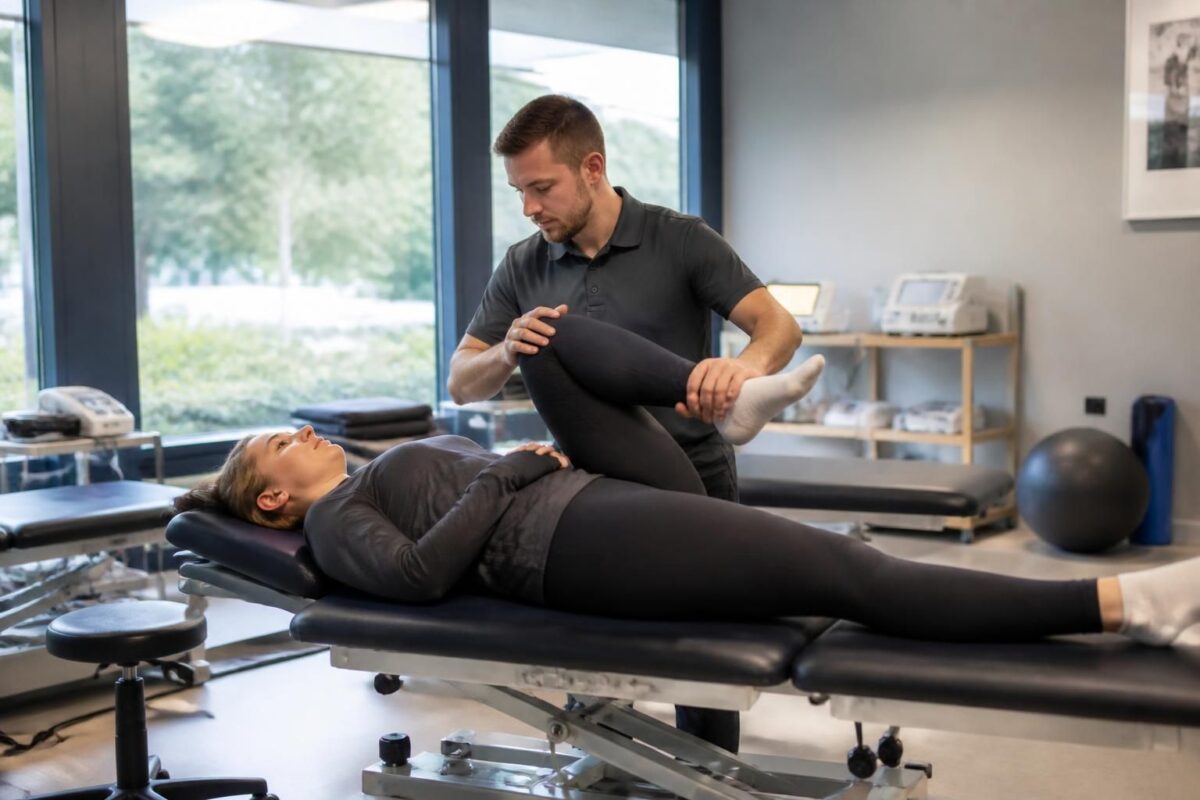
IN BRIEF
| In brief, the sciatica treatment in Terrebonne is a non-surgical mechanical approach aimed at relieving radiating pain and restoring mobility. What is it? A series of targeted mechanical interventions to reduce pressure on the sciatic nerve. What are the benefits? rapid relief, improved mobility, and reduced use of medications, with a personalized plan. How does it work? After an evaluation, a progressive session program combines decompression and manual techniques to free the nerve and restore alignment. Accessible in Terrebonne and surrounding areas, this mechanical treatment offers an effective and non-invasive solution to quickly return to your daily activities. |
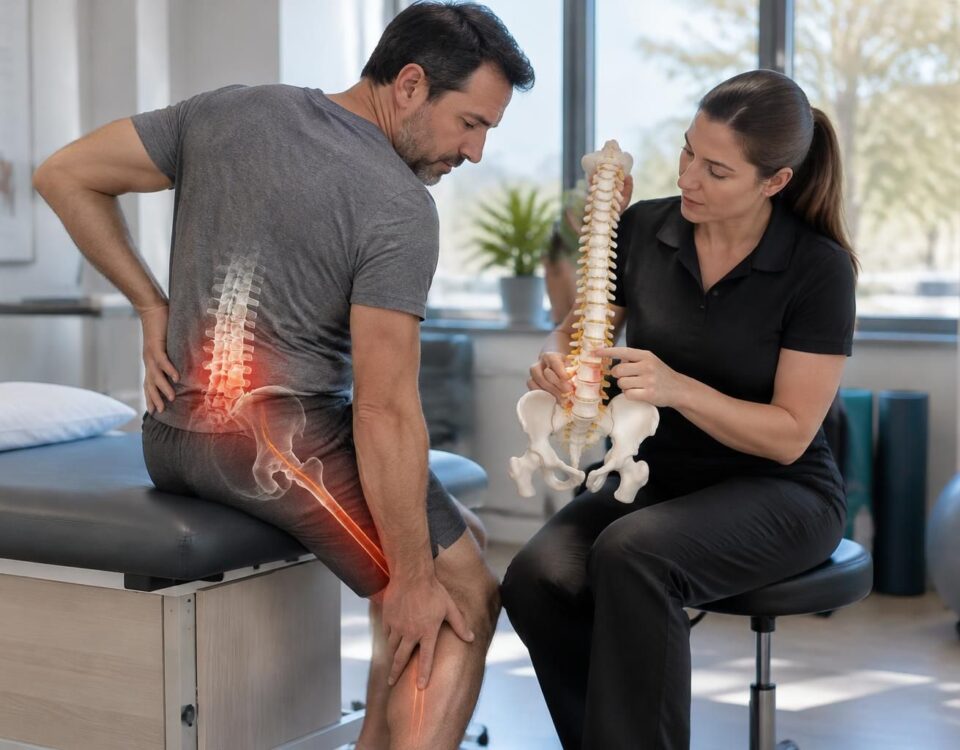
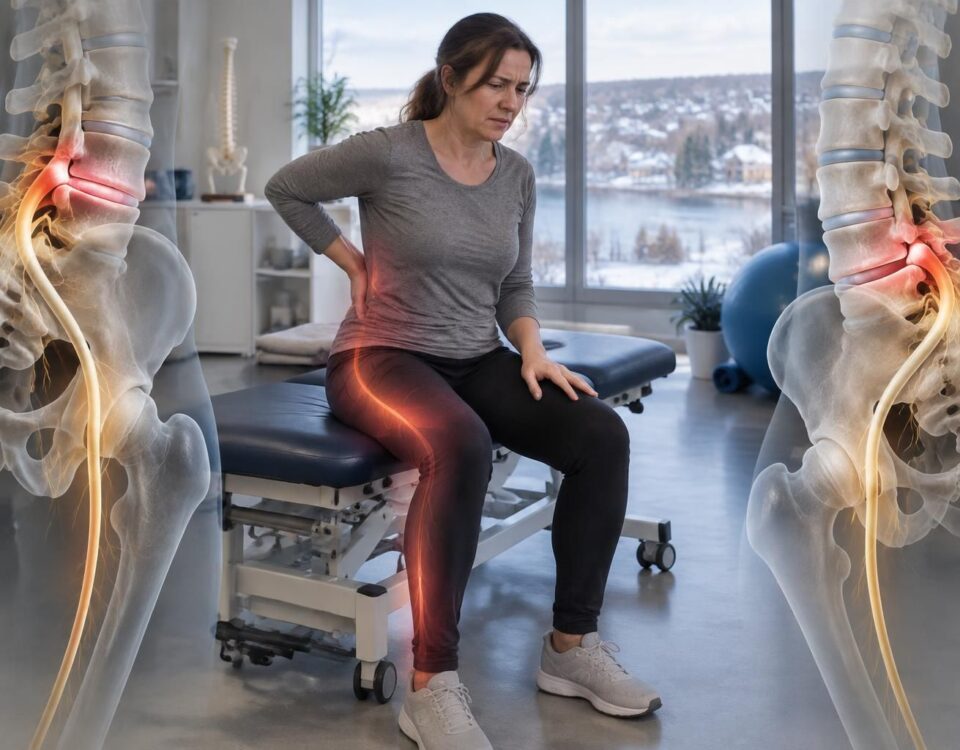
In Terrebonne, mechanical treatment of sciatica can be considered after an evaluation confirming pain radiating along the sciatic nerve without signs of neurological urgency. This approach emphasizes neurovertebral decompression and targeted manual therapy techniques to relieve pressure, restore mobility, and reduce pain.
- When to consider: radiated pain along the path of the sciatic nerve with absence of loss of urinary control/pregnancy, fever, or concerning progressive weakness.
- Benefits: rapid relief, improved mobility, and reduced risk of recurrence.
- What is offered: specialized evaluation in Terrebonne and personalized treatment plan.
This text explains when to consider a mechanical approach for sciatica in Terrebonne. It outlines the indication criteria, evaluation steps, and benefits of surgical non-invasive care centered on neurovertebral decompression and osteopathic techniques. The goal is to provide clear guidance on available options while remaining focused on the safety and effectiveness of care.
When to consider a mechanical approach
Clinical indications for a mechanical approach
A mechanical approach is feasible when pain radiates along the sciatic nerve and evaluation suggests a discal or foraminal origin without requiring immediate surgical intervention. The doctor or osteopath can propose neurovertebral decompression and appropriate manual techniques when clinical signs indicate nerve compression or irritation, and the objectives are to reduce pain, improve mobility, and stabilize the spine.
Factors to consider before choosing a mechanical approach
Before implementing a mechanical plan, the clinical team assesses the history of symptoms, the precise location of pain, and the functional impact. Imaging may be used to clarify discal involvement and affected levels, while avoiding actions that could worsen pain if contraindications exist. For those seeking a personalized, non-medicated approach, specific options in Terrebonne can be discussed with TAGMED professionals.

Sciatica in Terrebonne: painful journey according to roots L4, L5, and S1
IN BRIEF Sciatica in Terrebonne can cause pain, tingling, or weakness in the leg. The roots L4, L5, and S1 can guide the evaluation based on symptoms and changes in strength, sensitivity, or reflexes; their territories do overlap, however. Comparing…
Why a mechanical approach may be relevant in Terrebonne
Neurovertebral decompression and osteopathic techniques are effective pathways for treating pain related to sciatica when the cause is discal or foraminal. This approach aims to relieve pressure on the sciatic nerve, promote better circulation, and restore function without resorting to surgery. At TAGMED Clinic, treatment protocols are designed to adapt to each patient, with close monitoring of progress and adjustments as needed. To learn more about this non-invasive and personalized approach, please consult the dedicated resources.
At TAGMED, the team relies on recognized expertise in the field and suitable equipment for non-surgical management. Neurovertebral decompression remains the core of treatment, complemented by targeted osteopathic techniques aimed at restoring alignment and movement of the spine, without imposing inappropriate efforts or painful actions.

Sciatica in Terrebonne: what does irritation of the S1 root mean?
IN BRIEF An irritation of the S1 root can cause pain of a sciatica type in the buttock, the back of the leg, and the outer edge of the foot. Tingling, numbness, or difficulty walking on tiptoes may also occur.…
Evaluation process and care plan
Evaluation steps
The first meeting allows for the collection of history and assessment of intensity and location of symptoms. A simple neurological and musculoskeletal examination is performed to understand the pain dynamics and its functional limits. Depending on the case, images or complementary tests may be requested to specify discal or foraminal origin.
Personalized care plan
The care plan is based on the evaluation results and the patient’s objectives. It may include sessions of neurovertebral decompression and specific osteopathic interventions. The goal is to reduce pain and improve mobility while minimizing recurrence risks and avoiding invasive medication treatments. Practical advice and continuous monitoring allow for adjustments to treatment based on symptom evolution.

Sciatica in Terrebonne: what does irritation of the L5 root mean?
IN BRIEF L5 sciatica corresponds to irritation of the L5 nerve root, often felt from the lower back and buttock down the side of the leg, to above the foot and the big toe. It can cause pain, tingling, or…
Resources and useful information points
To better understand sciatica and mechanical approaches, several public and professional resources can be consulted. They provide information on warning signs, therapeutic choices, and safety considerations. For example, dedicated pages explain how to recognize when targeted treatment is necessary and how to understand pain before choosing a care option. These resources promote informed and safe decision-making.
For additional information on non-invasive and personalized approaches, you can refer to websites that present the clinical framework and available options in Montreal and Terrebonne. Specialized sources also allow for discussions on possible developments and follow-up criteria after neurovertebral decompression.
Some useful and accessible resources:
- Signs that indicate a targeted treatment is necessary
- Understanding pain before choosing a treatment
- Sciatica treatment in Montreal: non-invasive and personalized approach
- TAGMED Clinic – Terrebonne and Montreal
- Neurovertebral decompression – approach
To complete your information, also consult the following resources: Symptoms and care plan and Treating sciatica at TAGMED Clinic.

Sciatica in Terrebonne: difference between L4-L5 and L5-S1
IN BRIEF The difference between L4-L5 and L5-S1 concerns the level of the lumbar discs and the sometimes irritated nerve roots: an L4-L5 injury often affects L5, while an L5-S1 injury often affects S1. The sensory pathways overlap; thus, an…
FAQs and frequently asked questions
What types of pain can be relieved by neurovertebral decompression?
It can help with radiating pain and discomfort associated with nerve compression.
Is decompression painful?
No, it is generally well tolerated and comfortable for most patients.
How many sessions are needed?
A typical program varies depending on severity and usually progresses over several weeks with regular evaluation of results.
Note: For more details, please consult the official resources and the TAGMED website.
“Medical disclaimer: The information and advice provided on this site do not replace the consultation, diagnosis, or treatment of a healthcare professional. Please note that Dr. Sylvain Desforges, osteopath, is neither a medical doctor nor a physician, and is not a specialist in a medical field as defined by the Collège des médecins du Québec. Manual medicine, functional medicine, and sports medicine as described on this site exclude any medical treatment or diagnosis made by a physician or specialist. Always consult your doctor for any medical questions. For more details, please read our complete Legal Notice.”
- Clear indications: sciatic pain of a mechanical nature and absence of red flags.
- Objective: free the nerve root through suitable mechanical maneuvers and targeted exercises.
- Assessment elements in Terrebonne: limited lumbar mobility, foraminal stiffness, and posture to correct.
- When to start: as soon as initial assessment shows symptoms have a mechanical origin and there are no emergencies.
- Key techniques: motorized neurovertebral decompression, targeted osteopathy, and stabilization and stretching exercises.
- Local organization: personalized plan in Terrebonne with measured progression and tailored sessions.
- Expected outcomes: reduction of radiating pain and improvement in mobility without immediate reliance on medications.
- When to expand the approach: persistence or worsening of signs, pain at rest, or progressive weakness — referral for a medical evaluation and complementary possibilities.

This guide discusses, for Terrebonne, when to favor a mechanical approach in the treatment of sciatica, the signals that justify this direction, and the available options. It also provides an overview of the care pathway to achieve lasting relief, without systematic recourse to surgery.

Sciatica S1 in Terrebonne: pain towards the calf and the outer edge of the foot
IN BRIEF S1 sciatica is pain related to irritation of a lumbar nerve root, which may radiate down to the buttock, back of the calf, and the outer edge of the foot. Tingling or weakness may also occur. In Terrebonne,…
When to consider a mechanical approach
Sciatica can be treated by mechanical approaches when the pain is primarily related to structural imbalances, muscle tension, or joint restrictions, and when symptoms evolve with movement and adapted physical activity. This direction is suitable in the absence of medical emergency signs and when assessment results allow targeting causes such as disc disorders compatible with a non-surgical approach. The objective is to reduce pressure on the nerve root and restore normal function through gentle and progressive techniques.

Sciatica L5 in Terrebonne: pain towards the big toe
IN SHORT L5 sciatica can cause pain or numbness that radiates to the big toe, sometimes with difficulty lifting the foot. This pathway is a clue, not a diagnosis: the examination compares strength, sensitivity, and gait, as the nerve territories…
Assessment elements before opting for a mechanical approach
Clinical assessment
A thorough assessment allows identifying stiff regions, typical pain patterns of sciatica, and mobility limitations. The spinal stability, asymmetries, and tolerance to movements are evaluated to personalize the mechanical intervention and the rehabilitation plan.
Complementary examinations
Depending on the context, imaging studies or functional tests may be recommended to confirm the mechanical origin and exclude complications requiring another approach. This step guides the choice of techniques and determines the frequency of sessions and objectives to achieve.

Sciatica L5-S1 in Terrebonne: pain radiating to the heel or foot
IN BRIEF A L5-S1 sciatica often corresponds to irritation of the S1 root, which can cause pain that radiates from the buttock down to the calf, heel, or outer edge of the foot. Identifying the pathway of symptoms and changes…
Mechanical options offered in Terrebonne
The strategy may combine several techniques, including targeted osteopathy, gentle manual therapies, and, when relevant, motorized neurovertebral decompression. The use of a precision impactor can also be considered to treat muscle tension and joint dysfunctions, without surgical intervention.
The program is usually personalized and based on the level of pain and the observed progression. The goal is to reduce pressure on the nerve, improve mobility, and restore structural balance through targeted adjustments, progressive stretching, and postural advice. Many patients feel an improvement after a few sessions and a gradual reduction in daily limitations.
Organization of the Care Process
During the first appointment, a comprehensive assessment is performed, followed by a clear and measurable treatment plan, with concrete objectives and a schedule of sessions. The typical program includes several sessions tailored to the evolution of pain and functional capacities. Regular re-evaluations allow for protocol adjustments and ensure safe and effective progress.
Preventing Situations Where the Mechanical Approach is Not Indicated
Certain situations require a different orientation and rapid medical management, for example, in the presence of fever, loss of urinary or bowel control, significant progressive weakness, very intense pain, or evolving neurological signs toward the foot. In the presence of these warning signals, it is essential to consult without delay to determine the best therapeutic approach suited to the situation.
| Criterion | Concise Statement |
|---|---|
| Local Context – Terrebonne | The geographical context Terrebonne and a potential mechanical diagnosis allow for a mechanical approach to be considered after evaluation. |
| Response to Mechanical Treatment | If pain and mobility improve after manual or decompression techniques, the mechanical option is justified. |
| Contraindications | Signs of emergency or significant neurological deficit require prior medical assessment. |
| Prior Imaging | Imaging recommended before intervention to confirm the source and guide techniques. |
| Types of Interventions | Targeted osteopathy, non-invasive neurovertebral decompression, and specific adjustments tailored to the patient. |
| Expected Benefits | Rapid pain reduction, improved mobility, and decreased nerve irritations. |
| Limits and Risks | Transient effects and variable responses; combine exercises and postural advice to optimize results. |
| Planning and Monitoring | Typical program of 8 to 12 sessions with regular evaluations to adjust the plan. |
Testimonials on Sciatica Treatment in Terrebonne: When to Consider a Mechanical Approach
Here are testimonials from patients who benefited from a sciatica treatment in Terrebonne and explain when to consider a mechanical approach for their recovery.
Marie D., 42 years old, Terrebonne: “After several weeks of pain that made walking and sitting periods unbearable, I was evaluated, and the team identified a mechanical origin for my sciatica. I was offered a targeted mechanical approach, focused on gentle mobilizations, postural corrections, and specific exercises. After a few sessions, the pain significantly decreased, and I was able to resume my daily activities without fear.”
Paul G., 55 years old, Terrebonne: “My pain mostly appeared when I walked and went up stairs. The doctor explained to me that, according to the assessment, the viable solution could be mechanical rather than medication-based in the long term. The plan was clear: regular sessions + postural advice. After a cycle of sessions, I regained good mobility and a lasting improvement without resorting to surgery.”
Chloé T., 36 years old, Terrebonne: “I was told that decompression and the mechanical approach might be indicated if the symptoms stemmed from structural discomfort related to my back and surrounding muscles. The professional implemented mobilization techniques and simple exercises that I could do at home. As a result, the radiating pain decreased, and I regained greater flexibility without medication.”
Jean-Marc L., 60 years old, Terrebonne: “After an initial assessment, the team emphasized a mechanical strategy when tests showed that the pain primarily came from postural dysfunction and muscle tension. Targeted mobilization sessions and posture advice helped relieve pressure on the sciatic nerve and improved my walking. I recommend this approach when the goal is to avoid invasive treatments and reclaim one’s body.”
Sophie R., 29 years old, Terrebonne: “I had considered surgery as the only option, but the evaluation showed that a mechanical approach could be sufficient to reduce pain and improve function. The sessions combined gentle decompression techniques and trunk stability exercises. After a few weeks, I returned to my activities pain-free and without medication.”
Dr. Sylvain Desforges, expert in osteopathy, manual medicine, and naturopathic approach, is active in the Terrebonne area to provide care for sciatica based on evidence and effectiveness. Founder and president of TAGMED clinics and the ACMA association, he employs a practice focused on chronic pain of the spine and on integrating non-invasive techniques whenever possible. His approach aims to enable everyone to quickly regain optimal mobility and improved quality of life by prioritizing a thorough evaluation and a personalized treatment plan.
In the case of sciatica, the assessment aims to determine whether the symptoms reflect a real mechanical cause, such as compression or nerve irritation of structural origin (for example, a herniated disc, protrusion, or foraminal stenosis). When the clinical examination and compatible radiological elements indicate a mechanical origin and the general medical framework allows it, Dr. Desforges offers a tailored mechanical approach. This pathway emphasizes targeted manual work and techniques that restore mobility and reduce pressure on the sciatic nerve, while remaining perfectly safe and progressive.
Specifically, the mechanical approach encompasses methods of structural osteopathy, precise joint mobilizations, and gentle manipulations performed by an experienced practitioner. It can also be accompanied, when necessary, by motorized neurovertebral decompression to relieve pressure on the nerve and improve blood circulation around the spine. The objective is twofold: to release mechanical restrictions and to rebuild a harmonious movement mechanism, helping to reduce pain and symptoms that lengthen along the sciatic pathway. Targeted exercises for flexibility, stability, and posture are then integrated, along with personalized ergonomics advice to prevent recurrences.
At the TAGMED Clinic near Terrebonne, every patient benefits from a personalized plan after a complete assessment. The protocol provides for an adapted progression based on severity and response to treatment, with regular re-evaluations to adjust goals and techniques. Expected benefits include a gradual reduction in sciatic nerve pain, improvement in mobility, and a decrease in numbness or tingling, all without systematically resorting to medication. The Terrebonne framework emphasizes a clear approach, measurable results, and transparent communication about the steps of recovery.
Although the mechanical approach offers significant results for many patients, Dr. Desforges highlights the importance of careful selection and monitoring. Close supervision is essential to quickly identify any warning signs requiring urgent medical evaluation, such as loss of bladder control, unexplained pain, or significant neurological changes. In this context, the local team emphasizes a gradual and safe approach designed to optimize results while respecting the pace and needs of the patient.
For those suffering from sciatica who wish to explore a mechanical approach in Terrebonne, a specialized assessment can determine if this path is the most suitable. Contact the TAGMED Clinic in the area to plan a consultation and discover how a well-coordinated mechanical treatment can help you quickly regain a pain-free life and restored mobility.
This article addresses the treatment of sciatica in Terrebonne by emphasizing a mechanical approach when appropriate. It describes situations where prioritizing non-invasive and non-medication techniques can quickly improve mobility and reduce pain, while emphasizing a professional evaluation before any decision. Local and online resources are offered to guide the patient towards suitable and safe options.
When should a mechanical approach be considered for sciatica? Practically, this is applicable when the pain follows the path of the sciatic nerve, is related to mechanical causes like a herniated disc or spinal stenosis, and the clinical assessment does not reveal any urgent symptoms. A
professional evaluation allows distinguishing cases where neurovertebral decompression or targeted manual interventions and dedicated exercises may be beneficial, rather than immediately resorting to pharmacological treatments or surgery. For general information on the steps to follow, you can consult official resources and patient guides available online, notably on ameli and specialized sites.
What does an adapted mechanical approach for sciatica in Terrebonne include? Clinical experiences show that several axes can be combined in a personalized manner: non-invasive neurovertebral decompression to relieve pressure on the sciatic nerve, manual therapy focused on tissues and joints, and specific exercises (for example, variations of the McKenzie program) aimed at improving mobility and posture. The goal is to address the mechanical causes rather than masking the pain with medication, while adapting the plan according to the patient’s evolution.
In Terrebonne, treatment options for sciatica exist and are offered by specialized facilities. A structured and progressive approach may include, depending on the case, neurovertebral decompression, osteopathic techniques, and a guided exercise program. To understand the mechanisms and available choices, it can be helpful to consult dedicated resources on the treatment of sciatica in Terrebonne and the explanations related to imaging and clinical assessment.
It is important to note that imaging alone does not always suffice to explain the pain. Articles and specialized resources emphasize that some patients show improvement without a strict correlation with radiological results. A discussion with a professional helps assess the dynamic and postural factors that sustain the pain and guide towards a suitable mechanical method. To explore this perspective further, see particularly the resources explaining why imaging does not always suffice and what factors to evaluate before care.
Moreover, some patient pages and guides provide useful elements for the care pathway, including the reasons to prioritize a mechanical approach and the types of evaluations to expect before starting treatment. Local professionals and clinics share practical information and advice, particularly on postural implications and measures to take in daily life to prevent aggravation. To explore these aspects, useful links guide you to dedicated pages in Terrebonne and mechanical approaches.
For those who wish to broaden their resources, you can also consult supplementary information on topics dedicated to the limitations of imaging and the holistic approach, or guides on the factors to evaluate before care. Other useful references include content on steps to follow in case of radiating pain and exercise and manual therapy programs that support sustainable recovery. To access a comprehensive overview of treatments in Terrebonne, you can also consult the dedicated pages of local clinics and public resources.
If you are considering a mechanism-based approach and want to compare options, here are relevant resources to consult: Leg pain and sciatica, Sciatica and pain radiating from the lower back to the leg, and the general information pages on intervention frameworks and care options available in Terrebonne through clinics and patient guides. For a national perspective on this type of care, official resources and patient guides can be consulted on ameli and the social security information pages.
Feel free to contact specialized centers to schedule an assessment and discuss a personalized mechanical plan tailored to your situation in Terrebonne. Clinical resources and local experts can help you choose the best path and understand the details of the proposed treatments and expected outcomes.
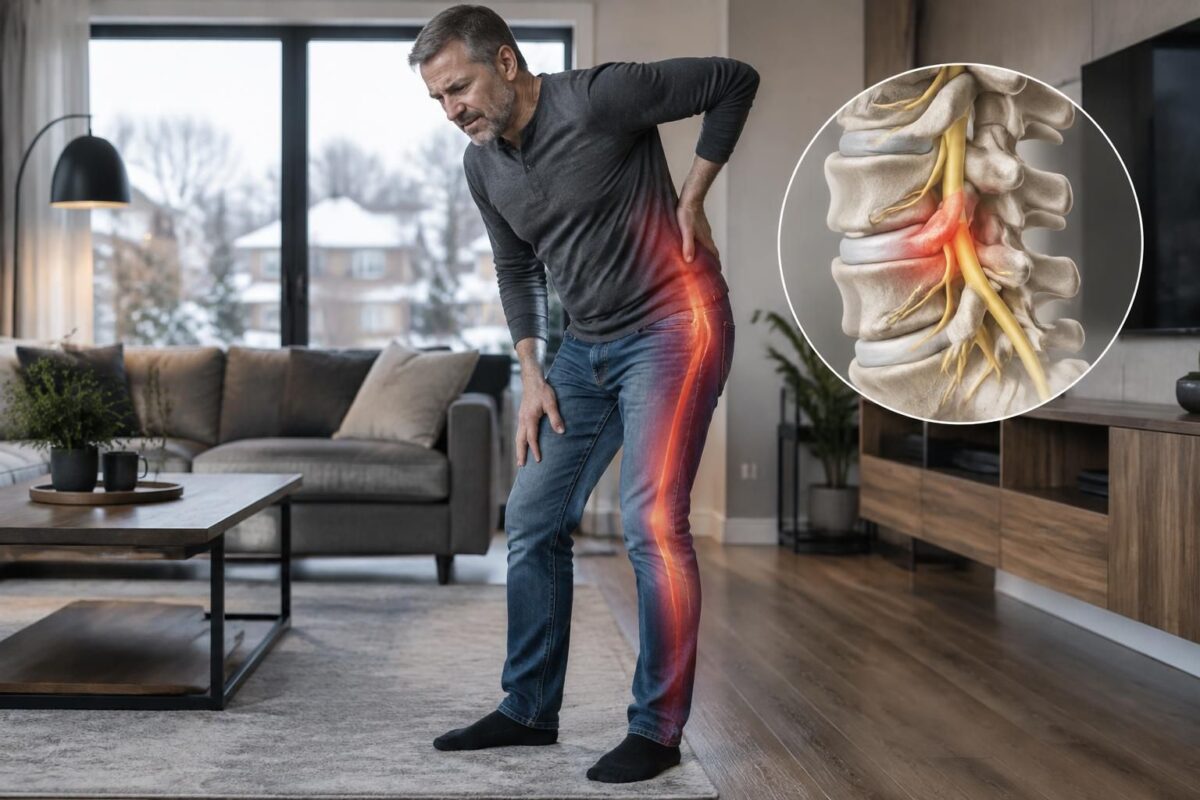
Sciatica L4-L5 in Terrebonne: understand the possible symptoms
IN BRIEF The L4-L5 sciatica often corresponds to irritation of the L5 nerve root, sometimes related to a disc herniation. It can cause pain from the lower back to the buttock, the side of the leg, and the top of…

Dr Sylvain Desforges, B.Sc., D.O., N.D., osteopath, is the founding president of TAGMED and of the ACMA association. He dedicates his practice to chronic spinal pain, low back pain and symptoms compatible with sciatica, particularly when pain radiates toward the buttock, leg, calf, foot or toes.
Through SOS Sciatique, he publishes educational content on sciatica symptoms, possible causes such as disc herniation, disc narrowing, foraminal stenosis or irritation of a lumbar nerve root, as well as non-surgical approaches that may be considered according to the evaluation. At Clinique TAGMED, care may include, depending on the case, motorized neurovertebral decompression, specific osteopathic care or precision percussion.
For an evaluation related to sciatica treatment in Montreal / Mount Royal or sciatica treatment in Terrebonne, please consult the services available at Clinique TAGMED.
Medical disclaimer
The information published on SOS Sciatique is provided for educational purposes only and does not replace a consultation, diagnosis, opinion or treatment provided by a physician or another authorized healthcare professional. The author of this article is neither a medical doctor nor a specialist in a medical specialty recognized by the Collège des médecins du Québec. The osteopathic, manual medicine or functional support approaches described on this site do not constitute medical acts and are not intended to replace medical follow-up.
Consult a physician or emergency service in cases of loss of bladder or bowel control, anesthesia in the saddle area, significant or progressive weakness in the leg or foot, fever, recent trauma, severe pain or rapid worsening of symptoms. For more details, please read our Legal Notice.