Osteopathy and stress: techniques to reduce muscle tension
28/06/2026
How osteopathy acts on chronic postural imbalances
28/06/2026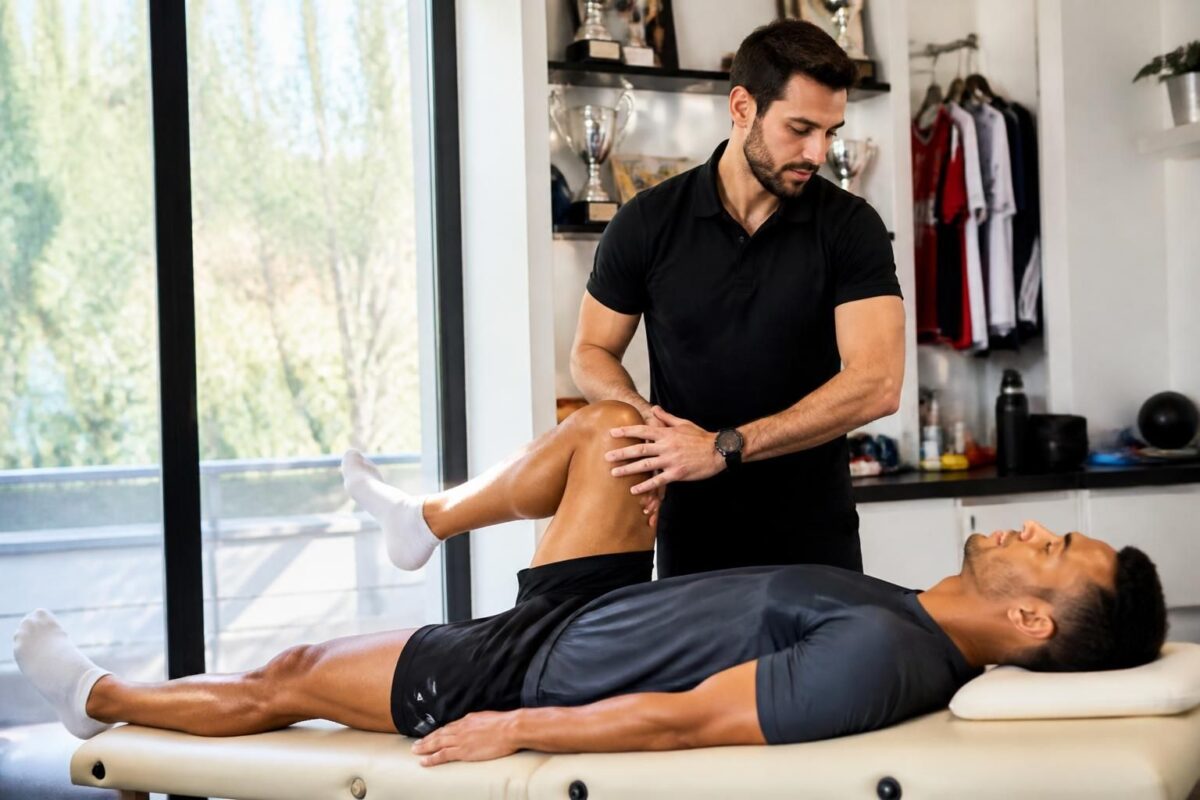
In short
In short, theSports osteopathy is a manual approach dedicated to optimizing the bodily function of Professional athletes To improve their performance. What is it? It acts on three axes: prevention injuries, recovery fast and Performance optimization thanks to a better mobility, coordination and breathing. How does it work? Techniques structural, myofasciales and muscular are adapted at the time of the intervention (pre-competition, post-effort, rehabilitation). At Montreal, this service is particularly recommended for athletes wishing to remain competitive and prevent injuries. |
For professional athletes, Osteopathy stands out as a key partner for prevent, recover and Optimize performance.
- Prevention : Early detection of imbalances and mobility limitations, to prevent sprains and recurrent injuries.
- Recovery : Stimulation of circulation and drainage, acceleration of muscle and tendon repair after exercise.
- Performance optimization : reduction of tensions, improvement of coordination and breathing, and better gestural efficiency.
- Multidisciplinary approach : Collaboration with doctors, physiotherapists and physical trainers for global and personalized follow-up.
- Adaptability : interventions adapted to the sports calendar and all sports (endurance, contact, repetitive gestures, dance).
This article, written by an expert osteopath, presents the benefits of osteopathy for professional athletes. It explains how this discipline can prevent injury, accelerate recovery and optimize performance. The text is clear and focused on practical and verifiable information.
Prevention of imbalances and injuries
Osteopathy aims prevention postural imbalances and mobility limitations. The practitioner evaluates repeated gestures and body chains involved in the sport. It acts on the posture and the mobility To reduce the risk of sprain, tendinopathy or other overuse injuries. This approach is based on regular assessments at the start and end of the season in order to anticipate the points of fragility.
Recovery after exercise
After exercise, osteopathy stimulates the bloodstream and the lymphatic circulation. This accelerates the elimination of toxins and promotes muscle, tendon and joint repair. Post-effort work can also support the nervous system and assist in the management of fatigue.
Optimization of performance and breathing
The work on the diaphragm And the stability of the trunk improves the coordination and effectiveness of the sporting gesture. a better one stability Trunk and more effective breathing help reduce shortness of breath and optimize endurance in endurance athletes with high cardiovascular need.
Multidisciplinary approach and follow-up of the athlete
The osteopath collaborates with sports doctors, physiotherapists and physical trainers. This Multidisciplinary team Ensures global follow-up, adjusts training plans and coordinates recovery protocols. This synergy is key to keeping the athlete at the best level in the long term.
To learn more, consult recognized resources on the subject: The benefits of osteopathy for professional athletes, Overall well-being and healthy posture, reduction of tensions. For concrete management, specialized clinics can direct the athlete towards the most appropriate interventions, such as those offered at Clinique TagMed.
Additional resources also exist to enlighten athletes on the mechanisms and benefits of osteopathy in the sports field.
To find appropriate care near you, consider contacting a structure like Tagmed Clinic.
Professional and general information is also available on the areas monitored, such as SOS SCIATIC and the pages dedicated to neurovertebral decompression and osteopathic evaluation in the sports setting.
A suitable and coordinated practice can help prevent injury, accelerate recovery and support long-term performance. For athletes who aim for high objectives, osteopathy is a useful addition to physical preparation and sports medicine.
Medical Disclaimer: The information and advice provided on this site does not replace the health professional’s diagnosis or treatment. Please note that Sylvain Desforges osteopath is neither a doctor of medicine nor a doctor, and is not a specialist in a medical specialty as defined by the Collège des Médecins du Québec. Manual medicine, functional medicine and sports medicine as described on this site exclude any medical treatment or diagnosis made by a doctor or specialist doctor. Always consult your doctor for any medical questions. For more details, please read our full legal notice.
- Improvement of the mobility and thealignment for a more effective gesture.
- Optimization of the breathing and from the stability of the torso.
- prevention of imbalances And some aches recurring.
- Management of the posture And some microtrauma.
- Acceleration of the recovery and elimination of toxins.
- Support for the circulation blood and lymphatic drainage.
- Improvement of the muscle recovery After the effort.
- reduction of recovery time between sessions.
- Optimization of Respiratory potential and of Diaphragmatic control.
- Accompaniment of Retraining and from the re-education.
- Support for the mental preparation and at the concentration.
- adaptation of the young and growing sportsman to prevent Chronic pain.

This article presents how theosteopathy Can become an essential lever for professional athletes: injury prevention, targeted curative action, and performance optimization through precise techniques and close collaboration with the medical team. By integrating these approaches, athletes gain endurance, recovery and postural stability, while reducing the risk of recurrence and improving the quality of the technical gesture.
The central role of osteopathy in sport
Three complementary axes
In a sporting situation, osteopathy acts on prevention, on the curative and on theoptimization physical abilities. Preventive work helps identify imbalances and mobility restrictions before they lead to injury. The curative component completes medical and physiotherapist care to relieve pain and limit sequelae. Finally, theoptimization Aims to release tensions, improve motor coordination and support overall performance.

How osteopathy improves the quality of life of active people
In short In short, theosteopathy is a global approach that Optimizes mobility and the function of the body of ACTIVE PEOPLE, for a better quality of life. It helps prevent injury and reduce Musculoskeletal pain While promoting the Sports recovery.…

Osteopathy and sports recovery: prepare the body for lasting performance
In short In short, Osteopathy and Sports recovery is one Global manual approach that sustainably prepares the body for the effort by restoring mobility and circulation After the effort. It is a discipline that acts on the sinews, the joints,…
When and how to consult for a professional athlete
Ideal timing
Ideally, plan a consultation 3 to 7 days Before a competition allows you to prepare the body and integrate the adjustments without hindering the training. This period offers the body the time necessary to adopt the new positions and mechanisms, while avoiding the inflammation or acute phase of a possible trauma.
Before, during and after the competition
A few hours before the test, targeted adjustments can be made to optimize posture and breathing. During the competition, especially in contact sports, certain gestures can be carried out in the field. After exercise, a complete assessment of the joints and an optimization of physiological and psychological recovery facilitates the return to full form.
To avoid
Osteopathy does not occur in the acute inflammatory phase or at the onset of major trauma. It integrates as an aid to rehabilitation and functional recovery, in addition to medical care.
Why Osteopathy Is Essential For Recovery People
In short In short, Osteopathy in convalescence is an approach manual and holistic which helps to accelerate the recovery by restoring The balance, the mobility and a good circulation fabrics. it contributes to Reduce the pain, support the Back to…

Osteopathic manipulations to strengthen post-traumatic muscles
In short In short, Osteopathic manipulations for Strengthen post-traumatic muscles constitute a gentle manual approach aimed at restoring the mobility, reduce the pain and facilitate the Functional rehabilitation After a injury. What is Is it? A series of precise gestures…
Techniques and tools of sports osteopathy
Structural and myofascial approaches
the techniques structural and myofasciales Correct joint dysfunctions and improve overall mobility, in order to promote better efficiency of the sporting gesture.
Role of the diaphragm and breathing
manipulations target the respiratory system, in particular the diaphragm, in order to optimize ventilation and reduce limitations during sustained effort, which translates into better endurance and less “side”.
Field use and post-session
Adapted interventions can be carried out in the field for dynamic situations, and at the end of the sessions to prepare for recovery and reinforce the gains obtained in the session.

Osteopathy and prevention of work-related musculoskeletal disorders
In short theosteopathy is one Manual approach that restores body balance and prevents MSD related to work. Its advantages: reduction of tension, improvement of mobility and prevention of chronic pain. She is preventive and healing, suitable for office and trades…

The benefits of osteopathy to treat muscle imbalances
In short theosteopathy is a manual approach to restore themuscle harmony and postural considering the body as a whole. Its main benefits include the reduction of aches and tensions, the improvement of the mobility and from the posture, and prevention…
Recovery and performance
Stimulation of circulation and elimination of toxins
The recovery is improved through effective stimulation of blood and lymph circulation, facilitating the evacuation of metabolic debris and accelerating tissue repair.
Improved coordination and breathing
By releasing tension and harmonizing carbohydrate and muscular patterns, osteopathy improves coordination and the breathing, key factors for endurance and sport performance requiring sustained effort.
Impact on injuries and relapses
Regular monitoring reduces the risk of recurrence and lightens loads on the joints, contributing to lasting progression and a longer sports career.
Osteopathy and chronic leg pain: regaining an optimal quality of life
In short In short, Osteopathy is one Global manual approach aimed at reducing Chronic leg pain and improve the quality of life. What is it? Non-drug therapy using the hands to identify restrictions and treat lesional chains. How does it…
How osteopathy supports recovery after complex surgery
In short In short, Post-operative osteopathy is an approach fresh which supports the recovery After a Complex surgery. It helps to reduce the pain and the fatigue, improves the mobility and accelerates the healing thanks to a better vascularization and…
Integration into a multidisciplinary team
Collaboration with sports doctors and preparers
theosteopath Works in synergy with the sports doctor, physiotherapists and physical trainers for follow-up overall and personalized. This integrated approach ensures a harmonious and secure progression for the athlete.
Role in overall monitoring
Thanks to regular reviews and adapted action plans, osteopathy is integrated into the annual program, supporting intensive training periods, recovery phases and transition phases between seasons.
Disciples and disciplines concerned
Endurance sports and repetitive movements
Racing, cycling, triathlon and other activities requiring fine recovery management benefit particularly from osteopathic advice and techniques to optimize restitution and prevent excessive fatigue.
Contact sports, gesture rehearsal and dance
Rugby, football, martial arts, tennis, golf, swimming and dancing also find a major asset in a personalized approach that balances constraints and preserves mobility.
Motorsports and Vibration Activities
Specific constraints related to vibrations and prolonged posture require precise support to maintain alignment and flexibility.
| Axis of action | benefits |
|---|---|
| Axis 1 | Prevention and reduction of injuries | risk reduction thanks to Postural rebalancing and at the Articulatory mobility. |
| Axis 2 | Post-effort recovery and elimination | Stimulation of the circulation and acceleration of the recovery muscle and tissue. |
| Axis 3 | Mobility and technical performance | Liberation of restrictions and optimization of coordination and of gesture. |
| Axis 4 | Respiratory performance | Improvement of the Respiratory performance and from the resilience to effort. |
| Axis 5 | Preparation and stress management | reduction of the voltage and better concentration Via targeted relaxation and exercises respiratory. |
| Axis 6 | Post-injury rehabilitation | Accompaniment of the re-education and resumed in addition to physiotherapist and of sports doctor. |
| Axis 7 | Training load and overtraining prevention | Balance sheet and adjustment of the Training load To prevent the Overtraining. |
| Axis 8 | Multidisciplinary collaboration | integrates the Medical Team around the athlete for a Overall preparation. |
Testimonials: The Benefits of Osteopathy for Professional Athletes
“Before each competition, lumbar tensions slowed me down and I doubted my recovery. After a few osteopathic sessions, I gained in prevention, my recovery accelerated and my performance flourished on the finish line. » — Luc Dubois, Professional sprinter.
“On the field, the osteopathic adjustments allowed me to feel more free in my gestures and to avoid relapses. It is a real help in prevention, my recovery is better and my mobility has evolved. » — Emilie Dupont, Professional rugby player.
“In racing, the body is subject to strong constraints. Osteopathy released my shoulders and back, improving my mobility and my recovery After each step, this allowed me to increase my power and my endurance. » — Mateo Rossi, Professional cyclist.
“In dance, the slightest tension can block everything. Osteopathy has improved my amplitude, my coordination and my recovery between shows. » — Clara Sévigné, prima ballerina.
“In triathlon, breathing and posture make all the difference. Osteopathy helps me better breathing, to maintain a posture effective and to optimize my recovery post-effort. » — Amir Lavigne, triathlete.
“For me, the shoulder and the balance were repeated weak points. Osteopathic work helped me find a balance and strengthen the prevention Micro-traumas throughout the season. » — Nina MOREL, judoka.
Sylvain Desforges, a renowned osteopath, has established himself as a reference in the alliance between osteopathy, naturopathy and manual medicine. As founding president of TagMed and the ACMA association, he places innovation at the heart of his therapeutic approach. His practice focuses on chronic pain management and the integration of advanced technologies to optimize the health and performance of athletes. His commitment is to provide evidence-based care to allow athletes to move, recover and perform over time.
For professional athletes, osteopathy acts as a global lever, articulated around three complementary axes: prevention, the curative and thePerformance optimization. In prevention, the osteopath spots postural imbalances and mobility restrictions early on, which could change into a sprain, tendinopathy or overload injury. Early and end-of-season assessments make it possible to establish a personalized program, correct ineffective actions and adjust the training loads before the pain is imposed as a brake.
On the curative level, the osteopathic intervention is in addition to physiotherapists and sports doctors. It aims to quickly relieve acute and chronic pain, to facilitate post-traumatic rehabilitation and to limit the sequelae linked to repeated shocks, particularly in contact sports. The objective is to find an optimal joint function and to prevent recurrences by working on the muscle chains and the nervous exchanges involved in the sporting gesture.
In terms of optimization, osteopathy releases tension, improves motor coordination and can optimize respiratory potential. Work on the diaphragm and core support structures reduces shortness of breath, side stitches and fatigue during prolonged efforts. This dimension aims not only to improve the sporting gesture but also to promote a more effective recovery between the training series and the competitions.
The role of osteopathy in the team remains central and feeds on a multidisciplinary approach. The practitioner works closely with sports doctors, physiotherapists, physical trainers and podiatrists to ensure global and consistent follow-up. To use an image dear to the discipline, each osteopathic adjustment can be likened to a fine piece of clockwork which, combined, durably influences the sporting trajectory.
In practice, the optimal time to consult may vary depending on the period. Three to seven days before a competition, the osteopath prepares the body by eliminating residual tensions and optimizing posture. Small adjustments can sometimes be made shortly before the event, depending on the sport. After exercise, a complete assessment of the joints and special attention to physiological and psychological recovery make it possible to effectively prepare for the return to training. It should be noted that osteopathy is part of a logic of rehabilitation and support, and not in the treatment of inflammatory or acute emergencies.
Osteopathic practices find their place in a wide variety of sports, from endurance and speed disciplines to contact sports and repetitive gestures, including dance and martial arts. This transversal approach, based on listening to the body and adapting techniques (structural, myofascial and muscular), contributes to the prevention of injuries and faster recovery, while supporting long-term performance.
This presentation highlights the benefits of theosteopathy For professional athletes: prevention injuries, accelerated recovery and Performance optimization, thanks to an approach multidisciplinary and adapted to each discipline. The objective is to support sporting longevity and improve technical gestures over the seasons.
In sport, theosteopathy acts on three complementary axes: prevention, curative and Performance optimization. In prevention, the osteopath identifies imbalances and mobility limitations before they turn into a sprain or tendinitis, with assessments carried out at the start and end of the season that sustainably influence the trajectory of an athlete. To learn more about the context of the sports environment, consult the guide available at Losteopathy in the sports world.
On the curative level, the osteopath intervenes in addition to physiotherapists and doctors to soothe acute and chronic pain, treat trauma and limit sequelae after repeated shocks, particularly in contact sports. This approach strengthens rehabilitation and reduces time to return to performance. resources like Osteopathy: injury management and performance optimization illustrate this role.
In terms of optimization, osteopathy releases muscle tension, improves coordination and supports respiratory potential, in particular through work on the thoracic diaphragm. This translates into better endurance and reduced shortness of breath during prolonged efforts. To deepen the impact on performance, see analytics such as Osteopathy as an asset for athletes looking for performance.
Post-effort recovery is another key benefit: traffic improvement and drainage, acceleration of the elimination of toxins and support of the organs involved in recovery. This approach is particularly useful for athletes who train 3 to 5 times a week, and dedicated resources explain how osteopathy can prevent stiffness and promote a safe recovery. See the benefits to reduce joint stiffness on Benefits to reduce joint stiffness.
The multidisciplinary role is at the heart of the process: the osteopath collaborates with sports doctors, physiotherapists, physical trainers and podiatrists for global and personalized follow-up. This coordination guarantees support adapted to the athlete’s schedule and optimizes the results. To broaden the perspectives, consult the resources dedicated to sports osteopathy, in particular Osteopathy and sport.
Figures demonstrate the anchoring of manual practice in elite staff: during the 2016 Rio Olympics, nearly one in eight athletes used manual therapy, a sign of the increasing importance of osteopathy in the preparation and rehabilitation of high-level athletes. To deepen, also discover the resources like Osteopathy in sports and Osteopathy and performance.

Sylvain Desforges, B.Sc., D.O., N.D., docteur en ostéopathie
Dr Sylvain Desforges, B.Sc., D.O., N.D., osteopath, is the founding president of TAGMED and of the ACMA association. He dedicates his practice to chronic spinal pain, low back pain and symptoms compatible with sciatica, particularly when pain radiates toward the buttock, leg, calf, foot or toes.
Through SOS Sciatique, he publishes educational content on sciatica symptoms, possible causes such as disc herniation, disc narrowing, foraminal stenosis or irritation of a lumbar nerve root, as well as non-surgical approaches that may be considered according to the evaluation. At Clinique TAGMED, care may include, depending on the case, motorized neurovertebral decompression, specific osteopathic care or precision percussion.
For an evaluation related to sciatica treatment in Montreal / Mount Royal or sciatica treatment in Terrebonne, please consult the services available at Clinique TAGMED.
Medical disclaimer
The information published on SOS Sciatique is provided for educational purposes only and does not replace a consultation, diagnosis, opinion or treatment provided by a physician or another authorized healthcare professional. The author of this article is neither a medical doctor nor a specialist in a medical specialty recognized by the Collège des médecins du Québec. The osteopathic, manual medicine or functional support approaches described on this site do not constitute medical acts and are not intended to replace medical follow-up.
Consult a physician or emergency service in cases of loss of bladder or bowel control, anesthesia in the saddle area, significant or progressive weakness in the leg or foot, fever, recent trauma, severe pain or rapid worsening of symptoms. For more details, please read our Legal Notice.