Osteopathy and recovery after a fracture: restore mobility quickly
29/06/2026
How osteopathy promotes muscle tissue regeneration
29/06/2026
In short In short, theosteopathy To prevent injuries at the Amateur athletes is a global approach that aims to detect and correct tensions and imbalances before they cause an injury. It is based on a preventive evaluation posture and biomechanics, then on manual techniques that improve the mobility and thebalance, while optimizing the recovery. Its main advantages include a reduction in the risk of overload, better range of motion and lasting sporting progression. In practice, it offers a Custom Plan And appropriate advice to stay efficient with less pain. |
theosteopathy OFFER OF earnings clear for amateur athletes in injury prevention. by a preventive evaluation Overall, the practitioner identifies the tensions and biomechanical imbalances likely to progress in injury. By correcting these imbalances and working the mobility, osteopathy reduces the risk of overload, sprains and pain related to sports practice. It also helps to improve theamplitude movements and optimize the recovery, favoring a safer training resumption and better long-term performance.
This text explains why theosteopathy is useful for preventing injuries in Amateur athletes. It acts as a proactive approach. It aims to optimize the mobility, thebalance and the posture of the body. The goal is to identify and correct tensions before they get worse.
Preventive assessment and stress screening
Prevention requires a preventive evaluation complete. This quick and effective approach identifies areas of tension and over-stressed muscles. She also analyzes the biomechanical and the overall posture. The goal is to identify postural imbalances and mobility restrictions.
Overall physical assessment
The practitioner performs an overall assessment. He seeks tension, subtle lesions and tense muscles. This review provides a clear plan for prevention. It is based on recognized protocols and reference trainings such as NUMSS and nao.
Biomechanical analysis and posture
Biomechanical analysis identifies asymmetries and motion limitations. It determines whether postural adjustments or minor corrections can prevent future pain or trauma. This step is essential to avoid overload on musculoskeletal structures.
Correction of imbalances and improved mobility
Manual osteopathic techniques target areas of tension and dysfunctions. They correct structural and functional imbalances to restore a Effective solicitation muscles and joints. This approach reduces constraints and promotes better range of motion.
Improved mobility and flexibility
After rebalancing the structures, the objective is to improve the mobility tissues and joints. The objective is for athletes to be able to move freely and limit constraints during training and competitions. Osteopathy also helps to correct asymmetries frequently associated with injuries.
Recovery and performance
Osteopathy helps optimize recovery between sessions and competitions. Effective recovery can reduce the risk of injury and allow for regular progression. The techniques used aim to release tension and restore the overall balance of the body. To deepen this subject, you can consult resources on prevention in athletes on specialized sites.
To expand your understanding, refer to specialized resources such as
Neurovertebral decompression and preventive osteopathy
or Daily mobility link.
Practical integration for amateur athletes
Integrating osteopathy into a training program is simple. The approach consists of planning regular visits adapted to the activity and to the level of the athlete. This allows you to detect imbalances early and correct them before they become injuries. The goal is to improve resilience and increase the ability to withstand training loads.
Additional resources exist to understand the preventive role of osteopathy. For example, you can explore articles on Link on stress and physical tension, or on the impact of osteopathy on mobility after immobilization.
Training and professional executive
Practitioners who practice in this field follow recognized training. Among them, the institutions NUMSS and nao are cited as references in osteopathy. They also adhere to professional organizations in the sector, such as ACMA, the College of Canadian Osteopaths and the College of Canadian Osteopaths, guaranteeing supervised and responsible practice.
To learn more about the integration of osteopathy in the sports field and additional resources, discover articles on The benefits of osteopathy or on Sports performance and osteopathy.
References and useful links
For examples and deepening, see the following resources, consistent with authorized domains:
- preventive evaluation : Overall assessment to identify tensions and limitations.
- Early detection : Rapid identification of risk areas.
- Postural correction : Alignment and balance of the body.
- Mobility and flexibility : Improved range of motion.
- Reduction of asymmetries : Balancing muscle chains.
- Stability and engine control : better coordination of gestures.
- Preparation for effort : Optimization of amplitude and technique.
- Accelerated recovery : more effective recovery between sessions.
- Overload prevention : Decreased risk of overwork.
- Custom Plan : Follow-up adapted to each sport and level.

The osteopathy offers an approach preventive suitable for Amateur athletes. By detecting tensions, imbalances and asymmetries before they cause injury, it acts on the mobility, the balance and the recovery, to allow a more sustainable and effective sports practice.
Why Osteopathy is Useful to Prevent Injuries in Amateur Athletes
The main objective is to avoid stress-related trauma by working on the root causes of pain and limitations. The osteopathic intervention aims to optimize movement mechanisms and support repeated technical gestures during training and competitions. By acting upstream, it reduces the risk of overload and microtrauma, and thus extends the period of sporting activity without pain.

How osteopathy improves the quality of life of active people
In short In short, theosteopathy is a global approach that Optimizes mobility and the function of the body of ACTIVE PEOPLE, for a better quality of life. It helps prevent injury and reduce Musculoskeletal pain While promoting the Sports recovery.…
Preventive assessment and imbalance screening
The process begins with a preventive evaluation complete, which makes it possible to establish a precise inventory. The balance sheet examines the posture, the biomechanical, tension areas and tense muscles, to identify potential symptoms and risk factors.
Global and biomechanical assessment
This assessment goes beyond a simple local examination to take into account the whole body and its muscle chains. Particular attention is paid to amplitude of movement, stability of joints and coordination between body segments. The objective is to identify mobility restrictions that could, in the medium term, influence performance and promote injury.
Adjustment of training plans
On the basis of this diagnosis, the practitioner offers specific adjustments: mobility exercises, targeted reinforcement and technical advice to prevent risky actions. This proactive approach allows training to be adapted to maintain muscle balance and better load distribution.

Osteopathy and sports recovery: prepare the body for lasting performance
In short In short, Osteopathy and Sports recovery is one Global manual approach that sustainably prepares the body for the effort by restoring mobility and circulation After the effort. It is a discipline that acts on the sinews, the joints,…
Correction of imbalances and improved mobility
When imbalances are identified, the osteopath uses appropriate techniques to correct them. The work can be structural-functional and tissue, in order to rebalance the muscle chains and the relationships between the joints. This correction helps to reduce excessive stress and prevent overload.
Techniques and effects
The techniques used aim to restore a fluid range of motion and stabilize the most stressed areas. By rebalancing the segments, a better distribution of efforts is promoted during sports movements, which reduces the risk of injury and improves the effectiveness of the gesture.
Impact on performance
Recovered mobility and corrected asymmetries allow better technique, effort saving and more effective recovery after training. In the long term, this results in more consistent performance and a decreased risk of injury from overuse or persistent imbalances.
Why Osteopathy Is Essential For Recovery People
In short In short, Osteopathy in convalescence is an approach manual and holistic which helps to accelerate the recovery by restoring The balance, the mobility and a good circulation fabrics. it contributes to Reduce the pain, support the Back to…
Recovery Planning and Relapse Prevention
Recovery is a key phase of prevention. Osteopathy promotes harmonious recovery between sessions, reducing residual tension and offering maintenance routines adapted to the sport practiced.
Recovery protocols help reduce pain and accelerate fitness. Practical advice and gentle techniques, adapted to the intensity of the training, help the body to repair itself while remaining ready to face the next loads.
Practical integration into the sports program
To make the most of osteopathy, it is recommended to plan regular sessions and associate exercises, in coordination with the coach. A collaborative approach guarantees secure and sustainable progress towards sporting objectives.
| Intervention axis | snide profit |
|---|---|
| preventive evaluation | One Overall balance sheet Identifies tensions and restrictions before they lead to injury, to act early. |
| Correction of imbalances | Targeted manipulation restores musculoskeletal balance and prevents stress-related trauma. |
| Improving mobility | Increasing amplitude and flexibility reduces stress and tear risks during workouts. |
| Postural balance | Improves posture and reduces abnormal loads on muscle chains, protecting back and shoulders. |
| Asymmetries prevention | Identifying and correcting asymmetries limits weak spots and overuse areas. |
| Optimized recovery | Targeted protocols accelerate recovery and support performance between sessions. |
| Preparation for effort | Reinforcement and stability increase fatigue resistance and reduce the risk of injury. |
| Custom Plan | A program adapted to sport and training extends performance and sporting longevity. |

Osteopathic manipulations to strengthen post-traumatic muscles
In short In short, Osteopathic manipulations for Strengthen post-traumatic muscles constitute a gentle manual approach aimed at restoring the mobility, reduce the pain and facilitate the Functional rehabilitation After a injury. What is Is it? A series of precise gestures…
Testimonials: the benefits of osteopathy to prevent injuries in amateur athletes
As an amateur jogger, I often had lower back pain after my long outings. After a few sessions of osteopathy, I noticed a Improving mobility, a Better flexibility and above all a Injury prevention which allows me to resume my training without apprehension.
My coach advised me osteopathy to prevent tensions related to regular sport. Through a global assessment and targeted adjustments, I feel more balanced and less prone to recurring abuses. It’s a real gain in posture and in Load management.
By practicing tennis on weekends, I often had shoulder pain after long sessions. The osteopath worked on my asymmetries and on the Joint mobility, which reduced the risk of injury and allowed me to play longer without pain.
For me who does fitness as an amateur, osteopathy has improved my recovery between sessions. Muscle tension leveled off more quickly and I leave with better performance without having to go through prolonged rest.
Work on biomechanics and muscle systems helped me prevent strains and overloads during intensive workouts. Today I see a Reduction of imbalances and an Injury prevention more efficient.
In the field of amateur sport, osteopathy presents itself as an effective ally for anticipating trauma and preserving performance. Proactive osteopathy is based on a personalized approach, centered on the moving body and on its balance. Sylvain Desforges, recognized expert in the fields of osteopathy, naturopathy and manual medicine, places prevention at the heart of his practice. Its approach is based on clear principles: detecting tension, harmonizing muscle chains and optimizing the overall function of the body to reduce the risk of injury in amateur athletes.
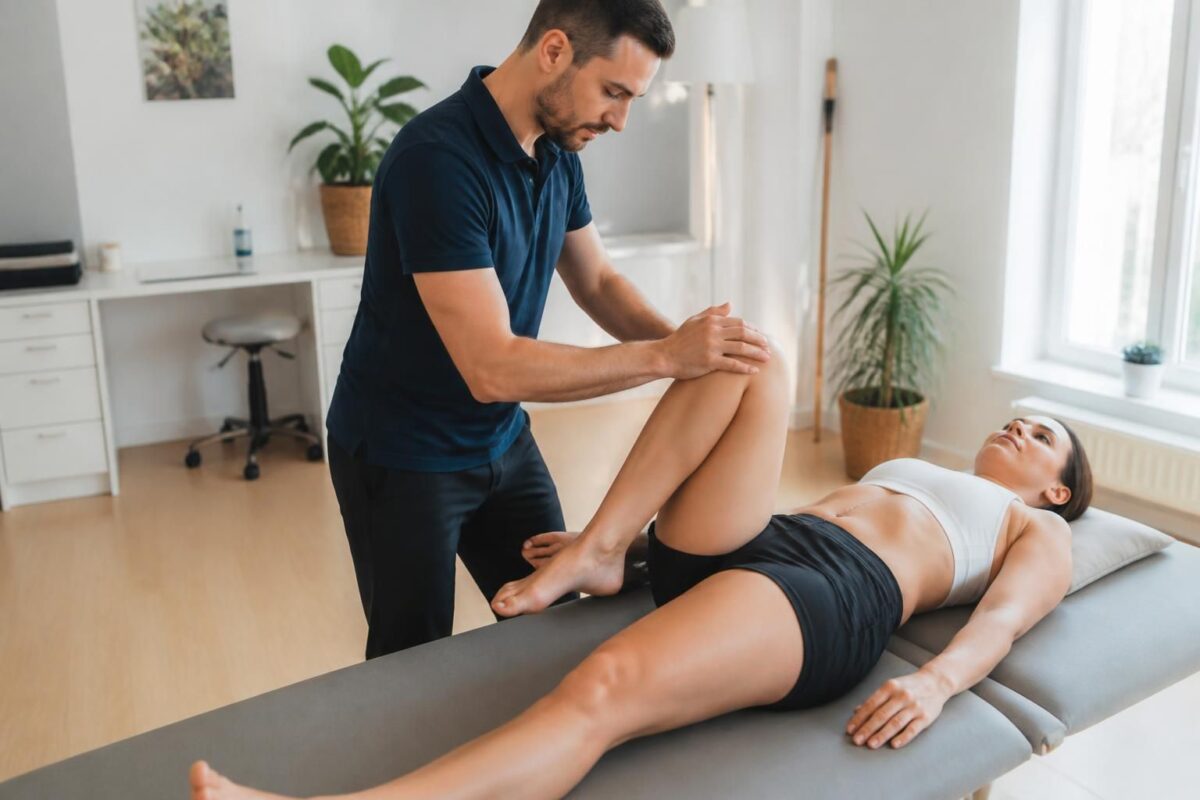
The first step is thepreventive evaluation. This is a complete physical assessment that goes far beyond a simple muscle examination. The practitioner analyzes the mobility of the joints, the flexibility of the tissues and the biomechanics of the body as a whole. This step makes it possible to identify areas of tension, tense muscles and to assess poor postures or mobility restrictions which, in the long term, can turn into injuries. By detecting these dysfunctions at an early stage, the osteopath offers targeted responses adapted to the profile of each amateur athlete.
Following this inventory, the Correction of imbalances is the heart of the osteopathic intervention. Through specific manual techniques—structural, functional and tissue—the practitioner adjusts the areas in tension and restores the balance of musculoskeletal chains. The objective is clear: to reduce stress on the muscles and joints, increase the range of movements and reduce the risks associated with overload during training and competitions. For amateur athletes, this step translates into a Better movement efficiency and an enhanced prevention Repeated exertion injuries or occasional overwork.
After the correction, the focus is on theImproving mobility. Osteopathy works to restore the flexibility of muscles, fascias and joint tissues, while consolidating the mechanisms that absorb shocks and resist training loads. The approach also aims to address the asymmetries which often represent a gateway to muscle and joint injuries. By rebalancing these disparities, athletes gain stability and efficiency during their movements, which directly contributes to a more lasting and more serene practice.
Finally, the development of a Sports recovery plan is an integral part of osteopathic prevention. By optimizing recovery between sessions and competitions, osteopathy helps amateur athletes maintain a high level of performance while limiting the risk of overwork. The techniques used promote muscle relaxation, reduce tension and restore the general balance of the body, in order to prepare for the next training in the best conditions. This holistic approach, always guided by clinical evidence and the observation of movement, is a real lever for preserving health and prolonging sports practice.
For amateur athletes, adopting a preventive osteopathic approach represents an investment in the reliability of each movement and in the continuity of the sporting activity. By combining evaluation, correction, improvement of mobility and recovery plan, osteopathy offers a concrete and accessible strategy to reduce injuries and promote a lasting and fulfilling practice.
Find out how theosteopathy can play a decisive role in the Injury prevention among amateur athletes. By combining a preventive evaluation, a Correction of imbalances and an Improving mobility, it helps to maintain the performance and well-being throughout the season.

Osteopathy and prevention of work-related musculoskeletal disorders
In short theosteopathy is one Manual approach that restores body balance and prevents MSD related to work. Its advantages: reduction of tension, improvement of mobility and prevention of chronic pain. She is preventive and healing, suitable for office and trades…
Preventive assessment and imbalance detection
The process begins with a preventive evaluation global, which makes it possible to identify tensions, possible lesions and tense muscles. This step also assesses the posture and the biomechanical of the body to establish a functional diagnosis. This proactive approach targets imbalances before they turn into injury, which is especially valuable for amateur athletes who regularly train without constant supervision.

The benefits of osteopathy to treat muscle imbalances
In short theosteopathy is a manual approach to restore themuscle harmony and postural considering the body as a whole. Its main benefits include the reduction of aches and tensions, the improvement of the mobility and from the posture, and prevention…
Correction of imbalances and optimization of biomechanics
From this evaluation, the osteopath intervenes with techniques structural, functional and tissue to correct imbalances. The goal is to restore a Optimized biomechanics, to rebalance the muscle chains and restore a range of motion sufficient, reducing the risks associated with overload and improving the resistance of structures to exertion.
Osteopathy and chronic leg pain: regaining an optimal quality of life
In short In short, Osteopathy is one Global manual approach aimed at reducing Chronic leg pain and improve the quality of life. What is it? Non-drug therapy using the hands to identify restrictions and treat lesional chains. How does it…
Improved mobility and postural balance
Once the imbalances are corrected, the intervention focuses on theImproving mobility and fabric firming. This includes restoring the flexibility and thePostural balance, two key factors to prevent pain and injuries related to repetition of sporting gestures.
How osteopathy supports recovery after complex surgery
In short In short, Post-operative osteopathy is an approach fresh which supports the recovery After a Complex surgery. It helps to reduce the pain and the fatigue, improves the mobility and accelerates the healing thanks to a better vascularization and…
Recovery plan and sustainable performance
The preventive plan also incorporates strategies for recovery adapted, which allow amateur athletes to recover more quickly between sessions and competitions. By promoting targeted recovery, osteopathy helps maintain a Sustainable performance and limit periods of injury stop.
Links and resources to deepen
To deepen, discover resources related to sports recovery and osteopathy, including:
Why osteopathy is an effective solution for sports recovery,
Osteopathy and recovery after surgery: accelerate healing,
Osteopathy: the secret of active athletes,
Osteopathy for athletes,
The benefits of osteopathy to improve joint flexibility,
Osteopathy, an asset for athletes looking for performance,
Osteopathy and sport: when to consult to avoid injuries,
Why osteopathy is essential for professional athletes.

Sylvain Desforges, B.Sc., D.O., N.D., docteur en ostéopathie
Dr Sylvain Desforges, B.Sc., D.O., N.D., osteopath, is the founding president of TAGMED and of the ACMA association. He dedicates his practice to chronic spinal pain, low back pain and symptoms compatible with sciatica, particularly when pain radiates toward the buttock, leg, calf, foot or toes.
Through SOS Sciatique, he publishes educational content on sciatica symptoms, possible causes such as disc herniation, disc narrowing, foraminal stenosis or irritation of a lumbar nerve root, as well as non-surgical approaches that may be considered according to the evaluation. At Clinique TAGMED, care may include, depending on the case, motorized neurovertebral decompression, specific osteopathic care or precision percussion.
For an evaluation related to sciatica treatment in Montreal / Mount Royal or sciatica treatment in Terrebonne, please consult the services available at Clinique TAGMED.
Medical disclaimer
The information published on SOS Sciatique is provided for educational purposes only and does not replace a consultation, diagnosis, opinion or treatment provided by a physician or another authorized healthcare professional. The author of this article is neither a medical doctor nor a specialist in a medical specialty recognized by the Collège des médecins du Québec. The osteopathic, manual medicine or functional support approaches described on this site do not constitute medical acts and are not intended to replace medical follow-up.
Consult a physician or emergency service in cases of loss of bladder or bowel control, anesthesia in the saddle area, significant or progressive weakness in the leg or foot, fever, recent trauma, severe pain or rapid worsening of symptoms. For more details, please read our Legal Notice.