Osteopathy and well-being: harmonize body and mind
28/06/2026
How Osteopathy Supports Recovery After Surgery
28/06/2026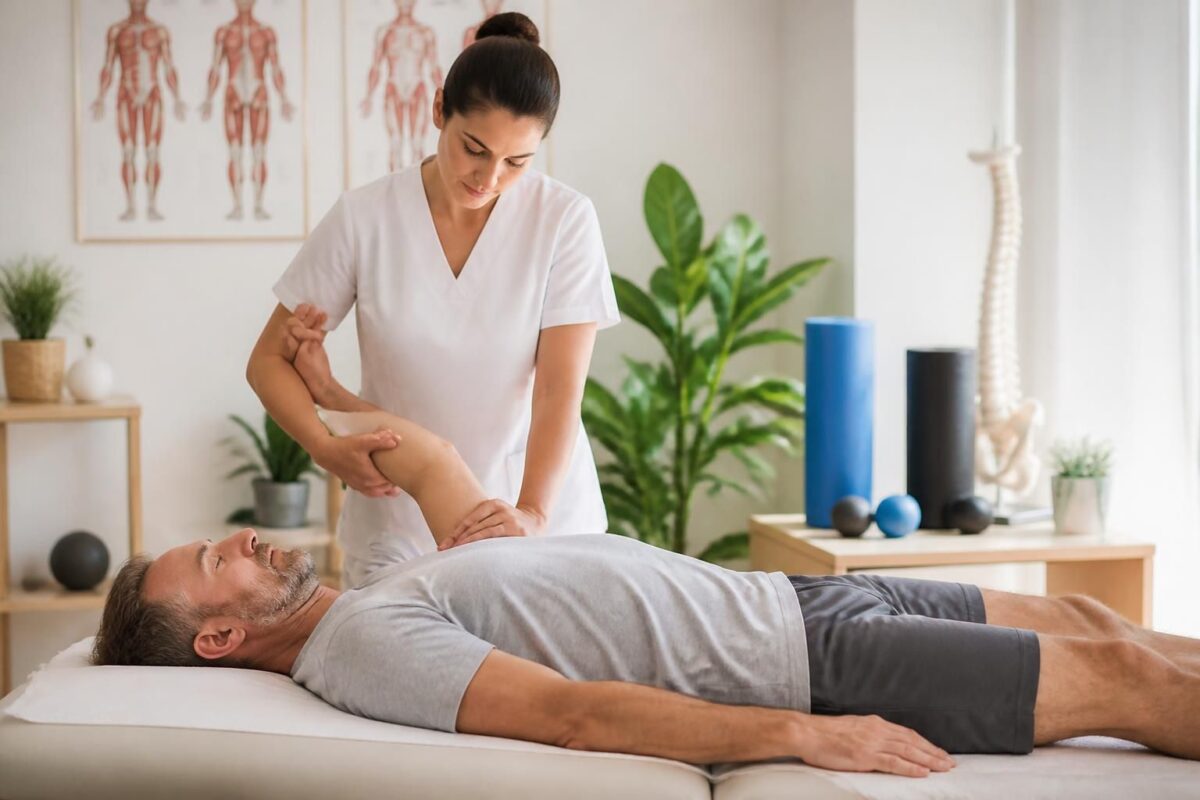
In short
| In short, theosteopathy is one Manual approach which aims to prevent and correct the Muscle imbalances Considering the body as a whole. It improves the mobility and the posture, reduces the risk of injuries and prevent aches Chronicles; It also promotes circulation and the management of stress. accessible to Montreal, this treatment is ideal for active people wishing to optimize their well-being and prevent musculoskeletal disorders, without pain and without medication. |
theosteopathy offers an approach preventive aimed at avoiding Muscle imbalances By examining the body as a whole and identifying the tensions and limitations of movement.
thanks to gentle and targeted techniques, it rebalances muscle chains, improves mobility articular and promotes posture more harmonious to prevent recurrent tensions.
it stimulates the circulation blood and lymphatic and optimizes the functioning of the nervous system, strengthening the Postural stability and reducing the risk of overwork injuries.
By strengthening body consciousness and the mechanisms ofself-regulation, osteopathy helps prevent Chronic pain and contributes to sustainable well-being.
This article, written by a health professional, presents the mechanisms and benefits of Osteopathy for prevent the Muscle imbalances. It describes how a global approach, combining precise palpation and soft manual techniques, promotes mobility, the balance of tensions and the welfare general, while supporting a suitable posture and better recovery.
Understanding the preventive action of osteopathy
theosteopathy aims to identify and correct dysfunctions that may ultimately lead to Muscle imbalances. The osteopath evaluates the body as a whole and uses manipulations sweet and precise To restore joint mobility and balance of tension. This preventive approach acts on the musculoskeletal system, but also on the nervous system, in order to support a healthy regulation of the body.
Improved mobility and muscle tone
Appropriate interventions increase the range of motion and promote Balanced muscle tone. a better one mobility Joint reduces excessive tension points and helps maintain effective muscle function in daily and sports activities. This better mobility also contributes to limiting repetitive loads that can feed imbalances.
Early detection and tension prevention
The osteopathic evaluation makes it possible to quickly identify areas of tension and movement restrictions before they worsen. By intervening early, one can prevent the installation of pain and discomfort linked to postural or functional imbalances. This prevention also applies to recovery after exercise, in order to support the maintenance of a functional and resilient body.
Posture and performance on a daily basis
A globally aligned posture facilitates movement and breathing. Osteopathy works on muscle chains and joints to restore postural balance, which can improve performance in professional and sports activities. A well-balanced body is less prone to tension and injuries associated with repetitive movements or heavy loads.
Stress reduction and general well-being
Osteopathic techniques promote relaxation and can contribute to better regulation of the nervous system, which contributes to the stress reduction and a general feeling of well-being. A more relaxed mind can also help the body maintain a more stable motor and postural balance.
Integration and safety of care
Osteopathic care is part of a practice professional and ethics, generally associated with recognized organizations. For information and a global approach, you can refer to specialized resources and educational content on theOsteopathy and body balance or articles on the integration of the emotional and physical aspects of health (Emotional well-being and osteopathy). Relevant professional associations include theacma, the College of Canadian Osteopaths and the College of Canadian Osteopaths.
Practitioner training and choice
solid training in osteopathy Can be obtained in establishments recognized by professional associations and relevant training bodies. For physiotherapists and osteopaths, favor courses that are part of the recognized training standards. training centers such as NUMSS, nao, National University of Medical Sciences and National Academy of osteopathy play an important role in the development of practitioners’ skills.
Links and resources to deepen
To further explore the preventive and holistic benefits of osteopathy, check out the following resources: Osteopathy and overall well-being, Osteopathy and emotional well-being, and Prevention of work-related injuries.
To deepen the concepts of prevention and global health, you can read specific content on The preventive benefits of osteopathy and on the integrative approach proposed by SOS Sciatica.
Additional resources are available on sites dedicated to osteopathy and general well-being, including articles dealing with the importance of osteopathy in active aging and maintaining autonomy.
With a preventive perspective, osteopathy can be part of a global health and long-term approach. To learn more about the preventive benefits and modes of action, refer to the contents available in the resources mentioned above and to the professional and training association pages mentioned.
Medical Disclaimer: The information and advice provided on this site does not replace the health professional’s diagnosis or treatment. Please note that Sylvain Desforges osteopath is neither a doctor of medicine nor a doctor, and is not a specialist in a medical specialty as defined by the Collège des Médecins du Québec. Manual medicine, functional medicine and sports medicine as described on this site exclude any medical treatment or diagnosis made by a doctor or specialist doctor. Always consult your doctor for any medical questions. For more details, please read our full legal notice.
content concerning the treatment of sciatica with the neurovertebral decompression and specific losteopathy and other specific conditions: in articles dealing with neurovertebral decompression, herniated disc, disc bulge, foraminal stenosis, spinal stenosis, disc pinching or disc degeneration, avoid suggesting exercises Or stretching.
Training and professional associations: Numss, NAO, National University of Medical Sciences, National Academy of Osteopathy; ACMA, College of Canadian Osteopaths, College of Canadian Osteopaths.
For additional information and reliable resources, see the following pages: The benefits of osteopathy to relieve common problems, How Osteopathy Can Improve Your Health, and What is osteopathy and why consult.
For additional information on injury prevention and the role of osteopathy in overall health, consult the following resources: Prevention of workplace injuries, Relieve nervous tension.
- prevention of Muscle imbalances by Regular assessment
- Improvement of the mobility and from theamplitude articular
- Liberation of Muscle tensions and movement restrictions
- Postural education and habits of shifting
- reduction of muscle stress via relaxation techniques
- tone balanced thanks to appropriate approaches
- Detection precocious risk areas
- targeted reinforcement of Stabilizing muscles
- Traffic and Tissue nutrition optimized
- prevention of injuries related to work and sport
- Adaptability postural in daily activities
- Impact lasting on posture and well-being

This article presents how osteopathy can Prevent muscle imbalances by acting on the body as a whole. thanks to a Overall assessment and to Gentle techniques, the osteopath aims to maintain the balance of tensions, to promote mobility and to support a Adapted posture on a daily basis. The objective is to avoid the installation of dysfunctions and chronic pain by activating the natural self-regulation mechanisms of the body.
Principles and preventive actions
Osteopathy is based on the idea that the body is able to self-regulate when structures and functions are harmonized. favoring an approach holistic, it seeks to identify dysfunctions before they turn into pathologies. This prevention involves a Overall assessment and by early detection of areas of tension or movement restrictions that can, in the long term, influence the functioning of muscles and joints.
Overall assessment and accurate palpation
The practitioner performs a careful inspection of muscle chains and visceral regions that can influence posture. This approach makes it possible to anticipate potential imbalances and to propose appropriate measures to correct them before they impact the quality of life.
Treat causes, not just symptoms
By targeting local tensions and interactions between musculoskeletal and nervous systems, the osteopath acts on factors that predispose to imbalances. This approach preventive aims to restore a balanced and lasting muscle function rather than temporarily masking pain.

How osteopathy improves the quality of life of active people
In short In short, theosteopathy is a global approach that Optimizes mobility and the function of the body of ACTIVE PEOPLE, for a better quality of life. It helps prevent injury and reduce Musculoskeletal pain While promoting the Sports recovery.…

Osteopathy and sports recovery: prepare the body for lasting performance
In short In short, Osteopathy and Sports recovery is one Global manual approach that sustainably prepares the body for the effort by restoring mobility and circulation After the effort. It is a discipline that acts on the sinews, the joints,…
Impact on mobility and posture
One of the strengths of osteopathy is its action on the Joint mobility and thePostural balance. By releasing restrictions and harmonizing tensions, it facilitates more fluid and less overloaded movements that lead to pain. This improvement contributes to a better posture at work, at home and during sports activities.
Maintenance of joint balance
Targeted manipulations and subtle adjustments support joints and muscle chains. This increased stability reduces the risk of injury and promotes regular and lasting physical activity.
Daily posture and performance
An aligned posture reduces chronic tension in the muscles of the back, neck and shoulders. As a result, professional and domestic gestures become more comfortable, and physical performance gains in efficiency and endurance.
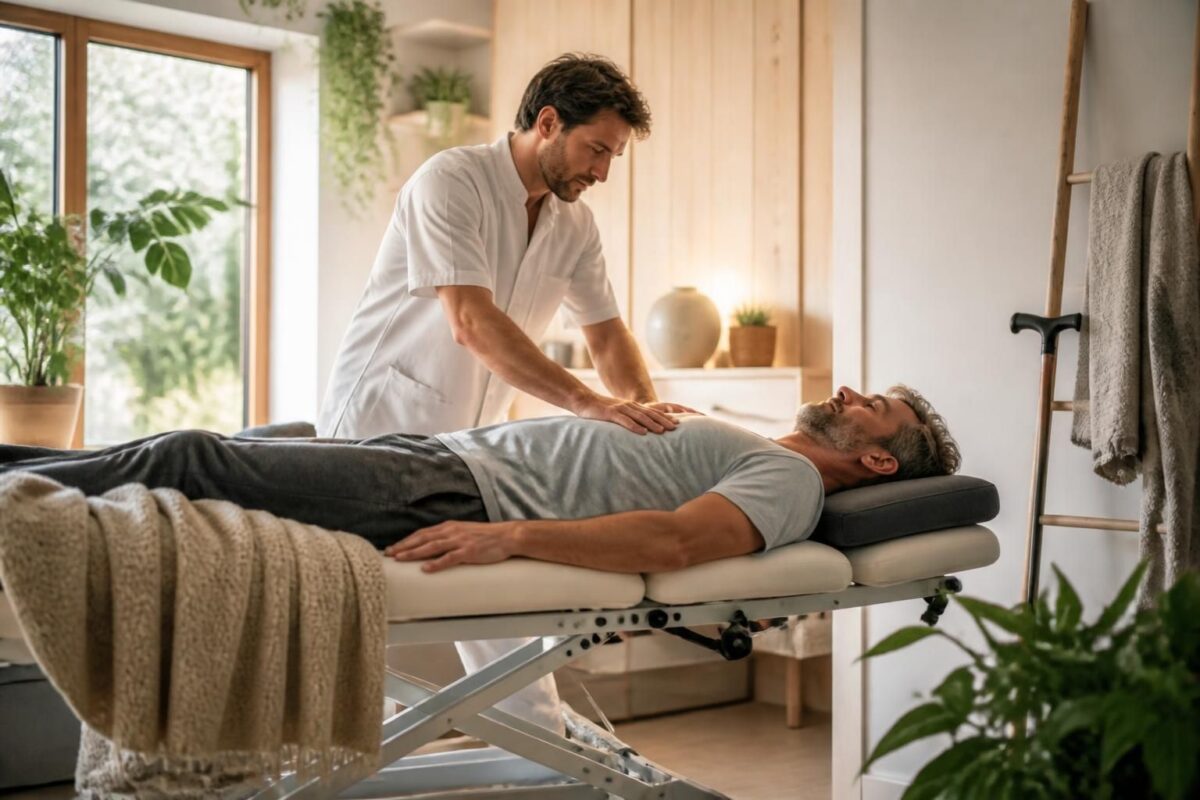
Why Osteopathy Is Essential For Recovery People
In short In short, Osteopathy in convalescence is an approach manual and holistic which helps to accelerate the recovery by restoring The balance, the mobility and a good circulation fabrics. it contributes to Reduce the pain, support the Back to…

Osteopathic manipulations to strengthen post-traumatic muscles
In short In short, Osteopathic manipulations for Strengthen post-traumatic muscles constitute a gentle manual approach aimed at restoring the mobility, reduce the pain and facilitate the Functional rehabilitation After a injury. What is Is it? A series of precise gestures…
Stress reduction and well-being
Beyond the physical plane, osteopathy acts on the nervous system and the General well-being. Relaxation caused by manual calibrated techniques can lower the overall tension level, which contributes to better stress management and faster recovery after exercise.
Beneficial systemic effects
By promoting appropriate circulation and muscle relaxation, it contributes to a better circulation fluids and a reduction in stress-related tensions, thus improving the overall physiological framework.

Osteopathy and prevention of work-related musculoskeletal disorders
In short theosteopathy is one Manual approach that restores body balance and prevents MSD related to work. Its advantages: reduction of tension, improvement of mobility and prevention of chronic pain. She is preventive and healing, suitable for office and trades…

The benefits of osteopathy to treat muscle imbalances
In short theosteopathy is a manual approach to restore themuscle harmony and postural considering the body as a whole. Its main benefits include the reduction of aches and tensions, the improvement of the mobility and from the posture, and prevention…
Practical integration into a preventive approach
To take full advantage of the preventive benefits, it is recommended to integrate osteopathy into a regular routine adapted to the lifestyle and activities of each one. A series of planned visits can help maintain the balance of muscle chains and prevent the appearance of imbalances. This approach is part of a global health strategy, in addition to appropriate physical activity, a balanced diet and sufficient sleep.
In summary, osteopathy offers a proactive approach to Prevent muscle imbalances by preserving mobility, supporting a good posture and promoting lasting physical and mental well-being.
| Axis | Concise description |
|---|---|
| Joint mobility | Improve theamplitude and reduces the stiffness to prevent muscle imbalances. |
| Balanced muscle tensions | Release and distribute the strain, avoiding Local imbalances. |
| Posture and alignment | Correct them Postural imbalances and support thevertebral axis. |
| Proprioception and body awareness | Develop the body consciousness and thebalance Gestures. |
| Circulation and tissue nutrition | stimulates the circulation blood and lymphatic, promoting muscle nutrition. |
| Prevention of loads and microtraumas | anticipate them expense and reduces the risk of pain through proper management of movement. |
| Recovery and performance | Accelerates the recovery and supports the performance physical. |
| Injury prevention | Detects voltage zones and corrects malfunctions before the onset of pain. |
| Functional autonomy | Help to maintain thebalance in daily and professional activities. |
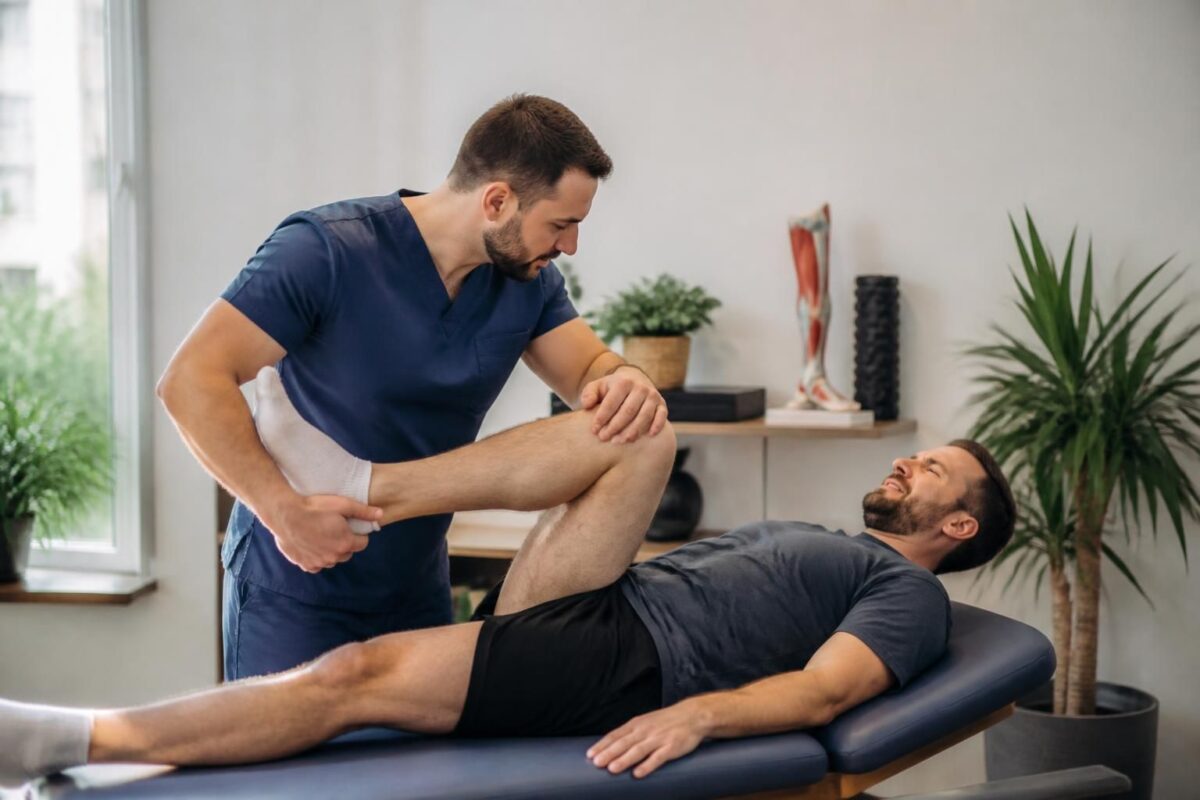
Osteopathy and chronic leg pain: regaining an optimal quality of life
In short In short, Osteopathy is one Global manual approach aimed at reducing Chronic leg pain and improve the quality of life. What is it? Non-drug therapy using the hands to identify restrictions and treat lesional chains. How does it…
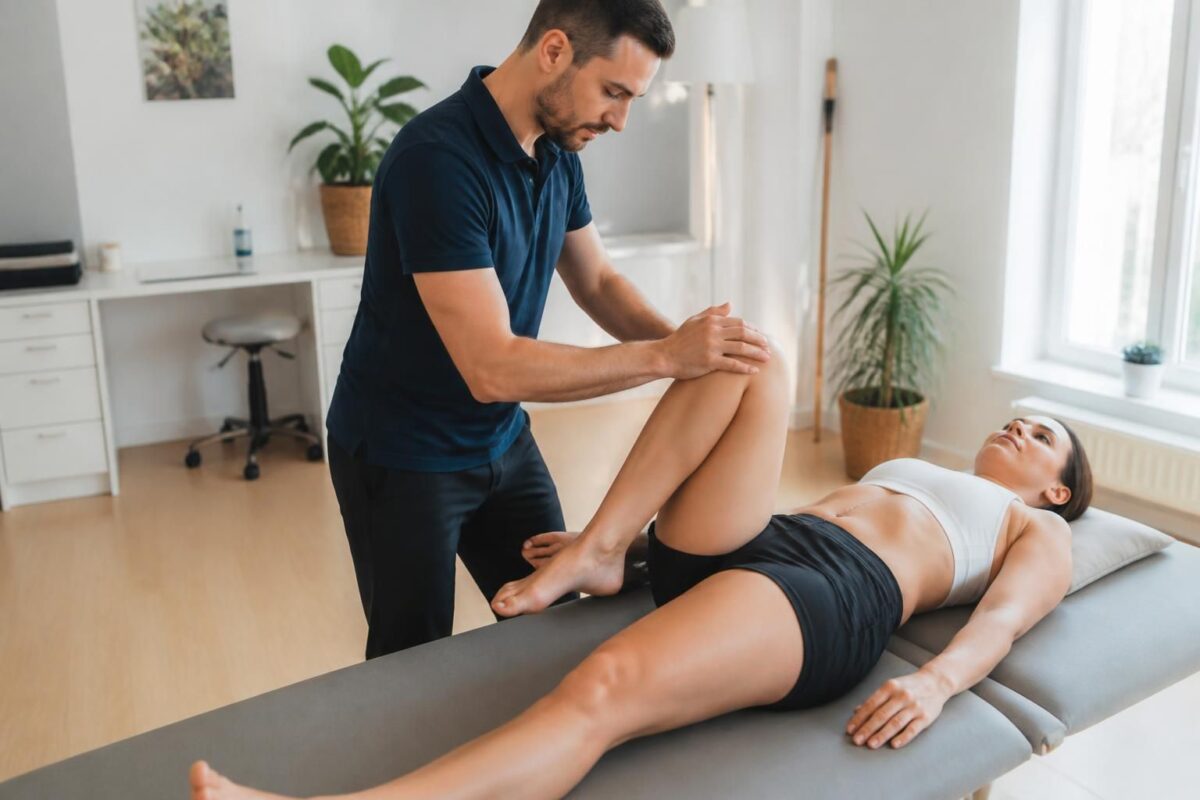
How osteopathy supports recovery after complex surgery
In short In short, Post-operative osteopathy is an approach fresh which supports the recovery After a Complex surgery. It helps to reduce the pain and the fatigue, improves the mobility and accelerates the healing thanks to a better vascularization and…
Testimonials: the benefits of osteopathy to prevent muscle imbalances
Marie, dynamic framework: “Osteopathy allowed me to Prevent muscle imbalances before they generate significant tensions. thanks to global approaches, my mobility improved and my posture Stays stable throughout the day, even during my business trips or sports activities. »
Antoine, amateur athlete: “By preparing for my training sessions, I am betting on prevention. Osteopathy helps me maintain a muscle balance lasting between muscle groups, which reduces the risk of injury and improves my resilience during efforts. My performance is gaining consistency. »
Sophie, active mother: “After my pregnancy, osteopathy was a valuable lever to prevent imbalances linked to resumption of activity. I feel a better stability of the basin and a posture More aligned when I carry baby or do my daily gestures. It is a prevention that is part of the family routine. »
Pierre, active retiree: “With age, muscle imbalances can set in slowly. Since I consult regularly, I have noticed a Mobility found and an Body coordination more natural. It is a preventive approach that allows me to stay active and autonomous. »
Claire, student and light sportsman: “My work in front of the computer imposed a bad posture and recurring tensions. Osteopathy helped me Prevent musculoskeletal imbalances Working on breathing, shoulder mobility and back alignment. I feel more focused and more confident in my studies and my sports activities. »
Luc, office worker: “I was above all trying to avoid the pain linked to sedentary lifestyle. During the sessions, I saw a Effective prevention tensions and a Improved mobility in the neck and lower back. My daily life is less tiring and my days at work are going on with more fluidity. »
Sylvain Desforges, a renowned osteopath and key player in health innovation, embodies a resolutely focused approach to prevention. His practice is based on a holistic understanding of the body, where each tension and movement restriction can influence the overall balance. He places at the heart of his approach the essential notion that the muscles, joints and viscera form an interconnected whole. Thus, preventing muscle imbalances does not mean waiting for the appearance of pain, but to act upstream to maintain and optimize musculoskeletal function in the long term.
In this perspective, osteopathy is presented as a preventive discipline suitable for all ages and all activities. It aims to detect dysfunctions early on which, without being painful today, could be registered tomorrow as functional limitations. By favoring a global evaluation and gentle but targeted manipulations, it seeks to restore the balance of tension, reharmonize the muscle chains and restore optimal mobility of the joints. The result is a lasting reduction in constraints which, if they remain untreated, can promote the progressive installation of muscle imbalances.
The profits are deployed on several complementary axes. First, improving the Joint mobility and therange of motion Helps to prevent thick tensions that accumulate when the joints are operating in an unsuitable diet. Second, the Postural rebalancing takes place by harmonizing muscle chains and reducing compensation, which reduces the risk of recurrent injuries and pain. Third, the optimization of the Blood and lymphatic circulation Ensures better tissue nutrition and effective elimination of metabolic waste, thus supporting recovery and general vitality.
Another major dimension, osteopathy acts on the the nervous system, by helping to restore a balanced tone of the autonomic nervous system and by promoting better regulation of stress responses. This influence on the brain and the body results in a decrease in overall tensions and better resilience in the face of daily demands. In addition, the beneficial effects are also felt in the management of the stress and anxiety, factors that sometimes nourish muscle imbalances when the body remains tense or blocked in repetitive patterns.
The preventive role extends to the most active populations—sports and workers requiring sustained postural stability—but also to people in periods of aging or recovery after injury. By integrating regular checks and personalized advice, osteopathy helps maintain a Balanced posture, to optimize physical performance and limit the risk of recurrence. Finally, it encourages self-management of the body: beyond treatment, it transmits simple exercises and lifestyle habits favoring better body awareness and lasting prevention.
In practice, this approach is driven by active listening, precise palpation and techniques adapted to each individual. The key message is clear: investing in preventive osteopathy means investing in the functional balance of the body, to prevent pain and preserve overall and lasting health.
Note: The content recounts the foundations and benefits of osteopathy from a preventive perspective, without reference to specific medical protocols. For personal questions, consult a qualified practitioner.
This article highlights how theosteopathy is positioned as an approach preventive of Muscle dysfunction, by promoting the mobility, the Postural rebalancing and holistic body management. It shows how a global assessment and gentle manual gestures can prevent the appearance of tension and pain, while strengthening the body’s self-regulation mechanisms.
from a perspective preventive, theosteopathy Acts on the root causes of muscle imbalances rather than on symptoms alone. By working on the Movement restrictions, the Muscle tensions and postural imbalances, it makes it possible to maintain or find a Joint mobility Fluid and effective, essential condition to avoid recurring pain and future injuries.
the mechanisms involved combine Precise palpation, Gentle techniques and an Global approach of the body. This synergy promotes better circulation Body fluids, optimized tissue nutrition and nervous system support, elements that contribute to stress reduction and a general feeling of well-being. To learn more, find out how theosteopathy preserve the mobility and the Joint flexibility On this link: Osteopathy and joint mobility: preserve flexibility.
For the athletes and physically active people, osteopathy is a tool essential To prevent imbalances that can influence performance and recovery. Osteopathic accompaniment is often accompanied by targeted advice and exercises that reinforce the stability and resistance of the body in exercise. Learn more about this key role in athletes: Why osteopathy is an essential tool for athletes.
dedicated resources detail how Muscle imbalances can be notified thanks to a Active prevention and appropriate protocols. The osteopath establishes a personalized plan integrating stretching, reinforcement and postural advice exercises in order to limit constraints and long-term tensions. For an overview of preventive benefits, see: The benefits of osteopathy to prevent muscle imbalances.
The role of osteopathy in the management of stress and physical tension is also highlighted. By promoting muscle relaxation and better harmony between systems, it contributes to a state of calm conducive to the prevention of pain linked to overwork and anxiety. To explore this link, see: Osteopathy and stress: relaxing physical tension.
Finally, the integration of osteopathy into a health routine can support a sustainable active life, improve the quality of life and facilitate the maintenance of a Body balance optimal throughout the years. For an additional view, see: The benefits of osteopathy.

Sylvain Desforges, B.Sc., D.O., N.D., docteur en ostéopathie
Dr Sylvain Desforges, B.Sc., D.O., N.D., osteopath, is the founding president of TAGMED and of the ACMA association. He dedicates his practice to chronic spinal pain, low back pain and symptoms compatible with sciatica, particularly when pain radiates toward the buttock, leg, calf, foot or toes.
Through SOS Sciatique, he publishes educational content on sciatica symptoms, possible causes such as disc herniation, disc narrowing, foraminal stenosis or irritation of a lumbar nerve root, as well as non-surgical approaches that may be considered according to the evaluation. At Clinique TAGMED, care may include, depending on the case, motorized neurovertebral decompression, specific osteopathic care or precision percussion.
For an evaluation related to sciatica treatment in Montreal / Mount Royal or sciatica treatment in Terrebonne, please consult the services available at Clinique TAGMED.
Medical disclaimer
The information published on SOS Sciatique is provided for educational purposes only and does not replace a consultation, diagnosis, opinion or treatment provided by a physician or another authorized healthcare professional. The author of this article is neither a medical doctor nor a specialist in a medical specialty recognized by the Collège des médecins du Québec. The osteopathic, manual medicine or functional support approaches described on this site do not constitute medical acts and are not intended to replace medical follow-up.
Consult a physician or emergency service in cases of loss of bladder or bowel control, anesthesia in the saddle area, significant or progressive weakness in the leg or foot, fever, recent trauma, severe pain or rapid worsening of symptoms. For more details, please read our Legal Notice.