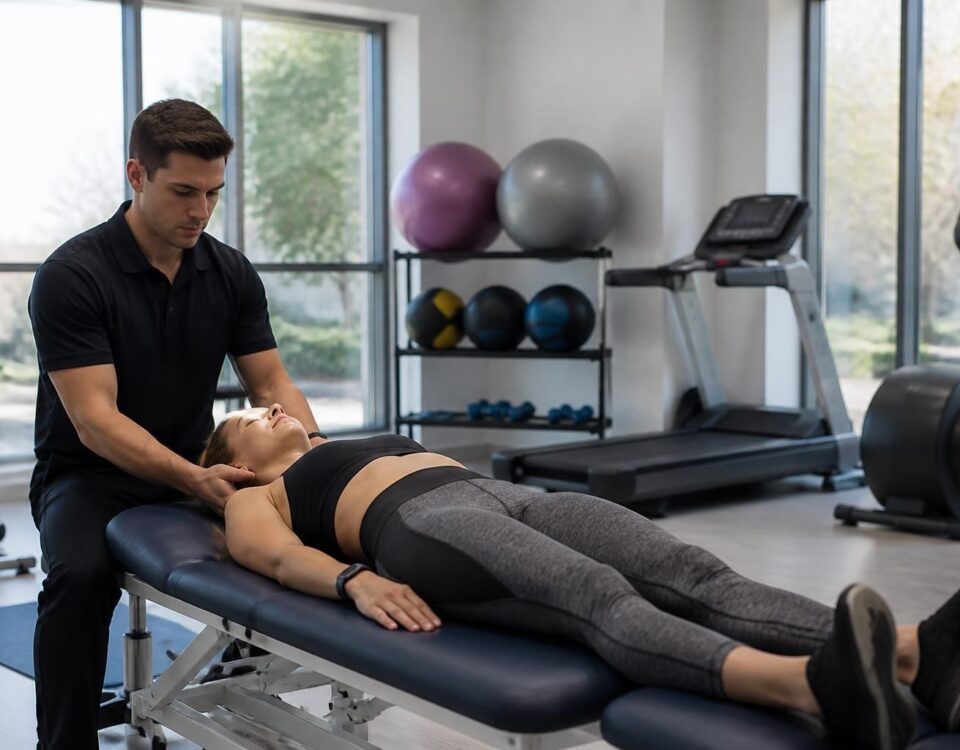
Neurovertebral decompression and prevention of neuropathic pain
26/06/2026
How neurovertebral decompression improves vertebral alignment
26/06/2026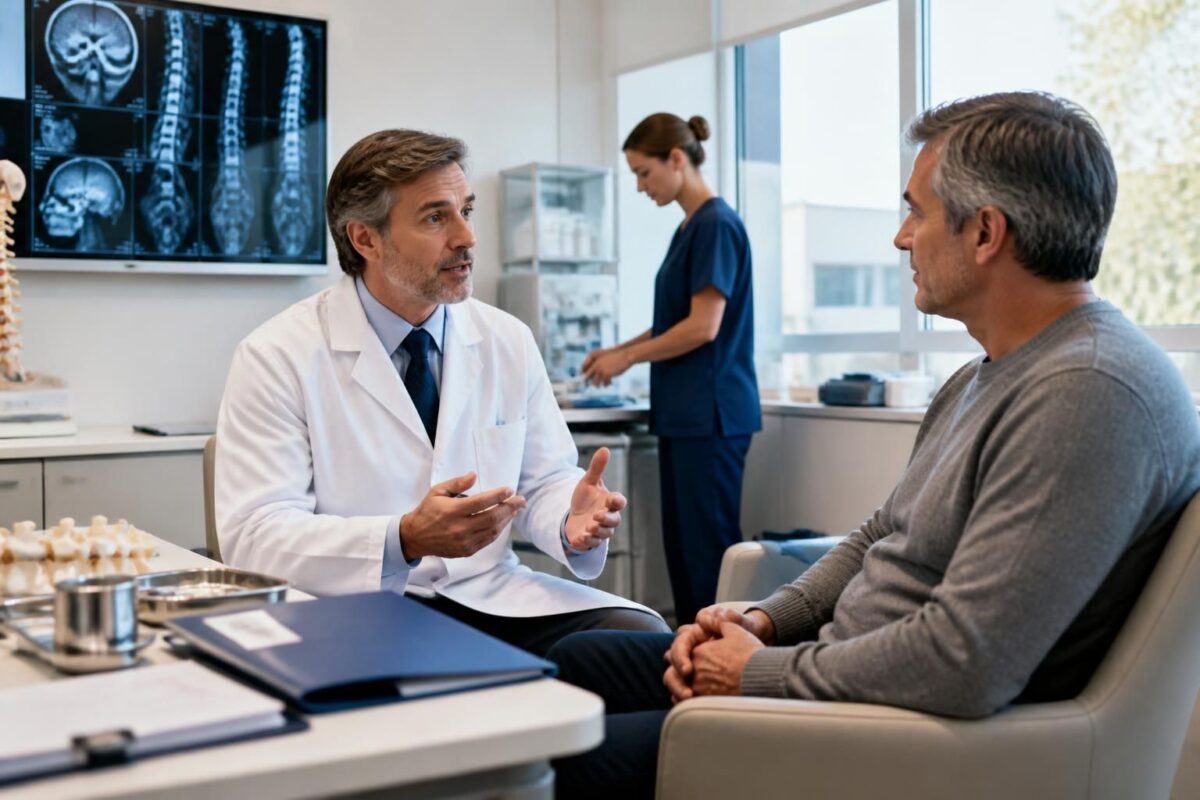
In short
| In short, the Follow-up after neurovertebral decompression is a surveillance and rehabilitation protocol designed for Consolidate profits, Prevent relapses and Optimize recovery. he combines Regular report, Targeted rehabilitation and Postural education In order to maintain a Lasting pain reduction and an Improving mobility. Its operation is based on progress report, of Treatment Plan Adjustments and one Personalized follow-up With coordination between professionals, with follow-up times typically spread over several weeks. In Montreal, this course includes sessions, exercises at home and practical advice to integrate gains into daily life, in a progressive and painless way. |
follow-up after a neurovertebral decompression Successful is a key element in preserving gains and preventing recurrences. It revolves around regular assessments, targeted rehabilitation and posture and physical activity education.
- Regular assessment of the pain, mobility and impact on daily activities in order to adjust the care plan.
- Rehabilitation and exercises at home and in a supervised session for strengthen the back, improve the mobility and the stability.
- Postural education and ergonomics To limit harmful efforts and support thevertebral alignment.
- gradual progression of thephysical activity patient-friendly, with monitoring of theinflammation and from the pain.
- Multidisciplinary follow-up and protocol adjustments based on patient progress and feedback.
- Prevention of recurrences Through healthy lifestyles (regular activity, stress management, hydration and lifestyle).
This article describes follow-up protocols after successful neurovertebral decompression. It highlights monitoring objectives, key moments, assessment tools and actors involved. The objective is to ensure sustainable recovery and prevent recurrences while maintaining the patient’s quality of life.
Monitoring objectives
The follow-up aims to verify the improvement of symptoms and daily function. It confirms the reduction of pain and the improvement of mobility. He listens to patient feedback and adjusts plans if necessary. The goal is to avoid a relapse and support long-term spinal stability.
Frequency and duration of visits
Initial visits take place in the first few weeks after the procedure. Then, the appointments are spaced according to the evolution. A follow-up over several months is common to validate the stability and the absence of recurring symptoms. Protocols may include 2, 6 and 12 weeks checks and then quarterly visits in the first year.
Elements evaluated during follow-up
The pain, the ability to perform the acts of daily life and the mobility of the column is assessed. The signs of local inflammation and the absence of new neurological symptoms are monitored. Imaging examinations are not systematic, but can be requested if the symptoms change or if the clinical results differ from the expected course.
Role of lifestyle and food
Sufficient hydration and a balanced diet support tissue recovery. Quality sleep management and appropriate postural habits reduce the stresses on the column. Simple tips on posture and daily activities help maintain gains from decompression. To learn more about protocols and tracking, check out dedicated resources.
Coordination of care and multidisciplinary follow-up
The follow-up is done in conjunction with the clinical team, in particular the professionals affiliated with the TagMed clinic and the partner services. This coordination ensures continuity of care and appropriate rehabilitation without resorting to unnecessary invasive treatments. For more information on advanced protocols, see the official clinic resources.
Signs that require rapid reassessment
If the pain reappears strongly, if a progressive weakness appears or if new numbness occurs, it should be reassessed quickly. Continence disorders or worsening pain despite follow-up indicate urgent consultation. In these cases, a new evaluation is necessary to adapt the treatment plan.
Resources and useful links
For additional information and detailed protocols, you can consult the following resources:
Tagmed Clinic,
Herniated disc in the Assumption,
SosherniaDiscal,
SosherniaDiscal,
SostunnelCarpal.
For general information, visit sosciatica.
For a structured and practical approach, you can explore content on custom protocols and post-decompression tracking on TagMed affiliate sites and neurovertebral decompression resources.
Medical Disclaimer: The information and advice provided on this site does not replace the health professional’s diagnosis or treatment. Please note that Sylvain Desforges osteopath is neither a doctor of medicine nor a doctor, and is not a specialist in a medical specialty as defined by the Collège des Médecins du Québec. Manual medicine, functional medicine and sports medicine as described on this site exclude any medical treatment or diagnosis made by a doctor or specialist doctor. Always consult your doctor for any medical questions. For more details, please read our full legal notice.
- goals : Sustainable relief, restoration of the function and gradual return to daily activities.
- Frequency of visits : first frequent weeks, then adjustment (bi-weekly to monthly according to progress).
- pain assessment : Use of a pain scale and tracking of the location.
- Functional assessment : monitoring of autonomy and ability to carry out daily activities.
- Rehabilitation program : Progression of exercises at home and in therapy, in harmony with decompression.
- Education and self-management : Postural advice, lifestyle and self-interviews.
- Multi-professional coordination : Monitoring and communication between physiotherapist, osteopath and attending physician.
- Imaging and controls : Targeted reassessment only if necessary depending on the symptoms.
- Alert indicators : Increasing weakness, sphincter disorders, fever or acute inflammatory pain.
- Prevention of recurrences : posture at work, regular physical activity and ergonomics.
- Long-term planning : Annual reassessment and adaptation of the care plan if necessary.
- Success criteria : Pain sustainably diminished, mobility regained and resumption of desired activities.

This article offers practical recommendations on follow-up protocols after successful neurovertebral decompression, in order to consolidate gains, prevent recurrences and optimize the function in the long term. It describes a structured approach that combines regular assessment, progressive rehabilitation and lifestyle improvement to support recovery and limit relapses. The follow-up favors multidisciplinary coordination and active communication between the patient and the practitioner.
General monitoring framework
Follow-up after decompression aims to Maintain gains obtained, to readjust the program according to progress and to prevent complications. It is based on clear planning of visits, measurable goals and regular documentation of symptoms, mobility and daily activities. The objective is also to ensure Continuity of care Between sessions, with an adapted rehabilitation which can continue at home under supervision.
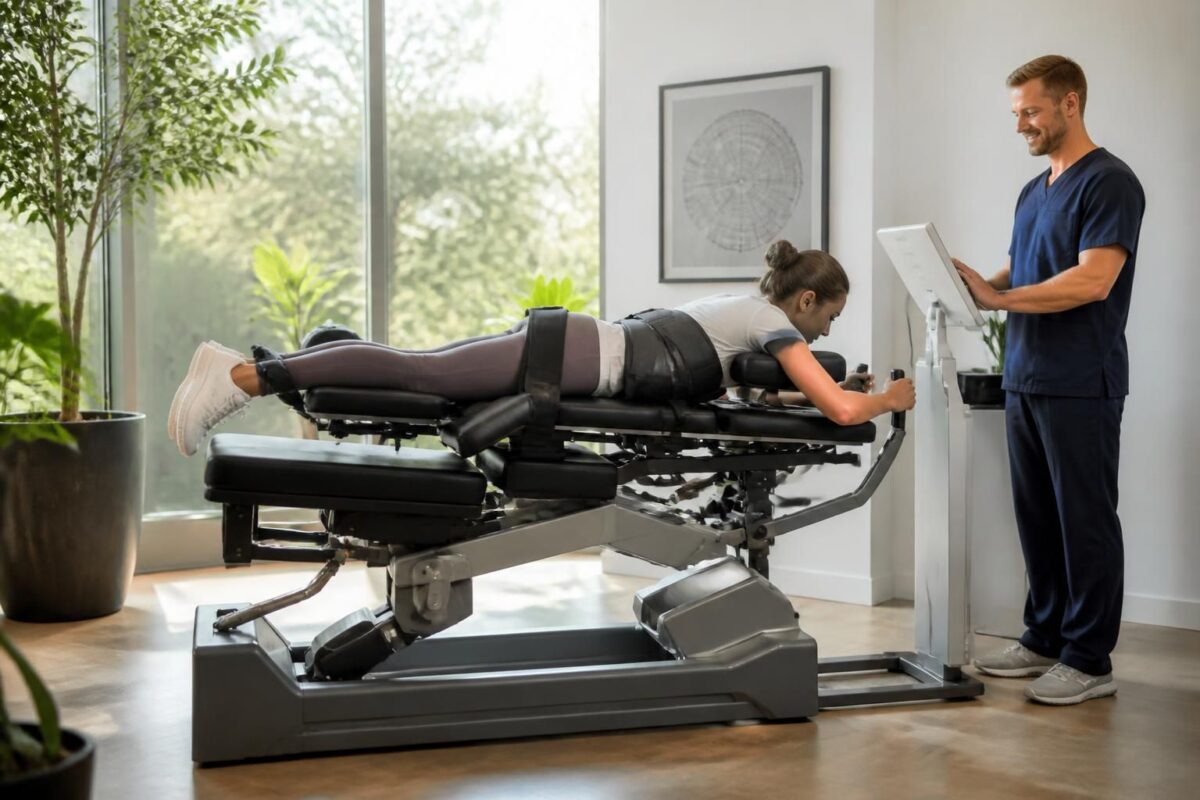
The long-term benefits of neurovertebral decompression for spinal health
In short In short, the neurovertebral decompression is a non-invasive approach that decreases the Pressure on intervertebral discs and nerves, favoring the Natural regeneration and tissue recovery. Its long-term benefits include Lasting pain reduction, Improving mobility and from the posture,…

Neurovertebral decompression and mobility: a return to an active life
In short In short, the neurovertebral decompression is therapy non-invasive who uses a gentle traction To create a space between the vertebrae and reduce the pressure on the Intervertebral discs and the nerves. It promotes a bloodstream improved, lowers tension…
Evaluation elements to integrate
Pain and Function Assessment
When monitoring, measure thepain intensity and its evolution, as well as the ability to carry out daily and professional activities. Use simple scales (eg visual scale or other validated tool) to track variations and adjust treatment accordingly.
Mobility and posture assessment
Control range of motion, flexibility and postural patterns. Monitor muscle imbalances and compensations that may occur, in order to adapt exercises and ergonomic corrections to work or at home.
Alert Sign Monitoring
Quickly identify the symptoms likely to require a reassessment (neurological involvement, lumbar pain which becomes more intense or radiant, loss of strength). The triggering of a new assessment is essential to avoid aggravation and decide on a possible adjustment of the protocol.
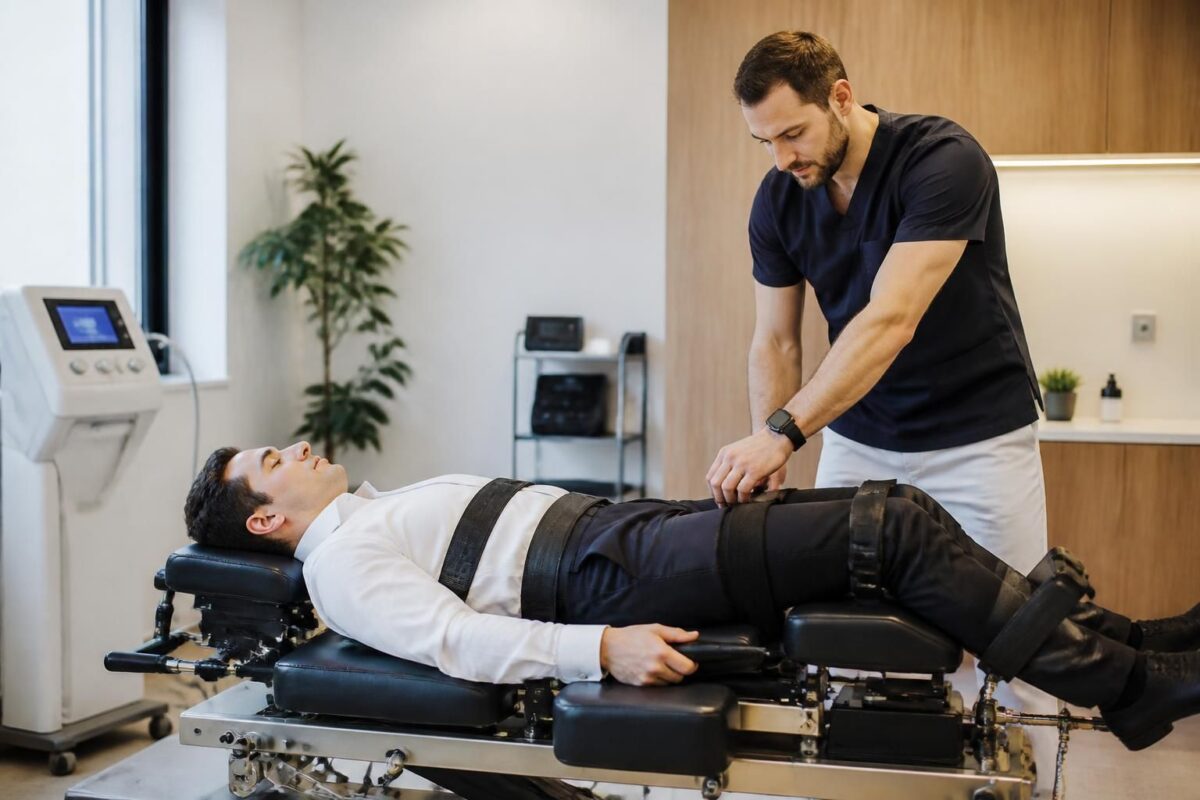
How Neurovertebral Decompression Prevents Diffuse Chronic Pain
In short decompression neurovertebral is one Non-invasive method aimed at reducing the Pressure on the intervertebral discs and the nerves, in order to prevent Diffuse chronic pain. It improves the circulation and thedisc hydration, decreases inflammation and promotes better mobility.…
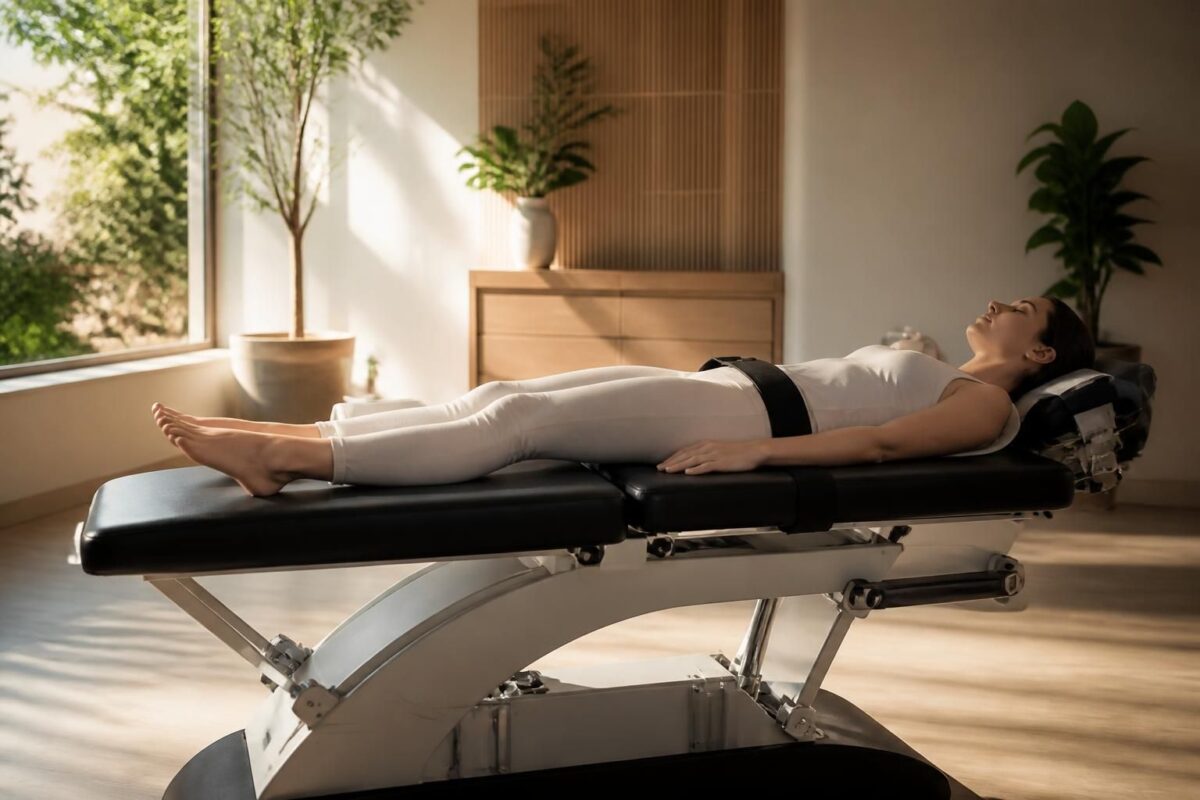
Neurovertebral Decompression and Body Alignment: Restoring Natural Balance
In short In short, neurovertebral decompression is one Non-invasive approach who restores theBody Alignment and thenatural balance back and neck. She acts by a Controlled traction of the spine to widen the intervertebral space and reduce the Pressure on discs…
Rehabilitation plan and exercises
Progress of exercises
Establish a progressive plan that strengthens the trunk muscles, improves stability and maintains mobility, while avoiding overloads. Exercises should evolve according to patient ease and clinical feedback, with a gradual increase in difficulty and volume.
Home integration and adherence
Offer a clear program to carry out at home, with weekly demonstrations and objectives. Emphasize the importance ofadherence At the plan, because the long-term benefits depend largely on a regular and adapted practice of the exercises.
Education and relapse prevention
Train the patient to adopt safe daily gestures, to adopt a good posture and to manage stress. Provide simple advice onergonomy In the office, the carrying of charges and the gradual integration of physical activities into everyday life.
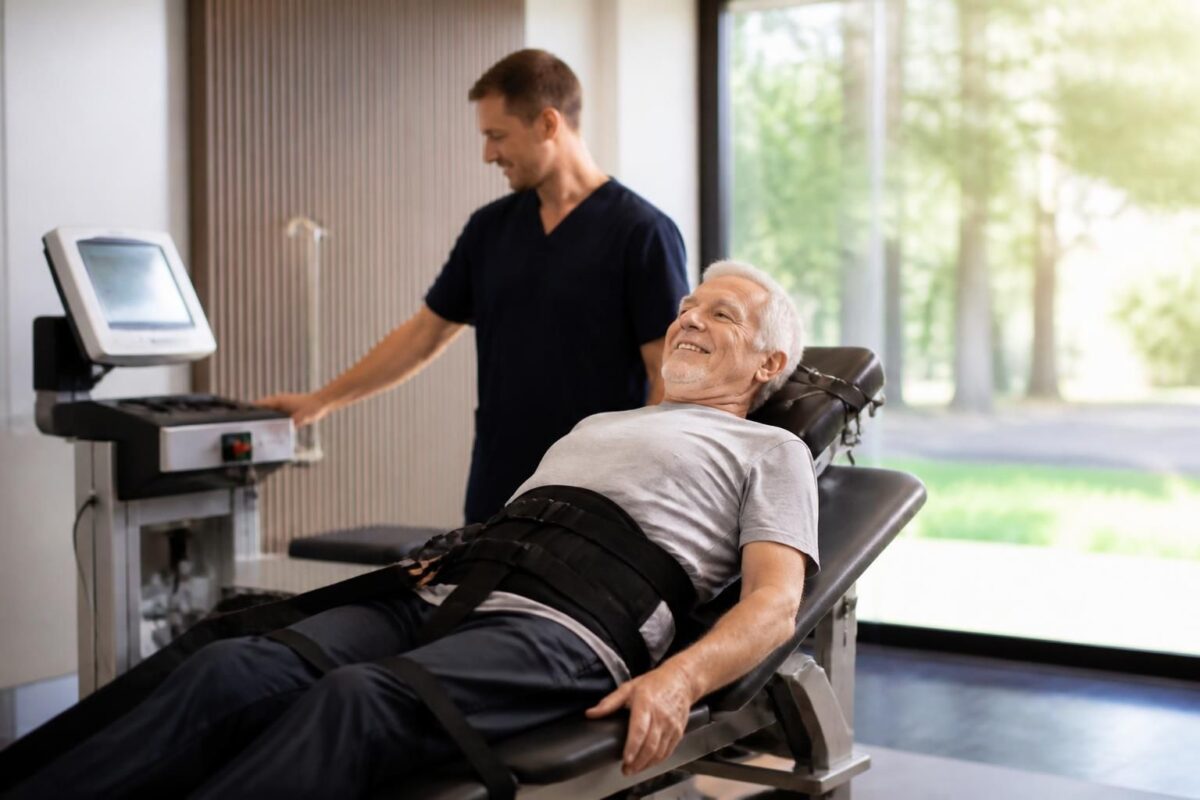
Why neurovertebral decompression is a lasting solution for active seniors
In short In short, the neurovertebral decompression is one Non-invasive therapy which sustainably relieves spinal pain in the spine active seniors By creating, by a Soft and controlled traction, a space between the vertebrae. At Montreal, it is recognized as…
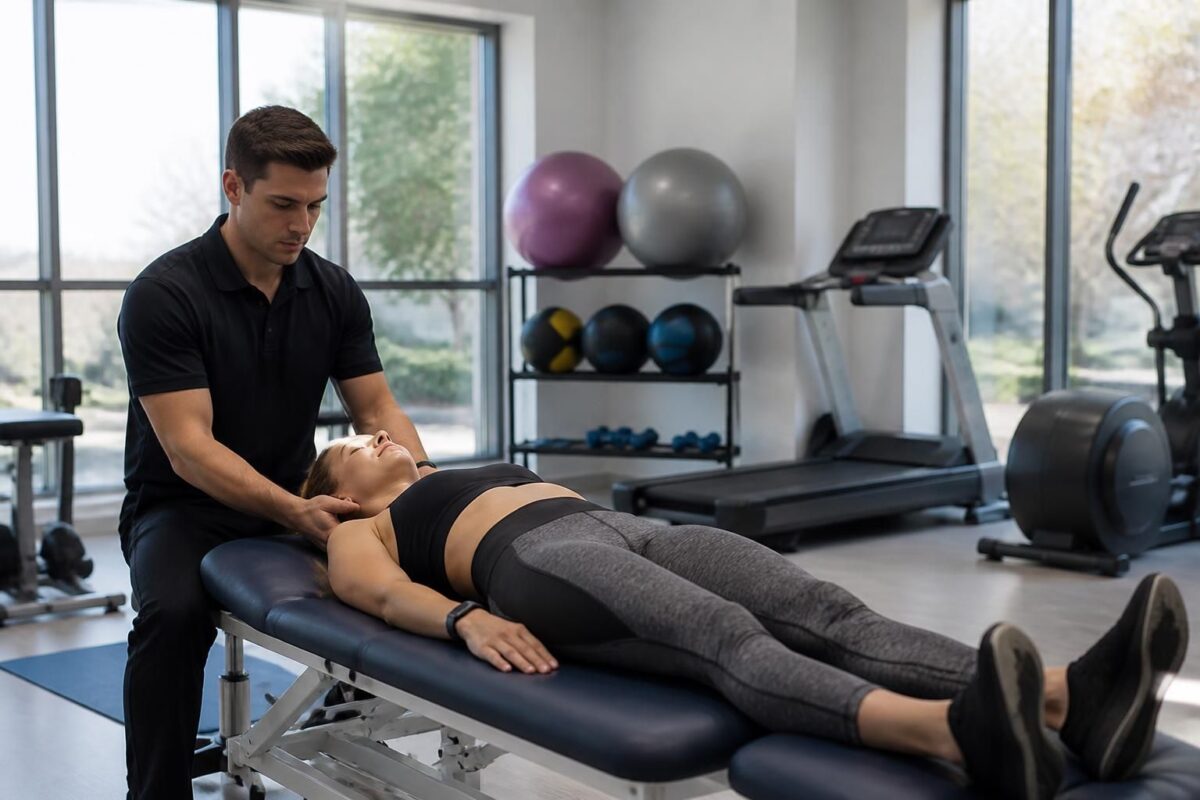
Neurovertebral decompression and recovery after severe sports injury
In short In short, the neurovertebral decompression is one Non-invasive method to Relieve the pressure on the Intervertebral discs and the gristle Via a Controlled traction, to facilitate the recovery After a severe sports injury. It improves the bloodstream towards…
Lifestyle and recurrence prevention
Monitoring should include recommendations on thelifestyle: Adapted regular physical activity, sufficient hydration, restful sleep and balanced diet. Encourage habits that support spinal health and reduce repetitive loads on the spine.
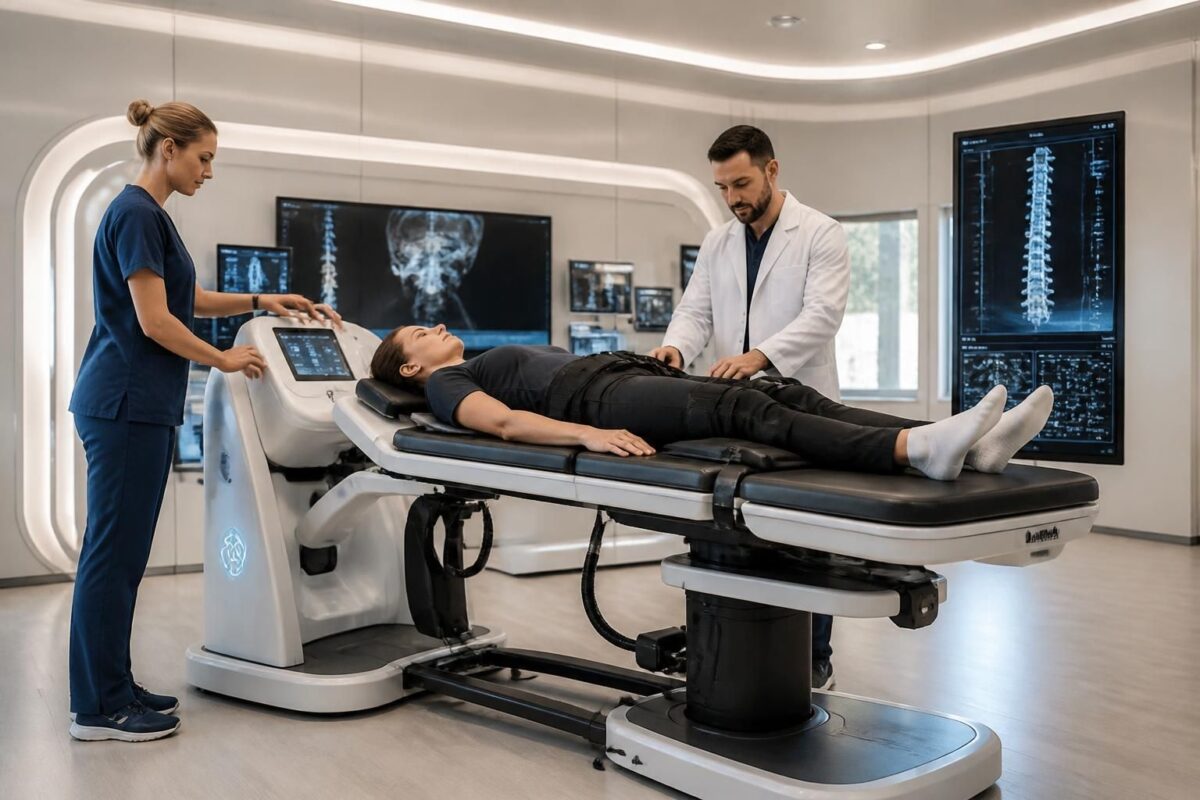
Recent innovations in neurovertebral decompression technologies
In short In short, the neurovertebral decompression is an approach non-invasive Aiming to reduce pressure on discs and nerves, and promote tissue regeneration. At Montreal, it is positioned as an effective option for lower back pain and herniated discs. The…
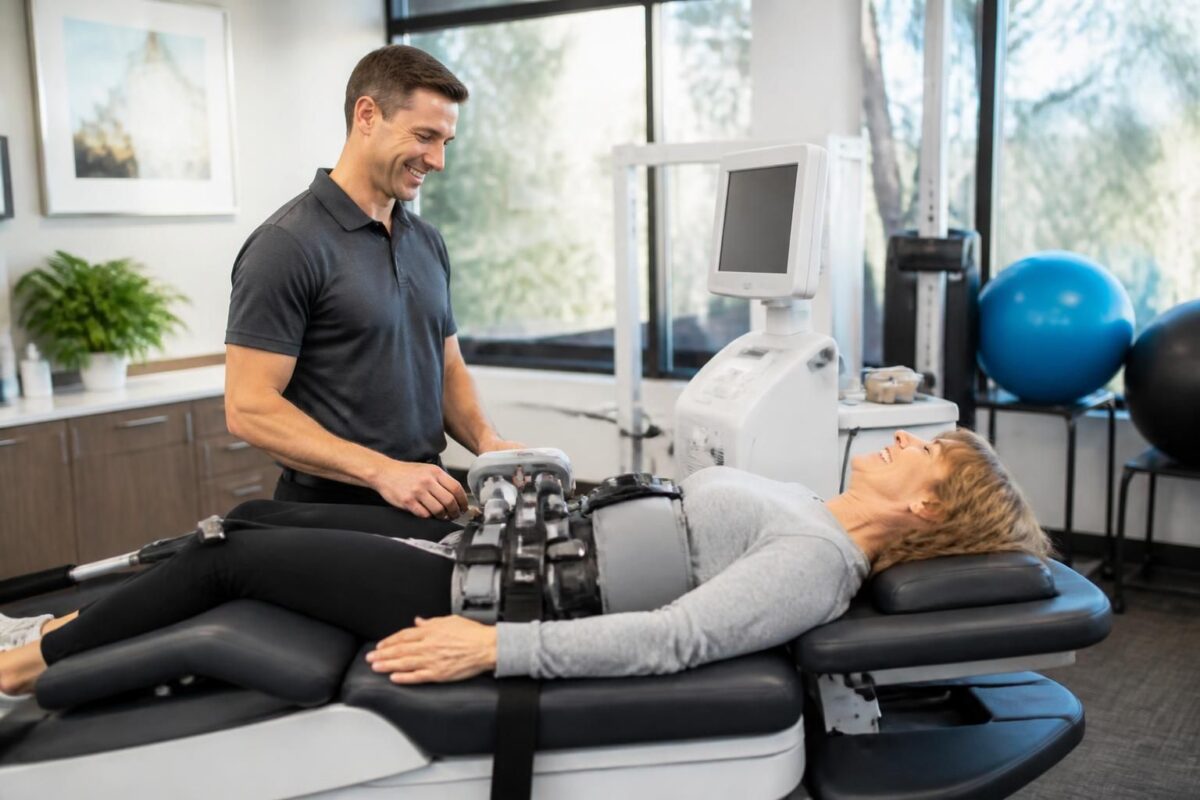
Neurovertebral decompression and diffuse pain: an appropriate solution
In short In short, the neurovertebral decompression is one Non-invasive solution For diffuse pain related to nerve irritation of the spine. She acts in Reducing pressure on intervertebral discs and nerves and improving the bloodstream, which promotes recovery and the…
Long-term monitoring and success indicators
Success indicators include a Lasting pain reduction, an improvement in mobility and a functional resumption of professional and sports activities. Schedule regular checkpoints (eg 6 and 12 months) to assess earnings stability, adjust the program and consider reassessment if necessary. The goal is to establish a relapse prevention framework through a proactive and personalized approach.
| Tracking element | concise text |
|---|---|
| Objective | Maintain gains pain and mobility after decompression and prevent recurrences. |
| Frequency of visits | Weekly the first 4 weeks, then monthly up to 3 months, adjusted according to progress. |
| clinical examination | Posture, mobility and strength evaluation; targeted tests; Plan adjustments if necessary. |
| Progress indicators | Decreasing pain, regained range of motion, absence of radiculalgia and functional improvement. |
| Exercises and home | Personalized program, postural work, reinforcement and daily stretching, hydration. |
| Imagery | performed only if evolution or worrying signs; No systematic repetition. |
| Physical activity and work | gradual recovery with clinical criteria; Avoid heavy loads and sudden movements. |
| Lifestyle | Regular sleep, balanced diet, stress management, hydration. |
| Prevention of recurrences | Continuing postural education, return to work plan and maintenance routine. |
| Role of the patient | Active participation, respect for exercises and regular self-assessment. |
Testimonials on follow-up protocols after successful neurovertebral decompression
“After decompression, the Follow-up protocol was remarkably clear. Right out I got some Control appointment regular and a program ofExercises at home adapted to my daily life. This approach allowed me to rebuild my mobility and find a quality of life lasting without pain.
“The Follow-up plan was precisely orchestrated around a Progressive pain illumination and a Targeted rehabilitation. The Regular checks and program adjustments avoided recurrences and gave me a Durable comfort That I never thought I would reach so quickly.”
“As an elderly person, the follow-up focused on security and theAdaptation of exercises to my limitations. thePostural education and the advice oflifestyle have helped to prevent pain and preserve my mobility in the long term.”
“To resume sport, the Progressive recovery plan was decisive. The Control sessions followed my performance and energy, and the Personalized follow-up helped me get back to my sporting activity without danger, with a Prevention of recurrences integrated into the program.
“.”
Doctor Sylvain Desforges, expert in osteopathy, Naturopathy and manual medicine, is recognized for its integrated approach which combines science and clinical practice. First founding president of the Tagmed clinics and the ACMA association, he pursues a vocation centered on health innovation and the management of Chronic pain. In his vision, follow-up after a neurovertebral decompression is not limited to the single session, but is part of a personalized course aimed at consolidating gains and preventing recurrences.
Monitoring protocols after successful neurovertebral decompression are based on clear foundations: securing initial relief, restoring mobility and empowering the patient in their own rehabilitation. Immediately after the intervention, a multimodal evaluation allows you to calibrate short-term objectives and define a progressive rehabilitation plan. The objective is to limit pain, avoid unnecessary tension and promote a resumption of controlled activity, while monitoring signals that could require further reassessment.
The spine is then supported by a personalized rehabilitation program. The latter combines gentle mobility exercises, strengthening spinal stabilizing muscles and pain management techniques. The patient benefits from a progressive course which goes through increasing loads and amplitudes, in line with his daily life (work, leisure, sport). The emphasis is on home grip and on the integration of gestures on a daily basis, in order to stabilize the gains obtained during the sessions and to reduce the risk of recurrence.
Monitoring also includes monitoring tools and scheduled appointments, often at 2 to 6 weeks then at 3 months and 6 months after decompression. These moments make it possible to adjust the protocol, to evaluate the functional evolution and to respond quickly to any accentuation of the symptom or the appearance of new signs. Objective assessments, such as range of motion, muscle strength, endurance and quality of life questionnaires, guide therapeutic decisions and possible reorientations towards other non-invasive approaches.
Beyond the physical dimension, the protocols insist on thelifestyle and prevention of risk factors. Proper hydration, a balanced diet and stress management support recovery and resilience. Postural, ergonomic advice and regular physical activity routines are an integral part of the program, in order to limit the constraints on the spine and to sustainably improve the comfort experienced by the patient.
Coordination between professionals—osteopaths, physiotherapists, naturopates and other specialists when needed—is essential. This multidisciplinary approach makes it possible to adjust the protocols according to the progress and particularities of each patient, while remaining aligned with the latest clinical data. In practice, this results in continuous dialogue with the patient, adaptation of exercises and additional therapies (light, shock waves, or specialized nutrition, as needed) and increased vigilance in the event of warning signs.
In summary, follow-up after neurovertebral decompression is a dynamic, personalized and scalable process, designed to transform initial relief into sustainable recovery and active relapse prevention. The course is oriented towards increasing patient autonomy and continuous improvement in the quality of life.
This text provides a practical summary of the Tracking protocols After a decompression neurovertebral successful, with a focus on a Regular monitoring, a Adapted rehabilitation And some preventive measures to maintain profits and prevent relapses.
Key points and recommendations
The Post-processing follow-up must be planned From the end of the sessions, with Regular visits and clinical assessments focused on the evolution of pain, mobility and functional capacities. This approach allows you to quickly adjust the plan and optimize the results in the long term.
Elements of the tracking protocol include a Functional assessment post-decompression, a program of Progressive rehabilitation (trunk reinforcement, balance work, flexibility) and advice on a lifestyle adapted. The objective is to transform the initial gains into lasting improvements in the quality of life.
The role of professionals is to coordinate actions between different stakeholders (physiotherapists, osteopaths and doctors) in order to maintain Results obtained and avoid relapses. Particular attention should be paid to Warning signals such as increased pain, weaknesses or sphincter disorders, which require rapid reassessment.
The surveillance involves an adjustment of the Number of sessions, from theintensity and the type of activities recommended. a clear progression plan, combining Adapted physical activity and rest periods, helps prevent chronicity and optimize functional recovery.
Practical resources and feedback exist to guide this follow-up. For example, protocols and feedback published by professionals offer benchmarks on the neurovertebral decompression, the Recommendations for optimal follow-up, as well as content dedicated to Post-processing follow-up and integration with rehabilitation and rehabilitation. To learn more, you can also consult the Post-treatment follow-up 2.
As part of the follow-up, the approach must remain personalized and take into account the particularities of the patient, in particular the level of activity, the background and the professional or sporting objectives. In athletes and elderly, specific protocol adjustments may be necessary to preserve mobility and prevent Residual pain.
For effective implementation, it is useful to integrate monitoring into a multidisciplinary framework and involve the patient in decisions, in order to promote adherence to the program and to ensure safe progression towards daily and professional activities.

Sylvain Desforges, B.Sc., D.O., N.D., docteur en ostéopathie
Dr Sylvain Desforges, B.Sc., D.O., N.D., osteopath, is the founding president of TAGMED and of the ACMA association. He dedicates his practice to chronic spinal pain, low back pain and symptoms compatible with sciatica, particularly when pain radiates toward the buttock, leg, calf, foot or toes.
Through SOS Sciatique, he publishes educational content on sciatica symptoms, possible causes such as disc herniation, disc narrowing, foraminal stenosis or irritation of a lumbar nerve root, as well as non-surgical approaches that may be considered according to the evaluation. At Clinique TAGMED, care may include, depending on the case, motorized neurovertebral decompression, specific osteopathic care or precision percussion.
For an evaluation related to sciatica treatment in Montreal / Mount Royal or sciatica treatment in Terrebonne, please consult the services available at Clinique TAGMED.
Medical disclaimer
The information published on SOS Sciatique is provided for educational purposes only and does not replace a consultation, diagnosis, opinion or treatment provided by a physician or another authorized healthcare professional. The author of this article is neither a medical doctor nor a specialist in a medical specialty recognized by the Collège des médecins du Québec. The osteopathic, manual medicine or functional support approaches described on this site do not constitute medical acts and are not intended to replace medical follow-up.
Consult a physician or emergency service in cases of loss of bladder or bowel control, anesthesia in the saddle area, significant or progressive weakness in the leg or foot, fever, recent trauma, severe pain or rapid worsening of symptoms. For more details, please read our Legal Notice.