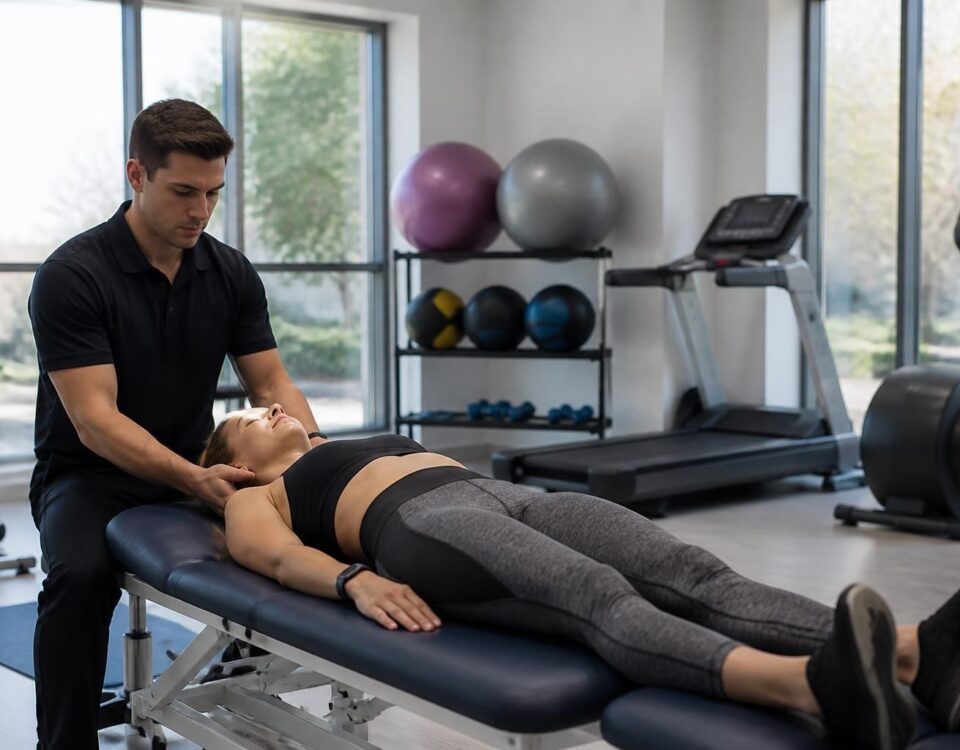
Neurovertebral decompression and sciatic pain: an alternative to drugs
26/06/2026
Neurovertebral decompression and recovery after surgery
26/06/2026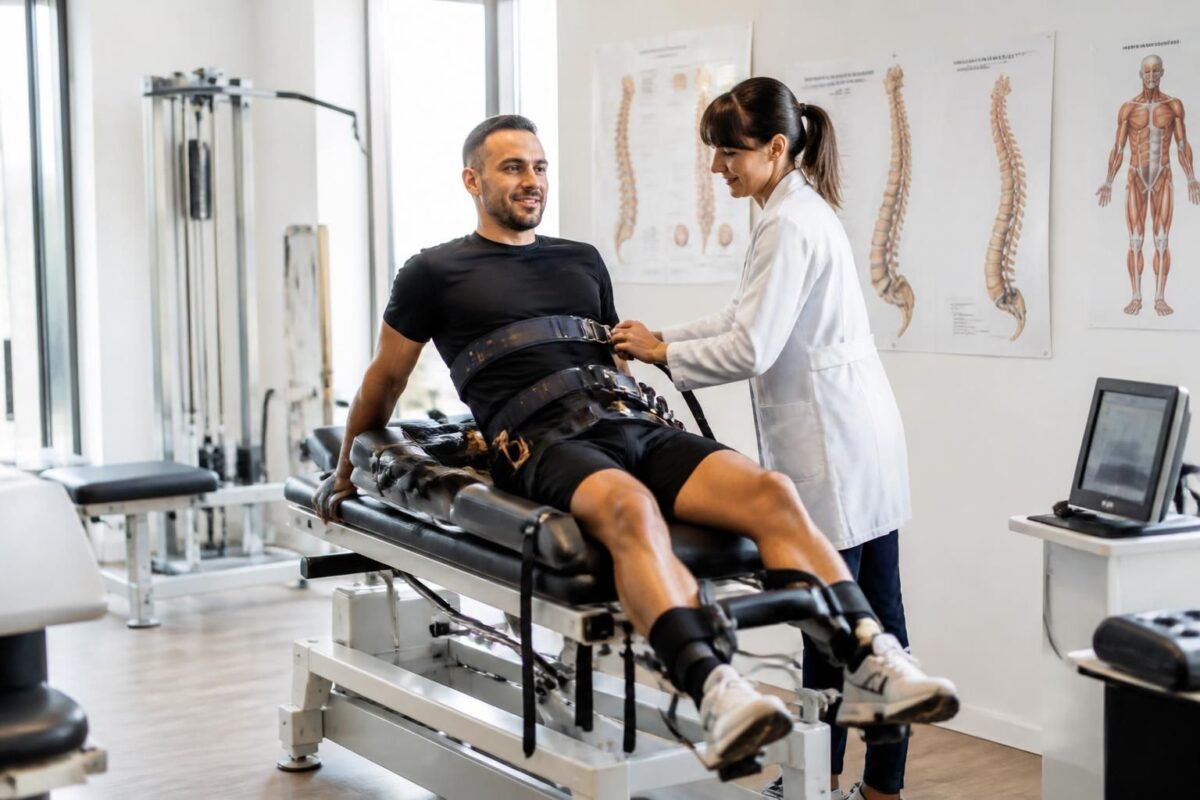
In short
In short, the neurovertebral decompression After a sports injury is a method non-invasive which helps reduce pressure on discs and nerves, accelerating the recovery and the Back to training. accessible to Montreal and in the region, it offers a significant reduction in the pain and an mobility improved, while preventing recurrences thanks to better spinal stability. This approach combines easily with other rehabilitation therapies and allows Back to sport faster and safer, without surgery. |
After a sports injury, the neurovertebral decompression can be considered as an option non-invasive To optimize recovery and facilitate the Back to training.
- non-invasive and adaptable to the rehabilitation program, without surgery.
- It Reduces nerve pressure and the discs, which translates into a pain reduction and an Improving mobility.
- It improves the bloodstream and nutritional intake to damaged tissues, promoting regeneration.
- it facilitates a Quick return to training and contributes to the Prevention of recurrences by rebalancing the biomechanics of the column.
- It must be integrated into a Global rehabilitation plan and supervised by a qualified professional.
Note: Like any therapy, it requires a prior medical assessment and regular sessions to optimize the results.
quick summary : This article explains why the neurovertebral decompression is a valid option after a sports injury. It describes the principle, available evidence and what to expect when treating in a specialized clinic. It shows how this approach can accelerate recovery, reduce pain, and promote return to sports as part of a global care plan supervised by a health professional.
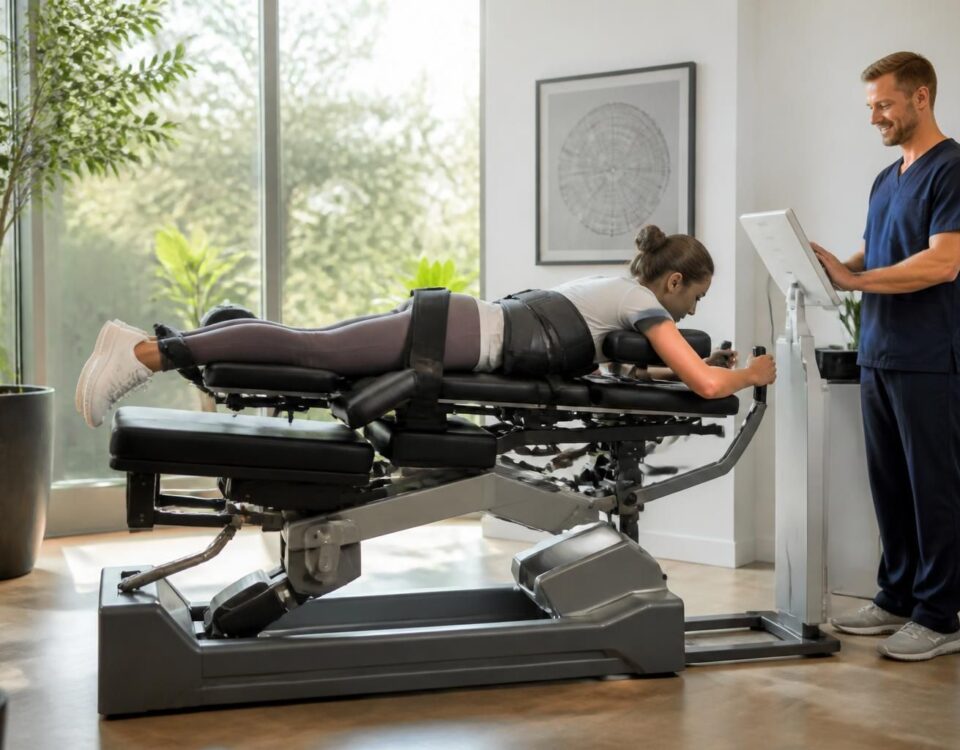
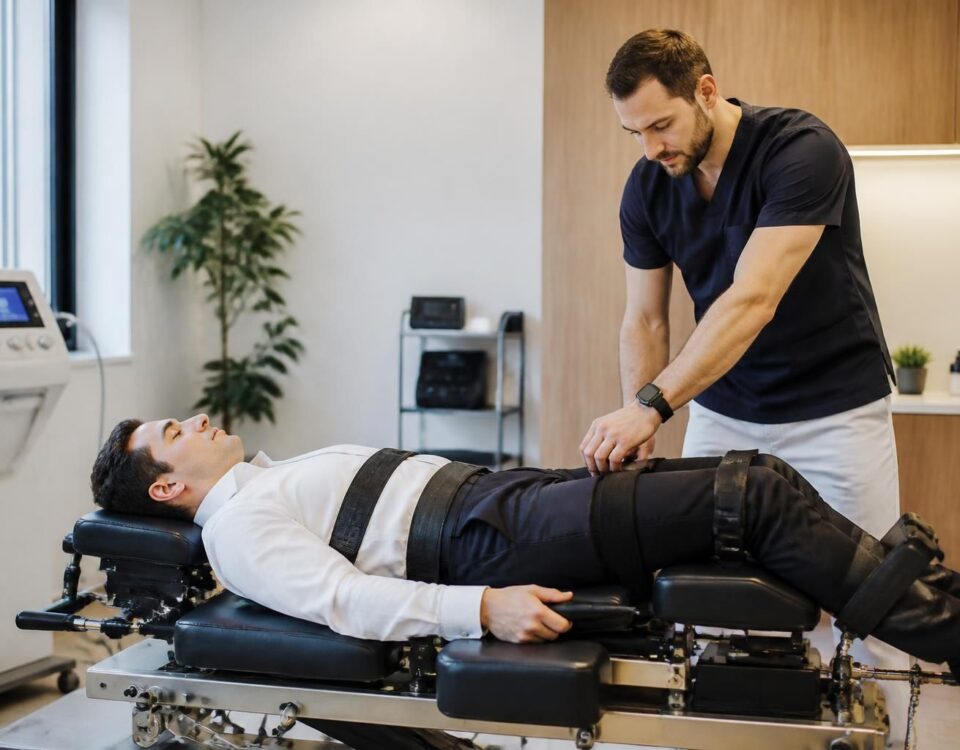
The neurovertebral decompression is a non-invasive approach that aims to reduce the pressure on the discs and nerves of the spine. It creates a space between the vertebrae and improves local circulation. This action helps to reduce pain and promote tissue regeneration, which is useful after a sports injury involving the spine.
how is this technique defined and why it is relevant
Decompression uses biomechanical principles that apply controlled traction. It can help restore the spinal alignment and release pressure on the nerve roots. This can promote faster recovery and limit complications associated with a spinal injury, without having to resort to surgery.
For additional information and clinical orientations, you can consult the following resources:
- Clinical studies proving the efficacy of neurovertebral decompression
- How decompression improves recovery after a sports injury
- How decompression supports athletes in rehabilitation
Efficiency and safety
Decompression treatments are generally well tolerated. Experience shows a gradual reduction in pain and improved mobility after several sessions. This approach is non-invasive and can be integrated into a rehabilitation plan supervised by an osteopath or a specialist doctor. It can also help prevent recurrent pain by improving the column’s biomechanics.
Additional resources indicate that decompression can be associated with secure solutions for specific symptoms, including radiant pain, and is used as a complementary option after a sports injury.
What to expect when processing
The process begins with a evaluation of the patient’s condition. Then, decompression sessions are planned according to tolerance and individual needs. One Regular follow-up Allows you to measure progress and adjust the protocol if necessary. The treatment is generally comfortable and does not require surgery.
As part of a rehabilitation program, decompression can be considered as soon as the patient shows signs compatible with an expected improvement, under professional supervision and in addition to other non-invasive approaches recognized by specialized clinics.
Integration into a rehabilitation program
Decompression fits into a global care strategy. It is ideally combined with appropriate nutrition, adequate hydration and recovery measures prescribed by the practitioner. It does not replace other necessary therapies but can enhance its effectiveness when used as part of a coordinated plan in a clinic such as Tagmed Clinic.
To learn more about the approach and services offered, see the information available at Tagmed Clinic.
Testimonials and results observed in athletes
Athletes with a herniated disc or lumbar pain will benefit from a faster return to training when decompression is integrated into their rehabilitation program. This approach helps restore mobility and reduce pain, while supporting natural healing mechanisms.
For cases and feedback, refer to specialized resources on sites dedicated to neurovertebral decompression and spinal pain management.
Frequently asked questions and practical information
Decompression is distinguished by its ability to create a space between the vertebrae and reduce the pressure on the nerves. It can contribute to faster recovery after a sports injury and a better quality of life as part of a gradual return to physical activity.
It can be considered as a preventive step to enhance spinal stability after injury and reduce the risk of recurrence, while avoiding invasive approaches. The absence of specific exercises or stretching is preferred when dealing with conditions such as herniated disc, protrusion, or stenosis.
For detailed information, you can consult:
- Neurovertebral Decompression: Relieve Radiant Pain Safely
- Prevent chronic cervical pain
- Recurrent disc hernias and natural approach
- How decompression improves spinal alignment
For additional information, you can also visit Wikipedia – Neurovertebral decompression and the training and practice resources associated with the discipline.
Medical Disclaimer: The information and advice provided on this site does not replace the health professional’s diagnosis or treatment. Please note that Dr. Sylvain Desforges osteopath is neither a doctor of medicine nor a doctor, and is not a specialist in a medical specialty as defined by the Collège des Médecins du Québec. Manual medicine, functional medicine and sports medicine as described on this site exclude any medical treatment or diagnosis made by a doctor or specialist doctor. Always consult your doctor for any medical questions. For more details, please read our full legal notice.
For more information and guidance, here are some relevant resources:
- Accelerated recovery and pain reduction after a sports injury.
- pressure reduction On the nerves and discs, promoting healing.
- Quick return to training and gradual recovery without surgery.
- Non-invasive approach with low risk and comfort of treatment.
- Improving mobility and back flexibility.
- Prevention of recurrences thanks to a better aligned vertebral biomechanics.
- Easy integration with a rehabilitation and reinforcement program.
- Personalization of the protocol according to the sport and the level of pain.

This article presents why the neurovertebral decompression is a relevant option after a sports injury. It represents an approach non-invasive who can fit into a program of re-education, relieve the pain and restore the mobility while reducing the risk of recurrence when the protocol is personalized and followed by a competent professional. Warning : This information does not replace the advice of a doctor and should be discussed with your practitioner.
Why choose this technique after a sports injury
After an injury, the goal is to promote a Targeted healing without weighing down the body with invasive treatments. Decompression acts by creating a space between the vertebrae, which decreases the Pressure on the intervertebral discs and on the surrounding nerves. Result: rapid reduction of the pain, improvement of therange of motion and relaunching natural regeneration mechanisms. This approach can accelerate the return to training and limit periods of inactivity, two crucial elements for athletes.
It is ideally part of a strategy of Prevention of recurrences by restoring the alignment and biomechanics of the spine. In addition to other non-invasive therapies, she contributes to a Complete rehabilitation and sustainable.
Concrete benefits
One of the most visible benefits is the Quick relief pain after the first sessions, often accompanied by a better mobility and a gradual return to sports. Decompression can also promote Improved blood circulation in the injured areas, which supports the Tissue recovery. Finally, she participates in the spinal stability and at the resilience Faced with the recurring effort, two key aspects for athletes who resume training after an injury.
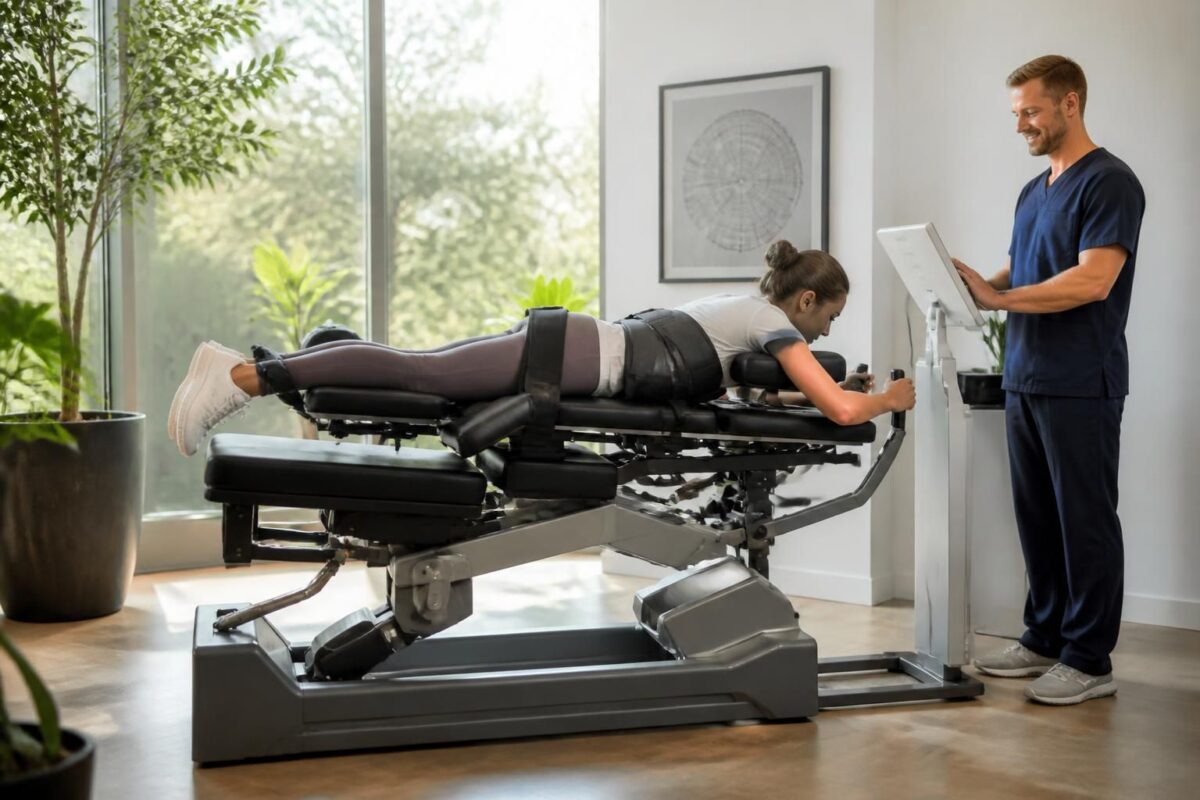
The long-term benefits of neurovertebral decompression for spinal health
In short In short, the neurovertebral decompression is a non-invasive approach that decreases the Pressure on intervertebral discs and nerves, favoring the Natural regeneration and tissue recovery. Its long-term benefits include Lasting pain reduction, Improving mobility and from the posture,…

Neurovertebral decompression and mobility: a return to an active life
In short In short, the neurovertebral decompression is therapy non-invasive who uses a gentle traction To create a space between the vertebrae and reduce the pressure on the Intervertebral discs and the nerves. It promotes a bloodstream improved, lowers tension…
When to start and who to contact
Decompression is particularly suitable when persists vertebral pain after an injury, or when the mobility is limited by stresses related to herniated discs or signs of nerve compression. One medical check-up and an Functional assessment by an osteopath or a sports doctor make it possible to establish a Treatment plan personalized and progressive.
It is essential to recognize the contraindications and ensure a Regular follow-up In order to adjust the protocol according to the evolution of the symptoms and the sports calendar.
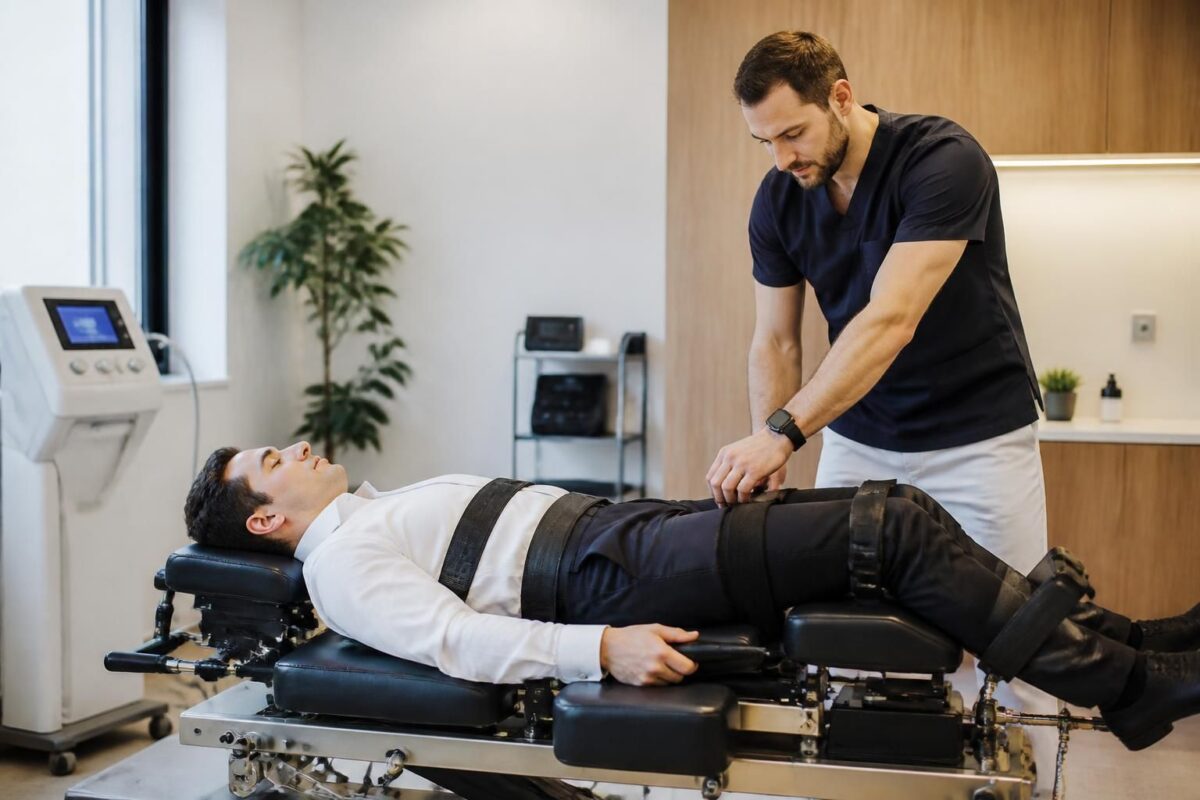
How Neurovertebral Decompression Prevents Diffuse Chronic Pain
In short decompression neurovertebral is one Non-invasive method aimed at reducing the Pressure on the intervertebral discs and the nerves, in order to prevent Diffuse chronic pain. It improves the circulation and thedisc hydration, decreases inflammation and promotes better mobility.…
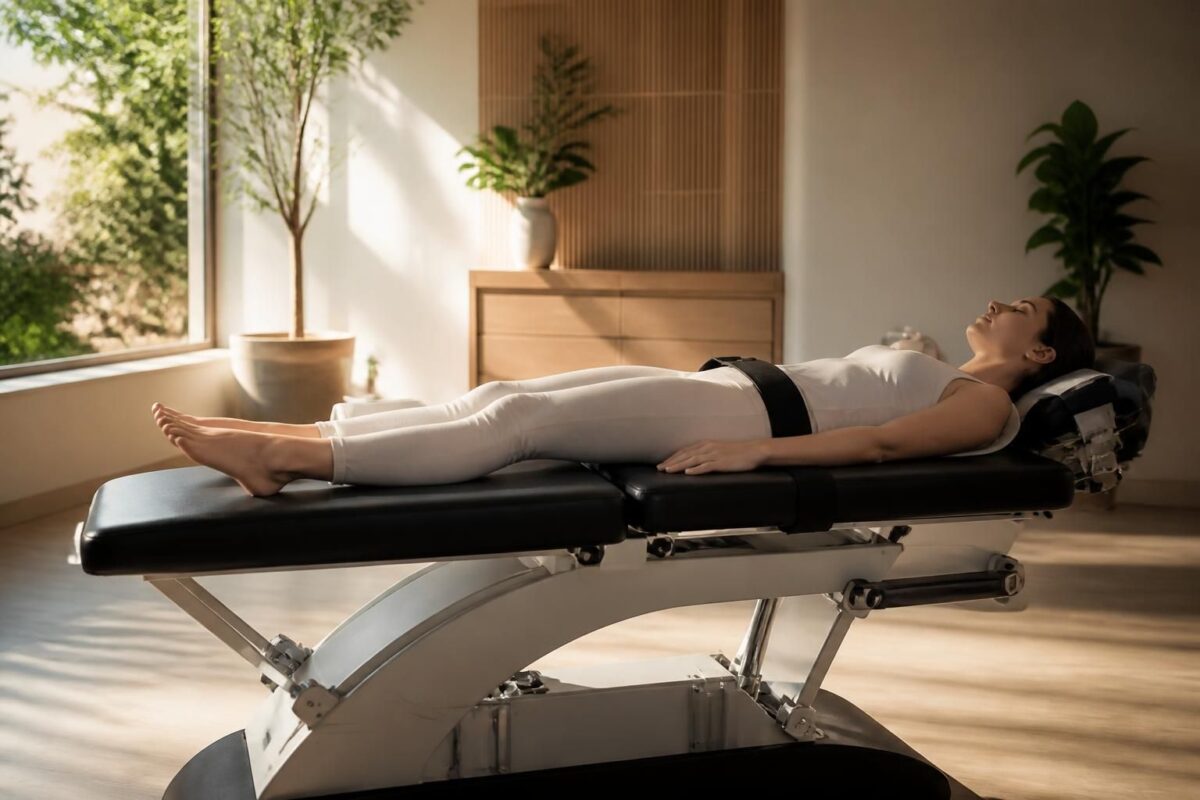
Neurovertebral Decompression and Body Alignment: Restoring Natural Balance
In short In short, neurovertebral decompression is one Non-invasive approach who restores theBody Alignment and thenatural balance back and neck. She acts by a Controlled traction of the spine to widen the intervertebral space and reduce the Pressure on discs…
Integration into a rehabilitation program
Decompression is not enough alone; It must be integrated into a Multidisciplinary program including targeted exercises, complementary manual therapies and nutritionhydration adapted. The goal is a Lasting pain reduction and an Gradual recovery which allows the athlete to resume training with a better stability and less risk of relapse.
A personalized accompaniment adjusts the number and frequency of sessions according to the sport practiced, the level of competition and the time constraints related to the calendar. Persistence and regularity remain determining factors for optimizing long-term results.
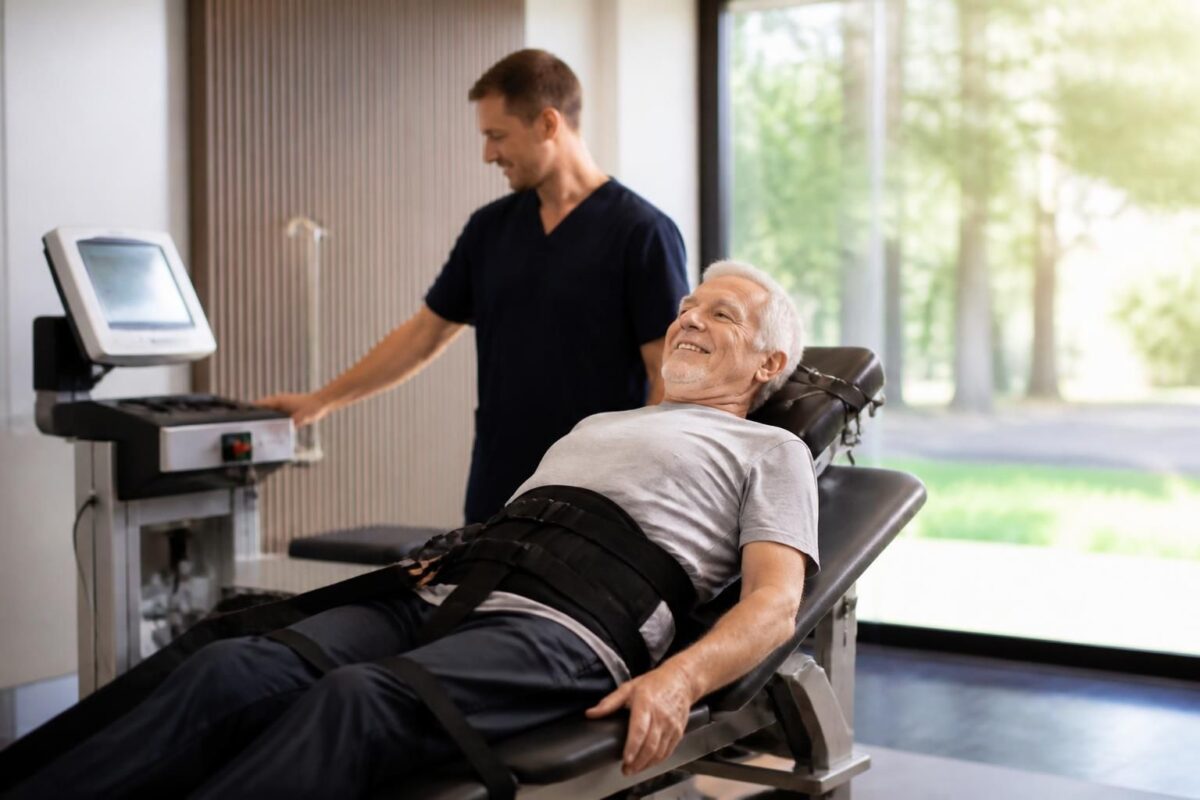
Why neurovertebral decompression is a lasting solution for active seniors
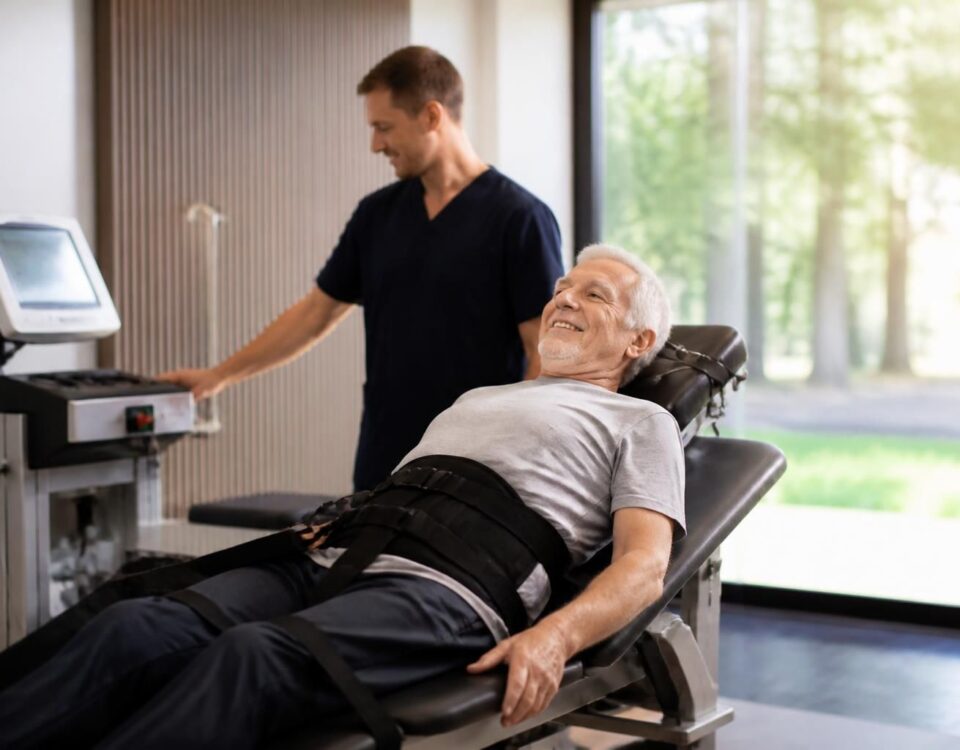
In short In short, the neurovertebral decompression is one Non-invasive therapy which sustainably relieves spinal pain in the spine active seniors By creating, by a Soft and controlled traction, a space between the vertebrae. At Montreal, it is recognized as…
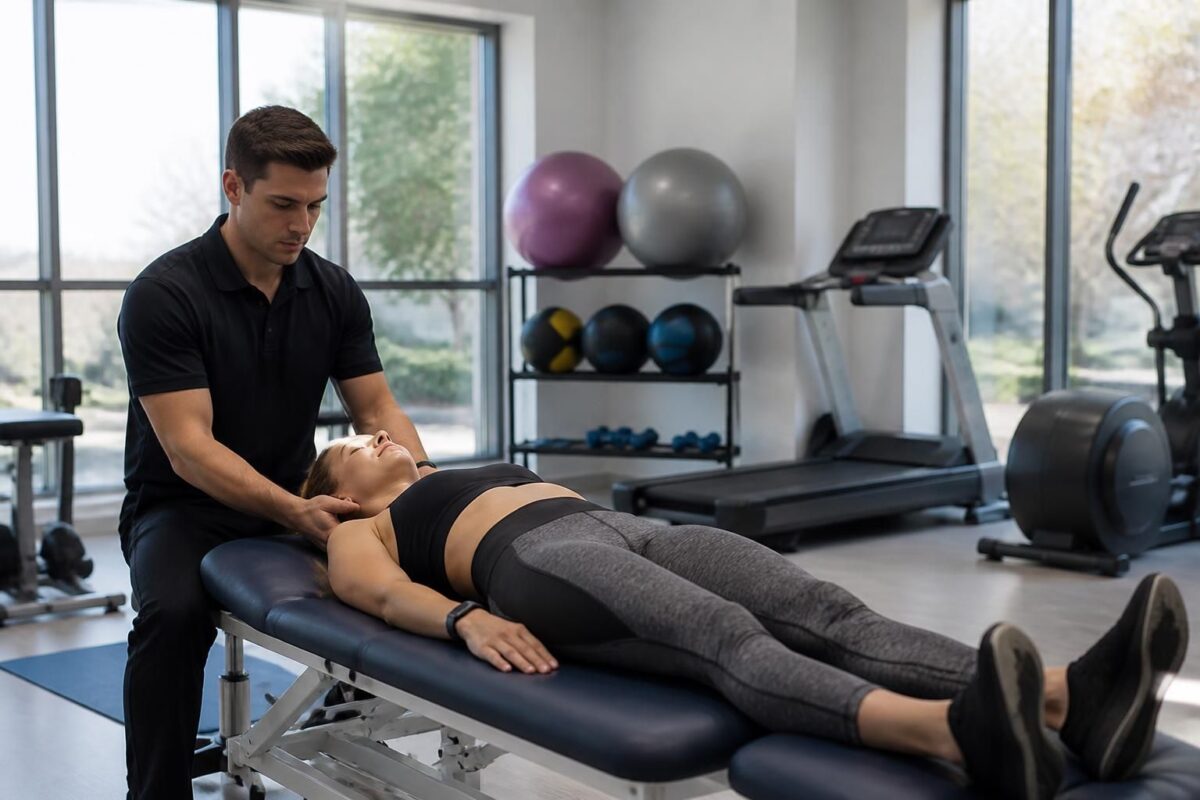
Neurovertebral decompression and recovery after severe sports injury
In short In short, the neurovertebral decompression is one Non-invasive method to Relieve the pressure on the Intervertebral discs and the gristle Via a Controlled traction, to facilitate the recovery After a severe sports injury. It improves the bloodstream towards…
Expectations and results management
Athletes can expect a gradual improvement in pain and mobility, with overall performance restitution after a rehabilitation phase. It is important to maintain realistic goals and understand that results appear in the medium to long term, requiring continued adherence to the treatment plan and recommended exercises.
To optimize the benefits, the integration of other levers such as adequate hydration, postural balance and a suitable reinforcement program can make the difference and support the return to competition in the best conditions.
| Aspect | Concise advantage |
|---|---|
| Speed back to training | Accelerates the Sports recovery By decreasing the pain and restoring the intervertebral space |
| pain relief | Quickly relieves the pain and facilitates the recovery |
| Mobility and amplitude | Restore it mobility and Lamplitude without surgery |
| Stimulation of healing mechanisms | activates the mechanisms of regeneration and improves the circulation sanguine |
| Security and invasiveness | Option non-invasive avoiding all surgery |
| Prevention of recurrences | contributes to the stability and helps prevent recurrences |
| Integration in rehabilitation | fits into a Custom program and is compatible with other therapies |
| Cost and accessibility | lower cost than surgery and Easy access to a durable solution |
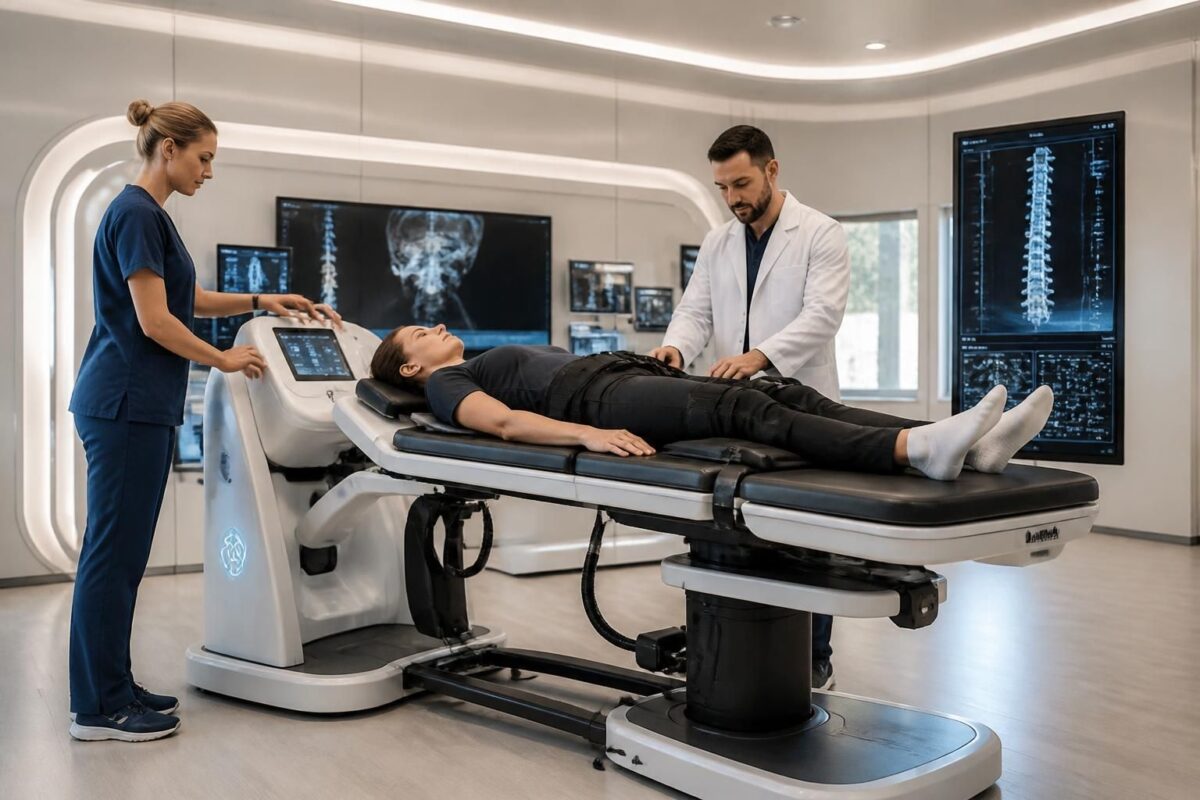
Recent innovations in neurovertebral decompression technologies
In short In short, the neurovertebral decompression is an approach non-invasive Aiming to reduce pressure on discs and nerves, and promote tissue regeneration. At Montreal, it is positioned as an effective option for lower back pain and herniated discs. The…
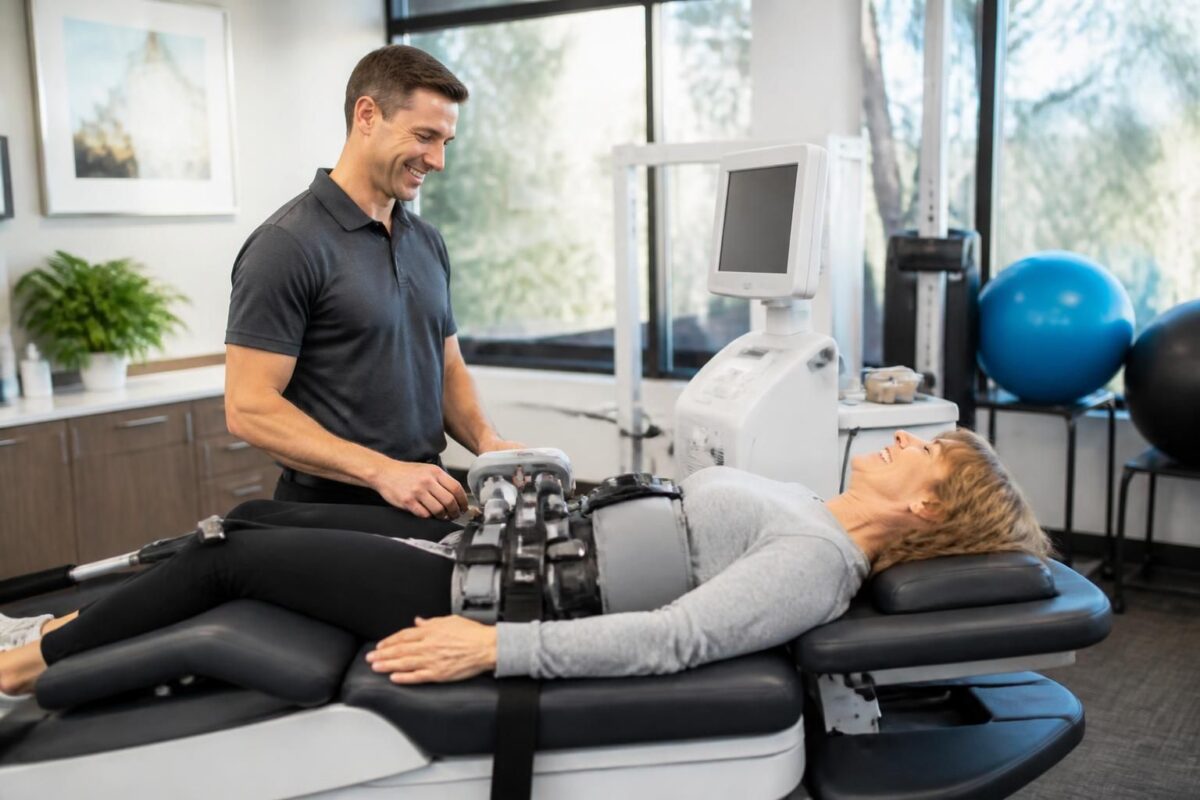
Neurovertebral decompression and diffuse pain: an appropriate solution
In short In short, the neurovertebral decompression is one Non-invasive solution For diffuse pain related to nerve irritation of the spine. She acts in Reducing pressure on intervertebral discs and nerves and improving the bloodstream, which promotes recovery and the…
Testimonials: why choose neurovertebral decompression after a sports injury
Pierre, professional cyclist, testifies: after an injury that caused lower back pain, I chose neurovertebral decompression. Relief is quick, and the treatment is non-invasive, which allowed me to resume training with confidence. By reducing the pressure on the nerves and restoring the space between the vertebrae, I found better mobility and Prevention of new pain during my intensive sessions.
Emma, fitness athlete, shares her experience: after an injury related to lumbar tension, I saw a Significant pain reduction After a few sessions. The decompression was integrated into my rehabilitation program as a key step to regain my strength and my spinal stability. I feel ready to resume my training with a Better confidence in my body.
Karim, rugby player, says: a herniated disc slowed down my career and I hesitated between surgery and alternative therapies. The neurovertebral decompression was a real revelation: diminished pain and Mobility found, with a Quick return to the field. This is an option that allowed me to continue my rehabilitation without interruption and to sustainably strengthen my spine to avoid relapses.
Léa, swimmer, explains: As an athlete who goes fast, each painful episode can block my technique. neurovertebral decompression gave me a Immediate calming effect and improved my Back flexibility. Thanks to this non-invasive treatment, I was able to progress more serenely in my swimming sessions and limit the use of drugs during my preparation.
Noah, basketball player, testifies: after a dorsal injury, I looked for an effective and safe solution to return to the field. I found in decompression a pain reduction and an Accelerated recovery which allowed me to intensify my training more quickly. Today, my mobility and endurance have become solid again and I feel ready for the next season.
Sophie, skier, says: the return to practice after an injury was facilitated by an approach personalized and fresh. neurovertebral decompression helped Correct the spinal alignment and to Reduce radiant pain, which allowed me to resume the descents with more stability and less stress on my back. It has become a key step in my rehabilitation and prevention of recurrences.
Sports practice exposes the body to intense stress and trauma that can lead to dorsal or neurovascular injuries. In this context, the neurovertebral decompression stands out as a non-invasive and effective option to accompany recovery after a sports injury. By working on the space between the vertebrae, this approach aims to reduce the pressure exerted on the discs and nerve roots, which can result in a rapid reduction in pain and an improvement in mobility, essential elements for regaining sports practice.
Dr. Sylvain Desforges, expert in osteopathy, Naturopathy and manual medicine, brings this method to the heart of a global care approach. Founding President of the TagMed Clinics and the ACMA Association, he combines evidence-based practice with advanced technologies such as spinal decompression, laser and shockwave therapy. This combination aims to offer personalized care, focused on functional recovery and rapid return to sports activity without systematically resorting to surgery.
The logic of decompression is based on simple but powerful mechanisms. By gradually releasing tensions around the discs and nerves, it improves blood circulation and tissue nutrition, thus promoting the regeneration of damaged structures. For athletes, this means not only a pain reduction, but also an increase in vertebral mobility and better mechanical stability, conditions conducive to an active and lasting resumption of training.
Each recovery course is unique. From the angle of the manualist doctor, the process begins with a initial assessment precise, followed by a session plan adapted to tolerance and the evolution of symptoms. The treatment is generally well tolerated and can be supplemented with other non-invasive approaches, such as targeted exercises, nutritional advice and complementary therapies. The objective is clear: to reduce pain, restore alignment and accelerate the physiology of healing to allow safe return to the field.
Beyond the immediacy of relief, decompression has benefits in terms of recurrence prevention. By restoring a more harmonious biomechanics of the spine, it helps to reduce the risk of future injury during the recovery phases after a period of inactivity or after intensive training. For athletes, this approach is part of a strategy of rehabilitation Robust, aimed at preserving performance and extending career length, while limiting invasive remedies.
Dr. Desforges recalls that the success of this therapy is based on a coherent integration into a global care program. Adapted hydration, stability work and load progression are part of a therapeutic framework where each session is based on objective measures of pain and mobility. favoring an approach evidence-based, it is committed to offering personalized care that optimizes health and well-being, while actively preparing the ground for an effective and sustainable sports recovery.
This summary highlights the essential reasons why neurovertebral decompression is a relevant option after a sports injury: it can accelerate recovery, quickly reduce pain, restore mobility and safely integrate into a comprehensive and personalized rehabilitation program. It also makes it possible to prepare the ground for a sustainable sports recovery while preventing recurrences, without immediate recourse to surgery.
Benefits and Considerations
rapid pain reduction and improvement of functional comfort are key aspects when starting rehabilitation after a sports injury. By releasing the space between the vertebrae and decreasing the pressure on the nerves, neurovertebral decompression contributes to earlier pain loss and better quality of movement during reathletics sessions. To learn more about the mechanisms and results observed in athletes, you can consult specialized resources such as This dedicated article.
Restoring mobility and returning to training is based on the restoration of the intervertebral space and on the improvement of the nerve function. This approach can help to regain a more natural range of motion and reduce the limitations that hinder performance. Testimonials and clinical analyzes suggest that athletes, even after complex injuries, can resume training more quickly when the spine benefits from optimal alignment and better vascularization of the tissues concerned. For additional perspectives, here is a useful resource: Optimize rehabilitation after an acute sports injury.
Non-invasive approach and safety are a major advantage when the objective is rehabilitation without surgery. Neurovertebral decompression offers a therapeutic method that can be integrated into a global care plan and that can be associated with other non-invasive approaches to optimize pain reduction and control of spinal stability. To enrich your understanding of non-invasive options after an injury, you can consult This light on athlete support after a herniated disc.
Integration into a personalized rehabilitation program is essential to optimize profits. Treatment should be part of a global plan that includes accurate assessment, tolerance-adapted sessions, and regular follow-up to adjust protocols based on progression. Complementary resources offer a holistic and coordinated approach, such as A specialized view of complex sports injury recovery.
Evidence and practical cases testify to the potential benefits on recovery and sports performance. Comparative analyzes and clinical reports show a reduction in symptoms and improvement in locomotor function after decompression protocols, when these are well supervised and integrated into a rehabilitation program. For updates and specific cases, see detailed on acute lower back pain and appropriate treatments.
Additional resources and innovations expand understanding of potential mechanisms and outcomes. For example, dedicated pages explore the mechanisms and benefits of neurovertebral decompression in athletes, and offer practical advice to promote effective and lasting recovery. For a global view, you can also visit Dedicated resources and Equipment innovations.
Additional resources to explore To understand the framework and benefits: Optimize rehabilitation after an acute sports injury, Is it recommended for athletes?, and Benefits in competition.
Medical warning The information presented here does not replace the advice of a health professional. Consult your doctor or osteopath to assess your situation and determine the best treatment plan for your sports injury.

Dr Sylvain Desforges, B.Sc., D.O., N.D., osteopath, is the founding president of TAGMED and of the ACMA association. He dedicates his practice to chronic spinal pain, low back pain and symptoms compatible with sciatica, particularly when pain radiates toward the buttock, leg, calf, foot or toes.
Through SOS Sciatique, he publishes educational content on sciatica symptoms, possible causes such as disc herniation, disc narrowing, foraminal stenosis or irritation of a lumbar nerve root, as well as non-surgical approaches that may be considered according to the evaluation. At Clinique TAGMED, care may include, depending on the case, motorized neurovertebral decompression, specific osteopathic care or precision percussion.
For an evaluation related to sciatica treatment in Montreal / Mount Royal or sciatica treatment in Terrebonne, please consult the services available at Clinique TAGMED.
Medical disclaimer
The information published on SOS Sciatique is provided for educational purposes only and does not replace a consultation, diagnosis, opinion or treatment provided by a physician or another authorized healthcare professional. The author of this article is neither a medical doctor nor a specialist in a medical specialty recognized by the Collège des médecins du Québec. The osteopathic, manual medicine or functional support approaches described on this site do not constitute medical acts and are not intended to replace medical follow-up.
Consult a physician or emergency service in cases of loss of bladder or bowel control, anesthesia in the saddle area, significant or progressive weakness in the leg or foot, fever, recent trauma, severe pain or rapid worsening of symptoms. For more details, please read our Legal Notice.