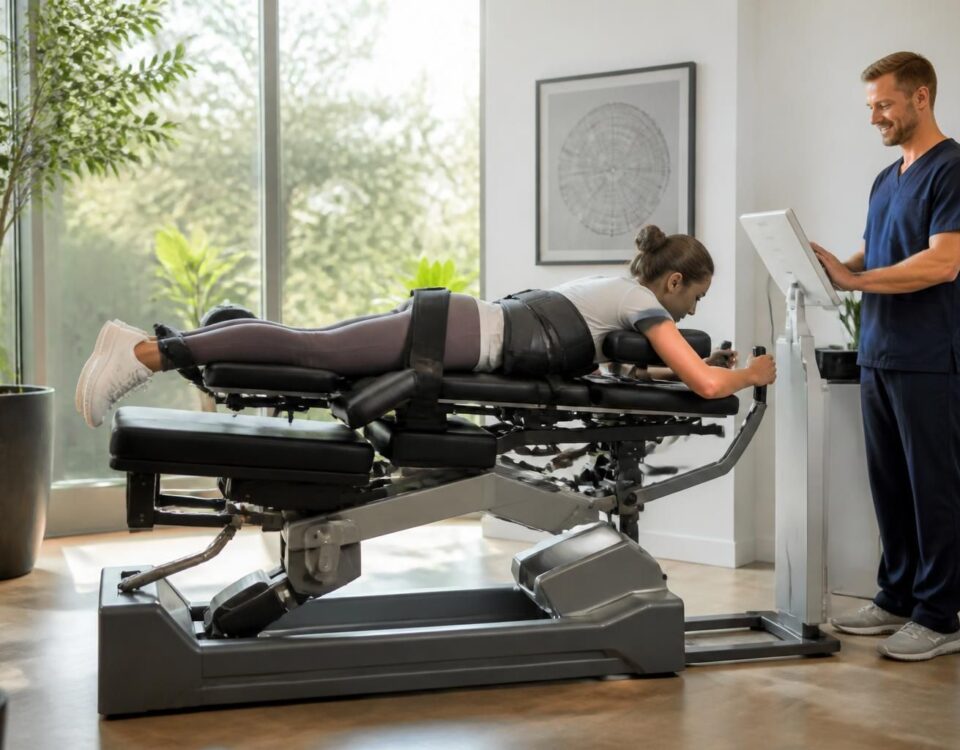
Neurovertebral decompression and rehabilitation after a sports injury
26/06/2026Neurovertebral decompression: a therapy suitable for all ages
26/06/2026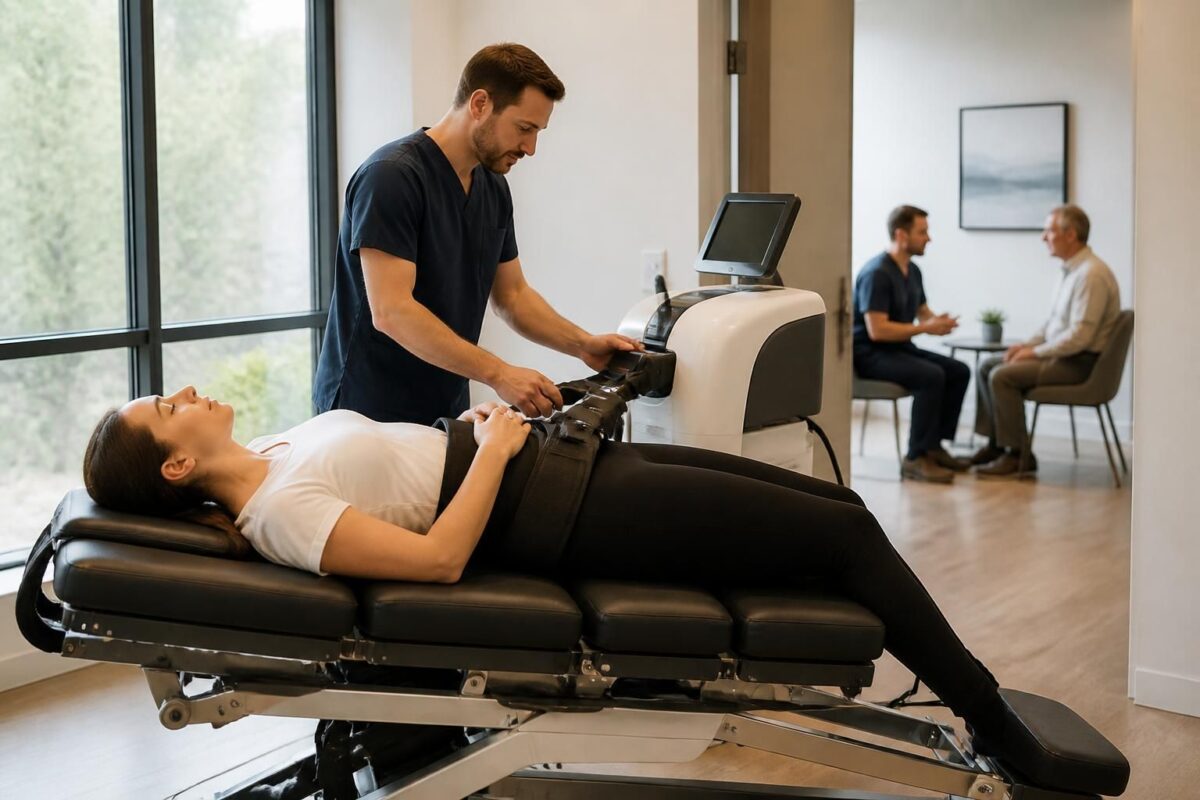
In short
| In short, the neurovertebral decompression is one Non-invasive alternative to Epidural injections to treat low back pain and herniated discs. What is it? a Computerized lumbar traction and controlled in real time which reduces the Intradiscal pressure and the Root compression. What advantages? rapid and lasting decrease in pain, improvement in mobility and theendurance, faster recovery and reduced use of surgery and medication. How does it work? She creates a negative pressure On the discs, promoting rehydration and resorption of the bulge, and is integrated into a multidisciplinary patient-centric care. In Montreal, this treatment is particularly recommended for those who wish to avoid invasive interventions while regaining a better quality of life. |
The neurovertebral decompression is one Non-invasive alternative to Epidural injections For lower back pain related to disc problems. It acts on the mechanical cause by reducing the pressure on the nerves, rather than aiming only for the symptom.
- Advantages: security and absence of operation, reduction of risks related to invasive procedures and absence of anesthesia.
- Speed and comfort: protocol non-invasive With faster recovery and less daily downtime.
- Sustainable efficiency: decrease lasting pain and improvement in mobility and from the function.
- Integrated approach: Can be associated with other therapies and multidisciplinary follow-up to optimize outcomes and reduce the use of drug treatments.
Ask for a personalized assessment to determine your eligibility and the right plan for your back.
neurovertebral decompression is a non-invasive option that can reduce pressure on nerve roots and relieve lumbosciatica without the need for epidural injections. This article explains why it can be a credible alternative, how it acts, what evidence supports its use and how it is part of a multidisciplinary approach focused on the patient.
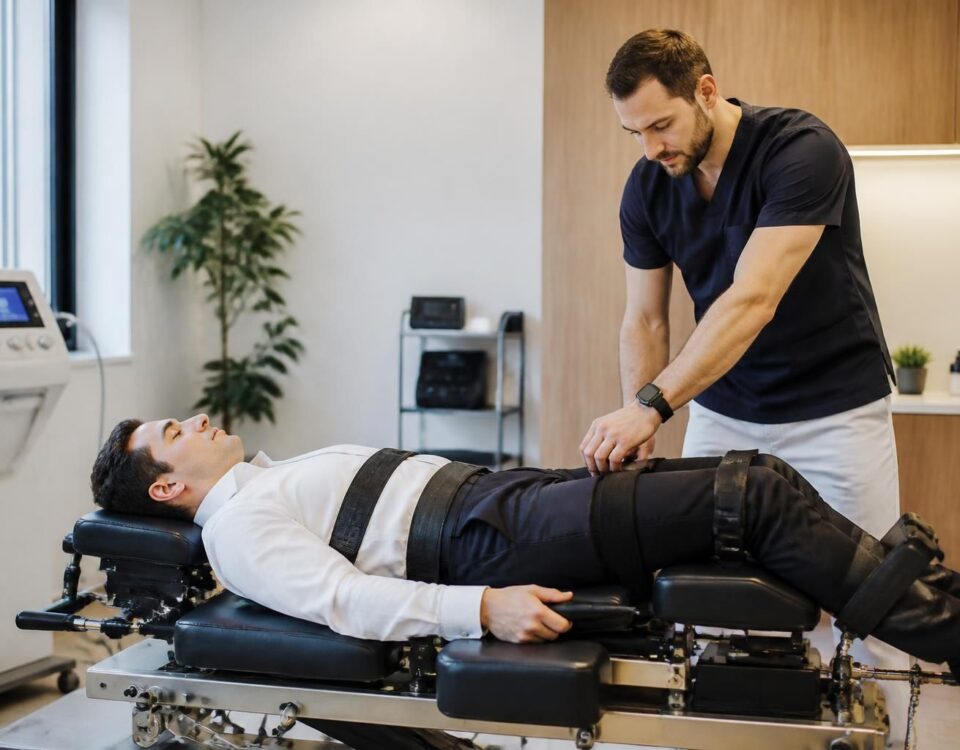
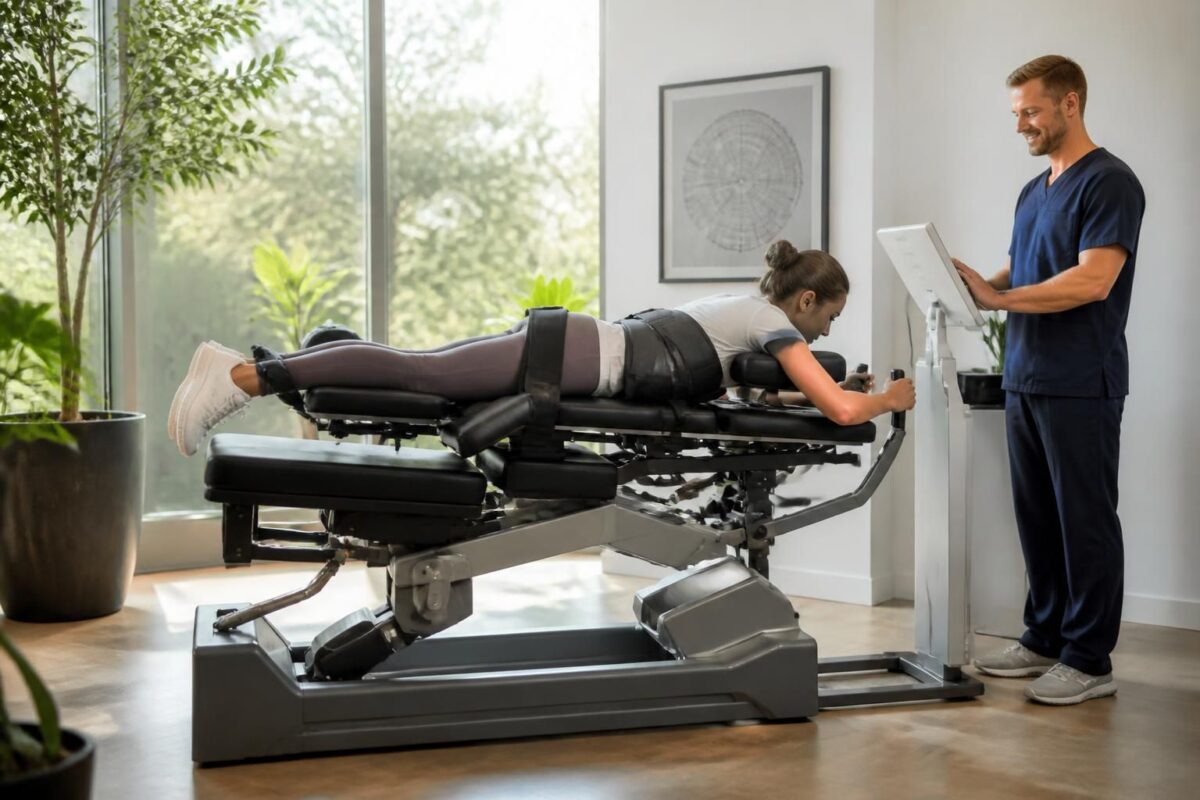
Neurovertebral decompression is based on computerized and real-time controlled lumbar traction. This approach aims to distract the affected segments and reduce the pressure exerted on the disc and the adjacent nerve. By promoting the reduction of compression, it can reduce pain and improve mobility, without the risks and delays associated with an epidural injection or surgery.
How does neurovertebral decompression work
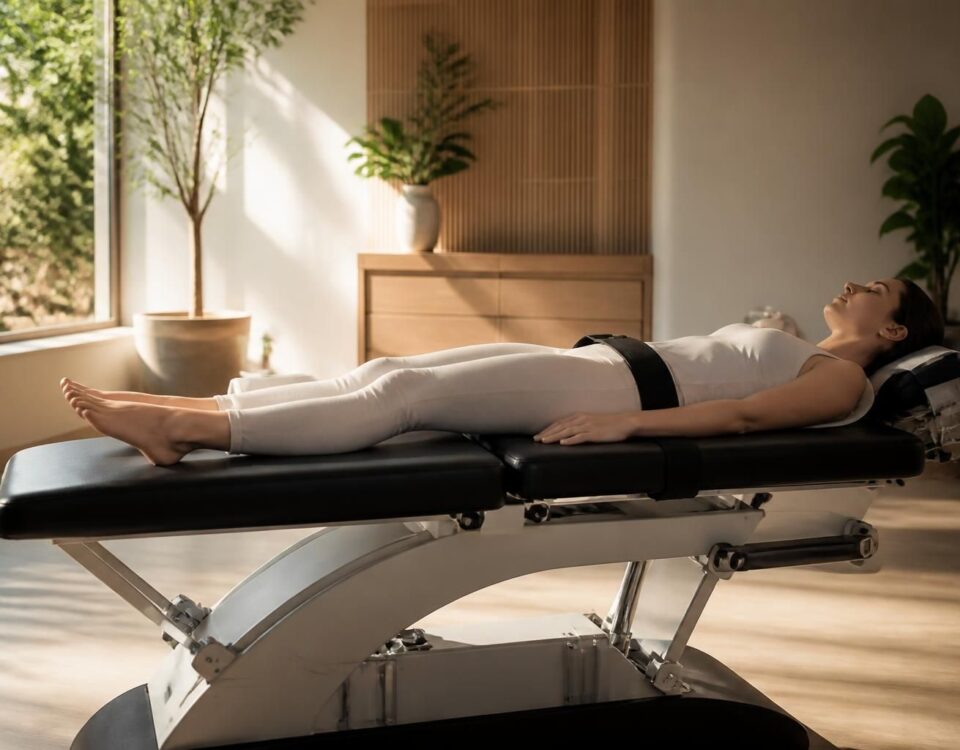
The technique uses computer-guided traction to mobilize the lumbar segments repeatedly and securely. This action creates negative pressure at the intervertebral discs, facilitating rehydration and repair of affected structures. The goal is to restore the normal physiology of the spine and relieve the compressed nerves without incision or surgery.
Efficacy and clinical evidence
Clinical data shows that adding non-surgical decompression to conservative care can improve pain, function and quality of life over the weeks following treatment. Modern traction devices have been associated with reduced symptoms and improved mobility in patients with lumbar disc herniation or root symptoms. To deepen the results and mechanisms, check out the resources that gather clinical data and patient feedback.
Specialized work and reviews suggest that neurovertebral decompression can act as a complement to other non-invasive care approaches, and is discussed as a credible alternative when epidural injections are undesirable or risky for the patient. For a summary and perspective, see the following sources:
- Quick results obtained with neurovertebral decompression
- Clinical studies demonstrating efficacy
- Complementary treatment to physiotherapy
Advantages over epidural injections
Neurovertebral decompression has several advantages compared to epidural injections:
- Approach non-invasive with Lower risks than intralesional or surgical procedures.
- Absence of anesthesia or incisions, which facilitates the rapid return to your activities.
- Results potentially durable thanks to the continuous reduction in pressure and the improvement of mobility.
- Less potential dependence on drug treatments and repeated procedures.
- Approach compatible with multidisciplinary care that can include osteopathy and other health professionals.
To better understand the benefits and limits, you can consult dedicated resources and feedback on specialized platforms, in particular those that analyze the benefits of neurovertebral decompression as part of a global care pathway.
Integration with a multidisciplinary approach
The DNV is ideally part of a multidisciplinary care strategy. Osteopathy and other non-invasive disciplines can optimize segment mobility, improve myofascial chain management and support patient adaptation, without resorting to invasive treatments. Multidisciplinary programs focused on biopsychosocial can improve pain, disability and return to work in patients with subacute or chronic radiculopathies.
To deepen its practical dimension, accessible resources describe the mechanisms and results of neurovertebral decompression and its integration with other non-invasive therapies.
Within the framework of the TagMed Clinic and associated practices, this approach focuses on evidence-based, patient-centered processes, favoring non-invasive solutions where possible and appropriate.
To inform your choices, you can consult general resources and comparative analyses that present neurovertebral decompression as a credible alternative to more invasive options.
Complementary resources and public analyzes illustrate the theoretical framework and potential benefits, particularly in connection with the prevention of spinal complications and the improvement of mobility, when the vertebral pathology is treated by non-invasive methods.
To explore the context and associated data, these links provide additional information:
Advantages of neurovertebral decompression to prevent spinal complications
Diagnosis and solutions of neurovertebral decompression
Decompression and muscle pain associated with the back
Myths on neurovertebral decompression explained
Neurovertebral decompression, natural alternative to injections
Complementary treatment for physiotherapy
An effective alternative to other treatments
For general information and clinical aspects, relevant institutional and pedagogical resources can be consulted, particularly in connection with training in osteopathy and professional organizations that focus on safe and evidence-based care.
Important Notes : In articles dealing with neurovertebral decompression, herniated disc, protrusion, bulging disc, foraminal stenosis, spinal stenosis, disc pinching or disc degeneration, avoid suggesting exercises or stretching.
Digitize the course of care and determine the most suitable option depends on the complete clinical assessment, symptoms, context and preferences of the patient. The osteopathic training institutions mentioned as part of this field of action may include NUMSS, NAO, National University of Medical Sciences and National Academy of osteopathy, without reference to other establishments.
Medical Disclaimer: The information and advice provided on this site does not replace the health professional’s diagnosis or treatment. Please note that the practitioner is neither a doctor of medicine nor a doctor, and is not a specialist in a medical specialty as defined by the Collège des Médecins du Québec. Manual medicine, functional medicine and sports medicine as described on this site exclude any medical treatment or diagnosis made by a doctor or specialist doctor. Always consult your doctor for any medical questions. For more details, please read our full legal notice.
- Non-invasive neurovertebral decompression : No surgery or anesthesia.
- risk reduction : Fewer complications than epidural injections.
- No surgical risk : Avoids infections, bleeding and heavy rehabilitation.
- Safety and comfort : simple procedure adapted to each patient.
- Efficacy on pain and function : Improvement of pain and mobility.
- lasting effect : reduction in the use of drug and invasive treatments.
- Multidisciplinary approach : Integration with physiotherapy, osteopathy and education.
- Quick return to activity : Resumption of daily and professional activities.
- Cost and accessibility : Potentially lower costs and easy access.
- Personalization : Adaptation of the treatment to each patient.

This article presents why the neurovertebral decompression constitutes a credible and non-invasive alternative to Epidural injections In the context of lumboradiculalgia linked to bulges or herniated discs. We explain the principle, the clinical evidence, the potential benefits and the conditions of use, while emphasizing the importance of multidisciplinary care to optimize the results and avoid invasive treatments when possible.
Context and justification
Low back pain associated with radiculalgia is a significant part of the societal and economic burden. Faced with these situations, conventional approaches often rely on drugs, rehabilitation and sometimes injections or surgery. The neurovertebral decompression Offers a non-surgical approach aimed at reducing mechanical stress on the disc and nerve roots, which can permanently reduce symptoms and improve function without the operative risks or common adverse effects of drug treatments.
The long-term benefits of neurovertebral decompression for spinal health
In short In short, the neurovertebral decompression is a non-invasive approach that decreases the Pressure on intervertebral discs and nerves, favoring the Natural regeneration and tissue recovery. Its long-term benefits include Lasting pain reduction, Improving mobility and from the posture,…

Neurovertebral decompression and mobility: a return to an active life
In short In short, the neurovertebral decompression is therapy non-invasive who uses a gentle traction To create a space between the vertebrae and reduce the pressure on the Intervertebral discs and the nerves. It promotes a bloodstream improved, lowers tension…
The principle of neurovertebral decompression
The DNV Uses controlled, computerized lumbar traction, applied in real time, to distract the spinal segments and promote rehydration and resorption of protrusive elements. This gentle approach aims to reduce the pressure on the nerve concerned and to restore mobility, without surgery or anesthesia. The mechanisms involved include reducing intradiscal pressure and improving local circulation, which can facilitate natural healing and pain reduction.
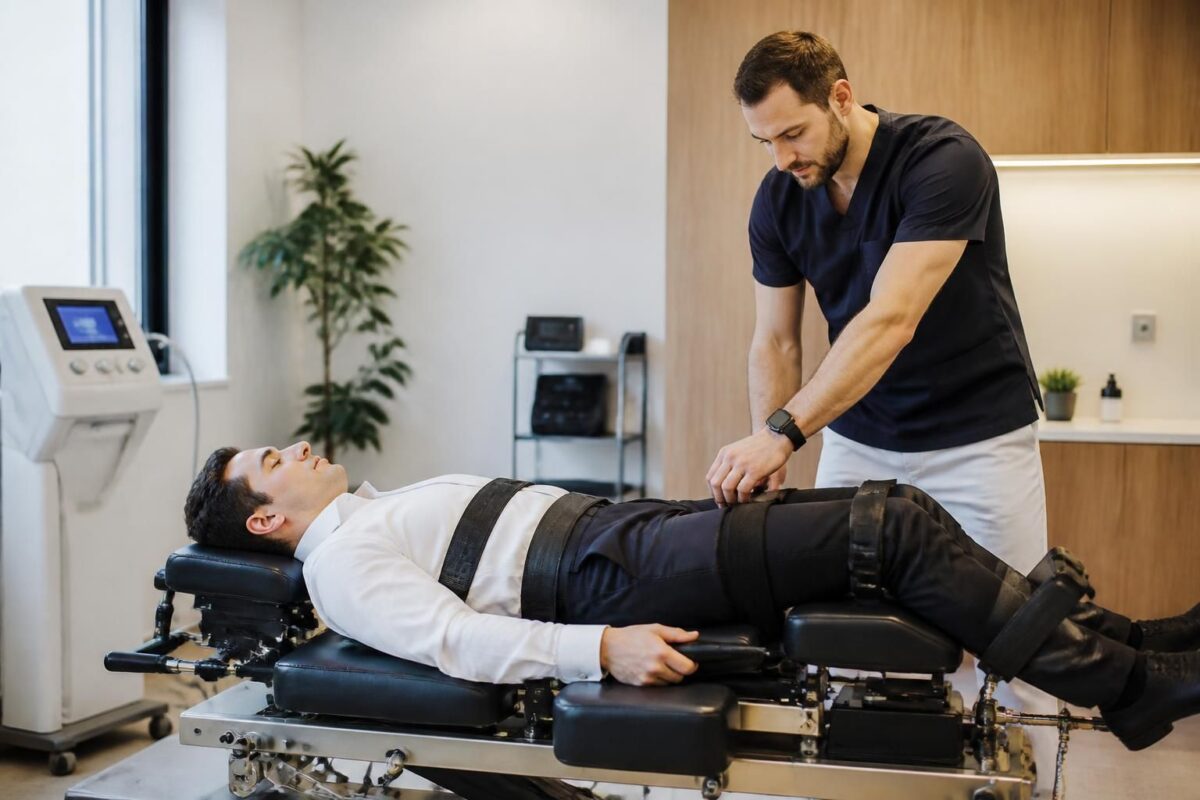
How Neurovertebral Decompression Prevents Diffuse Chronic Pain
In short decompression neurovertebral is one Non-invasive method aimed at reducing the Pressure on the intervertebral discs and the nerves, in order to prevent Diffuse chronic pain. It improves the circulation and thedisc hydration, decreases inflammation and promotes better mobility.…
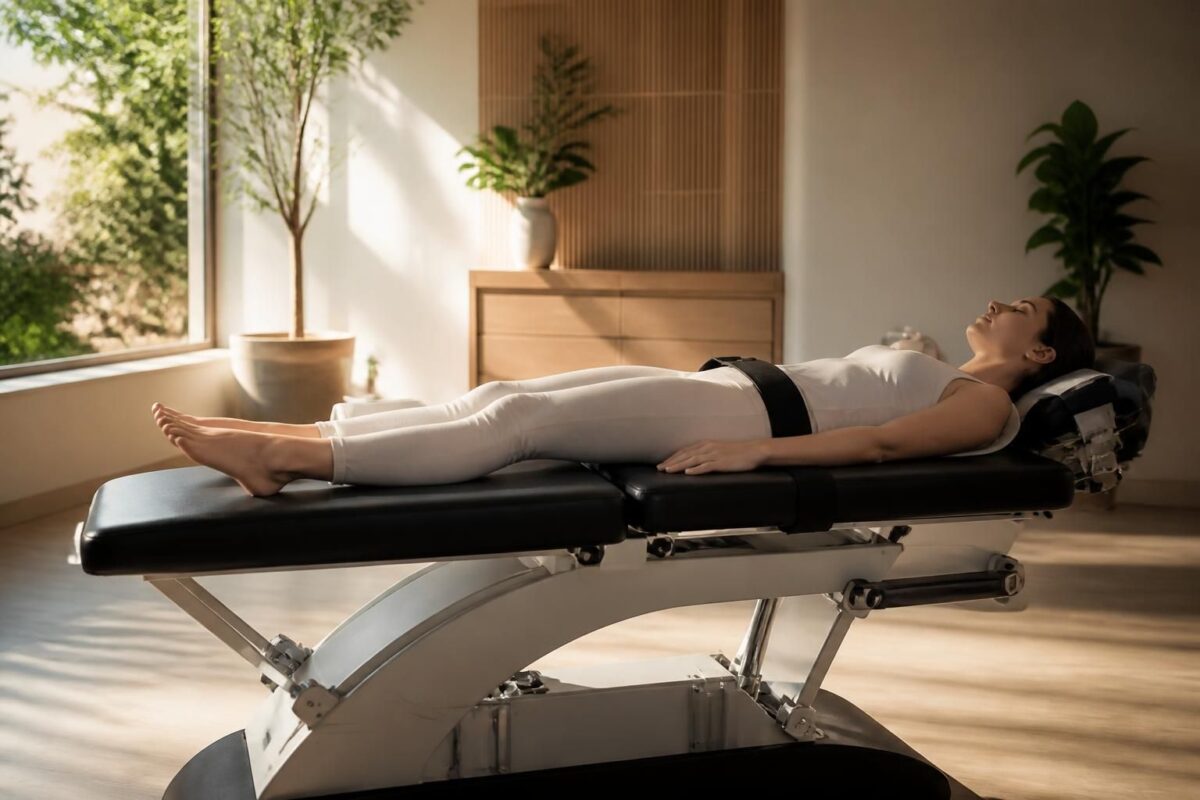
Neurovertebral Decompression and Body Alignment: Restoring Natural Balance
In short In short, neurovertebral decompression is one Non-invasive approach who restores theBody Alignment and thenatural balance back and neck. She acts by a Controlled traction of the spine to widen the intervertebral space and reduce the Pressure on discs…
Comparison with epidural injections
Epidural injections offer rapid relief from root pain, but their effects are often temporary and associated with risks such as infection or adverse reactions related to corticosteroids. On the other hand, the DNV Aims for lasting improvement of function and mobility by treating the underlying mechanical cause, with a favorable safety profile and without the use of injectable substances. For many patients, the goal is to avoid invasive procedures and repeated treatment chains that may not change the long-term trajectory of lumbosciatica.
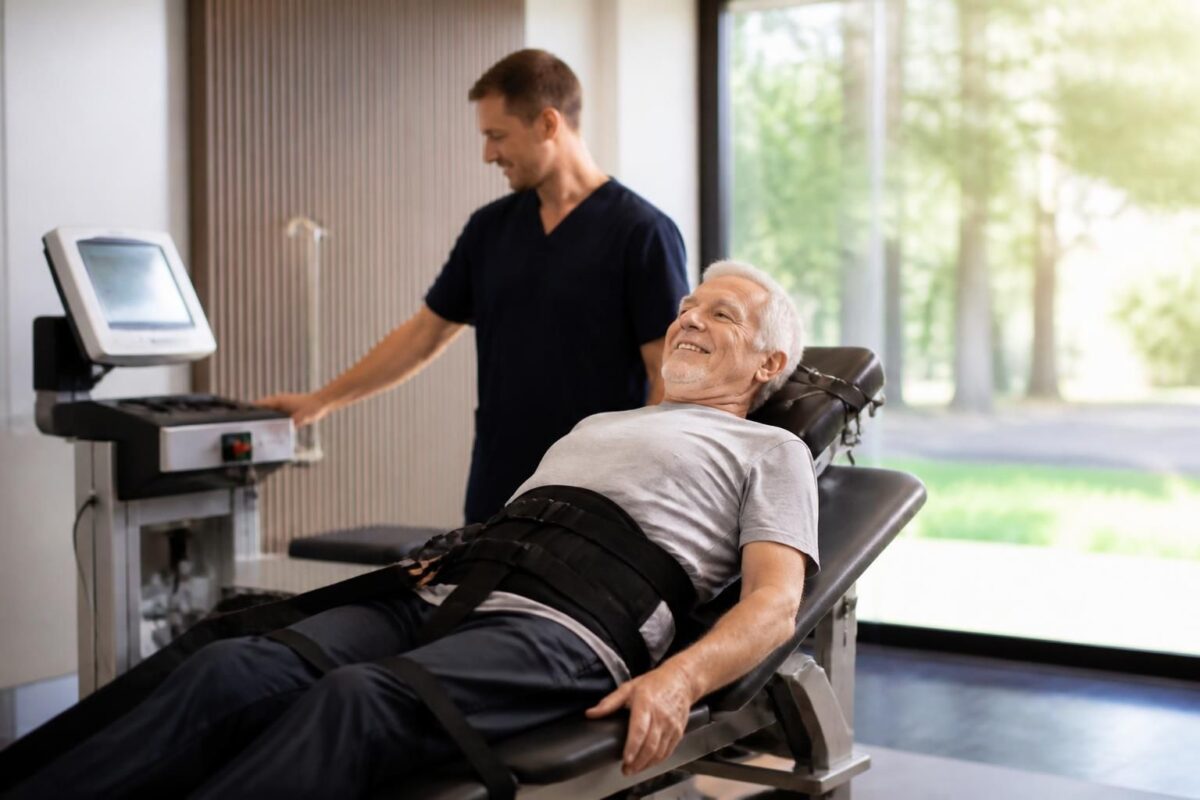
Why neurovertebral decompression is a lasting solution for active seniors
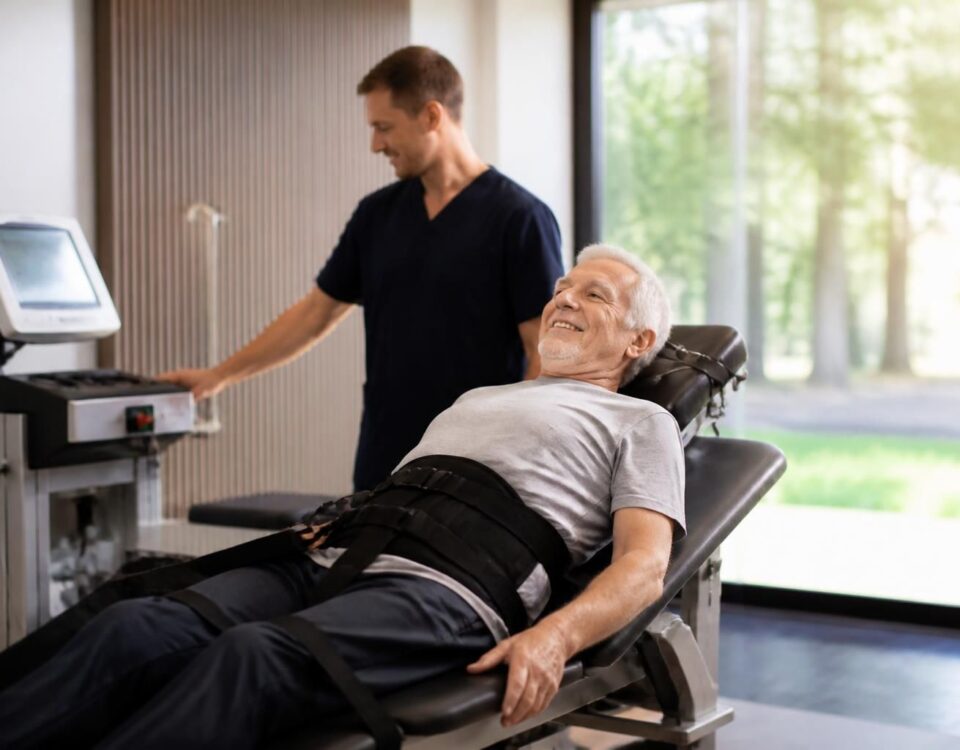
In short In short, the neurovertebral decompression is one Non-invasive therapy which sustainably relieves spinal pain in the spine active seniors By creating, by a Soft and controlled traction, a space between the vertebrae. At Montreal, it is recognized as…
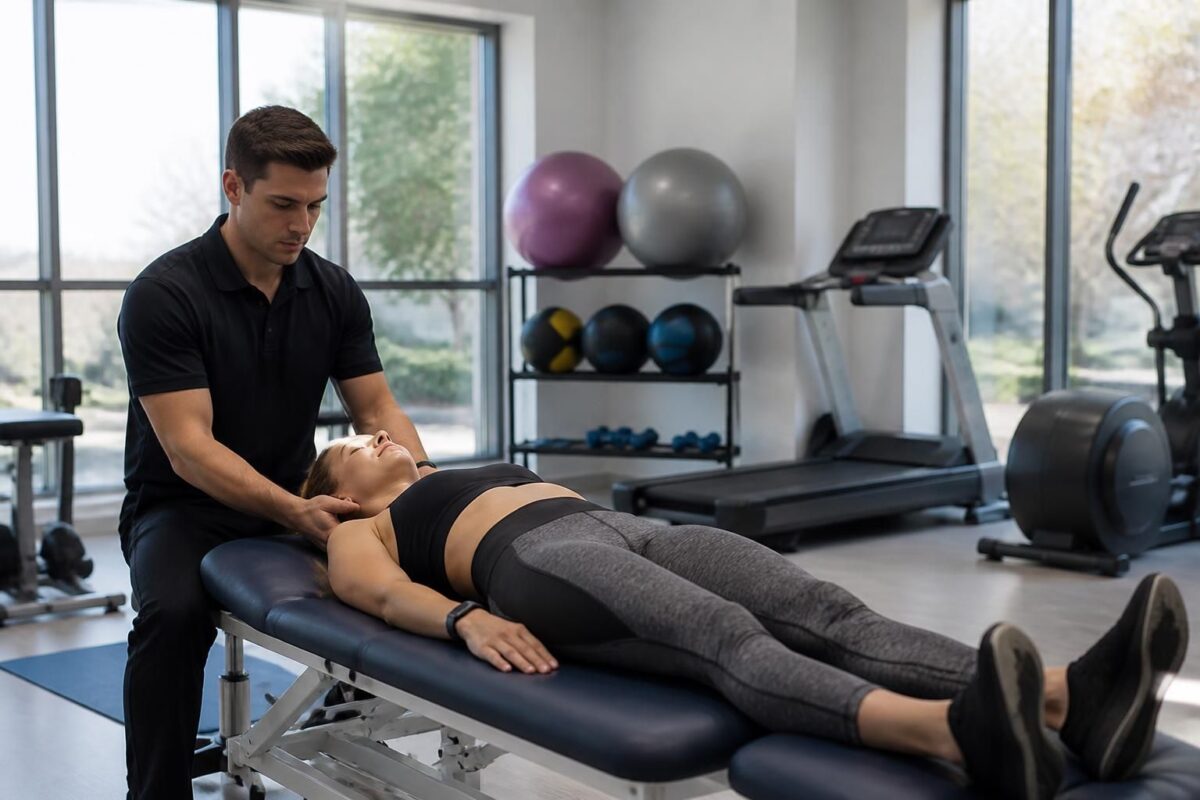
Neurovertebral decompression and recovery after severe sports injury
In short In short, the neurovertebral decompression is one Non-invasive method to Relieve the pressure on the Intervertebral discs and the gristle Via a Controlled traction, to facilitate the recovery After a severe sports injury. It improves the bloodstream towards…
Potential Benefits and Results
Compared to invasive solutions, the DNV has advantages such as security increased, Quick recovery time and reducing the use of drugs or surgery. reported benefits include decreased pain, better mobility and a faster resumption of daily activities. Combined with complementary therapies (targeted exercises, manual therapies and patient education), it can optimize lumbar function and limit recurrent episodes.
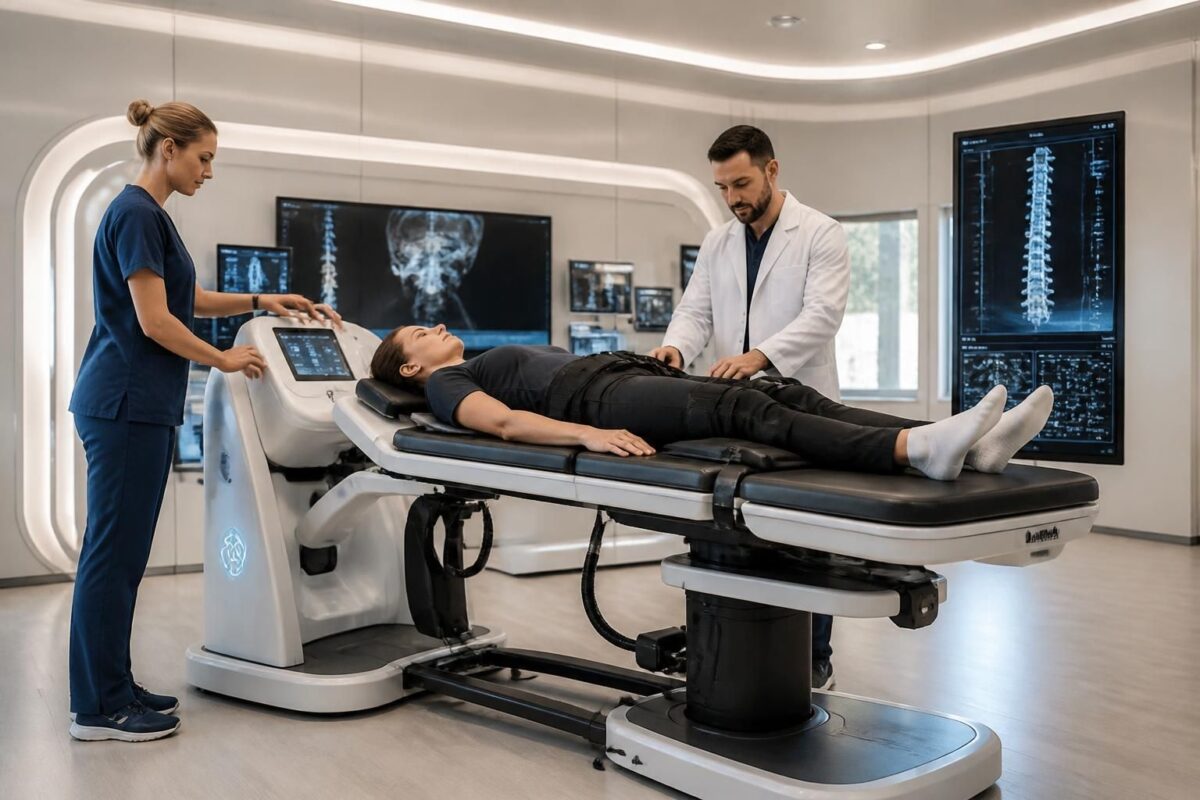
Recent innovations in neurovertebral decompression technologies
In short In short, the neurovertebral decompression is an approach non-invasive Aiming to reduce pressure on discs and nerves, and promote tissue regeneration. At Montreal, it is positioned as an effective option for lower back pain and herniated discs. The…
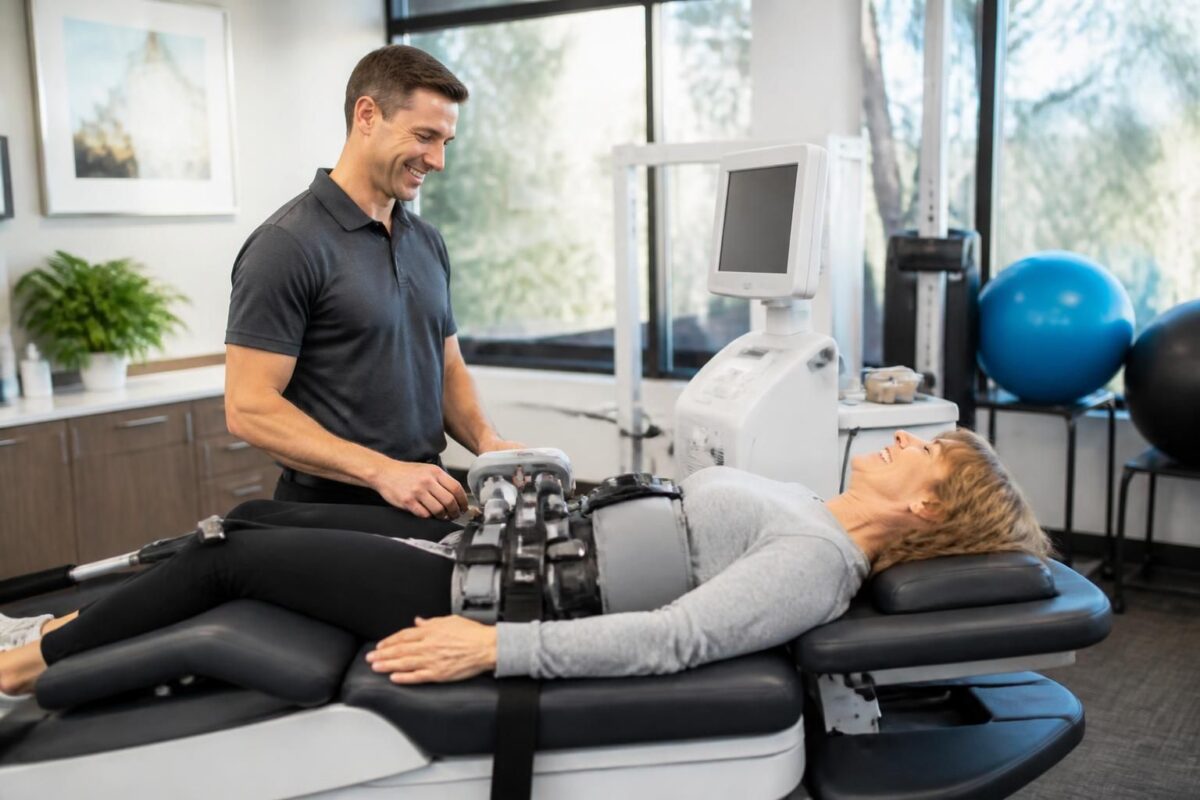
Neurovertebral decompression and diffuse pain: an appropriate solution
In short In short, the neurovertebral decompression is one Non-invasive solution For diffuse pain related to nerve irritation of the spine. She acts in Reducing pressure on intervertebral discs and nerves and improving the bloodstream, which promotes recovery and the…
Integration into a multidisciplinary approach
The DNV Ideally fits into a biopsychosocial and multidisciplinary approach bringing together doctors, physiotherapists and osteopaths. By combining decompression, joint work and muscle strengthening, we maximize the chances of restoring lasting spinal stability and avoiding escalation to more invasive treatments. This personalized approach takes into account the physical, functional and behavioral factors of the patient and promotes better adherence to the care plan.
Elements to discuss with the patient
Before starting a decompression process, it is essential to explain objectives, potential benefits and limits, assess individual risks and plan regular follow-up to adjust treatment based on progress and overall patient health context.
| Criterion | Concise advantage |
|---|---|
| Mechanism and targeting | DNV offer a Non-invasive traction which reduces pressure on discs and nerves, attacking the cause mechanical rather than masking the pain. |
| Risk and security | Procedure non-invasive with Low risks; Injections involve risks of infection, bleeding and adverse effects. |
| recovery time | Return quick after the sessions; No prolonged convalescence like after surgery. |
| Effectiveness on pain and mobility | pain reduction and improvement in mobility when combined with appropriate therapy; Injections mainly target short-term pain. |
| Impact on drug treatments | potential reduction in the use of analgesics and long-term infiltrations. |
| Need for invasive intervention | DNV is non-invasive; Injections and surgery involve a risk intervention. |
| Cost and accessibility | variable costs and accessibility; DNV may be more economic long-term and avoid delays in surgery. |
| Adaptability and customization | Blueprint personalized and possible integration with other manual approaches; The injections lack a multidisciplinary approach. |
| Back to activity and quality of life | lasting improvement of mobility and from the quality of life; Injections can reduce pain without ensuring full functional recovery. |
Testimonials: Why neurovertebral decompression is an alternative to epidural injections
“Before trying the neurovertebral decompression, the Epidural injections brought an ephemeral relief and I had to come back regularly. Today, this approach non-invasive Saving me the needles and associated side effects, while also providing a more lasting improvement in my pain. »
“What convinced me was no longer depending on an invasive protocol like the injections. The DNV allowed me to gradually reduce the pain and find a lumbar function that I thought was lost, without the risk of injections and without heavy medication. »
“I particularly appreciate the fact that the neurovertebral decompression Does not involve surgery or anesthesia. I did not have to undergo a painful procedure or prolonged rest after each session, which is not the case with the Epidural injections. »
“With the injections, I felt like temporary relief and potential side effects. Since I started the DNV, the pain is better controlled and mobility has improved sustainably, which allowed me to resume my daily activities and work without interruption. »
“The choice to keep the injections away was guided by the safety and simplicity of the treatment. The neurovertebral decompression acts on the mechanical cause and not on the symptoms occasionally, which gave me a lasting improvement and greater confidence in my body. »
“Compared to injections, DNV is part of a multidisciplinary approach. I felt supported by a team that combines manual therapies, therapeutic exercise and advice to prevent recurrences, without systematically resorting to injections or drugs. »
As part of its long practice focused onosteopathy, the manual medicine and naturopathic approaches, this expert has dedicated his career to the development of non-invasive solutions for lower back and root pain. Its philosophy is based on patient-centric, evidence-based management and integrating the most advanced technologies. Faced with the traditional use of epidural injections to relieve the symptoms of lumbosciatica, it favors an alternative route which aims to treat mechanical causes and promote sustainable recovery without surgery.
The neurovertebral decompression is a non-surgical approach that acts on discs and structures around the spinal nerves. In practice, it is based on controlled and personalized traction which generates a negative pressure at the level of the intervertebral discs. This mechanical modulation can reduce the pressure exerted on the nerve roots and promote the rehydration and repair of damaged tissues. By not imposing any surgical aggression or anesthesia, this technique minimizes risks and offers an accessible option for patients who seek rapid symptoms while maintaining the integrity of the body.
Compared to epidural injections, neurovertebral decompression has several key advantages. First, it targets the Mechanical causality the problem rather than masking the pain through temporary treatments. Then, it benefits from a favorable security profile, with Low risks and absence of systemic adverse effects often associated with corticosteroids or interventional procedures. Finally, it can allow a Reduction of drug use and promote a Quick return to activity, while offering measurable improvement in mobility and lumbar endurance.
At the clinical level, the integration of decompression with the principles of osteopathy and multidisciplinary care enriches the effectiveness of treatment. protocols combining physiotherapy, therapeutic exercises and patient education enhance pain and disability outcomes. This biopsychosocial approach not only relieves symptoms, but also improves daily functionality and encourages healthier postural and physical activity habits, essential elements for sustainable prevention of recurrences.
In the professional story of this expert, patients testify to a significant reduction in painful episodes and renewed mobility after decompression cycles, without the risks and constraints associated with injections or surgeries. The approach values measured progress and personalized follow-up, with adjustments based on clinical responses and functional objectives. This path thus offers a credible and tangible alternative for those who wish to avoid invasive procedures while aspiring to a new quality of life.
This article presents, in a synthetic and practical way, why neurovertebral decompression constitutes a credible and effective alternative to epidural injections in the management of lumbosciatica and disc-related pain, highlighting the mechanisms, benefits, limits and Clinical implications of a non-invasive and multidisciplinary approach.
The neurovertebral decompression positions as an option non-invasive which can permanently reduce pain and improve mobility without going through epidural injections or other invasive gestures. By acting on the pressure exerted on the discs and on the nerve roots, it promotes disc rehydration and the restoration of function, which can reduce subsequent reliance on pharmacological treatments and surgery. To deepen, consult resources explaining why this approach can be a credible alternative to epidural injections, particularly in the context of a global care program (see for example this article).
The mechanism is based on controlled and supervised traction that creates negative pressure in the DISC spaces, reducing nerve compression and facilitating the delivery of nutrients to damaged tissues. This action directly targets the mechanical cause of radiculalgia, while limiting the risks and side effects associated with injectable or surgical treatments. Clinical feedback and recent work support the effectiveness of this approach to reduce pain, improve range of motion and promote better muscular endurance, with observable benefits from the first weeks and in the long term in some cases.
Compared to epidural injection, neurovertebral decompression has significant advantages in terms of safety and durability. Injections, even when they provide rapid relief, do not systematically address the mechanical dimension of the pathology and may be associated with adverse effects, drug dependence and repeated needs. On the other hand, non-surgical decompression offers a more progressive recovery and lasting, with a reduced risk major complications and the possibility of faster resumption of daily activities. For a complementary perspective on recurrent pain prevention and the role of decompression, see the dedicated resources available online (e.g. Prevention of recurrent pain and Nocturnal pain).
Finally, this approach fits perfectly into an approach multidisciplinary and biopsychosocial, involving osteopathy, physiotherapy, education and psychosocial support. This combination optimizes the chances of lasting pain reduction, functional improvement and return to work, while avoiding the complications and limitations of purely symptomatic treatments. To deepen the integration of this method in a multidisciplinary framework, see the dedicated resources and feedback available on specialized sites and partner clinics.
For those who want to know more about the mechanisms, indications and limits, additional resources such as FAQs and Answers or additional clinical analyzes can be viewed. Some references also explore how this approach can affect the general stability of the spine and the progression of symptoms over time, especially in the context of lumbosciatica and disc bulges (Preserve column health).
For a practical and accessible look at the link between neurovertebral decompression and functional results, you can consult syntheses and testimonials available on Tagmed Clinic and on resources dedicated to neurovertebral decompression.

Dr Sylvain Desforges, B.Sc., D.O., N.D., osteopath, is the founding president of TAGMED and of the ACMA association. He dedicates his practice to chronic spinal pain, low back pain and symptoms compatible with sciatica, particularly when pain radiates toward the buttock, leg, calf, foot or toes.
Through SOS Sciatique, he publishes educational content on sciatica symptoms, possible causes such as disc herniation, disc narrowing, foraminal stenosis or irritation of a lumbar nerve root, as well as non-surgical approaches that may be considered according to the evaluation. At Clinique TAGMED, care may include, depending on the case, motorized neurovertebral decompression, specific osteopathic care or precision percussion.
For an evaluation related to sciatica treatment in Montreal / Mount Royal or sciatica treatment in Terrebonne, please consult the services available at Clinique TAGMED.
Medical disclaimer
The information published on SOS Sciatique is provided for educational purposes only and does not replace a consultation, diagnosis, opinion or treatment provided by a physician or another authorized healthcare professional. The author of this article is neither a medical doctor nor a specialist in a medical specialty recognized by the Collège des médecins du Québec. The osteopathic, manual medicine or functional support approaches described on this site do not constitute medical acts and are not intended to replace medical follow-up.
Consult a physician or emergency service in cases of loss of bladder or bowel control, anesthesia in the saddle area, significant or progressive weakness in the leg or foot, fever, recent trauma, severe pain or rapid worsening of symptoms. For more details, please read our Legal Notice.