Neurovertebral decompression and well-being: regaining a quality of life
26/06/2026
Quick results obtained through a neurovertebral decompression program
26/06/2026
In short
|
neurovertebral decompression is one Non-invasive approach intended to relieve pain related to Spinal stenosis exerting controlled traction on the spine. This space released between the vertebrae decreases the pressure on the nerves and discs, thus improving blood flow and nutritional intake to nervous tissues. At Montreal, this treatment is particularly recommended for people with persistent lower back or neck pain. Its key advantages include a Quick and lasting relief, a Improving mobility And a reduction in inflammation, all without surgery. This option facilitates the return to daily activities and can help prevent recurrent pain by managing the underlying causes of spinal pain. |
The neurovertebral decompression is an approach non-invasive which aims to relieve the pain associated with the Spinal stenosis by reducing pressure on the nerves and intervertebral discs by controlled traction. By creating a space between the vertebrae, it reduces nerve irritation, improves blood circulation and promotes the supply of essential nutrients to nervous tissues, which reduces inflammation and accelerates recovery. It offers pain relief and improved mobility, often without the need for surgery, making it a safe and effective option to limit worsening and maintain quality of life. A prior professional assessment is recommended to personalize the treatment and ensure that it is suitable for each patient.
This article presents, from a professional and evidence-based perspective, why neurovertebral decompression is an essential option for people with Spinal stenosis. It explains the functioning, the concrete benefits and the conditions in which this treatment can be integrated into a course of care, without resorting to invasive surgery.
The Spinal stenosis Refers to the narrowing of the spinal canal, which compresses the nerves and can cause pain, numbness and weakness. Neurovertebral decompression is a non-invasive approach that aims to restore the space between the vertebrae. This action directly reduces the pressure on the Intervertebral discs and the gristle, which decreases pain signals and improves nerve function.
How does neurovertebral decompression work
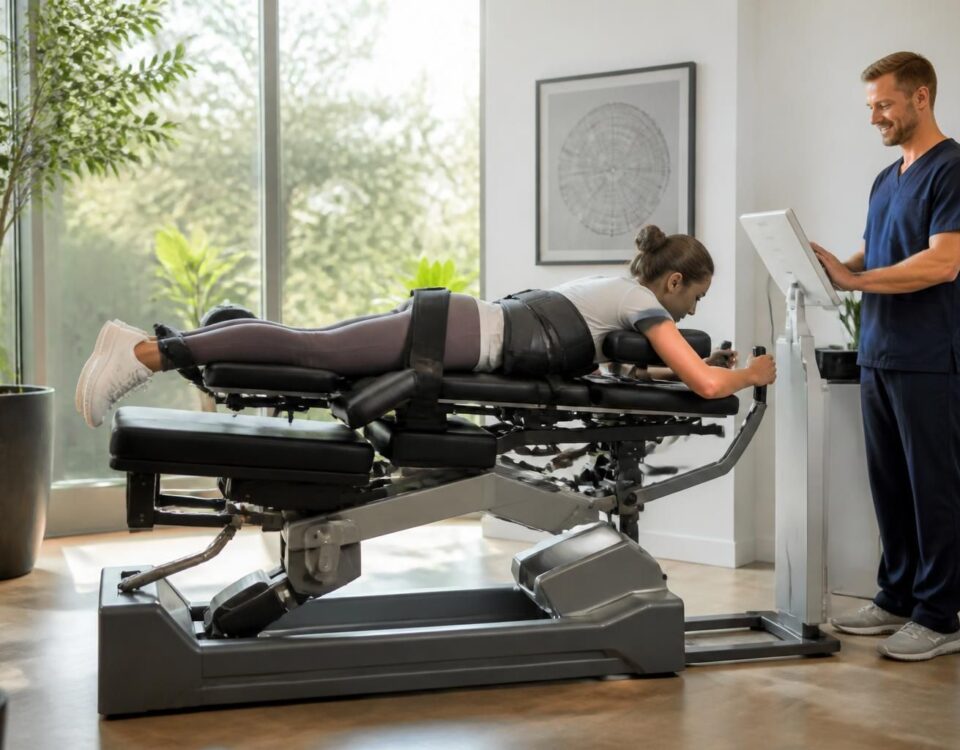
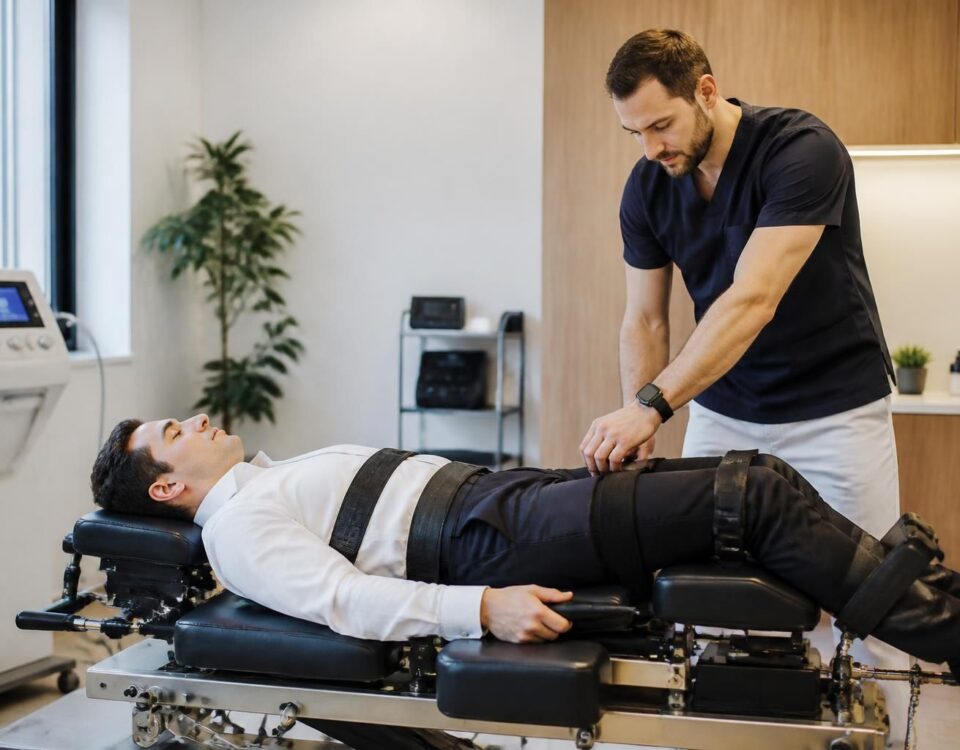
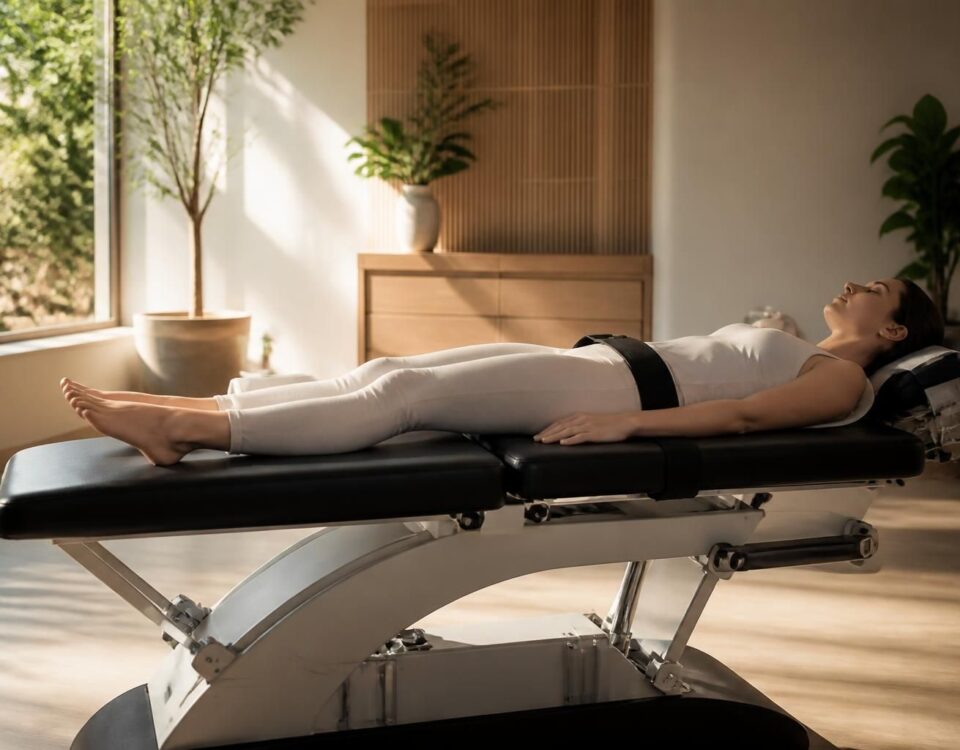
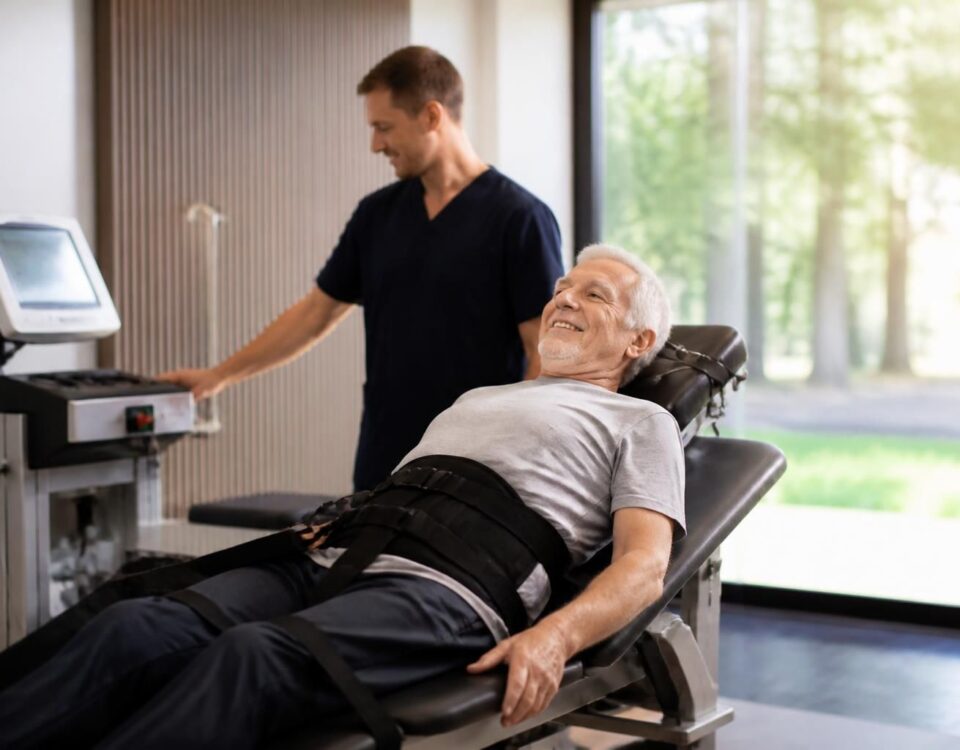
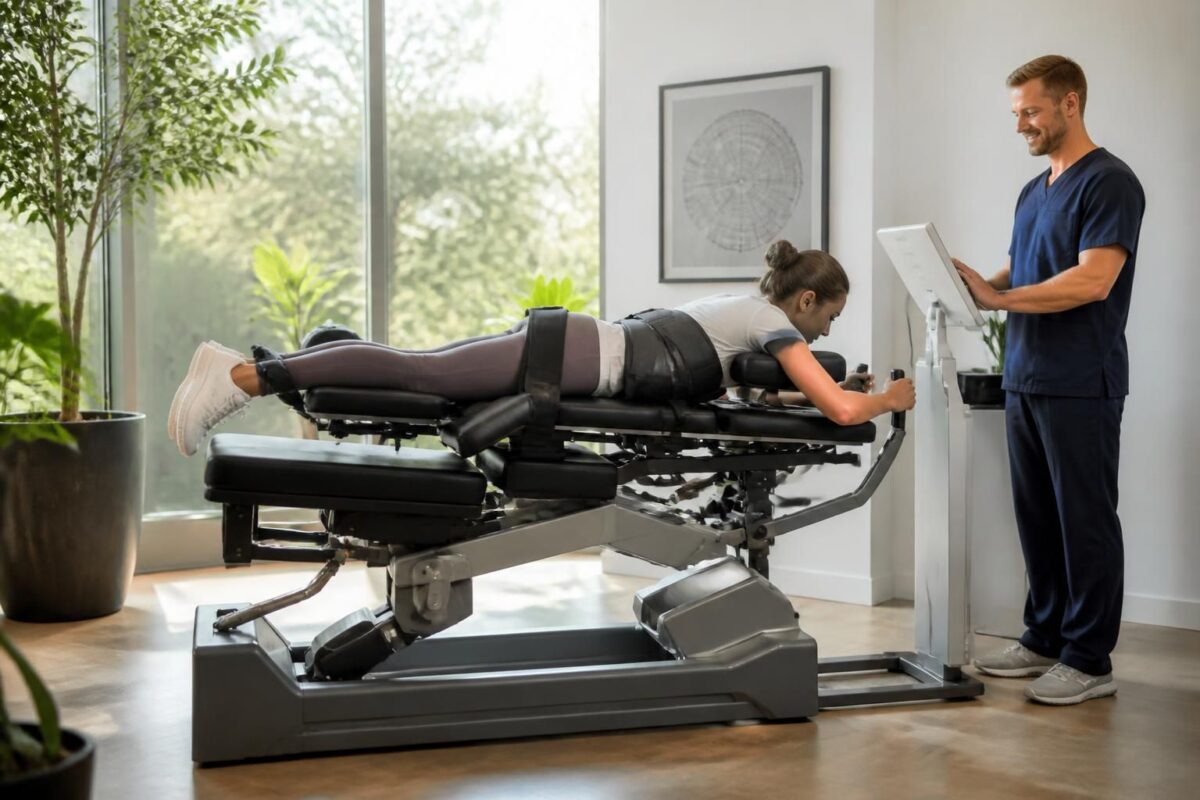
The technique is based on a Soft and controlled traction of the spine. This traction creates a space between the vertebrae and decreases the compression exerted on the nerves. By lowering the intra-discal pressure, it promotes better bloodstream and improved nervous nutrition. This combination helps reduce local inflammation and promote nerve tissue recovery.
The observed clinical results include a gradual decrease in pain and improved mobility. Patients often describe a lasting respite after several sessions and a regained ability to perform activities that were limited by pain. This approach opens the door to a better quality of life and greater autonomy in everyday actions.
Benefits for patients
Sustainable relief pain related to nerve compression. By acting on the mechanical cause, decompression can reduce pain without relying on analgesic drugs in the long term.
Improving mobility and range of motion. By reducing the tension on the nerves and releasing the associated muscle tension, patients find a greater fluidity of movement.
Prevention of recurrences and disease progression. By stabilizing the vertebral environment and allowing better tissue nutrition, this approach helps to limit future aggravations related to stenosis.
Non-invasive alternative to surgery. For people wishing to avoid surgery, decompression offers an effective and secure option to reduce symptoms and improve function.
Indications and safety
Before starting any decompression therapy, an evaluation by a health professional is essential. The doctor or osteopath assesses the condition of the column and determines whether this treatment is appropriate. A personalized plan is then drawn up, taking into account the patient’s needs and history.
Although non-invasive, neurovertebral decompression is not suitable for all cases. Certain medical conditions may limit its benefit or impose other approaches. The objective remains to propose a solution based on evidence, with regular follow-up to adjust the treatment if necessary.
Integration with other approaches
Decompression can be integrated into an overall strategy for managing pain and mobility. It can be associated with manual approaches and technology tools available at the TagMed Clinic. This multimodal approach aims to optimize recovery and support the general well-being of the patient, while avoiding the risks associated with surgical procedures.
Resources and case studies document the results and benefits of neurovertebral decompression. To learn more about the quick results and indications, you can consult the dedicated pages on affiliated partner sites and clinics, including the information presented by TagMed and specialized resources around spinal stenosis.
Resources and information
To deepen, consult resources that describe the benefits and mechanisms of neurovertebral decompression and that present up-to-date clinical evidence. You will find clear explanations about reducing nerve pressure, improving circulation and preventing recurrences. For example, detailed information and testimonials can be found on How neurovertebral decompression reduces chronic pain related to spinal stenosis, and on pages dedicated to the efficiency and safety of decompression on Quick results and Indications and advantages. For additional information and clinical examples, you can also visit The Tagmed Clinic page and Spinal stenosis how decompression helps. Other useful resources can be found on clinical studies and Prevent recurrences.
To deepen the mechanisms and benefits in different contexts, you can also consult resources such as Spinal stenosis how decompression helps and Context and indications.
Additional information on the evaluation and therapeutic options related to spinal stenosis is available on the pages dedicated to TagMed and other specialized resources, without recommending any stretching or exercise programs in these articles.
Note : For patients looking for general information and current evidence, the sites mentioned above serve as auxiliary resources and do not replace a personalized medical consultation.
Medical Disclaimer: The information and advice provided on this site does not replace the health professional’s diagnosis or treatment. Please note that Sylvain Desforges osteopath is neither a doctor of medicine nor a doctor, and is not a specialist in a medical specialty as defined by the Collège des Médecins du Québec. Manual medicine, functional medicine and sports medicine as described on this site exclude any medical treatment or diagnosis made by a doctor or specialist doctor. Always consult your doctor for any medical questions. For more details, please read our full legal notice.
AXIS: Reduced nerve pressure and Restoration of mobility for a better quality of life.
- pressure reduction on the gristle and the records.
- traffic improvement blood in the vertebral area.
- Reduction of inflammation local.
- Release of intervertebral space to decrease nerve compression.
- Restoration of amplitude of movement and mobility.
- Non-invasive option, without surgery.
- Sustainable relief pain after treatment.
- Prevention of recurrences thanks to better spinal stability.
- Functional recovery and resumption of daily activities.
- Custom Protocol depending on the patient.

This summary highlights why the neurovertebral decompression is essential for people with Spinal stenosis. By offering an approach non-invasive, it reduces the pressure on the gristle and the Intervertebral discs, improves the circulation and the Nervous tissue nutrition, and contributes to restoring a mobility sustainable while preserving the quality of life.
What is neurovertebral decompression?
Neurovertebral decompression is a therapy that applies gentle and controlled traction to the spine to create a space between the vertebrae. This action decreases the pressure exerted on the nerves and intervertebral discs, which can immediately relieve symptoms associated with the Spinal stenosis.
By promoting the extension of the spinal space, it improves blood circulation in the vertebral region and allows a better Nervous tissue nutrition. This combination not only helps to decrease inflammation, but also to support the regeneration of damaged structures.
How is the treatment going?
Each protocol is personalized and generally includes sessions regular limited duration. The process is based on a preliminary evaluation and appropriate progression, in order to optimize results while minimizing risks. The goal is to achieve a gradual reduction in pain and improved mobility over time.
The long-term benefits of neurovertebral decompression for spinal health
In short In short, the neurovertebral decompression is a non-invasive approach that decreases the Pressure on intervertebral discs and nerves, favoring the Natural regeneration and tissue recovery. Its long-term benefits include Lasting pain reduction, Improving mobility and from the posture,…

Neurovertebral decompression and mobility: a return to an active life
In short In short, the neurovertebral decompression is therapy non-invasive who uses a gentle traction To create a space between the vertebrae and reduce the pressure on the Intervertebral discs and the nerves. It promotes a bloodstream improved, lowers tension…
Impact on symptoms and mobility
Patients frequently describe a marked decrease in pain and a gradual resumption of daily activities. By releasing the trapped nerves and reducing the tension on the discs, the decompression allows you to find a mobility more natural and greater ease in daily gestures.
Over the course of the sessions, we often observe an improvement in Radiant pain And a better ability to walk, climb stairs or stand for longer periods of time. This dynamic contributes directly to a quality of life found.
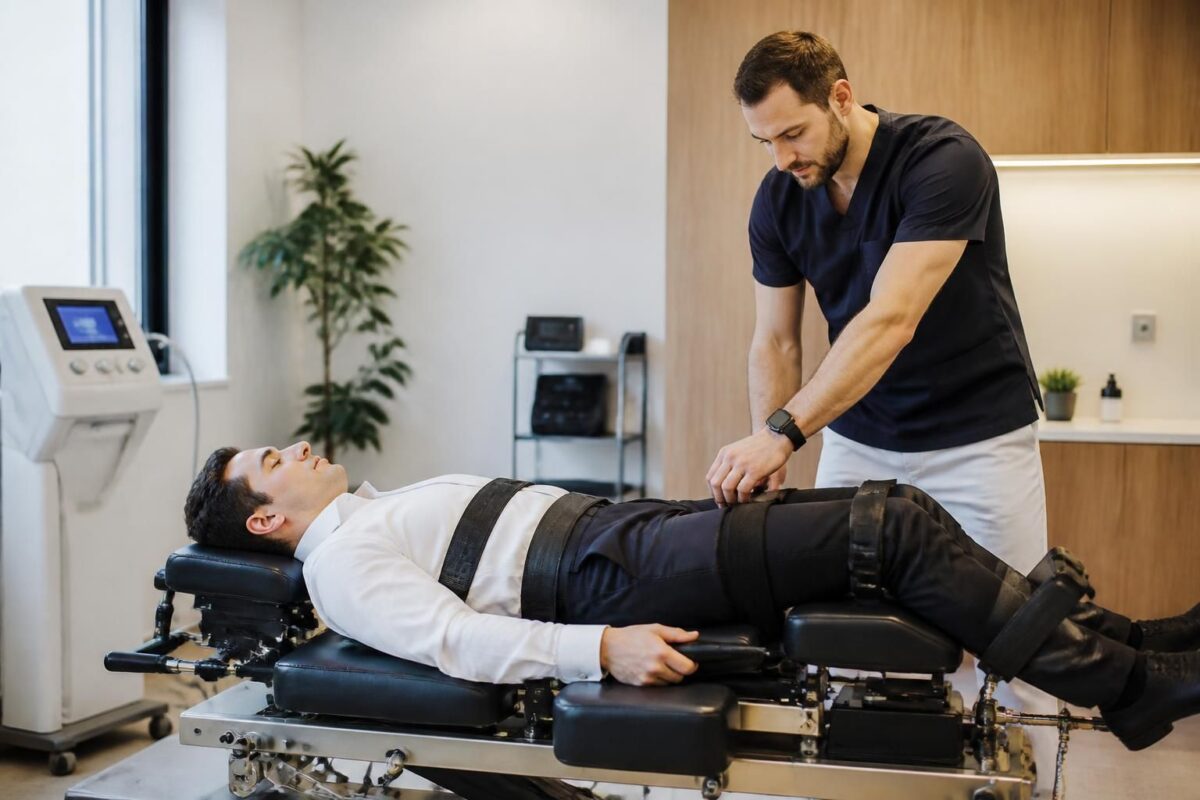
How Neurovertebral Decompression Prevents Diffuse Chronic Pain
In short decompression neurovertebral is one Non-invasive method aimed at reducing the Pressure on the intervertebral discs and the nerves, in order to prevent Diffuse chronic pain. It improves the circulation and thedisc hydration, decreases inflammation and promotes better mobility.…
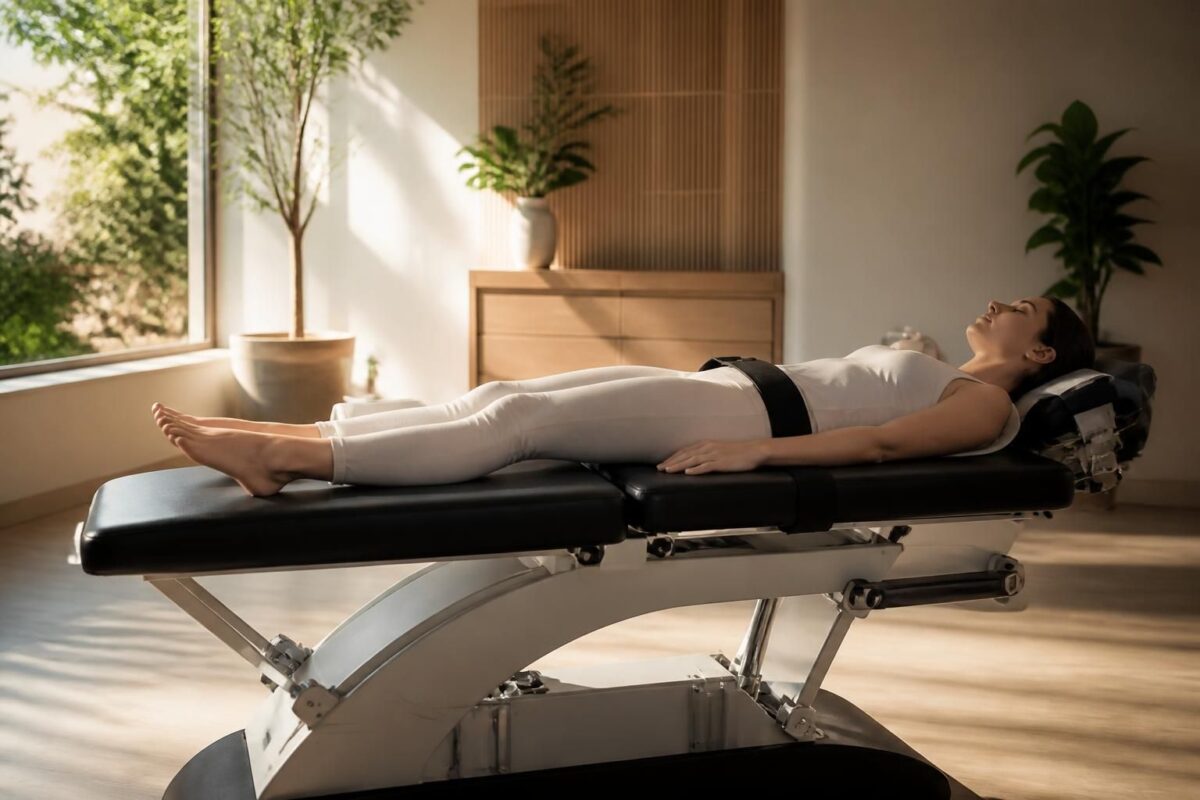
Neurovertebral Decompression and Body Alignment: Restoring Natural Balance
In short In short, neurovertebral decompression is one Non-invasive approach who restores theBody Alignment and thenatural balance back and neck. She acts by a Controlled traction of the spine to widen the intervertebral space and reduce the Pressure on discs…
Advantages and safety compared to surgery
Compared to surgical procedures, the neurovertebral decompression offer a Non-invasive option with some Reduced risks and an Faster recovery. For many people, it represents a privileged step before considering more aggressive treatments.
This approach is designed to fit into a comprehensive care strategy. However, each patient must be carefully evaluated in order to identify possible contraindications and build a Personalized treatment plan which corresponds exactly to his needs.
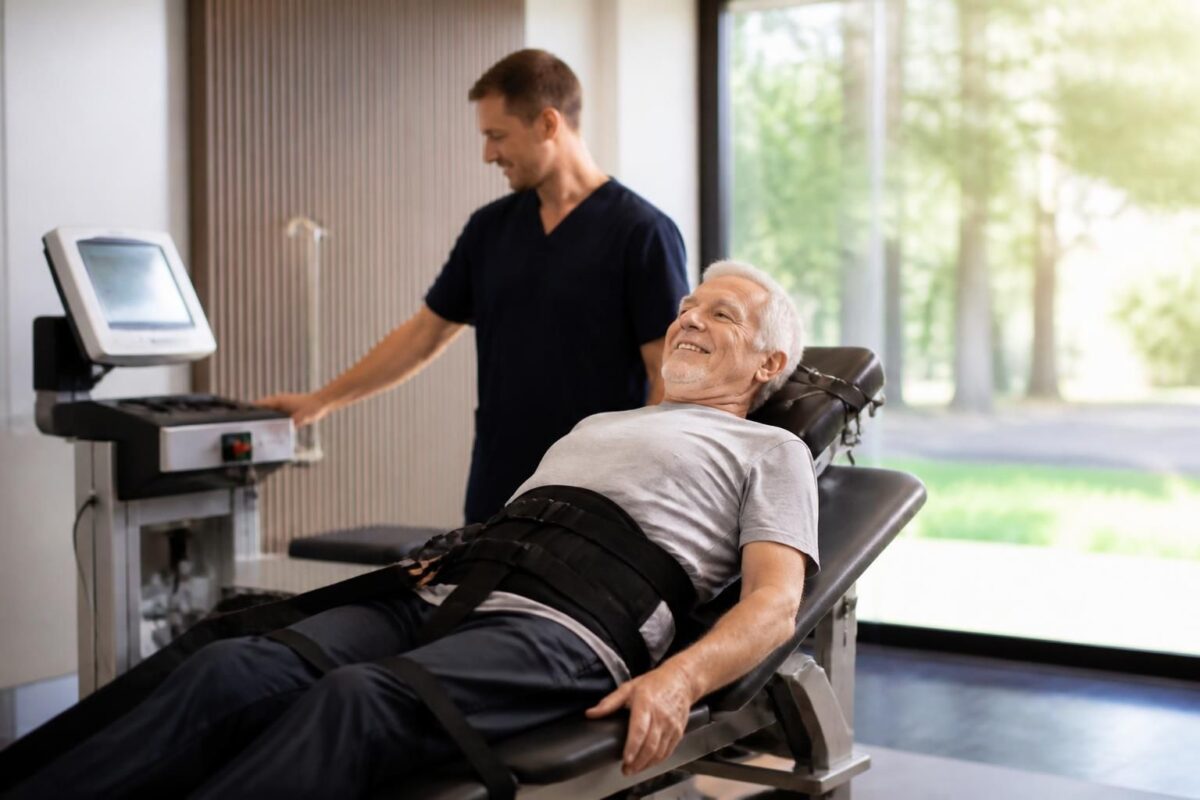
Why neurovertebral decompression is a lasting solution for active seniors
In short In short, the neurovertebral decompression is one Non-invasive therapy which sustainably relieves spinal pain in the spine active seniors By creating, by a Soft and controlled traction, a space between the vertebrae. At Montreal, it is recognized as…
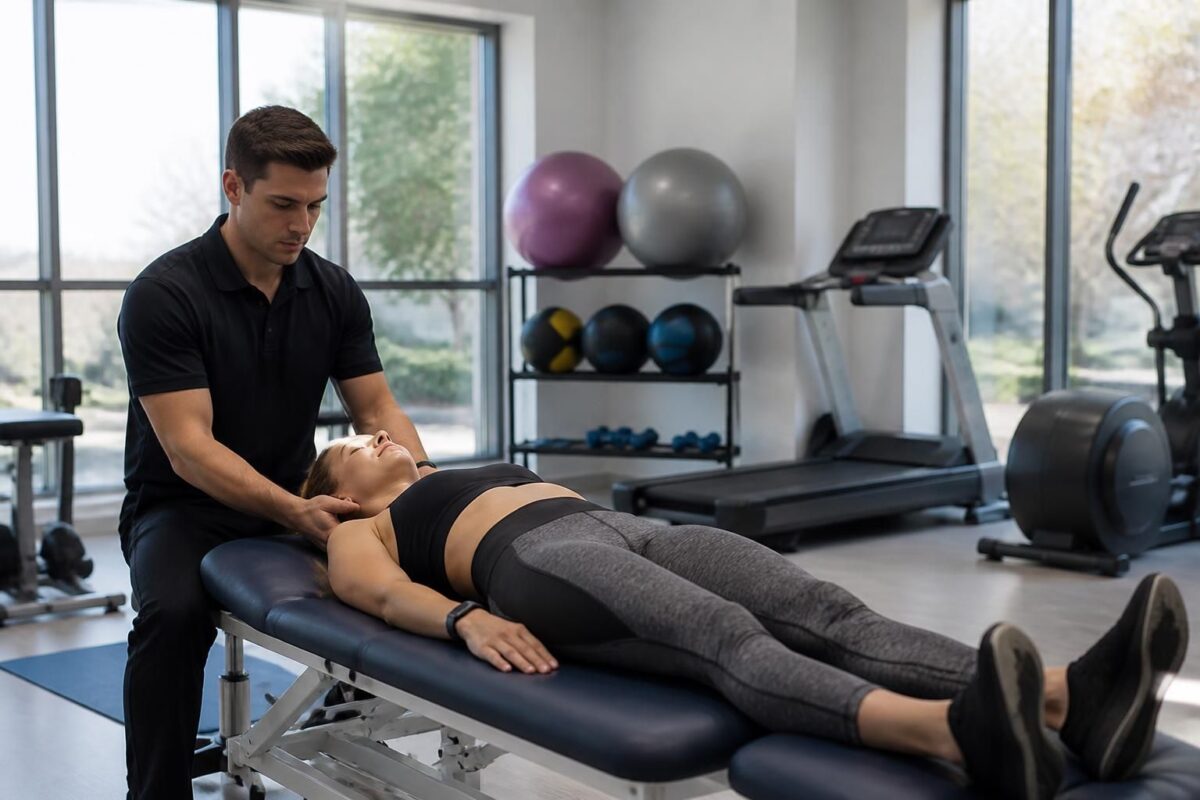
Neurovertebral decompression and recovery after severe sports injury
In short In short, the neurovertebral decompression is one Non-invasive method to Relieve the pressure on the Intervertebral discs and the gristle Via a Controlled traction, to facilitate the recovery After a severe sports injury. It improves the bloodstream towards…
Selection and follow-up process
The first step is a preliminary assessment by a health professional to determine the adequacy of treatment, taking into account symptoms, progression and medical history. A personalized care plan is then developed, with realistic goals and a schedule of sessions adapted to the patient’s tolerance and progression.
Rigorous monitoring allows adjustment of therapy parameters and other complementary approaches when necessary, in order to optimize benefits and prevent relapses.
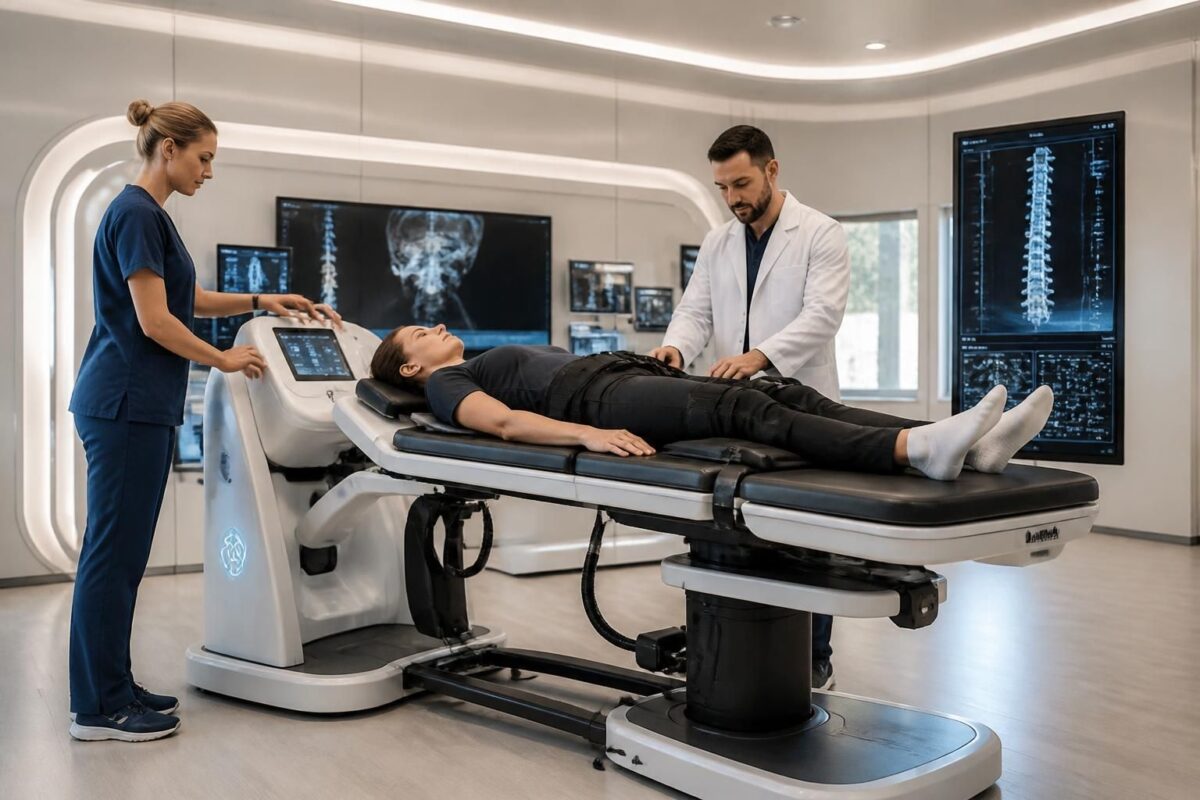
Recent innovations in neurovertebral decompression technologies
In short In short, the neurovertebral decompression is an approach non-invasive Aiming to reduce pressure on discs and nerves, and promote tissue regeneration. At Montreal, it is positioned as an effective option for lower back pain and herniated discs. The…
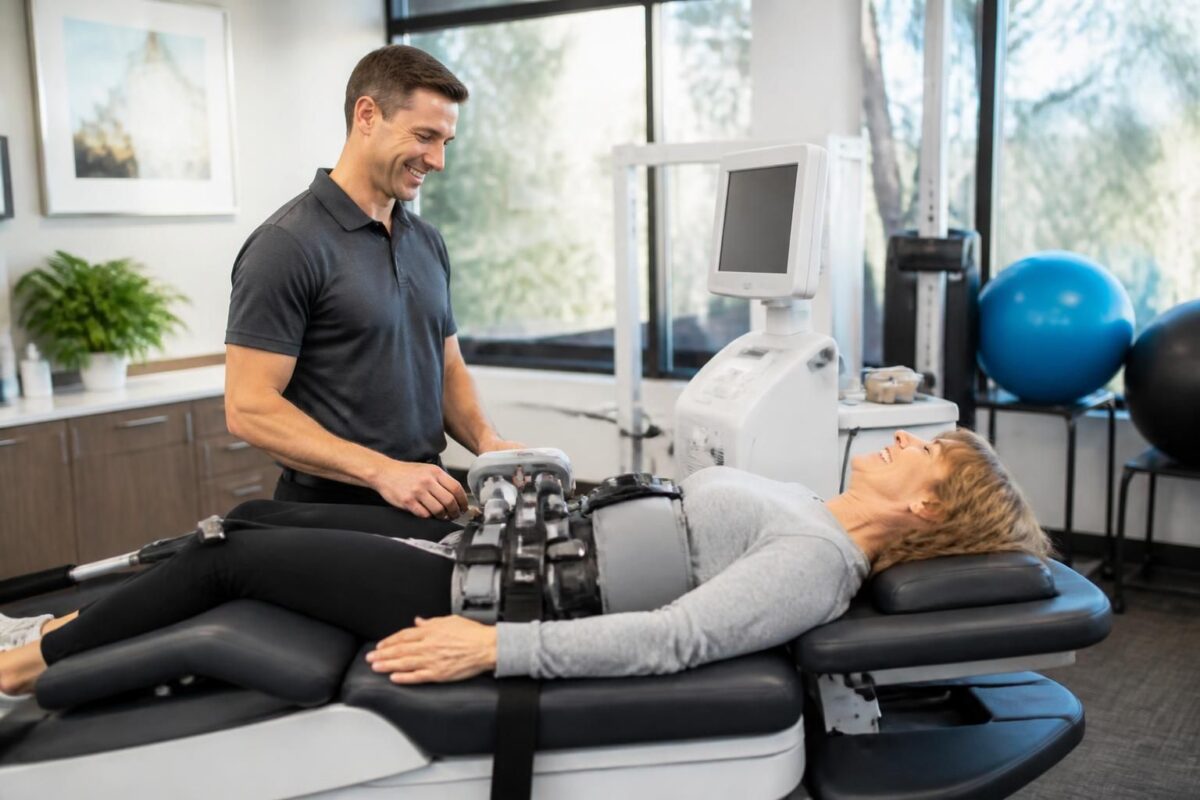
Neurovertebral decompression and diffuse pain: an appropriate solution
In short In short, the neurovertebral decompression is one Non-invasive solution For diffuse pain related to nerve irritation of the spine. She acts in Reducing pressure on intervertebral discs and nerves and improving the bloodstream, which promotes recovery and the…
Integration into a global health approach
Neurovertebral decompression fits ideally into a multidisciplinary strategy that can include Manual therapy, theAdapted physical exercise and measures of stress management. By working on posture, flexibility and muscle strength, we maximize the chances of maintaining the gains and preventing further pressure on the nerves.
Its key role is to treat the mechanical cause of pain by an approach non-invasive, while preparing the ground for preventive measures and better quality of life in the long term.
Why neurovertebral decompression is essential in case of spinal stenosis
| Axis | Concise impact |
|---|---|
| Pressure nervous and discs intervertebral | Quick and lasting pain relief thanks to reduced pressure on nerves and discs |
| Circulation sanguine and nervous nutrition | Improved circulation and nutrition of nerve tissue to accelerate healing |
| Space intervertebral | Creation of a space between the vertebrae to reduce the pressure on the nerves |
| Mobility and amplitude movement | Better flexibility and autonomy in daily gestures |
| Prevention and progression stenosis | Reduction of constraints that promote the evolution towards Chronic pain |
| Alternative non-surgical | Effective option without surgery, with less risk and recovery time |
| Security and non-invasive | Controlled gentle traction with low risk and good tolerance |
| Inflammation and recovery tissue | Reduction of inflammation and acceleration of tissue repair |
| Quality of life and autonomy daily | Regain an active and independent life without persistent pain |
Why neurovertebral decompression is essential for people with spinal stenosis — Testimonials
Marie, 58, executive: “Before, the lower back pain linked to the Spinal stenosis prevented me from sleeping and walking away. After several sessions of neurovertebral decompression, I felt a Sustainable relief and an Mobility found. I am more autonomous on a daily basis and the activities that scared me again became possible. »
Jean, 65, retired: “I can walk further and my nervous pain decreased thanks to the Reduced nerve pressure. The bloodstream In the affected segment improves, this accelerates recovery and reduces inflammation. »
Sophie, 45, mother active: “This approach non-invasive Changed my life: I found my routine, my children and my motivation. The Sustainable relief is real and the inflammatory symptoms decrease rapidly. »
David, 52, entrepreneur: “My doctor was considering surgery, but I tried decompression. avoiding the operation and promoting better mobility, I avoided the risks and resumed my activities at full potential. »
Claire, 63, retired active: “Thanks to the improvement of the circulation And at the decrease in inflammation around the nerves, my movements are more fluid and less painful. Autonomy returns and quality of life improves sustainably. »
Antoine, 40, amateur athlete: “For an athlete, the neurovertebral decompression is an effective solution. The Custom protocols allowed to recover more quickly and to prevent relapses linked to the Spinal stenosis. I can resume training with confidence. »
Sylvain Desforges is a medical practitioner whose approach combines osteopathy, naturopathy and manual medicine. As founding president of the TagMed clinics and the ACMA association, he places innovation at the heart of his practice and strives to provide evidence-based care. Its vision is to support each patient towards better health and a lasting quality of life, by favoring therapeutic solutions that act on the root causes rather than on the symptoms alone.
In this context, neurovertebral decompression occupies a central place for the support of the Spinal stenosis. This non-invasive technique aims to reduce the pressure exerted on the nerves and intervertebral discs by creating a space between the vertebrae. It is part of a global approach to improving neurovascular and tissue exchanges, which directly contributes to reducing inflammation, promoting nervous nutrition and ultimately restoring a more effective nerve function.
On the biomechanical level, decompression is based on a gentle and controlled traction that releases the compressed nerves and restores better physiology of the spine. By increasing the spinal canal space and attenuating intra-discal pressure, it facilitates the passage of nerve signals and improves local blood circulation. This double action — mechanical relief and improvement of tissue irrigation — is essential for people with spinal stenosis, whose pain and movement limitations strongly slow down the daily life.
The observed clinical benefits can be quick and lasting when the treatment is personalized. Many patients report a Significant pain reduction, a Improving mobility And a regained ability to resume activities that were once compromised. By acting on inflammatory factors and optimizing the supply of essential nutrients to nervous tissues, decompression also helps prevent aggravations and recurrences of symptoms. It thus offers a concrete way to a more active and autonomous life, without systematically resorting to surgery.
For Dr. Desforges, the effectiveness of this treatment is not only measured by the initial results, but by the sustainability of the well-being found. This is why each patient receives an in-depth pre-treatment assessment and a care plan personalized, integrated with other complementary approaches such as manual therapy and rehabilitation strategies. This holistic approach aims to treat causes, promote regeneration and support progressive and safe recovery.
As a committed professional, Dr. Desforges focuses on an approach educational and collaborative With his patients, so that everyone understands the why and how of neurovertebral decompression. The objective is clear: durably reduce pain linked to spinal stenosis, restore mobility and allow everyone to reconnect with an active life without noticeable limitation. Its mission remains to provide evidence-based care and attentive listening to optimize health and well-being.
This text highlights why the neurovertebral decompression is essential for people with Spinal stenosis. By acting on the controlled traction of the spine, it aims to reduce the Pressure on intervertebral discs and nerves, which can decrease pain, improve mobility and avoid surgery when possible. Clear sources and practical cases illustrate how this non-invasive approach can transform patients’ quality of life.
The neurovertebral decompression acts mainly by reducing the nervous pressure and releasing the compressed nerves, which results in a noticeable reduction in pain and better mobility. By promoting a better bloodstream and the supply of nutrients to the nerve tissue, this method supports healing and can contribute to tissue regeneration damaged. This reduction in inflammation around the affected areas also contributes to a progressive and lasting recovery for people with spinal stenosis.
In comparison with the more invasive options, neurovertebral decompression is a Non-surgical alternative and priority for many patients. It offers the possibility of Gradual return to daily activities without the risks and recovery times associated with surgery. This non-invasive approach can also limit the prolonged use of analgesics and promote continuous improvement in the quality of life.
Beyond immediate relief, this method is part of a preventive approach by acting on the mechanisms that can lead to recurrences. By correcting spinal imbalances and improving spinal dynamics, it can help reduce recurrent painful episodes and preserve mobility over the long term. To deepen the foundations and benefits, you can consult the following resources:
To understand why neurovertebral decompression is an essential option, read this article.
For a general presentation and an encyclopedic approach, see The dedicated Wikipedia page.
Testimonials and analyzes of the benefits and mechanisms of neurovertebral decompression are available at SOS SCIATIC, as well as on another resource.
For additional information on the impact and results of decompression, see This dedicated content and This medical tourism presentation.
For additional perspectives and practical elements, you can also follow the resources listed below, which address the indications, protocols and benefits felt by patients with Spinal stenosis and other degenerative pathologies:
• Decompression and advanced degenerative pathologies
• Durable solution for recurring pain
• Acute lower back pain – appropriate treatment
To access a practical and educational view on the functional impact and the results obtained, do not hesitate to consult the elements available on the dedicated pages above and to discuss with a qualified health professional to determine the best approach adapted to your situation.

Sylvain Desforges, B.Sc., D.O., N.D., docteur en ostéopathie
Dr Sylvain Desforges, B.Sc., D.O., N.D., osteopath, is the founding president of TAGMED and of the ACMA association. He dedicates his practice to chronic spinal pain, low back pain and symptoms compatible with sciatica, particularly when pain radiates toward the buttock, leg, calf, foot or toes.
Through SOS Sciatique, he publishes educational content on sciatica symptoms, possible causes such as disc herniation, disc narrowing, foraminal stenosis or irritation of a lumbar nerve root, as well as non-surgical approaches that may be considered according to the evaluation. At Clinique TAGMED, care may include, depending on the case, motorized neurovertebral decompression, specific osteopathic care or precision percussion.
For an evaluation related to sciatica treatment in Montreal / Mount Royal or sciatica treatment in Terrebonne, please consult the services available at Clinique TAGMED.
Medical disclaimer
The information published on SOS Sciatique is provided for educational purposes only and does not replace a consultation, diagnosis, opinion or treatment provided by a physician or another authorized healthcare professional. The author of this article is neither a medical doctor nor a specialist in a medical specialty recognized by the Collège des médecins du Québec. The osteopathic, manual medicine or functional support approaches described on this site do not constitute medical acts and are not intended to replace medical follow-up.
Consult a physician or emergency service in cases of loss of bladder or bowel control, anesthesia in the saddle area, significant or progressive weakness in the leg or foot, fever, recent trauma, severe pain or rapid worsening of symptoms. For more details, please read our Legal Notice.