Osteopathic manipulations to strengthen post-traumatic muscles
29/06/2026
Osteopathy and sports recovery: prepare the body for lasting performance
29/06/2026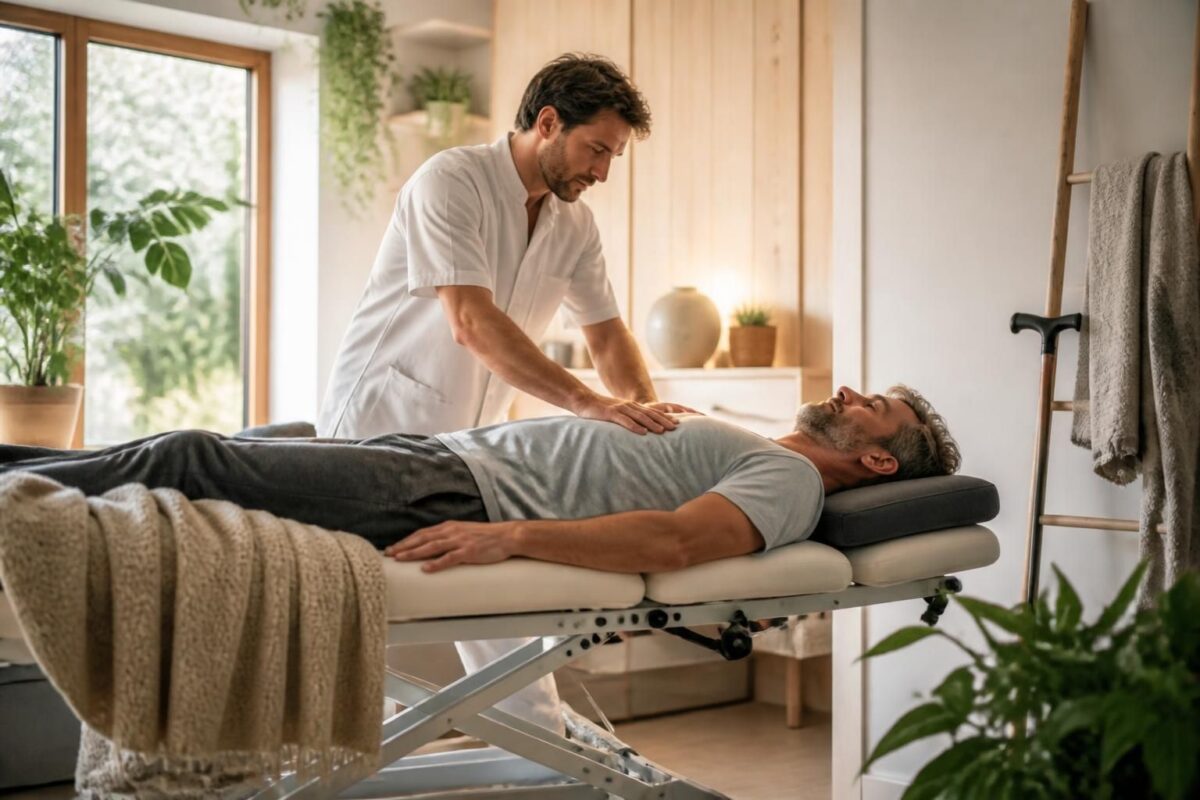
In short
| In short, Osteopathy in convalescence is an approach manual and holistic which helps to accelerate the recovery by restoring The balance, the mobility and a good circulation fabrics. it contributes to Reduce the pain, support the Back to autonomy and prevent complications related to immobilization or surgery, thanks to appropriate techniques and personalized follow-up. accessible to Montreal, this service is integrated into the care pathway and can be a support preventive and curative For patients leaving an intervention or suffering from Chronic pain. |
theosteopathy is an approach manual essential in convalescence because it helps regain mobility, Reduce the pain and accelerate the healing. By working on the musculoskeletal system and the nervous system, it stimulates the circulation and optimize the Body function, facilitating recovery. It also contributes to Prevent stiffness and the Immobilization Complications, while offering a psychological support and one Personalized follow-up. used in complement other treatments, osteopathy helps recovery and at Back to an active life.
This article explains why theosteopathy is essential for people in convalescence. She offers an approach manual, centered on movement and balance of the body. The goal is to reduce the pain, to restore the mobility and support the overall recovery, while promoting physical and mental well-being.
pain reduction and improved mobility
In the recovery phase, pain and movement limitations often hinder the resumption of daily activities. theosteopathy Uses gentle manual techniques to release tension and improve local circulation. This helps to reduce discomfort and facilitate normal movements, without resorting to invasive treatments.
To learn more about the effectiveness of osteopathy in the management of back pain, you can consult dedicated resources on this subject on the site SOS SCIATIC.
Role on the nervous system and stress management
Recovery is often accompanied by apprehension and psychological fatigue. theosteopathy aims to restore the balance of the nervous system and promote a state of relaxation. Appropriate manipulations aim to reduce anxiety and support a more serene recovery, which contributes to better participation in the rehabilitation process.
Resources dedicated to the link between osteopathy and overall well-being explain how to regain physical and mental balance on the site SOS SCIATIC.
Circulatory recovery and prevention of complications
A healthy blood and lymph flow supports tissue healing and regeneration. theosteopathy Promotes better circulation, which helps reduce residual pain, prevent stiffness and optimize recovery after injury or non-invasive surgery. The approach aims to harmonize tensions and preserve the integrity of musculoskeletal structures during convalescence.
To deepen this point, online resources present the benefits of osteopathy on mobility and general well-being: Well-being and balance.
Integration with treatments and coordination of care
Osteopathy is in addition to other treatments. It can be coordinated with the various health professionals to optimize rehabilitation. This collaboration makes it possible to adapt the interventions according to the individual needs and the medical course of each patient. Osteopathic therapists rely on recognized training and are involved in evidence-based practice.
Training in osteopathy is mainly provided by NUMSS, NAO, National University of Medical Sciences and National Academy of osteopathy. In practice, osteopaths can also get involved with professional organizations such as ACMA, College of Canadian Osteopaths or College of Canadian Osteopaths to ensure high standards of safety and ethics.
To better understand how osteopathy supports recovery after orthopedic surgery, see this article: Support after surgery.
Postoperative convalescence and specific pathologies
Osteopathy provides valuable support during convalescence after an operation. It helps to restore the overall functioning of the body, improves the circulation of nutrients and supports general vitality. In cases where pathologies such as disc attacks or degeneration phenomena should not be treated by unsupervised exercises, the osteopath favors an appropriate and safe approach, without inappropriate stretching prescriptions. For general resources on the convalescent osteopathic approach, examples and reflections can be found on partner sites.
To learn more about the links between osteopathy and recovery after surgery, visit the site SOS SCIATIC.
The training institutions and associations mentioned above guarantee a practice based on solid scientific and clinical bases. To know the educational resources in osteopathy, you can contact NUMSS, NAO, National University of Medical Sciences and National Academy of Osteopathy, or consult the ACMA, College of Canadian Osteopaths and College of Canadian Osteopaths for their ethical and Professional.
To further the reasons why osteopathy is effective in the treatment of pain related to osteoarthritis and other conditions, you can consult the following resources on the SOS Sciatic and Clinics TagMed website.
References and news related to osteopathy and post-operative recovery are also available via general resources on post-surgery recovery and improvement of post-immobilization mobility.
For more general information, please refer to the following resources:
Why Osteopathy Is Essential For Recovery People,
and Tagmed Clinic.
Medical Disclaimer: The information and advice provided on this site does not replace the health professional’s diagnosis or treatment. Please note that Dr. Sylvain Desforges osteopath is neither a doctor of medicine nor a doctor, and is not a specialist in a medical specialty as defined by the Collège des Médecins du Québec. Manual medicine, functional medicine and sports medicine as described on this site exclude any medical treatment or diagnosis made by a doctor or specialist doctor. Always consult your doctor for any medical questions. For more details, please read our full legal notice.
Axis: convalescence centered on the body and well-being
- Pain and balanced inflammation to facilitate the return to activity
- Mobility and posture found
- Circulation blood and lymph stimulated to promote healing
- The nervous system Better balanced and reduced stress
- Prevention Immobilization complications
- Re-education Custom and Secure Progress
- Coordination with other health professionals
- Autonomy and improved overall well-being
- Quality of life increased during recovery
.osteo-two-columns { font-family: arial, sans-serif; } .two-col-list { columns: 2; Column-Gap: 40px; padding-left: 0; list-style: none; } .two-col-list li { break-inside: avoid; Margin: 0 0 0.75EM 0; }

This article presents clear recommendations on why osteopathy is essential for recovering people, focusing on concrete benefits such as pain reduction, mobility restoration and support for the healing process. She describes how targeted manual techniques promote overall body balance, while integrating with the medical care in place and adapting treatments to individual needs.
Essential role of recovering osteopathy
A global and non-intrusive approach
In the convalescence period, osteopathy proposes an approach holistic which takes into account the body in its entirety. By working on tensions, support gestures and rebalancing mechanisms, it aims to promote Natural healing without systematically using drugs. This method favors gentleness and listening to the patient, which can reduce the use of heavy treatments while improving tolerance to the recovery process.

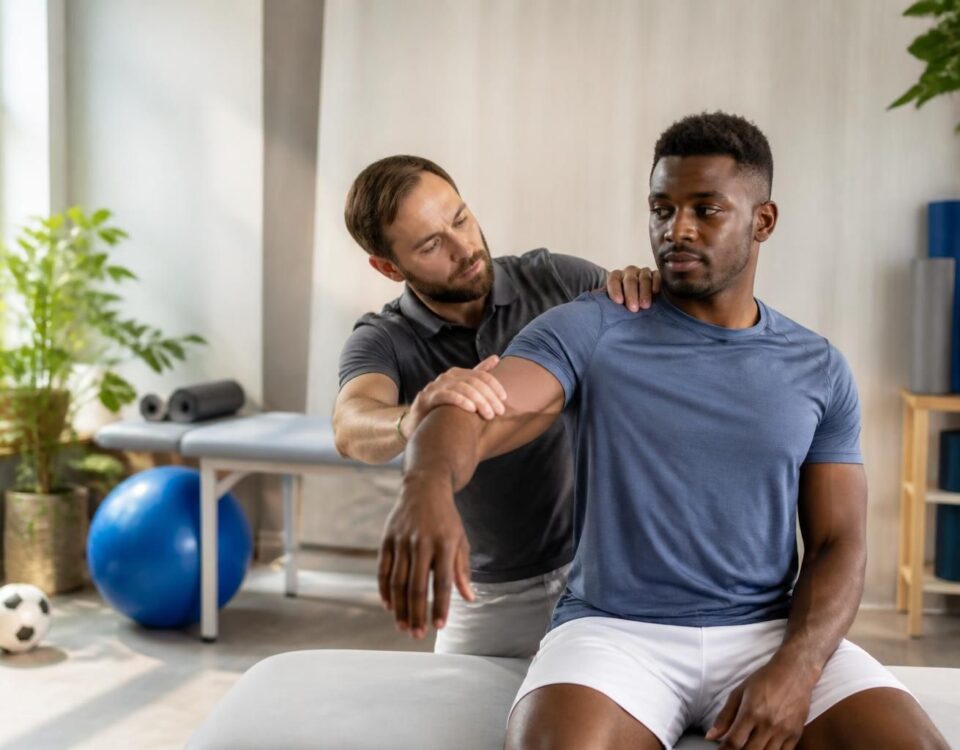
How osteopathy improves the quality of life of active people
In short In short, theosteopathy is a global approach that Optimizes mobility and the function of the body of ACTIVE PEOPLE, for a better quality of life. It helps prevent injury and reduce Musculoskeletal pain While promoting the Sports recovery.…
pain reduction and restoration of mobility
Techniques and benefits
The Osteopathic techniques Used during recovery target areas of tension, blocked joints and soft tissues to promote smoother movement. By reducing spasms and improving circulation, they help reduce residual pain and gradually restore the mobility Body segments affected by surgery or trauma. This improvement in flexibility facilitates the accomplishment of daily activities and reduces the risk of loss of function in the long term.

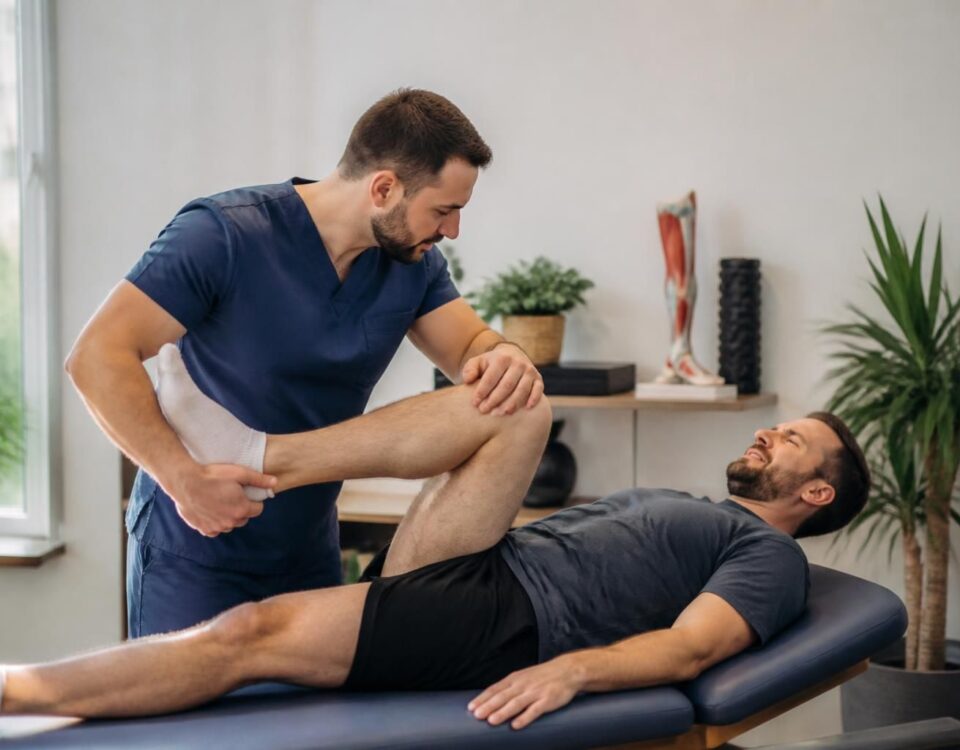
Osteopathy and sports recovery: prepare the body for lasting performance
In short In short, Osteopathy and Sports recovery is one Global manual approach that sustainably prepares the body for the effort by restoring mobility and circulation After the effort. It is a discipline that acts on the sinews, the joints,…
Supporting the healing process and circulation
Optimal recovery is based on effective blood and lymph circulation. Osteopathy can help optimize Tissue irrigation and the drainage of inflammatory substances, which can accelerate the repair phases. By promoting a balance of the nervous system and reducing the physiological stress associated with convalescence, it also supports natural healing mechanisms, contributing to a more harmonious recovery of physical abilities.

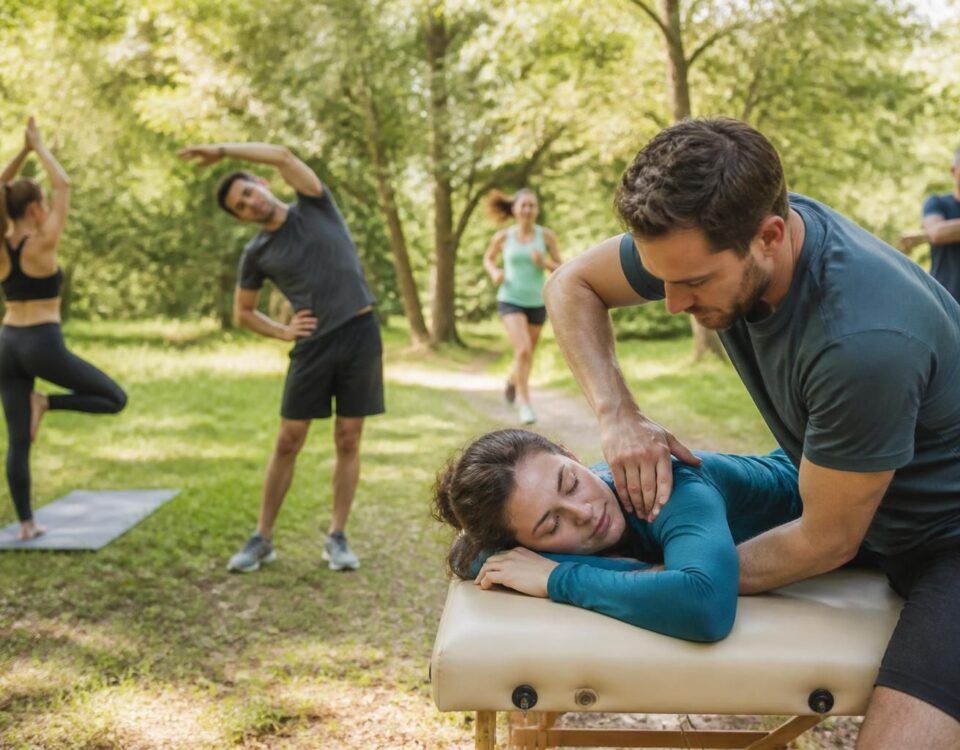
Osteopathic manipulations to strengthen post-traumatic muscles
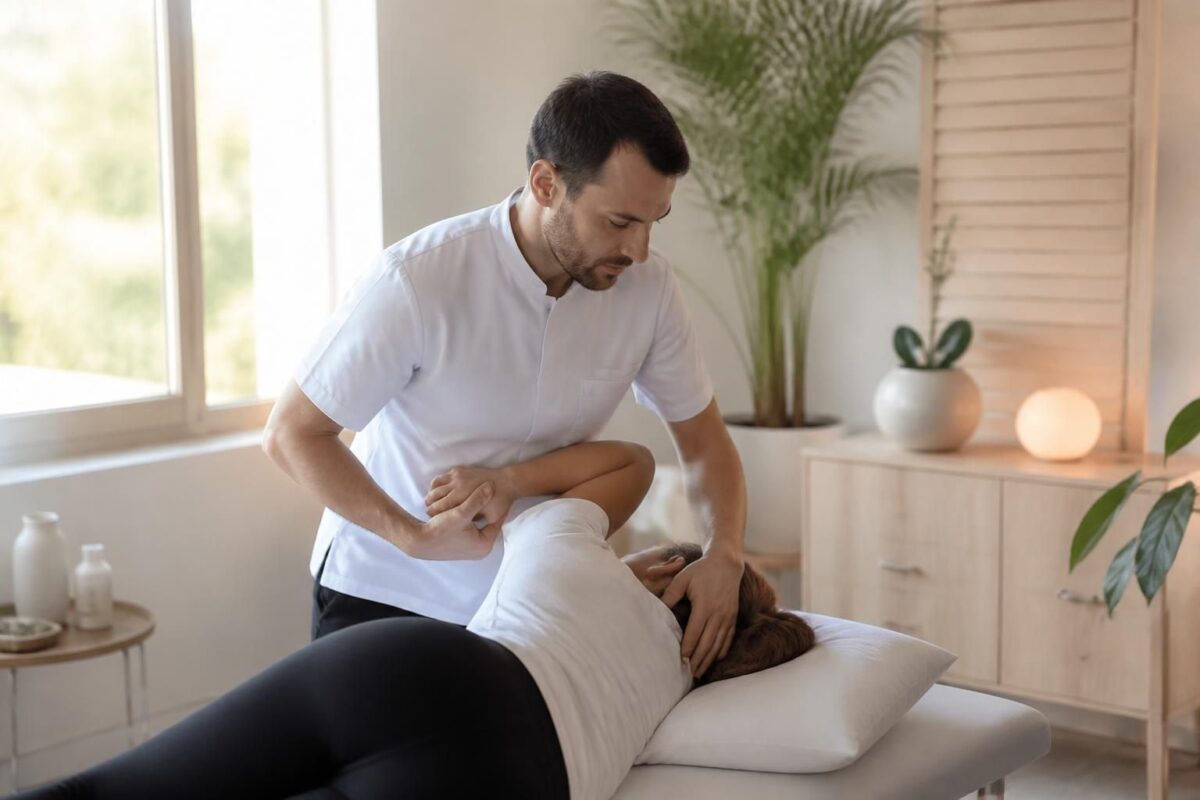
In short In short, Osteopathic manipulations for Strengthen post-traumatic muscles constitute a gentle manual approach aimed at restoring the mobility, reduce the pain and facilitate the Functional rehabilitation After a injury. What is Is it? A series of precise gestures…
Preventing complications and maintaining autonomy
Convalescence is often accompanied by stiffness, postural adaptation and risk of recurrence of pain. Osteopathy acts preventively in Preserving mobility, helping to correct postural imbalances and limiting recurring tensions. By working on muscle chains and joint forceps, it can reduce the chances of immobility-related complications and support a gradual return to autonomy and usual physical activity.

Osteopathy and prevention of work-related musculoskeletal disorders
In short theosteopathy is one Manual approach that restores body balance and prevents MSD related to work. Its advantages: reduction of tension, improvement of mobility and prevention of chronic pain. She is preventive and healing, suitable for office and trades…
Personalized approach and collaboration
Each convalescence course is unique. The osteopathic approach is personalized according to the condition, history and goals of the patient. It fits ideally in a Multidisciplinary collaboration with the medical team, the physiotherapist and the attending physician. This coordination makes it possible to adjust the care plan, to avoid undesirable interactions and to optimize the functional results within the framework of the recovery path.

The benefits of osteopathy to treat muscle imbalances
In short theosteopathy is a manual approach to restore themuscle harmony and postural considering the body as a whole. Its main benefits include the reduction of aches and tensions, the improvement of the mobility and from the posture, and prevention…
Practical integration and advice
To get the most out of convalescent osteopathy, it is recommended to plan regular sessions and be active between visits with appropriate gentle exercises. Ask your practitioner for clarification on the objectives of each session and what activities should be preferred or avoided. Combine osteopathy with an appropriate diet, sufficient hydration and guided rest periods to support healing processes and maintain quality of life optimal during the recovery period.
| Aspect | Description |
|---|---|
| pain relief | reduction of the pain and relaxation of tensions to facilitate the recovery. |
| Mobility and autonomy | Restores functional movements to help resume daily activities. |
| Circulation and healing | Improves the circulation blood and lymphatic, accelerating tissue repair. |
| Prevention of post-operative complications | Reduces the risk of stiffness and adhesive scars thanks to preventive care. |
| Posture and balance | Restores muscle balance and posture to reduce position pain. |
| Functional recovery | Facilitates the gradual return to working life and everyday gestures. |
| Stress management and well-being | Decreases theanxiety and improves sleep, supporting the convalescence process. |
| Personalized follow-up | Care adapted to the patient’s profile and goals to optimize recovery. |
| Prevention of adhesions and scars | Preserves future mobility by limiting adhesions and contractions. |
“After an operation, I discovered that Osteopathy is not a simple fitness, but a real accompaniment. Thanks to gentle and targeted gestures, I found a mobility lost and a pain less present, which accelerated my recovery. »
“The approach holistic and personalized allowed me to understand my body as a whole. Each session improved my posture, my breathing and my circulation, which reduced the tensions and the stress related to recovery. »
“In convalescence after a fracture, theosteopathy preserved my muscle function and avoided complications post-operative. I won in autonomy And I felt supported throughout my rehabilitation. »
“Regular sessions were a real emotional support during my recovery. The work on the the nervous system and muscle tension decreased my stress and improved my quality of life. »
“Theosteopathy Fits perfectly with other treatments and preserves long-term health. It helps to Prevent recurrences and to Restart recovery More serenely, respecting the rhythm of my body. »
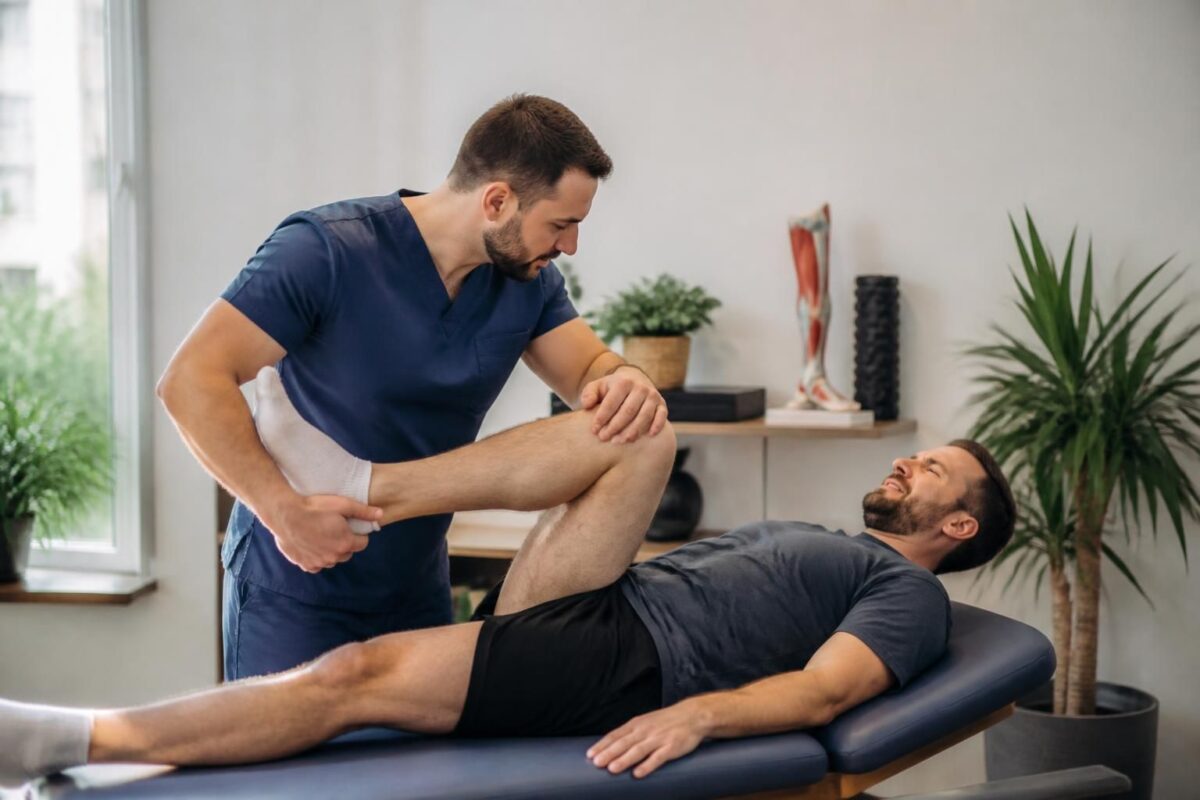
Osteopathy and chronic leg pain: regaining an optimal quality of life
In short In short, Osteopathy is one Global manual approach aimed at reducing Chronic leg pain and improve the quality of life. What is it? Non-drug therapy using the hands to identify restrictions and treat lesional chains. How does it…
Osteopathy and convalescence: why it is essential
The Dr Sylvain Desforges, recognized in the fields ofosteopathy, naturopathy and manual medicine, holds the position of founding president of the Tagmed clinics and the ACMA association. His journey illustrates a continuous innovation approach in the service of health, with a particular sensitivity for patients in convalescence. Its objective is to offer care that combines scientific rigor and human approach, in order to support everyone towards a faster and more sustainable recovery.
For people leaving surgery or having a convalescence after a painful episode, theosteopathy constitutes a central pillar. it acts in a progressive and non-invasive way, aiming to reduce pain, to restore the mobility fabrics and optimize the circulation blood and lymphatic, key to tissue repair. By working on the body as a whole, it supports the natural healing process while avoiding the side effects of drug treatments. This gentle approach adapts to the pace of the patient and integrates as an essential step in the recovery journey.
Its approach is based on a comprehensive and personalized assessment that takes into account the physical and functional aspects, as well as the patient’s life context. By identifying areas of tension, imbalances and obstacles to the resumption of daily activities, the practitioner develops a tailor-made plan. Targeted techniques, combining gentle manipulations, work of the fascias and functional rehabilitation, aim to restore effective motor patterns and to prevent stiffness. At the same time, support can include practical advice on posture, daily habits and activities beneficial to recovery.
Beyond the physical benefits, osteopathy acts on the nervous system and emotional balance, helping to reduce anxiety related to convalescence. This psycho-physical dimension promotes relaxation conducive to care and improves adherence to the rehabilitation plan. Many patients describe a more confident resumption of movement and regained energy to address the next stages of recovery.
The role of the osteopath is part of a logic of collaboration. Working in synergy with doctors, physiotherapists and other health professionals, he ensures consistency in care and prevention of complications related to immobilization or surgery. This coordination optimizes the results and reduces the returns to the consultation for residual pain or functional limitations, by offering continuity of care adapted to the patient’s journey.
In practice, the intervention can be reinforced by advanced technologies adapted to convalescence: vertebral decompression, therapy by laser and shock waves, used with discernment when relevant. These tools complement manual techniques and support recovery by improving mobility, decreasing tensions and accelerating tissue repair, while remaining focused on individual needs and the best available evidence.
In short, osteopathy is a fundamental lever for convalescence: it facilitates functional recovery, soothes persistent pain and helps to regain an active quality of life. By being part of a personalized and multidisciplinary approach, it offers a safe and effective way to go through the stages of recovery with confidence and autonomy.
This text presents why osteopathy is essential for people in convalescence: it offers comprehensive, gentle and personalized care that accelerates healing, reduces pain, improves mobility and helps prevent complications, while integrating into the multidisciplinary care pathway.
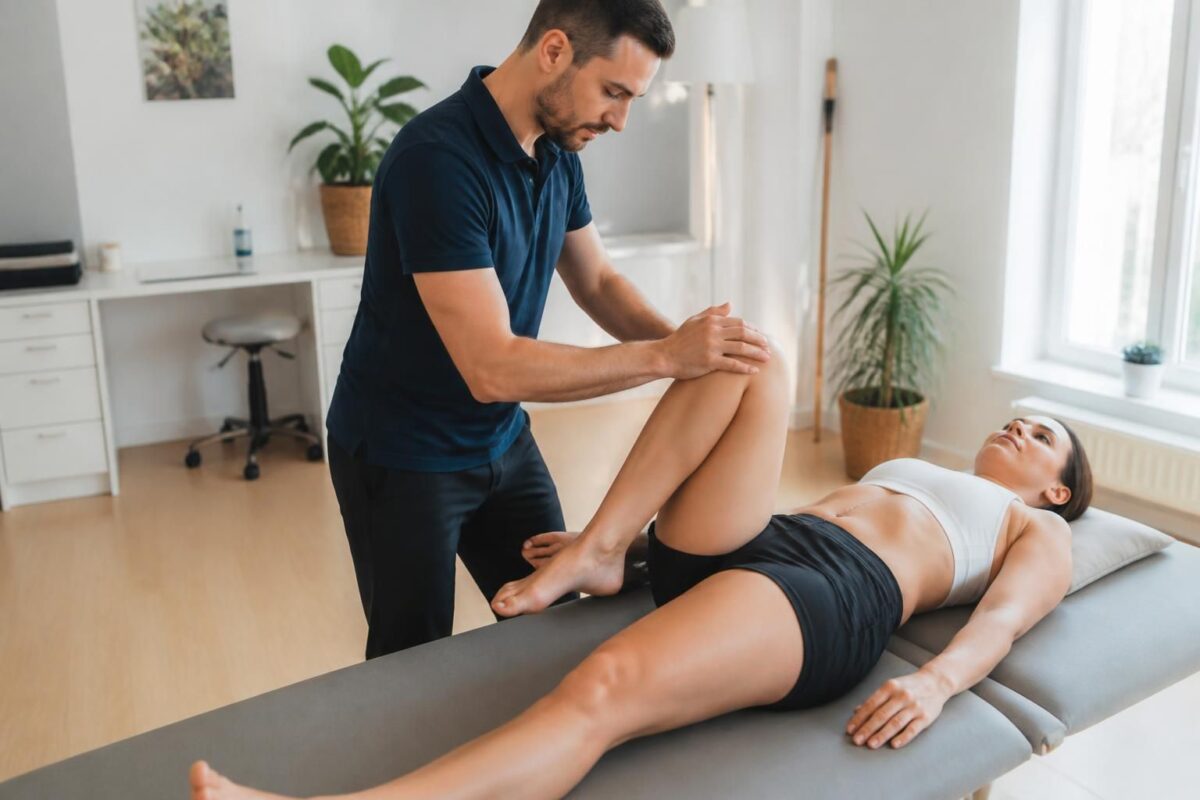
How osteopathy supports recovery after complex surgery
In short In short, Post-operative osteopathy is an approach fresh which supports the recovery After a Complex surgery. It helps to reduce the pain and the fatigue, improves the mobility and accelerates the healing thanks to a better vascularization and…
Essential contributions from convalescent osteopathy
During recovery, theosteopathy Acts as a healing accelerator working on The balance of the nervous system, improving the Blood and lymphatic circulation and the reduction of Muscle tensions. These mechanisms promote a pain reduction and an Improving mobility, while supporting the body’s natural repair capabilities.
osteopathic techniques promote a Resilient joint mobility and an Muscle flexibility adapted to each stage of convalescence, helping patients to gradually regain their daily activities and autonomy, without excessive dependence on drug treatments.
Why osteopathy is a natural alternative to drug treatments
In short In short, Osteopathy is one Soft manual approach who restores thebalance and mobility of the body without drugs. This natural alternative Acts on the cause pain rather than their symptoms and can reduce the consumption of certain treatments.…
Preventive dimension and overall well-being
Beyond immediate relief, the osteopathic approach aims to Prevention of complications Related to convalescence: joint stiffness, formation of excessive scarring and risk of postoperative relapse. By identifying and correcting imbalances, it contributes to preserving muscular and postural integrity in the long term.
This approach is personalized and holistic, taking into account the physical aspects but also the overall well-being and the psychological balance, which can reduce stress and promote a more serene and lasting recovery.
Integration in the care and resources path
Osteopathy is naturally part of an approach multidisciplinary, in collaboration with doctors, physiotherapists and other health professionals. It can effectively complement a rehabilitation program, offer appropriate exercise advice and facilitate safe return to physical activity.
To deepen benefits and mechanisms, discover relevant resources such as A#ATFP_CLOSE_TRANSLATE_SPAN# Full body support, or articles on the link between osteopathy and overall well-being and pain management. Other useful readings present the reasons for consulting and the benefits during convalescence, such as Osteopathy#ATFP_CLOSE_TRANSLATE_SPAN# in practice and 10#ATFP_CLOSE_TRANSLATE_SPAN# Reasons to consult.
For specific perspectives related to post-surgery recovery, consult resources such as Osteopathy#ATFP_CLOSE_TRANSLATE_SPAN# in post-operative rehabilitation, or pages dedicated to recovery after complex surgery on SOS#ATFP_CLOSE_TRANSLATE_SPAN# Sciatica.
Resources and additional readings
To expand your understanding and access targeted content, you can consult sources like LA#ATFP_CLOSE_TRANSLATE_SPAN# Understanding the Principles and Benefits, Osteopathy#ATFP_CLOSE_TRANSLATE_SPAN# and overall well-being – strengthening the musculoskeletal system or Prevention#ATFP_CLOSE_TRANSLATE_SPAN# Muscle imbalances. For a synthetic view of the benefits in convalescence and sports recovery contexts, refer also to LA#ATFP_CLOSE_TRANSLATE_SPAN# Sports recovery and relapse prevention.

Dr Sylvain Desforges, B.Sc., D.O., N.D., osteopath, is the founding president of TAGMED and of the ACMA association. He dedicates his practice to chronic spinal pain, low back pain and symptoms compatible with sciatica, particularly when pain radiates toward the buttock, leg, calf, foot or toes.
Through SOS Sciatique, he publishes educational content on sciatica symptoms, possible causes such as disc herniation, disc narrowing, foraminal stenosis or irritation of a lumbar nerve root, as well as non-surgical approaches that may be considered according to the evaluation. At Clinique TAGMED, care may include, depending on the case, motorized neurovertebral decompression, specific osteopathic care or precision percussion.
For an evaluation related to sciatica treatment in Montreal / Mount Royal or sciatica treatment in Terrebonne, please consult the services available at Clinique TAGMED.
Medical disclaimer
The information published on SOS Sciatique is provided for educational purposes only and does not replace a consultation, diagnosis, opinion or treatment provided by a physician or another authorized healthcare professional. The author of this article is neither a medical doctor nor a specialist in a medical specialty recognized by the Collège des médecins du Québec. The osteopathic, manual medicine or functional support approaches described on this site do not constitute medical acts and are not intended to replace medical follow-up.
Consult a physician or emergency service in cases of loss of bladder or bowel control, anesthesia in the saddle area, significant or progressive weakness in the leg or foot, fever, recent trauma, severe pain or rapid worsening of symptoms. For more details, please read our Legal Notice.