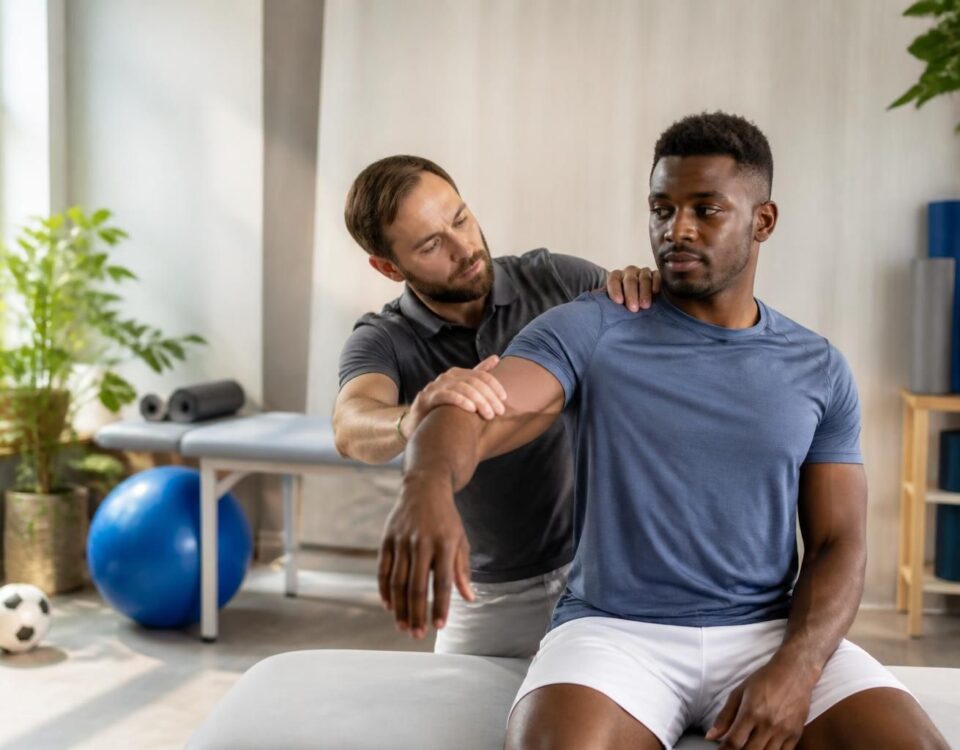
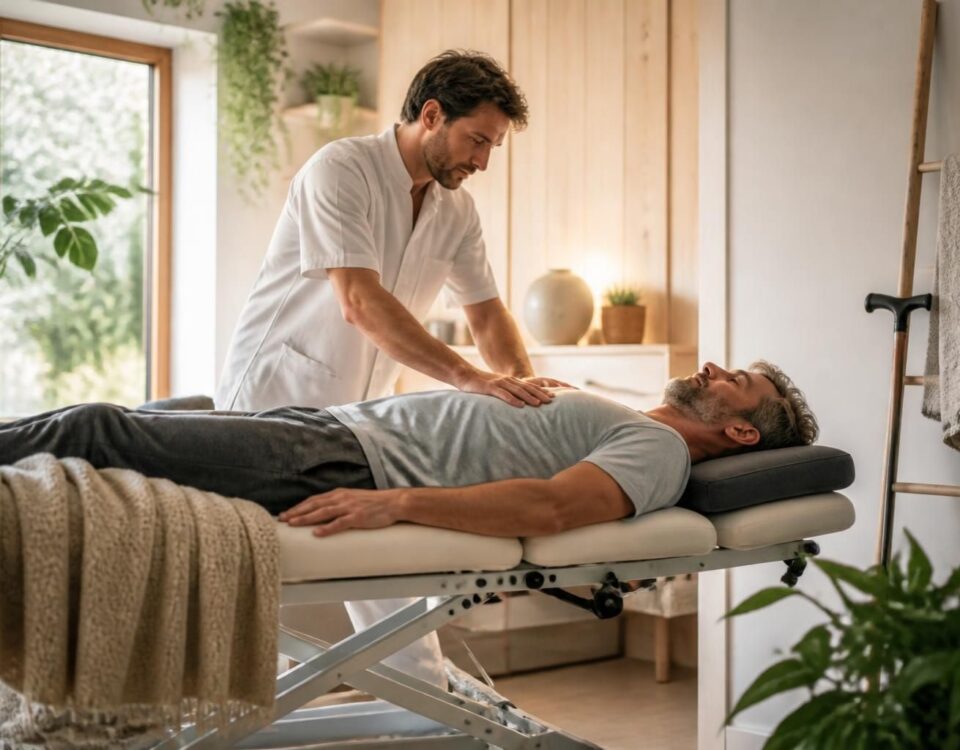
Écouter notre Podcast Découvrez un podcast innovant consacré à l’univers fascinant de l’ostéopathie, une discipline de la médecine manuelle qui allie savoir-faire technique et vision holistique du corps humain. […]
EN BREF
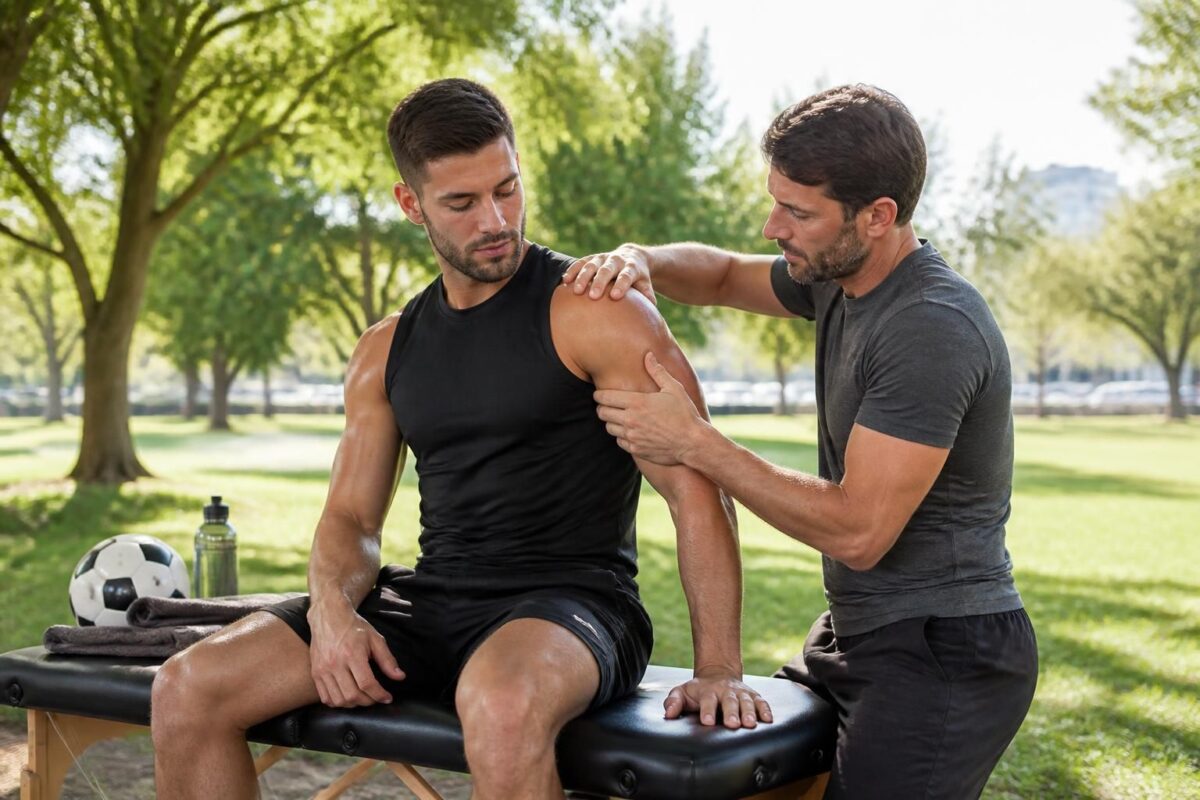
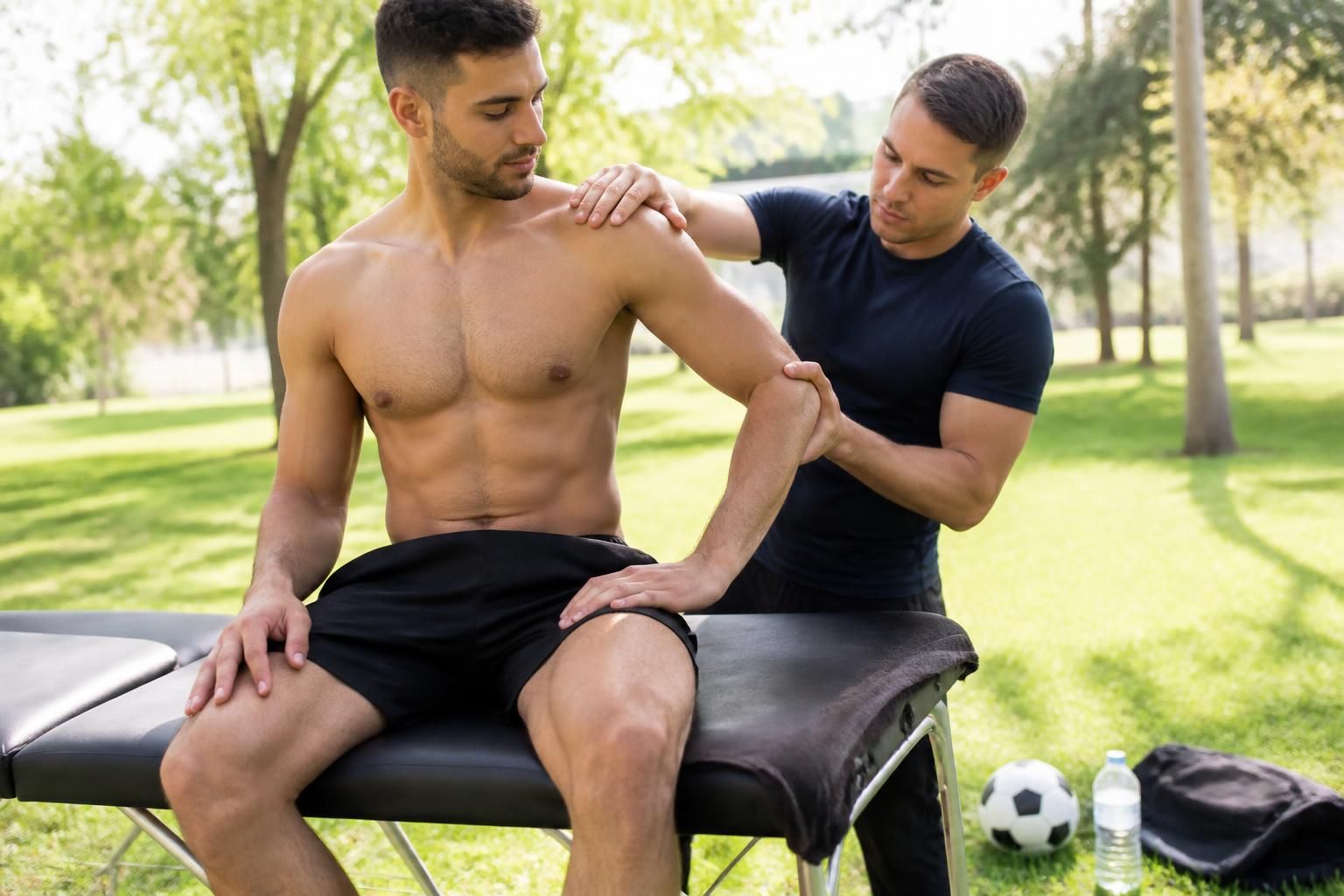
En bref, l’ostéopathie et récupération sportive est une approche holistique qui vise à optimiser la récupération et la performance après l’effort. Elle agit sur les tensions musculaires, la mobilité et la circulation pour réduire les douleurs post-effort, accélérer le retour à l’entraînement et prévenir les blessures. Son fonctionnement repose sur un bilan personnalisé et des techniques douces qui améliorent la circulation sanguine et lymphatique , la respiration et le sommeil. Accessible à Montréal , ce service répond aux sportifs souhaitant maximiser leurs gains tout en protégeant leur corps.
L’ostéopathie appliquée à la récupération sportive permet de maximiser la performance en agissant comme un partenaire préventif et de récupération. Grâce à une approche globale et manuelle , elle libère les tensions, améliore la circulation sanguine et lymphatique, et rétablit la mobilité , la respiration et l’équilibre du système nerveux. Cela favorise une récupération plus rapide , une diminution des douleurs post-effort et une réduction du risque de blessures. En intégrant l’ostéopathie dans le programme d’entraînement, le corps retrouve son alignement et sa proprioception , soutenant aussi le sommeil et la gestion du stress pour un retour à l’effort plus efficace.
Cet article, rédigé par un professionnel de l’ostéopathie, explore comment l’ostéopathie peut optimiser la récupération après l’effort et, ainsi, maximiser la performance . Nous expliquons les mécanismes clés — circulation, tension musculaire, équilibre postural et gestion du système nerveux — et proposons une approche concrète pour intégrer cette pratique dans une routine sportive, afin de prévenir les blessures et favoriser un retour rapide à l’entraînement.
Comprendre l’importance de la récupération dans le sport Après chaque effort, le corps subit des microtraumatismes. Fibres musculaires et tendons se remettent en place, le système nerveux se réadapte et l’inflammation doit se résorber. Une récupération négligée peut entraîner des douleurs persistantes, une diminution des performances et un risque accru de blessure. Une bonne récupération est donc une phase active de réparation et de préparation au prochain entraînement.
Comment l’ostéopathie soutient la récupération Grâce à une approche globale , l’ostéopathie agit sur plusieurs plans essentiels. Les techniques manuelles ciblent les restrictions articulaires et les tensions musculaires, ce qui améliore la circulation sanguine et lymphatique, et favorise l’évacuation des métabolites post-effort. Le travail sur le diaphragme et sur le système nerveux aide à libérer le stress physiologique et à restaurer un état de repos propice à la régénération tissulaire. Cette action coordonnée facilite un retour plus rapide à la performance , tout en respectant les rythmes naturels du corps. Pour approfondir les mécanismes, vous pouvez consulter des ressources dédiées à l’ostéopathie et à la récupération sportive sur les sites spécialisés cités ci-dessous.
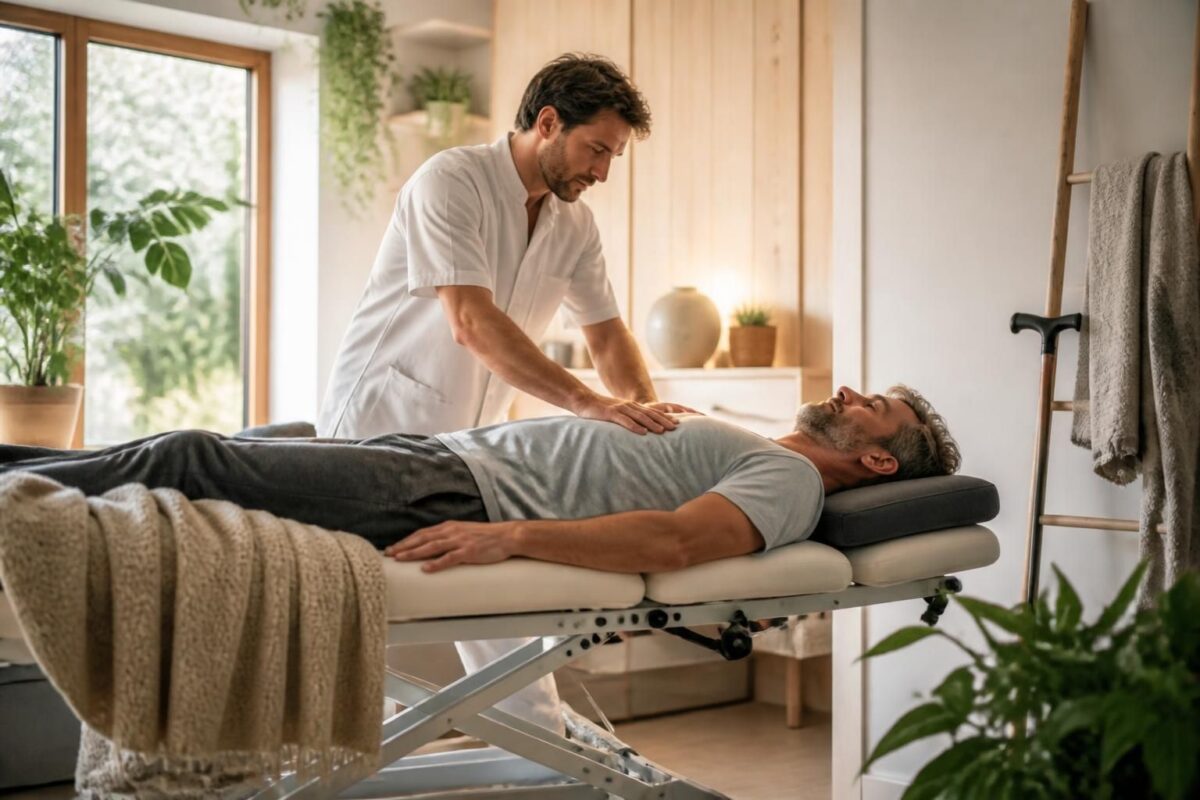
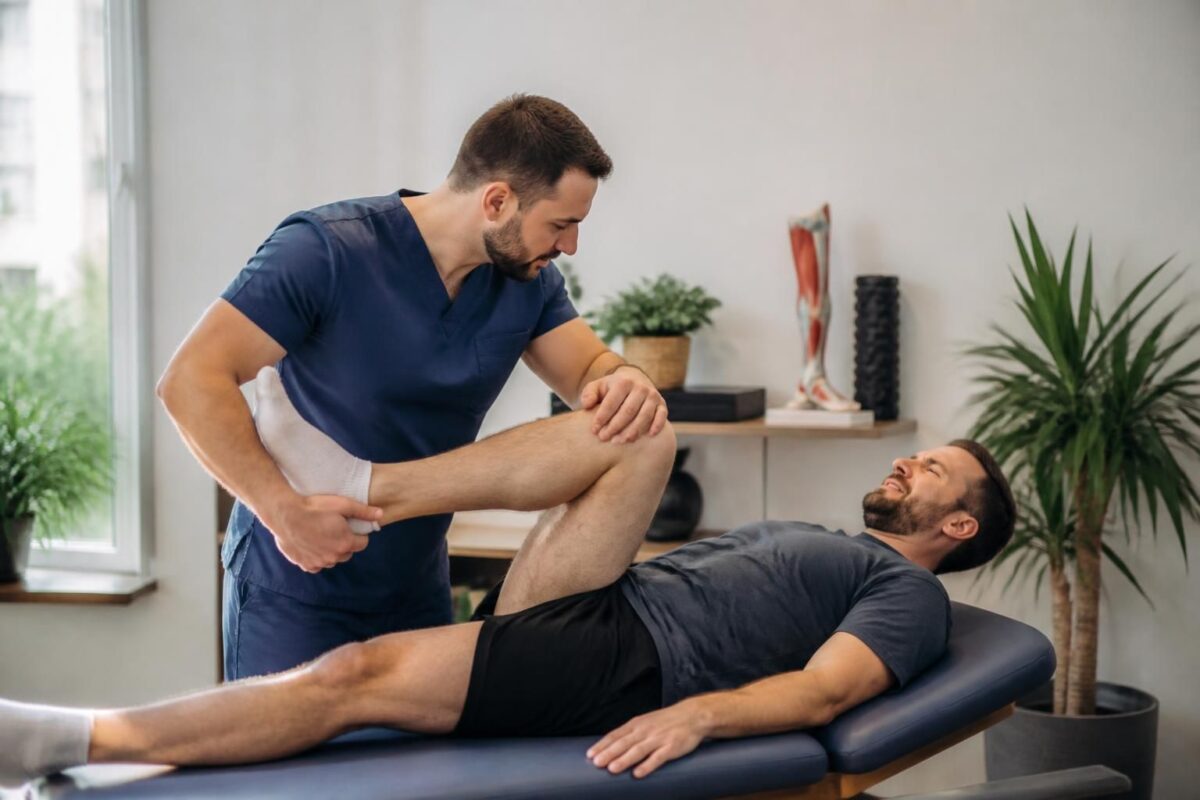
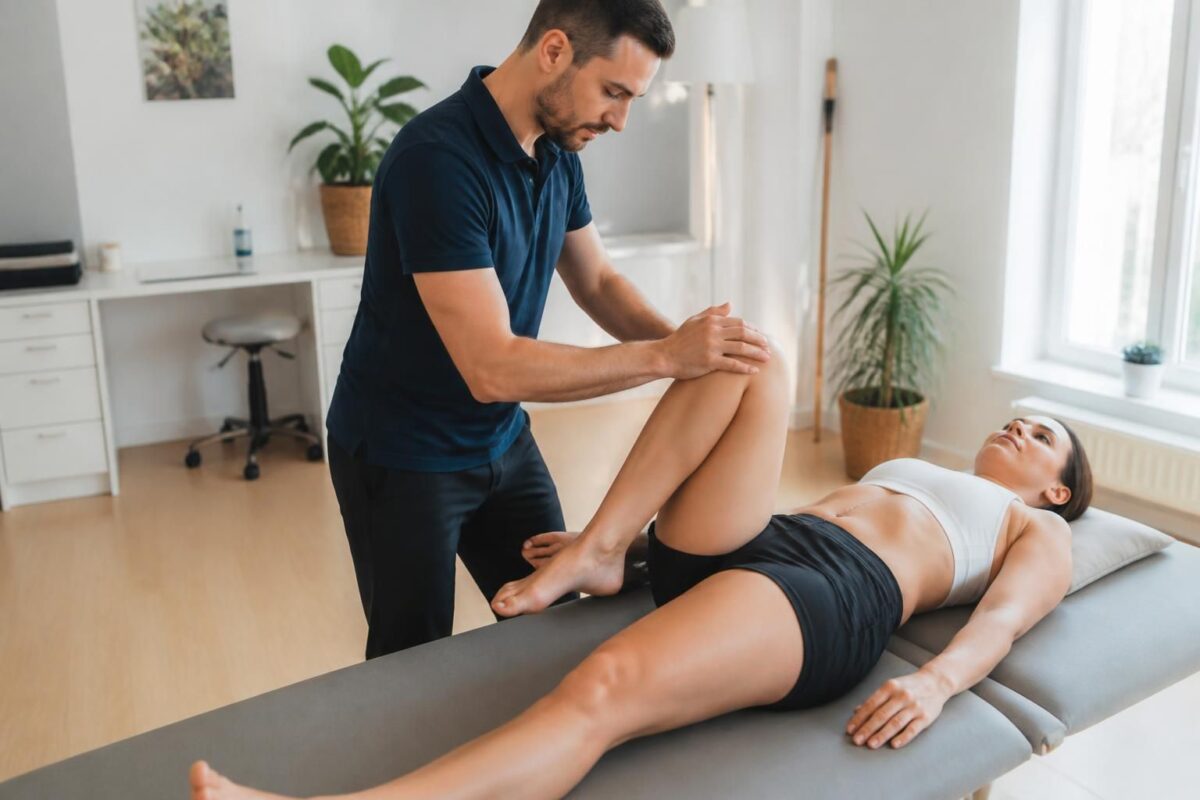
Exemple pratique: après une phase d’entraînement soutenue, une consultation ostéopathique peut contribuer à détendre les chaînes musculaires, à relancer la circulation et à stabiliser la mobilité, sans nécessiter de gestes invasifs. Cette approche prévient les blocages récurrents et aide à maintenir une progression durable.
Intégrer l’ostéopathie dans votre programme de récupération Pour tirer le meilleur parti de l’ostéopathie, intégrez-la de manière régulière et planifiée. Une consultation préventive peut être envisagée toutes les 4 à 6 semaines, particulièrement lors de périodes de charge accrue. Après un effort intense, une séance peut accélérer la récupération et réduire les douleurs post-effort. Avant une compétition importante, une séance ciblée peut optimiser la mobilité et la fonction respiratoire et circulatoire, sans que cela ne se transforme en une séance d’entraînement supplémentaire.
Des ressources complémentaires expliquent comment l’ostéopathie s’inscrit dans une stratégie globale de récupération et de prévention des blessures. Pour en savoir plus sur les mécanismes et les bénéfices, visitez les pages dédiées à l’ostéopathie et à la récupération sportive sur les sites spécialisés, notamment Ostéopathie et douleurs aux omoplates — approche ciblée et Bienfaits de l’ostéopathie pour apaiser les tensions musculaires localisées . Vous pouvez aussi consulter l’article du Dr Desforges pour une perspective complémentaire.
Bonnes pratiques complémentaires pour optimiser la récupération En parallèle de l’ostéopathie, adoptez des habitudes simples et efficaces pour soutenir la récupération. Hydratation régulière et remplacement des électrolytes après l’effort, qualité du sommeil (7 à 8 heures par nuit) et gestion du stress contribuent à une régénération plus rapide. Privilégiez des aliments anti-inflammatoires et riches en antioxydants pour soutenir les tissus et limiter les réactions inflammatoires. Enfin, privilégiez des temps de repos actif et des périodes de récupération structuré afin de permettre au corps de reconstruire et de s’adapter.
Pour compléter ces conseils, explorez les ressources suivantes qui abordent l’impact de l’ostéopathie sur la récupération et la prévention des douleurs musculaires :
Comment l’ostéopathie agit sur les douleurs musculaires diffuses
Récupération après une intervention chirurgicale
Clinique TAGMED — informations complémentaires sur les prestations ostéopathiques liées à la récupération sportive.
Pour des contenus supplémentaires sur l’optimisation de la récupération et la prévention des déséquilibres, consultez également les ressources suivantes :
Récupération après une intervention
Décompression neurovertébrale
Notez que les approches de l’ostéopathie s’inscrivent dans une démarche globale. Elles ne remplacent pas un avis médical et doivent être coordonnées avec votre médecin traitant.
Avis de non-responsabilité médicale et texte légal:
« Avis de non-responsabilité médicale : Les informations et conseils fournis sur ce site ne remplacent pas l’avis, le diagnostic ou le traitement d’un professionnel de la santé. Veuillez noter que le Dr Sylvain Desforges ostéopathe n’est ni docteur en médecine ni médecin, et n’est pas spécialiste dans une spécialité médicale telle que définie par le Collège des médecins du Québec. La médecine manuelle, la médecine fonctionnelle et la médecine sportive telles que décrites sur ce site excluent tout traitement ou diagnostic médical fait par un médecin ou un médecin spécialiste. Consultez toujours votre médecin pour toute question médicale. Pour plus de détails, veuillez lire notre Avis Légal complet. »
Mobilité et alignement : libérer les tensions pour des gestes plus efficacesCirculation et drainage : oxygénation rapide et élimination des toxinesRespiration et diaphragme : meilleure ventilation, endurance accrueSystème nerveux : réduction du stress et récupération du reposRécupération post-effort : protocole personnalisé, retour rapidePrévention des blessures : corriger déséquilibres, limiter les récidivesHydratation et nutrition anti-inflammatoire : soutien de la régénérationPlanification préventive : séances régulières pour maintenir la formeCette synthèse présente comment l’ostéopathie peut aider à optimiser la récupération après l’effort et à maximiser la performance , en agissant sur les tensions, la circulation, la mobilité et la qualité du sommeil, tout en limitant les risques de blessure.
Comprendre l’enjeu de la récupération Après l’effort, le corps subit des microtraumatismes qui nécessitent une restitution active . Sans repos régénérateur, la fatigue s’accumule, les performances stagnent et les risques de blessure augmentent. La récupération ne se résume pas à l’immobilité: elle implique des mécanismes physiologiques de réparation et de régulation qui préparent le corps à la prochaine séance.
Rôle de l’ostéopathie dans la récupération Une approche globale et douce permet de relancer la circulation sanguine et lymphatique, de libérer les tensions musculaires et articulaires, et d’apaiser le système nerveux. Résultat: une récupération plus rapide , une diminution des douleurs post-effort et une meilleure tolérance à la charge d’entraînement.
Les leviers concrets pour maximiser la performance Pour tirer pleinement parti de l’ostéopathie, combinez-la avec des habitudes simples et efficaces. Hydratation et nutrition anti-inflammatoire soutiennent la régénération musculaire et la réduction de l’inflammation. Privilégiez les fruits rouges, les légumes verts, les poissons gras et les noix, tout en limitant les aliments ultra-transformés.
Le sommeil joue un rôle clé dans la réparation des tissus et la consolidation des adaptations. Visez des nuits régulières et suffisant en durée, idéalement entre 7 et 9 heures.
Le travail sur la respiration et la mobilité améliore l’oxygénation, la posture et l’amplitude des gestes. Des exercices doux de diaphragme et des étirements post-séance favorisent une récupération efficace et préservent les performances futures.
En parallèle, la récupération active (déplacements légers, mouvements doux) aide à évacuer les toxines et à réactiver la circulation, tout en réduisant les raideurs. La prévention des blessures passe aussi par une supervision ostéopathique régulière, qui détecte et corrige les déséquilibres avant qu’ils ne deviennent problématiques.
Quand et comment intégrer l’ostéopathie dans votre routine Avant une compétition, une séance quelques jours avant peut libérer les limitations, optimiser la mobilité et améliorer la fonction respiratoire et circulatoire. Après un effort intense, privilégiez une séance axée sur la détente musculaire et la relance de la circulation pour accélérer le retour à l’entraînement.
En prévention, envisagez une consultation régulière, par exemple toutes les 4 à 6 semaines, afin de maintenir l’équilibre biomécanique et de limiter les fluctuations liées à la charge d’entraînement. Adoptez une approche proactive plutôt que réactive pour soutenir durablement votre performance.
Conseils pratiques pour une récupération optimale Intégrez une’,
VIDEO
En résumé, l’ostéopathie du sport offre une approche naturelle et personnalisée pour optimiser la récupération , soutenir la performance et prévenir les blessures, en agissant sur les tensions, la circulation, la mobilité et le sommeil.
Axe Impact concis Détente musculaire et posture Détente ciblée et libération des tensions post-effort pour retrouver rapidement la mobilité .Circulation et drainage Circulation sanguine et lymphatique stimulées pour accélérer la récupération.Mobilité et posture Corrige les restrictions et prévient les compensations qui freinent la performance. Respiration et oxygénation Respiration et oxygénation améliorent l’endurance et la récupération tissulaire.Gestion du stress et sommeil Rééquilibre le système nerveux pour favoriser le repos réparateur. Prévention des blessures Dépistage et correction des déséquilibres avant qu’ils ne deviennent douloureux. Préparation pré-compétition Libération des tensions et optimisation de la mobilité pour un départ fluide. Récupération active et repos Combinaison de récupération active et de repos pour accélérer la régénération. Suivi personnalisé et évaluation Bilan initial et réévaluations pour ajuster le programme selon les besoins.
Témoignages : Ostéopathie et récupération sportive pour maximiser la performance « Depuis que j’intègre l’ostéopathie après mes séances, ma récupération est plus rapide et mes performances s’envolent semaine après semaine. » — Claire, triathlète amateur, 32 ans.
« Les séances ont amélioré ma mobilité et ma posture sur le terrain. Les tensions diminuent rapidement et mes étirements gagnent en efficacité, ce qui me permet d’aborder chaque entraînement avec plus de fluidité. » — Hugo, joueur de rugby, 26 ans.
« Après trois semaines d’accompagnement, mes douleurs post-effort ont nettement diminué et je récupère beaucoup plus vite entre les séances d’entraînement. Mon niveau de fatigue générale est aussi mieux maîtrisé. » — Fatima, coureuse sur route, 29 ans.
« Pour mes compétitions, l’assistance ostéopathique est un véritable levier pour prévenir les blessures et optimiser la respiration et la cadence pendant l’effort. Je me sens plus sûr et plus aligné. » — Julien, nageur compétitif, 24 ans.
« En intégrant des consultations régulières, j’ai pu augmenter progressivement le volume d’entraînement sans ressentir de douleurs récurrentes. Mon corps répond mieux et mes séances deviennent plus productives. » — Léa, sportive polyvalente, 31 ans.
« Mon esprit et mon corps sont plus solides. Grâce à ce suivi, ma carrière sportive se prolonge et je me sens plus résistant face aux sollicitations répétées de l’entraînement. » — Thomas, athlète master, 45 ans.
Dr. Sylvain Desforges , expert en ostéopathie naturopathie et médecine manuelle , est le président fondateur de TAGMED et de l’association ACMA . Son parcours est guidé par une quête d’innovation dans les soins de santé et par une approche clinico-scientifique visant l’optimisation de la santé et du bien-être de chacun. Dans le domaine de la récupération sportive , il conjugue rigueur diagnostique et recommandations pratiques pour permettre aux athlètes de repousser leurs limites tout en respectant les rythmes du corps.
Fort de son expérience, il considère que la performance ne se résume pas à l’entraînement: elle s’appuie sur une récupération efficace et sur la suppression des déséquilibres qui freinent le mouvement. Grâce à une approche globale et énergétiquement adaptée , il intègre des outils qui accélèrent la régénération, améliorent la circulation et réduisent les tensions post-effort. Son objectif est clair: permettre une reprise progressive et durable des activités sportives, avec un accent sur la prévention des rechutes et des blessures.
La pratique s’appuie sur une approche globale du corps: tension musculaire, mobilité articulaire, respiration et équilibre nerveux sont évalués ensemble pour identifier les causes profondes des limitations. Cette démarche s’inscrit dans une vision de la biomécanique du mouvement, où chaque geste répétitif peut produire des déséquilibres. En ciblant ces points sensibles, le médecin optimise la proprioception et la coordination, tout en facilitant des gestes plus fluides et efficaces sur le long terme.
Pour les sportifs, l’intégration des technologies avancées est un véritable atout. La décompression vertébrale peut favoriser la récupération et la mobilité de la colonne, le laser thérapie par ondes de choc soutient la guérison des structures douloureuses. Associées à des techniques manuelles, ces interventions visent à stimuler la circulation sanguine et lymphatique, à réduire l’inflammation et à accélérer le retour à l’entraînement dans des conditions optimales.
La démarche s’adresse à tous les profils sportifs: amateurs souhaitant éliminer les inconforts, athlètes de haut niveau cherchant à optimiser chaque séance, et jeunes sportifs en croissance qui nécessitent un appui biomécanique adapté. Chaque protocole est personnalisé selon le sport, le niveau et les objectifs, avec des conseils concrets sur le sommeil, l’hydratation et une alimentation anti-inflammatoire qui soutiennent la récupération. Récupération active et rééducation deviennent ainsi des partenaires indissociables de la progression et de la performance durable.
Ce médecin offre une alliance entre science et pratique humaine , plaçant le patient au cœur d’un cheminement vers une récupération efficace et durable. Découvrez son approche et les services disponibles en clinique TAGMED pour maximiser votre performance tout en protégeant votre corps et votre bien-être.
Dans cet article, nous explorons comment l’ostéopathie appliquée à la récupération sportive peut maximiser la performance . En ciblant les tensions, la circulation et la régulation du système nerveux, elle facilite le retour à l’entraînement, réduit les douleurs post-effort et contribue à prévenir les blessures sur le long terme.
En pratique, l’ostéopathie sportive agit comme un levier global: elle améliore la mobilité , favorise la respiration diaphragmatique , optimise la circulation et apaise le système nerveux, ce qui permet un retour à l’effort plus rapide tout en diminuant le risque de blessure.
Intégrer ces soins dans le plan d’entraînement, c’est planifier des séances pré-compétition, post-effort et en période de charge afin de maintenir l’équilibre biomécanique et de prévenir les déséquilibres qui s’accumulent avec l’entraînement. Cette démarche proactive vise à préserver la capacité d’entraînement sur le long terme et à limiter les fluctuations de performance liées à la fatigue.
Les résultats attendus incluent une récupération plus rapide, une diminution des douleurs et une amélioration de la performance durable grâce à une adaptation progressive et respectueuse des rythmes du corps. L’approche ne se borne pas à traiter un symptôme, elle vise à rétablir l’harmonie globale afin que les gestes techniques, la posture et l’endurance puissent se coordonner plus efficacement.
Pour maximiser l’impact, associez l’ostéopathie à des habitudes concrètes: hydrater correctement, privilégier le sommeil réparateur, adopter une alimentation anti-inflammatoire et privilégier des périodes de récupération active. Cette synergie soutient la récupération et prolonge la performance dans la durée. Pour approfondir, consultez ces ressources pourquoi l’ostéopathie est une alternative efficace aux médicaments ostéopathie et bien-être global — une approche personnalisée ostéopathie et récupération — un allié des sportifs amateurs
FAQ
Ostéopathie
Qu’est-ce que l’ostéopathie viscérale?
L’ostéopathie viscérale est une approche qui cible les organes internes pour améliorer leur fonction et réduire les tensions associées.
L’ostéopathie peut-elle être utilisée chez les enfants?
Oui, les techniques ostéopathiques sont adaptées pour traiter les troubles musculosquelettiques chez les enfants et les nourrissons.
Quels sont les avantages de l’ostéopathie pour les troubles digestifs?
L’ostéopathie viscérale peut améliorer le fonctionnement des organes digestifs, réduisant les ballonnements et autres inconforts.
Quels sont les risques associés à l’ostéopathie?
Les risques sont rares et minimes, mais certains patients peuvent ressentir une légère douleur ou fatigue temporaire après une séance.
Quels sont les bienfaits de l’ostéopathie pour les douleurs liées à l’âge?
Elle aide à maintenir la mobilité, réduit les douleurs articulaires et améliore la qualité de vie des personnes âgées.
L’ostéopathie est-elle adaptée aux personnes âgées?
Oui, l’ostéopathie est douce et adaptée aux besoins spécifiques des personnes âgées pour traiter les douleurs chroniques et améliorer leur mobilité.
Quels sont les objectifs de l’ostéopathie?
L’objectif principal est de restaurer l’équilibre et la fonction du corps pour améliorer la santé globale.
Quels types de troubles musculosquelettiques l’ostéopathie peut-elle traiter?
Elle traite les hernies discales, les sciatiques, les douleurs articulaires, les troubles posturaux et les tensions musculaires.
Quels sont les bienfaits de l’ostéopathie pour les douleurs thoraciques?
Elle libère les tensions musculaires et articulaires dans la région thoracique, réduisant les douleurs et améliorant la respiration.
L’ostéopathie est-elle reconnue par les professionnels de santé?
Oui, elle est reconnue comme une approche efficace pour traiter les troubles fonctionnels et musculosquelettiques.
Références 722490
Q38GGQBC
1
apa
20
default
39969
https://www.sossciatique.com/wp-content/plugins/zotpress/
%7B%22status%22%3A%22success%22%2C%22updateneeded%22%3Afalse%2C%22instance%22%3Afalse%2C%22meta%22%3A%7B%22request_last%22%3A0%2C%22request_next%22%3A0%2C%22used_cache%22%3Atrue%7D%2C%22data%22%3A%5B%7B%22key%22%3A%22Y9FFL9ZG%22%2C%22library%22%3A%7B%22id%22%3A722490%7D%2C%22meta%22%3A%7B%22creatorSummary%22%3A%22Frittoli%22%2C%22numChildren%22%3A1%7D%2C%22bib%22%3A%22%26lt%3Bdiv%20class%3D%26quot%3Bcsl-bib-body%26quot%3B%20style%3D%26quot%3Bline-height%3A%202%3B%20padding-left%3A%201em%3B%20text-indent%3A-1em%3B%26quot%3B%26gt%3B%5Cn%20%20%26lt%3Bdiv%20class%3D%26quot%3Bcsl-entry%26quot%3B%26gt%3BFrittoli%2C%20D.%20C.%20%28n.d.%29.%20%26lt%3Bi%26gt%3BEffectiveness%20of%20osteopathic%20treatment%20on%20infantile%20colic%26lt%3B%5C%2Fi%26gt%3B.%20Retrieved%20January%2014%2C%202025%2C%20from%20%26lt%3Ba%20class%3D%26%23039%3Bzp-ItemURL%26%23039%3B%20href%3D%26%23039%3Bhttps%3A%5C%2F%5C%2Fwww.percorsiagrate.com%5C%2F188%5C%2F%26%23039%3B%26gt%3Bhttps%3A%5C%2F%5C%2Fwww.percorsiagrate.com%5C%2F188%5C%2F%26lt%3B%5C%2Fa%26gt%3B%26lt%3B%5C%2Fdiv%26gt%3B%5Cn%26lt%3B%5C%2Fdiv%26gt%3B%22%2C%22data%22%3A%7B%22itemType%22%3A%22journalArticle%22%2C%22title%22%3A%22Effectiveness%20of%20osteopathic%20treatment%20on%20infantile%20colic%22%2C%22creators%22%3A%5B%7B%22creatorType%22%3A%22author%22%2C%22firstName%22%3A%22Di%20Chiara%22%2C%22lastName%22%3A%22Frittoli%22%7D%5D%2C%22abstractNote%22%3A%22%22%2C%22date%22%3A%22%22%2C%22language%22%3A%22%22%2C%22DOI%22%3A%22%22%2C%22ISSN%22%3A%22%22%2C%22url%22%3A%22https%3A%5C%2F%5C%2Fwww.percorsiagrate.com%5C%2F188%5C%2F%22%2C%22collections%22%3A%5B%22Q38GGQBC%22%5D%2C%22dateModified%22%3A%222025-01-14T01%3A41%3A55Z%22%7D%7D%2C%7B%22key%22%3A%22B8VM5RCP%22%2C%22library%22%3A%7B%22id%22%3A722490%7D%2C%22meta%22%3A%7B%22creatorSummary%22%3A%22Aryal%22%2C%22parsedDate%22%3A%222014%22%2C%22numChildren%22%3A0%7D%2C%22bib%22%3A%22%26lt%3Bdiv%20class%3D%26quot%3Bcsl-bib-body%26quot%3B%20style%3D%26quot%3Bline-height%3A%202%3B%20padding-left%3A%201em%3B%20text-indent%3A-1em%3B%26quot%3B%26gt%3B%5Cn%20%20%26lt%3Bdiv%20class%3D%26quot%3Bcsl-entry%26quot%3B%26gt%3BAryal%2C%20S.%20%282014%29.%20%26lt%3Bi%26gt%3BClinical%20Response%20and%20Relapse%20in%20Patients%20with%20Chronic%20Low%20Back%20Pain%20Following%20Osteopathic%20Manual%20Treatment%3A%20Results%20from%20the%20OSTEOPATHIC%20Trial%26lt%3B%5C%2Fi%26gt%3B.%20%26lt%3Ba%20class%3D%26%23039%3Bzp-ItemURL%26%23039%3B%20href%3D%26%23039%3Bhttps%3A%5C%2F%5C%2Fcyberleninka.org%5C%2Farticle%5C%2Fn%5C%2F309298.pdf%26%23039%3B%26gt%3Bhttps%3A%5C%2F%5C%2Fcyberleninka.org%5C%2Farticle%5C%2Fn%5C%2F309298.pdf%26lt%3B%5C%2Fa%26gt%3B%26lt%3B%5C%2Fdiv%26gt%3B%5Cn%26lt%3B%5C%2Fdiv%26gt%3B%22%2C%22data%22%3A%7B%22itemType%22%3A%22journalArticle%22%2C%22title%22%3A%22Clinical%20Response%20and%20Relapse%20in%20Patients%20with%20Chronic%20Low%20Back%20Pain%20Following%20Osteopathic%20Manual%20Treatment%3A%20Results%20from%20the%20OSTEOPATHIC%20Trial%22%2C%22creators%22%3A%5B%7B%22creatorType%22%3A%22author%22%2C%22firstName%22%3A%22Subhash%22%2C%22lastName%22%3A%22Aryal%22%7D%5D%2C%22abstractNote%22%3A%22%22%2C%22date%22%3A%222014%22%2C%22language%22%3A%22%22%2C%22DOI%22%3A%22%22%2C%22ISSN%22%3A%22%22%2C%22url%22%3A%22https%3A%5C%2F%5C%2Fcyberleninka.org%5C%2Farticle%5C%2Fn%5C%2F309298.pdf%22%2C%22collections%22%3A%5B%22Q38GGQBC%22%5D%2C%22dateModified%22%3A%222025-01-14T01%3A41%3A55Z%22%7D%7D%2C%7B%22key%22%3A%22XVDMJNPM%22%2C%22library%22%3A%7B%22id%22%3A722490%7D%2C%22meta%22%3A%7B%22creatorSummary%22%3A%22Licciardone%22%2C%22parsedDate%22%3A%222021%22%2C%22numChildren%22%3A0%7D%2C%22bib%22%3A%22%26lt%3Bdiv%20class%3D%26quot%3Bcsl-bib-body%26quot%3B%20style%3D%26quot%3Bline-height%3A%202%3B%20padding-left%3A%201em%3B%20text-indent%3A-1em%3B%26quot%3B%26gt%3B%5Cn%20%20%26lt%3Bdiv%20class%3D%26quot%3Bcsl-entry%26quot%3B%26gt%3BLicciardone%2C%20J.%20C.%20%282021%29.%20Osteopathic%20manipulative%20treatment%20for%20chronic%20low%20back%20pain.%20%26lt%3Bi%26gt%3BJAMA%20Internal%20Medicine%26lt%3B%5C%2Fi%26gt%3B%2C%20%26lt%3Bi%26gt%3B181%26lt%3B%5C%2Fi%26gt%3B%288%29%2C%201142%26%23x2013%3B1143.%20%26lt%3Ba%20class%3D%26%23039%3Bzp-ItemURL%26%23039%3B%20href%3D%26%23039%3Bhttps%3A%5C%2F%5C%2Fjamanetwork.com%5C%2Fjournals%5C%2Fjamainternalmedicine%5C%2Farticle-abstract%5C%2F2781479%26%23039%3B%26gt%3Bhttps%3A%5C%2F%5C%2Fjamanetwork.com%5C%2Fjournals%5C%2Fjamainternalmedicine%5C%2Farticle-abstract%5C%2F2781479%26lt%3B%5C%2Fa%26gt%3B%26lt%3B%5C%2Fdiv%26gt%3B%5Cn%26lt%3B%5C%2Fdiv%26gt%3B%22%2C%22data%22%3A%7B%22itemType%22%3A%22journalArticle%22%2C%22title%22%3A%22Osteopathic%20manipulative%20treatment%20for%20chronic%20low%20back%20pain%22%2C%22creators%22%3A%5B%7B%22creatorType%22%3A%22author%22%2C%22firstName%22%3A%22John%20C.%22%2C%22lastName%22%3A%22Licciardone%22%7D%5D%2C%22abstractNote%22%3A%22%22%2C%22date%22%3A%222021%22%2C%22language%22%3A%22%22%2C%22DOI%22%3A%22%22%2C%22ISSN%22%3A%22%22%2C%22url%22%3A%22https%3A%5C%2F%5C%2Fjamanetwork.com%5C%2Fjournals%5C%2Fjamainternalmedicine%5C%2Farticle-abstract%5C%2F2781479%22%2C%22collections%22%3A%5B%22Q38GGQBC%22%5D%2C%22dateModified%22%3A%222025-01-14T01%3A41%3A55Z%22%7D%7D%2C%7B%22key%22%3A%22R5AN9ZIN%22%2C%22library%22%3A%7B%22id%22%3A722490%7D%2C%22meta%22%3A%7B%22creatorSummary%22%3A%22de%20Oliveira%20Meirelles%20et%20al.%22%2C%22parsedDate%22%3A%222020%22%2C%22numChildren%22%3A1%7D%2C%22bib%22%3A%22%26lt%3Bdiv%20class%3D%26quot%3Bcsl-bib-body%26quot%3B%20style%3D%26quot%3Bline-height%3A%202%3B%20padding-left%3A%201em%3B%20text-indent%3A-1em%3B%26quot%3B%26gt%3B%5Cn%20%20%26lt%3Bdiv%20class%3D%26quot%3Bcsl-entry%26quot%3B%26gt%3Bde%20Oliveira%20Meirelles%2C%20F.%2C%20de%20Oliveira%20Muniz%20Cunha%2C%20J.%20C.%2C%20%26amp%3B%20da%20Silva%2C%20E.%20B.%20%282020%29.%20Osteopathic%20manipulation%20treatment%20versus%20therapeutic%20exercises%20in%20patients%20with%20chronic%20nonspecific%20low%20back%20pain%3A%20a%20randomized%2C%20controlled%20and%20double-blind%20study.%20%26lt%3Bi%26gt%3BJournal%20of%20Back%20and%20Musculoskeletal%20Rehabilitation%26lt%3B%5C%2Fi%26gt%3B%2C%20%26lt%3Bi%26gt%3B33%26lt%3B%5C%2Fi%26gt%3B%283%29%2C%20367%26%23x2013%3B377.%20%26lt%3Ba%20class%3D%26%23039%3Bzp-ItemURL%26%23039%3B%20href%3D%26%23039%3Bhttps%3A%5C%2F%5C%2Fcontent.iospress.com%5C%2Farticles%5C%2Fjournal-of-back-and-musculoskeletal-rehabilitation%5C%2Fbmr181355%26%23039%3B%26gt%3Bhttps%3A%5C%2F%5C%2Fcontent.iospress.com%5C%2Farticles%5C%2Fjournal-of-back-and-musculoskeletal-rehabilitation%5C%2Fbmr181355%26lt%3B%5C%2Fa%26gt%3B%26lt%3B%5C%2Fdiv%26gt%3B%5Cn%26lt%3B%5C%2Fdiv%26gt%3B%22%2C%22data%22%3A%7B%22itemType%22%3A%22journalArticle%22%2C%22title%22%3A%22Osteopathic%20manipulation%20treatment%20versus%20therapeutic%20exercises%20in%20patients%20with%20chronic%20nonspecific%20low%20back%20pain%3A%20a%20randomized%2C%20controlled%20and%20double-blind%20study%22%2C%22creators%22%3A%5B%7B%22creatorType%22%3A%22author%22%2C%22firstName%22%3A%22Frederico%22%2C%22lastName%22%3A%22de%20Oliveira%20Meirelles%22%7D%2C%7B%22creatorType%22%3A%22author%22%2C%22firstName%22%3A%22Julio%20Cesar%22%2C%22lastName%22%3A%22de%20Oliveira%20Muniz%20Cunha%22%7D%2C%7B%22creatorType%22%3A%22author%22%2C%22firstName%22%3A%22Elirez%20Bezerra%22%2C%22lastName%22%3A%22da%20Silva%22%7D%5D%2C%22abstractNote%22%3A%22%22%2C%22date%22%3A%222020%22%2C%22language%22%3A%22%22%2C%22DOI%22%3A%22%22%2C%22ISSN%22%3A%22%22%2C%22url%22%3A%22https%3A%5C%2F%5C%2Fcontent.iospress.com%5C%2Farticles%5C%2Fjournal-of-back-and-musculoskeletal-rehabilitation%5C%2Fbmr181355%22%2C%22collections%22%3A%5B%22Q38GGQBC%22%5D%2C%22dateModified%22%3A%222025-01-14T01%3A41%3A55Z%22%7D%7D%2C%7B%22key%22%3A%22R7RHV8YZ%22%2C%22library%22%3A%7B%22id%22%3A722490%7D%2C%22meta%22%3A%7B%22creatorSummary%22%3A%22Popovich%20et%20al.%22%2C%22parsedDate%22%3A%222024-04-23%22%2C%22numChildren%22%3A1%7D%2C%22bib%22%3A%22%26lt%3Bdiv%20class%3D%26quot%3Bcsl-bib-body%26quot%3B%20style%3D%26quot%3Bline-height%3A%202%3B%20padding-left%3A%201em%3B%20text-indent%3A-1em%3B%26quot%3B%26gt%3B%5Cn%20%20%26lt%3Bdiv%20class%3D%26quot%3Bcsl-entry%26quot%3B%26gt%3BPopovich%2C%20J.%20M.%2C%20Cholewicki%2C%20J.%2C%20Reeves%2C%20N.%20P.%2C%20DeStefano%2C%20L.%20A.%2C%20Rowan%2C%20J.%20J.%2C%20Francisco%2C%20T.%20J.%2C%20Prokop%2C%20L.%20L.%2C%20Zatkin%2C%20M.%20A.%2C%20Lee%2C%20A.%20S.%2C%20Sikorskii%2C%20A.%2C%20Pathak%2C%20P.%20K.%2C%20Choi%2C%20J.%2C%20Radcliffe%2C%20C.%20J.%2C%20%26amp%3B%20Ramadan%2C%20A.%20%282024%29.%20The%20effects%20of%20osteopathic%20manipulative%20treatment%20on%20pain%20and%20disability%20in%20patients%20with%20chronic%20low%20back%20pain%3A%20a%20single-blinded%20randomized%20controlled%20trial.%20%26lt%3Bi%26gt%3BJournal%20of%20Osteopathic%20Medicine%26lt%3B%5C%2Fi%26gt%3B%2C%20%26lt%3Bi%26gt%3B124%26lt%3B%5C%2Fi%26gt%3B%285%29%2C%20219%26%23x2013%3B230.%20%26lt%3Ba%20class%3D%26%23039%3Bzp-DOIURL%26%23039%3B%20href%3D%26%23039%3Bhttps%3A%5C%2F%5C%2Fdoi.org%5C%2F10.1515%5C%2Fjom-2022-0124%26%23039%3B%26gt%3Bhttps%3A%5C%2F%5C%2Fdoi.org%5C%2F10.1515%5C%2Fjom-2022-0124%26lt%3B%5C%2Fa%26gt%3B%26lt%3B%5C%2Fdiv%26gt%3B%5Cn%26lt%3B%5C%2Fdiv%26gt%3B%22%2C%22data%22%3A%7B%22itemType%22%3A%22journalArticle%22%2C%22title%22%3A%22The%20effects%20of%20osteopathic%20manipulative%20treatment%20on%20pain%20and%20disability%20in%20patients%20with%20chronic%20low%20back%20pain%3A%20a%20single-blinded%20randomized%20controlled%20trial%22%2C%22creators%22%3A%5B%7B%22creatorType%22%3A%22author%22%2C%22firstName%22%3A%22John%20M.%22%2C%22lastName%22%3A%22Popovich%22%7D%2C%7B%22creatorType%22%3A%22author%22%2C%22firstName%22%3A%22Jacek%22%2C%22lastName%22%3A%22Cholewicki%22%7D%2C%7B%22creatorType%22%3A%22author%22%2C%22firstName%22%3A%22N.%20Peter%22%2C%22lastName%22%3A%22Reeves%22%7D%2C%7B%22creatorType%22%3A%22author%22%2C%22firstName%22%3A%22Lisa%20A.%22%2C%22lastName%22%3A%22DeStefano%22%7D%2C%7B%22creatorType%22%3A%22author%22%2C%22firstName%22%3A%22Jacob%20J.%22%2C%22lastName%22%3A%22Rowan%22%7D%2C%7B%22creatorType%22%3A%22author%22%2C%22firstName%22%3A%22Timothy%20J.%22%2C%22lastName%22%3A%22Francisco%22%7D%2C%7B%22creatorType%22%3A%22author%22%2C%22firstName%22%3A%22Lawrence%20L.%22%2C%22lastName%22%3A%22Prokop%22%7D%2C%7B%22creatorType%22%3A%22author%22%2C%22firstName%22%3A%22Mathew%20A.%22%2C%22lastName%22%3A%22Zatkin%22%7D%2C%7B%22creatorType%22%3A%22author%22%2C%22firstName%22%3A%22Angela%20S.%22%2C%22lastName%22%3A%22Lee%22%7D%2C%7B%22creatorType%22%3A%22author%22%2C%22firstName%22%3A%22Alla%22%2C%22lastName%22%3A%22Sikorskii%22%7D%2C%7B%22creatorType%22%3A%22author%22%2C%22firstName%22%3A%22Pramod%20K.%22%2C%22lastName%22%3A%22Pathak%22%7D%2C%7B%22creatorType%22%3A%22author%22%2C%22firstName%22%3A%22Jongeun%22%2C%22lastName%22%3A%22Choi%22%7D%2C%7B%22creatorType%22%3A%22author%22%2C%22firstName%22%3A%22Clark%20J.%22%2C%22lastName%22%3A%22Radcliffe%22%7D%2C%7B%22creatorType%22%3A%22author%22%2C%22firstName%22%3A%22Ahmed%22%2C%22lastName%22%3A%22Ramadan%22%7D%5D%2C%22abstractNote%22%3A%22Abstract%5Cn%20%20%20%20%20%20%20%20%20%20%20%20%5Cn%20%20%20%20%20%20%20%20%20%20%20%20%20%20Context%5Cn%20%20%20%20%20%20%20%20%20%20%20%20%20%20The%20evidence%20for%20the%20efficacy%20of%20osteopathic%20manipulative%20treatment%20%28OMT%29%20in%20the%20management%20of%20low%20back%20pain%20%28LBP%29%20is%20considered%20weak%20by%20systematic%20reviews%2C%20because%20it%20is%20generally%20based%20on%20low-quality%20studies.%20Consequently%2C%20there%20is%20a%20need%20for%20more%20randomized%20controlled%20trials%20%28RCTs%29%20with%20a%20low%20risk%20of%20bias.%5Cn%20%20%20%20%20%20%20%20%20%20%20%20%5Cn%20%20%20%20%20%20%20%20%20%20%20%20%5Cn%20%20%20%20%20%20%20%20%20%20%20%20%20%20Objectives%5Cn%20%20%20%20%20%20%20%20%20%20%20%20%20%20The%20objective%20of%20this%20study%20is%20to%20evaluate%20the%20efficacy%20of%20an%20OMT%20intervention%20for%20reducing%20pain%20and%20disability%20in%20patients%20with%20chronic%20LBP.%5Cn%20%20%20%20%20%20%20%20%20%20%20%20%5Cn%20%20%20%20%20%20%20%20%20%20%20%20%5Cn%20%20%20%20%20%20%20%20%20%20%20%20%20%20Methods%5Cn%20%20%20%20%20%20%20%20%20%20%20%20%20%20%5Cn%20%20%20%20%20%20%20%20%20%20%20%20%20%20%20%20A%20single-blinded%2C%20crossover%2C%20RCT%20was%20conducted%20at%20a%20university-based%20health%20system.%20Participants%20were%20adults%2C%2021%5Cu201365%20years%20old%2C%20with%20nonspecific%20LBP.%20Eligible%20participants%20%28n%3D80%29%20were%20randomized%20to%20two%20trial%20arms%3A%20an%20immediate%20OMT%20intervention%20group%20and%20a%20delayed%20OMT%20%28waiting%20period%29%20group.%20The%20intervention%20consisted%20of%20three%20to%20four%20OMT%20sessions%20over%204%5Cu20136%5Cu00a0weeks%2C%20after%20which%20the%20participants%20switched%20%28crossed-over%29%20groups.%20The%20primary%20clinical%20outcomes%20were%20average%20pain%2C%20current%20pain%2C%20Patient-Reported%20Outcomes%20Measurement%20Information%20System%20%28PROMIS%29%5Cu00a029%20v1.0%20pain%20interference%20and%20physical%20function%2C%20and%20modified%20Oswestry%20Disability%20Index%20%28ODI%29.%20Secondary%20outcomes%20included%20the%20remaining%20PROMIS%20health%20domains%20and%20the%20Fear%20Avoidance%20Beliefs%20Questionnaire%20%28FABQ%29.%20These%20measures%20were%20taken%20at%20baseline%20%28T%5Cn%20%20%20%20%20%20%20%20%20%20%20%20%20%20%20%200%5Cn%20%20%20%20%20%20%20%20%20%20%20%20%20%20%20%20%29%2C%20after%20one%20OMT%20session%20%28T%5Cn%20%20%20%20%20%20%20%20%20%20%20%20%20%20%20%201%5Cn%20%20%20%20%20%20%20%20%20%20%20%20%20%20%20%20%29%2C%20at%20the%20crossover%20point%20%28T%5Cn%20%20%20%20%20%20%20%20%20%20%20%20%20%20%20%202%5Cn%20%20%20%20%20%20%20%20%20%20%20%20%20%20%20%20%29%2C%20and%20at%20the%20end%20of%20the%20trial%20%28T%5Cn%20%20%20%20%20%20%20%20%20%20%20%20%20%20%20%203%5Cn%20%20%20%20%20%20%20%20%20%20%20%20%20%20%20%20%29.%20Due%20to%20the%20carryover%20effects%20of%20OMT%20intervention%2C%20only%20the%20outcomes%20obtained%20prior%20to%20T%5Cn%20%20%20%20%20%20%20%20%20%20%20%20%20%20%20%202%5Cn%20%20%20%20%20%20%20%20%20%20%20%20%20%20%20%20were%20evaluated%20utilizing%20mixed-effects%20models%20and%20after%20adjusting%20for%20baseline%20values.%5Cn%20%20%20%20%20%20%20%20%20%20%20%20%20%20%5Cn%20%20%20%20%20%20%20%20%20%20%20%20%5Cn%20%20%20%20%20%20%20%20%20%20%20%20%5Cn%20%20%20%20%20%20%20%20%20%20%20%20%20%20Results%5Cn%20%20%20%20%20%20%20%20%20%20%20%20%20%20%5Cn%20%20%20%20%20%20%20%20%20%20%20%20%20%20%20%20Totals%20of%2035%20and%2036%20participants%20with%20chronic%20LBP%20were%20available%20for%20the%20analysis%20at%20T%5Cn%20%20%20%20%20%20%20%20%20%20%20%20%20%20%20%201%5Cn%20%20%20%20%20%20%20%20%20%20%20%20%20%20%20%20in%20the%20immediate%20OMT%20and%20waiting%20period%20groups%2C%20respectively%2C%20whereas%2031%20and%2033%20participants%20were%20available%20for%20the%20analysis%20at%20T%5Cn%20%20%20%20%20%20%20%20%20%20%20%20%20%20%20%202%5Cn%20%20%20%20%20%20%20%20%20%20%20%20%20%20%20%20in%20the%20immediate%20OMT%20and%20waiting%20period%20groups%2C%20respectively.%20After%20one%20session%20of%20OMT%20%28T%5Cn%20%20%20%20%20%20%20%20%20%20%20%20%20%20%20%201%5Cn%20%20%20%20%20%20%20%20%20%20%20%20%20%20%20%20%29%2C%20the%20analysis%20showed%20a%20significant%20reduction%20in%20the%20secondary%20outcomes%20of%20sleep%20disturbance%20and%20anxiety%20compared%20to%20the%20waiting%20period%20group.%20Following%20the%20entire%20intervention%20period%20%28T%5Cn%20%20%20%20%20%20%20%20%20%20%20%20%20%20%20%202%5Cn%20%20%20%20%20%20%20%20%20%20%20%20%20%20%20%20%29%2C%20the%20immediate%20OMT%20group%20demonstrated%20a%20significantly%20better%20average%20pain%20outcome.%20The%20effect%20size%20was%20a%200.8%20standard%20deviation%20%28SD%29%2C%20rendering%20the%20reduction%20in%20pain%20clinically%20significant.%20Further%2C%20the%20improvement%20in%20anxiety%20remained%20statistically%20significant.%20No%20study-related%20serious%20adverse%20events%20%28AEs%29%20were%20reported.%5Cn%20%20%20%20%20%20%20%20%20%20%20%20%20%20%5Cn%20%20%20%20%20%20%20%20%20%20%20%20%5Cn%20%20%20%20%20%20%20%20%20%20%20%20%5Cn%20%20%20%20%20%20%20%20%20%20%20%20%20%20Conclusions%5Cn%20%20%20%20%20%20%20%20%20%20%20%20%20%20OMT%20intervention%20is%20safe%20and%20effective%20in%20reducing%20pain%20along%20with%20improving%20sleep%20and%20anxiety%20profiles%20in%20patients%20with%20chronic%20LBP.%22%2C%22date%22%3A%222024-04-23%22%2C%22language%22%3A%22en%22%2C%22DOI%22%3A%2210.1515%5C%2Fjom-2022-0124%22%2C%22ISSN%22%3A%222702-3648%22%2C%22url%22%3A%22https%3A%5C%2F%5C%2Fwww.degruyter.com%5C%2Fdocument%5C%2Fdoi%5C%2F10.1515%5C%2Fjom-2022-0124%5C%2Fhtml%22%2C%22collections%22%3A%5B%22Q38GGQBC%22%5D%2C%22dateModified%22%3A%222025-01-14T01%3A41%3A55Z%22%7D%7D%2C%7B%22key%22%3A%223JTLWEN3%22%2C%22library%22%3A%7B%22id%22%3A722490%7D%2C%22meta%22%3A%7B%22creatorSummary%22%3A%22Licciardone%22%2C%22parsedDate%22%3A%222015-12-01%22%2C%22numChildren%22%3A1%7D%2C%22bib%22%3A%22%26lt%3Bdiv%20class%3D%26quot%3Bcsl-bib-body%26quot%3B%20style%3D%26quot%3Bline-height%3A%202%3B%20padding-left%3A%201em%3B%20text-indent%3A-1em%3B%26quot%3B%26gt%3B%5Cn%20%20%26lt%3Bdiv%20class%3D%26quot%3Bcsl-entry%26quot%3B%26gt%3BLicciardone%2C%20J.%20C.%20%282015%29.%20A%20National%20Study%20of%20Primary%20Care%20Provided%20by%20Osteopathic%20Physicians.%20%26lt%3Bi%26gt%3BJournal%20of%20Osteopathic%20Medicine%26lt%3B%5C%2Fi%26gt%3B%2C%20%26lt%3Bi%26gt%3B115%26lt%3B%5C%2Fi%26gt%3B%2812%29%2C%20704%26%23x2013%3B713.%20%26lt%3Ba%20class%3D%26%23039%3Bzp-DOIURL%26%23039%3B%20href%3D%26%23039%3Bhttps%3A%5C%2F%5C%2Fdoi.org%5C%2F10.7556%5C%2Fjaoa.2015.145%26%23039%3B%26gt%3Bhttps%3A%5C%2F%5C%2Fdoi.org%5C%2F10.7556%5C%2Fjaoa.2015.145%26lt%3B%5C%2Fa%26gt%3B%26lt%3B%5C%2Fdiv%26gt%3B%5Cn%26lt%3B%5C%2Fdiv%26gt%3B%22%2C%22data%22%3A%7B%22itemType%22%3A%22journalArticle%22%2C%22title%22%3A%22A%20National%20Study%20of%20Primary%20Care%20Provided%20by%20Osteopathic%20Physicians%22%2C%22creators%22%3A%5B%7B%22creatorType%22%3A%22author%22%2C%22firstName%22%3A%22John%20C.%22%2C%22lastName%22%3A%22Licciardone%22%7D%5D%2C%22abstractNote%22%3A%22Abstract%5Cn%20%20%20%20%20%20%20%20%20%20%20%20%5Cn%20%20%20%20%20%20%20%20%20%20%20%20%20%20Context%3A%5Cn%20%20%20%20%20%20%20%20%20%20%20%20%20%20The%20establishment%20of%20a%20single%20accreditation%20system%20for%20graduate%20medical%20education%20in%20the%20United%20States%20suggests%20a%20convergence%20of%20osteopathic%20and%20allopathic%20medicine.%5Cn%20%20%20%20%20%20%20%20%20%20%20%20%5Cn%20%20%20%20%20%20%20%20%20%20%20%20%5Cn%20%20%20%20%20%20%20%20%20%20%20%20%20%20Objective%3A%5Cn%20%20%20%20%20%20%20%20%20%20%20%20%20%20To%20compare%20the%20characteristics%20of%20medical%20care%20provided%20by%20osteopathic%20and%20allopathic%20physicians.%5Cn%20%20%20%20%20%20%20%20%20%20%20%20%5Cn%20%20%20%20%20%20%20%20%20%20%20%20%5Cn%20%20%20%20%20%20%20%20%20%20%20%20%20%20Methods%3A%5Cn%20%20%20%20%20%20%20%20%20%20%20%20%20%20Five-year%20data%20from%20the%20National%20Ambulatory%20Medical%20Care%20Survey%20were%20used%20to%20study%20patient%20visits%20for%20primary%20care%2C%20including%20those%20for%20low%20back%20pain%2C%20neck%20pain%2C%20upper%20respiratory%20infection%2C%20hypertension%2C%20and%20diabetes%20mellitus.%20Patient%20status%2C%20primary%20reason%20for%20the%20visit%2C%20chronicity%20of%20the%20presenting%20problem%2C%20injury%20status%2C%20medication%20orders%2C%20physician%20referrals%2C%20source%20of%20payment%2C%20and%20time%20spent%20with%20the%20physician%20were%20used%20to%20compare%20osteopathic%20and%20allopathic%20patient%20visits.%5Cn%20%20%20%20%20%20%20%20%20%20%20%20%5Cn%20%20%20%20%20%20%20%20%20%20%20%20%5Cn%20%20%20%20%20%20%20%20%20%20%20%20%20%20Results%3A%5Cn%20%20%20%20%20%20%20%20%20%20%20%20%20%20A%20total%20of%20134%2C369%20patient%20visits%20were%20surveyed%2C%20representing%20a%20population%20%28SE%29%20of%204.57%20billion%20%28220.2%20million%29%20patient%20visits.%20Osteopathic%20physicians%20provided%20335.6%20%2829.9%29%20million%20patient%20visits%20%287.3%25%29%2C%20including%20217.1%20%2820.9%29%20million%20visits%20for%20primary%20care%20%289.7%25%29.%20The%205%20sentinel%20symptoms%20and%20medical%20diagnoses%20accounted%20for%20233.0%20%2812.4%29%20million%20primary%20care%20visits%20%2810.4%25%29.%20The%20mean%20age%20of%20patients%20seen%20during%20primary%20care%20visits%20provided%20by%20osteopathic%20physicians%20was%2046.0%20years%20%2895%25%20CI%2C%2044.1-47.9%20years%29%20vs%2039.9%20years%20%2895%25%20CI%2C%2038.8-41.0%20years%29%20during%20visits%20provided%20by%20allopathic%20physicians%20%28%5Cn%20%20%20%20%20%20%20%20%20%20%20%20%20%20P%5Cn%20%20%20%20%20%20%20%20%20%20%20%20%20%20%26lt%3B.001%29.%20Osteopathic%20patient%20visits%20were%20less%20likely%20to%20involve%20preventive%20care%20%28OR%2C%200.55%3B%2095%25%20CI%2C%200.44-0.68%29%20and%20more%20likely%20to%20include%20care%20for%20injuries%20%28OR%2C%201.60%3B%2095%25%20CI%2C%201.43-1.78%29.%20Osteopathic%20physicians%20spent%20slightly%20less%20time%20with%20patients%20during%20visits%20%28mean%2C%2016.4%20minutes%3B%2095%25%20CI%2C%2015.7-17.2%20minutes%29%20than%20allopathic%20physicians%20%28mean%2C%2018.2%20minutes%3B%2095%25%20CI%2C%2017.2-19.3%20minutes%29.%20The%20most%20distinctive%20aspect%20of%20osteopathic%20medical%20care%20involved%20management%20of%20low%20back%20pain.%20Therein%2C%20osteopathic%20physicians%20were%20less%20likely%20to%20order%20medication%20%28OR%2C%200.33%3B%2095%25%20CI%2C%200.15-0.75%29%20or%20to%20refer%20patients%20to%20another%20physician%20%28OR%2C%200.47%3B%2095%25%20CI%2C%200.23-0.94%29%2C%20despite%20having%20more%20visits%20paid%20through%20Worker%5Cu2019s%20Compensation%20%28OR%2C%203.63%3B%2095%25%20CI%2C%201.01-13.07%29.%20Osteopathic%20and%20allopathic%20medical%20care%20for%20upper%20respiratory%20infection%2C%20hypertension%2C%20and%20diabetes%20mellitus%20were%20comparable.%5Cn%20%20%20%20%20%20%20%20%20%20%20%20%5Cn%20%20%20%20%20%20%20%20%20%20%20%20%5Cn%20%20%20%20%20%20%20%20%20%20%20%20%20%20Conclusion%3A%5Cn%20%20%20%20%20%20%20%20%20%20%20%20%20%20Practice%20patterns%20of%20osteopathic%20physicians%20generally%20mirror%20those%20of%20allopathic%20physicians%20except%20that%20osteopathic%20physicians%20deliver%20more%20medical%20care%20for%20older%20patients%20and%20at%20later%20stages%20of%20disease.%20Osteopathic%20medicine%20should%20be%20promoted%20more%20vigorously%20among%20younger%20and%20healthier%20persons.%20New%20opportunities%20may%20arise%20for%20osteopathic%20physicians%20to%20demonstrate%20a%20distinctive%20approach%20to%20low%20back%20pain%20as%20changes%20emerge%20in%20graduate%20medical%20education.%22%2C%22date%22%3A%222015-12-01%22%2C%22language%22%3A%22en%22%2C%22DOI%22%3A%2210.7556%5C%2Fjaoa.2015.145%22%2C%22ISSN%22%3A%222702-3648%22%2C%22url%22%3A%22https%3A%5C%2F%5C%2Fwww.degruyter.com%5C%2Fdocument%5C%2Fdoi%5C%2F10.7556%5C%2Fjaoa.2015.145%5C%2Fhtml%22%2C%22collections%22%3A%5B%22Q38GGQBC%22%5D%2C%22dateModified%22%3A%222025-01-14T01%3A41%3A55Z%22%7D%7D%2C%7B%22key%22%3A%22WVZJV549%22%2C%22library%22%3A%7B%22id%22%3A722490%7D%2C%22meta%22%3A%7B%22creatorSummary%22%3A%22Barbieri%20et%20al.%22%2C%22parsedDate%22%3A%222021%22%2C%22numChildren%22%3A1%7D%2C%22bib%22%3A%22%26lt%3Bdiv%20class%3D%26quot%3Bcsl-bib-body%26quot%3B%20style%3D%26quot%3Bline-height%3A%202%3B%20padding-left%3A%201em%3B%20text-indent%3A-1em%3B%26quot%3B%26gt%3B%5Cn%20%20%26lt%3Bdiv%20class%3D%26quot%3Bcsl-entry%26quot%3B%26gt%3BBarbieri%2C%20M.%2C%20Zardo%2C%20W.%2C%20Frittoli%2C%20C.%2C%20Rivolta%2C%20C.%2C%20Valdata%2C%20V.%2C%20Bouquin%2C%20F.%2C%20Passignani%2C%20G.%2C%20Maggiani%2C%20A.%2C%20Jankovic%2C%20M.%2C%20%26amp%3B%20Cossio%2C%20A.%20%282021%29.%20Osteopathic%20treatment%20and%20evaluation%20in%20the%20clinical%20setting%20of%20childhood%20hematological%20malignancies.%20%26lt%3Bi%26gt%3BCancers%26lt%3B%5C%2Fi%26gt%3B%2C%20%26lt%3Bi%26gt%3B13%26lt%3B%5C%2Fi%26gt%3B%2824%29%2C%206321.%20%26lt%3Ba%20class%3D%26%23039%3Bzp-ItemURL%26%23039%3B%20href%3D%26%23039%3Bhttps%3A%5C%2F%5C%2Fwww.mdpi.com%5C%2F2072-6694%5C%2F13%5C%2F24%5C%2F6321%26%23039%3B%26gt%3Bhttps%3A%5C%2F%5C%2Fwww.mdpi.com%5C%2F2072-6694%5C%2F13%5C%2F24%5C%2F6321%26lt%3B%5C%2Fa%26gt%3B%26lt%3B%5C%2Fdiv%26gt%3B%5Cn%26lt%3B%5C%2Fdiv%26gt%3B%22%2C%22data%22%3A%7B%22itemType%22%3A%22journalArticle%22%2C%22title%22%3A%22Osteopathic%20treatment%20and%20evaluation%20in%20the%20clinical%20setting%20of%20childhood%20hematological%20malignancies%22%2C%22creators%22%3A%5B%7B%22creatorType%22%3A%22author%22%2C%22firstName%22%3A%22Monica%22%2C%22lastName%22%3A%22Barbieri%22%7D%2C%7B%22creatorType%22%3A%22author%22%2C%22firstName%22%3A%22William%22%2C%22lastName%22%3A%22Zardo%22%7D%2C%7B%22creatorType%22%3A%22author%22%2C%22firstName%22%3A%22Chiara%22%2C%22lastName%22%3A%22Frittoli%22%7D%2C%7B%22creatorType%22%3A%22author%22%2C%22firstName%22%3A%22Clara%22%2C%22lastName%22%3A%22Rivolta%22%7D%2C%7B%22creatorType%22%3A%22author%22%2C%22firstName%22%3A%22Valeria%22%2C%22lastName%22%3A%22Valdata%22%7D%2C%7B%22creatorType%22%3A%22author%22%2C%22firstName%22%3A%22Federico%22%2C%22lastName%22%3A%22Bouquin%22%7D%2C%7B%22creatorType%22%3A%22author%22%2C%22firstName%22%3A%22Greta%22%2C%22lastName%22%3A%22Passignani%22%7D%2C%7B%22creatorType%22%3A%22author%22%2C%22firstName%22%3A%22Alberto%22%2C%22lastName%22%3A%22Maggiani%22%7D%2C%7B%22creatorType%22%3A%22author%22%2C%22firstName%22%3A%22Momcilo%22%2C%22lastName%22%3A%22Jankovic%22%7D%2C%7B%22creatorType%22%3A%22author%22%2C%22firstName%22%3A%22Andrea%22%2C%22lastName%22%3A%22Cossio%22%7D%5D%2C%22abstractNote%22%3A%22%22%2C%22date%22%3A%222021%22%2C%22language%22%3A%22%22%2C%22DOI%22%3A%22%22%2C%22ISSN%22%3A%22%22%2C%22url%22%3A%22https%3A%5C%2F%5C%2Fwww.mdpi.com%5C%2F2072-6694%5C%2F13%5C%2F24%5C%2F6321%22%2C%22collections%22%3A%5B%22Q38GGQBC%22%5D%2C%22dateModified%22%3A%222025-01-14T01%3A41%3A55Z%22%7D%7D%2C%7B%22key%22%3A%22DHA35DP9%22%2C%22library%22%3A%7B%22id%22%3A722490%7D%2C%22meta%22%3A%7B%22creatorSummary%22%3A%22Licciardone%20et%20al.%22%2C%22parsedDate%22%3A%222023-04-25%22%2C%22numChildren%22%3A1%7D%2C%22bib%22%3A%22%26lt%3Bdiv%20class%3D%26quot%3Bcsl-bib-body%26quot%3B%20style%3D%26quot%3Bline-height%3A%202%3B%20padding-left%3A%201em%3B%20text-indent%3A-1em%3B%26quot%3B%26gt%3B%5Cn%20%20%26lt%3Bdiv%20class%3D%26quot%3Bcsl-entry%26quot%3B%26gt%3BLicciardone%2C%20J.%20C.%2C%20Moore%2C%20S.%2C%20Fix%2C%20K.%2C%20Blair%2C%20L.%20G.%2C%20%26amp%3B%20Ta%2C%20K.%20%282023%29.%20Osteopathic%20manipulative%20treatment%20of%20patients%20with%20chronic%20low%20back%20pain%20in%20the%20United%20States%3A%20a%20retrospective%20cohort%20study.%20%26lt%3Bi%26gt%3BJournal%20of%20Osteopathic%20Medicine%26lt%3B%5C%2Fi%26gt%3B%2C%20%26lt%3Bi%26gt%3B123%26lt%3B%5C%2Fi%26gt%3B%285%29%2C%20259%26%23x2013%3B267.%20%26lt%3Ba%20class%3D%26%23039%3Bzp-DOIURL%26%23039%3B%20href%3D%26%23039%3Bhttps%3A%5C%2F%5C%2Fdoi.org%5C%2F10.1515%5C%2Fjom-2022-0212%26%23039%3B%26gt%3Bhttps%3A%5C%2F%5C%2Fdoi.org%5C%2F10.1515%5C%2Fjom-2022-0212%26lt%3B%5C%2Fa%26gt%3B%26lt%3B%5C%2Fdiv%26gt%3B%5Cn%26lt%3B%5C%2Fdiv%26gt%3B%22%2C%22data%22%3A%7B%22itemType%22%3A%22journalArticle%22%2C%22title%22%3A%22Osteopathic%20manipulative%20treatment%20of%20patients%20with%20chronic%20low%20back%20pain%20in%20the%20United%20States%3A%20a%20retrospective%20cohort%20study%22%2C%22creators%22%3A%5B%7B%22creatorType%22%3A%22author%22%2C%22firstName%22%3A%22John%20C.%22%2C%22lastName%22%3A%22Licciardone%22%7D%2C%7B%22creatorType%22%3A%22author%22%2C%22firstName%22%3A%22Samuel%22%2C%22lastName%22%3A%22Moore%22%7D%2C%7B%22creatorType%22%3A%22author%22%2C%22firstName%22%3A%22Kassidy%22%2C%22lastName%22%3A%22Fix%22%7D%2C%7B%22creatorType%22%3A%22author%22%2C%22firstName%22%3A%22Lillian%20Gowen%22%2C%22lastName%22%3A%22Blair%22%7D%2C%7B%22creatorType%22%3A%22author%22%2C%22firstName%22%3A%22Khanh%22%2C%22lastName%22%3A%22Ta%22%7D%5D%2C%22abstractNote%22%3A%22Abstract%5Cn%20%20%20%20%20%20%20%20%20%20%20%20%5Cn%20%20%20%20%20%20%20%20%20%20%20%20%20%20Context%5Cn%20%20%20%20%20%20%20%20%20%20%20%20%20%20The%20practice%20of%20osteopathic%20manipulative%20treatment%20%28OMT%29%20varies%20substantially%20across%20nations.%20Much%20of%20this%20variability%20may%20be%20attributed%20to%20disparate%20international%20educational%2C%20licensing%2C%20and%20regulatory%20environments%20that%20govern%20the%20practice%20of%20osteopathy%20by%20nonphysicians.%20This%20is%20in%20contrast%20with%20the%20United%20States%2C%20where%20osteopathic%20physicians%20are%20trained%20to%20integrate%20OMT%20as%20part%20of%20comprehensive%20patient%20management.%5Cn%20%20%20%20%20%20%20%20%20%20%20%20%5Cn%20%20%20%20%20%20%20%20%20%20%20%20%5Cn%20%20%20%20%20%20%20%20%20%20%20%20%20%20Objectives%5Cn%20%20%20%20%20%20%20%20%20%20%20%20%20%20This%20study%20will%20analyze%20the%20factors%20associated%20with%20OMT%20use%20and%20its%20outcomes%20when%20integrated%20within%20the%20overall%20medical%20care%20for%20chronic%20low%20back%20pain%20%28CLBP%29%20provided%20by%20osteopathic%20physicians%20in%20the%20United%20States.%5Cn%20%20%20%20%20%20%20%20%20%20%20%20%5Cn%20%20%20%20%20%20%20%20%20%20%20%20%5Cn%20%20%20%20%20%20%20%20%20%20%20%20%20%20Methods%5Cn%20%20%20%20%20%20%20%20%20%20%20%20%20%20A%20retrospective%20cohort%20study%20was%20conducted%20within%20the%20Pain%20Registry%20for%20Epidemiological%2C%20Clinical%2C%20and%20Interventional%20Studies%20and%20Innovation%20%28PRECISION%29%20from%20April%202016%20through%20April%202022%20to%20study%20the%20effectiveness%20of%20OMT%20integrated%20within%20medical%20care%20provided%20by%20osteopathic%20physicians.%20The%20outcome%20measures%2C%20which%20included%20pain%20intensity%2C%20pain%20impact%2C%20physical%20function%2C%20and%20health-related%20quality%20of%20life%2C%20were%20assessed%20with%20the%20National%20Institutes%20of%20Health%20Minimum%20Dataset%2C%20Patient-Reported%20Outcomes%20Measurement%20Information%20System%2C%20and%20Roland-Morris%20Disability%20Questionnaire.%5Cn%20%20%20%20%20%20%20%20%20%20%20%20%5Cn%20%20%20%20%20%20%20%20%20%20%20%20%5Cn%20%20%20%20%20%20%20%20%20%20%20%20%20%20Results%5Cn%20%20%20%20%20%20%20%20%20%20%20%20%20%20A%20total%20of%201%2C358%20adults%20with%20CLBP%20entered%20the%20cohort%20%28mean%20age%2C%2053.2%20years%3B%2074.4%25%20female%29%2C%20913%20completed%20the%20final%5Cu00a0quarterly%20encounter%2C%20348%20were%20in%20various%20stages%20of%20follow-up%2C%20and%2097%20had%20withdrawn.%20Blacks%20%28odds%20ratio%20%5BOR%5D%2C%200.36%3B%2095%25%20confidence%20interval%20%5BCI%5D%2C%200.21%5Cu20130.63%3B%20p%26lt%3B0.001%29%2C%20cigarette%20smokers%20%28OR%2C%200.56%3B%2095%25%20CI%2C%200.33%5Cu20130.93%3B%20p%3D0.02%29%2C%20and%20nonsteroidal%20anti-inflammatory%20drug%20users%20%28OR%2C%200.59%3B%2095%25%20CI%2C%200.43%5Cu20130.81%3B%20p%3D0.001%29%20were%20less%20likely%20to%20have%20utilized%20OMT%20in%20the%20multivariable%20analysis.%20Mean%20between-group%20differences%20among%20753%20participants%20with%20no%20OMT%20crossover%20and%20complete%20follow-up%20favored%20OMT%3A%201.02%20%2895%25%20CI%2C%200.63%5Cu20131.42%3B%20p%26lt%3B0.001%29%20for%20pain%20intensity%3B%205.12%20%2895%25%20CI%2C%203.09%5Cu20137.16%3B%20p%26lt%3B0.001%29%20for%20pain%20impact%3B%203.59%20%2895%25%20CI%2C%202.23%5Cu20134.95%3B%20p%26lt%3B0.001%29%20for%20physical%20function%2C%20and%202.73%20%2895%25%20CI%2C%201.19%5Cu20134.27%3B%20p%26lt%3B0.001%29%20for%20health-related%20quality%20of%20life.%20Analyses%20involving%20propensity-score%20adjustment%20and%20inclusion%20of%20participants%20with%20missing%20data%20yielded%20similar%20conclusions.%20None%20of%2012%20prespecified%20participant%20characteristics%20demonstrated%20an%20OMT%20interaction%20effect.%5Cn%20%20%20%20%20%20%20%20%20%20%20%20%5Cn%20%20%20%20%20%20%20%20%20%20%20%20%5Cn%20%20%20%20%20%20%20%20%20%20%20%20%20%20Conclusions%5Cn%20%20%20%20%20%20%20%20%20%20%20%20%20%20OMT%20integrated%20within%20medical%20care%20provided%20by%20osteopathic%20physicians%20for%20CLBP%20was%20associated%20with%20improved%20pain%20and%20related%20outcomes.%20Its%20use%20may%20be%20facilitated%20by%20the%20growing%20osteopathic%20physician%20workforce%20in%20the%20United%20States%20and%20adherence%20to%20relevant%20clinical%20practice%20guidelines.%22%2C%22date%22%3A%222023-04-25%22%2C%22language%22%3A%22en%22%2C%22DOI%22%3A%2210.1515%5C%2Fjom-2022-0212%22%2C%22ISSN%22%3A%222702-3648%22%2C%22url%22%3A%22https%3A%5C%2F%5C%2Fwww.degruyter.com%5C%2Fdocument%5C%2Fdoi%5C%2F10.1515%5C%2Fjom-2022-0212%5C%2Fhtml%22%2C%22collections%22%3A%5B%22Q38GGQBC%22%5D%2C%22dateModified%22%3A%222025-01-14T01%3A41%3A55Z%22%7D%7D%2C%7B%22key%22%3A%22WM27LIYV%22%2C%22library%22%3A%7B%22id%22%3A722490%7D%2C%22meta%22%3A%7B%22creatorSummary%22%3A%22Bordoni%20et%20al.%22%2C%22parsedDate%22%3A%222024%22%2C%22numChildren%22%3A1%7D%2C%22bib%22%3A%22%26lt%3Bdiv%20class%3D%26quot%3Bcsl-bib-body%26quot%3B%20style%3D%26quot%3Bline-height%3A%202%3B%20padding-left%3A%201em%3B%20text-indent%3A-1em%3B%26quot%3B%26gt%3B%5Cn%20%20%26lt%3Bdiv%20class%3D%26quot%3Bcsl-entry%26quot%3B%26gt%3BBordoni%2C%20B.%2C%20Escher%2C%20A.%20R.%2C%20%26amp%3B%20Duczy%26%23x144%3Bski%2C%20M.%20%282024%29.%20Proposal%20for%20Manual%20Osteopathic%20Treatment%20of%20the%20Phrenic%20Nerve.%20%26lt%3Bi%26gt%3BCureus%26lt%3B%5C%2Fi%26gt%3B%2C%20%26lt%3Bi%26gt%3B16%26lt%3B%5C%2Fi%26gt%3B%284%29.%20%26lt%3Ba%20class%3D%26%23039%3Bzp-ItemURL%26%23039%3B%20href%3D%26%23039%3Bhttps%3A%5C%2F%5C%2Fwww.ncbi.nlm.nih.gov%5C%2Fpmc%5C%2Farticles%5C%2FPMC11007451%5C%2F%26%23039%3B%26gt%3Bhttps%3A%5C%2F%5C%2Fwww.ncbi.nlm.nih.gov%5C%2Fpmc%5C%2Farticles%5C%2FPMC11007451%5C%2F%26lt%3B%5C%2Fa%26gt%3B%26lt%3B%5C%2Fdiv%26gt%3B%5Cn%26lt%3B%5C%2Fdiv%26gt%3B%22%2C%22data%22%3A%7B%22itemType%22%3A%22journalArticle%22%2C%22title%22%3A%22Proposal%20for%20Manual%20Osteopathic%20Treatment%20of%20the%20Phrenic%20Nerve%22%2C%22creators%22%3A%5B%7B%22creatorType%22%3A%22author%22%2C%22firstName%22%3A%22Bruno%22%2C%22lastName%22%3A%22Bordoni%22%7D%2C%7B%22creatorType%22%3A%22author%22%2C%22firstName%22%3A%22Allan%20R.%22%2C%22lastName%22%3A%22Escher%22%7D%2C%7B%22creatorType%22%3A%22author%22%2C%22firstName%22%3A%22Maciej%22%2C%22lastName%22%3A%22Duczy%5Cu0144ski%22%7D%5D%2C%22abstractNote%22%3A%22%22%2C%22date%22%3A%222024%22%2C%22language%22%3A%22%22%2C%22DOI%22%3A%22%22%2C%22ISSN%22%3A%22%22%2C%22url%22%3A%22https%3A%5C%2F%5C%2Fwww.ncbi.nlm.nih.gov%5C%2Fpmc%5C%2Farticles%5C%2FPMC11007451%5C%2F%22%2C%22collections%22%3A%5B%22Q38GGQBC%22%5D%2C%22dateModified%22%3A%222025-01-14T01%3A41%3A55Z%22%7D%7D%2C%7B%22key%22%3A%22M2G3VMSZ%22%2C%22library%22%3A%7B%22id%22%3A722490%7D%2C%22meta%22%3A%7B%22creatorSummary%22%3A%22Franzetti%20et%20al.%22%2C%22parsedDate%22%3A%222021-02-26%22%2C%22numChildren%22%3A1%7D%2C%22bib%22%3A%22%26lt%3Bdiv%20class%3D%26quot%3Bcsl-bib-body%26quot%3B%20style%3D%26quot%3Bline-height%3A%202%3B%20padding-left%3A%201em%3B%20text-indent%3A-1em%3B%26quot%3B%26gt%3B%5Cn%20%20%26lt%3Bdiv%20class%3D%26quot%3Bcsl-entry%26quot%3B%26gt%3BFranzetti%2C%20M.%2C%20Dries%2C%20E.%2C%20Stevens%2C%20B.%2C%20Berkowitz%2C%20L.%2C%20%26amp%3B%20Yao%2C%20S.%20C.%20%282021%29.%20Support%20for%20osteopathic%20manipulative%20treatment%20inclusion%20in%20chronic%20pain%20management%20guidelines%3A%20a%20narrative%20review.%20%26lt%3Bi%26gt%3BJournal%20of%20Osteopathic%20Medicine%26lt%3B%5C%2Fi%26gt%3B%2C%20%26lt%3Bi%26gt%3B121%26lt%3B%5C%2Fi%26gt%3B%283%29%2C%20307%26%23x2013%3B317.%20%26lt%3Ba%20class%3D%26%23039%3Bzp-DOIURL%26%23039%3B%20href%3D%26%23039%3Bhttps%3A%5C%2F%5C%2Fdoi.org%5C%2F10.1515%5C%2Fjom-2019-0284%26%23039%3B%26gt%3Bhttps%3A%5C%2F%5C%2Fdoi.org%5C%2F10.1515%5C%2Fjom-2019-0284%26lt%3B%5C%2Fa%26gt%3B%26lt%3B%5C%2Fdiv%26gt%3B%5Cn%26lt%3B%5C%2Fdiv%26gt%3B%22%2C%22data%22%3A%7B%22itemType%22%3A%22journalArticle%22%2C%22title%22%3A%22Support%20for%20osteopathic%20manipulative%20treatment%20inclusion%20in%20chronic%20pain%20management%20guidelines%3A%20a%20narrative%20review%22%2C%22creators%22%3A%5B%7B%22creatorType%22%3A%22author%22%2C%22firstName%22%3A%22Megan%22%2C%22lastName%22%3A%22Franzetti%22%7D%2C%7B%22creatorType%22%3A%22author%22%2C%22firstName%22%3A%22Emily%22%2C%22lastName%22%3A%22Dries%22%7D%2C%7B%22creatorType%22%3A%22author%22%2C%22firstName%22%3A%22Brady%22%2C%22lastName%22%3A%22Stevens%22%7D%2C%7B%22creatorType%22%3A%22author%22%2C%22firstName%22%3A%22Lisa%22%2C%22lastName%22%3A%22Berkowitz%22%7D%2C%7B%22creatorType%22%3A%22author%22%2C%22firstName%22%3A%22Sheldon%20C.%22%2C%22lastName%22%3A%22Yao%22%7D%5D%2C%22abstractNote%22%3A%22Abstract%5Cn%20%20%20%20%20%20%20%20%20%20%20%20%5Cn%20%20%20%20%20%20%20%20%20%20%20%20%20%20Context%5Cn%20%20%20%20%20%20%20%20%20%20%20%20%20%20Osteopathic%20manipulative%20treatment%20%28OMT%29%20is%20used%20to%20treat%20chronic%20pain%20conditions.%20However%2C%20few%20guidelines%20focusing%20on%20chronic%20pain%20management%20include%20recommendations%20for%20OMT.%5Cn%20%20%20%20%20%20%20%20%20%20%20%20%5Cn%20%20%20%20%20%20%20%20%20%20%20%20%5Cn%20%20%20%20%20%20%20%20%20%20%20%20%20%20Objectives%5Cn%20%20%20%20%20%20%20%20%20%20%20%20%20%20To%20evaluate%20previous%20literature%20on%20the%20use%20of%20OMT%20for%20improving%20chronic%20pain.%5Cn%20%20%20%20%20%20%20%20%20%20%20%20%5Cn%20%20%20%20%20%20%20%20%20%20%20%20%5Cn%20%20%20%20%20%20%20%20%20%20%20%20%20%20Methods%5Cn%20%20%20%20%20%20%20%20%20%20%20%20%20%20A%20literature%20search%20was%20conducted%20on%20MEDLINE%5C%2FPubMed%20and%20ScienceDirect%20on%20August%2026%5Cu201327%2C%202019%2C%20using%20the%5Cu00a0terms%20%5Cu201costeopathic%2C%5Cu201d%20%5Cu201cchronic%2C%5Cu201d%20and%20%5Cu201cpain%2C%5Cu201d%20yielding%20a%20total%20of%20312%20MEDLINE%5C%2FPubMed%20articles%20and%20515%20ScienceDirect%20articles.%20Eligibility%20criteria%20required%20that%20studies%20investigate%20pain%2C%20functional%20status%2C%20or%20medication%20usage%20through%20an%20experimental%20design%2C%20focusing%20on%20human%20subjects%20with%20chronic%20pain%20who%20had%20various%20forms%20of%20OMT%5Cu00a0administered%20by%20osteopathically%20trained%20individuals%20in%20which%20the%20comparator%20group%20received%20no%20intervention%2C%20a%5Cu00a0sham%20or%20placebo%2C%20or%20conventional%20care.%20Three%20authors%20independently%20performed%20literature%20searches%20and%20methodically%20settled%20disagreements%20over%20article%20selection.%5Cn%20%20%20%20%20%20%20%20%20%20%20%20%5Cn%20%20%20%20%20%20%20%20%20%20%20%20%5Cn%20%20%20%20%20%20%20%20%20%20%20%20%20%20Results%5Cn%20%20%20%20%20%20%20%20%20%20%20%20%20%20In%20the%2022%20articles%20included%20in%20our%20study%20that%20examined%20OMT%20use%20in%20chronic%20pain%20conditions%2C%20we%20evaluated%20primary%20outcomes%20of%20pain%20%2822%3B%20100%25%29%20and%20functional%20status%20%2820%3B%2090.9%25%29%2C%20and%20the%20secondary%20outcome%20of%20medication%20usage%20%283%3B%2013.6%25%29.%20The%20majority%20of%20articles%20showed%20that%20OMT%5Cu00a0resulted%20in%20a%20significant%20decrease%20in%20pain%20levels%20as%20compared%20to%20baseline%20pain%20levels%20or%20the%20control%20group%20%2820%3B%5Cu00a090.9%25%29%20and%20that%20OMT%20resulted%20in%20an%20improvement%20in%20functional%20status%20%2817%3B%2077.3%25%29.%20In%20articles%20that%20did%20not%20find%20a%20significant%20difference%20in%20pain%20%282%3B%209.1%25%29%20or%20functional%20status%20%283%3B%5Cu00a013.6%25%29%2C%20there%20were%20overall%20outcomes%20improvements%20noted.%20All%20articles%20that%20investigated%20medication%20usage%20%283%3B%5Cu00a013.6%25%29%20showed%20that%20OMT%20was%20effective%20in%20decreasing%20patients%5Cu2019%20medication%20usage.%20Our%20study%20was%20limited%20by%20its%20small%20sample%20size%20and%20multimodal%20comparator%20group%20exclusion.%5Cn%20%20%20%20%20%20%20%20%20%20%20%20%5Cn%20%20%20%20%20%20%20%20%20%20%20%20%5Cn%20%20%20%20%20%20%20%20%20%20%20%20%20%20Conclusions%5Cn%20%20%20%20%20%20%20%20%20%20%20%20%20%20OMT%20provides%20an%20evidence-based%20management%20option%20to%20reduce%20pain%20levels%2C%20improve%20functional%20status%2C%20and%20decrease%20medication%20usage%20in%20chronic%20pain%20conditions%2C%20especially%20low%20back%20pain%20%28LBP%29.%20Pain%20management%20guidelines%20should%20include%20OMT%20as%20a%20resource%20to%20alleviate%20chronic%20pain.%22%2C%22date%22%3A%222021-02-26%22%2C%22language%22%3A%22en%22%2C%22DOI%22%3A%2210.1515%5C%2Fjom-2019-0284%22%2C%22ISSN%22%3A%222702-3648%22%2C%22url%22%3A%22https%3A%5C%2F%5C%2Fwww.degruyter.com%5C%2Fdocument%5C%2Fdoi%5C%2F10.1515%5C%2Fjom-2019-0284%5C%2Fhtml%22%2C%22collections%22%3A%5B%22Q38GGQBC%22%5D%2C%22dateModified%22%3A%222025-01-14T01%3A41%3A55Z%22%7D%7D%2C%7B%22key%22%3A%22EIL9C2TM%22%2C%22library%22%3A%7B%22id%22%3A722490%7D%2C%22meta%22%3A%7B%22creatorSummary%22%3A%22Abraham%20et%20al.%22%2C%22parsedDate%22%3A%222021%22%2C%22numChildren%22%3A1%7D%2C%22bib%22%3A%22%26lt%3Bdiv%20class%3D%26quot%3Bcsl-bib-body%26quot%3B%20style%3D%26quot%3Bline-height%3A%202%3B%20padding-left%3A%201em%3B%20text-indent%3A-1em%3B%26quot%3B%26gt%3B%5Cn%20%20%26lt%3Bdiv%20class%3D%26quot%3Bcsl-entry%26quot%3B%26gt%3BAbraham%2C%20C.%2C%20Sloan%2C%20S.%20N.%2C%20Coker%2C%20C.%2C%20Freed%2C%20B.%2C%20McAuliffe%2C%20M.%2C%20Nielsen%2C%20H.%2C%20Riscoe%2C%20T.%2C%20Steele%2C%20R.%2C%20Dettwiler%2C%20A.%2C%20%26amp%3B%20Oberley%2C%20G.%20%282021%29.%20Osteopathic%20manipulative%20treatment%20as%20an%20intervention%20to%20reduce%20stress%2C%20anxiety%2C%20and%20depression%20in%20first%20responders%3A%20a%20pilot%20study.%20%26lt%3Bi%26gt%3BMissouri%20Medicine%26lt%3B%5C%2Fi%26gt%3B%2C%20%26lt%3Bi%26gt%3B118%26lt%3B%5C%2Fi%26gt%3B%285%29%2C%20435.%20%26lt%3Ba%20class%3D%26%23039%3Bzp-ItemURL%26%23039%3B%20href%3D%26%23039%3Bhttps%3A%5C%2F%5C%2Fwww.ncbi.nlm.nih.gov%5C%2Fpmc%5C%2Farticles%5C%2FPMC8504517%5C%2F%26%23039%3B%26gt%3Bhttps%3A%5C%2F%5C%2Fwww.ncbi.nlm.nih.gov%5C%2Fpmc%5C%2Farticles%5C%2FPMC8504517%5C%2F%26lt%3B%5C%2Fa%26gt%3B%26lt%3B%5C%2Fdiv%26gt%3B%5Cn%26lt%3B%5C%2Fdiv%26gt%3B%22%2C%22data%22%3A%7B%22itemType%22%3A%22journalArticle%22%2C%22title%22%3A%22Osteopathic%20manipulative%20treatment%20as%20an%20intervention%20to%20reduce%20stress%2C%20anxiety%2C%20and%20depression%20in%20first%20responders%3A%20a%20pilot%20study%22%2C%22creators%22%3A%5B%7B%22creatorType%22%3A%22author%22%2C%22firstName%22%3A%22Christena%22%2C%22lastName%22%3A%22Abraham%22%7D%2C%7B%22creatorType%22%3A%22author%22%2C%22firstName%22%3A%22Shelly%20NB%22%2C%22lastName%22%3A%22Sloan%22%7D%2C%7B%22creatorType%22%3A%22author%22%2C%22firstName%22%3A%22Charles%22%2C%22lastName%22%3A%22Coker%22%7D%2C%7B%22creatorType%22%3A%22author%22%2C%22firstName%22%3A%22Blair%22%2C%22lastName%22%3A%22Freed%22%7D%2C%7B%22creatorType%22%3A%22author%22%2C%22firstName%22%3A%22Matthew%22%2C%22lastName%22%3A%22McAuliffe%22%7D%2C%7B%22creatorType%22%3A%22author%22%2C%22firstName%22%3A%22Halden%22%2C%22lastName%22%3A%22Nielsen%22%7D%2C%7B%22creatorType%22%3A%22author%22%2C%22firstName%22%3A%22Tanner%22%2C%22lastName%22%3A%22Riscoe%22%7D%2C%7B%22creatorType%22%3A%22author%22%2C%22firstName%22%3A%22Robert%22%2C%22lastName%22%3A%22Steele%22%7D%2C%7B%22creatorType%22%3A%22author%22%2C%22firstName%22%3A%22Andrew%22%2C%22lastName%22%3A%22Dettwiler%22%7D%2C%7B%22creatorType%22%3A%22author%22%2C%22firstName%22%3A%22Gia%22%2C%22lastName%22%3A%22Oberley%22%7D%5D%2C%22abstractNote%22%3A%22%22%2C%22date%22%3A%222021%22%2C%22language%22%3A%22%22%2C%22DOI%22%3A%22%22%2C%22ISSN%22%3A%22%22%2C%22url%22%3A%22https%3A%5C%2F%5C%2Fwww.ncbi.nlm.nih.gov%5C%2Fpmc%5C%2Farticles%5C%2FPMC8504517%5C%2F%22%2C%22collections%22%3A%5B%22Q38GGQBC%22%5D%2C%22dateModified%22%3A%222025-01-14T01%3A41%3A55Z%22%7D%7D%2C%7B%22key%22%3A%22Z4K2WX6V%22%2C%22library%22%3A%7B%22id%22%3A722490%7D%2C%22meta%22%3A%7B%22creatorSummary%22%3A%22Ruhlen%20et%20al.%22%2C%22parsedDate%22%3A%222013-10-01%22%2C%22numChildren%22%3A1%7D%2C%22bib%22%3A%22%26lt%3Bdiv%20class%3D%26quot%3Bcsl-bib-body%26quot%3B%20style%3D%26quot%3Bline-height%3A%202%3B%20padding-left%3A%201em%3B%20text-indent%3A-1em%3B%26quot%3B%26gt%3B%5Cn%20%20%26lt%3Bdiv%20class%3D%26quot%3Bcsl-entry%26quot%3B%26gt%3BRuhlen%2C%20R.%20L.%2C%20Snider%2C%20E.%20J.%2C%20Sargentini%2C%20N.%20J.%2C%20Worthington%2C%20B.%20D.%2C%20Singh%2C%20V.%20K.%2C%20Pazdernik%2C%20V.%20K.%2C%20Johnson%2C%20J.%20C.%2C%20%26amp%3B%20Degenhardt%2C%20B.%20F.%20%282013%29.%20Influence%20of%20Manual%20Therapy%20on%20Functional%20Mobility%20After%20Joint%20Injury%20in%20a%20Rat%20Model.%20%26lt%3Bi%26gt%3BJournal%20of%20Osteopathic%20Medicine%26lt%3B%5C%2Fi%26gt%3B%2C%20%26lt%3Bi%26gt%3B113%26lt%3B%5C%2Fi%26gt%3B%2810%29%2C%20738%26%23x2013%3B752.%20%26lt%3Ba%20class%3D%26%23039%3Bzp-DOIURL%26%23039%3B%20href%3D%26%23039%3Bhttps%3A%5C%2F%5C%2Fdoi.org%5C%2F10.7556%5C%2Fjaoa.2013.044%26%23039%3B%26gt%3Bhttps%3A%5C%2F%5C%2Fdoi.org%5C%2F10.7556%5C%2Fjaoa.2013.044%26lt%3B%5C%2Fa%26gt%3B%26lt%3B%5C%2Fdiv%26gt%3B%5Cn%26lt%3B%5C%2Fdiv%26gt%3B%22%2C%22data%22%3A%7B%22itemType%22%3A%22journalArticle%22%2C%22title%22%3A%22Influence%20of%20Manual%20Therapy%20on%20Functional%20Mobility%20After%20Joint%20Injury%20in%20a%20Rat%20Model%22%2C%22creators%22%3A%5B%7B%22creatorType%22%3A%22author%22%2C%22firstName%22%3A%22Rachel%20L.%22%2C%22lastName%22%3A%22Ruhlen%22%7D%2C%7B%22creatorType%22%3A%22author%22%2C%22firstName%22%3A%22Eric%20J.%22%2C%22lastName%22%3A%22Snider%22%7D%2C%7B%22creatorType%22%3A%22author%22%2C%22firstName%22%3A%22Neil%20J.%22%2C%22lastName%22%3A%22Sargentini%22%7D%2C%7B%22creatorType%22%3A%22author%22%2C%22firstName%22%3A%22Bart%20D.%22%2C%22lastName%22%3A%22Worthington%22%7D%2C%7B%22creatorType%22%3A%22author%22%2C%22firstName%22%3A%22Vineet%20K.%22%2C%22lastName%22%3A%22Singh%22%7D%2C%7B%22creatorType%22%3A%22author%22%2C%22firstName%22%3A%22Vanessa%20K.%22%2C%22lastName%22%3A%22Pazdernik%22%7D%2C%7B%22creatorType%22%3A%22author%22%2C%22firstName%22%3A%22Jane%20C.%22%2C%22lastName%22%3A%22Johnson%22%7D%2C%7B%22creatorType%22%3A%22author%22%2C%22firstName%22%3A%22Brian%20F.%22%2C%22lastName%22%3A%22Degenhardt%22%7D%5D%2C%22abstractNote%22%3A%22Abstract%5Cn%20%20%20%20%20%20%20%20%20%20%20%20%5Cn%20%20%20%20%20%20%20%20%20%20%20%20%20%20Context%3A%5Cn%20%20%20%20%20%20%20%20%20%20%20%20%20%20Animal%20models%20can%20be%20used%20to%20investigate%20manual%20therapy%20mechanisms%2C%20but%20testing%20manipulation%20in%20animal%20models%20is%20problematic%20because%20animals%20cannot%20directly%20report%20their%20pain.%5Cn%20%20%20%20%20%20%20%20%20%20%20%20%5Cn%20%20%20%20%20%20%20%20%20%20%20%20%5Cn%20%20%20%20%20%20%20%20%20%20%20%20%20%20Objective%3A%5Cn%20%20%20%20%20%20%20%20%20%20%20%20%20%20To%20develop%20a%20rat%20model%20of%20inflammatory%20joint%20injury%20to%20test%20the%20efficacy%20of%20manual%20therapy%20in%20reducing%20nociception%20and%20restoring%20function.%5Cn%20%20%20%20%20%20%20%20%20%20%20%20%5Cn%20%20%20%20%20%20%20%20%20%20%20%20%5Cn%20%20%20%20%20%20%20%20%20%20%20%20%20%20Methods%3A%5Cn%20%20%20%20%20%20%20%20%20%20%20%20%20%20The%20authors%20induced%20acute%20inflammatory%20joint%20injury%20in%20rats%20by%20injecting%20carrageenan%20into%20the%20ankle%20and%20then%20measured%20voluntary%20running%20wheel%20activity%20in%20treated%20and%20untreated%20rats.%20Treatments%20included%20manual%20therapy%20applied%20to%20the%20ankle%20and%20knee%20of%20the%20injured%20limb%20and%20several%20analgesic%20medications%20%28eg%2C%20morphine%2C%20ketorolac%2C%20prednisone%29.%5Cn%20%20%20%20%20%20%20%20%20%20%20%20%5Cn%20%20%20%20%20%20%20%20%20%20%20%20%5Cn%20%20%20%20%20%20%20%20%20%20%20%20%20%20Results%3A%5Cn%20%20%20%20%20%20%20%20%20%20%20%20%20%20Intra-articular%20injection%20of%20carrageenan%20to%20the%20ankle%20produced%20significant%20swelling%20%28diameter%20of%20the%20ankle%20increased%20by%2064%25%20after%20injection%3B%5Cn%20%20%20%20%20%20%20%20%20%20%20%20%20%20P%5Cn%20%20%20%20%20%20%20%20%20%20%20%20%20%20%3D.004%29%20and%20a%20robust%20reduction%20in%20voluntary%20running%20wheel%20activity%20%28running%20distance%20reduced%20by%2091%25%20compared%20with%20controls%3B%5Cn%20%20%20%20%20%20%20%20%20%20%20%20%20%20P%5Cn%20%20%20%20%20%20%20%20%20%20%20%20%20%20%26lt%3B.001%29.%20Injured%20rats%20gradually%20returned%20to%20running%20levels%20equal%20to%20controls%20over%2010%20days.%20Neither%20manual%20therapy%20nor%20analgesic%20medications%20increased%20running%20wheel%20activity%20relative%20to%20untreated%20rats.%5Cn%20%20%20%20%20%20%20%20%20%20%20%20%5Cn%20%20%20%20%20%20%20%20%20%20%20%20%5Cn%20%20%20%20%20%20%20%20%20%20%20%20%20%20Conclusion%3A%5Cn%20%20%20%20%20%20%20%20%20%20%20%20%20%20Voluntary%20running%20wheel%20activity%20appears%20to%20be%20an%20appropriate%20functional%20measure%20to%20evaluate%20the%20impact%20of%20an%20acute%20inflammatory%20joint%20injury.%20However%2C%20efforts%20to%20treat%20the%20injury%20did%20not%20restore%20running%20relative%20to%20untreated%20rats.%22%2C%22date%22%3A%222013-10-01%22%2C%22language%22%3A%22en%22%2C%22DOI%22%3A%2210.7556%5C%2Fjaoa.2013.044%22%2C%22ISSN%22%3A%222702-3648%22%2C%22url%22%3A%22https%3A%5C%2F%5C%2Fwww.degruyter.com%5C%2Fdocument%5C%2Fdoi%5C%2F10.7556%5C%2Fjaoa.2013.044%5C%2Fhtml%22%2C%22collections%22%3A%5B%22Q38GGQBC%22%5D%2C%22dateModified%22%3A%222025-01-14T01%3A41%3A55Z%22%7D%7D%2C%7B%22key%22%3A%224KG5THIZ%22%2C%22library%22%3A%7B%22id%22%3A722490%7D%2C%22meta%22%3A%7B%22creatorSummary%22%3A%22Lanaro%20et%20al.%22%2C%22parsedDate%22%3A%222017%22%2C%22numChildren%22%3A0%7D%2C%22bib%22%3A%22%26lt%3Bdiv%20class%3D%26quot%3Bcsl-bib-body%26quot%3B%20style%3D%26quot%3Bline-height%3A%202%3B%20padding-left%3A%201em%3B%20text-indent%3A-1em%3B%26quot%3B%26gt%3B%5Cn%20%20%26lt%3Bdiv%20class%3D%26quot%3Bcsl-entry%26quot%3B%26gt%3BLanaro%2C%20D.%2C%20Ruffini%2C%20N.%2C%20Manzotti%2C%20A.%2C%20%26amp%3B%20Lista%2C%20G.%20%282017%29.%20Osteopathic%20manipulative%20treatment%20showed%20reduction%20of%20length%20of%20stay%20and%20costs%20in%20preterm%20infants%3A%20A%20systematic%20review%20and%20meta-analysis.%20%26lt%3Bi%26gt%3BMedicine%26lt%3B%5C%2Fi%26gt%3B%2C%20%26lt%3Bi%26gt%3B96%26lt%3B%5C%2Fi%26gt%3B%2812%29%2C%20e6408.%20%26lt%3Ba%20class%3D%26%23039%3Bzp-ItemURL%26%23039%3B%20href%3D%26%23039%3Bhttps%3A%5C%2F%5C%2Fjournals.lww.com%5C%2Fmd-journal%5C%2Ffulltext%5C%2F2017%5C%2F03240%5C%2FOsteopathic_manipulative_treatment_showed.43.aspx%26%23039%3B%26gt%3Bhttps%3A%5C%2F%5C%2Fjournals.lww.com%5C%2Fmd-journal%5C%2Ffulltext%5C%2F2017%5C%2F03240%5C%2FOsteopathic_manipulative_treatment_showed.43.aspx%26lt%3B%5C%2Fa%26gt%3B%26lt%3B%5C%2Fdiv%26gt%3B%5Cn%26lt%3B%5C%2Fdiv%26gt%3B%22%2C%22data%22%3A%7B%22itemType%22%3A%22journalArticle%22%2C%22title%22%3A%22Osteopathic%20manipulative%20treatment%20showed%20reduction%20of%20length%20of%20stay%20and%20costs%20in%20preterm%20infants%3A%20A%20systematic%20review%20and%20meta-analysis%22%2C%22creators%22%3A%5B%7B%22creatorType%22%3A%22author%22%2C%22firstName%22%3A%22Diego%22%2C%22lastName%22%3A%22Lanaro%22%7D%2C%7B%22creatorType%22%3A%22author%22%2C%22firstName%22%3A%22Nuria%22%2C%22lastName%22%3A%22Ruffini%22%7D%2C%7B%22creatorType%22%3A%22author%22%2C%22firstName%22%3A%22Andrea%22%2C%22lastName%22%3A%22Manzotti%22%7D%2C%7B%22creatorType%22%3A%22author%22%2C%22firstName%22%3A%22Gianluca%22%2C%22lastName%22%3A%22Lista%22%7D%5D%2C%22abstractNote%22%3A%22%22%2C%22date%22%3A%222017%22%2C%22language%22%3A%22%22%2C%22DOI%22%3A%22%22%2C%22ISSN%22%3A%22%22%2C%22url%22%3A%22https%3A%5C%2F%5C%2Fjournals.lww.com%5C%2Fmd-journal%5C%2Ffulltext%5C%2F2017%5C%2F03240%5C%2FOsteopathic_manipulative_treatment_showed.43.aspx%22%2C%22collections%22%3A%5B%22Q38GGQBC%22%5D%2C%22dateModified%22%3A%222025-01-14T01%3A41%3A55Z%22%7D%7D%2C%7B%22key%22%3A%22SH2BY37N%22%2C%22library%22%3A%7B%22id%22%3A722490%7D%2C%22meta%22%3A%7B%22creatorSummary%22%3A%22Slattengren%20et%20al.%22%2C%22parsedDate%22%3A%222023-06-23%22%2C%22numChildren%22%3A1%7D%2C%22bib%22%3A%22%26lt%3Bdiv%20class%3D%26quot%3Bcsl-bib-body%26quot%3B%20style%3D%26quot%3Bline-height%3A%202%3B%20padding-left%3A%201em%3B%20text-indent%3A-1em%3B%26quot%3B%26gt%3B%5Cn%20%20%26lt%3Bdiv%20class%3D%26quot%3Bcsl-entry%26quot%3B%26gt%3BSlattengren%2C%20A.%20H.%2C%20Wootten%2C%20M.%20E.%2C%20Carlin%2C%20C.%20S.%2C%20%26amp%3B%20Nissly%2C%20T.%20J.%20%282023%29.%20Osteopathic%20manipulative%20treatment%20for%20the%20allopathic%20resident%20elective%3A%20does%20it%20change%20practice%20after%20graduation%3F%20%26lt%3Bi%26gt%3BJournal%20of%20Osteopathic%20Medicine%26lt%3B%5C%2Fi%26gt%3B%2C%20%26lt%3Bi%26gt%3B123%26lt%3B%5C%2Fi%26gt%3B%287%29%2C%20337%26%23x2013%3B341.%20%26lt%3Ba%20class%3D%26%23039%3Bzp-DOIURL%26%23039%3B%20href%3D%26%23039%3Bhttps%3A%5C%2F%5C%2Fdoi.org%5C%2F10.1515%5C%2Fjom-2022-0219%26%23039%3B%26gt%3Bhttps%3A%5C%2F%5C%2Fdoi.org%5C%2F10.1515%5C%2Fjom-2022-0219%26lt%3B%5C%2Fa%26gt%3B%26lt%3B%5C%2Fdiv%26gt%3B%5Cn%26lt%3B%5C%2Fdiv%26gt%3B%22%2C%22data%22%3A%7B%22itemType%22%3A%22journalArticle%22%2C%22title%22%3A%22Osteopathic%20manipulative%20treatment%20for%20the%20allopathic%20resident%20elective%3A%20does%20it%20change%20practice%20after%20graduation%3F%22%2C%22creators%22%3A%5B%7B%22creatorType%22%3A%22author%22%2C%22firstName%22%3A%22Andrew%20H.%22%2C%22lastName%22%3A%22Slattengren%22%7D%2C%7B%22creatorType%22%3A%22author%22%2C%22firstName%22%3A%22Mary%20E.%22%2C%22lastName%22%3A%22Wootten%22%7D%2C%7B%22creatorType%22%3A%22author%22%2C%22firstName%22%3A%22Caroline%20S.%22%2C%22lastName%22%3A%22Carlin%22%7D%2C%7B%22creatorType%22%3A%22author%22%2C%22firstName%22%3A%22Tanner%20J.%22%2C%22lastName%22%3A%22Nissly%22%7D%5D%2C%22abstractNote%22%3A%22Abstract%5Cn%20%20%20%20%20%20%20%20%20%20%20%20%5Cn%20%20%20%20%20%20%20%20%20%20%20%20%20%20Context%5Cn%20%20%20%20%20%20%20%20%20%20%20%20%20%20Osteopathic%20manipulative%20treatment%20%28OMT%29%20for%20the%20allopathic%20resident%20is%20an%20elective%20at%20the%20University%20of%20Minnesota%20North%20Memorial%20Residency%20that%20engages%20the%20resident%20in%20the%20basic%20tenants%20of%20osteopathic%20medicine%2C%20with%20exposure%20to%20the%20vast%20application%20of%20OMT%20with%20a%20curricular%20focus%20on%20low%20back%20pain%20management.%20Implementing%20an%20elective%20curriculum%20is%20a%20feasible%20way%20to%20improve%20attitudes%20in%20OMT%20for%20MDs%20in%20a%20Family%20Medicine%20residency%2C%20and%20residents%20can%20learn%20OMT%20in%20an%20elective%20rotation.%5Cn%20%20%20%20%20%20%20%20%20%20%20%20%5Cn%20%20%20%20%20%20%20%20%20%20%20%20%5Cn%20%20%20%20%20%20%20%20%20%20%20%20%20%20Objectives%5Cn%20%20%20%20%20%20%20%20%20%20%20%20%20%20This%20article%20aims%20to%20determine%20if%20MDs%20who%20complete%20an%20OMT%20for%20the%20allopathic%20physician%20elective%20rotation%20have%20higher%20comfort%20caring%20for%20patients%20with%20back%20pain%20compared%20to%20those%20who%20do%20not%20complete%20the%20elective.%20Further%2C%20this%20article%20is%20designed%20to%20evaluate%20if%20these%20MDs%20continue%20to%20incorporate%20OMT%20into%20the%20care%20they%20provide%20once%20they%20graduate%20from%20their%20residency%20programs.%5Cn%20%20%20%20%20%20%20%20%20%20%20%20%5Cn%20%20%20%20%20%20%20%20%20%20%20%20%5Cn%20%20%20%20%20%20%20%20%20%20%20%20%20%20Methods%5Cn%20%20%20%20%20%20%20%20%20%20%20%20%20%20Graduates%20from%20the%20University%20of%20Minnesota%20North%20Memorial%20Family%20Medicine%20Residency%20%282013%20to%202019%29%20were%20sent%20an%20email%20invitation%20in%20August%202020%20to%20complete%20a%20Qualtrics%20survey%20regarding%20their%20comfort%20with%20caring%20for%20patients%20with%20back%20pain%2C%20referral%20patterns%20for%20these%20patients%2C%20and%20the%20ongoing%20use%20of%20OMT%20in%20their%20practices.%20Doctor%20of%20Osteopathic%20Medicine%20%28DO%29%20graduates%20who%20responded%20to%20the%20survey%20were%20removed%20from%20the%20analysis.%5Cn%20%20%20%20%20%20%20%20%20%20%20%20%5Cn%20%20%20%20%20%20%20%20%20%20%20%20%5Cn%20%20%20%20%20%20%20%20%20%20%20%20%20%20Results%5Cn%20%20%20%20%20%20%20%20%20%20%20%20%20%20Among%20emailed%20graduates%2C%2061.8%25%20%2842%5C%2F68%29%20completed%20the%20survey%2C%20with%20representation%20from%20each%20class%20ranging%20from%201%20to%207%5Cu00a0years%20postresidency.%20The%20five%20DO%20graduates%20who%20responded%20were%20removed%20from%20the%20analysis.%20Among%20the%20remaining%2037%20respondents%2C%2027%20had%20completed%20the%20OMT%20for%20the%20allopathic%20rotation%20%28%5Cu201celective%20participants%5Cu201d%29%20during%20their%20residency%20training%20and%2010%20had%20not%20%28%5Cu201ccontrol%5Cu201d%29.%20Half%20%2850.0%25%29%20of%20the%20control%20group%20provide%20OMT%20care%20compared%20to%2066.7%25%20of%20the%20elective%20participants%2C%20with%20a%20comfort%20score%20of%2022.6%20%28standard%20deviation%20%5BSD%5D%2032.7%29%20in%20the%20control%20group%20vs.%2034.0%20%28SD%2021.0%29%20in%20elective%20participants%20%28on%20a%200%5Cu2013100%20scale%3B%20100%20being%20completely%20comfortable%3B%20p%3D0.091%29.%20Among%20the%20control%20group%2C%2040.0%25%20regularly%20refer%20to%20a%20DO%20provider%20compared%20to%2066.7%25%20of%20those%20who%20completed%20the%20elective%20%28p%3D0.257%29.%20The%20mean%20comfort%20score%20for%20performing%20a%20physical%20examination%20on%20patients%20presenting%20with%20back%20pain%20was%2078.7%20%28SD%2013.1%29%20and%2080.9%20%28SD%2019.3%29%20in%20the%20control%20and%20elective%20participants%20groups%2C%20respectively%20%28p%3D0.198%29.%5Cn%20%20%20%20%20%20%20%20%20%20%20%20%5Cn%20%20%20%20%20%20%20%20%20%20%20%20%5Cn%20%20%20%20%20%20%20%20%20%20%20%20%20%20Conclusions%5Cn%20%20%20%20%20%20%20%20%20%20%20%20%20%20Allopathic%20Family%20Medicine%20residents%20who%20completed%20an%20elective%20rotation%20in%20OMT%20have%20a%20slight%20increase%20in%20frequency%20of%20referring%20to%20DOs.%20They%20also%20have%20a%20meaningful%20increase%20in%20comfort%20performing%20OMT.%20With%20the%20limited%20number%20of%20DOs%20being%20a%20common%20barrier%20to%20OMT%20care%2C%20more%20widely%20implemented%20training%20in%20OMT%20for%20allopathic%20Family%20Medicine%20residents%20may%20be%20a%20reasonable%20intervention%20to%20improve%20the%20care%20of%20patients%20with%20back%20pain.%22%2C%22date%22%3A%222023-06-23%22%2C%22language%22%3A%22en%22%2C%22DOI%22%3A%2210.1515%5C%2Fjom-2022-0219%22%2C%22ISSN%22%3A%222702-3648%22%2C%22url%22%3A%22https%3A%5C%2F%5C%2Fwww.degruyter.com%5C%2Fdocument%5C%2Fdoi%5C%2F10.1515%5C%2Fjom-2022-0219%5C%2Fhtml%22%2C%22collections%22%3A%5B%22Q38GGQBC%22%5D%2C%22dateModified%22%3A%222025-01-14T01%3A41%3A55Z%22%7D%7D%2C%7B%22key%22%3A%22ZEIVILXD%22%2C%22library%22%3A%7B%22id%22%3A722490%7D%2C%22meta%22%3A%7B%22creatorSummary%22%3A%22Degenhardt%20et%20al.%22%2C%22parsedDate%22%3A%222024-01-02%22%2C%22numChildren%22%3A1%7D%2C%22bib%22%3A%22%26lt%3Bdiv%20class%3D%26quot%3Bcsl-bib-body%26quot%3B%20style%3D%26quot%3Bline-height%3A%202%3B%20padding-left%3A%201em%3B%20text-indent%3A-1em%3B%26quot%3B%26gt%3B%5Cn%20%20%26lt%3Bdiv%20class%3D%26quot%3Bcsl-entry%26quot%3B%26gt%3BDegenhardt%2C%20B.%2C%20Van%20Dun%2C%20P.%20L.%20S.%2C%20Jacobson%2C%20E.%2C%20Fritz%2C%20S.%2C%20Mettler%2C%20P.%2C%20Kettner%2C%20N.%2C%20Franklin%2C%20G.%2C%20Hensel%2C%20K.%2C%20Lesondak%2C%20D.%2C%20Consorti%2C%20G.%2C%20Frank%2C%20L.%2C%20Reed%2C%20W.%20R.%2C%20MacDonald%2C%20C.%2C%20Kremen%2C%20V.%2C%20Martin%2C%20C.%2C%20Landels%2C%20B.%2C%20%26amp%3B%20Standley%2C%20P.%20%282024%29.%20Profession-based%20manual%20therapy%20nomenclature%3A%20exploring%20history%2C%20limitations%2C%20and%20opportunities.%20%26lt%3Bi%26gt%3BJournal%20of%20Manual%20%26amp%3B%20Manipulative%20Therapy%26lt%3B%5C%2Fi%26gt%3B%2C%20%26lt%3Bi%26gt%3B32%26lt%3B%5C%2Fi%26gt%3B%281%29%2C%2096%26%23x2013%3B110.%20%26lt%3Ba%20class%3D%26%23039%3Bzp-DOIURL%26%23039%3B%20href%3D%26%23039%3Bhttps%3A%5C%2F%5C%2Fdoi.org%5C%2F10.1080%5C%2F10669817.2023.2288495%26%23039%3B%26gt%3Bhttps%3A%5C%2F%5C%2Fdoi.org%5C%2F10.1080%5C%2F10669817.2023.2288495%26lt%3B%5C%2Fa%26gt%3B%26lt%3B%5C%2Fdiv%26gt%3B%5Cn%26lt%3B%5C%2Fdiv%26gt%3B%22%2C%22data%22%3A%7B%22itemType%22%3A%22journalArticle%22%2C%22title%22%3A%22Profession-based%20manual%20therapy%20nomenclature%3A%20exploring%20history%2C%20limitations%2C%20and%20opportunities%22%2C%22creators%22%3A%5B%7B%22creatorType%22%3A%22author%22%2C%22firstName%22%3A%22Brian%22%2C%22lastName%22%3A%22Degenhardt%22%7D%2C%7B%22creatorType%22%3A%22author%22%2C%22firstName%22%3A%22Patrick%20L.S.%22%2C%22lastName%22%3A%22Van%20Dun%22%7D%2C%7B%22creatorType%22%3A%22author%22%2C%22firstName%22%3A%22Eric%22%2C%22lastName%22%3A%22Jacobson%22%7D%2C%7B%22creatorType%22%3A%22author%22%2C%22firstName%22%3A%22Sandy%22%2C%22lastName%22%3A%22Fritz%22%7D%2C%7B%22creatorType%22%3A%22author%22%2C%22firstName%22%3A%22Paul%22%2C%22lastName%22%3A%22Mettler%22%7D%2C%7B%22creatorType%22%3A%22author%22%2C%22firstName%22%3A%22Norman%22%2C%22lastName%22%3A%22Kettner%22%7D%2C%7B%22creatorType%22%3A%22author%22%2C%22firstName%22%3A%22G.%22%2C%22lastName%22%3A%22Franklin%22%7D%2C%7B%22creatorType%22%3A%22author%22%2C%22firstName%22%3A%22Kendi%22%2C%22lastName%22%3A%22Hensel%22%7D%2C%7B%22creatorType%22%3A%22author%22%2C%22firstName%22%3A%22David%22%2C%22lastName%22%3A%22Lesondak%22%7D%2C%7B%22creatorType%22%3A%22author%22%2C%22firstName%22%3A%22Giacomo%22%2C%22lastName%22%3A%22Consorti%22%7D%2C%7B%22creatorType%22%3A%22author%22%2C%22firstName%22%3A%22Leah%22%2C%22lastName%22%3A%22Frank%22%7D%2C%7B%22creatorType%22%3A%22author%22%2C%22firstName%22%3A%22William%20R.%22%2C%22lastName%22%3A%22Reed%22%7D%2C%7B%22creatorType%22%3A%22author%22%2C%22firstName%22%3A%22Cameron%22%2C%22lastName%22%3A%22MacDonald%22%7D%2C%7B%22creatorType%22%3A%22author%22%2C%22firstName%22%3A%22Vaclav%22%2C%22lastName%22%3A%22Kremen%22%7D%2C%7B%22creatorType%22%3A%22author%22%2C%22firstName%22%3A%22Crystal%22%2C%22lastName%22%3A%22Martin%22%7D%2C%7B%22creatorType%22%3A%22author%22%2C%22firstName%22%3A%22Bernie%22%2C%22lastName%22%3A%22Landels%22%7D%2C%7B%22creatorType%22%3A%22author%22%2C%22firstName%22%3A%22Paul%22%2C%22lastName%22%3A%22Standley%22%7D%5D%2C%22abstractNote%22%3A%22%22%2C%22date%22%3A%222024-01-02%22%2C%22language%22%3A%22en%22%2C%22DOI%22%3A%2210.1080%5C%2F10669817.2023.2288495%22%2C%22ISSN%22%3A%221066-9817%2C%202042-6186%22%2C%22url%22%3A%22https%3A%5C%2F%5C%2Fwww.tandfonline.com%5C%2Fdoi%5C%2Ffull%5C%2F10.1080%5C%2F10669817.2023.2288495%22%2C%22collections%22%3A%5B%22Q38GGQBC%22%5D%2C%22dateModified%22%3A%222025-01-14T01%3A41%3A55Z%22%7D%7D%2C%7B%22key%22%3A%22M9SXMU76%22%2C%22library%22%3A%7B%22id%22%3A722490%7D%2C%22meta%22%3A%7B%22creatorSummary%22%3A%22Grolaux%20et%20al.%22%2C%22parsedDate%22%3A%222021%22%2C%22numChildren%22%3A0%7D%2C%22bib%22%3A%22%26lt%3Bdiv%20class%3D%26quot%3Bcsl-bib-body%26quot%3B%20style%3D%26quot%3Bline-height%3A%202%3B%20padding-left%3A%201em%3B%20text-indent%3A-1em%3B%26quot%3B%26gt%3B%5Cn%20%20%26lt%3Bdiv%20class%3D%26quot%3Bcsl-entry%26quot%3B%26gt%3BGrolaux%2C%20P.%20J.%2C%20Sparrow%2C%20T.%20J.%2C%20%26amp%3B%20Lalonde%2C%20F.%20%282021%29.%20Traditional%20osteopathy%20and%20the%20general%20osteopathic%20treatment%3A%20A%20historical%20concept%20and%20a%20modern%20application.%20%26lt%3Bi%26gt%3BAAO%20Journal%26lt%3B%5C%2Fi%26gt%3B%2C%20%26lt%3Bi%26gt%3B31%26lt%3B%5C%2Fi%26gt%3B%284%29%2C%2039%26%23x2013%3B46.%20%26lt%3Ba%20class%3D%26%23039%3Bzp-ItemURL%26%23039%3B%20href%3D%26%23039%3Bhttps%3A%5C%2F%5C%2Fmeridian.allenpress.com%5C%2Faaoj%5C%2Farticle-abstract%5C%2F31%5C%2F4%5C%2F39%5C%2F475395%26%23039%3B%26gt%3Bhttps%3A%5C%2F%5C%2Fmeridian.allenpress.com%5C%2Faaoj%5C%2Farticle-abstract%5C%2F31%5C%2F4%5C%2F39%5C%2F475395%26lt%3B%5C%2Fa%26gt%3B%26lt%3B%5C%2Fdiv%26gt%3B%5Cn%26lt%3B%5C%2Fdiv%26gt%3B%22%2C%22data%22%3A%7B%22itemType%22%3A%22journalArticle%22%2C%22title%22%3A%22Traditional%20osteopathy%20and%20the%20general%20osteopathic%20treatment%3A%20A%20historical%20concept%20and%20a%20modern%20application%22%2C%22creators%22%3A%5B%7B%22creatorType%22%3A%22author%22%2C%22firstName%22%3A%22Pascal%20J.%22%2C%22lastName%22%3A%22Grolaux%22%7D%2C%7B%22creatorType%22%3A%22author%22%2C%22firstName%22%3A%22Timothy%20J.%22%2C%22lastName%22%3A%22Sparrow%22%7D%2C%7B%22creatorType%22%3A%22author%22%2C%22firstName%22%3A%22Fran%5Cu00e7ois%22%2C%22lastName%22%3A%22Lalonde%22%7D%5D%2C%22abstractNote%22%3A%22%22%2C%22date%22%3A%222021%22%2C%22language%22%3A%22%22%2C%22DOI%22%3A%22%22%2C%22ISSN%22%3A%22%22%2C%22url%22%3A%22https%3A%5C%2F%5C%2Fmeridian.allenpress.com%5C%2Faaoj%5C%2Farticle-abstract%5C%2F31%5C%2F4%5C%2F39%5C%2F475395%22%2C%22collections%22%3A%5B%22Q38GGQBC%22%5D%2C%22dateModified%22%3A%222025-01-14T01%3A41%3A55Z%22%7D%7D%2C%7B%22key%22%3A%227BPBLRVK%22%2C%22library%22%3A%7B%22id%22%3A722490%7D%2C%22meta%22%3A%7B%22creatorSummary%22%3A%22Ruffini%20et%20al.%22%2C%22parsedDate%22%3A%222016%22%2C%22numChildren%22%3A1%7D%2C%22bib%22%3A%22%26lt%3Bdiv%20class%3D%26quot%3Bcsl-bib-body%26quot%3B%20style%3D%26quot%3Bline-height%3A%202%3B%20padding-left%3A%201em%3B%20text-indent%3A-1em%3B%26quot%3B%26gt%3B%5Cn%20%20%26lt%3Bdiv%20class%3D%26quot%3Bcsl-entry%26quot%3B%26gt%3BRuffini%2C%20N.%2C%20D%26%23x2019%3BAlessandro%2C%20G.%2C%20Cardinali%2C%20L.%2C%20Frondaroli%2C%20F.%2C%20%26amp%3B%20Cerritelli%2C%20F.%20%282016%29.%20Osteopathic%20manipulative%20treatment%20in%20gynecology%20and%20obstetrics%3A%20a%20systematic%20review.%20%26lt%3Bi%26gt%3BComplementary%20Therapies%20in%20Medicine%26lt%3B%5C%2Fi%26gt%3B%2C%20%26lt%3Bi%26gt%3B26%26lt%3B%5C%2Fi%26gt%3B%2C%2072%26%23x2013%3B78.%20%26lt%3Ba%20class%3D%26%23039%3Bzp-ItemURL%26%23039%3B%20href%3D%26%23039%3Bhttps%3A%5C%2F%5C%2Fwww.sciencedirect.com%5C%2Fscience%5C%2Farticle%5C%2Fpii%5C%2FS0965229916300309%26%23039%3B%26gt%3Bhttps%3A%5C%2F%5C%2Fwww.sciencedirect.com%5C%2Fscience%5C%2Farticle%5C%2Fpii%5C%2FS0965229916300309%26lt%3B%5C%2Fa%26gt%3B%26lt%3B%5C%2Fdiv%26gt%3B%5Cn%26lt%3B%5C%2Fdiv%26gt%3B%22%2C%22data%22%3A%7B%22itemType%22%3A%22journalArticle%22%2C%22title%22%3A%22Osteopathic%20manipulative%20treatment%20in%20gynecology%20and%20obstetrics%3A%20a%20systematic%20review%22%2C%22creators%22%3A%5B%7B%22creatorType%22%3A%22author%22%2C%22firstName%22%3A%22Nuria%22%2C%22lastName%22%3A%22Ruffini%22%7D%2C%7B%22creatorType%22%3A%22author%22%2C%22firstName%22%3A%22Giandomenico%22%2C%22lastName%22%3A%22D%5Cu2019Alessandro%22%7D%2C%7B%22creatorType%22%3A%22author%22%2C%22firstName%22%3A%22Lucia%22%2C%22lastName%22%3A%22Cardinali%22%7D%2C%7B%22creatorType%22%3A%22author%22%2C%22firstName%22%3A%22Franco%22%2C%22lastName%22%3A%22Frondaroli%22%7D%2C%7B%22creatorType%22%3A%22author%22%2C%22firstName%22%3A%22Francesco%22%2C%22lastName%22%3A%22Cerritelli%22%7D%5D%2C%22abstractNote%22%3A%22%22%2C%22date%22%3A%222016%22%2C%22language%22%3A%22%22%2C%22DOI%22%3A%22%22%2C%22ISSN%22%3A%22%22%2C%22url%22%3A%22https%3A%5C%2F%5C%2Fwww.sciencedirect.com%5C%2Fscience%5C%2Farticle%5C%2Fpii%5C%2FS0965229916300309%22%2C%22collections%22%3A%5B%22Q38GGQBC%22%5D%2C%22dateModified%22%3A%222025-01-14T01%3A41%3A55Z%22%7D%7D%2C%7B%22key%22%3A%22GWEFKREZ%22%2C%22library%22%3A%7B%22id%22%3A722490%7D%2C%22meta%22%3A%7B%22creatorSummary%22%3A%22Degenhardt%20et%20al.%22%2C%22parsedDate%22%3A%222014-03-01%22%2C%22numChildren%22%3A1%7D%2C%22bib%22%3A%22%26lt%3Bdiv%20class%3D%26quot%3Bcsl-bib-body%26quot%3B%20style%3D%26quot%3Bline-height%3A%202%3B%20padding-left%3A%201em%3B%20text-indent%3A-1em%3B%26quot%3B%26gt%3B%5Cn%20%20%26lt%3Bdiv%20class%3D%26quot%3Bcsl-entry%26quot%3B%26gt%3BDegenhardt%2C%20B.%20F.%2C%20Johnson%2C%20J.%20C.%2C%20Gross%2C%20S.%20R.%2C%20Hagan%2C%20C.%2C%20Lund%2C%20G.%2C%20%26amp%3B%20Curry%2C%20W.%20J.%20%282014%29.%20Preliminary%20Findings%20on%20the%20Use%20of%20Osteopathic%20Manipulative%20Treatment%3A%20Outcomes%20During%20the%20Formation%20of%20the%20Practice-Based%20Research%20Network%2C%20DO-Touch.NET.%20%26lt%3Bi%26gt%3BJournal%20of%20Osteopathic%20Medicine%26lt%3B%5C%2Fi%26gt%3B%2C%20%26lt%3Bi%26gt%3B114%26lt%3B%5C%2Fi%26gt%3B%283%29%2C%20154%26%23x2013%3B170.%20%26lt%3Ba%20class%3D%26%23039%3Bzp-DOIURL%26%23039%3B%20href%3D%26%23039%3Bhttps%3A%5C%2F%5C%2Fdoi.org%5C%2F10.7556%5C%2Fjaoa.2014.033%26%23039%3B%26gt%3Bhttps%3A%5C%2F%5C%2Fdoi.org%5C%2F10.7556%5C%2Fjaoa.2014.033%26lt%3B%5C%2Fa%26gt%3B%26lt%3B%5C%2Fdiv%26gt%3B%5Cn%26lt%3B%5C%2Fdiv%26gt%3B%22%2C%22data%22%3A%7B%22itemType%22%3A%22journalArticle%22%2C%22title%22%3A%22Preliminary%20Findings%20on%20the%20Use%20of%20Osteopathic%20Manipulative%20Treatment%3A%20Outcomes%20During%20the%20Formation%20of%20the%20Practice-Based%20Research%20Network%2C%20DO-Touch.NET%22%2C%22creators%22%3A%5B%7B%22creatorType%22%3A%22author%22%2C%22firstName%22%3A%22Brian%20F.%22%2C%22lastName%22%3A%22Degenhardt%22%7D%2C%7B%22creatorType%22%3A%22author%22%2C%22firstName%22%3A%22Jane%20C.%22%2C%22lastName%22%3A%22Johnson%22%7D%2C%7B%22creatorType%22%3A%22author%22%2C%22firstName%22%3A%22Shanin%20R.%22%2C%22lastName%22%3A%22Gross%22%7D%2C%7B%22creatorType%22%3A%22author%22%2C%22firstName%22%3A%22Celia%22%2C%22lastName%22%3A%22Hagan%22%7D%2C%7B%22creatorType%22%3A%22author%22%2C%22firstName%22%3A%22Gregg%22%2C%22lastName%22%3A%22Lund%22%7D%2C%7B%22creatorType%22%3A%22author%22%2C%22firstName%22%3A%22William%20J.%22%2C%22lastName%22%3A%22Curry%22%7D%5D%2C%22abstractNote%22%3A%22Abstract%5Cn%20%20%20%20%20%20%20%20%20%20%20%20%5Cn%20%20%20%20%20%20%20%20%20%20%20%20%20%20Context%3A%5Cn%20%20%20%20%20%20%20%20%20%20%20%20%20%20Few%20studies%20have%20assessed%20the%20use%20of%20osteopathic%20manipulative%20treatment%20%28OMT%29%20and%20subsequent%20patient-reported%20outcomes.%5Cn%20%20%20%20%20%20%20%20%20%20%20%20%5Cn%20%20%20%20%20%20%20%20%20%20%20%20%5Cn%20%20%20%20%20%20%20%20%20%20%20%20%20%20Objective%3A%5Cn%20%20%20%20%20%20%20%20%20%20%20%20%20%20To%20assess%20the%20current%20use%20of%20OMT%20and%20associated%20patient-reported%20outcomes.%5Cn%20%20%20%20%20%20%20%20%20%20%20%20%5Cn%20%20%20%20%20%20%20%20%20%20%20%20%5Cn%20%20%20%20%20%20%20%20%20%20%20%20%20%20Design%3A%5Cn%20%20%20%20%20%20%20%20%20%20%20%20%20%20A%20retrospective%20medical%20record%20review%20and%20a%20prospective%20observational%20study.%5Cn%20%20%20%20%20%20%20%20%20%20%20%20%5Cn%20%20%20%20%20%20%20%20%20%20%20%20%5Cn%20%20%20%20%20%20%20%20%20%20%20%20%20%20Setting%3A%5Cn%20%20%20%20%20%20%20%20%20%20%20%20%20%20Two%20university-based%20sites%20and%20their%20clinics%20associated%20with%20the%20practice-based%20research%20network%5Cn%20%20%20%20%20%20%20%20%20%20%20%20%20%20DO-Touch.NET%5Cn%20%20%20%20%20%20%20%20%20%20%20%20%20%20.%5Cn%20%20%20%20%20%20%20%20%20%20%20%20%5Cn%20%20%20%20%20%20%20%20%20%20%20%20%5Cn%20%20%20%20%20%20%20%20%20%20%20%20%20%20Participants%3A%5Cn%20%20%20%20%20%20%20%20%20%20%20%20%20%20Patients%20aged%2018%20years%20or%20older%20who%20received%20OMT.%5Cn%20%20%20%20%20%20%20%20%20%20%20%20%5Cn%20%20%20%20%20%20%20%20%20%20%20%20%5Cn%20%20%20%20%20%20%20%20%20%20%20%20%20%20Main%20Outcome%20Measures%3A%5Cn%20%20%20%20%20%20%20%20%20%20%20%20%20%20Medical%20records%20from%202007%20were%20retrospectively%20reviewed%20to%20identify%20conditions%20being%20managed%20with%20OMT.%20From%202008%20to%202010%2C%20patients%20were%20recruited%20before%20seeing%20their%20physicians.%20Questionnaires%20were%20distributed%20to%20patients%20and%20physicians%2C%20and%20information%20including%20demographics%2C%20chief%20complaints%2C%20symptom%20severity%2C%20current%20and%20past%20treatments%2C%20interference%20of%20symptoms%20with%20quality%20of%20life%2C%20physical%20examination%20findings%2C%20diagnoses%2C%20OMT%20performed%2C%20and%20immediate%20patient%20response%20to%20OMT%20was%20collected.%20A%20subset%20of%20patients%20provided%20data%20on%20symptom%20severity%20and%20frequency%20and%20other%20treatments%20daily%20for%20the%207%20days%20after%20OMT.%20On%20day%207%2C%20symptom%20interference%20with%20quality%20of%20life%20was%20reassessed.%5Cn%20%20%20%20%20%20%20%20%20%20%20%20%5Cn%20%20%20%20%20%20%20%20%20%20%20%20%5Cn%20%20%20%20%20%20%20%20%20%20%20%20%20%20Results%3A%5Cn%20%20%20%20%20%20%20%20%20%20%20%20%20%20Retrospective%20data%20were%20collected%20from%202569%20office%20visits%2C%20and%20prospective%20data%20were%20collected%20from%20299%20office%20visits%20%28patient%20age%20range%2C%2018-93%20years%29.%20In%20the%20medical%20record%20review%2C%2017%20of%20the%20top%2025%20diagnoses%20%2868%25%29%20were%20related%20to%20musculoskeletal%20conditions.%20In%20the%20prospective%20study%2C%2018%20of%20the%20top%2024%20medical%20diagnoses%20%2875%25%29%20were%20related%20to%20musculoskeletal%20conditions.%20Immediately%20after%20OMT%2C%20patients%20at%20271%20of%20296%20office%20visits%20%2892%25%29%20felt%20better%20or%20much%20better%3B%20those%20at%205%20%28%26lt%3B2%25%29%20felt%20worse.%20After%207%20days%2C%20patients%20at%20126%20of%20175%20office%20visits%20%2872%25%29%20felt%20better%20or%20much%20better%2C%20and%20those%20at%2010%20%286%25%29%20felt%20worse.%20Average%20and%20worst%20symptom%20severity%20decreased%20until%20post-OMT%20days%204%20and%205%2C%20respectively%2C%20when%20severity%20leveled%20off.%20There%20was%20decreased%20interference%20of%20symptoms%20with%20quality%20of%20life%20from%20before%20OMT%20to%207%20days%20after%20OMT%20in%20usual%5C%2Fgeneral%20activities%2C%20sleep%2C%20mood%2C%20and%20relationships%20%28all%5Cn%20%20%20%20%20%20%20%20%20%20%20%20%20%20P%5Cn%20%20%20%20%20%20%20%20%20%20%20%20%20%20%5Cu2a7d.05%29.%5Cn%20%20%20%20%20%20%20%20%20%20%20%20%5Cn%20%20%20%20%20%20%20%20%20%20%20%20%5Cn%20%20%20%20%20%20%20%20%20%20%20%20%20%20Conclusion%3A%5Cn%20%20%20%20%20%20%20%20%20%20%20%20%20%20These%20preliminary%20results%20suggest%20that%20for%20adults%2C%20OMT%20is%20predominantly%20used%20for%20managing%20musculoskeletal%20pain%20conditions%20and%20is%20effective%20for%20short-term%20symptom%20relief.%20Continued%20surveillance%20of%5Cn%20%20%20%20%20%20%20%20%20%20%20%20%20%20DO-Touch.NET%5Cn%20%20%20%20%20%20%20%20%20%20%20%20%20%20member%20practice%20outcomes%20may%20help%20identify%20priorities%20for%20osteopathic%20research%20and%20define%20evidence-based%20standards%20for%20OMT%20practice%20and%20training.%22%2C%22date%22%3A%222014-03-01%22%2C%22language%22%3A%22en%22%2C%22DOI%22%3A%2210.7556%5C%2Fjaoa.2014.033%22%2C%22ISSN%22%3A%222702-3648%22%2C%22url%22%3A%22https%3A%5C%2F%5C%2Fwww.degruyter.com%5C%2Fdocument%5C%2Fdoi%5C%2F10.7556%5C%2Fjaoa.2014.033%5C%2Fhtml%22%2C%22collections%22%3A%5B%22Q38GGQBC%22%5D%2C%22dateModified%22%3A%222025-01-14T01%3A41%3A55Z%22%7D%7D%2C%7B%22key%22%3A%22WAXC4B4L%22%2C%22library%22%3A%7B%22id%22%3A722490%7D%2C%22meta%22%3A%7B%22creatorSummary%22%3A%22Quick%22%2C%22parsedDate%22%3A%222013%22%2C%22numChildren%22%3A0%7D%2C%22bib%22%3A%22%26lt%3Bdiv%20class%3D%26quot%3Bcsl-bib-body%26quot%3B%20style%3D%26quot%3Bline-height%3A%202%3B%20padding-left%3A%201em%3B%20text-indent%3A-1em%3B%26quot%3B%26gt%3B%5Cn%20%20%26lt%3Bdiv%20class%3D%26quot%3Bcsl-entry%26quot%3B%26gt%3BQuick%2C%20M.%20%282013%29.%20Backing%20Down%20on%20Pain%3A%20Osteopathic%20Manual%20Treatment%20Improves%20Chronic%20Low%20Back%20Pain.%20%26lt%3Bi%26gt%3BIntegrative%20Medicine%20Alert%26lt%3B%5C%2Fi%26gt%3B%2C%20%26lt%3Bi%26gt%3B16%26lt%3B%5C%2Fi%26gt%3B%287%29.%20%26lt%3Ba%20class%3D%26%23039%3Bzp-ItemURL%26%23039%3B%20href%3D%26%23039%3Bhttps%3A%5C%2F%5C%2Fsearch.proquest.com%5C%2Fopenview%5C%2Fd7154ac77c16c898e545d6cdb35d0b14%5C%2F1%3Fpq-origsite%3Dgscholar%26amp%3Bcbl%3D196259%26%23039%3B%26gt%3Bhttps%3A%5C%2F%5C%2Fsearch.proquest.com%5C%2Fopenview%5C%2Fd7154ac77c16c898e545d6cdb35d0b14%5C%2F1%3Fpq-origsite%3Dgscholar%26amp%3Bcbl%3D196259%26lt%3B%5C%2Fa%26gt%3B%26lt%3B%5C%2Fdiv%26gt%3B%5Cn%26lt%3B%5C%2Fdiv%26gt%3B%22%2C%22data%22%3A%7B%22itemType%22%3A%22journalArticle%22%2C%22title%22%3A%22Backing%20Down%20on%20Pain%3A%20Osteopathic%20Manual%20Treatment%20Improves%20Chronic%20Low%20Back%20Pain%22%2C%22creators%22%3A%5B%7B%22creatorType%22%3A%22author%22%2C%22firstName%22%3A%22Melissa%22%2C%22lastName%22%3A%22Quick%22%7D%5D%2C%22abstractNote%22%3A%22%22%2C%22date%22%3A%222013%22%2C%22language%22%3A%22%22%2C%22DOI%22%3A%22%22%2C%22ISSN%22%3A%22%22%2C%22url%22%3A%22https%3A%5C%2F%5C%2Fsearch.proquest.com%5C%2Fopenview%5C%2Fd7154ac77c16c898e545d6cdb35d0b14%5C%2F1%3Fpq-origsite%3Dgscholar%26cbl%3D196259%22%2C%22collections%22%3A%5B%22Q38GGQBC%22%5D%2C%22dateModified%22%3A%222025-01-14T01%3A41%3A55Z%22%7D%7D%2C%7B%22key%22%3A%2289IJ8MRT%22%2C%22library%22%3A%7B%22id%22%3A722490%7D%2C%22meta%22%3A%7B%22creatorSummary%22%3A%22Cerritelli%20et%20al.%22%2C%22parsedDate%22%3A%222015%22%2C%22numChildren%22%3A1%7D%2C%22bib%22%3A%22%26lt%3Bdiv%20class%3D%26quot%3Bcsl-bib-body%26quot%3B%20style%3D%26quot%3Bline-height%3A%202%3B%20padding-left%3A%201em%3B%20text-indent%3A-1em%3B%26quot%3B%26gt%3B%5Cn%20%20%26lt%3Bdiv%20class%3D%26quot%3Bcsl-entry%26quot%3B%26gt%3BCerritelli%2C%20F.%2C%20Cicchitti%2C%20L.%2C%20Martelli%2C%20M.%2C%20Barlafante%2C%20G.%2C%20Renzetti%2C%20C.%2C%20Pizzolorusso%2C%20G.%2C%20Lupacchini%2C%20M.%2C%20D%26%23x2019%3BOrazio%2C%20M.%2C%20Marinelli%2C%20B.%2C%20Cozzolino%2C%20V.%2C%20Fusilli%2C%20P.%2C%20%26amp%3B%20D%26%23x2019%3BIncecco%2C%20C.%20%282015%29.%20Osteopathic%20manipulative%20treatment%20and%20pain%20in%20preterms%3A%20study%20protocol%20for%20a%20randomised%20controlled%20trial.%20%26lt%3Bi%26gt%3BTrials%26lt%3B%5C%2Fi%26gt%3B%2C%20%26lt%3Bi%26gt%3B16%26lt%3B%5C%2Fi%26gt%3B%281%29%2C%2084.%20%26lt%3Ba%20class%3D%26%23039%3Bzp-DOIURL%26%23039%3B%20href%3D%26%23039%3Bhttps%3A%5C%2F%5C%2Fdoi.org%5C%2F10.1186%5C%2Fs13063-015-0615-3%26%23039%3B%26gt%3Bhttps%3A%5C%2F%5C%2Fdoi.org%5C%2F10.1186%5C%2Fs13063-015-0615-3%26lt%3B%5C%2Fa%26gt%3B%26lt%3B%5C%2Fdiv%26gt%3B%5Cn%26lt%3B%5C%2Fdiv%26gt%3B%22%2C%22data%22%3A%7B%22itemType%22%3A%22journalArticle%22%2C%22title%22%3A%22Osteopathic%20manipulative%20treatment%20and%20pain%20in%20preterms%3A%20study%20protocol%20for%20a%20randomised%20controlled%20trial%22%2C%22creators%22%3A%5B%7B%22creatorType%22%3A%22author%22%2C%22firstName%22%3A%22Francesco%22%2C%22lastName%22%3A%22Cerritelli%22%7D%2C%7B%22creatorType%22%3A%22author%22%2C%22firstName%22%3A%22Luca%22%2C%22lastName%22%3A%22Cicchitti%22%7D%2C%7B%22creatorType%22%3A%22author%22%2C%22firstName%22%3A%22Marta%22%2C%22lastName%22%3A%22Martelli%22%7D%2C%7B%22creatorType%22%3A%22author%22%2C%22firstName%22%3A%22Gina%22%2C%22lastName%22%3A%22Barlafante%22%7D%2C%7B%22creatorType%22%3A%22author%22%2C%22firstName%22%3A%22Cinzia%22%2C%22lastName%22%3A%22Renzetti%22%7D%2C%7B%22creatorType%22%3A%22author%22%2C%22firstName%22%3A%22Gianfranco%22%2C%22lastName%22%3A%22Pizzolorusso%22%7D%2C%7B%22creatorType%22%3A%22author%22%2C%22firstName%22%3A%22Mariacristina%22%2C%22lastName%22%3A%22Lupacchini%22%7D%2C%7B%22creatorType%22%3A%22author%22%2C%22firstName%22%3A%22Marianna%22%2C%22lastName%22%3A%22D%5Cu2019Orazio%22%7D%2C%7B%22creatorType%22%3A%22author%22%2C%22firstName%22%3A%22Benedetta%22%2C%22lastName%22%3A%22Marinelli%22%7D%2C%7B%22creatorType%22%3A%22author%22%2C%22firstName%22%3A%22Vincenzo%22%2C%22lastName%22%3A%22Cozzolino%22%7D%2C%7B%22creatorType%22%3A%22author%22%2C%22firstName%22%3A%22Paola%22%2C%22lastName%22%3A%22Fusilli%22%7D%2C%7B%22creatorType%22%3A%22author%22%2C%22firstName%22%3A%22Carmine%22%2C%22lastName%22%3A%22D%5Cu2019Incecco%22%7D%5D%2C%22abstractNote%22%3A%22%22%2C%22date%22%3A%2212%5C%2F2015%22%2C%22language%22%3A%22en%22%2C%22DOI%22%3A%2210.1186%5C%2Fs13063-015-0615-3%22%2C%22ISSN%22%3A%221745-6215%22%2C%22url%22%3A%22https%3A%5C%2F%5C%2Ftrialsjournal.biomedcentral.com%5C%2Farticles%5C%2F10.1186%5C%2Fs13063-015-0615-3%22%2C%22collections%22%3A%5B%22Q38GGQBC%22%5D%2C%22dateModified%22%3A%222025-01-14T01%3A41%3A55Z%22%7D%7D%5D%7D Frittoli, D. C. (n.d.).
Effectiveness of osteopathic treatment on infantile colic . Retrieved January 14, 2025, from
https://www.percorsiagrate.com/188/ Aryal, S. (2014).
Clinical Response and Relapse in Patients with Chronic Low Back Pain Following Osteopathic Manual Treatment: Results from the OSTEOPATHIC Trial .
https://cyberleninka.org/article/n/309298.pdf Licciardone, J. C. (2021). Osteopathic manipulative treatment for chronic low back pain.
JAMA Internal Medicine ,
181 (8), 1142–1143.
https://jamanetwork.com/journals/jamainternalmedicine/article-abstract/2781479 de Oliveira Meirelles, F., de Oliveira Muniz Cunha, J. C., & da Silva, E. B. (2020). Osteopathic manipulation treatment versus therapeutic exercises in patients with chronic nonspecific low back pain: a randomized, controlled and double-blind study.
Journal of Back and Musculoskeletal Rehabilitation ,
33 (3), 367–377.
https://content.iospress.com/articles/journal-of-back-and-musculoskeletal-rehabilitation/bmr181355 Popovich, J. M., Cholewicki, J., Reeves, N. P., DeStefano, L. A., Rowan, J. J., Francisco, T. J., Prokop, L. L., Zatkin, M. A., Lee, A. S., Sikorskii, A., Pathak, P. K., Choi, J., Radcliffe, C. J., & Ramadan, A. (2024). The effects of osteopathic manipulative treatment on pain and disability in patients with chronic low back pain: a single-blinded randomized controlled trial.
Journal of Osteopathic Medicine ,
124 (5), 219–230.
https://doi.org/10.1515/jom-2022-0124 Licciardone, J. C. (2015). A National Study of Primary Care Provided by Osteopathic Physicians.
Journal of Osteopathic Medicine ,
115 (12), 704–713.
https://doi.org/10.7556/jaoa.2015.145 Barbieri, M., Zardo, W., Frittoli, C., Rivolta, C., Valdata, V., Bouquin, F., Passignani, G., Maggiani, A., Jankovic, M., & Cossio, A. (2021). Osteopathic treatment and evaluation in the clinical setting of childhood hematological malignancies.
Cancers ,
13 (24), 6321.
https://www.mdpi.com/2072-6694/13/24/6321 Licciardone, J. C., Moore, S., Fix, K., Blair, L. G., & Ta, K. (2023). Osteopathic manipulative treatment of patients with chronic low back pain in the United States: a retrospective cohort study.
Journal of Osteopathic Medicine ,
123 (5), 259–267.
https://doi.org/10.1515/jom-2022-0212 Bordoni, B., Escher, A. R., & Duczyński, M. (2024). Proposal for Manual Osteopathic Treatment of the Phrenic Nerve.
Cureus ,
16 (4).
https://www.ncbi.nlm.nih.gov/pmc/articles/PMC11007451/ Franzetti, M., Dries, E., Stevens, B., Berkowitz, L., & Yao, S. C. (2021). Support for osteopathic manipulative treatment inclusion in chronic pain management guidelines: a narrative review.
Journal of Osteopathic Medicine ,
121 (3), 307–317.
https://doi.org/10.1515/jom-2019-0284 Abraham, C., Sloan, S. N., Coker, C., Freed, B., McAuliffe, M., Nielsen, H., Riscoe, T., Steele, R., Dettwiler, A., & Oberley, G. (2021). Osteopathic manipulative treatment as an intervention to reduce stress, anxiety, and depression in first responders: a pilot study.
Missouri Medicine ,
118 (5), 435.
https://www.ncbi.nlm.nih.gov/pmc/articles/PMC8504517/ Ruhlen, R. L., Snider, E. J., Sargentini, N. J., Worthington, B. D., Singh, V. K., Pazdernik, V. K., Johnson, J. C., & Degenhardt, B. F. (2013). Influence of Manual Therapy on Functional Mobility After Joint Injury in a Rat Model.
Journal of Osteopathic Medicine ,
113 (10), 738–752.
https://doi.org/10.7556/jaoa.2013.044 Lanaro, D., Ruffini, N., Manzotti, A., & Lista, G. (2017). Osteopathic manipulative treatment showed reduction of length of stay and costs in preterm infants: A systematic review and meta-analysis.
Medicine ,
96 (12), e6408.
https://journals.lww.com/md-journal/fulltext/2017/03240/Osteopathic_manipulative_treatment_showed.43.aspx Slattengren, A. H., Wootten, M. E., Carlin, C. S., & Nissly, T. J. (2023). Osteopathic manipulative treatment for the allopathic resident elective: does it change practice after graduation?
Journal of Osteopathic Medicine ,
123 (7), 337–341.
https://doi.org/10.1515/jom-2022-0219 Degenhardt, B., Van Dun, P. L. S., Jacobson, E., Fritz, S., Mettler, P., Kettner, N., Franklin, G., Hensel, K., Lesondak, D., Consorti, G., Frank, L., Reed, W. R., MacDonald, C., Kremen, V., Martin, C., Landels, B., & Standley, P. (2024). Profession-based manual therapy nomenclature: exploring history, limitations, and opportunities.
Journal of Manual & Manipulative Therapy ,
32 (1), 96–110.
https://doi.org/10.1080/10669817.2023.2288495 Grolaux, P. J., Sparrow, T. J., & Lalonde, F. (2021). Traditional osteopathy and the general osteopathic treatment: A historical concept and a modern application.
AAO Journal ,
31 (4), 39–46.
https://meridian.allenpress.com/aaoj/article-abstract/31/4/39/475395 Ruffini, N., D’Alessandro, G., Cardinali, L., Frondaroli, F., & Cerritelli, F. (2016). Osteopathic manipulative treatment in gynecology and obstetrics: a systematic review.
Complementary Therapies in Medicine ,
26 , 72–78.
https://www.sciencedirect.com/science/article/pii/S0965229916300309 Degenhardt, B. F., Johnson, J. C., Gross, S. R., Hagan, C., Lund, G., & Curry, W. J. (2014). Preliminary Findings on the Use of Osteopathic Manipulative Treatment: Outcomes During the Formation of the Practice-Based Research Network, DO-Touch.NET.
Journal of Osteopathic Medicine ,
114 (3), 154–170.
https://doi.org/10.7556/jaoa.2014.033 Quick, M. (2013). Backing Down on Pain: Osteopathic Manual Treatment Improves Chronic Low Back Pain.
Integrative Medicine Alert ,
16 (7).
https://search.proquest.com/openview/d7154ac77c16c898e545d6cdb35d0b14/1?pq-origsite=gscholar&cbl=196259 Cerritelli, F., Cicchitti, L., Martelli, M., Barlafante, G., Renzetti, C., Pizzolorusso, G., Lupacchini, M., D’Orazio, M., Marinelli, B., Cozzolino, V., Fusilli, P., & D’Incecco, C. (2015). Osteopathic manipulative treatment and pain in preterms: study protocol for a randomised controlled trial.
Trials ,
16 (1), 84.
https://doi.org/10.1186/s13063-015-0615-3