Why osteopathy is recommended for muscle pain
27/06/2026
Osteopathic approaches to prevent overuse injuries
27/06/2026
In short
| In short, theosteopathy and Sports recovery is one holistic approach which aims to optimize the recovery and the performance After the effort. It acts on muscle tension, mobility and circulation To reduce post-exercise pain, speed up the return to training and prevent injuries. Its operation is based on a Personalized report And some Gentle techniques which improve the Blood and lymphatic circulation, breathing and sleep. accessible to Montreal, this service responds to athletes wishing to maximize their gains while protecting their bodies. |
theosteopathy applied to the Sports recovery allows Maximize performance acting as a preventive and recovery partner. thanks to a Global approach and manual, it releases tensions, Improves circulation blood and lymphatic, and restores the mobility, the breathing and the balance of the nervous system. This promotes a Faster recovery, a decrease in post-exercise pain and a reduction in the risk of injury. By integrating osteopathy into the training program, the body regains its alignment and his proprioception, also supporting sleep and stress management for a more effective return to effort.
This article, written by a professional osteopathy, explores how Osteopathy can optimize the recovery After the effort and, thus, Maximize performance. We explain the key mechanisms — circulation, muscle tension, postural balance and management of the nervous system — and propose a concrete approach to integrating this practice into a sports routine, in order to prevent injuries and promote a rapid return to training.
Understand the importance of recovery in sport
After each effort, the body undergoes microtraumas. Muscle fibers and tendons are back in place, the nervous system is re-adapting and the inflammation should be reabsorbed. Neglected recovery can lead to persistent pain, decreased performance and increased risk of injury. A good recovery is therefore an active phase of repair and preparation for the next training.
How Osteopathy Supports Recovery
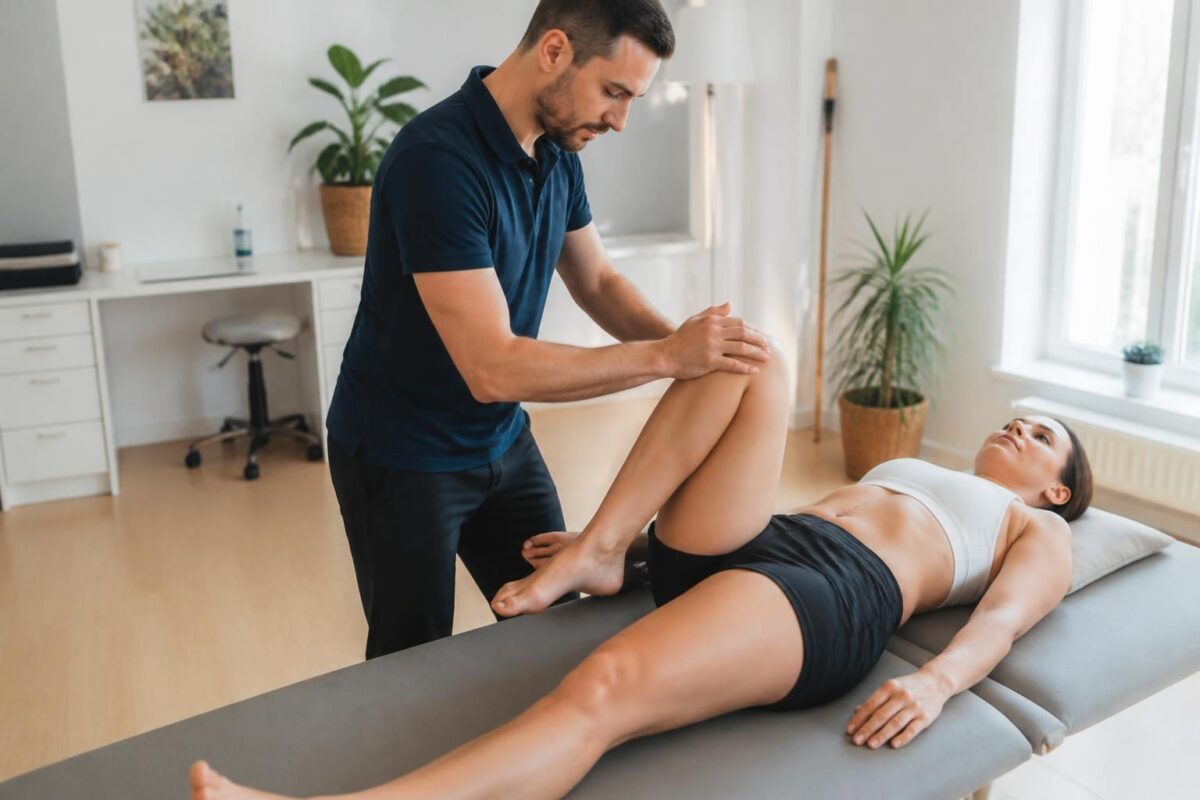
Through an approach overall, osteopathy acts on several essential levels. Manual techniques target joint restrictions and muscle tension, which improves circulation blood and lymph, and promotes the evacuation of post-effort metabolites. Work on the diaphragm and on the nervous system helps release physiological stress and restore a resting state conducive to tissue regeneration. This coordinated action facilitates a faster return to the performance, while respecting the natural rhythms of the body. To deepen the mechanisms, you can consult resources dedicated to osteopathy and sports recovery on the specialized sites mentioned below.
Practical example: After a sustained training phase, an osteopathic consultation can help relax the muscle chains, relaunch circulation and stabilize mobility, without requiring invasive gestures. This approach prevents recurring blockages and helps maintain lasting progression.
Integrate osteopathy into your recovery program
To make the most of osteopathy, integrate it regularly and planned. A preventive consultation can be considered every 4 to 6 weeks, especially during periods of increased load. After intense effort, a session can accelerate recovery and reduce post-exercise pain. Before a major competition, a targeted session can optimize mobility and respiratory and circulatory function, without it turning into an additional workout.
Complementary resources explain how osteopathy is part of a global strategy for recovery and injury prevention. To learn more about the mechanisms and benefits, visit the pages dedicated to osteopathy and sports recovery on specialized sites, including Osteopathy and shoulder blade pain — Targeted approach and Benefits of osteopathy to ease localized muscle tension. You can also consult Dr. Desforges’ article for a complementary perspective.
Complementary good practices to optimize recovery
In parallel with osteopathy, adopt simple and effective habits to support recovery. hydration regular and replacement of electrolytes after exercise, sleep quality (7 to 8 hours per night) and stress management contribute to faster regeneration. Favor anti-inflammatory and antioxidant-rich foods to support tissues and limit inflammatory reactions. Finally, favor active rest times and structured recovery periods in order to allow the body to rebuild and adapt.
To complete these tips, explore the following resources that address the impact of osteopathy on muscle pain recovery and prevention:
How osteopathy acts on diffuse muscle pain
Tagmed Clinic — Additional information on osteopathic benefits related to sports recovery.
For additional content on recovery optimization and imbalance prevention, also consult the following resources:
Recovery after an intervention
Note that the approaches to osteopathy are part of a global approach. They do not replace medical advice and should be contacted with your attending physician.
Medical disclaimer and legal text:
“Medical disclaimer: The information and advice provided on this site does not replace the health professional’s benefit, diagnosis or treatment. Please note that Dr. Sylvain Desforges osteopath is neither a doctor of medicine nor a doctor, and is not a specialist in a medical specialty as defined by the Collège des Médecins du Québec. Manual medicine, functional medicine and sports medicine as described on this site exclude any medical treatment or diagnosis made by a doctor or specialist doctor. Always consult your doctor for any medical questions. For more details, please read our full legal notice. »
- Mobility and alignment : Release tensions for more effective gestures
- Circulation and drainage : Rapid oxygenation and elimination of toxins
- Breathing and diaphragm : Better ventilation, increased endurance
- The nervous system : stress reduction and rest recovery
- Post-effort recovery : Custom protocol, quick return
- Injury prevention : correct imbalances, limit recurrences
- Hydration and anti-inflammatory nutrition : Support for regeneration
- Preventive planning : Regular sessions to maintain form

This summary presents how theosteopathy can help optimize the recovery After the effort and Maximize performance, by acting on tensions, circulation, mobility and sleep quality, while limiting the risk of injury.
Understand the issue of recovery
After exercise, the body undergoes microtraumas that require Active restitution. Without regenerating rest, fatigue accumulates, performance stagnates and the risk of injury increases. Recovery is not limited to immobility: it involves physiological repair and regulation mechanisms that prepare the body for the next session.
Role of osteopathy in recovery
An approach overall and fresh Allows you to restart the circulation blood and lymphatic, release muscle and joint tension, and soothe the nervous system. Result: a Faster recovery, a decrease in post-exercise pain and better tolerance to the training load.

How osteopathy improves the quality of life of active people
In short In short, theosteopathy is a global approach that Optimizes mobility and the function of the body of ACTIVE PEOPLE, for a better quality of life. It helps prevent injury and reduce Musculoskeletal pain While promoting the Sports recovery.…

Osteopathy and sports recovery: prepare the body for lasting performance
In short In short, Osteopathy and Sports recovery is one Global manual approach that sustainably prepares the body for the effort by restoring mobility and circulation After the effort. It is a discipline that acts on the sinews, the joints,…
Concrete levers to maximize performance
To take full advantage of osteopathy, combine it with simple and effective habits. hydration and Anti-inflammatory nutrition Support muscle regeneration and inflammation reduction. Choose red fruits, green vegetables, fatty fish and nuts, while limiting ultra-processed foods.
The sleep Plays a key role in tissue repair and adaptation consolidation. Aim for regular and sufficient nights in duration, ideally between 7 and 9 hours.
The work on the breathing and the mobility Improves oxygenation, posture and range of gestures. Gentle diaphragm exercises and post-session stretches promote effective recovery and preserve future performance.
In parallel, Active recovery (Slight movements, gentle movements) Helps to evacuate toxins and reactivate circulation, while reducing stiffness. The prevention Injuries also involves regular osteopathic supervision, which detects and corrects imbalances before they become problematic.
Why Osteopathy Is Essential For Recovery People
In short In short, Osteopathy in convalescence is an approach manual and holistic which helps to accelerate the recovery by restoring The balance, the mobility and a good circulation fabrics. it contributes to Reduce the pain, support the Back to…

Osteopathic manipulations to strengthen post-traumatic muscles
In short In short, Osteopathic manipulations for Strengthen post-traumatic muscles constitute a gentle manual approach aimed at restoring the mobility, reduce the pain and facilitate the Functional rehabilitation After a injury. What is Is it? A series of precise gestures…
When and how to integrate osteopathy into your routine
Before a competition, a session a few days before can free up limitations, optimize mobility and improve respiratory and circulatory function. After an intense effort, favor a session focused on muscle relaxation and relaunching circulation to accelerate the return to training.
In prevention, consider a regular consultation, for example every 4 to 6 weeks, in order to maintain the biomechanical balance and limit the fluctuations related to the training load. Adopt a proactive rather than reactive approach to sustainably support your performance.

Osteopathy and prevention of work-related musculoskeletal disorders
In short theosteopathy is one Manual approach that restores body balance and prevents MSD related to work. Its advantages: reduction of tension, improvement of mobility and prevention of chronic pain. She is preventive and healing, suitable for office and trades…

The benefits of osteopathy to treat muscle imbalances
In short theosteopathy is a manual approach to restore themuscle harmony and postural considering the body as a whole. Its main benefits include the reduction of aches and tensions, the improvement of the mobility and from the posture, and prevention…
Practical advice for optimal recovery
Integrate one,
P>Osteopathy Session After major efforts, combine it with gentle stretching and work on breathing, and continue with appropriate hydration and anti-inflammatory diet. Listen to your body: Signs of unusual fatigue or recurring pain require an assessment to adapt the load and care.
In summary, theSport osteopathy offer a Natural and personalized approach To optimize the recovery, support the performance and prevent injuries, by acting on tension, circulation, mobility and sleep.
| Axis | Concise impact |
|---|---|
| Muscle relaxation and posture | Relaxation targeted and release of tensions post-effort to quickly find the mobility. |
| Circulation and drainage | bloodstream and lymphatic stimulated to accelerate recovery. |
| Mobility and posture | Correct them restrictions and prevent offsets that slow down performance. |
| Respiration and oxygenation | Breathing and oxygenation Improve endurance and tissue recovery. |
| Stress and sleep management | rebalances the the nervous system to promote restorative rest. |
| Injury prevention | Screening and correction of imbalances Before they become painful. |
| Pre-competition preparation | Liberation of strain and optimization of mobility For a smooth start. |
| Active recovery and rest | combination of Active recovery and rest to accelerate regeneration. |
| Personalized follow-up and evaluation | Initial assessment and reassessments to adjust the program as needed. |
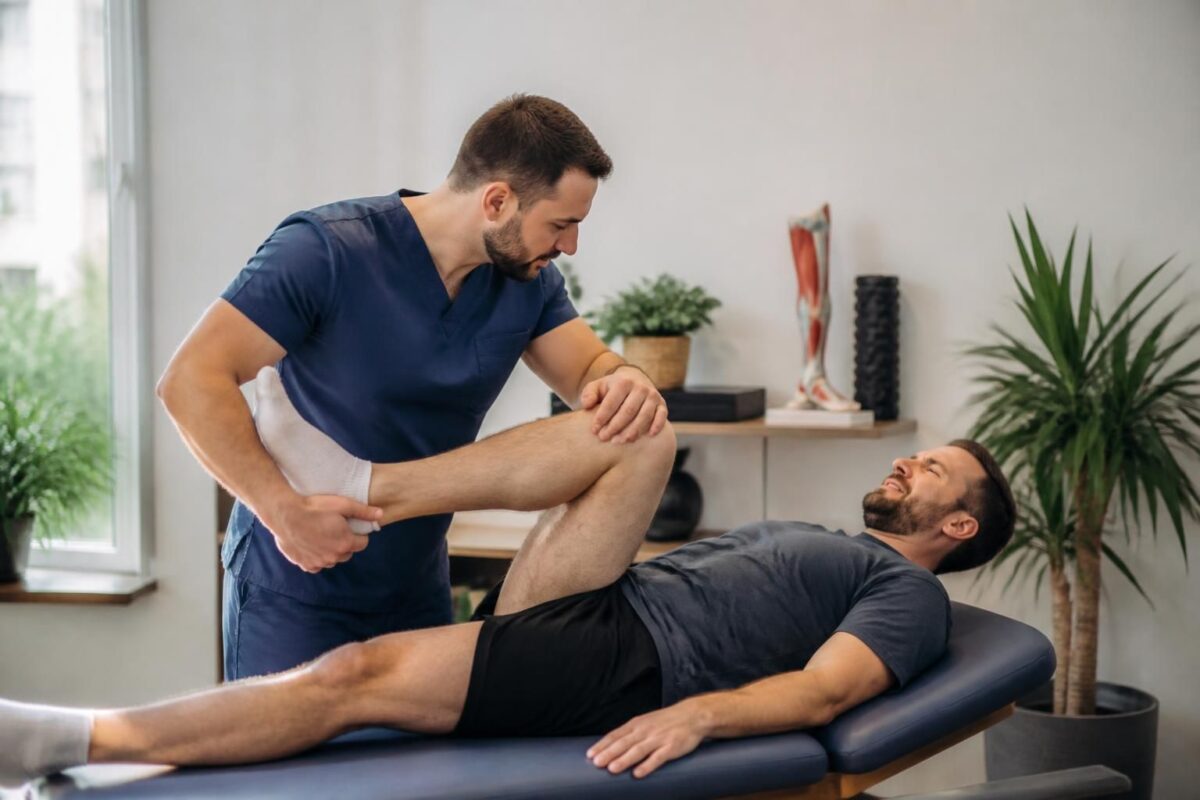
Osteopathy and chronic leg pain: regaining an optimal quality of life
In short In short, Osteopathy is one Global manual approach aimed at reducing Chronic leg pain and improve the quality of life. What is it? Non-drug therapy using the hands to identify restrictions and treat lesional chains. How does it…
How osteopathy supports recovery after complex surgery
In short In short, Post-operative osteopathy is an approach fresh which supports the recovery After a Complex surgery. It helps to reduce the pain and the fatigue, improves the mobility and accelerates the healing thanks to a better vascularization and…
Testimonials: Osteopathy and sports recovery to maximize performance
“Since I join theosteopathy After my sessions, my recovery is faster and my performance fly away week after week. — Claire, amateur triathlete, 32 years old.
“The sessions improved my mobility and my posture in the field. The tensions decrease rapidly and my stretches gain in efficiency, which allows me to approach each workout with more fluidity. — Hugo, rugby player, 26.
“After three weeks of support, my Post-exercise pain have decreased significantly and I recover much faster between workouts. My general level of fatigue is also better controlled. — Fatima, road runner, 29 years old.
“For my competitions, theOsteopathic assistance is a real lever for Prevent injury and optimize the breathing and the cadence during exercise. I feel safer and more aligned. — Julien, competitive swimmer, 24 years old.
“By integrating regular consultations, I was able to gradually increase the Training volume without feeling recurring pain. My body responds better and my sessions become more productive. — Léa, versatile sportswoman, 31 years old.
“My mind and body are stronger. Thanks to this follow-up, my sports career continues and I feel More resistant in the face of repeated training requests. — Thomas, Athlete Master, 45 years old.
Dr. Sylvain Desforges, expert in osteopathy, naturopathy and manual medicine, is the founding president of tagmed and association acma. His journey is guided by a quest for innovation in health care and by a clinical-scientific approach aimed at optimizing the health and well-being of each one. In the field of Sports recovery, it combines diagnostic rigor with practical recommendations to allow athletes to push their limits while respecting the rhythms of the body.
With his experience, he considers that the performance It is not just about training: it relies on effective recovery and the removal of imbalances that slow down movement. Through an approach overall and energetically adapted, it incorporates tools that accelerate regeneration, improve circulation and reduce post-effort tensions. Its objective is clear: to allow a gradual and lasting resumption of sports activities, with an emphasis on the prevention of relapses and injuries.
The practice is based on a Global approach of the body: muscle tension, joint mobility, breathing and nervous balance are evaluated together to identify the root causes of limitations. This approach is part of a vision of the biomechanical movement, where each repetitive gesture can produce imbalances. By targeting these sensitive points, the doctor optimizes the proprioception and coordination, while facilitating more fluid and effective gestures in the long term.
For athletes, the integration of advanced technologies is a real asset. The vertebral decompression can promote column recovery and mobility, laser promotes tissue regeneration and Shockwave therapy Supports healing of painful structures. Combined with manual techniques, these interventions aim to stimulate blood and lymph circulation, reduce inflammation and accelerate the return to training in optimal conditions.
The approach is aimed at all sports profiles: amateurs wishing to eliminate discomforts, high-level athletes seeking to optimize each session, and young athletes in growth who require appropriate biomechanical support. Each protocol is personalized according to sport, level and goals, with concrete advice on sleep, hydration and anti-inflammatory diet that support recovery. Active recovery And rehabilitation thus become partners who are inseparable from progression and sustainable performance.
This doctor offers a Alliance between science and human practice, placing the patient at the heart of a journey towards effective and lasting recovery. Discover his approach and the services available in TagMed Clinic to maximize your performance while protecting your body and your well-being.
In this article, we explore how theosteopathy applied to the Sports recovery may Maximize performance. By targeting tension, circulation and nervous system regulation, it facilitates the return to training, reduces post-exercise pain and helps prevent long-term injuries.
In practice, sports osteopathy acts as a global lever: it improves mobility, promotes diaphragmatic breathing, optimize the circulation And soothes the nervous system, which allows a faster return to effort while reducing the risk of injury.
Integrating these treatments into the training plan means planning pre-competition, post-exertion and load period sessions in order to maintain the biomechanical balance and to prevent imbalances that accumulate with training. This proactive approach aims to preserve the long-term training capacity and limit the fluctuations in performance related to fatigue.
Expected results include faster recovery, decreased pain and improved lasting performance through progressive and respectful adaptation of body rhythms. The approach is not limited to treating a symptom, it aims to restore global harmony so that technical gestures, posture and endurance can be coordinated more effectively.
To maximize the impact, combine osteopathy with concrete habits: hydrate correctly, favor restorative sleep, adopt an anti-inflammatory diet and favor periods of active recovery. This synergy supports the recovery and extend the performance over time. To learn more, check out these resources Why osteopathy is an effective alternative to drugs, Osteopathy and overall well-being — a personalized approach and Osteopathy and recovery — An ally of amateur athletes.

Dr Sylvain Desforges, B.Sc., D.O., N.D., osteopath, is the founding president of TAGMED and of the ACMA association. He dedicates his practice to chronic spinal pain, low back pain and symptoms compatible with sciatica, particularly when pain radiates toward the buttock, leg, calf, foot or toes.
Through SOS Sciatique, he publishes educational content on sciatica symptoms, possible causes such as disc herniation, disc narrowing, foraminal stenosis or irritation of a lumbar nerve root, as well as non-surgical approaches that may be considered according to the evaluation. At Clinique TAGMED, care may include, depending on the case, motorized neurovertebral decompression, specific osteopathic care or precision percussion.
For an evaluation related to sciatica treatment in Montreal / Mount Royal or sciatica treatment in Terrebonne, please consult the services available at Clinique TAGMED.
Medical disclaimer
The information published on SOS Sciatique is provided for educational purposes only and does not replace a consultation, diagnosis, opinion or treatment provided by a physician or another authorized healthcare professional. The author of this article is neither a medical doctor nor a specialist in a medical specialty recognized by the Collège des médecins du Québec. The osteopathic, manual medicine or functional support approaches described on this site do not constitute medical acts and are not intended to replace medical follow-up.
Consult a physician or emergency service in cases of loss of bladder or bowel control, anesthesia in the saddle area, significant or progressive weakness in the leg or foot, fever, recent trauma, severe pain or rapid worsening of symptoms. For more details, please read our Legal Notice.