Osteopathy and sports recovery: prepare the body for lasting performance
29/06/2026
Treatment of sciatica in Montreal: non-surgical options to consider
29/06/2026
In short
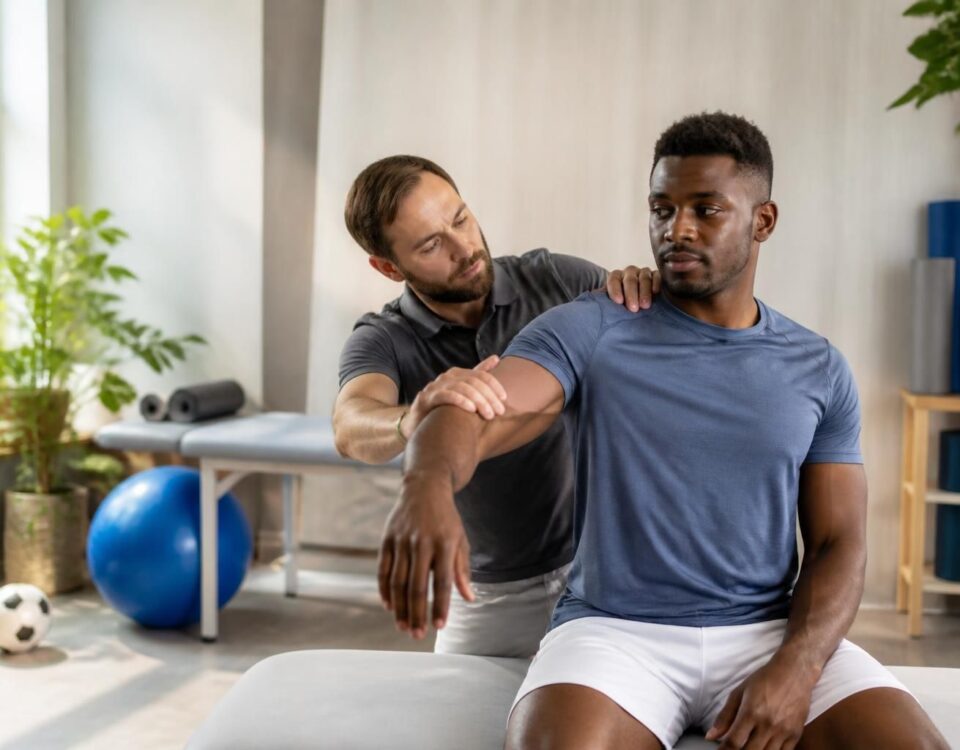
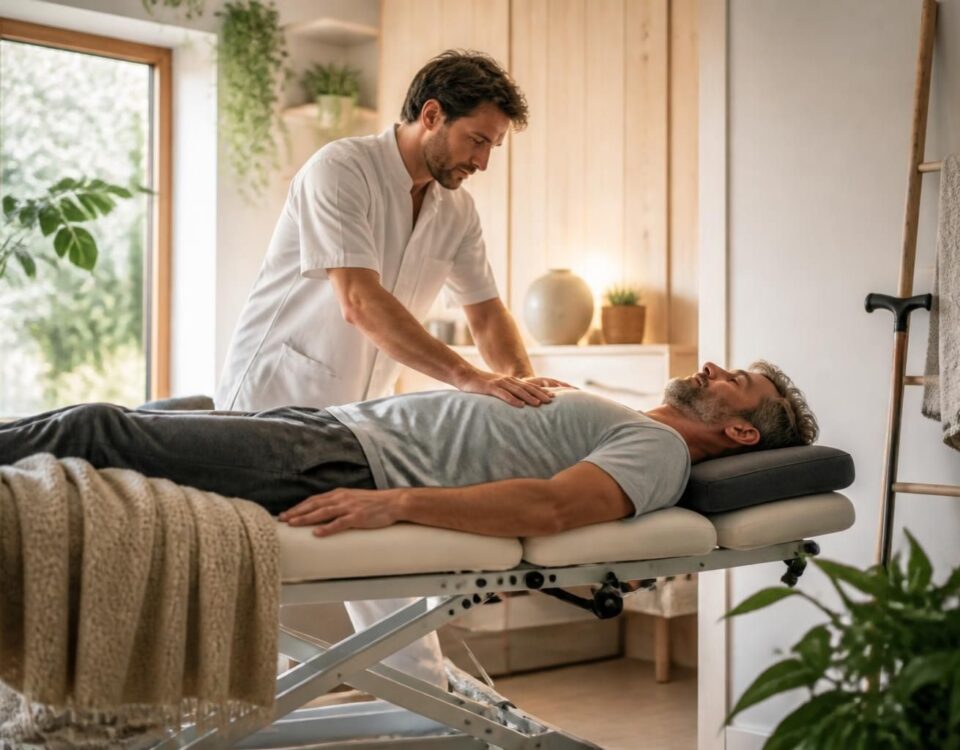
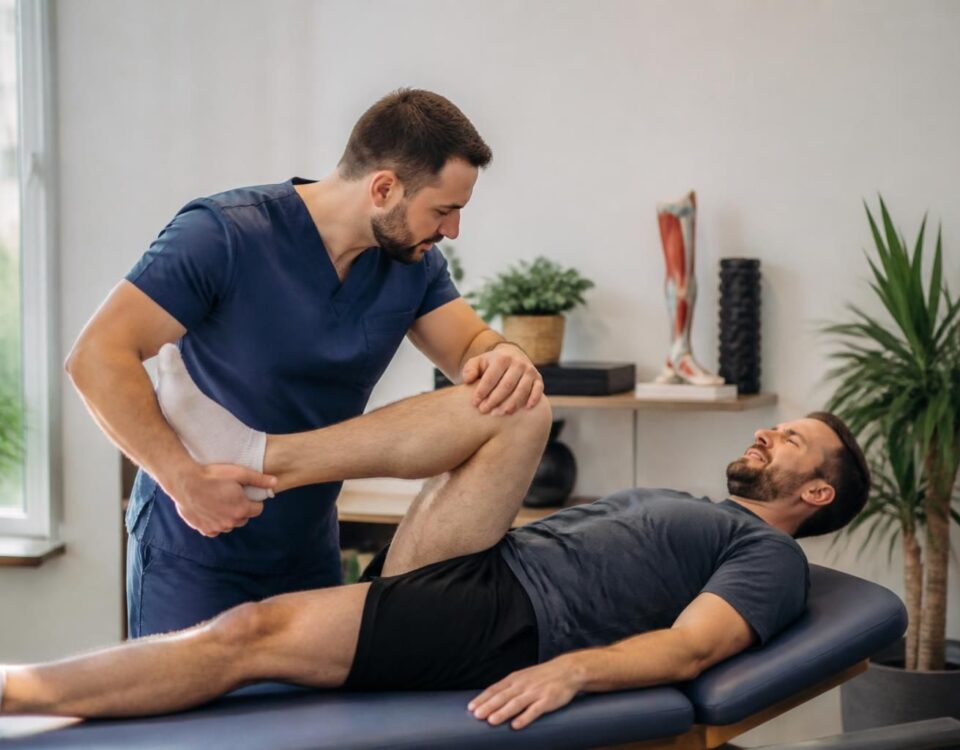
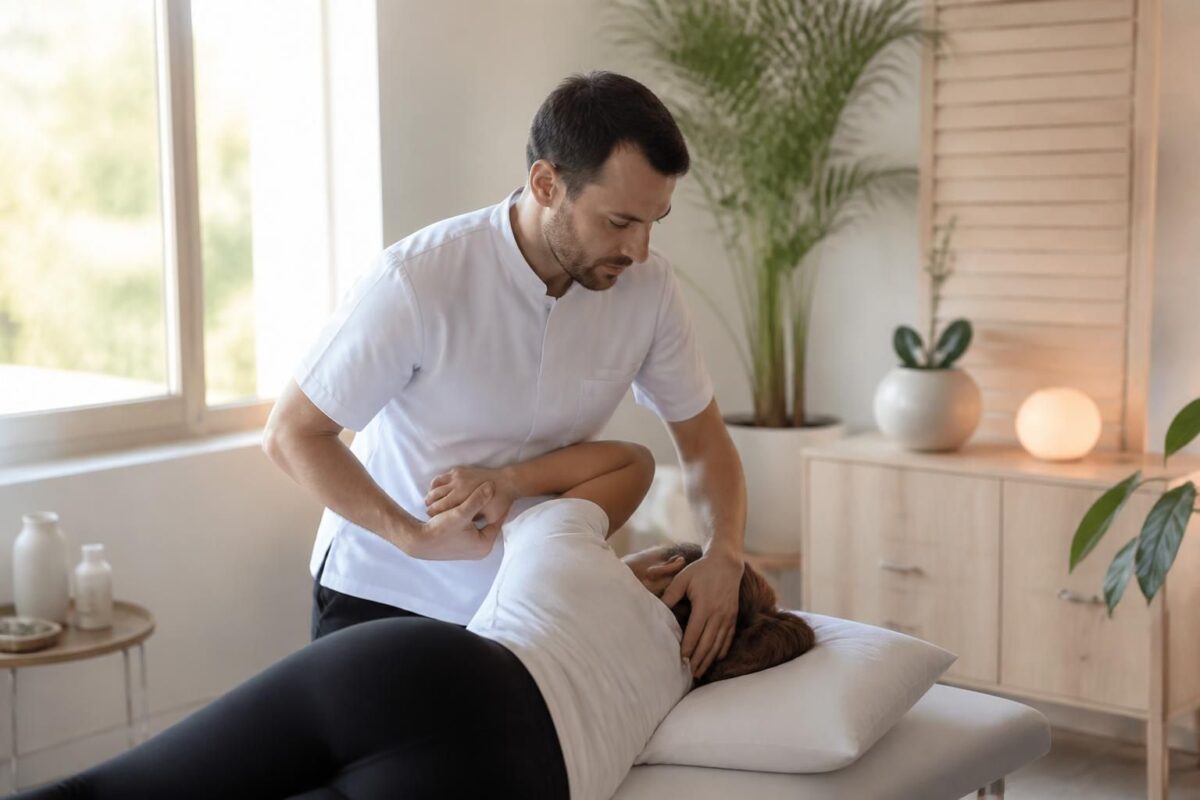
In short, theosteopathy is a global approach that Optimizes mobility and the function of the body of ACTIVE PEOPLE, for a better quality of life. It helps prevent injury and reduce Musculoskeletal pain While promoting the Sports recovery. How? through a targeted evaluation and gentle manipulations adapted to the activity of each person, with a positive effect on the back, joints and circulation. accessible to Montreal, this treatment supports performance and well-being at work and in sport, favoring the prevention And quick results, often painless. |
For active people, Osteopathy offers a global approach centered on movement and balance of the body. By working on muscles, joints and tissues, it aims for a Improved mobility and an Optimized posture.
It helps to Reduce pain related to physical activity, to Prevent injury and promote a Faster recovery After the effort, which makes it possible to maintain a regular and lasting sports practice. In this sense, it contributes to a better Quality of daily life.
In addition, it can support the circulation and the sleep, key elements to support theendurance and the performance sporty.
This article, written by a health professional, presents how Osteopathy may Improve the quality of life of ACTIVE PEOPLE By acting on the mobility, recovery and overall well-being.
In this approach, the objective is to restore the balance of the body’s systems and to support the ability to move freely during daily and sporting activities. Osteopathy considers the body as a unit and adapts care to each way of life.
Daily mobility and performance
For active people, a Optimal mobility Avoids recurring pain and tension. Osteopathy aims to restore the motility joints, muscles and tissues, while improving the coordination between breathing, posture and movement. This approach contributes to better endurance, faster recovery after exercise and less rigidity the day after physical activity.
The benefits are also observed in the ability to maintain daily gestures without pain and with better success in professional and sports performance. To learn more, check out the following resources:
The benefits of osteopathy to treat muscle imbalances,
Why osteopathy is a lasting solution for everyday well-being.
Sports prevention and recovery
Osteopathic work accompanies injury prevention and optimizes recovery after exercise. It is a set of mechanisms to preserve tissue mobility and stability, to support long-term performance. The approach is adapted to each sport and to each level of activity, avoiding ready-made solutions and targeting the areas requested by the chosen practice.
To learn more about the preventive and restorative role of osteopathy, see the following resources:
Osteopathy and sports recovery — Preparing the body for lasting performance,
How can osteopathy improve your health.
Nervous sphere, sleep and energy
By restoring tissue mobility and exchanges between systems, osteopathy can promote better sleep and a general feeling of regained energy. Better neurovegetative regulation can contribute to stress reduction and better recovery after physical and mental activities.
Resources on the beneficial effects on quality of life and overall well-being can be viewed here:
The benefits of osteopathy to treat pain related to physical overload,
Why osteopathy is essential for a good quality of life.
Global approach and professional framework
Osteopathy is based on a global approach. The therapist assesses the movement status of bones, muscles, organs and membranes. This assessment makes it possible to identify the imbalances that hinder mobility and well-being. The intervention may include functional, structural and visceral manipulations, adapted to each patient and each activity.
Osteopaths trained in the framework recognized by institutions such as NUMSS, NAO, National University of Medical Sciences and National Academy of osteopathy offer care in accordance with professional requirements. They can be affiliated with associations such as ACMA, College of Canadian Osteopaths and College of Canadian Osteopaths. To deepen, here are some relevant resources:
Osteopathy in business — Wellness and performance,
Osteopathy and chronic leg pain.
Resources and useful links
To enrich your knowledge, you can consult resources on the mechanisms and benefits of osteopathy, as well as on the indications and limitations of this approach. Among the proposed resources:
Dumas — Study and data,
Impact on quality of life — Research perspective,
Osteopathy and sports recovery.
Additional information can be viewed on the following pages:
Why osteopathy is essential for a good quality of life,
The benefits of osteopathy to treat muscle imbalances.
For professional and academic perspectives, the following resources can be viewed:
Osteopathy — Sustainable solution for daily well-being,
How can osteopathy improve your health.
For specific information related to pain and performance, see also:
Quality of life and chronic leg pain.
Medical disclaimer : The information and advice provided on this site does not replace the advice, diagnosis or treatment of a health professional. Please note that Dr. Sylvain Desforges osteopath is neither a doctor of medicine nor a doctor, and is not a specialist in a medical specialty as defined by the Collège des Médecins du Québec. Manual medicine, functional medicine and sports medicine as described on this site exclude any medical treatment or diagnosis made by a doctor or specialist doctor. Always consult your doctor for any medical questions. For more details, please read our full legal notice.
Medical Disclaimer: The information and advice provided on this site does not replace the health professional’s diagnosis or treatment. Please note that Dr. Sylvain Desforges osteopath is neither a doctor of medicine nor a doctor, and is not a specialist in a medical specialty as defined by the Collège des Médecins du Québec. Manual medicine, functional medicine and sports medicine as described on this site exclude any medical treatment or diagnosis made by a doctor or specialist doctor. Always consult your doctor for any medical questions. For more details, please read our full legal notice.
- Mobility and motility Found for more efficient gestures on a daily basis and during exercise.
- Recovery Accelerated after exercise, reduction of body aches and rapid restart.
- Prevention Injuries related to overwork and repetitive gestures.
- Posture and improved alignment for movement efficiency and comfort.
- Pain Controlled and reduced inflammation after training.
- Sleep and optimized nerve recovery for sustained performance.
- Circulation Improved functional drainage promoting muscle recovery.
- Balance psycho-physics and management of stress related to the activity.

This article presents how theosteopathy can improve the quality of life Active people: it acts on mobility and pain, prevents injuries, accelerates recovery and promotes better harmony of body functions to support sports and professional activities.
Improved mobility and pain reduction
In active individuals, Musculoskeletal pain And movement restrictions can limit sports practice and everyday gestures. Osteopathy aims to restore mobility Joints, muscles and fascias via fine and precise techniques. by restoring Motility fabrics, it allows to soften tight areas and improve the range of motion, which results in a lasting reduction in pain and better performance during training.

Osteopathy and sports recovery: prepare the body for lasting performance
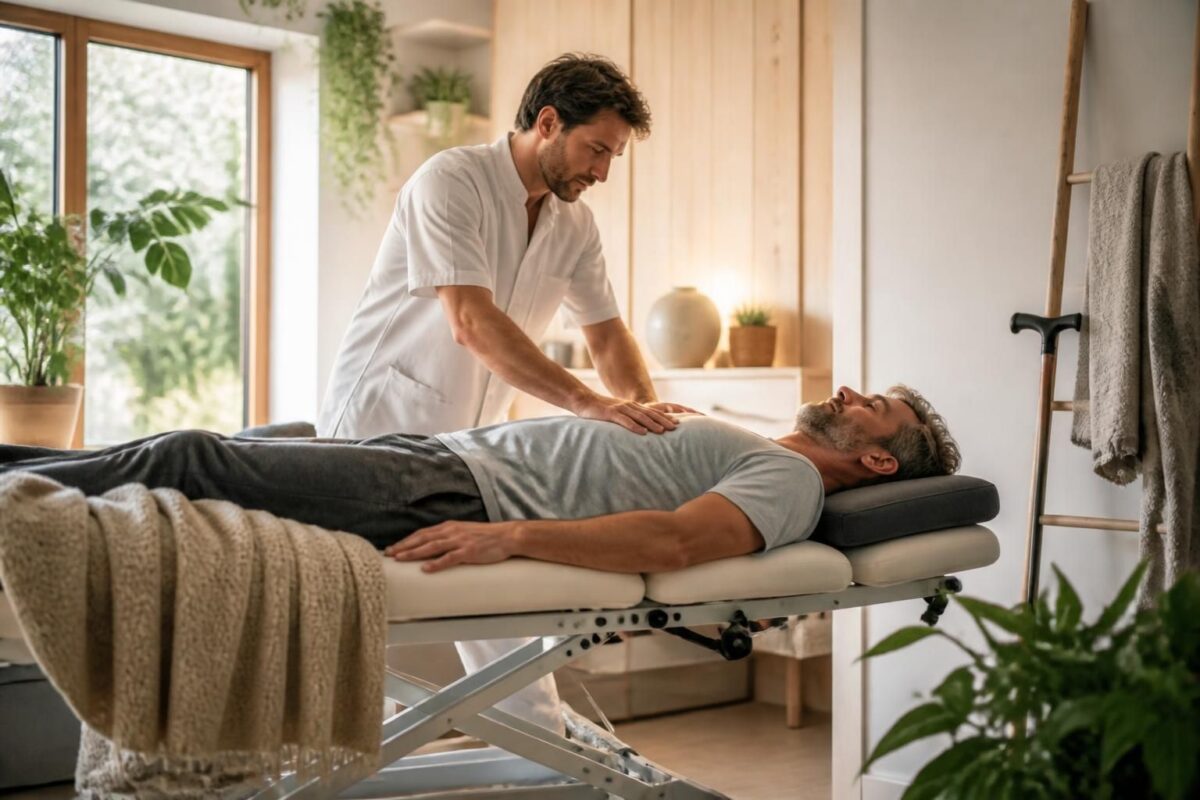
In short In short, Osteopathy and Sports recovery is one Global manual approach that sustainably prepares the body for the effort by restoring mobility and circulation After the effort. It is a discipline that acts on the sinews, the joints,…
Why Osteopathy Is Essential For Recovery People
In short In short, Osteopathy in convalescence is an approach manual and holistic which helps to accelerate the recovery by restoring The balance, the mobility and a good circulation fabrics. it contributes to Reduce the pain, support the Back to…
Injury Prevention in Assets
Prevention is at the heart of an effective practice for athletes and active professionals. by a Targeted anamnesis And an evaluation of the posture, the osteopath identifies the imbalances and repeated stresses that predict injuries. By acting on the source areas and harmonizing the body’s systems, it reduces the risk of recurrence and helps maintain access to regular training without interruption.
Assessment of posture and recurring constraints
Careful observation of daily gestures and work postures isolate stress factors. The work can then be oriented towards the rebalancing of muscle chains and the release of tensions that limit performance.
Targeted strengthening and mobility
Personalized programs combining mobility work and funcional reinforcement support the joints and key muscles, in order to optimize the effectiveness of the workouts and to improve stability during the effort.

Osteopathic manipulations to strengthen post-traumatic muscles
In short In short, Osteopathic manipulations for Strengthen post-traumatic muscles constitute a gentle manual approach aimed at restoring the mobility, reduce the pain and facilitate the Functional rehabilitation After a injury. What is Is it? A series of precise gestures…

Osteopathy and prevention of work-related musculoskeletal disorders
In short theosteopathy is one Manual approach that restores body balance and prevents MSD related to work. Its advantages: reduction of tension, improvement of mobility and prevention of chronic pain. She is preventive and healing, suitable for office and trades…
Recovery and performance
After exercise, osteopathy can promote faster recovery by fluidizing accumulated tensions and rebalancing body systems. This approach can contribute to medium-term performance gains, as a block-free body deploys more efficiently in subsequent sessions.
Post-workout optimization
Gentle manipulations and recovery advice (posture, stretching, light activity) help to release the stressed areas and restore optimal circulation of body fluids.
Sleep and stress management
A better balanced body can promote more restful sleep and better stress management, essential factors for recovery and athletic performance.

The benefits of osteopathy to treat muscle imbalances
In short theosteopathy is a manual approach to restore themuscle harmony and postural considering the body as a whole. Its main benefits include the reduction of aches and tensions, the improvement of the mobility and from the posture, and prevention…
Osteopathy and chronic leg pain: regaining an optimal quality of life
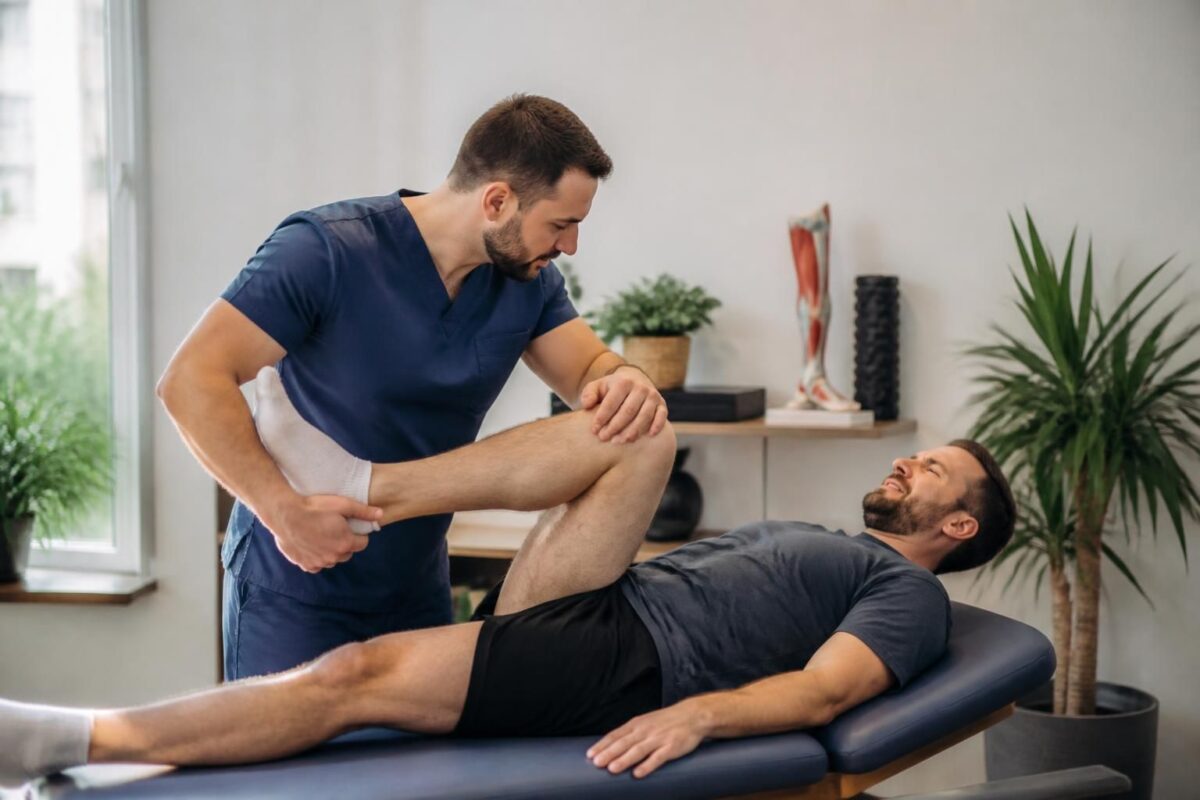
In short In short, Osteopathy is one Global manual approach aimed at reducing Chronic leg pain and improve the quality of life. What is it? Non-drug therapy using the hands to identify restrictions and treat lesional chains. How does it…
Global approach and individual adaptation
The osteopathic approach is overall and personalized: it takes into account the patient’s history, lifestyle, activities and objectives. By working on the musculoskeletal, neurovessidative and visceral systems when necessary, the osteopath offers a treatment plan adapted to each activity and at each stage of the sports season.
Customization of the care plan
The therapist adjusts the frequency and type of sessions according to the sport, professional constraints and medical history, in order to optimize benefits and support personal goals.
Integration with other sports practices
In addition to a structured training, osteopathy fits harmoniously into a multidisciplinary approach (physiotherapy, physical preparation, nutrition) to sustainably support the performance and the welfare.
| Aspect | Impact on working life |
|---|---|
| Mobility and amplitudes | Improves the mobility and the Amplitudes of movement, facilitating daily gestures and training. |
| Pain and comfort | Reduces the pain and Ldiscomfort during activity and travel. |
| Post-effort recovery | Accelerates the recovery and reduces the aches After the effort. |
| Injury prevention | strengthens theMusculoskeletal balance and helps prevent injuries. |
| Performance and balance | Optimizes the stability and the posture, improving the precision Movements. |
| posture at work | Improves the posture at work and reduces tension in the neck and back during prolonged sessions. |
| Stress and energy management | promotes the relaxation and improves the sleep and the concentration around the activity. |
| Recovery after injury | accompanies a gradual recovery and secure After a injury. |
| Personalized advice | offers a Custom Plan And some preventive advice adapted to your practice. |
Sophie, amateur runner testifies: before starting osteopathy, I regularly felt lower back pain that slowed my outings. After a few sessions focused on pelvis mobility and tissue circulation, my Lower back pain have decreased and my mobility has improved significantly. Today I can train with a bigger endurance and an quality of life found, even over long distances.
Marc, cyclist and trail enthusiast shares his experience: my osteopathy sessions corrected postural imbalances during pedaling and strengthened my Trunk stability. I noticed a recovery faster after long outings, less overall fatigue and prevention Effective repetitive injuries that previously held me back.
Alice, fitness and martial arts enthusiast explains: while working on the mobility of the shoulders, the thorax and the pelvis, osteopathy has given me a better mobility global and a stability increased during intensive workouts. My performance improves and my recovery periods between sessions become shorter, which boosts my quality of life on a daily basis.
Hugo, hiker and trail practitioner notes: regular sessions have improved my hunkers and my ankles, which allows me to approach difficult terrain with less stiffness and pain. My breathing and my endurance have also improved, and my long distance outings become more comfortable, with better Physical preparation.
Camille, active and sports mom says: Between work and family, osteopathy offers me key support to remain balanced at the muscular and nervous level. My nights are more restorative and my fatigue post-workout was significantly reduced. Thanks to these sessions, I maintain my active rhythm of life without the pain taking precedence over my quality of life.
How osteopathy supports recovery after complex surgery
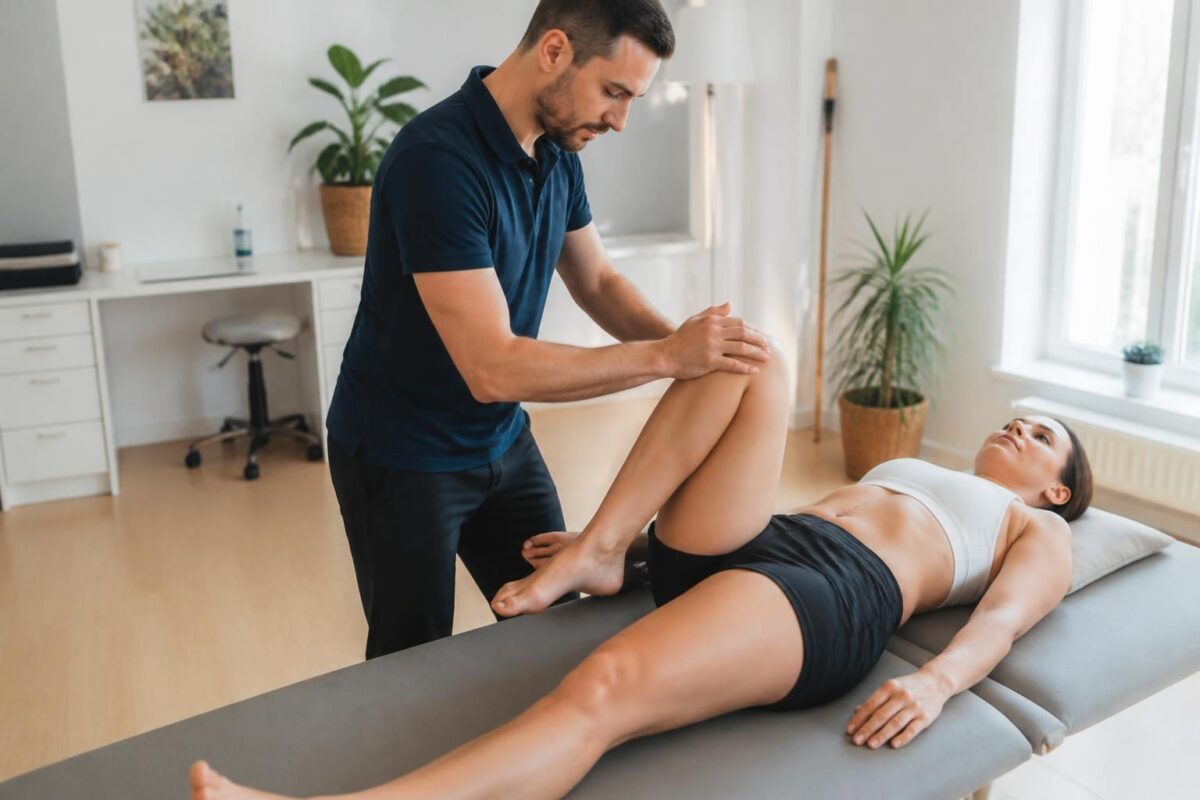
In short In short, Post-operative osteopathy is an approach fresh which supports the recovery After a Complex surgery. It helps to reduce the pain and the fatigue, improves the mobility and accelerates the healing thanks to a better vascularization and…
Why osteopathy is a natural alternative to drug treatments
In short In short, Osteopathy is one Soft manual approach who restores thebalance and mobility of the body without drugs. This natural alternative Acts on the cause pain rather than their symptoms and can reduce the consumption of certain treatments.…
Osteopathy and quality of life of working people: a sustainable lever for performance and well-being
In the world of activities that require endurance, strength and mobility, osteopathy is a privileged partner to sustainably improve the quality of life. For active people — whether it is an amateur athlete, a moving professional or a socially dynamic lifestyle — it helps anticipate tension, prevent pain and optimize recovery circuits. This approach, carried by experienced practitioners, transforms the way of approaching the body into movement and daily performance.
Osteopathy is based on a holistic vision of the body as a functional unit. The central principle is that the body, its structures and its functions form an interconnected whole. A restriction in an area may be reflected elsewhere, affecting mobility and energy. The work aims to restore mobility and Motility tissues, to rebalance the circulatory, nervous and visceral systems, and to encourage theself-regulation of the body. This perspective makes it possible to approach the pain not as a simple isolated symptom, but as a disturbance which can be corrected by a regained harmony between muscles, joints and organs.
During a physical activity oriented consultation, the osteopath listens carefully, observes the posture and carries out mobility tests to identify the tension zones. He then chooses adapted techniques, ranging from functional and structural manipulations to visceral and cranial approaches. The goal is not to impose a single method, but to accompany the body in its natural journey towards spring break and balance. This approach is based on a fine palpation and a progressive approach that respects everyone’s experience and level of activity.
For active people, the profits translate into a Lower lower back pain, recurring tensions related to training and episodes of overwork. Osteopathy also helps accelerate recovery after exercise, improve posture and the breathing, factors that directly support performance and endurance. By working on the mobility of the joints and fascias, it minimizes the risk of injury and facilitates rapid return to usual activities after a necessary rest period.
In addition to manual techniques, an active and personalized approach is part of the active patient’s journey. Life hygiene advice, targeted exercises to be carried out at home and appropriate planning of the sessions make it possible to extend the beneficial effects and to integrate osteopathy as part of a sustainable performance program. The objective is clear: to support a fluid active life, without pain and with a renewed energy on a daily basis.
Thanks to this alliance between listening, know-how and modern technologies, osteopathy offers an effective way to preserve the vitality of active people. In practice, this translates into care based on the patient’s experience, appropriate progression and better quality of life over time, even when physical and professional demands increase.
This article shows how theosteopathy can significantly improve the quality of life people active, by acting on the mobility, injury prevention, and recovery after exercise. It offers a global approach to the body, promotes sustainable well-being and can effectively complement workouts and professional activities without systematically relying on drugs.
For people active, osteopathy offers a prevention and an Physical resilience By improving the mobility and reducing stress-related pain. it can facilitate the Sports recovery After a fracture or a sprain, while supporting progressive and secure performance recovery. To deepen this practical component, consult the resources dedicated to recovery and prevention.
The benefits are based on an approach holistic which targets the motility and the mobility tissues, joints and organs, in order to restore theFunctional balance of the body. This dynamic promotes better circulation, a reduction in tension and a reduction in pain sensations, while limiting the use of drug treatments when possible. To better understand these mechanisms, discover the links that evoke the management of the stress and the impact on general well-being.
Concretely, osteopathy is integrated as part of a training and active living program. Regular and personalized sessions make it possible to anticipate postural or functional disorders related to physical activity, and to prepare the body for higher loads. For those who wish to go further, detailed resources explain how to maintain a Optimal mobility and support the prevention on a daily basis.
To enrich your understanding and find practical advice, you can browse guides and testimonies on prevention, recovery and overall well-being, including through the following resources: Osteopathy and prevention, Fracture recovery, and Well-being and body harmony.
To broaden your perspective on the link between osteopathy, stress and performance, do not hesitate to consult specialized resources that explain how the osteopathic approach can soothe the body and mind, improve sports recovery and support active life on a daily basis: Osteopathy and stress and Quality of life of active people. To deepen integration into the professional framework, you can consult resources dedicated to well-being at work and sports recovery: Osteopathy in business and Prevent relapses.

Dr Sylvain Desforges, B.Sc., D.O., N.D., osteopath, is the founding president of TAGMED and of the ACMA association. He dedicates his practice to chronic spinal pain, low back pain and symptoms compatible with sciatica, particularly when pain radiates toward the buttock, leg, calf, foot or toes.
Through SOS Sciatique, he publishes educational content on sciatica symptoms, possible causes such as disc herniation, disc narrowing, foraminal stenosis or irritation of a lumbar nerve root, as well as non-surgical approaches that may be considered according to the evaluation. At Clinique TAGMED, care may include, depending on the case, motorized neurovertebral decompression, specific osteopathic care or precision percussion.
For an evaluation related to sciatica treatment in Montreal / Mount Royal or sciatica treatment in Terrebonne, please consult the services available at Clinique TAGMED.
Medical disclaimer
The information published on SOS Sciatique is provided for educational purposes only and does not replace a consultation, diagnosis, opinion or treatment provided by a physician or another authorized healthcare professional. The author of this article is neither a medical doctor nor a specialist in a medical specialty recognized by the Collège des médecins du Québec. The osteopathic, manual medicine or functional support approaches described on this site do not constitute medical acts and are not intended to replace medical follow-up.
Consult a physician or emergency service in cases of loss of bladder or bowel control, anesthesia in the saddle area, significant or progressive weakness in the leg or foot, fever, recent trauma, severe pain or rapid worsening of symptoms. For more details, please read our Legal Notice.