Why osteopathy is effective in treating pain related to osteoarthritis
28/06/2026
How Osteopathy Supports Recovery After Orthopedic Surgery
28/06/2026In short
| In short, theosteopathy and the stress form a global manual approach that aims to appease the body and themind. What is it? A gentle method that releases tension, improves mobility and promotes relaxation. What are the advantages? a better sleep, a reduction inanxiety, more than concentration, and a feeling of lightness without medication. How does it work? of engagement and looseness targeted around the diaphragm, neck and other sensitive areas that activate the parasympathetic nervous system and improve the breathing and recovery. In Montreal, this service is particularly useful for working people and people suffering from pain related to the stress, seeking a natural way to restore the balance between the body and themind. |
theosteopathy proposes a global approach that acts on the body and the mind to reduce the effects of stress. By soft manual techniques targeting the diaphragm, neck and areas of muscle tension, it releases blockages, improves breathing and stimulates the parasympathetic nervous system, favoring a relaxation sustainable. The results may include a better sleep, a decrease in tensions and a greater Stress management ability on a daily basis.
This article presents how theosteopathy can help limit the stress and soothe the Body and mind. You will discover how gentle manual techniques promote relaxation, improve breathing and support effective emotion management. The text offers clear and concrete approaches to integrating osteopathy into your wellness routine.
theosteopathy is based on a global vision of the body. Stress causes muscle tension in the neck, shoulders, diaphragm and back. The osteopath identifies these areas and applies techniques sweet To release tension and restore mobility. This relaxation improves circulation and facilitates wider breathing, which activates the parasympathetic nervous system and triggers a feeling of lasting calm.
The Osteopathic techniques Used are for joint mobility, fascia release and, when necessary, gentle work on organs and membranes. The treatment is personalized and adapts to each individual according to their history and symptoms. This approach helps reduce physical tension that fuels anxiety and promotes better body recovery.
The link between body and mind is central. By releasing tensions, osteopathy can improve breathing, reduce somatic stress manifestations and promote a state of lasting relaxation. This dynamic can support daily stress management and improve overall quality of life.
Key techniques and areas used
The sessions favor Soft joint mobilizations, myofascial releases and techniques used with caution on the diaphragm and rib cage to release breathing. In the event of visceral tensions linked to stress, gentle approaches aim to soothe the organic wholes and to promote better physiological regulation.
Palpation helps to identify areas where tensions accumulate, such as the neck, shoulders and diaphragm. The goal is to improve circulation and mobility, which helps the nervous system to switch to rest and recovery. Everything is done in a safe, respectful and adapted to each patient.
Osteopathy and daily stress management
For optimal results, osteopathy can be associated with simple practices such as breathing exercises, regular breaks and gentle activities (walking, guided relaxation). An approach holistic Combines body care and lifestyle habits conducive to emotional well-being.
As part of a course of care, osteopathy can be supplemented by advice on posture and breathing to limit stress reactions. Professionals and clinics who practice osteopathy and other related disciplines can offer coordinated and appropriate care.
To explore these approaches and discover useful resources, consult content on Osteopathy and stress — a tool to soothe the body and mind and Osteopathy and overall well-being. These pages offer clear explanations and practical advice.
The work of the diaphragm and the rib cage is often central. Relaxing these areas can improve breathing and reduce chest tightness experienced during episodes of anxiety. Simple measures associated with osteopathy can help create a state of lasting calm.
Integration and security
It is recommended to integrate osteopathy into a multidisciplinary approach when necessary. Osteopathy does not replace medical or psychological treatment, but it can be a pillar to manage the physical symptoms of stress and support the overall therapeutic work.
To deepen the links between osteopathy, posture and well-being, you can consult resources dedicated to body alignment and posture, in particular on Osteopathy and posture — Find a healthy body alignment.
Comparison of approaches for stress management
| Therapy | Effectiveness on stress | |
|---|---|---|
| osteopathy | Good level of tension and anxiety reduction, sleep improvement | gentle and non-invasive techniques, global approach |
| Physiotherapy | Limited effectiveness on stress and anxiety | more focused on mobility and muscle strengthening |
| Complementary approaches | Variable according to discipline | Breathing, relaxation, gentle physical activity can amplify the effects |
For additional information and concrete examples, you can consult resources on Why Osteopathy is a Sustainable Solution for Global Health and Strengthening the musculoskeletal system through osteopathy.
Medical Disclaimer: The information and advice provided on this site does not replace the health professional’s diagnosis or treatment. Please note that Dr. Sylvain Desforges osteopath is neither a doctor of medicine nor a doctor, and is not a specialist in a medical specialty as defined by the Collège des Médecins du Québec. Manual medicine, functional medicine and sports medicine as described on this site exclude any medical treatment or diagnosis made by a doctor or specialist doctor. Always consult your doctor for any medical questions. For more details, please read our full legal notice.
Useful links and additional resources:
Osteopathy and stress — Tool to soothe body and mind
Osteopathy and posture — Healthy body alignment
Questions and advice — Overall well-being
Importance of osteopathy for overall health — In rehabilitation and daily
References and limited training to the following institutions: NUMSS, NAO, National University of Medical Sciences, National Academy of osteopathy.
- Breathing Diaphragmatics and thoracic work
- Mobility and muscle relaxation
- Relaxation Targeted myofascial
- Posture and alignment of body chains
- Balance Visceral and digestive comfort
- activation of the parasympathetic system by adapted stimulation
- Reduction muscle tension
- Improved sleep and recovery
- Decrease Anxiety and superficial breath
- mental clarity and better concentration
- Sustainable relaxation and feeling of lightness
- complementarity with psychological approaches
This recommendation presents how theosteopathy can help to Manage stress By soothing the body and themind. Through a global approach and gentle and personalized techniques, it participates in relaxation, improves breathing and promotes better sleep, while supporting active daily management.
Understand the link between stress, body and mind
The stress Activates the nervous system and causes muscle tension that settles permanently in the neck, shoulders, diaphragm and back. This chain of reactions can fuel anxiety and alter sleep. theosteopathy considers the body as an interconnected whole. By acting on the muscle chains, fascias, breathing and organs, she seeks to restore a global balance and to interrupt the circle of tensions that nourish emotional discomfort.

How osteopathy improves the quality of life of active people
In short In short, theosteopathy is a global approach that Optimizes mobility and the function of the body of ACTIVE PEOPLE, for a better quality of life. It helps prevent injury and reduce Musculoskeletal pain While promoting the Sports recovery.…

Osteopathy and sports recovery: prepare the body for lasting performance
In short In short, Osteopathy and Sports recovery is one Global manual approach that sustainably prepares the body for the effort by restoring mobility and circulation After the effort. It is a discipline that acts on the sinews, the joints,…
How osteopathy acts on body and mind
Release of tension and breathing
Gentle manipulations aim to free the areas of tension and promote more diaphragmatic breathing. By improving the thoracic amplitude and tissue mobility, the body manages to better ship tensions and reduce the feeling of oppression that often accompanies anxiety.
Activation of the parasympathetic system
By promoting relaxation and circulation, osteopathy can solicit the parasympathetic nervous system, responsible for rest and recovery. This stimulation is associated with a decrease in heart rate and improved sleep, two key factors to break the cycle of stress-related nerve hyperactivity.
Improved sleep and mood
Reducing tensions and better tissue oxygenation contribute to more restful sleep and more stable mood. Patients often describe a feeling of lightness and a better ability to concentrate in their daily activities.
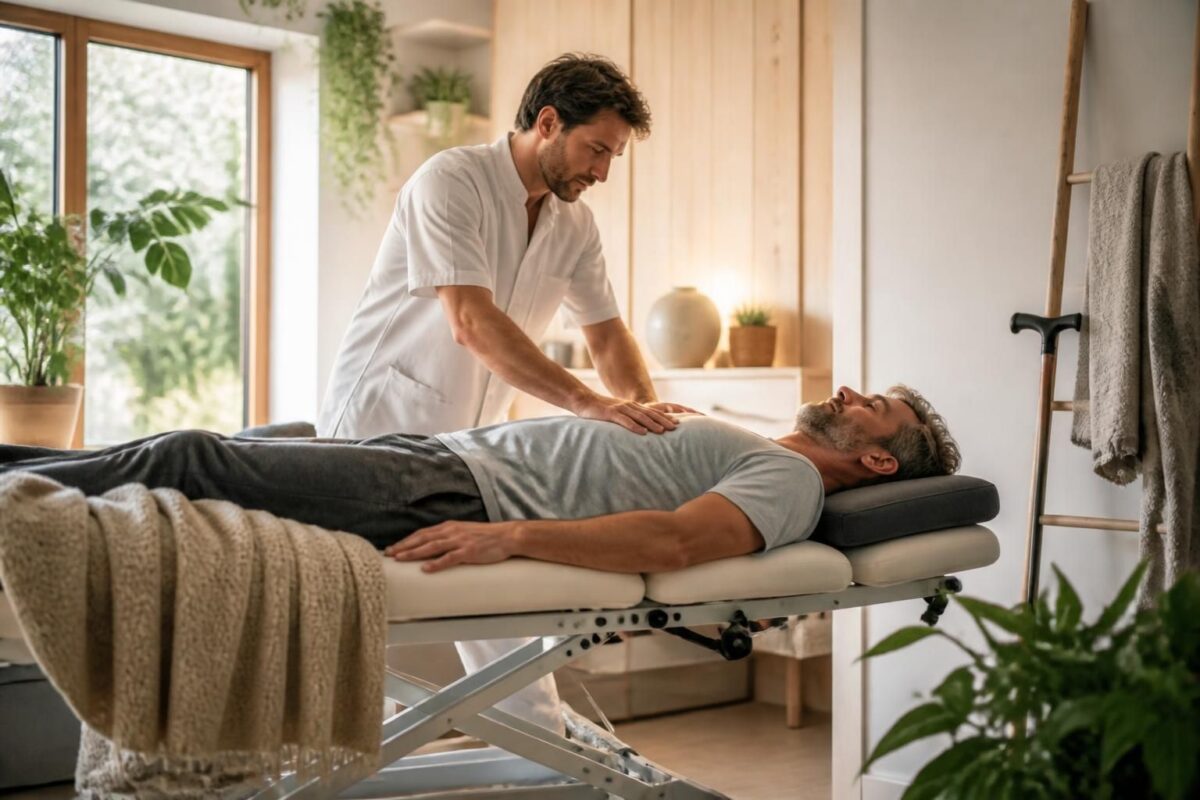
Why Osteopathy Is Essential For Recovery People
In short In short, Osteopathy in convalescence is an approach manual and holistic which helps to accelerate the recovery by restoring The balance, the mobility and a good circulation fabrics. it contributes to Reduce the pain, support the Back to…

Osteopathic manipulations to strengthen post-traumatic muscles
In short In short, Osteopathic manipulations for Strengthen post-traumatic muscles constitute a gentle manual approach aimed at restoring the mobility, reduce the pain and facilitate the Functional rehabilitation After a injury. What is Is it? A series of precise gestures…
Techniques and areas of intervention
The osteopathic approach is based on techniques sweet and Custom such as joint mobilization, myofascial relaxation and light visceral work. The work can target the diaphragm, rib cage, neck, jaw and abdomen to release tensions that build up during prolonged stress episodes. These interventions aim to improve mobility, blood circulation and lymphatic drainage, which supports better regulation of stress at the global level.

Osteopathy and prevention of work-related musculoskeletal disorders
In short theosteopathy is one Manual approach that restores body balance and prevents MSD related to work. Its advantages: reduction of tension, improvement of mobility and prevention of chronic pain. She is preventive and healing, suitable for office and trades…

The benefits of osteopathy to treat muscle imbalances
In short theosteopathy is a manual approach to restore themuscle harmony and postural considering the body as a whole. Its main benefits include the reduction of aches and tensions, the improvement of the mobility and from the posture, and prevention…
When and how to consult
Consult when persistent tensions, sleep disorders, stress migraines or irritability affect your daily life. A first consultation allows you to carry out a global review of your state and your history, then to propose a personalized plan. Typical results include rapid decrease in tension, deeper sleep and better tolerance to stress, with a lasting effect when the sessions are part of a suitable routine.
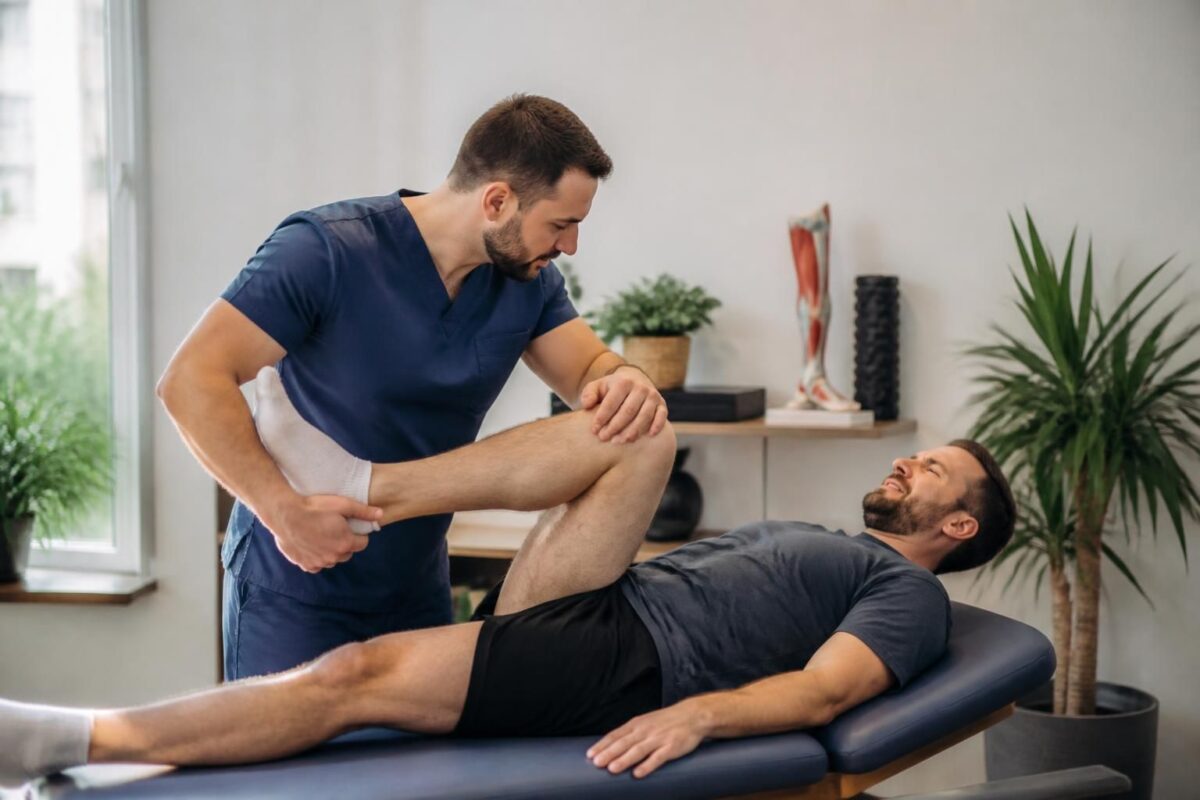
Osteopathy and chronic leg pain: regaining an optimal quality of life
In short In short, Osteopathy is one Global manual approach aimed at reducing Chronic leg pain and improve the quality of life. What is it? Non-drug therapy using the hands to identify restrictions and treat lesional chains. How does it…
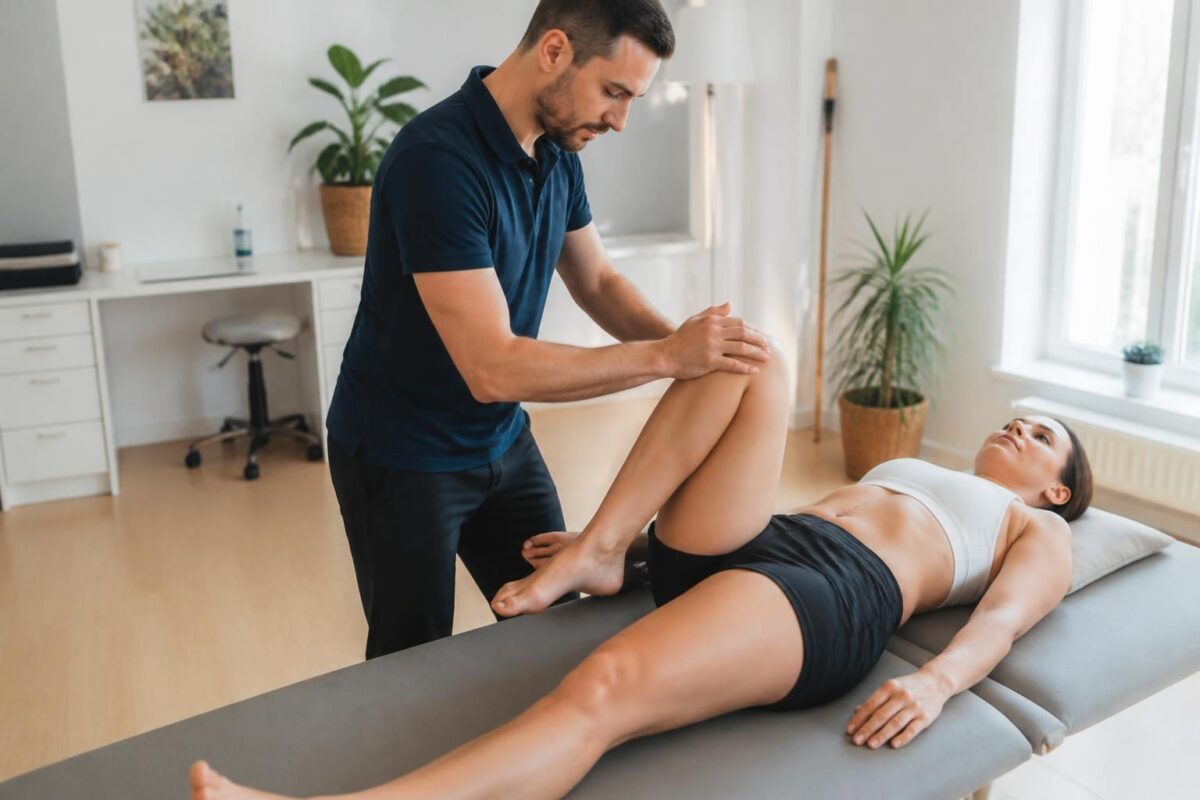
How osteopathy supports recovery after complex surgery
In short In short, Post-operative osteopathy is an approach fresh which supports the recovery After a Complex surgery. It helps to reduce the pain and the fatigue, improves the mobility and accelerates the healing thanks to a better vascularization and…
Integrate osteopathy into sustainable stress management
To optimize profits, combine theosteopathy to complementary practices such as breathing exercises, regular day breaks, gentle physical activity (walking, yoga), and a balanced diet. A routine focused on relaxation and regulation of the nervous system can amplify the effects of osteopathic sessions and promote better adaptability in the face of periods of tension.
In collaboration with these approaches, theosteopathy Offers a natural, non-invasive solution to soothe body and mind, improve quality of life and build resilience on a daily basis.
| Axis | Concise impact |
|---|---|
| Objective | promotes the relaxation and the breathing ample to soothe the stress. |
| Mechanism | release the Muscle tensions and stimulates the the nervous system To activate the parasympathetic. |
| Earnings | Improve it sleep, Lmood and the concentration for overall well-being. |
| Targeted areas | Targets diaphragm, neck, shoulders, jaw and abdomen; Mobilizes the fabrics. |
| modalities | Approach non-invasive and personalized, overall assessment and brief follow-up. |
| Target audience | Assets under tension, students, athletes; Suitable for all ages. |
| short and medium term effects | Quick and lasting effects with a suitable frequency and breathing exercises. |
| Interaction with other treatments | complements psychological approaches without replacing them; physical and emotional support. |
| Prevention and follow-up | Regular consultations to prevent imbalances and maintain relaxation. |
Testimonials: Osteopathy and stress – Soothe the body and mind
Since my sessionsosteopathy, my body relaxes and my mind calms down; the stress no longer takes over. I sleep better and my feeling of welfare has improved sustainably.
Thanks to gentle manipulations and attentive listening, I found a breathing calmer and a posture more free. The work on my diaphragm and my tensions released blockages that weighed on my daily life and my energy.
Before, the tensions in the neck and headaches accompanied my stressful days. After a few sessions, the pain decreased and my concentration came back. My stress is better managed and I find more clarity in my choices.
As a sportsman, the stress related to performance hit me. theosteopathy Helped me to release accumulated tensions and resume training with more thanenergy and of confidence.
Following an episode of anxiety, I found in osteopathy a valuable support to find rest. My nights are more relaxing, my sleep is deeper and my welfare Global is feeling it.
Regular sessions bring me concrete tools to manage stress on a daily basis. with a better breathing, a posture more aligned and a decrease in strain Physical, my days are more fluid and my reactions to stress are more controlled.
In a world where the stress rose to the rank of daily companion, theosteopathy Appears as a global approach capable of calming both the body and themind. It is based on an intimate relationship between physical tension, emotions and visceral functioning to restore a lasting balance. This manual discipline goes beyond pain reduction: it aims for a harmony that positively influences sleep, energy and mental clarity, a true rebalancing of everyday life.
The basis of this practice is based on the idea that the body and themind form an inseparable whole. The stress Chronicle triggers muscle-tensive reactions, superficial breathing and prolonged activation of the autonomic nervous system. Through gentle and calibrated gestures, the osteopath releases tension, restores tissue mobility and improves blood and lymph circulation. This bodily action then reverberates on the emotional level, favoring a reduction in anxiety and a better ability to relax even in the face of daily challenges.
This therapeutic journey is supervised by a practitioner who adopts active listening and overall patient evaluation. This expert is the founding president of a network and an association dedicated to the evolution of manual care, testifying to a continuous commitment to innovation and training. It focuses on understanding lifestyle habits, professional and personal stressors, as well as physical stress manifestations, in order to establish an individualized plan focused on the return of a lasting balance between body and mind.
The techniques used cover a range of methods: smooth joint mobilization, myofascial relaxation, visceral work and, when necessary, cranial interventions. The objective is twofold: to free the areas of tension and optimize breathing, circulation and mobility, in order to promote the activation of the parasympathetic system and reduce the reactivity of the sympathetic system. This neurophysiological regulation explains the rapid effects felt by patients and their regained ability to better manage stressful situations.
The benefits result in a concrete improvement in the quality of life. Pain and stiffness decrease, sleep improves and mood becomes more stable. theosteopathy stands out as a valuable support in the management of the stress, not in opposition but in addition to psychological approaches when these prove necessary. By bringing together manual know-how and holistic perspective, it strengthens resilience and endurance in the face of daily demands.
In modern clinics, the osteopathic approach can be associated with non-invasive technologies that optimize the recovery process, without using drug treatments. This integration makes it possible to adapt care to the specific needs of each patient, while remaining faithful to a practice based on evidence and careful observation of clinical results. The objective remains the same: to facilitate a smooth transition to a state of lasting calm and a better ability to cope with stress.
This journey, anchored in listening and technical precision, is part of a multidisciplinary approach that promotes collaboration with mental health professionals when necessary. theosteopathy and the management of stress complement each other to restore the balance between body and mind, offering a natural and effective way to a more serene life. Through a graduated and adapted practice, osteopathy opens the door to better management of the stress and a harmony found between the body and themind.
This text summarizes how theosteopathy may soothe stress and theanxiety By acting on the Body and mind, by freeing the strain, by improving the breathing and favoring the Nervous system regulation. Thanks to a global approach, it can positively influence sleep, mood and concentration, while supporting physical recovery and mobility.
in optics osteopathic, manual techniques aim to loosen the tension zones, especially around the diaphragm, neck and jaw, in order to release the breathing and promote the activation of parasympathetic nervous system, responsible for rest and recovery. This lasting relaxation often results in a reduction in pain and an improvement in the sleep quality.
The link body-mind is highlighted: the stress is not limited to the mind, it is manifested by physical tensions and stiffness. By releasing these tensions and restoring mobility, theosteopathy Rebalances the signals between the organs and the brain, helping to decrease theanxiety and promote a feeling of welfare.
To optimize efficiency, the approach can be combined with complementary practices such as breathing, meditation or gentle physical activity. These tools, in synergy with osteopathic manipulations, reinforce the stress prevention and help sustain the balance body-mind. For more information, consult the resources dedicated to theStress and osteopathy and integration into the professional framework.
The concrete benefits observed include a Decreased tensions, a Better mobility, a reduction in disorders sleep and an Anxiety Reduction. Patients sometimes mention an improvement in their concentration and daily energy, which can result in better performance in work or sport.
To learn more, you can check out these resources: Stress#ATFP_CLOSE_TRANSLATE_Span# and Anxiety and Osteopathy, Approach#ATFP_CLOSE_TRANSLATE_SPAN# Preventive and joint mobility, and Osteopathy#ATFP_CLOSE_TRANSLATE_SPAN# and stress — soothe the body and mind.

Dr Sylvain Desforges, B.Sc., D.O., N.D., osteopath, is the founding president of TAGMED and of the ACMA association. He dedicates his practice to chronic spinal pain, low back pain and symptoms compatible with sciatica, particularly when pain radiates toward the buttock, leg, calf, foot or toes.
Through SOS Sciatique, he publishes educational content on sciatica symptoms, possible causes such as disc herniation, disc narrowing, foraminal stenosis or irritation of a lumbar nerve root, as well as non-surgical approaches that may be considered according to the evaluation. At Clinique TAGMED, care may include, depending on the case, motorized neurovertebral decompression, specific osteopathic care or precision percussion.
For an evaluation related to sciatica treatment in Montreal / Mount Royal or sciatica treatment in Terrebonne, please consult the services available at Clinique TAGMED.
Medical disclaimer
The information published on SOS Sciatique is provided for educational purposes only and does not replace a consultation, diagnosis, opinion or treatment provided by a physician or another authorized healthcare professional. The author of this article is neither a medical doctor nor a specialist in a medical specialty recognized by the Collège des médecins du Québec. The osteopathic, manual medicine or functional support approaches described on this site do not constitute medical acts and are not intended to replace medical follow-up.
Consult a physician or emergency service in cases of loss of bladder or bowel control, anesthesia in the saddle area, significant or progressive weakness in the leg or foot, fever, recent trauma, severe pain or rapid worsening of symptoms. For more details, please read our Legal Notice.