Osteopathy and chronic leg pain: regaining an optimal quality of life
29/06/2026
Osteopathy and prevention of work-related musculoskeletal disorders
29/06/2026
In short theosteopathy is a manual approach to restore themuscle harmony and postural considering the body as a whole. Its main benefits include the reduction of aches and tensions, the improvement of the mobility and from the posture, and prevention of imbalances that could manifest later. It acts on the musculoskeletal system And, through a holistic approach, can also support sport, pregnancy and post-exercise rehabilitation. Operation is based on full evaluation, careful palpation and precise manipulations that promote body self-repair and improvement of motility. In Montreal, this service is particularly recommended for Muscle imbalances and pain related to physical activity. |
Muscle imbalances are manifested by tension, pain and reduced mobility. Osteopathy offers Global approach To restore the balance of the body and act on the source of the tensions.
- Precise palpation and listening to the body to spot tension areas and muscle imbalances.
- Mobility and Motility found through manipulations sweet and targeted on muscles, fascias and joints.
- Correction of Postural imbalances and improved coordination between agonist and antagonistic muscles.
- Preventive action to limit recurrences and facilitate sports practice or daily activities.
- Approach adapted to everyone (age, activity, lifestyle) and possible support in rehabilitation.
To benefit from these benefits, request a personalized evaluation and treatment adapted to your condition.
This article presents the benefits of osteopathy to treat muscle imbalances. It explains how osteopathy can restore tissue mobility and motility, improve muscle chain coordination and promote the body’s ability to self-regulate. It discusses the mechanisms of action, the typical indications, the course of a session and the ways to integrate this approach into a strategy of prevention and well-being.
Muscle imbalances are manifested by pain, tension and restricted mobility. Osteopathy offers a global approach that seeks to release tensions, restore the harmony of systems and prevent recurrences. By working on muscles, fascias and joints, it can promote better posture and more effective recovery after exercise.
How osteopathy acts on muscle imbalances
The osteopath uses precise palpation to identify areas of tension and blockages. It combines functional, structural and visceral manipulations, adapted to each patient. The objective is to improve the mobility and motility of tissues, in order to restore the overall balance and to limit the tensions that awaken pain. The treatment is done with respect for the body and its unique way of responding to stress, fatigue and repetitive postures.
Key Mechanisms: Mobility, Motility and Harmony
Mobility refers to the ability of a fabric to move in space. Motility refers to the ability of organs and tissues to move or move in their envelope. Osteopathy aims to optimize these two dimensions so that the muscle chains and organs work together in a synchronized way. This approach contributes to refocusing the body’s adaptation mechanisms and limiting local inflammatory reactions related to muscle imbalance.
When to consult and in what contexts
Consult an osteopath when you suffer from chronic muscle tension, pain related to repeated postures or repetitive efforts, or when you are looking to improve your recovery after physical exertion. Osteopathy can be considered in prevention, in athletes or as part of a postural assessment. In the event of specific pathologies, the osteopath adapts his approach and can refer to other professionals if necessary. To better understand the mechanisms and potential outcomes, you can look at resources like the following articles: Why osteopathy is effective in treating pain related to osteoarthritis, Osteopathy and sports recovery, Osteopathy and pain management.
What the expertise on the practice framework states
Osteopaths are part of a recognized training framework and can be affiliated with professional organizations. Training is carried out in particular in establishments recognized and supervised by the competent authorities. Osteopaths can also rely on resources and guides dedicated to practice to stay up to date on approaches and evolutions of the discipline. For those who wish to deepen the practical and scientifically accessible aspects, resources such as Osteopathy and sports recovery Offer useful lighting.
Integration and prevention
Osteopathy can be integrated into an active prevention strategy. In athletes, it can help maintain muscle balance and optimize performance without resorting to invasive gestures. In people with functional pain, the approach aims to reduce tension and promote better organization of muscle chains. To deepen the benefits in the areas of pain prevention and management, see Osteopathy and pain management and associated resources.
Training and Professional Framework: Osteopaths are trained in recognized institutions such as Numss, NAO, National University of Medical Sciences and National Academy of osteopathy To acquire a solid knowledge of the structures and movements of the body.
For a comparison of approaches and their relative effectiveness in certain contexts, some practitioners mention additional benefits with other therapies, while favoring the osteopathic approach when the objective is to restore musculoskeletal harmony.
Useful resources to better understand osteopathy and its areas of action are available through the following sites: Tagmed Clinic and the pages dedicated to neuroverbal decompression and the management of herniated discs on affiliate sites.
In the context of the treatment of muscle imbalances, osteopathy can be accompanied by practical information on lifestyle and posture, while remaining centered on the patient and on the objective of preserving or restoring normal tissue function.
To learn more about possible mechanisms and outcomes, you can view additional resources at the following links: Essential osteopathy for demanding professions, Benefits for nervous tensions, and Osteopathy and osteoarthritis.
For more information on the professional framework and practices, refer also to the local and professional resources available through the recognized associations mentioned below.
Medical Disclaimer: The information and advice provided on this site does not replace the health professional’s diagnosis or treatment. Please note that Dr. Sylvain Desforges osteopath is neither a doctor of medicine nor a doctor, and is not a specialist in a medical specialty as defined by the Collège des Médecins du Québec. Manual medicine, functional medicine and sports medicine as described on this site exclude any medical treatment or diagnosis made by a doctor or specialist doctor. Always consult your doctor for any medical questions. For more details, please read our full legal notice.
- Mobility rebalancing Muscle chains and fascias.
- Harmonized neuromuscular activation For better coordination of muscle groups.
- release of tensions and pull points that limit flexibility.
- pain reduction and stiffness related to imbalances.
- posture improvement and alignment, for less fatigue.
- Injury prevention thanks to better adaptability of muscles and tissues.
- Accelerated recovery After exercise thanks to better circulation and tissue mobility.
- Sports adaptability and improved performance thanks to a more efficient and secure technique.

This presentation summarizes how Osteopathy can effectively treat Muscle imbalances, by acting on tissue mobility, posture and harmony between body systems. It highlights targeted approaches, concrete benefits and practical advice for integrating this therapy into a sustainable well-being approach.
Understanding muscle imbalances and the role of osteopathy
The Muscle imbalances manifest when certain muscles become too tense or insufficiently active, disrupting the synchronization of movement and stability of the spine. In osteopathy, the evaluation takes into account the functional unit of the body: a tension in one zone can influence other regions. The goal is to restore a mobility harmonious and improve the motility Tissues to prevent pain and movement limitations.

How osteopathy improves the quality of life of active people
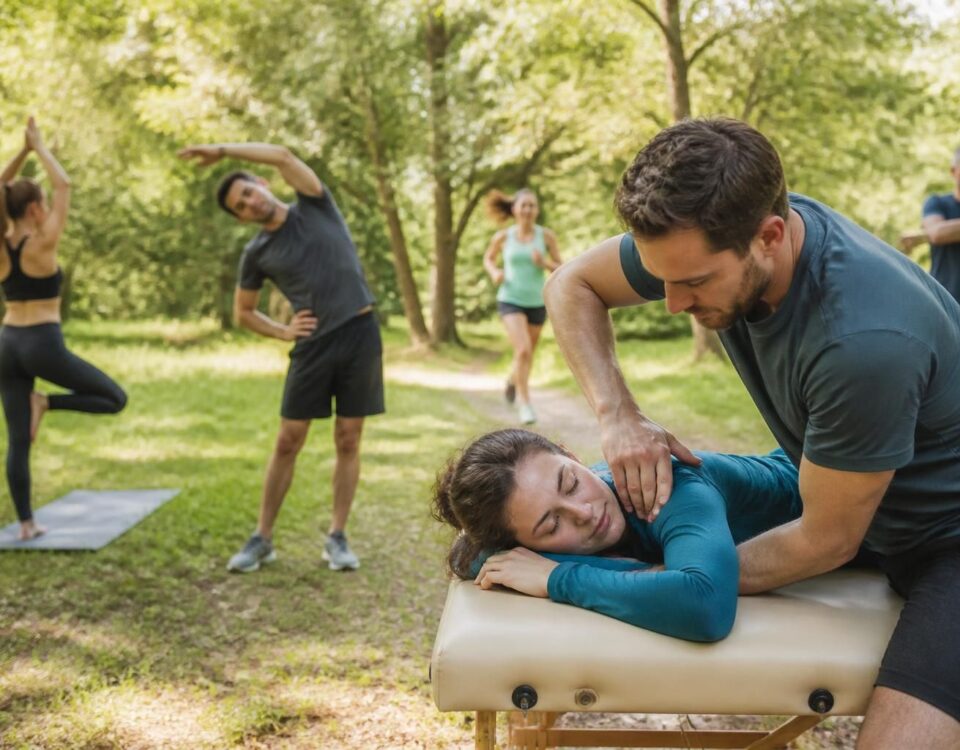
In short In short, theosteopathy is a global approach that Optimizes mobility and the function of the body of ACTIVE PEOPLE, for a better quality of life. It helps prevent injury and reduce Musculoskeletal pain While promoting the Sports recovery.…
Appropriate techniques to restore balance
Functional and structural manipulations
the techniques osteopathic Use precise and progressive gestures to release tension, restore the amplitude of the joints and restore a natural dynamic to the muscular and fascia1es chains. The approach aims to support the body in its self-regulating ability and reduce feelings of stiffness after exercise.
Global approaches and prevention
Beyond the painful areas, the osteopath acts on neighboring elements (general posture, breathing, diaphragm) in order to reduce compensation and improve muscular efficiency on a daily basis. This preventive dimension can help limit recurrences and optimize sports performance.

Osteopathy and sports recovery: prepare the body for lasting performance
In short In short, Osteopathy and Sports recovery is one Global manual approach that sustainably prepares the body for the effort by restoring mobility and circulation After the effort. It is a discipline that acts on the sinews, the joints,…
Concrete benefits for patients
The targeted work on muscle imbalances balances forces between agonist and antagonistic muscles, reducing pain and muscle fatigue. The sessions promote better posture, more efficient circulation and increased overall mobility. Concretely, this can result in less tension after training, faster recovery and smoother progression in everyday actions.
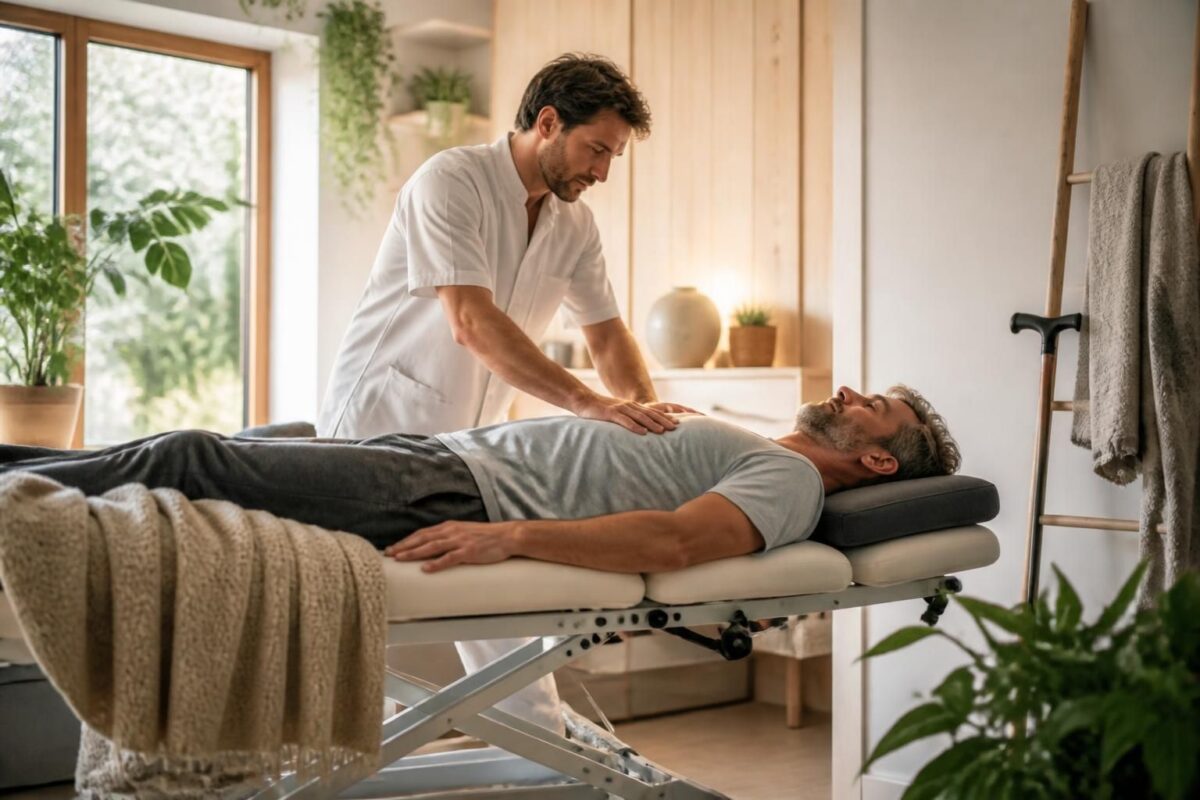
Why Osteopathy Is Essential For Recovery People
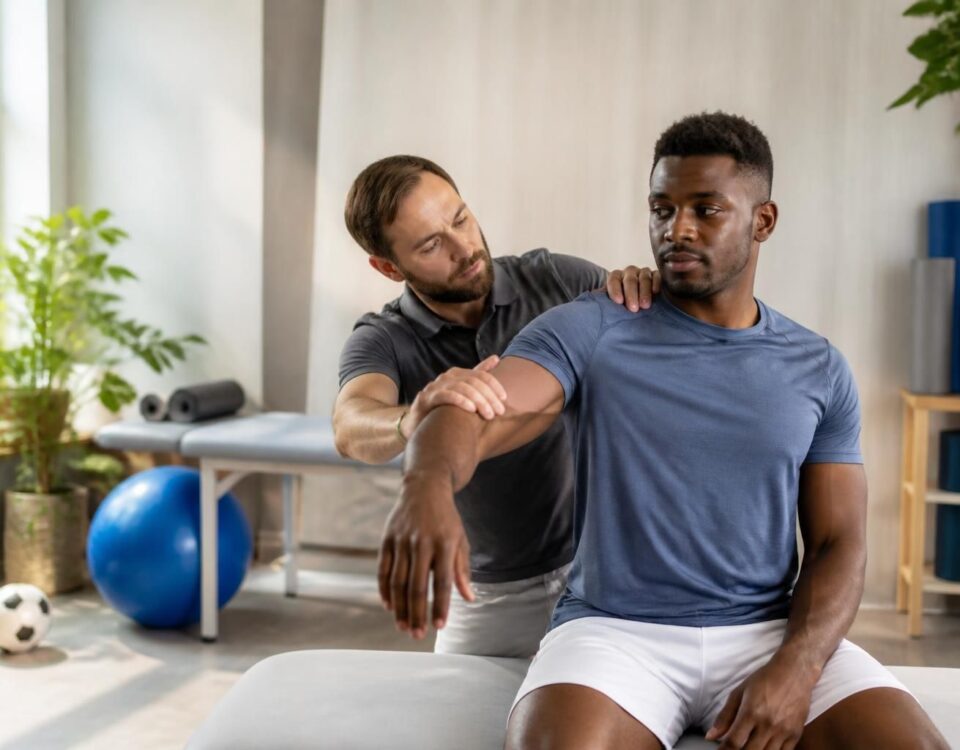
In short In short, Osteopathy in convalescence is an approach manual and holistic which helps to accelerate the recovery by restoring The balance, the mobility and a good circulation fabrics. it contributes to Reduce the pain, support the Back to…
When to consult and how to prepare
If you experience recurring pain related to repeated postures, areas of tension or difficulties in performing movements, an osteopathic evaluation may be relevant. Prepare a clear list of triggering symptoms and circumstances, and provide exam items if necessary. A session generally lasts between 45 and 60 minutes and can be followed by exercise tips to do at home to prolong the effects.
| Element | Concise impact |
|---|---|
| Mobility and motility muscle chains | Improves overall mobility, releases blockages and reduces pain associated with muscle imbalance. |
| Balance antagonistic groups | Restores harmony between agonist and antagonistic muscles to limit compensation. |
| Flexibility and tensions | Eliminates tension and stiffness, improving flexibility and flexibility. |
| Posture and alignment | Optimizes alignment and posture to prevent postural pain. |
| Circulation and drainage | Improves circulation and drainage, facilitating recovery. |
| Recovery on stress | Supports recovery after exercise through muscle relaxation. |
| Prevention recurrences | Strengthens the body’s ability to self-regulate to prevent relapses. |
| Management stress and neuromuscular tensions | Reduces muscle stress and improves nervous regulation. |
| Approach global and personalized | Treats the patient as a whole and adapts interventions to the targeted imbalance. |

Osteopathic manipulations to strengthen post-traumatic muscles
In short In short, Osteopathic manipulations for Strengthen post-traumatic muscles constitute a gentle manual approach aimed at restoring the mobility, reduce the pain and facilitate the Functional rehabilitation After a injury. What is Is it? A series of precise gestures…
Testimonials on the benefits of osteopathy for muscle imbalances
Before my first session, my Muscle imbalances tugged my back and shoulders. After a few osteopathy sessions, I found a mobility fluid and strain much less present on a daily basis.
When I resume sport, I saw a marked improvement in my Muscle balances and a better posture. My performance is improving and I expect less pain after exercise.
My computer work caused pain related to Postural imbalances. Thanks to osteopathy, lumbar pain decreased and walking became more fluid, which motivates to move more.
After a sports injury, the Muscle tensions Relax quickly, and the sessions are accompanied by simple instructions to maintain the gains. I found a real mobility and a better body consciousness.
During pregnancy and postpartum, osteopathy has been of great support: better management of the pelvis and center, reduction of pain and feeling of welfare global.
Finally, understand theListening to the body and the importance ofself-exercise is an integral part of the treatment; the Muscle imbalances can be treated in a global and lasting way, which changes life on a daily basis.
Dr. Sylvain Desforges, osteopath recognized, combines expertise in osteopathy, naturopathy and manual medicine. Founding president of TagMed and the ACMA association, he places the muscular imbalances of his patients at the heart of his approach. With a career focused on innovation in care, he favors non-invasive and personalized methods. Its objective is to restore lasting body harmony, by tackling not only the symptoms but also the root causes of muscle tension. His approach is based on evidence-based practices and attentive listening to the patient.
The Muscle imbalances are manifested by unequal tensions between muscle groups, tense myofascial chains and postural patterns that set in over time. In osteopathy, the body is considered as an interdependent network: tension in a region can be projected elsewhere thanks to the fascias, nerves and joints. The goal is to restore the mobility and the motility Tissues so that the muscles regain their natural amplitude and their coordinated function, thus promoting balanced posture and fluid movement on a daily basis.
To treat these imbalances, osteopathy offers a range of techniques adapted to each individual. precise joint manipulations and loose soft tissues, Myofascial release Or with cranial manipulations, each gesture aims to reduce tension, improve circulation and restore the stability of muscle chains. These approaches aim to optimize coordination between the trunk, pelvis and extremities, reducing pain and preventing recurrences, whether it is a gradual return to sport, physical work or daily effort.
The role of the practitioner begins with a comprehensive and personalized assessment. After careful history, posture observation and mobility tests, the osteopath identifies areas of tension and potential causes of imbalances. This approach makes it possible to develop a tailor-made care plan, which can include exercises to do at home and ergonomic advice to preserve muscle balance in the long term. The objective is to help the patient become an actor in his own recovery and prevention.
In an integrated practice, osteopathy often relies on complementary non-invasive tools to optimize results. The use of spinal decompression can promote better spinal mobility, laser And shock waves can help to dissipate localized tensions and activate the soft tissue healing process. By combining these technologies with targeted manual techniques, Dr. Desforges offers holistic care that maximizes benefits for muscle imbalances and allows effective functional rehabilitation.
In short, the osteopathic intervention, carried out with listening and precision, is not limited to soothing the temporary pain. It aims at a lasting improvement in mobility, a reduction in muscle imbalances and proactive prevention of future tensions. The therapeutic path is built around a balance between fine manual techniques, practical advice and personalized support to optimize the health and well-being of the patient.
This sheet details how theosteopathy can correct the Muscle imbalances By acting on the mobility, the posture and the overall balance of the body. She explains the mechanisms, the concrete benefits and the progress of a session, with practical advice and links to go further.

Osteopathy and prevention of work-related musculoskeletal disorders
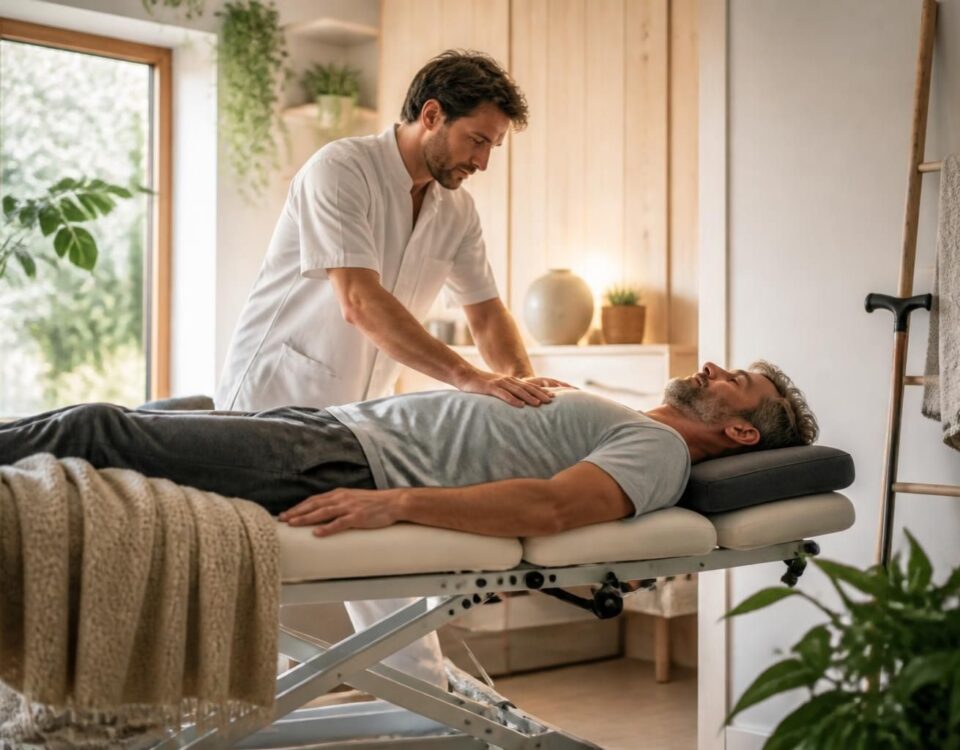
In short theosteopathy is one Manual approach that restores body balance and prevents MSD related to work. Its advantages: reduction of tension, improvement of mobility and prevention of chronic pain. She is preventive and healing, suitable for office and trades…
Principles and mechanisms
In an osteopathic approach, the body is considered as a functional unit where each system can influence the others. A muscular imbalance is not seen as a simple local symptom: it can modify global mobility and create tension chains. The intervention aims to restore the motility and the mobility Tissues (bones, muscles, fascias, organs) to restore general harmony. This approach is based on fine palpation and listening to the body in order to identify areas of tension, compensation and limitations that fuel the imbalance.
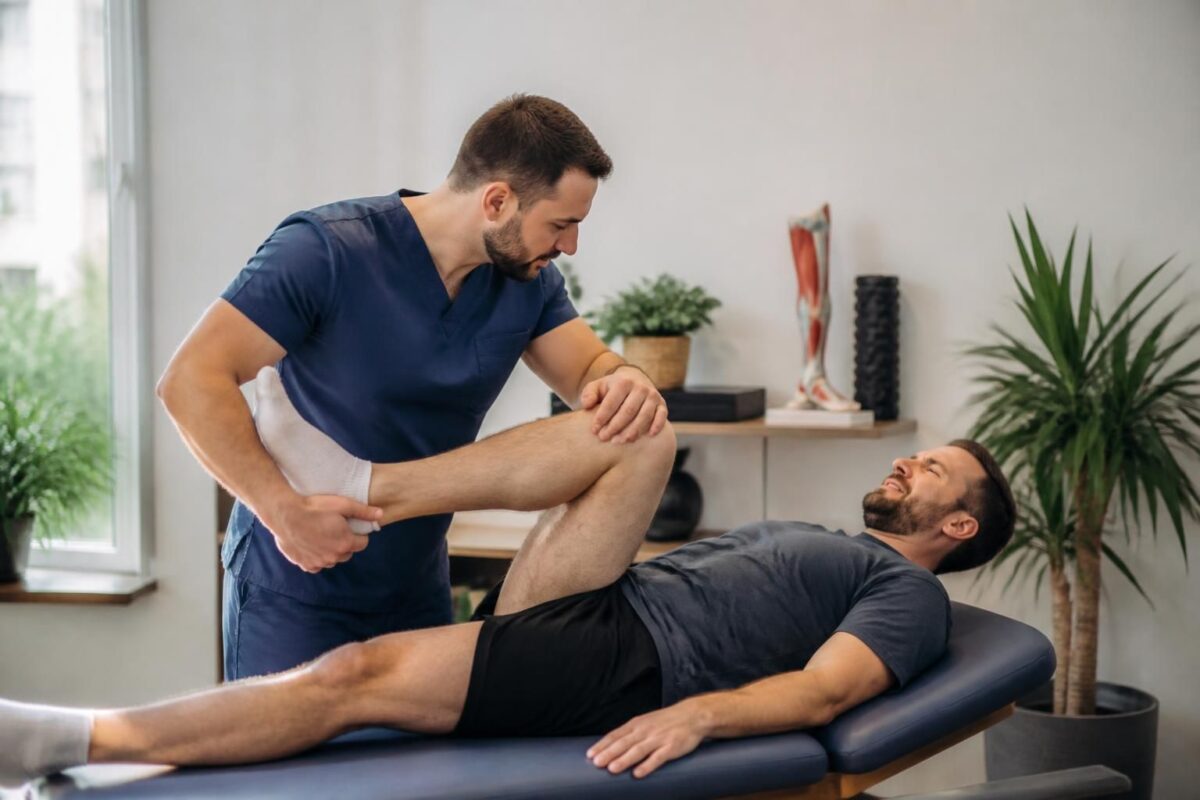
Osteopathy and chronic leg pain: regaining an optimal quality of life
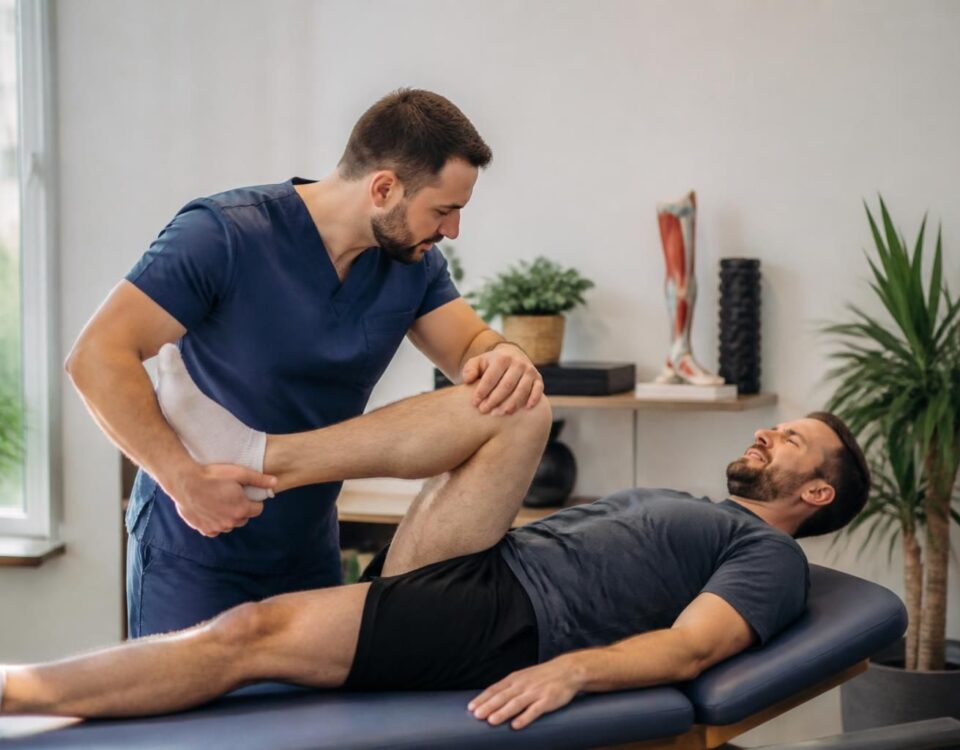
In short In short, Osteopathy is one Global manual approach aimed at reducing Chronic leg pain and improve the quality of life. What is it? Non-drug therapy using the hands to identify restrictions and treat lesional chains. How does it…
Benefits for muscle imbalances
The Muscle imbalances Often result in asymmetries in the posture, repetitive muscle tension and overload on some muscle chains. Osteopathy works by releasing these tensions, improving joint mobility and harmonizing movements between antagonistic and synergist muscle groups. Expected result: a reduction in compensation, a better range of motion and a smoother recovery of motor patterns, which can limit the appearance of pain and stiffness linked to the imbalance. To understand how osteopathy can preserve freedom of movement at any age, click here.
In practice, the osteopath uses various techniques adapted to the person: functional manipulations to mobilize the tissues with the help of the subject, structural approaches to restore the mobility of the joints, visceral manipulations to promote the motility of the organs, and Cranial techniques to adjust the movement of the membranes and the nervous system. Once the balance is restored, the body can better self-repair and reinstall more efficient motor patterns, which is essential in the management of chronic imbalances and post-traumatic phases.
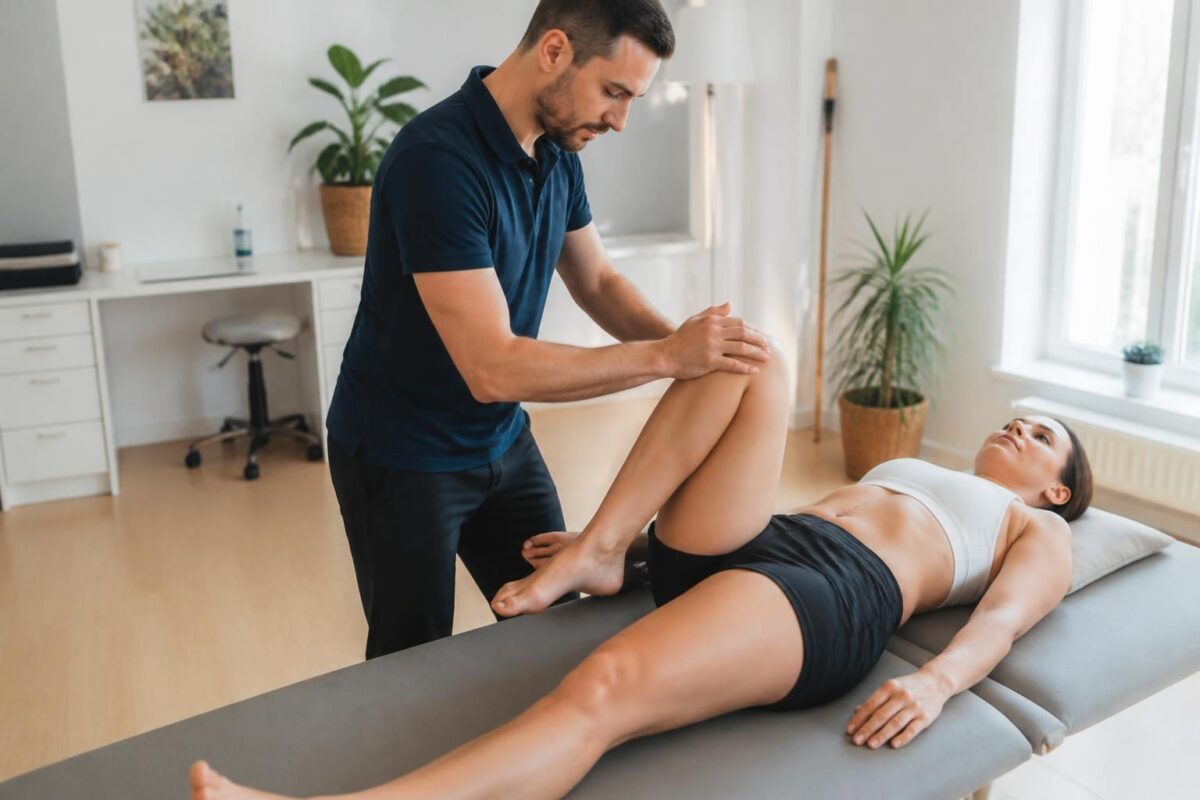
How osteopathy supports recovery after complex surgery
In short In short, Post-operative osteopathy is an approach fresh which supports the recovery After a Complex surgery. It helps to reduce the pain and the fatigue, improves the mobility and accelerates the healing thanks to a better vascularization and…
What to expect in a session
each session is adapted to the individual situation and generally begins with a Anamnesis and a posture observation in light clothing. Mobility and motility tests make it possible to locate the areas to be treated and to assess the quality of the tissues (temperature, induration, tension). The treatment combines manipulation fine and precise, chosen according to the needs of the patient, and can include practical advice at home to support progression.
The duration of a session often varies between 45 and 60 minutes. Depending on the reason and response to treatment, several sessions may be necessary (sometimes 2 to 3, spaced 1 to 3 weeks apart), while other situations may result in improvement after a single consultation. After each session, some feeling of aches may appear, a sign that the tissues are reorganizing. For people active or subject to repeated tension, the frequency can be adjusted to maintain themuscle balance and the mobility.
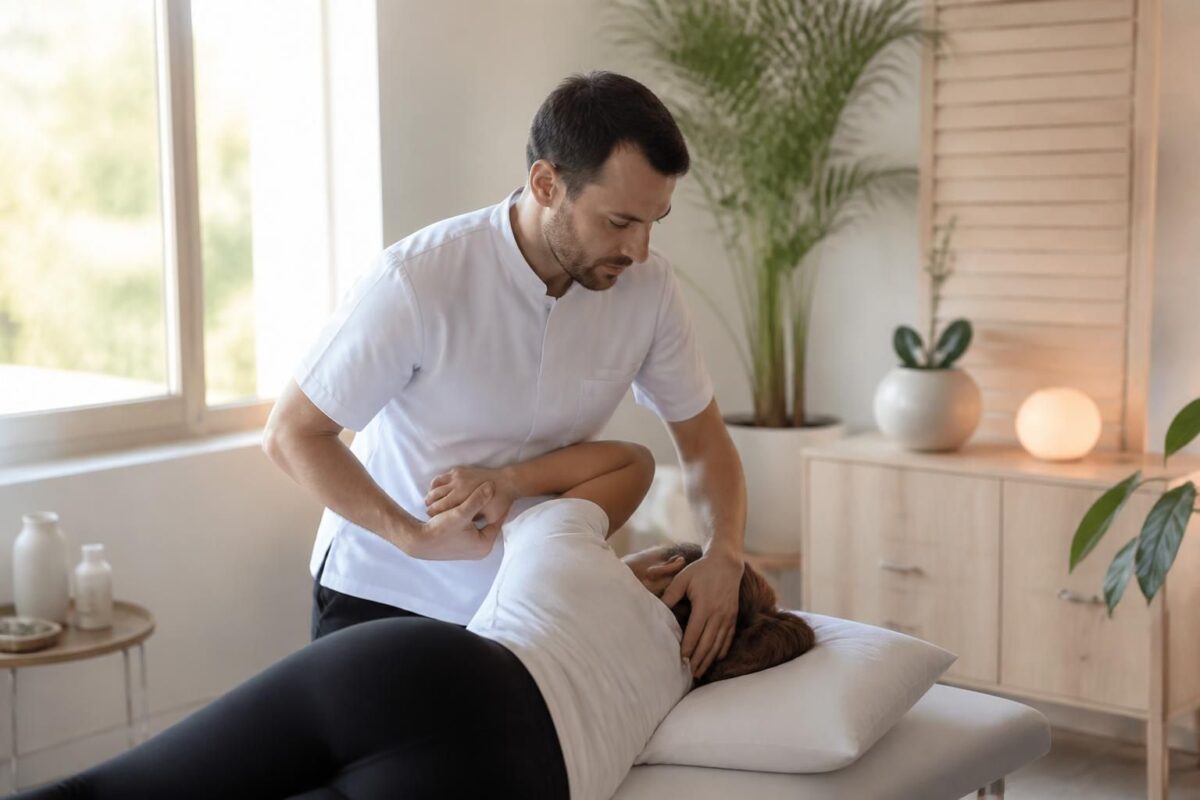
Why osteopathy is a natural alternative to drug treatments
In short In short, Osteopathy is one Soft manual approach who restores thebalance and mobility of the body without drugs. This natural alternative Acts on the cause pain rather than their symptoms and can reduce the consumption of certain treatments.…
Resources and additional readings
To deepen the links between osteopathy, mobility and muscle imbalances, you can consult the following resources:
How osteopathy improves mobility after prolonged immobilization
What is osteopathy and why consult?
Osteopathy and mobility – Preserving freedom of movement at any age
Osteopathy – a sustainable solution for everyday well-being
Osteopathy and pain management – personalized approach
Benefits of osteopathy to treat pain related to physical overload
Understanding the principles and benefits of osteopathy
The benefits of osteopathy to treat muscle imbalances

Dr Sylvain Desforges, B.Sc., D.O., N.D., osteopath, is the founding president of TAGMED and of the ACMA association. He dedicates his practice to chronic spinal pain, low back pain and symptoms compatible with sciatica, particularly when pain radiates toward the buttock, leg, calf, foot or toes.
Through SOS Sciatique, he publishes educational content on sciatica symptoms, possible causes such as disc herniation, disc narrowing, foraminal stenosis or irritation of a lumbar nerve root, as well as non-surgical approaches that may be considered according to the evaluation. At Clinique TAGMED, care may include, depending on the case, motorized neurovertebral decompression, specific osteopathic care or precision percussion.
For an evaluation related to sciatica treatment in Montreal / Mount Royal or sciatica treatment in Terrebonne, please consult the services available at Clinique TAGMED.
Medical disclaimer
The information published on SOS Sciatique is provided for educational purposes only and does not replace a consultation, diagnosis, opinion or treatment provided by a physician or another authorized healthcare professional. The author of this article is neither a medical doctor nor a specialist in a medical specialty recognized by the Collège des médecins du Québec. The osteopathic, manual medicine or functional support approaches described on this site do not constitute medical acts and are not intended to replace medical follow-up.
Consult a physician or emergency service in cases of loss of bladder or bowel control, anesthesia in the saddle area, significant or progressive weakness in the leg or foot, fever, recent trauma, severe pain or rapid worsening of symptoms. For more details, please read our Legal Notice.