Osteopathic techniques to improve lymphatic circulation
29/06/2026
Why osteopathy is an essential solution for active seniors
29/06/2026
In short
| In short, theosteopathy is one Manual therapeutic approach which aims to restore Body balance and manage the Chronic pain by techniques non-invasive and personalized. This approach offers A natural and sustainable solution To improve the mobility, reduce tensions and prevent relapses, without systematically resorting to drugs. In the region of Montreal, it is particularly recommended for lower back pain and musculoskeletal tensions related to physical activity, with support that promotes understanding of pain mechanisms and progressive rehabilitation. |
theosteopathy is an approach natural and non-invasive centered on the body as a whole. It aims at the pain management chronic by restoring order and functional equilibrium through Soft manual techniques, improving mobility and circulation, and reducing muscle tension. This approach holistic Identifies and treats the underlying causes of pain rather than limiting symptoms. Thanks to these mechanisms, osteopathy offers a Durable solution which minimizes the use of drugs, favoring a Improved quality of life and an relapse prevention.
This analysis, written by a health professional and expert in osteopathy, presents how osteopathy can help manage pain in a natural and lasting way. It describes the principles, mechanisms, current evidence and the integration of this approach into the care pathway, while providing practical resources and practical examples of application.
What is osteopathy and how it acts on pain
theosteopathy is a manual approach that considers the body as a whole. Pain may reflect an imbalance elsewhere in the body. By working on joints, muscles and tissues, the osteopath helps restore The balance, to improve mobility and promote appropriate circulation of body fluids. This approach aims to reduce tension and support the body’s ability to self-regulate.
This discipline is based on a holistic and non-invasive vision. It can be part of a logic of prevention and functional recovery, without systematically using drugs. For more information on sports benefits and injury prevention, consult the dedicated resources on specialized sites.
Mechanisms and tools of osteopathy
Osteopathic techniques use gentle manipulations and specialized pressures to:
- promote the mobility of tissues and joints;
- Relieve muscle and fasciaal tension;
- improve blood and lymph circulation;
- Optimize the amplitude and overall functioning of body systems.
This approach is based on an understanding of the relationships between structures and functions, and emphasizes self-regulation of the body. For information on how osteopathy can improve circulation and relieve sensitive areas, see the following resources.
Efficacy and clinical evidence
Studies and reviews indicate that osteopathy can reduce pain and improve function in people with Chronic pain, especially lumbar and musculoskeletal. The focus is on character holistic and non-invasive care, which can promote sustainable recovery and a better quality of life. These results support the idea that osteopathy can be an effective component of an integrated care plan.
To understand current perspectives and clinical implications, resources and data synthesis are available in specialized publications and professional journals. You can view examples of applications and clinical assessments via the links below.
Integration into the care and prevention course
As part of a course of care, osteopathy can be inserted as Complementary option other approaches to reduce pain and improve mobility. It can also be a key component of an injury prevention program and long-term follow-up.
The osteopathy training comes from various recognized institutes. Among the reference institutions, we frequently hear about NUMSS and NAO, as well as courses from National University of Medical Sciences and National Academy of osteopathy. These trainings focus on clinical basics, manual techniques and practice ethics.
For active people, osteopathy can support recovery after exercise and optimize resumption of activity, while favoring non-drug approaches. Resources on the subject also address the mechanisms of pain and ways to improve circulation and muscle tone.
To deepen, you can consult specialized resources in the following areas: Benefits in athletes, Chronic leg pain, and bloodstream.
Additional resources on pain management and osteopathic approach are also available on the sites: osteorive, The nursing home, and practicoconnect. For a concrete illustration, specific resources on the neurovertebral decompression And the associated conditions can be explored through the sites mentioned below.
Comparative table: Osteopathy vs Physiotherapy
| Therapy | Benefits | Limitations | Comparative efficiency |
|---|---|---|---|
| osteopathy | Holistic approach, soft manual techniques, lasting improvement in mobility and function. | number of sessions required; Dependence on monitoring and individualization of the protocol. | Often superior to physiotherapy for chronic musculoskeletal pain as part of personalized follow-up. |
| Physiotherapy | Targeted functional rehabilitation, exercises and physical therapy adapted to specific pathologies. | Possibly less durable without complementarity, depends on the protocols and the motivation of the patient. | Validated in many conditions, but the efficacy may be less on some chronic pain profiles when used in isolation. |
Practical cases and testimonials
Patients describe a rapid reduction in pain and improved mobility after osteopathy sessions. This approach helps them better understand their bodies and adopt habits that support long-term recovery. In cases where the pain is persistent and unspecified, osteopathy offers a complementary way to address the associated physical and emotional mechanisms.
For examples of observed results and feedback, refer to the dedicated resources at the following web address.
Resources and related links
To explore the benefits and mechanisms in more detail, see:
Benefits in athletes,
Leg pain,
bloodstream,
lymphatic circulation,
Sports recovery,
Prevent injury.
For technical aspects and guidelines, neurovertebral decompression and other related approaches are the subject of specialized discussions on dedicated sites. As part of the information provided here, we do not propose a specific stretching program or exercises for conditions such as herniated disc or foraminal stenosis.
Training and professional executive
Osteopathy is based on recognized training, in particular at NUMSS and NAO, and is part of a practice framework supervised by professional associations such as ACMA, College of Canadian Osteopaths and College of Canadian Osteopaths.
Medical disclaimer
“Medical disclaimer: The information and advice provided on this site does not replace the health professional’s benefit, diagnosis or treatment. Please note that Dr. Sylvain Desforges osteopath is neither a doctor of medicine nor a doctor, and is not a specialist in a medical specialty as defined by the Collège des Médecins du Québec. Manual medicine, functional medicine and sports medicine as described on this site exclude any medical treatment or diagnosis made by a doctor or specialist doctor. Always consult your doctor for any medical questions. For more details, please read our full legal notice. »
Content concerning the treatment of sciatica with neurovertebral decompression and specific osteopathy and other specific conditions: in articles dealing with neurovertebral decompression, herniated disc, disc bulging, foraminal stenosis, spinal stenosis, Disc pinching or disc degeneration, avoid suggesting exercises or stretching.
For training in osteopathy, the references remain the following institutions: Numss, NAO, National University of Medical Sciences, National Academy of Osteopathy. In terms of professional associations, only ACMA, College of Canadian Osteopaths and College of Canadian Osteopaths are cited.
For practice and information-related issues, please focus on the resources of the Clinics associated with TagMed and the professional platforms that publish results and studies on osteopathy. Additional information on targeted domains and processing is available through the above resources.
- holistic approach : body as a whole
- manual technique : gentle and appropriate handling
- Mobility found : Improved amplitude
- Sustainable management : lasting pain reduction
- without medication : non-pharmacological option
- Patient education : Understand pain and act
- Prevention : avoid relapses by daily gestures
- complementarity : integrates with other therapies
- Quality of life : Wellness and performance
- Targeted rehabilitation : recovery after injury
- Personalized follow-up : plan adapted to each
- Natural approach : non-invasive and body-friendly

osteopathy and pain management : a solution natural and lasting Who relies on a global approach, gentle manual techniques and active prevention. This article offers practical recommendations to take advantage of osteopathy in the treatment of pain, favoring self-management and the reduction of drug use.
1. Basics and holistic vision
The heart of osteopathy is based on the perception that the body is a whole interdependent. treating a pain is not just about dissipating the symptom, but about Identify mechanical imbalances who can feed her. By adopting a holistic approach, the osteopath aims to restore thebalance between structures and functions, in order to improve the mobility and circulation, and awaken the body’s self-healing abilities.

How osteopathy improves the quality of life of active people
In short In short, theosteopathy is a global approach that Optimizes mobility and the function of the body of ACTIVE PEOPLE, for a better quality of life. It helps prevent injury and reduce Musculoskeletal pain While promoting the Sports recovery.…

Osteopathy and sports recovery: prepare the body for lasting performance
In short In short, Osteopathy and Sports recovery is one Global manual approach that sustainably prepares the body for the effort by restoring mobility and circulation After the effort. It is a discipline that acts on the sinews, the joints,…
2. Techniques and safety
Osteopathic interventions are based on Soft manual techniques, adapted to the patient and its context. Joint mobilization, myofascial relaxation and targeted manipulations aim to release tension, restore range of motion and promote better circulation. The treatment is personalized and focused on safety, in order to support the gradual reduction of pain without using invasive approaches.
Personalization and communication
A key aspect is the communication With the patient: clear explanations of the pain mechanisms, achievable goals and appropriate treatment plan. This transparency reinforces theautonomy patient and facilitates membership in the care program.
Why Osteopathy Is Essential For Recovery People
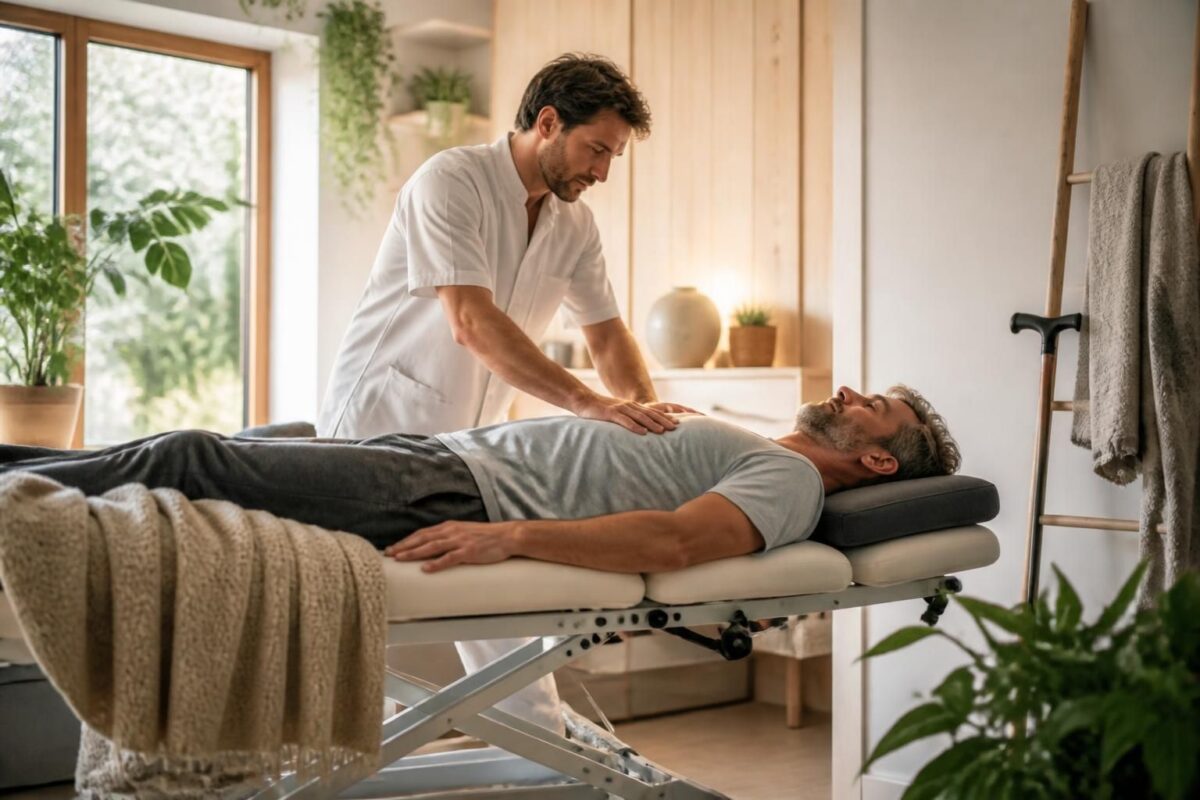
In short In short, Osteopathy in convalescence is an approach manual and holistic which helps to accelerate the recovery by restoring The balance, the mobility and a good circulation fabrics. it contributes to Reduce the pain, support the Back to…

Osteopathic manipulations to strengthen post-traumatic muscles
In short In short, Osteopathic manipulations for Strengthen post-traumatic muscles constitute a gentle manual approach aimed at restoring the mobility, reduce the pain and facilitate the Functional rehabilitation After a injury. What is Is it? A series of precise gestures…
3. Benefits for chronic pain
Osteopathy offers Durable solution For the pains chronicles By tackling the root causes and not only the symptom. By restoring thebalance postural and improving the mobility, it contributes to a gradual reduction in pain and a better quality of life, without dependence on analgesics or heavy treatments. This approach can also decrease stress-related tensions and neuromuscular activation that often amplify pain.
Impact on mobility and everyday life
Mobility gains and a regained articulatory amplitude facilitate daily activities and sports practices, while limiting relapses. A better body knowledge allows the patient to adopt more appropriate and less painful daily actions.

Osteopathy and prevention of work-related musculoskeletal disorders
In short theosteopathy is one Manual approach that restores body balance and prevents MSD related to work. Its advantages: reduction of tension, improvement of mobility and prevention of chronic pain. She is preventive and healing, suitable for office and trades…

The benefits of osteopathy to treat muscle imbalances
In short theosteopathy is a manual approach to restore themuscle harmony and postural considering the body as a whole. Its main benefits include the reduction of aches and tensions, the improvement of the mobility and from the posture, and prevention…
4. Integration into a comprehensive care plan
To optimize the benefits, osteopathy should be part of a multidisciplinary care plan. Coordination with the attending physician, appropriate physical activity and a healthy lifestyle (eating, sleep, stress management) reinforce the therapeutic effect. The objective is to build a coherent care pathway that promotes sustainable symptoms reduction and prevention of aggravation.
Frequency and duration of treatment
Typical recommendations recommend regular sessions over a period adapted to the severity and chronicity of pain, then a gradual return to self-care. Maintaining achievements can go through occasional interviews and exercises at home.
Osteopathy and chronic leg pain: regaining an optimal quality of life
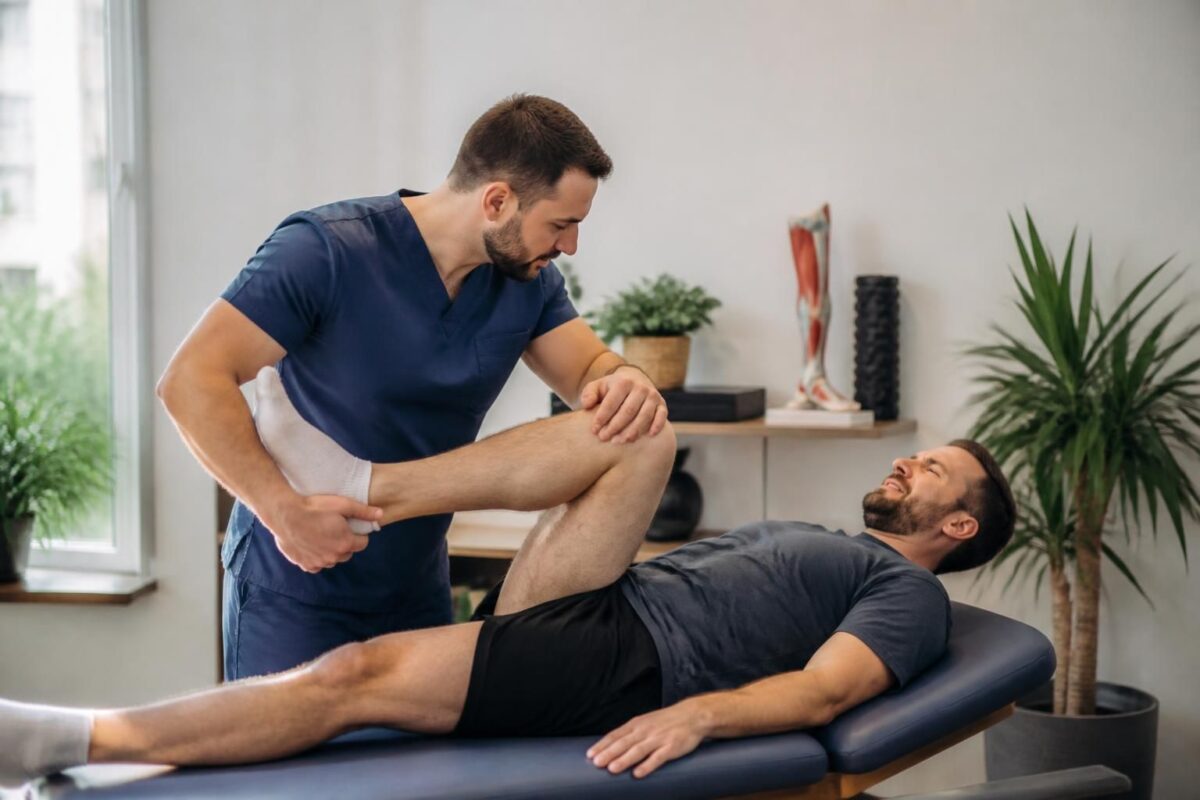
In short In short, Osteopathy is one Global manual approach aimed at reducing Chronic leg pain and improve the quality of life. What is it? Non-drug therapy using the hands to identify restrictions and treat lesional chains. How does it…
How osteopathy supports recovery after complex surgery
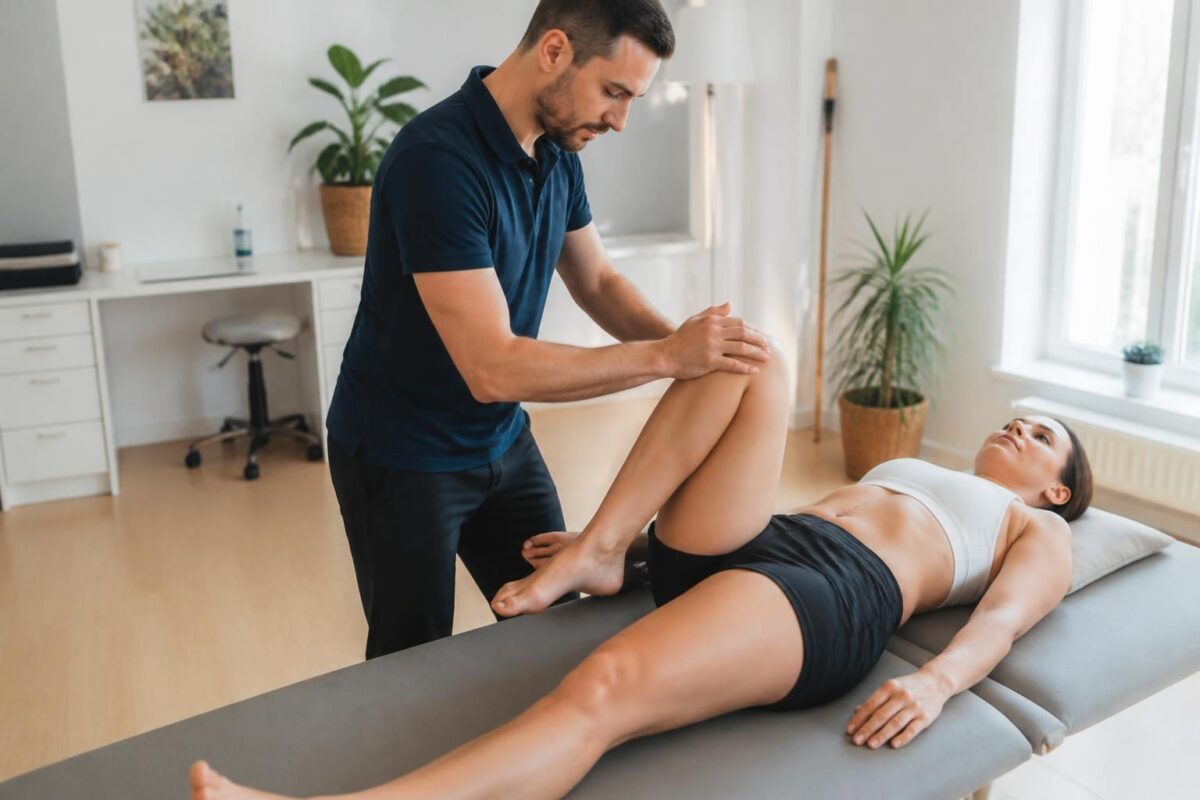
In short In short, Post-operative osteopathy is an approach fresh which supports the recovery After a Complex surgery. It helps to reduce the pain and the fatigue, improves the mobility and accelerates the healing thanks to a better vascularization and…
5. Practical tips to maximize profits
To make the most of osteopathy, adopt simple and coherent gestures. Maintain a neutral posture on a daily basis, integrate gentle exercises that promote mobility and reinforcement, and favor activities adapted to your condition. Keeping a pain and effort log made helps track progress and adjust the treatment plan in collaboration with your osteopath.
Self-management and prevention
Favor simple daily routines, favor movements that restore amplitude, and avoid postures that aggravate pain. Prevention also involves stress management and quality sleep, which directly influence muscle tone and pain perception.
6. Monitoring and expected results
The results targeted include a pain reduction, a Improving mobility, a more restorative sleep and a stress reduction Associate. Monitoring helps assess long-term progress and adjust the program to maintain gains and avoid relapses.
| Aspect | Osteopathy and pain management |
|---|---|
| Origin and conceptual framework | osteopathy offers an approach holistic and non-invasive To treat pain, favoring prevention and general balance. |
| Global approach and mechanisms | Through targeted manipulations, it improves the mobility, release the strain and promotes better circulation. |
| Chronic pain management | She is looking for the Underlying causes and correct the imbalances for a Sustainable reduction painless pain. |
| Impact on quality of active life | Improvement of the mobility and of welfare, reduction of muscle stress. |
| Non-invasive mode of action | Approach secure And suitable for all ages, with few risks and few side effects. |
| Sustainability and prevention | promotes the prevention relapses and supports post-injury rehabilitation to avoid recurrences. |
| Accessibility and integration | Useful supplement in care pathways and rehabilitation, integrating with other manual therapies. |
| Evidence and clinical adoption | Framework in progress with clinical data supporting efficacy and increasing recognition in the sustainable area of pain. |
| Limits and conditions of use | Requires personalized evaluation and regular follow-up; non-universal, adaptable to the patient’s profile. |
Testimonials on osteopathy and pain management: a natural and sustainable solution
“Before meeting osteopathy, my Lower back pain woke me up at night and kept me from moving freely. After a few sessions, I noticed a marked reduction in the pain and an Mobility found. It’s a Natural and sustainable solution which prevents me from medication and side effects. »
“I am an amateur athlete and thought I had to live with my pain. Osteopathy brought me techniques sweet and non-invasive which target the Muscle imbalance and improve the circulation as well as theamplitude Movements. Result: less pain and faster resumption of workouts. »
“After years of pain, osteopathy helped me understand the mechanisms of my pain and put in place daily gestures that preserve my health. By working on the overall balance of the body, it offers action preventive and lasting. »
“As an office worker, I suffered from persistent neck pain. Osteopathy has rebalanced my musculoskeletal system and Reduces stress physics accumulated in the office. I feel one quality of life found and a mobility sustainable without drugs. »
“Following a sports injury, I discovered osteopathy. The sessions helped me recover quickly and without pain. It’s a Natural solution which allows me to return to my activities and Prevent relapses thanks to support personalized. »
This expert in osteopathy, in naturopathy and in manual medicine embodies a practice centered on the human being as a whole. At the head of the TagMed structures and the ACMA association, he leads an approach that combines technical excellence and responsibility towards patients. His professional career has been built around a permanent desire to innovate in the field of health, favoring non-invasive and evidence-based approaches. Its role goes beyond symptomatic treatment: it is about creating the conditions for sustainable rehabilitation, regained mobility and a nervous and muscular balance.
As part of the pain management, his approach is based on clear recognition that chronic pain is not a fatality but a multifactorial phenomenon. emphasis is on protocols non-invasive that reconcile clinical efficacy and respect for the body. In practice, this translates into techniques manuals precise, adapted mobility programs and educational support that allows the patient to actively simplify in their recovery. The goal is to achieve lasting pain reduction, improved function and gradual decrease in drug addiction.
adopt a holistic vision means considering the body as an interacting whole. A tension in one zone may reflect an imbalance elsewhere; By treating movement restrictions, releasing myofascial tensions and optimizing circulation, Losteopath acts on all the mechanisms that fuel pain. This philosophy improves theamplitude Movements, posture and trunk stability, with lasting results rather than ephemeral reliefs.
The patient is placed at the heart of the process: the sessions integrate education, understanding the pain mechanisms and learning daily gestures that protect the back. This pedagogical aspect strengthens the patient’s autonomy and encourages an active and healthy lifestyle. The objective is to transform pain into a useful signal, to learn to listen to it without leaving it dictated daily activities, and to include rehabilitation in a progressive and adapted routine. The path to wellness then becomes a lasting alliance between practitioner and patient.
On the therapeutic level, losteopathy relies on various techniques – joint manipulations, stretching, soft tissue work – combined, when relevant, with technologies such as vertebral decompression, the laser and the Shockwave therapy. This combination aims to restore the circulation local, reduce tension and accelerate recovery. Clinical evidence and feedback support the idea that the osteopathic approach can decrease pain and improve function without systematically using pharmacological treatments or surgery.
Beyond the firms, this approach favors collaboration with other health professionals, in order to offer a Care course coordinated and personalized. Innovation has its place: each protocol is evaluated, adjusted and monitored as part of an approach based on the data and actual results of patients. This creates a dynamic of prevention and performance, particularly relevant for active people and those who suffer from lower back, cervical or pelvic pain associated with sciatica or other musculoskeletal disorders.
To discover the approach and services offered, turn your eyes to the associated structures and programs dedicated to sustainable pain management. This biography highlights a vocation: to offer a natural and effective alternative, capable of restoring the balance of the body and giving everyone back their freedom of movement.
osteopathy And pain management present as a natural, holistic and lasting approach to chronic pain. This overview emphasizes that treating the body as a whole, favoring gentle techniques and aiming for the overall balance, improves mobility, reduces tension and gradually reduces dependence on drug treatments.
The pain management by osteopathy is based on an understanding of the individual mechanisms of each patient and on a holistic approach which connects posture, movement, stress and functioning of organs. By refocusing action on the underlying causes and not just on symptoms, the osteopath aims for a lasting improvement in the quality of life and a reduction in recurrences.
The Mobility found and the Reduction of muscle tension are key levers for active people and those undergoing rehabilitation. Targeted manual techniques help restore range of motion, improve circulation and support faster recovery after immobilization or injury. To learn more about the impact of osteopathy on mobility after prolonged immobilization, consult the dedicated resources.
This approach is also non-invasive And is part of a logic of prevention and overall well-being. It can be associated with advice in adapted physical activity, nutrition or stress management to strengthen the therapeutic effect and promote a lasting improvement of the general condition. For further reading on these links, see the available specialized resources.
Recent data and expert opinions support the integration of osteopathy in chronic pain management plans. They highlight results such as pain reduction, improved sleep and better functional capacity, with potential beneficial effects on reducing drug use. Recent syntheses and clinical trials illustrate these perspectives and encourage a multidisciplinary approach adapted to each patient. For further details, consult the relevant analyzes and reviews available online.
For a practical vision and concrete examples, you can explore the resources on the impact of osteopathy in stress management, sports recovery and the prevention of musculoskeletal imbalances, which usefully complement the therapeutic framework. Among these resources you will find updates and case studies that illustrate how a regular and personalized approach can contribute to better body stability and lasting well-being.
To enrich your understanding and access additional content, these readings can be useful: Osteopathy and chronic pain: latest scientific data, Osteopathy and pain management, Osteopathy to relieve pain and improve well-being, Overall well-being and strengthening of the musculoskeletal system, Osteopathy and mobility after prolonged immobilization, Osteopathy and chronic pain, Sweet osteopathy: a natural solution, Osteopathy and sports recovery, Support for recovery after a sprain, Prevention and musculoskeletal imbalances.

Dr Sylvain Desforges, B.Sc., D.O., N.D., osteopath, is the founding president of TAGMED and of the ACMA association. He dedicates his practice to chronic spinal pain, low back pain and symptoms compatible with sciatica, particularly when pain radiates toward the buttock, leg, calf, foot or toes.
Through SOS Sciatique, he publishes educational content on sciatica symptoms, possible causes such as disc herniation, disc narrowing, foraminal stenosis or irritation of a lumbar nerve root, as well as non-surgical approaches that may be considered according to the evaluation. At Clinique TAGMED, care may include, depending on the case, motorized neurovertebral decompression, specific osteopathic care or precision percussion.
For an evaluation related to sciatica treatment in Montreal / Mount Royal or sciatica treatment in Terrebonne, please consult the services available at Clinique TAGMED.
Medical disclaimer
The information published on SOS Sciatique is provided for educational purposes only and does not replace a consultation, diagnosis, opinion or treatment provided by a physician or another authorized healthcare professional. The author of this article is neither a medical doctor nor a specialist in a medical specialty recognized by the Collège des médecins du Québec. The osteopathic, manual medicine or functional support approaches described on this site do not constitute medical acts and are not intended to replace medical follow-up.
Consult a physician or emergency service in cases of loss of bladder or bowel control, anesthesia in the saddle area, significant or progressive weakness in the leg or foot, fever, recent trauma, severe pain or rapid worsening of symptoms. For more details, please read our Legal Notice.