Why Osteopathy Is Essential For Recovery People
29/06/2026
How osteopathy improves the quality of life of active people
29/06/2026
In short |
In short, Osteopathy and Sports recovery is one Global manual approach that sustainably prepares the body for the effort by restoring mobility and circulation After the effort. It is a discipline that acts on the sinews, the joints, the nervous system and fascias to optimize recovery and prevent injuries. The benefits include the prevention of tendinitis And some contractures, faster recovery, better breathing and circulation, a posture and an coordination improved, and a sleep more repairing. The practitioner uses Gentle techniques and targeted to free mobility restrictions, release tensions and promote fluid movement, while offering personalized advice from hydration, stretches and recovery. accessible in the clinic, in particular for Amateur athletes Seeking to maintain their practice painless and consistently, in your area. |
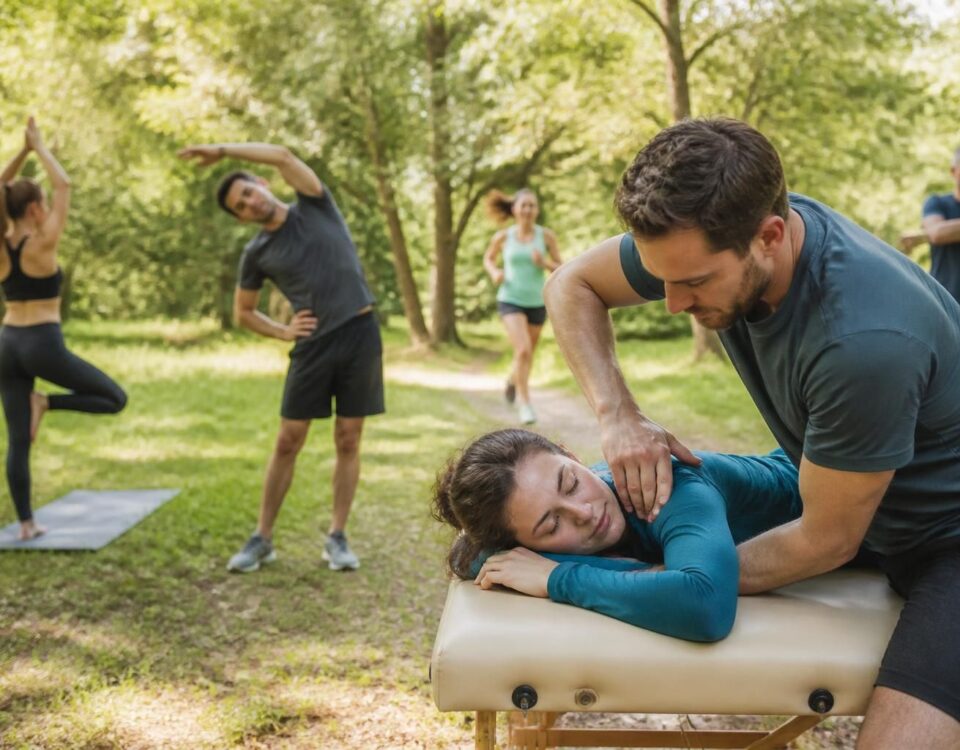
Find out how theosteopathy favor sports recovery and body preparation for Lasting performance. Through gentle and personalized gestures, it restores mobility, releases tension and optimizes circulation to allow faster recovery and better exercise tolerance.
- Prevention Micro-imbalances before they lead to injury, thanks to appropriate follow-up.
- Recovery Improved by the relaxation of the nervous system and the improvement of blood and lymphatic circulation.
- Sustainable performance Thanks to better mobility, freer breathing and energy saving during exercise.
- Frequency Recommended: Regular integration in prevention, after exercise and during recovery after injury.
Prepare the body for lasting performance Goes through a clear approach: preventing imbalances, optimizing recovery and supporting smooth and efficient movement. This article presents how osteopathy can accompany amateur athletes in their approach to lasting performance, without pain and with pleasure. It is a framework focused on prevention, mobility and the gradual return to effort, promoting harmony between movement, breathing and recovery.
Prevent injury and maintain mobility
In the context of osteopathy, the body is considered a unit. When mobility restrictions appear, they can influence the entire sporting gesture. The goal is to identify and correct micro-imbalances before they cause pain or limitation. For the amateur athlete, these imbalances often result in repetitive technical gestures, uneven support, or muscular over-solicitation. Regular monitoring can help anticipate tendonitis, contractures or lower back pain and thus maintain a mobility adapted to the activity practiced. To explore the concepts of prevention and mobility throughout life, you can consult dedicated resources on Osteopathy and prevention Maintain optimal mobility with age, or on other relevant pages such as Preserve freedom of movement at any age.
The correction often involves reducing uncontrolled tensions and joint restrictions. By working on the pelvis, ankles or lower back, the osteopath helps the body to better absorb the effort and to prevent excessive mechanical loads that lead to injury. This approach preventive promotes a posture More balanced and a more fluid gesture, reduction of asymmetries and better recovery between sessions.
Prepare for recovery after exercise
Recovery is an active and key phase of sports progress. After exercise, osteopathy improves circulation and drainage, which helps to evacuate toxins and reduce aches. It also promotes a deep relaxation of the tissues and can contribute to better quality sleep. This approach aims to reduce residual tensions and restore homeostasis while avoiding overwork. To deepen the role of recovery and its mechanisms, consult resources like Osteopathy, an asset for athletes looking for performance or Support and treatment of athletes.
An optimized recovery cycle may include strategies targeted to blood and lymph circulation, nervous system relaxation and support for muscle recovery. The concrete effects result in a decrease in stiffness, improved recovery after sessions and better stability of the body during repeated efforts. Complementary resources address how osteopathy can positively influence post-exercise recovery and sleep.
Efficient performance and movement
Sustainable performance is based on a mobility fluid, effective breathing and harmonious coordination between body segments. When the joints regain a free amplitude and the muscle chains function without harmful tension, the energy is more dedicated to action and less to compensate for restrictions. This can result in more precise gestures, better pelvic stability and more homogeneous power when pedaling, swimming or stride. Additional examples and analyzes are based on various clinical and practical experiences, and some reference professional resources address the links between mobility, performance and recovery (Prepare a sports competition by osteopathy, Osteopathy at the service of sports performance).
For athletes who wish to optimize their performance without putting themselves in danger, the objective is to promote a Overall preparation of the body: mobility, stability, balance and recovery. This approach naturally integrates with a regular training program and multidisciplinary follow-up, to ensure lasting progression and painless practice.
Global support and personalized follow-up
Each athlete has a story and a rhythm of their own. The osteopath adopts an approach holistic and adapts the session to history, lifestyle and training load. The first objective is to listen to the context of the appearance of discomfort, work habits and sleep, in order to understand the root causes and to provide appropriate responses. Professional resources and testimonies illustrate how this support can improve the mobility and overall well-being of athletes, including through tools and advice focused on breathing, posture and recovery.
Professional references and practical examples exist to enrich this approach. For training courses in osteopathy, we can refer to recognized institutions in this field and to professional associations that support the practice and ethics of osteopathy, such as ACMA and the College of Canadian Osteopaths. These elements reinforce the credibility and safety of the care provided to the athlete.
To enrich your understanding of mobility and prevention at any age, you can consult relevant resources on Osteopathy and chronic leg pain or Osteopathy and emotional well-being.
Typical consultation frequencies as part of a recovery and performance program: A session can be considered 1 to 2 times per month during a sustained training period, or every 3 to 4 months during preventive maintenance. The adjustment is made according to the activity, the objectives and the response of the body, in coordination with the other professionals involved in the follow-up of the athlete.
For more information and concrete examples, refer also to dedicated and relevant resources such as Freedom of movement at any age and Runner preparation and recovery.
The links and useful areas for deepening the notions of recovery and performance through osteopathy remain centered on the following resources: Prevention and mobility, Chronic leg pain, body-mind wellness.
For those who want to go further, specialized resources and experience stories also exist on Osteopathy as an asset for athletes looking for performance and on Support for athletes.
Medical Disclaimer: The information and advice provided on this site does not replace the health professional’s diagnosis or treatment. Please note that Dr. Sylvain Desforges osteopath is neither a doctor of medicine nor a doctor, and is not a specialist in a medical specialty as defined by the Collège des Médecins du Québec. Manual medicine, functional medicine and sports medicine as described on this site exclude any medical treatment or diagnosis made by a doctor or specialist doctor. Always consult your doctor for any medical questions. For more details, please read our full legal notice.
- Prevent Imbalances that slow performance
- Release mobility restrictions and restore amplitude
- Correct gestures and posture To avoid compensation
- Alignment body and movement efficiency
- stretches and personalized exercises to progress without pain
- Plan recovery and rest phases
- After effort: drainage and relaxation
- Improve bloodstream and lymphatic
- Reduce aches and post-workout stiffness
- Optimize sleep and general recovery
- prevent the injuries recurring and overloads
- adjust the schedule training for lasting progression

This summary shows you how theosteopathy can become the base of your recovery and your preparation to lasting performance. By acting on the mobility, the nervous system, circulation and breathing, it helps the body recover faster, prevent injuries and maintain the pleasure of sport in the long term.
Prevent and prepare the body
In a logic of prevention, osteopathy aims to correct micro-imbalances which, even not very visible, can weigh on performance and recovery. The practitioner evaluates joint mobility, muscle tone, breathing and overall alignment to offer personalized adjustments. This may include targeted stretching, breathing exercises and tipslifestyle. By working on the pelvis, ankles and the trunk, tensions are released that limit the sporting gesture and promote a more fluid posture throughout the effort.
Regular appointments
For effective prevention, plan regular visits adapted to your practice. During the loading or preparation period for an event, a consultation every 4 to 6 weeks may be enough to anticipate imbalances. For occasional athletes, 1 to 2 visits per year can support the maintenance of mobility and overall balance, even in the absence of pain. After an injury, a concerted follow-up with other professionals makes it possible to secure the return to training.
Towards better biomechanics
The approach aims to correct tensions and prevent asymmetrical muscular over-stress. The objective is to avoid tendonitis, contractures and sprains by preserving harmony between muscles, joints and fascias. By restoring the fluidity of the gestures, osteopathy helps everyone train with more control and less fatigue linked to postural compensation.

How osteopathy improves the quality of life of active people
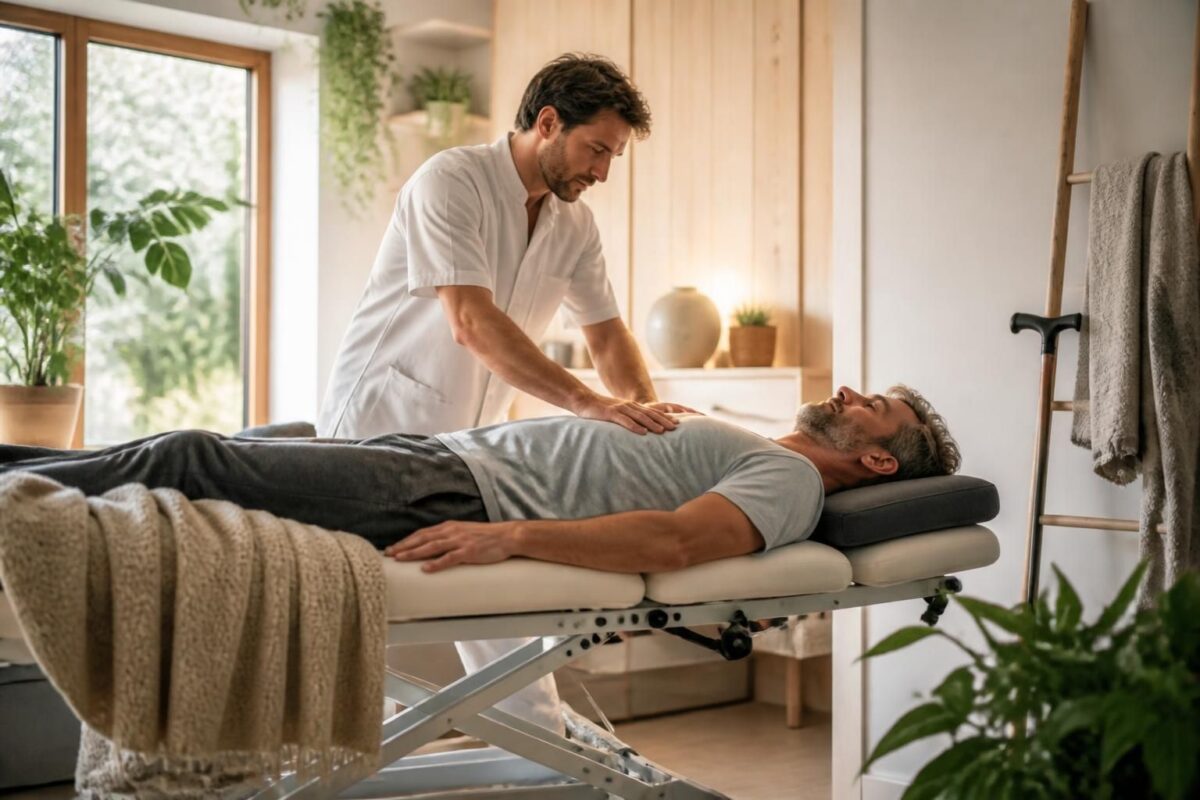
In short In short, theosteopathy is a global approach that Optimizes mobility and the function of the body of ACTIVE PEOPLE, for a better quality of life. It helps prevent injury and reduce Musculoskeletal pain While promoting the Sports recovery.…
Why Osteopathy Is Essential For Recovery People
In short In short, Osteopathy in convalescence is an approach manual and holistic which helps to accelerate the recovery by restoring The balance, the mobility and a good circulation fabrics. it contributes to Reduce the pain, support the Back to…
Post-effort recovery and reduction of overwork
After exercise, the body needs to recover quickly and durably. Osteopathy acts on the blood and lymphatic circulation to accelerate the evacuation of toxins and promote tissue regeneration. Deep tissue loosening and nervous system regulation reduce body aches and stiffness, while improving sleep and resting quality.
Drainage, circulation and relaxation
Gentle techniques stimulate circulation and fluidize muscle tension, which allows for more effective recovery between sessions and reduces the risk of persistent long-term fatigue.
Sleep, stress and overall recovery
By acting on the autonomic nervous system, osteopathy promotes general relaxation and improves the quality of post-effort sleep. Restful sleep is a key factor in recovery and future performance.
Hydration and diet for recovery
Accompanying manual intervention with good practices hydrated regularly, favoring a diet rich in anti-inflammatory nutrients and limiting ultra-processed products supports the repair and adaptation processes of the body after training.

Osteopathic manipulations to strengthen post-traumatic muscles
In short In short, Osteopathic manipulations for Strengthen post-traumatic muscles constitute a gentle manual approach aimed at restoring the mobility, reduce the pain and facilitate the Functional rehabilitation After a injury. What is Is it? A series of precise gestures…

Osteopathy and prevention of work-related musculoskeletal disorders
In short theosteopathy is one Manual approach that restores body balance and prevents MSD related to work. Its advantages: reduction of tension, improvement of mobility and prevention of chronic pain. She is preventive and healing, suitable for office and trades…
Performance and energy saving
Beyond punctual relief, listening and overall work unleash the body’s natural potential. When the joints move freely, the breathing is ample and the circulation is fluid, the energy is better used and the gesture becomes more precise. The result is measured not only in numbers, but also in quality of movement, comfort and rediscovered pleasure.

The benefits of osteopathy to treat muscle imbalances
In short theosteopathy is a manual approach to restore themuscle harmony and postural considering the body as a whole. Its main benefits include the reduction of aches and tensions, the improvement of the mobility and from the posture, and prevention…
Osteopathy and chronic leg pain: regaining an optimal quality of life
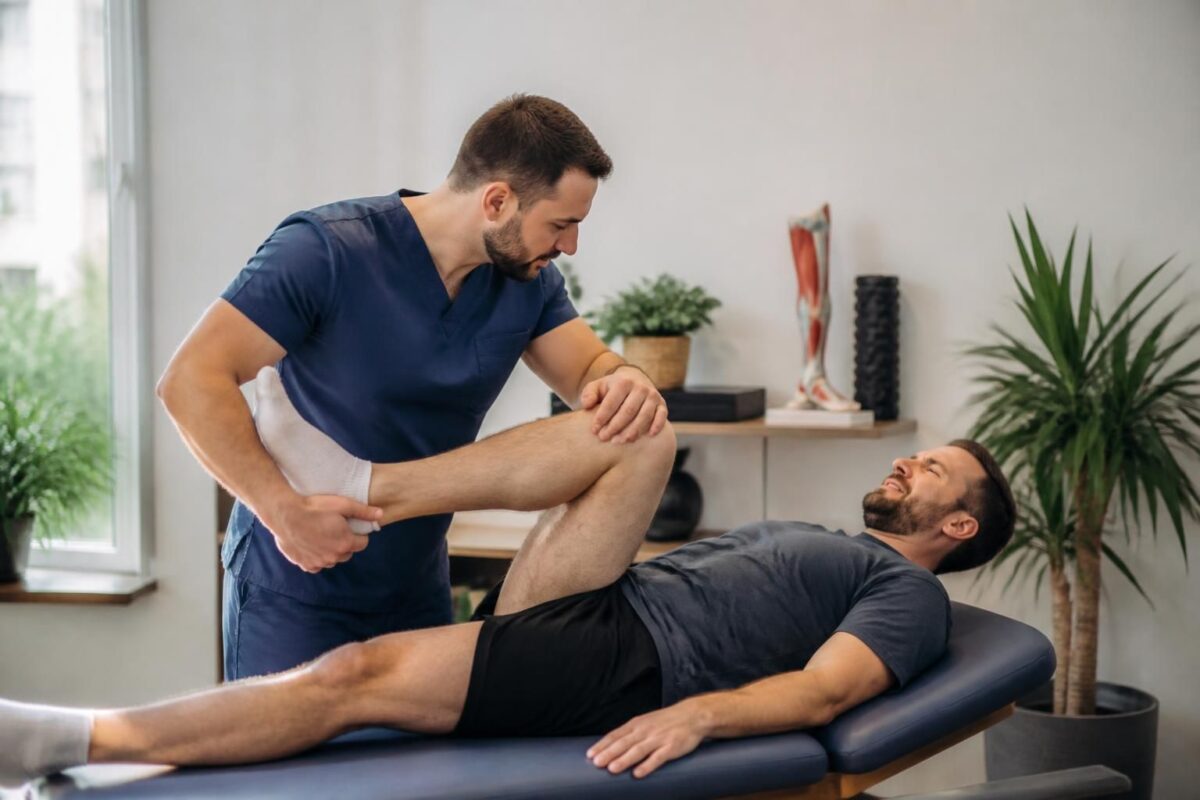
In short In short, Osteopathy is one Global manual approach aimed at reducing Chronic leg pain and improve the quality of life. What is it? Non-drug therapy using the hands to identify restrictions and treat lesional chains. How does it…
Planning and monitoring
Integrate osteopathy into your overall training plan in coordination with your doctor, physiotherapist and coach. Before a competition, a session can prepare the body for the effort and optimize the respiratory and circulatory function. After intense effort, a post-exercise session accelerates recovery and reduces the risk of injury. In prevention, a regular appointment helps maintain body balance and progression capacity over time.
| Aspect | Impact |
|---|---|
| Mobility and joint preparation | The mobility is improved and joint restrictions are released, for a movement fluid. |
| Posture and technical gesture | Alignment postural and coordination optimized To reduce gestures incoherent and over-solicitations. |
| Traffic and recovery | Improvement of the circulation blood and lymphatic, acceleration of the evacuation of toxins and recovery. |
| Respiration and oxygenation | Breathing free and effective, better oxygenation and energy during exercise. |
| Tensions and relaxation | Relaxation muscular and release of tensions, reduction of stiffness post-effort. |
| Injury prevention | detection and correction of imbalances To reduce the risk of tendinitis and sprains. |
| Sleep and recovery | quality of sleep increased and recovery optimized. |
| Post-effort recovery | Improvement of the circulation, reduction of aches, and relaxation of the nervous system. |
| Integration and planning | recommended frequency and integration into the schedule training for a durability. |
How osteopathy supports recovery after complex surgery
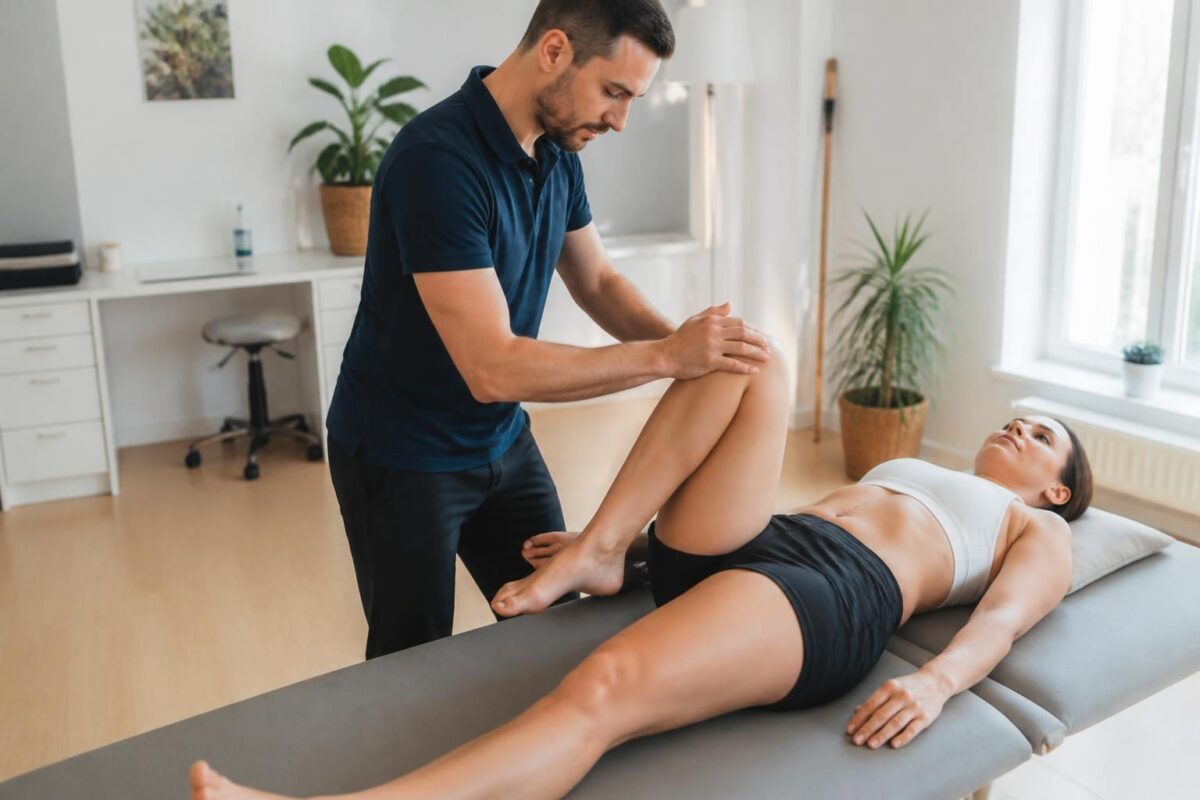
In short In short, Post-operative osteopathy is an approach fresh which supports the recovery After a Complex surgery. It helps to reduce the pain and the fatigue, improves the mobility and accelerates the healing thanks to a better vascularization and…
Why osteopathy is a natural alternative to drug treatments
In short In short, Osteopathy is one Soft manual approach who restores thebalance and mobility of the body without drugs. This natural alternative Acts on the cause pain rather than their symptoms and can reduce the consumption of certain treatments.…
Testimonials: Osteopathy and sports recovery — Preparing the body for lasting performance
“As an amateur runner, I feared the aches the next day. After a few sessions focused on Basin mobility and the breathing, my recovery is faster, my muscles relax and my night is more restorative. It has become an indispensable partner for Lasting performance. »
“I am an amateur cyclist and the little knee pain came back after the long outings. Osteopathic accompaniment made it possible to release tensions and ofImprove traffic, which reduced my pain and allowed to maintain a Regular training volume. My Posture on the bike is more stable and my power is more homogeneous over long distances. »
“In tennis, repeated gestures require shoulder and arm. After a series of appointments, I saw a Best recovery and an pain prevention of shoulder. My diaphragm deploys better during exercise, my breathing is more fluid and my gestures become more specific and regular. »
“In swimming, everything is played out in the breathing and coordination. thanks to osteopathy focused on chest mobility and the work of the posterior chain, I feel a freer breathing and a more symmetrical arm movement. My recovery Between the lengths is more effective and I progress without pain. »
“CrossFit puts the body to the test and the recovery is key. After a session focused on the relaxation of the nervous system and balance musculoskeletal, I noted a Decreased aches, a Better sleep quality and an Preservation of my progress without overtraining. »
“Before the triathlon, recovery was slowing me down. After a series of sessions, I benefit from a Faster recovery, of a Increased mobility, and a Prevention of recurrent injuries. I can continue training over several weeks with more serenity and pleasure. »
Practicing regular physical activity is now recognized as a pillar of well-being and sustainable performance. In this context, Osteopathy is positioned as a privileged partner for amateur athletes who wish to progress without pain and preserve their health capital in the long term. This approach preventive and holistic aims to optimize movement, breathing and recovery, so that each workout is part of a sustainable and respectful dynamic of the body.
The heart of osteopathy is based on the idea that the body is a dynamic unit where muscles, joints, viscera, fascias and nervous system work together. When imbalances appear — poorly controlled technical gestures, uneven support, over-stress, or inappropriate postures during training — mobility can be restricted and performance is affected. In amateur athletes, these restrictions are often manifested by stiffness, local pain or unusual fatigue. The osteopath identifies these tensions and restores the fluidity of the movements so that the body adapts more harmoniously to the effort.
Prevention is the strong focus of osteopathic support. Regular monitoring, for example two to three annual visits, makes it possible to anticipate the imbalances that precede typical sports injuries, such as tendinopathies or lower back pain, and to limit painful reminiscences after training. By acting on the key areas — pelvis, ankles, spine — mechanical stresses on load-bearing joints can be reduced and promote more effective recovery. The objective is clear: to correct micro-imbalances and promote better posture and a more fluid gesture, in order to avoid asymmetrical muscle overloads and to optimize recovery between sessions.
In terms of performance, osteopathy does not seek to artificially “boost” sport. It acts as a natural unlocker: when the joints move freely, breathing is fully effective and the circulation is fluid, the energy is better spent and the control of the gesture improves. Concretely, this can result in a Better flexibility, a more precise movement and improved coordination, which result in a Movement quality increased and a pleasure found during training, whether in swimming, racing, or on the bike.
The recovery also occupied a central place. After an intense effort, the body must rebalance its systems: muscles, fascias, nervous system and circulation benefit from targeted osteopathic work that improves the circulation and promotes the evacuation of toxins, while promoting a Deep relaxation fabrics. Benefits observed include decreased body aches, faster muscle recovery and improved post-effort sleep, essential elements to prevent overwork and prolong sports career.
Beyond the techniques, the osteopath offers support global and benevolent. Each athlete benefits from a personalized assessment that takes into account the rhythm of life, the morphology, the training habits and the level of stress. In addition, individual advice — adapted stretching, breathing techniques, lifestyle and sleep management — are integrated into the program to sustainably support performance and recovery.
The frequency of visits depends on the activity level and training loads. For athletes in the preventive phase, regular meetings every 1 to 4 months allow you to anticipate disturbances and maintain body balance. In case of recurrent pain or injury, targeted sessions can be scheduled to accompany recovery and re-establish the movement’s biomechanical foundations.
This summary recalls how Osteopathy integrates with the Sports recovery To prepare the body for Lasting performance. By working on mobility, circulation and the nervous system, it aims to prevent imbalances, accelerate recovery and optimize the potential of the athlete while respecting the natural rhythms of the body. Specialized resources reinforce this approach, including content that analyzes the science of recovery and the mechanisms of action of osteopathy in sport.
Osteopathy offers an approach holistic and fresh which aims to restore harmony between muscles, joints and nervous system after exercise. By identifying and correcting the mobility restrictions And the tensions, the osteopath allows the body to find a movement fluidity and a better ability to adapt to effort, which is essential for Lasting performance.
Preparing the body also means preventing injuries and preserving the regularity of training. Regular consultations (e.g. every 4 to 6 weeks for active athletes) help detect micro-imbalances and correct them before they cause pain or sprain. To feed this preventive strategy, the osteopath can offer targeted stretching, breathing exercises and lifestyle advice. See scientific feedback and analysis on the subject in specialized resources such as This scientific view on muscle recovery.
In the post-effort period, the objective is to promote the circulation and the drainage lymphatic, release tension and improve sleep. Osteopathy stimulates recovery by improving the vascularization and the relaxation of the nervous system, which can result in a decrease in body aches and a faster recovery in performance. Practical resources detail how this non-invasive approach fits into a sports routine (Non-invasive approach and performance benefits).
Concrete advice is added to the visit: adapted hydration, restful sleep of at least 7 to 8 hours, anti-inflammatory diet and active recovery. Personalized protocols can be considered depending on the sport and the level of training; They are part of a global approach that can be consulted on dedicated resources such as The “Body Preparation for Lasting Performance” workshop and Amateur sport and osteopathy.
To go further, osteopathy can be considered as a partner in the sports course, in collaboration with the doctor, the physiotherapist and the coach. This coordination promotes a Sustainable balance and painless progression, integrating documented content and practices such as Quick rehabilitation and Osteopathy sports recovery.

Dr Sylvain Desforges, B.Sc., D.O., N.D., osteopath, is the founding president of TAGMED and of the ACMA association. He dedicates his practice to chronic spinal pain, low back pain and symptoms compatible with sciatica, particularly when pain radiates toward the buttock, leg, calf, foot or toes.
Through SOS Sciatique, he publishes educational content on sciatica symptoms, possible causes such as disc herniation, disc narrowing, foraminal stenosis or irritation of a lumbar nerve root, as well as non-surgical approaches that may be considered according to the evaluation. At Clinique TAGMED, care may include, depending on the case, motorized neurovertebral decompression, specific osteopathic care or precision percussion.
For an evaluation related to sciatica treatment in Montreal / Mount Royal or sciatica treatment in Terrebonne, please consult the services available at Clinique TAGMED.
Medical disclaimer
The information published on SOS Sciatique is provided for educational purposes only and does not replace a consultation, diagnosis, opinion or treatment provided by a physician or another authorized healthcare professional. The author of this article is neither a medical doctor nor a specialist in a medical specialty recognized by the Collège des médecins du Québec. The osteopathic, manual medicine or functional support approaches described on this site do not constitute medical acts and are not intended to replace medical follow-up.
Consult a physician or emergency service in cases of loss of bladder or bowel control, anesthesia in the saddle area, significant or progressive weakness in the leg or foot, fever, recent trauma, severe pain or rapid worsening of symptoms. For more details, please read our Legal Notice.