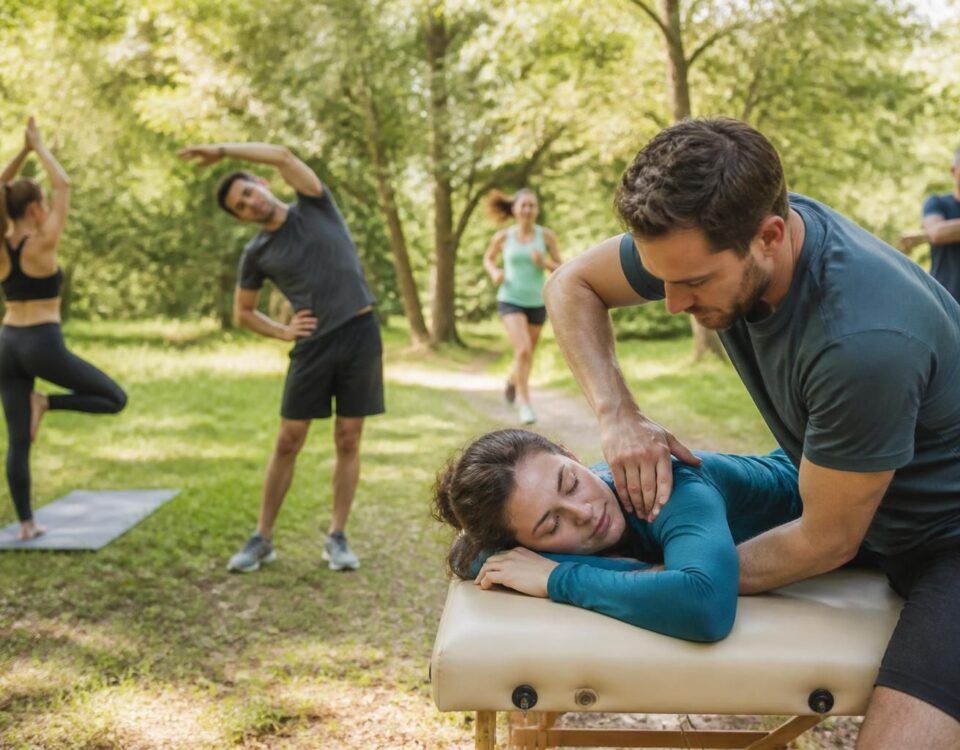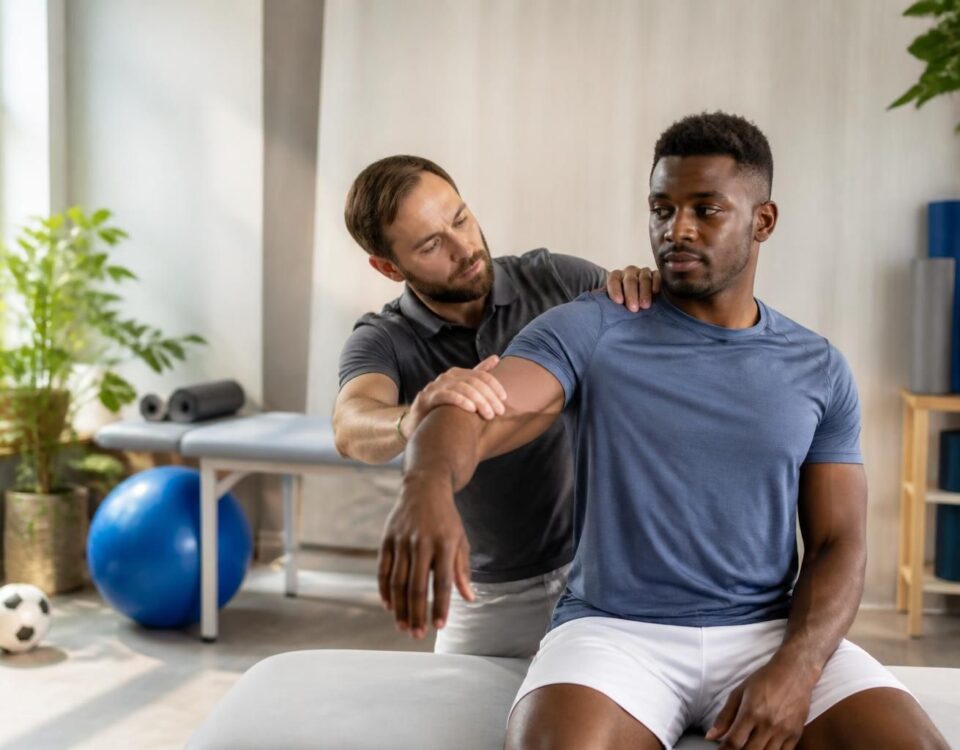
How osteopathy acts on pain related to repeated physical exertion
29/06/2026
Osteopathy and sports recovery: promote rapid rehabilitation
29/06/2026
In short
|
theosteopathy is a manual and holistic approach that seeks to restore the mobility and the balance of the body tissues, in order to relieve the nervous tensions. The main advantages: Reduction of nervous tensions, aches, traffic improvement blood, stress reduction, better sleep, and improvement of the posture and from the mobility. How does it work? A session begins with a Overall assessment, then Soft and non-invasive manual techniques which release restrictions and promote self-healing. In Montreal, this service is particularly recommended for relieving nervous tensions related to stress and fatigue. |
Find out how theosteopathy may Relieve nervous tension by acting on the body as a whole. through Soft manual techniques, the osteopath releases the restrictions that would compress the nerves, improves the circulation and promotes a better supply of oxygen and nutrients. The result is a reduction in stress and muscle tension, a better mobility And a more restful sleep, with lasting nervous relaxation.
For a personalized evaluation adapted to your daily life, make an appointment with your osteopath.
Quick summary: Osteopathy acts on the body as a whole to relieve nervous tension. By releasing restrictions that compress the nerves and improving circulation, it can reduce pain and restore better mobility. This article describes the mechanisms, techniques used and situations to consult.
how nervous tensions manifest themselves
Nerve tensions result in pain that radiates, paresthesias or irritated nerve sensation. Osteopathy considers the body as an interconnected network. Discomfort in one area can influence other structures and cause nervous tension. Osteopathic work aims to reduce this irritation and restore a feeling of comfort.
Mechanisms of action of osteopathy
Osteopathy acts on the the nervous system and the circulation. By releasing restrictions and improving tissue mobility, it can reduce nerve pressure and promote better nerve transmission. The increase in blood supply brings essential oxygen and nutrients to tissues, which supports the natural healing of the body.
Techniques and approaches used
Osteopathic techniques include gentle joint manipulations, myofascial releases and soft tissue mobilization. Work on fascias and deep tensions helps restore mobility, reduce nervous irritation and improve circulation. Breathing and relaxation exercises can be offered to support stress management, which can amplify pain perception.
To deepen the link between posture and nervous tensions, see Osteopathy and posture: correcting chronic imbalances. For a perspective on overall well-being and maintaining physical and mental balance, see Osteopathy and overall well-being.
Frequent cases and indications
Nerve tensions can accompany cervical, dorsal or lumbar pain, headaches of cervical origin, or manifestations related to the peripheral nerve. Osteopathy aims to reduce nervous irritation by restoring the alignment and mobility of structures around the nerves, without resorting to invasive measures. For information relating to associated disc pathologies, see dedicated resources on specialized sites SOS Herniated Disc or SOS HerniateDisc.
When to consult and security
Check if nervous tension persists, with debilitating pain, paresthesia or muscle weakness. Osteopathy is a gentle and respectful approach to the body, suitable for all ages and various conditions. For those looking for an integrative approach to well-being, resources on the theme Overall well-being can be useful.
Useful links and additional resources
For information on the links between osteopathy, posture and balance, see Osteopathy and posture. For a general view of the beneficial effects on body and mind, see Overall well-being. Other relevant resources include Tagmed Clinic and sites dedicated to the management of disc pathologies.
Important note: In case of pain related to a possible disc pathology, avoid proposing exercises or stretching here. Diagnosis and exact recommendations should remain the areas of a health professional.
For additional information about manual approaches and their effects, you can consult the following resources: Osteopathy and overall well-being, Osteopathy and posture, and Carpal tunnels and osteopathy.
Note on training and associations : The information above does not mention training institutions in osteopathy, but remains compatible with the approaches practiced by the major recognized training centers and relevant professional associations.
For more details on the mechanisms of action and prospects for integrating osteopathy into a health approach, explore the available resources on SOS SCIATIC.
Medical Disclaimer: The information and advice provided on this site does not replace the health professional’s diagnosis or treatment. Please note that Dr. Sylvain Desforges osteopath is neither a doctor of medicine nor a doctor, and is not a specialist in a medical specialty as defined by the Collège des Médecins du Québec. Manual medicine, functional medicine and sports medicine as described on this site exclude any medical treatment or diagnosis made by a doctor or specialist doctor. Always consult your doctor for any medical questions. For more details, please read our full legal notice.
In articles dealing with neurovertebral decompression, disc herniation, disc bulge, foraminal stenosis, spinal stenosis, disc pinching or disc degeneration, avoid suggesting exercises or stretching.
- Relaxation fascias and tensions around the nerves
- Decompression Nervous paths to reduce irritation and pain
- Improvement traffic sanguine and nervous
- activation of parasympathetic system for a Sustainable relaxation
- Mobility and posture found
- Reduction pain related to nervous tension
- better sleep and reduction of stress
- Welfare General and recovery optimized

Osteopathy can be an effective ally for Relieve nervous tension By promoting mobility, circulation and balance of the body. This manual, gentle and global approach acts on the mechanisms that irritate the nerves and positively influence the nervous system, stress and recovery. Here are concrete recommendations to understand and benefit from these effects, step by step.
Understanding nervous tensions and the role of osteopathy
The nervous tensions Occur when the nerves are compressed or irritated by blockages, postural imbalances or fascial tensions. Osteopathy considers the body as a whole: by releasing a restrictive zone, mobility and gliding of structures around the nerves are improved, which alleviates obstacles to nerve impulses. The bloodstream Is intimately linked to nervous health: a fluid blood flow promotes tissue supply and nerve transmission, reduces pain and feelings of tension.
Causes and links between posture, muscles and nerves
Old sprains, muscle tension or a misaligned skeleton can create pressure on the nerve roots or on the plexuses. By working on the mobility From the vertebral segments, fascias and adjacent muscles, the osteopath can reduce these pressures and prevent repercussions on the neck, shoulders or back. This approach aims to restore the structural balance in order to improve the transmission of nerve signals.
Mechanisms of action on the nervous system
Osteopathic work contributes to a stress reduction and better regulation of autonomic nervous system. By releasing tension, it can decrease the activity of the sympathetic nervous system and promote parasympathetic, generating a feeling of relaxation, better tolerance to pain and a reduction in symptoms related to chronic stress.

How osteopathy improves the quality of life of active people
In short In short, theosteopathy is a global approach that Optimizes mobility and the function of the body of ACTIVE PEOPLE, for a better quality of life. It helps prevent injury and reduce Musculoskeletal pain While promoting the Sports recovery.…

Osteopathy and sports recovery: prepare the body for lasting performance
In short In short, Osteopathy and Sports recovery is one Global manual approach that sustainably prepares the body for the effort by restoring mobility and circulation After the effort. It is a discipline that acts on the sinews, the joints,…
Concrete techniques and results
Techniques used
The Gentle techniques Include targeted joint manipulation, progressive muscle stretching and soft tissue mobilization. Work on the diaphragm and breathing can also promote better circulation and overall relaxation, which reduces the pressure on the nerves and improves the elasticity of the structures.
What you can feel after a session
After a session, many patients describe a Improving mobility and a decrease in tensions. You can feel deep relaxation, better range of motion and, sometimes, slight temporary fatigue that marks the rebalancing of the tissues. With a few days, the benefits are often prolonged and are accompanied by more restorative sleep and a reduction in stress related to pain.
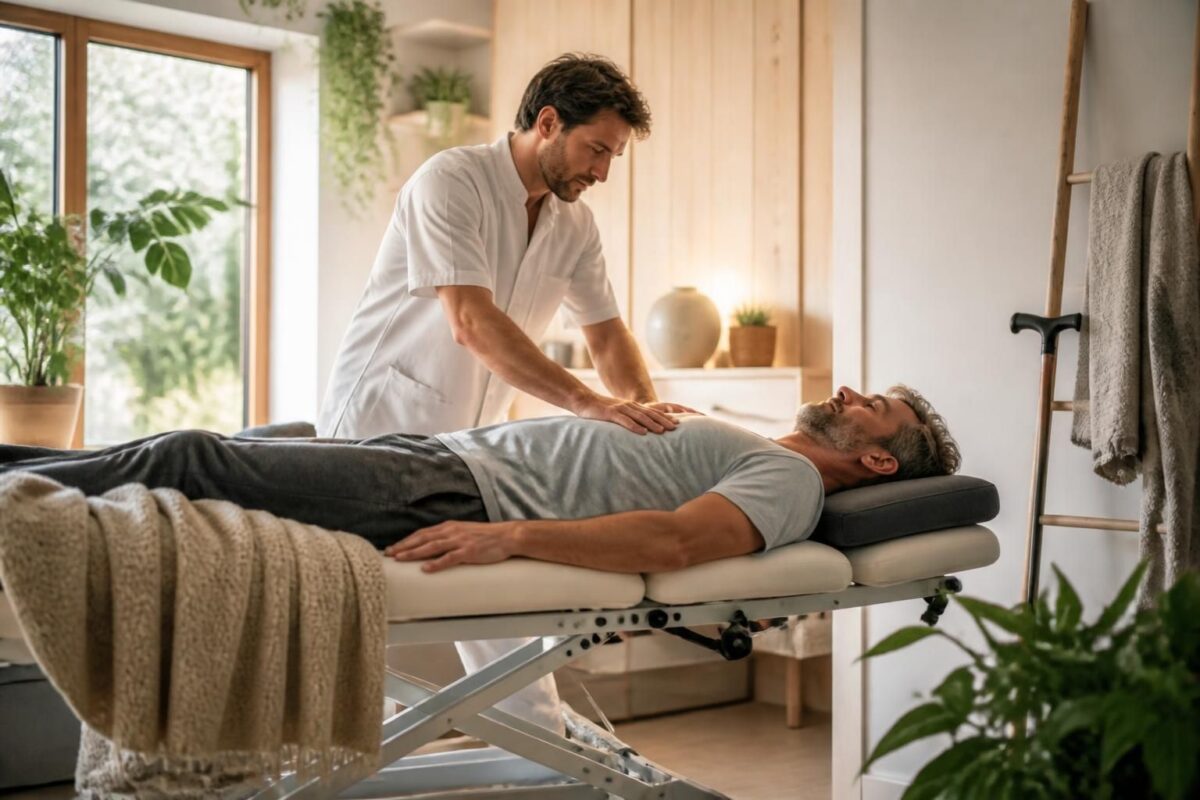
Why Osteopathy Is Essential For Recovery People
In short In short, Osteopathy in convalescence is an approach manual and holistic which helps to accelerate the recovery by restoring The balance, the mobility and a good circulation fabrics. it contributes to Reduce the pain, support the Back to…

Osteopathic manipulations to strengthen post-traumatic muscles
In short In short, Osteopathic manipulations for Strengthen post-traumatic muscles constitute a gentle manual approach aimed at restoring the mobility, reduce the pain and facilitate the Functional rehabilitation After a injury. What is Is it? A series of precise gestures…
Impact on stress, sleep and balance
Nervous rhythm and recovery
By promoting better circulation and reducing fascial tension around the nerves, osteopathy contributes to a return to calmness of the nervous system. This rebalancing can improve sleep quality, stress management and post-exercise recovery, especially when nervous tensions affect daily life.

Osteopathy and prevention of work-related musculoskeletal disorders
In short theosteopathy is one Manual approach that restores body balance and prevents MSD related to work. Its advantages: reduction of tension, improvement of mobility and prevention of chronic pain. She is preventive and healing, suitable for office and trades…

The benefits of osteopathy to treat muscle imbalances
In short theosteopathy is a manual approach to restore themuscle harmony and postural considering the body as a whole. Its main benefits include the reduction of aches and tensions, the improvement of the mobility and from the posture, and prevention…
When to consider osteopathy for nervous tensions
Population and practical advice
Osteopathy is for everyone, from active adults to seniors, including athletes and people exposed to stress. In case of persistent pain, feeling of tingling, or pain that radiates along a limb and does not improve with the usual treatments, an osteopathic consultation may be considered. An initial assessment helps identify areas to be treated and establish a progressive and safe plan to reduce nervous tension and restore overall balance.
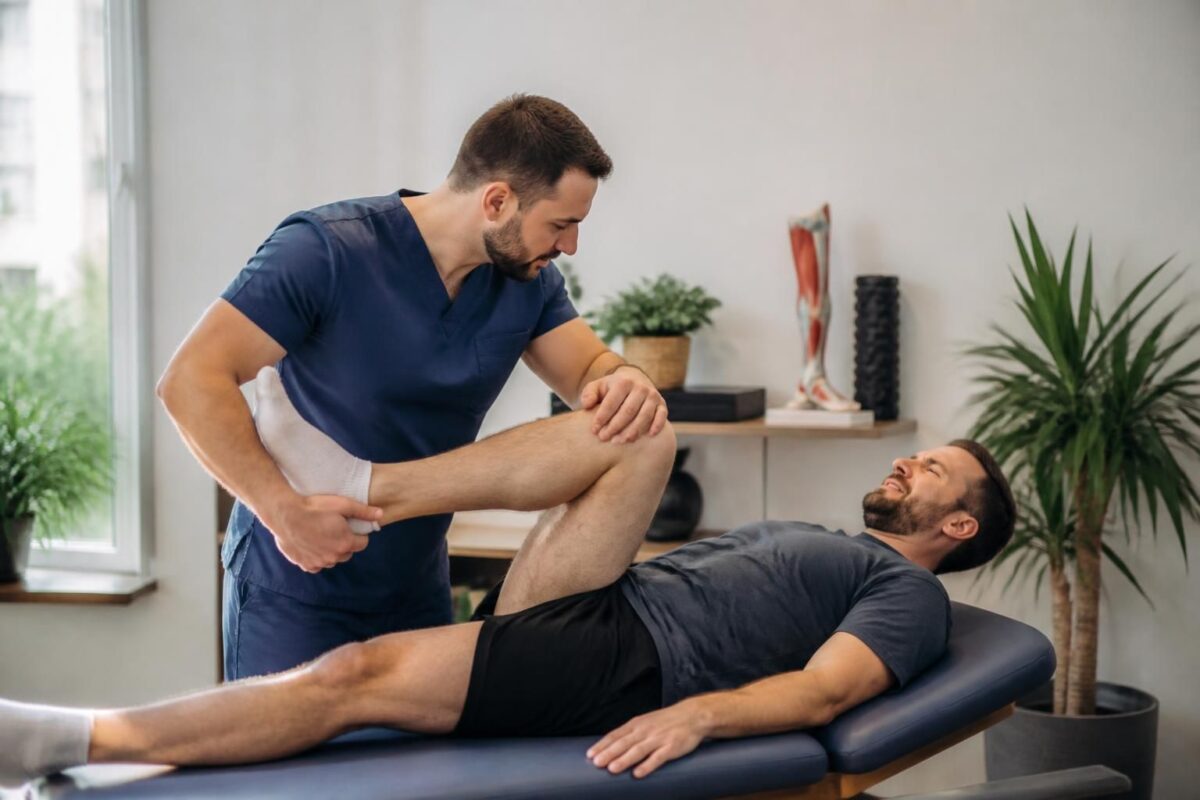
Osteopathy and chronic leg pain: regaining an optimal quality of life
In short In short, Osteopathy is one Global manual approach aimed at reducing Chronic leg pain and improve the quality of life. What is it? Non-drug therapy using the hands to identify restrictions and treat lesional chains. How does it…
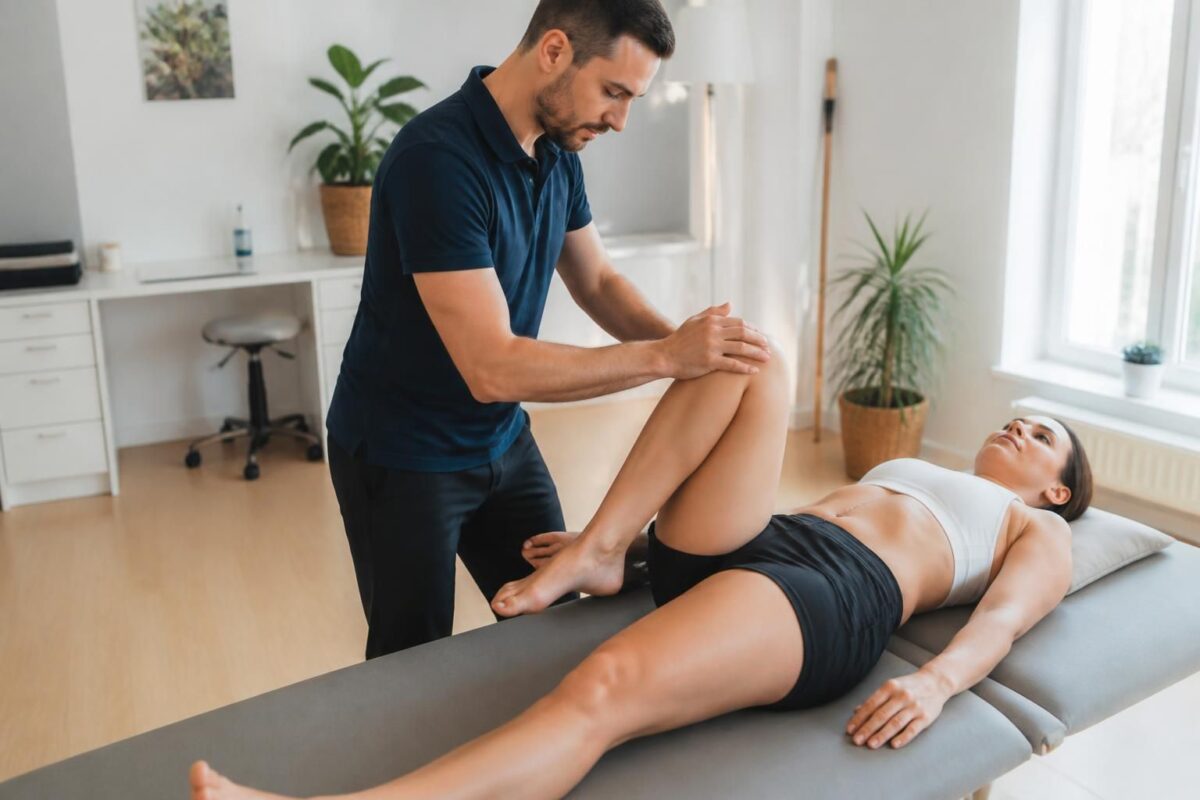
How osteopathy supports recovery after complex surgery
In short In short, Post-operative osteopathy is an approach fresh which supports the recovery After a Complex surgery. It helps to reduce the pain and the fatigue, improves the mobility and accelerates the healing thanks to a better vascularization and…
Benefits of osteopathy to relieve nervous tension
| Axis of action | concise effect |
|---|---|
| Release of mechanical tensions around the nerves | Reduces fascial and joint stresses, improving the mobility and the Nerve conduction. |
| Improved tissue mobility and release of nerve paths | Restores space around the nerves, decreasing irritation and paresthesia. |
| Improved blood and nerve circulation | Promotes oxygen and nutrient intake, supporting nerve recovery. |
| Reduced stress and activation of the parasympathetic nervous system | Causes lasting relaxation and improves sleep quality. |
| Improved posture and spinal alignment | Reduces nerve pressure and tension associated with poor posture. |
| Work on fascias and soft tissues | Releases tension that irritates the nerves and increases overall flexibility. |
| Recovery support and self-healing | Activates natural repair mechanisms and reduces painful sensations. |
| Improved sleep and night comfort | Reduces alarm clocks and promotes deeper rest thanks to better nervous regulation. |
| Prevention of nervous tensions related to sport and stress | Contributes to postural stability and reduction of nervous irritation during activities. |
Here are testimonials from patients who have seen significant improvements thanks to Osteopathy To relieve their nervous tensions, improve their daily comfort and regain a better quality of life.
“Before my sessions, I experienced nervous tensions At the level of the neck and shoulders that radiating in the arm woke me up at night. After a few weeks of targeted treatment, the pain decreased, mobility returned and my sleep improved. I found a feeling of freedom in my movements and less daily stress. »
“I was dragging a falling pain in the leg due to sciatica that prevented me from being active. The osteopathic approach rebalanced my posture and released tensions around irritated nerves. Less pain, easier to move and resume my sports activities without fear of triggers. »
“As a very stressed person, my nervous tensions manifested themselves in headaches and cervical stiffness. Osteopathy brought me deep and lasting relaxation, with a noticeable reduction in episodes and a better quality of sleep. »
“My migraines were linked to blockages in the neck and shoulders. After a few sessions, I felt a decrease in the intensity and frequency of the headaches, better spinal mobility and a general feeling of calm that persists on a daily basis. »
“My daily life was punctuated by cervico-brachial pain and tingling sensations along the arm. The osteopathic intervention freed the blocked areas, improved circulation and greatly reduced these uncomfortable signs. I find an active life and less fear of moving. »
“As a sportswoman, the tensions around the cervical and brachial nerves bothered my performance. Thanks to the precise evaluation and the gentle techniques used, my muscles relax, my posture is balanced and my recovery accelerates, with a lasting reduction in sensations of nervous tension. »
Dr. Sylvain Desforges, osteopathyN, Naturopathy and Manual Medicine, is the founding president of TagMed and the ACMA association. With a career dedicated to health innovation, he specializes in the management of Chronic pain and in the integration of advanced technologies such as neurovertebral decompression, laser and shockwave therapy. Its mission is to offer care evidence-based in order to optimize the health and well-being of its patients. This integrated approach aims not only to relieve symptoms, but also to restore the body’s structural and functional balance.
The key concept behind nervous tensions lies in the interaction between structure and body function. theosteopathy considers that local dysfunctions can manifest themselves remotely by nervous tension, root irritation or referred pain. By working on the mobility of the vertebrae, on the relaxation of the fascias and on the integrity of the soft tissues, the practitioner aims to release the pressure exerted on the nerves and to restore fluid nerve communication. This holistic approach makes it possible to treat pain not only as an isolated symptom, but as a reflection of a complex network where blood, nerves and muscles continually dialogue.
During a session, the in-depth evaluation focuses on posture, joint mobility and breathing, in order to identify areas of tension and compensations that fuel nerve tension. Treatment favors techniques sweet and non-invasive, such as Myofascial release, the Tissue mobilization and targeted stretching. By restoring the mobility and improving the circulation Blood, these interventions facilitate the oxygenation and metabolism of tissues, which helps to accelerate recovery and reduce the painful sensations associated with irritated nerves.
The benefits ofosteopathy For nervous tensions are felt on several levels. At the local level, the reduction of mechanical stress releases the nerves and improves nerve conduction, which can reduce pain and paresthesia. At the system level, better circulation and more effective breathing support the relaxation of the autonomic nervous system, decreasing the physiological stress which can aggravate tension. This dynamic promotes a state of deep rest, a better response to inflammation and a gradual resumption of daily activities without pain.
The practitioner’s work is not limited to a single problem. Based on clinical data and a global vision of the body, Dr. Desforges integrates complementary protocols when appropriate, in order to optimize the results for each patient. The objective is to restore harmony between structures and systems, so that nervous tensions are resorbed for a long time and that the patient regains mobility, confidence and well-being.
Finally, theosteopathy Offers a gateway to a calmer and more conscious approach to the body. By promoting relaxation, mind-body connection and smoother movement patterns, it contributes to an improved quality of life and a lasting reduction in the feeling of nervous tension in everyday life.
Quick summary: Osteopathy acts on the nervous tensions By releasing restrictions around nerves and fascias, which improves conduction and circulation, and promotes rest and overall well-being.
Benefits and implications
In practice, theosteopathy acts on the nervous tensions By releasing the restriction areas around the nerves and fascias, which improves nerve conduction and strengthens communication between the different structures of the body. This action is coupled with an optimization of the circulation Blood and lymphatic, essential for nourishing tissues and accelerating repair.
The nervous system benefits directly from this global work. By restoring tissue mobility and reducing tension around the nerves, theBalance of the autonomic nervous system May improve, which can reduce pain sensations and promote a state of relaxation conducive to rest and sleep. To deepen the benefits, consult the resources available on the benefits of osteopathy and the link with the chronic pain.
Manifestations such as tingling, radiant pain, or cervical stiffness can recede when tensions around the nerves and transition zones (column, shoulders, pelvis) are released. Examples of application for the peripheral nervous system are detailed in dedicated resources, including upper limb pain and sciatic pain.
The impact on well-being goes beyond pain: better posture and smoother recovery after exercise allow a reduction in tension, better breathing and sometimes a reduction in stress. Athletes and people exposed to stress can benefit from significant benefits, particularly in terms of mobility and recovery.
To make the most of osteopathy and maintain the effects on nervous tension, favor regular sessions adapted to your condition and combine if relevant with appropriate physical activity is often recommended. Also find out about the basics and benefits of osteopathy through specialized resources and general public guides.
Note: Theosteopathy is an approach complementary which does not replace medical advice or prescribed treatment. In case of serious symptoms or warning signs, a doctor or specialist should be consulted quickly.

Dr Sylvain Desforges, B.Sc., D.O., N.D., osteopath, is the founding president of TAGMED and of the ACMA association. He dedicates his practice to chronic spinal pain, low back pain and symptoms compatible with sciatica, particularly when pain radiates toward the buttock, leg, calf, foot or toes.
Through SOS Sciatique, he publishes educational content on sciatica symptoms, possible causes such as disc herniation, disc narrowing, foraminal stenosis or irritation of a lumbar nerve root, as well as non-surgical approaches that may be considered according to the evaluation. At Clinique TAGMED, care may include, depending on the case, motorized neurovertebral decompression, specific osteopathic care or precision percussion.
For an evaluation related to sciatica treatment in Montreal / Mount Royal or sciatica treatment in Terrebonne, please consult the services available at Clinique TAGMED.
Medical disclaimer
The information published on SOS Sciatique is provided for educational purposes only and does not replace a consultation, diagnosis, opinion or treatment provided by a physician or another authorized healthcare professional. The author of this article is neither a medical doctor nor a specialist in a medical specialty recognized by the Collège des médecins du Québec. The osteopathic, manual medicine or functional support approaches described on this site do not constitute medical acts and are not intended to replace medical follow-up.
Consult a physician or emergency service in cases of loss of bladder or bowel control, anesthesia in the saddle area, significant or progressive weakness in the leg or foot, fever, recent trauma, severe pain or rapid worsening of symptoms. For more details, please read our Legal Notice.