

Osteopathy and stress: soothe the body and mind
28/06/2026
The benefits of osteopathy to improve joint health
28/06/2026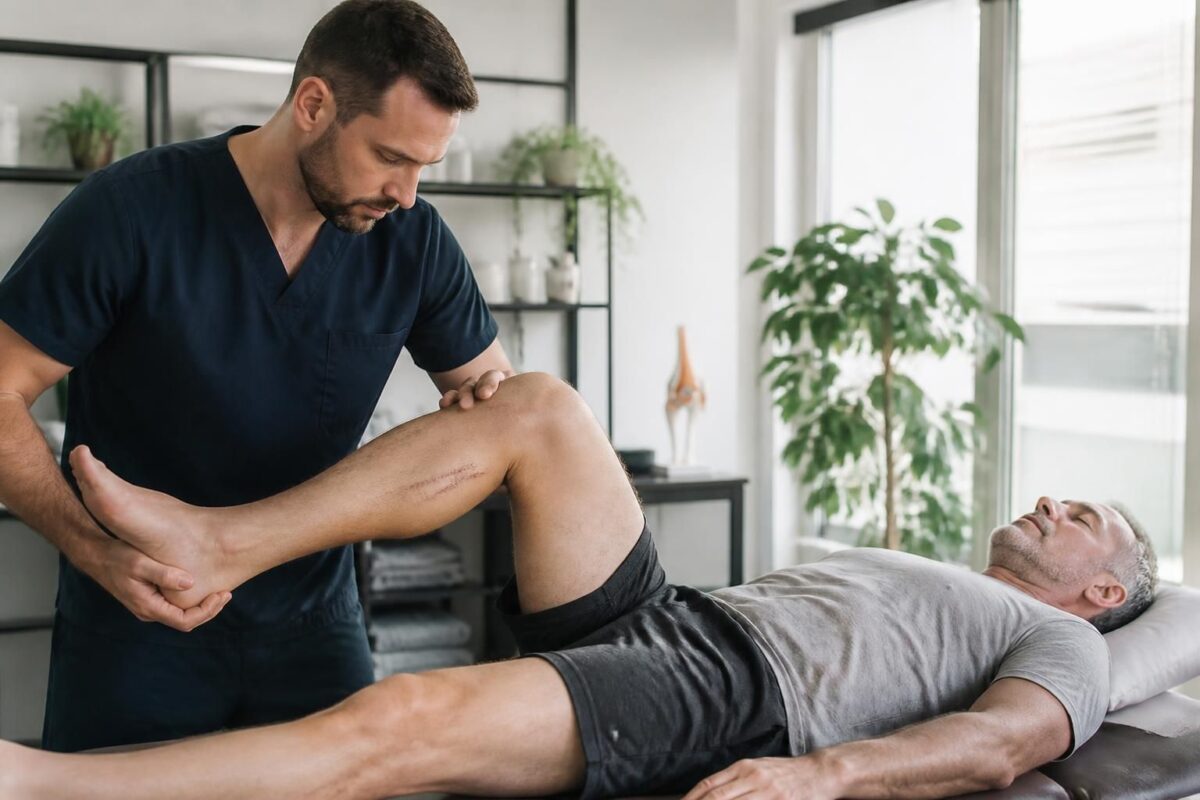
In short
In short, theosteopathy is a non-invasive manual approach that supports the Recovery after orthopedic surgery. |
Osteopathy provides effective support for recovery after orthopedic surgery through an approach Soft and personalized centered on the body as a whole.
It acts on the Blood and lymphatic circulation To promote nutrient intake and waste disposal, reduce theinflammation and the pain.
Through targeted manual techniques, it helps to release tensions, to limit adhesions and to Restore mobility tissues and joints around the operated site.
It also supports the healing, participates in the nervous balance and offers personalized advice to limit the effects of immobilization and promote a Back to activity faster and more comfortable.
Quick Summary: Osteopathy supports recovery after orthopedic surgery by improving circulation, reducing pain, restoring mobility and managing scar tissue. This article outlines key mechanisms, practical benefits and advice for optimizing rehabilitation.
Mechanisms of action
Osteopathy uses manipulations sweet To restore the balance of the body after a orthopedic surgery. These gestures improve the circulation blood and lymphatic around the operated area. This improvement promotes nutrient intake and waste disposal, which supports healing and tissue function.
Osteopathic techniques moderate inflammatory responses and may reduce pain postoperative. They favor a respectful approach to the structures, without forcing the tissues, which facilitates the process of rehabilitation and the return to activity.
Work on the tissues around the operated site can also reduce adhesions and promote slippage between tissue planes. This contributes to the gradual recovery of therange of motion and better coordination of body systems.
Improved healing and circulation
Osteopathic gestures locally stimulate the circulation and the vascularization fabrics. This stimulation helps to provide the necessary nutrients for repair and to evacuate metabolic waste. Optimized blood supply supports the healing and may reduce the risk of prolonged inflammation.
This approach can be supplemented by resources and practices described in specialized content, including those explaining a Personalized approach pain management and post-surgical recovery.
To deepen these concepts, you can consult dedicated resources: Pain Management — Personalized Approach and Rehabilitation after surgery.
Restoration of mobility and pain reduction
gentle manipulations target areas around the operated site to improve mobility and reduce muscle tension. This approach helps to reduce pain and facilitate the return to painless daily gestures, while respecting the patient’s healing pace.
Complementary resources describe how osteopathy can support performance and recovery in active people, without prescribing invasive exercises in sensitive post-surgical situations. This information sheds light on the recovery path by remaining centered on the body and its self-healing mechanisms.
Tissue management and adhesion prevention
After surgery, the tissues can form adhesions. Osteopathy aims to release tensions and improve the slippage between structures. This can help prevent future limitations and promote smoother recovery.
Recent data and clinical feedback support the idea that gentle manual approaches promote better tissue organization and support overall healing.
Nervous system support and vascular balance
Dedicated techniques aim to balance the autonomic nervous system and optimize the regulation of trauma responses. This balance can reduce stress and promote a calmer and more effective recovery.
A balanced nervous system can also contribute to better pain perception and more comfortable recovery during the first post-operative months.
Practical advice and follow-up
Regular consultations make it possible to monitor the evolution, to adapt the care plan and to coordinate care with the medical team. Osteopathic follow-up can facilitate the gradual return to activity and help identify early points requiring treatment adaptation.
To deepen the rehabilitation component and complementary approaches, consult resources dedicated to post-operative rehabilitation and pain management, as well as the content presented on the associated platforms.
For more information on osteopathy and post-operative recovery, see Osteopathy and rehabilitation after surgery and Prevent muscle imbalances.
At the TagMed clinic, osteopathic approaches are integrated into a global rehabilitation framework. They can be associated with non-invasive and functional recovery-focused strategies.
To understand the interaction between osteopathy and postoperative recovery, check out the resources below: Osteopathy and recovery after surgery and Postoperative support.
For specific information on posturology and postural adaptations related to recovery, see Balanced posture.
For more information on work-related issues and resumption of activity, see Pain related to repetitive work.
To deepen, you can also explore the content associated with training and practice in osteopathy, remaining on recognized institutions such as Numss, NAO, National University of Medical Sciences and National Academy of osteopathy.
Warnings and disclaimer : This article is written in an informative spirit and does not replace an individual medical consultation. Consult your doctor for any questions related to your state of health and your post-operative recovery. The information presented does not replace a diagnosis or medical treatment.
Medical Disclaimer: The information and advice provided on this site does not replace the health professional’s diagnosis or treatment. Please note that Dr. Sylvain Desforges osteopath is neither a doctor of medicine nor a doctor, and is not a specialist in a medical specialty as defined by the Collège des Médecins du Québec. Manual medicine, functional medicine and sports medicine as described on this site exclude any medical treatment or diagnosis made by a doctor or specialist doctor. Always consult your doctor for any medical questions. For more details, please read our full legal notice.
“Medical disclaimer: The information and advice provided on this site does not replace the health professional’s benefit, diagnosis or treatment. Please note that Dr. Sylvain Desforges osteopath is neither a doctor of medicine nor a doctor, and is not a specialist in a medical specialty as defined by the Collège des Médecins du Québec. Manual medicine, functional medicine and sports medicine as described on this site exclude any medical treatment or diagnosis made by a doctor or specialist doctor. Always consult your doctor for any medical questions. For more details, please read our full legal notice. »
- Circulation and inflammation: Improves blood and lymph flow around the operated area.
- Mobility and Tissue slip: Restoration of flexibility and slip between fabrics.
- adherence Preventive: Targeted actions to limit scar adhesions.
- Pain Post-operative: reduction by gentle and relaxing techniques.
- Healing and Tissue recovery: Support for healing and regeneration.
- Regulation nervous and relaxation: Better regulation of the nervous system and reduction of stress.
- Re-education Personalized: tailor-made plan to accelerate the return to activity.
- Back to activity: facilitation of recovery and restart of daily activities.

Quick introduction
This article presents how theosteopathy supports the Recovery after orthopedic surgery. By favoring gentle and adapted gestures, it acts on the circulation, the healing, the mobility and the Overall well-being, in order to accompany the patient towards a return to his daily activities with more comfort and less pain.

How osteopathy improves the quality of life of active people
In short In short, theosteopathy is a global approach that Optimizes mobility and the function of the body of ACTIVE PEOPLE, for a better quality of life. It helps prevent injury and reduce Musculoskeletal pain While promoting the Sports recovery.…
Roles and principles of postoperative osteopathy
After an intervention, the body goes through a repair phase where the balance and harmony of the tissues are crucial. theosteopath Search theFunctional balance from the body, releases localized tension and optimizes coordination between the nervous, vascular and tissue systems. thanks to techniques non-invasive and personalized, it facilitates the recovery and prepares the ground for effective rehabilitation, while respecting the pace of the patient.
Key Goals
restore the mobility affected structures, reduce mechanical stress on the fabrics under repair and promote Multidisciplinary rehabilitation secure. The approach also aims to reduce the tension around the scars and to support the nervous and muscular balance.

Osteopathy and sports recovery: prepare the body for lasting performance
In short In short, Osteopathy and Sports recovery is one Global manual approach that sustainably prepares the body for the effort by restoring mobility and circulation After the effort. It is a discipline that acts on the sinews, the joints,…
Improved circulation and reduced inflammation
gentle osteopathic manipulations increase the bloodstream and local lymphatic, contributing to the supply of essential oxygen and nutrients and the evacuation of metabolic waste. This natural stimulation helps Reduce inflammation post-operative and to limit minor painful sensations. By promoting better oxygenation of the tissues, osteopathy participates in a Faster healing and more comfortable.
Examples of Approaches
Targeted gestures on the areas adjacent to the operated area make it possible to improve tissue slippage and avoid tensions that could hinder recovery, while remaining compatible with the surgical plan.
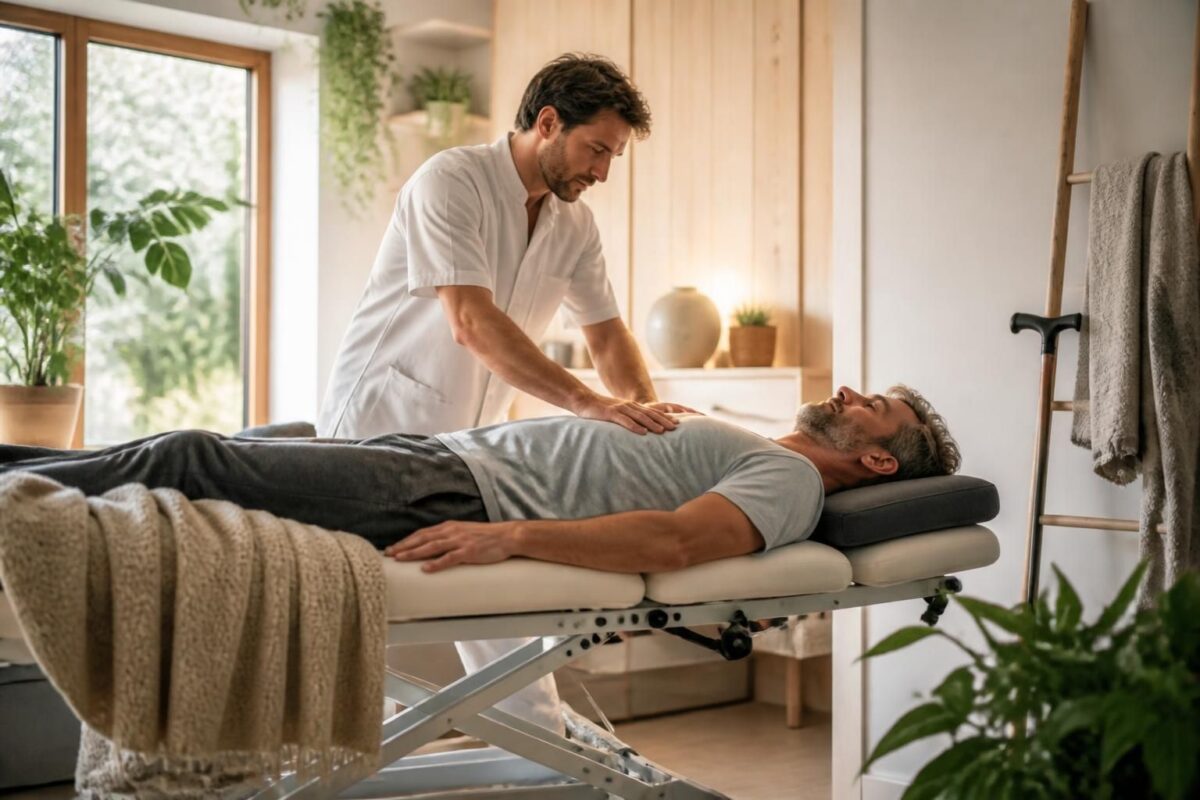
Why Osteopathy Is Essential For Recovery People
In short In short, Osteopathy in convalescence is an approach manual and holistic which helps to accelerate the recovery by restoring The balance, the mobility and a good circulation fabrics. it contributes to Reduce the pain, support the Back to…
Adhesion prevention and healing optimization
At the heart of the post-operative phase are the adherence and limitations related to the scar process. Osteopathy offers techniques for Fascial release and light mobilization that promote the Layer slip and the Tissue mobility around the scars. Result: less mechanical resistance, reduced risk of localized inflammation and better integration of scar tissue.
Personalized approach
Each patient benefits from a plan adapted to their type of surgery (site arthroplasty, ligament, osteoarticular) and general condition, in order to prevent adhesions while preserving the safety of the healing process.

Osteopathic manipulations to strengthen post-traumatic muscles
In short In short, Osteopathic manipulations for Strengthen post-traumatic muscles constitute a gentle manual approach aimed at restoring the mobility, reduce the pain and facilitate the Functional rehabilitation After a injury. What is Is it? A series of precise gestures…
Restoration of mobility and postural balance
The goal is to restore a range of motion harmonious and Postural balance after the operation. Targeted techniques improve the flexibility soft tissues, reduce tension in neighboring areas and prepare the joints for the gradual resumption of rehabilitation exercises. This approach supports the work of physiotherapists and surgeons by facilitating movement without compromising healing.
Progress and security
The sessions are part of a progression adapted to the operating protocol and conclude with practical advice to optimize home rehabilitation exercises.

Osteopathy and prevention of work-related musculoskeletal disorders
In short theosteopathy is one Manual approach that restores body balance and prevents MSD related to work. Its advantages: reduction of tension, improvement of mobility and prevention of chronic pain. She is preventive and healing, suitable for office and trades…
Pain and postoperative stress management
The pain and the stress play a major role in recovery. Thanks to soft manual techniques, osteopathy can contribute to a pain reduction and better sleep quality. By restoring the balance of the nervous system and improving circulation, it promotes reduction of tensions And a general feeling of well-being, thus accelerating the healing process.

The benefits of osteopathy to treat muscle imbalances
In short theosteopathy is a manual approach to restore themuscle harmony and postural considering the body as a whole. Its main benefits include the reduction of aches and tensions, the improvement of the mobility and from the posture, and prevention…
Practical advice and organization of the course
To take full advantage of osteopathy after surgery, it is recommended to integrate the sessions as part of a coordinated course with the surgical team and the physiotherapist. A typical rhythm can begin with close visits in the first few weeks, then become spaced according to the evolution of healing and the objectives of rehabilitation. The goal is to support the functionality overall and promote the return to normal activity with as little discomfort as possible.
| Axis of action | concise effect |
|---|---|
| Circulation and oxygenation | Improvement of the circulation and from (oxygenation) fabrics thanks to soft techniques, facilitating healing and recovery. |
| Pain and tension | reduction of the pain and muscle tension, increased comfort and better participation in rehabilitation. |
| Mobility and flexibility | Restoration of the (amplitude) and the mobility around the operated area. |
| Adhesions and healing | decrease in adherence and healing support to prevent future restrictions. |
| Nerve and vascular self-regulation | Harmonization of the nervous system and vascular to promoteself-regulation and post-operative balance. |
| Detoxification and drainage | Activation of the detoxification tissue via drainage and circulation to accelerate recovery. |
| Operation and resumption of activity | improvement of operation Tangible and gradual return to activities. |
| Preoperative preparation | Preparation of the body before operation and management of the stress to optimize recovery. |
| Prevention of complications | Reduction of risks associated with immobilization and increased post-operative security. |
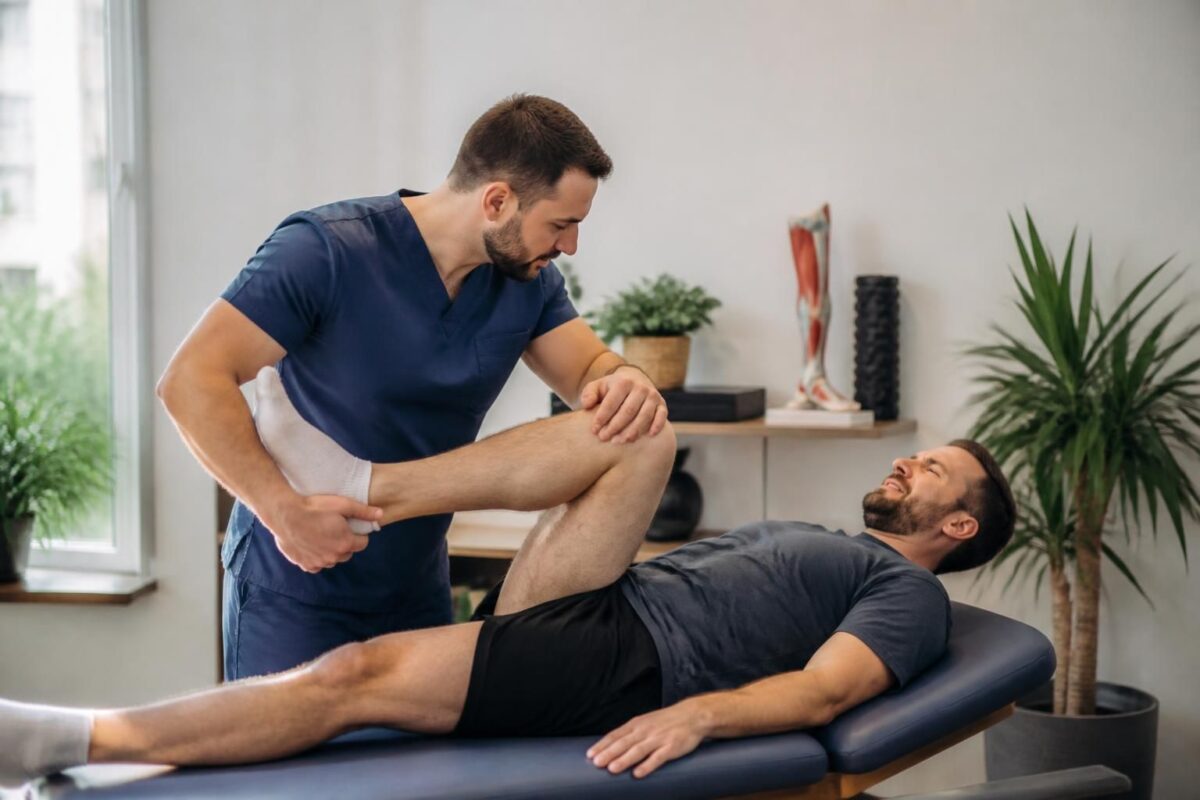
Osteopathy and chronic leg pain: regaining an optimal quality of life
In short In short, Osteopathy is one Global manual approach aimed at reducing Chronic leg pain and improve the quality of life. What is it? Non-drug therapy using the hands to identify restrictions and treat lesional chains. How does it…
Testimonials: How osteopathy supports recovery after orthopedic surgery
“After a knee replacement, osteopathy was a real partner in my recovery. I felt a significant reduction in the pain and an mobility faster, thanks to soft techniques that stimulate the circulation local and accelerate tissue healing. »
“Following my hip surgery, osteopathic sessions helped me release tensions around the scar and adjacent muscles. This favored a recovery more comfortable and decreased the adherence, which made it possible to resume my daily activities earlier than expected. »
“For my operated shoulder, osteopathy made it possible to gradually restore theamplitude of movement and reduce the pain. By working on the alignment and fluidity of the tissues, my body accepted the movements better and I was able to strengthen my daily gestures without excessive pain. »
“After a reconstruction of the cruciate ligament, I appreciated an accompaniment that promotes a Adhesion prevention and an recovery progressive and safe. The sessions helped me find a Functional mobility while limiting post-operative discomfort. »
“My intervention on the spine was followed by an osteopathic program which improved the circulation and reduces nervous tension. I found a more balanced posture and a pain Less present, which facilitated the return to my sports activities. »
“After arthroplasty in the ankle, gentle manipulations accelerated the healing and facilitated the Back to effort. I felt supported throughout convalescence, with a Motion profitability found and less fatigue after the sessions. »
“By resuming sport after my back surgery, osteopathy was decisive in improving the mobility, limit inflammation and support a recovery sustainable. My body regained its balance and my confidence to resume my usual training. »
The Dr Sylvain Desforges, osteopath, expert in osteopathy, manual medicine and Naturopathy, puts its know-how at the service of the Postoperative recovery in orthopedic surgery. Founding President of the TagMed Clinics and the ACMA Association, he places innovation at the heart of his practice and favors an approach evidence-based to support patients throughout their healing journey. Its objective: to optimize the mobility and well-being of patients after an intervention, by combining technical expertise and holistic vision of the body.
In this process, theosteopathy Acts as a non-invasive support that fits harmoniously into the rehabilitation program. the techniques used, gentle and targeted, promote the Blood and lymphatic circulation, reduce muscle tension and prepare the ground for a Functional rehabilitation more fluid. By releasing the tissue compartments, they facilitate the slippage of anatomical structures and reduce adhesions which can limit mobility after the operation.
At the heart of recovery post-surgical, the goal of osteopathy is to Restore the mobility of tissues, muscles and joints affected, while supporting the process of healing. By stimulating local circulation and improving the evacuation of metabolic waste, it helps reduce discomfort and accelerate the return to normal ranges of motion. In addition, osteopathic techniques play a role in balancing the nervous system, which can promote better management of stress and pain related to convalescence.
The rehabilitation path is thought of as a personalized course, progressing in phases and in close collaboration with the surgical teams and physiotherapists. In the first few weeks, priorities include reducing inflammation and maintaining a gentle movement of neighboring segments. Then, as the healing progresses, the osteopathic approach supports renewed mobility and normalization of tensions around scars. This coordination makes it possible to avoid postural compensation and to prevent recurrent pain, while preserving the operated structures.
For active patients, this approach offers tangible benefits: a decrease in postoperative pain, an improvement in amplitude of movement and a more secure recovery of daily and professional activities. By promoting better circulation and better oxygenation of the tissues, osteopathy also contributes to a more comfortable and lasting recovery. The objective is clear: to establish a body balance that facilitates the return to working life while minimizing the risks of complications linked to the recovery period.
By integrating theosteopathy In the post-operative course, Dr. Desforges offers a complete and harmonious approach that supports healing, optimizes mobility and improves the quality of life of patients, in line with best clinical practices and individual needs. His approach is based on attentive listening, precise evaluation and targeted interventions that are part of a reassuring and effective healing dynamic.
This article presents how osteopathy supports recovery after orthopedic surgery By acting on the circulation, the mobility and the pain, while promoting healing and preventing adhesions. It describes the mechanisms, benefits and optimal conditions for integrating osteopathy into a secure and effective post-operative course.
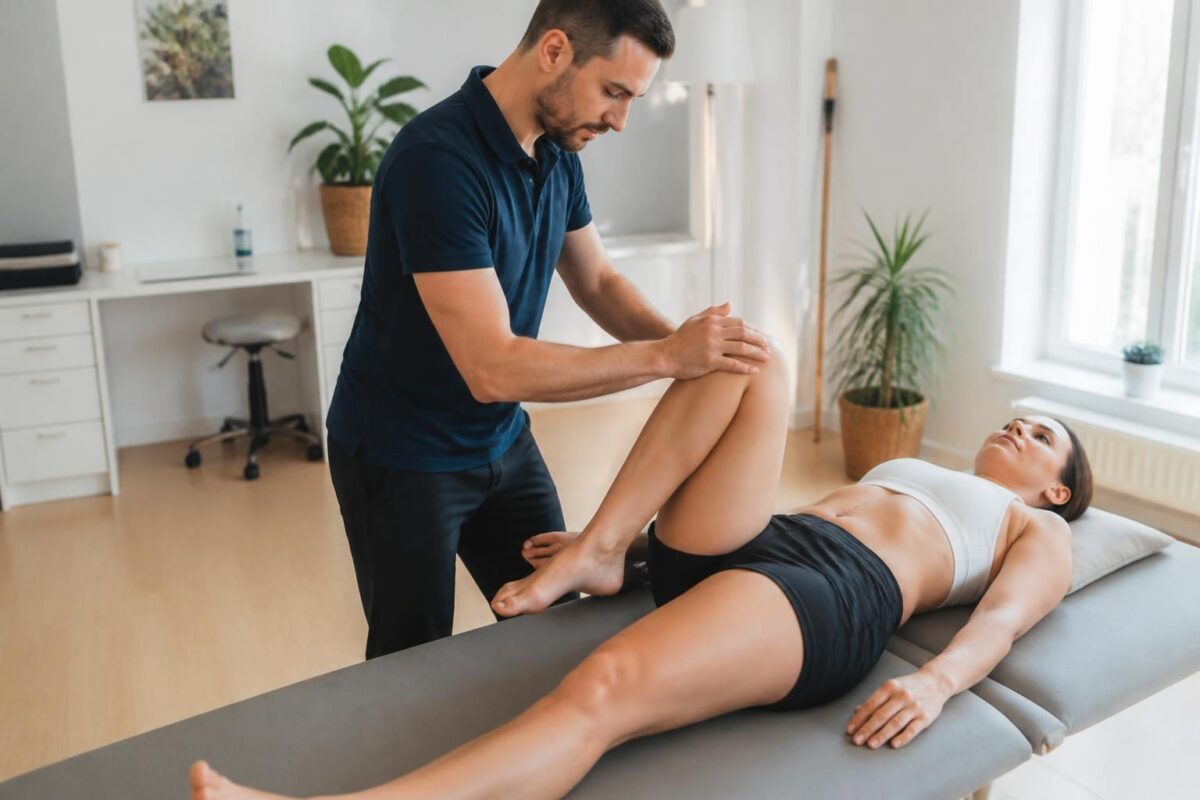
How osteopathy supports recovery after complex surgery
In short In short, Post-operative osteopathy is an approach fresh which supports the recovery After a Complex surgery. It helps to reduce the pain and the fatigue, improves the mobility and accelerates the healing thanks to a better vascularization and…
Key elements of osteopathic intervention after surgery
After an orthopedic procedure, Osteopathy aims to restore theHonest body balance By favoring Gentle techniques and adapted to the patient’s condition. it acts on the soft tissues, the fascias and joint structures to restore range of motion, release the adhesions and prepare the tissues for a Optimal repair.
The light stimulation of the bloodstream and lymphatic promotes the intake of nutrients and oxygen, thus accelerating the process of healing and the Muscle relaxation. At the same time, the osteopath works on thePostural alignment and the balance of the nervous system, which contributes to a reduction in tension and reactive stress associated with the intervention.
To maximize benefits, the treatment is personalized depending on the type of surgery, the surgical location and the general condition of the patient. It is a progressive support that can evolve depending on the progress of the convalescence and the functional objectives to be achieved.
additional resources on the benefits of osteopathy for the Joint flexibility and the Sports recovery are available here: The benefits of osteopathy to improve joint flexibility, and Osteopathy and sports recovery.
Impact on healing and circulation
A central objective is toOptimize healing by acting on the peri-surgical tissues and in preventing adherence. osteopathic techniques make it possible to Reduce adhesions and improve the Tissue mobility Around the operated area, facilitating the sliding of structures and functional recovery.
The local traffic is stimulated by appropriate gestures that promote the supply of nutrients and oxygen, while helping to evacuate metabolic waste. This circulatory improvement helps to reduce postoperative inflammation and reduce the painful sensations associated with the recovery period.
useful resources on the Recovery after surgery and postoperative osteopathy are available via the following links: Post-surgery osteopathy and Osteopathy after operation recovery.
Pain management and quality of life improvement
The Osteopathic techniques allow a Targeted pain management thanks to the decrease in muscle tension and a better Fluid circulation in the areas concerned. This approach contributes to a Improved sleep and a reduction in pain-related anxiety, promoting a more comfortable and effective rehabilitation process.
By promoting a better Joint mobility And a rebalancing of the nervous system, osteopathy helps the patient to gradually resume his daily activities and regain a general feeling of well-being during convalescence.
To deepen the mechanisms related to postoperative recovery and stress reduction through manual therapies, consult resources like articles on stress reduction and wellness improvement with osteopathy: Osteopathy after operation recovery and Osteopathy and well-being, a natural solution.
Prevention of complications and resumption of activities
A well-coordinated osteopathic practice can help prevent complications related to prolonged immobilization, such as circulatory disorders or Chronic pain. By working on tissue balance and coordination, osteopathy gradually facilitates the Resumption of activities and allows the patient to achieve the functional objectives set by the medical team more quickly.
Collaboration between the osteopath, the surgeon and other health professionals helps establish a treatment plan focused on mobility, pain reduction and patient safety throughout the postoperative period. For more information, you can consult resources on recovery after surgery and complementary approaches, such as Osteopathy and recovery after surgery.
Additional testimonials and analyzes on the impact of osteopathy in postoperative recovery are available through reviews and practical guides cited in the recommended resources below: Osteopathy rehabilitation and Osteopathy Post-operative recovery.
To deepen the practical aspects and benefits of osteopathy in the post-surgery, you can also consult the following resources: Why osteopathy is essential for rapid recovery after trauma and Osteopathy and sports recovery.

Dr Sylvain Desforges, B.Sc., D.O., N.D., osteopath, is the founding president of TAGMED and of the ACMA association. He dedicates his practice to chronic spinal pain, low back pain and symptoms compatible with sciatica, particularly when pain radiates toward the buttock, leg, calf, foot or toes.
Through SOS Sciatique, he publishes educational content on sciatica symptoms, possible causes such as disc herniation, disc narrowing, foraminal stenosis or irritation of a lumbar nerve root, as well as non-surgical approaches that may be considered according to the evaluation. At Clinique TAGMED, care may include, depending on the case, motorized neurovertebral decompression, specific osteopathic care or precision percussion.
For an evaluation related to sciatica treatment in Montreal / Mount Royal or sciatica treatment in Terrebonne, please consult the services available at Clinique TAGMED.
Medical disclaimer
The information published on SOS Sciatique is provided for educational purposes only and does not replace a consultation, diagnosis, opinion or treatment provided by a physician or another authorized healthcare professional. The author of this article is neither a medical doctor nor a specialist in a medical specialty recognized by the Collège des médecins du Québec. The osteopathic, manual medicine or functional support approaches described on this site do not constitute medical acts and are not intended to replace medical follow-up.
Consult a physician or emergency service in cases of loss of bladder or bowel control, anesthesia in the saddle area, significant or progressive weakness in the leg or foot, fever, recent trauma, severe pain or rapid worsening of symptoms. For more details, please read our Legal Notice.