Osteopathic manipulations to reduce chest pain
28/06/2026
Osteopathy and prevention: maintaining optimal health on a daily basis
28/06/2026
In short
| In short, Osteopathy is one Manual approach which helps to relieve Pain related to repetitive work by Gentle techniques and targeted. It acts by restoring theBody balance, by improving the mobility and favoring theself-healing. Key benefits include pain relief, improved posture and Prevention of injuries related to repetitive gestures, as well as improving general well-being at work. Operation is based on precise manipulations that relax the muscles, improve circulation and rebalance muscle chains. In Montreal, this service is particularly recommended for workers exposed to repetitive gestures and work-related back or neck pain. Accessible via personalized sessions, osteopathy is non-invasive and can be integrated into a process of prevention and quality of life at work. |
Osteopathy is one Manual approach who considers the body as a whole and which can be particularly effective for Pain related to repetitive work.
She acts in Releasing muscle tension, working on the Muscle chains and improving the Joint mobility, in order to restore a posture and an Functionality of movement optimal during repetitive tasks.
thanks to a Improved traffic and a better self-regulation of the body, osteopathy can reduce discomfort, prevent recurrences and support prevention and the recovery in the professional context.
This article explains why theosteopathy Can be a reliable solution for repetitive work-related pain. Based on an approach overall From the body, the osteopath targets tensions, improves mobility and promotes recovery, while integrating with simple ergonomic measures and active breaks in the workplace.
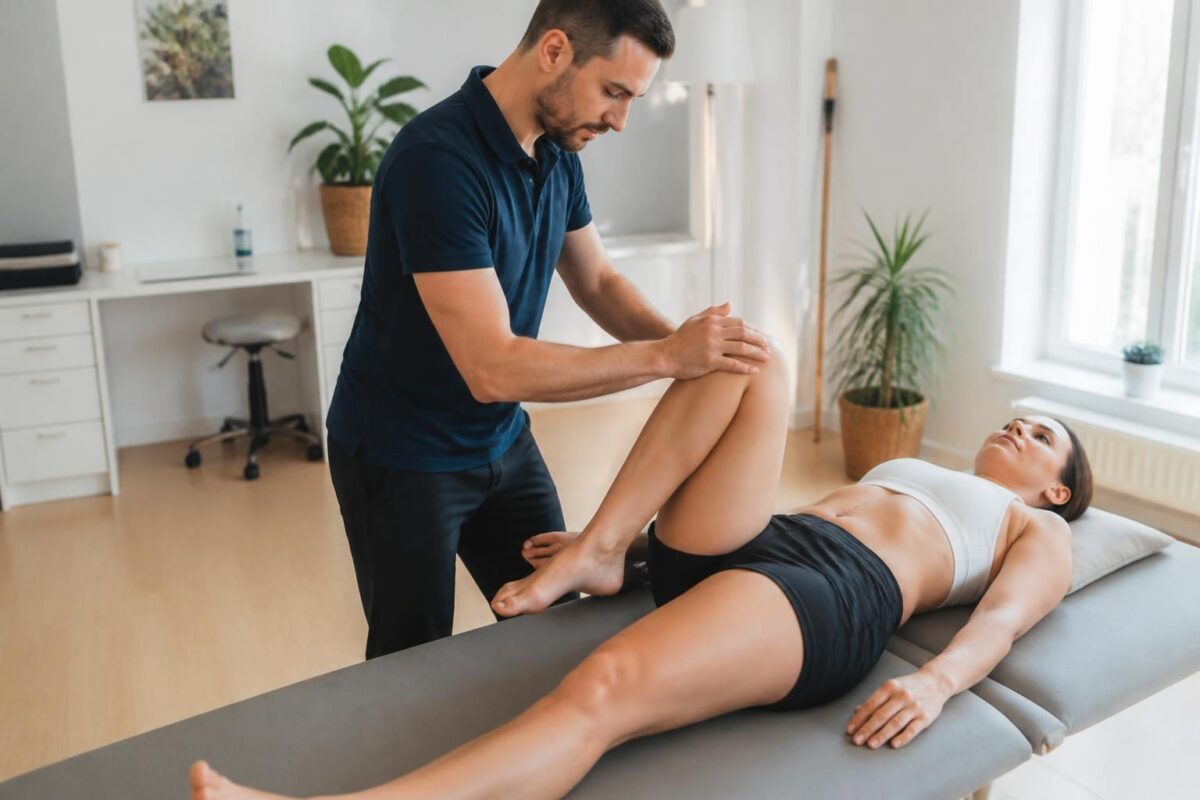
Repetitive work exposes the body to accumulated tensions. Repeated gestures and prolonged postures can generate muscle, joint pain and sometimes headaches or posture disorders. Osteopathy offers a manual intervention focused on the harmony between structure and function. This approach promotes muscle relaxation, improves circulation and rebalances muscle chains, which can reduce discomfort and improve the ability to resume professional activities with less pain.
How does osteopathy affect repetitive work pain
It acts by manual techniques aimed at:
- Release muscle tension and the trigger points to reduce local pain.
- Improve joint mobility and muscle chains to restore normal range of movements.
- Regulate circulation and innervation Areas solicited by repeated gestures.
- promote recovery After periods of intense work by a gentle and adapted approach.
Which osteopathic techniques should be favored in this context
Commonly used techniques include myofascial release, gentle manipulation of muscle chains and targeted joint mobilization. The objective is to improve the efficiency of daily movements and to prevent stiffness. In some cases, the osteopath can also offer advice on breathing and stress control, contributing to better management of repetitive work.
Integration with ergonomics and good professional practices
Osteopathy does not replace professional measures. It complete Job ergonomics and work habits. Simple tips like adjusting the height of the screen, organizing the workstation, making micro-breaks and practicing light stretching prescribed by the osteopath can amplify the therapeutic effects. This global approach helps to correct imbalances and prevent the lasting installation of pain.
Evidence and perception of benefits
Clinical feedback shows that patients often experience a decrease in pain and improved mobility after osteopathy sessions. The results vary according to the individual and the exact nature of the repeated gestures. Active patients report quick gains in the ability to perform their tasks without marked pain.
Practical integration and care pathway
A typical protocol may include an initial assessment, an appropriate treatment plan and a follow-up schedule. Practitioners trained in recognized structures, such as NUMSS, nao, National University of Medical Sciences and National Academy of osteopathy, provide a solid educational basis for practice.
To deepen the benefits and implementations of osteopathy, consult specialized resources such as the dedicated sections on sossciatica.com and sossciatica.com.
Risks, security and ethical framework
Osteopathy is an approach non-invasive and generally well tolerated. Each session begins with an assessment of needs and possible contraindications. In the event of specific pathologies or acute pain, the osteopath can refer to other health professionals and collaborate with recognized organizations (ACMA, College of Canadian Osteopaths, College of Canadian Osteopaths) to ensure appropriate care and safe.
Table: Comparison of approaches for repetitive work pain
| Therapy | Approach | Effectiveness in repetitive work pain | Briefing |
|---|---|---|---|
| osteopathy | manual techniques targeted at voltages and mobility | often positive, improved mobility and pain reduction | Integrate ergonomist and active breaks |
| Physiotherapy | Exercises and rehabilitation | variable efficiency; can be useful but sometimes less suitable for repeated gestures without adaptation | To be considered in a comparative framework |
| Ergonomics and active breaks | Postural adjustments and micro-breaks | demonstrated preventive effect; sustainably improves comfort | Essential preventive foundation |
Additional resources on the benefits of osteopathy and associated approaches can be found on sossciatica.com and Cliniquetagmed.com.
The reader can also consult the resources on Prevention of overuse injuries and on Natural and effective solutions.
For information on training environments and professional executives, the NUMSS and NAO establishments constitute references in osteopathy, recognized in the field.
Medical Disclaimer: The information and advice provided on this site does not replace the health professional’s diagnosis or treatment. Please note that Dr. Sylvain Desforges osteopath is neither a doctor of medicine nor a doctor, and is not a specialist in a medical specialty as defined by the Collège des Médecins du Québec. Manual medicine, functional medicine and sports medicine as described on this site exclude any medical treatment or diagnosis made by a doctor or specialist doctor. Always consult your doctor for any medical questions. For more details, please read our full legal notice.
In case of persistent pain in the knee, wrist or other areas related to repetitive work, Losteopathy can help restore body balance and support professional performance. For more information on benefits and mechanisms, you can consult the following resources on authorized domains: sossciatica.com, sossciatica.com, and osteopath.
Why osteopathy is effective for pain related to repetitive work
- Biomechanical rebalance : Corrects postures and decreases repetitive load on back and shoulders.
- Mobility of muscle chains : Improves amplitude and prevents blockages after repeated gestures.
- Release of trigger points and fascial tensions
- Disc decompression : Relieves pressure on nerves and discs for faster recovery.
- Busquet approach Muscle chains: Corrects remote imbalances, not just pain.
- Reduced recovery time : The sessions promote the return to pain without pain.
- prevention of Chronic pain : A targeted follow-up avoids relapses linked to the repetition of gestures.
- posture at work : lasting improvement of sitting and standing positions.
- Mobility and energy : decreased stiffness, increased comfort throughout the day.
- Non-invasive approach and effective: alternative to drug treatments for repetitive work-related pain.
- Synergy with ergonomics and other care: complementarity with physiotherapists and postural advice.

This article presents why theosteopathy is one Effective solution For pain related to repetitive work. By acting on imbalances musculoskeletal Induced by repeated gestures and prolonged postures, the osteopath seeks to restore the mobility, reduce the strain and prevent chronic pain, while offering practical advice adapted to the professional environment.
Understand the mechanisms that link repetitive work to pain
Repetitive activities and maintained postures generate microtraumas in muscles, fascias and joints. This accumulation can cause local imbalances and repercussions on the overall organization of the body. theosteopathy is based on the idea that structure and function remain intimately linked and that tensions in one area can impact the whole body, including breathing and circulation. By working on the unity of the body, it can reduce tension, improve the circulation and promote better Neuromuscular coordination.

How osteopathy improves the quality of life of active people
In short In short, theosteopathy is a global approach that Optimizes mobility and the function of the body of ACTIVE PEOPLE, for a better quality of life. It helps prevent injury and reduce Musculoskeletal pain While promoting the Sports recovery.…
How is osteopathy adapted as a solution
The osteopathic approach is holistic and favors a Progressive rehabilitation rather than rapid symptomatic treatment. She seeks to restore theBalance of muscle chains and release the tensions of the fascias to optimize the mobility of the joints. This approach contributes to preventing recurrences and improving the posture at work. His character non-invasive and sweetness In fact a suitable option for people exposed to repetitive gestures throughout the day. Finally, it can be part of a global strategy including theergonomy and preventive measures at the workplace.

Osteopathy and sports recovery: prepare the body for lasting performance
In short In short, Osteopathy and Sports recovery is one Global manual approach that sustainably prepares the body for the effort by restoring mobility and circulation After the effort. It is a discipline that acts on the sinews, the joints,…
Useful techniques for repetitive work pain
Myofascial release
This technique aims to release the deep tensions of the fascias that surround muscles and organs, helping to improve the mobility And to reduce diffuse pain often felt after a long day at work.
Joint mobilization and muscle chains
By working on the joints and approaching the muscle chains (global approach), the osteopath rebalances the body segments and reduces the painful compensations linked to the repetitive gesture.
Release of trigger points and other soft techniques
Targeted release of points of tension and rapid muscle release techniques can quickly reduce pain and improve Movement quality.
Why Osteopathy Is Essential For Recovery People
In short In short, Osteopathy in convalescence is an approach manual and holistic which helps to accelerate the recovery by restoring The balance, the mobility and a good circulation fabrics. it contributes to Reduce the pain, support the Back to…
Integration into the professional framework and prevention
Ergonomics and breaks
Osteopathy sessions are effectively enrolled in a prevention program including advice fromergonomy, active micro-breaks and simple exercises to do in the office or on production lines.
Maintenance and monitoring
Regular appointments allow you to maintain musculoskeletal balance, adjust postures and adapt exercises according to the evolution of professional tasks.
Collaboration and integrated prevention
In connection with occupational medicine and physiotherapists, osteopathy can contribute to a coherent care pathway, promoting faster and more sustainable reintegration at work.

Osteopathic manipulations to strengthen post-traumatic muscles
In short In short, Osteopathic manipulations for Strengthen post-traumatic muscles constitute a gentle manual approach aimed at restoring the mobility, reduce the pain and facilitate the Functional rehabilitation After a injury. What is Is it? A series of precise gestures…
What the results and the importance of the evaluation say
Clinical observations show that osteopathy can improve the pain and the mobility in people exposed to repetitive work, with significant gains in the operation and general well-being. However, the magnitude of the effects varies according to the individuals and the nature of the repeated gestures. an evaluation personalized is therefore essential to adapt the treatment plan and preventive recommendations to the specific professional context.
| Axis | Concise impact |
|---|---|
| Postural correction and biomechanical balance | Improves alignment and reduces the load on the column, decreasing the aches related to Repeated gestures. |
| Release of muscle chains and fascias | Reduces tensions and the referred pain, helping to endure painless work cycles. |
| Joint mobility and flexibility | Restores mobility joints involved, facilitating repetitive movements and recovery. |
| Decompression and nervous circulation | Reduces pressure on the nerves and vessels, relieve pain and promote recovery. |
| Prevention and maintenance | preventive approach which limits the installation of chronic pain and prolongs the performance at work. |
| Quick relief and relaxing effect | Quick relief and Relaxing effect after session. |
| Global approach and medical cooperation | Global approach and cooperation With medicine, optimize the care plan. |
| Simple evaluation and follow-up | Simple evaluation and follow-up To adapt the treatment without complexity, with little invasiveness. |
| Effectiveness on low back pain and neck pain | Efficiency on back pain and neck pain that affect repetitive work; pain reduction and improvement in function. |

Osteopathy and prevention of work-related musculoskeletal disorders
In short theosteopathy is one Manual approach that restores body balance and prevents MSD related to work. Its advantages: reduction of tension, improvement of mobility and prevention of chronic pain. She is preventive and healing, suitable for office and trades…
Testimonials: Why osteopathy is effective for pain related to repetitive work
“For years, my repetitive gestures at work have caused constant pain in my back and shoulders. theosteopathy, with its Manual techniques precise, restored my body balance and significantly reduced my Pain related to repetitive work. I can now work without interruption and without pain. »
“Osteopathic follow-up allowed me to release the tensions accumulated in the Muscle chains used day after day. My posture has improved and my joints are gaining mobility. The pains decreased and my performance at work regained its level. »
“Before each session, the pain increases after a few hours in front of the screen. After a few sessions, the mobility exercises and adjustments made by the osteopath decreased the intensity of the pain and improved my focus on the work. »
“I liked the look preventive : Working on thecranio-sacral axis And cervical tension, osteopathy helps me prevent future pain and limit wear caused by repeated gestures. »
“The practitioner explained to me the links between posture, breathing and general tension. This holistic approach allowed me to better manage the stress and pain associated with repetitive work. I recommend osteopathy to any professional subject to repeated gestures. »
in the professional context, Osteopathy is positioned as an approach holistic and manual Able to address the consequences of repetitive gestures at work. It aims to restore theStructural balance and functional of the body by considering the individual as a whole. For pain related to repetitive work, it relies on careful evaluation of muscle chains, joints and fascias, in order to detect areas of tension and imbalances that fuel pain – whether in the back, shoulders, neck or lower limbs.
Repetitive work and static positions impose unsuitable postures, repeating gestures and cumulative microtraumas. These factors can lead to Lower back pain, of neck pain, muscle tension and stiffness that can gain in intensity over time. Osteopathy then offers a preventive and curative approach, targeting the origins rather than the only manifestations. By taking an interest in how each element of the body articulates with others, it seeks to release restrictions that limit mobility and fuel pain, in order to restore effective functioning in the professional context.
This discipline is distinguished by Manual techniques fine and adaptable that act on tissues, joints and the nervous system. Among the most used levers for repetitive work pain are the Myofascial techniques, the Release of trigger points, the Joint mobilizations and, when necessary, approaches to optimize the bloodstream and lymphatic drainage. The goal is to reduce tension, improve mobility, and promote faster recovery after periods of sustained effort.
For workers exposed to repeated gestures, the benefits of osteopathy are also expressed in the prevention and improving the Quality of professional life. By correcting postural imbalances and rebalancing muscle chains, the osteopath contributes to reducing the risk of relapse and supporting better endurance on a daily basis. The sessions, adapted to each individual, aim to restore a movement fluidity and reduce the harmful compensation of the body during repetitive activities.
The care process is pragmatic and results-oriented. After a targeted anamnesis and a careful physical examination, a series of personalized manipulations is offered, accompanied by ergonomic advice and exercises adapted to the position and the work environment. Regular and coordinated sessions with prevention rules can be part of a sustainable approach to limit pain and improve performance at work.
Over the years, workers who have benefited from osteopathy testify to a significant decrease in pain, better mobility and renewed comfort during repetitive activities. This non-invasive approach focusing on the efficiency of the body often integrates with wider programs for the prevention of musculoskeletal disorders and the promotion of health at work.
Quick Summary: Theosteopathy is one Effective solution For pain related to repetitive work, because it releases tension, restores joint mobility and improves posture. This approach is part of a prevention approach and can be associated with ergonomic advice and targeted exercises to sustainably reduce symptoms and improve the productivity.

The benefits of osteopathy to treat muscle imbalances
In short theosteopathy is a manual approach to restore themuscle harmony and postural considering the body as a whole. Its main benefits include the reduction of aches and tensions, the improvement of the mobility and from the posture, and prevention…
Key Mechanisms
In the context of repetitive work, theosteopathy acts on the Muscle chains and the fascias to restore the structural harmony of the body. By MOBILIZATIONS, techniques myofasciales and targeted joint adjustments, it improves the mobility, decreases voltages and optimizes the circulation body fluids. This resumption of balance helps to quickly reduce the pain and chronic symptoms that set in with repeated gestures.
To better understand how osteopathy can act on inflammatory pain and muscle pain associated with work, you can consult dedicated resources on this subject, such as those that describe the mechanisms of action of these techniques.
Osteopathy and chronic leg pain: regaining an optimal quality of life
In short In short, Osteopathy is one Global manual approach aimed at reducing Chronic leg pain and improve the quality of life. What is it? Non-drug therapy using the hands to identify restrictions and treat lesional chains. How does it…
Impact on pain and productivity
Repetitive work can lead to Lower back pain, of neck pain, joint pain and symptoms of musculoskeletal overload. theosteopathy can reduce these pains and improve the Functional mobility, which allows repeated gestures with less discomfort. Result: a better Exercise tolerance, a Improved productivity and a reduction in pain-related absenteeism.
This approach is non-invasive And can be quickly integrated into the professional daily, in addition to an ergonomic plan and adapted exercises to prevent recurrences.
How osteopathy supports recovery after complex surgery
In short In short, Post-operative osteopathy is an approach fresh which supports the recovery After a Complex surgery. It helps to reduce the pain and the fatigue, improves the mobility and accelerates the healing thanks to a better vascularization and…
Prevention and adaptation to the workplace
On the preventive level, osteopathy helps to correct Postural imbalances and strengthen the deep muscles that support the spine and key joints. By working on alignment and tone, it limits repeated microtraumas and promotes better long-term tolerance of professional gestures. This approach can be accompanied by advice ergonomic and stretching or reinforcement programs to prevent the onset of repetitive work pain.
To enrich your approach, practical resources and testimonies show how osteopathy effectively complements ergonomic and rehabilitation strategies.
Integration and practical resources
This discipline fits easily into an approach multidisciplinary associate physiotherapy and conventional medicine. It can be used as a key component of a comprehensive pain management and repetitive work-related disorder plan. To deepen, here are some useful resources:
– What can an osteopath really treat?
– Sheet#ATFP_CLOSE_TRANSLATE_SPAN# Practice – What is osteopathy and why consult?
– Osteopathy#ATFP_CLOSE_TRANSLATE_SPAN# and muscle pain – natural approach
– Osteopathy#ATFP_CLOSE_TRANSLATE_SPAN# and joint pain – regain freedom of movement
– Osteopathy#ATFP_CLOSE_TRANSLATE_SPAN# – Folders and practical guides
– Comment#ATFP_CLOSE_TRANSLATE_SPAN# Osteopathy helps relieve neuropathic pain
In addition, general resources and studies can help inform the choices of employers and health professionals on the integration of osteopathy in care and prevention pathways.
To optimize efficiency, make an appointment with a qualified osteopath to obtain a personalized evaluation and action plan including appropriate manipulations, ergonomic advice and a tailor-made exercise program for your activity and your workplace.

Dr Sylvain Desforges, B.Sc., D.O., N.D., osteopath, is the founding president of TAGMED and of the ACMA association. He dedicates his practice to chronic spinal pain, low back pain and symptoms compatible with sciatica, particularly when pain radiates toward the buttock, leg, calf, foot or toes.
Through SOS Sciatique, he publishes educational content on sciatica symptoms, possible causes such as disc herniation, disc narrowing, foraminal stenosis or irritation of a lumbar nerve root, as well as non-surgical approaches that may be considered according to the evaluation. At Clinique TAGMED, care may include, depending on the case, motorized neurovertebral decompression, specific osteopathic care or precision percussion.
For an evaluation related to sciatica treatment in Montreal / Mount Royal or sciatica treatment in Terrebonne, please consult the services available at Clinique TAGMED.
Medical disclaimer
The information published on SOS Sciatique is provided for educational purposes only and does not replace a consultation, diagnosis, opinion or treatment provided by a physician or another authorized healthcare professional. The author of this article is neither a medical doctor nor a specialist in a medical specialty recognized by the Collège des médecins du Québec. The osteopathic, manual medicine or functional support approaches described on this site do not constitute medical acts and are not intended to replace medical follow-up.
Consult a physician or emergency service in cases of loss of bladder or bowel control, anesthesia in the saddle area, significant or progressive weakness in the leg or foot, fever, recent trauma, severe pain or rapid worsening of symptoms. For more details, please read our Legal Notice.