Osteopathy and muscle pain: a natural approach for pain management
28/06/2026
Why osteopathy is an effective solution for pain related to repetitive work
28/06/2026
In short |
In short, the Osteopathic manipulations for Reduce chest pain are an approach non-invasive which restores the mobility of the rib cage and of diaphragm. What is it? a set of gentle techniques on the thorax, ribs and respiratory muscles to improve lung expansion and decrease tension. Advantages: pain relief, better breathing, better posture and prevention of aggravations. How does it work? Brief assessment and personalized plan combining Chest manipulations, work on the diaphragm and the Relaxation of intercostal muscles. Accessible in Montreal and in your region, this treatment can accompany rehabilitation after chest pain without drug use. |
The Osteopathic manipulations offer an approach non-invasive To reduce the Chest pain By working on the chest mobility, the diaphragm and the ribs. By releasing the restrictions of the costal joints and improving the mobility of the intercostal muscles, the osteopath promotes a freer breathing and a reduction in the tensions that feed the pain.
Treatment may also include a Postural assessment and advice from posture and of breathing To support the results, all in an approach holistic and individualized.
quick summary : This article presents how the Osteopathic manipulations can reduce Chest pain By acting on the mobility of thorax, of diaphragm And some ribbing. It describes the process of diagnosis, the Key Techniques and the potential benefits of a patient-centered osteopathic approach and respiratory function.
Therapeutic approach and diagnosis
theosteopath Carries out an overall assessment, including a Posture Assessment, an observation of the chest mobility and a medical history review. It identifies the areas of restriction and tensions that can limit breathing and cause pain. This approach aims to understand the relationships between the thorax, the diaphragmatic apparatus and the soft tissues.
Key techniques used
Chest manipulations aim to improve the mobility of the dorsal vertebrae and the rib cage, reducing tensions that limit lung expansion and ventilatory mobility.
Work on the diaphragm Releases restrictions around this essential muscle and facilitates the inhalation and expiration phases.
costal mobilization Acts on ribs and costo-vertebral joints to promote more complete chest expansion.
cranial techniques can act on the autonomic nervous system and calm breathing tensions.
Postural balancing Corrects the mechanical stresses of the rib cage and improves overall respiratory dynamics.
Benefits and safety
Osteopathic manipulations can improve respiratory function By promoting better chest expansion and reducing muscle tension. They can also reduce symptoms associated with congestion and chest pain, while remaining appropriate for the patient. The approach is non-invasive and centered on the treatment of mechanical causes rather than on invasive acts.
When to consult
See if you have chest pain associated with persistent respiratory disorders, or if you are looking for additional care to optimize chest mobility and breathing. After trauma or respiratory infection, osteopathy can be considered as support for recovery.
Resources and useful links
To learn more, you can consult the following resources:
Les manipulations ostéopathiques pour réduire les douleurs thoraciques#ATFP_CLOSE_TRANSLATE_SPAN#
For osteopathic manipulations and approaches related to pain and inflammation, see
Osteopathic manipulations to treat chronic pain.
For techniques related to joint inflammation and tissue mobility, see
Techniques to reduce joint inflammation.
For perspectives on respiratory disorders and the osteopathic approach, see
Osteopathy and respiratory disorders.
For chest resources and an upper body approach, see
Thoracic.
For a specific thoracic and respiratory technique, see
Osteopathic chest pump technique.
To strengthen insufficient muscles and understand osteopathic approaches, consult
Techniques to strengthen weak muscles.
For more information about osteopathic manipulations and their applications, see
Osteopathic manipulations to treat chronic pain.
For a thoracic overview and biomechanical aspects of chest pain, see
Osteopathic approaches to treat tendon pain.
For specialized chest resources, see
Cynthiaosteo.com – Thoracic.
For articles on respiratory disorders related to osteopathy, see
Osteopathy and respiratory disorders.
For osteopathic techniques related to breathing and improving respiratory health, see
Miller Osteopathic Chest Pump Techniques.
For a supplement on muscle strengthening and osteopathic approaches, see
Techniques to strengthen weak muscles.
Attention : These resources complement the osteopathic approach and do not replace an individual medical consultation.
Medical disclaimer : The information and advice provided on this site does not replace the advice, diagnosis or treatment of a health professional. Please note that Dr. Sylvain Desforges osteopath is neither a doctor of medicine nor a doctor, and is not a specialist in a medical specialty as defined by the Collège des Médecins du Québec. Manual medicine, functional medicine and sports medicine as described on this site exclude any medical treatment or diagnosis made by a doctor or specialist doctor. Always consult your doctor for any medical questions. For more details, please read our full legal notice.
- reduction of tensions Around the rib cage
- Improved chest mobility and dorsal
- Release of the diaphragm For better expansion
- pain reduction Chest related to the cage
- Postural improvement To reduce pressure on the ribs
- lymphatic drainage To reduce inflammation
- Chest manipulations To restore the mobility of the backbone
- costal mobilization ribs and joints
- Diaphragmatic mobilization To optimize inspiration/expiration
- cranial techniques For the nervous system
- Relaxation of intercostal muscles and soft tissues
- lymphatic drainage adapted

This guide explains how the Osteopathic manipulations can help reduce Chest pain. By focusing on the mobility of the thorax, diaphragm and ribs, the osteopath offers a set of non-invasive techniques, adapted to each patient, to improve breathing, posture and daily comfort.
Understanding chest pain and the role of osteopathy
The Chest pain May come from mechanical dysfunctions related to breathing, posture or muscle tension. The osteopath performs an overall assessment that takes into account the mobility of thoracic vertebrae, ribs, diaphragm and surrounding muscles, as well as the impact of lifestyle habits. The objective is to restore the balance between the different structures that participate in breathing and the movement of the chest.

How osteopathy improves the quality of life of active people
In short In short, theosteopathy is a global approach that Optimizes mobility and the function of the body of ACTIVE PEOPLE, for a better quality of life. It helps prevent injury and reduce Musculoskeletal pain While promoting the Sports recovery.…
The key techniques used
Manipulations of the chest and thoracic vertebrae
These manipulations aim to restore the mobility of the joints of the rib cage and dorsal vertebrae. By releasing tension and improving the slippage of the muscle segments, they allow more fluid chest expansion and reduce the pain associated with restricted breathing.
Work on diaphragm and costal mobility
The diaphragm is an essential engine of breathing. By working on its mobility and on the mobility of the coasts, the osteopath helps to optimize inspiration and exhalation, which can reduce respiratory effort and pain linked to diaphragmatic and costal tensions.
Relaxation of intercostal muscles and soft tissues
Targeted techniques on the muscles between the surrounding ribs and soft tissues improve the flexibility of the rib cage and decrease the points of tension that limit chest expansion and promote pain.
Cranial techniques and nervous balance
Gentle approaches can help regulate the autonomic nervous system and reduce nerve tension sometimes associated with chest pain, especially in case of complex pain syndromes.
Lymphatic drainage and circulation
Light lymphatic drainage gestures promote better tissue recovery, decreasing inflammation and facilitating better oxygenation of the chest muscles.

Osteopathy and sports recovery: prepare the body for lasting performance
In short In short, Osteopathy and Sports recovery is one Global manual approach that sustainably prepares the body for the effort by restoring mobility and circulation After the effort. It is a discipline that acts on the sinews, the joints,…
The consultation process and the treatment plan
At the first consultation, thePostural evaluation and background collection identify restriction areas. One Personalized treatment plan is then proposed, combining gentle manipulations, targeted work on the diaphragm and postural advice. The sessions are accompanied by indications of exercises at home and a progressive follow-up adapted to the evolution of pain and respiratory function.
Why Osteopathy Is Essential For Recovery People
In short In short, Osteopathy in convalescence is an approach manual and holistic which helps to accelerate the recovery by restoring The balance, the mobility and a good circulation fabrics. it contributes to Reduce the pain, support the Back to…
Expected benefits and precautions
The Osteopathic manipulations can lead to a Improved chest mobility, a pain reduction and more effective breathing. They also help prevent recurrences by treating underlying mechanical tensions and promoting better posture. It is important to avoid treatments in case of unexplained acute chest pain, high fever or signs detecting a serious condition; In these situations, a doctor should be consulted quickly.

Osteopathic manipulations to strengthen post-traumatic muscles
In short In short, Osteopathic manipulations for Strengthen post-traumatic muscles constitute a gentle manual approach aimed at restoring the mobility, reduce the pain and facilitate the Functional rehabilitation After a injury. What is Is it? A series of precise gestures…
When and in whom to consult
Consult an osteopath when your chest pain is part of a musculoskeletal setting or during a limitation of breathing that persists despite usual treatment. Osteopathy can complete medical care in improving thoracic function and comfort, without replacing the necessary medical follow-up in the event of suspected serious pathologies.

Osteopathy and prevention of work-related musculoskeletal disorders
In short theosteopathy is one Manual approach that restores body balance and prevents MSD related to work. Its advantages: reduction of tension, improvement of mobility and prevention of chronic pain. She is preventive and healing, suitable for office and trades…
Osteopathic manipulations to reduce chest pain
| Osteopathic manipulation | expected effect |
|---|---|
| Thoracic and backbone mobilization | Improve the Respiratory amplitude and reduces the chest pain by the release of spinal and muscular tensions. |
| Diaphragm | promotes a breathing deeper and effective. |
| Costo-vertebral mobilization | facilitates thechest expansion and reduces the pain Inspiration. |
| Relaxation of intercostal muscles | releases tension and improves the ventilation. |
| Thoracic lymphatic drainage | Reduces the buildup of mucus and inflammation, relieves the respiratory tract. |
| Cranial techniques related to breathing | regulates the nervous system and supports the Respiratory regulation. |
| Postural balancing | frees the constraints on the rib cage and facilitates the breathing. |
| Upper airways | Improves the passage of air by relaxing the muscles of the neck and upper lanes. |
| Relaxation of the pectorals and dorsi | Reduces the pain and increases the mobility of the chest muscles. |

The benefits of osteopathy to treat muscle imbalances
In short theosteopathy is a manual approach to restore themuscle harmony and postural considering the body as a whole. Its main benefits include the reduction of aches and tensions, the improvement of the mobility and from the posture, and prevention…
Testimonials on osteopathic manipulations to reduce chest pain
Before consulting, my Chest pain seemed endless and made every breath difficult. After a full assessment, the Osteopathic manipulations targeting the thorax and diaphragm released the tensions and restored a chest mobility.
I now breathe more freely; The techniques applied to the diaphragm and the hills Mont gave a feeling of opening. The Osteopathic techniques On the chest decreased oppression sensations and painful episodes associated with exertion.
Thanks to the postural work and the relaxation of the intercostal muscles, my daily activities and my outdoor outings no longer trigger this pain in the chest. The Chest manipulations found a better chest expansion.
In a few sessions, my stress-related chest pain faded and my breathing became more effective during exercise. The treatment also corrected cervical tensions that amplified the pain and limited my mobility.
For anyone suffering from Chest pain, the Osteopathic manipulations offer a gentle and effective approach. After these sessions, I found a better posture and an quality of life found.
Dr. Sylvain Desforges, osteopath and specialist in manual medicine, is recognized as one of the pioneers in the accompaniment of chest pain. Founding President of TAGMED and the ACMA association, he puts his expertise at the service of an approach evidence-based To improve chest mobility and respiratory function. His work is based on a global vision of the body and on techniques non-invasive intended to sustainably relieve pain linked to musculoskeletal dysfunctions of the rib cage. In his practice, osteopathic manipulations are part of a patient-centric approach, with particular attention paid to the effectiveness and safety of gestures.
The first step in its approach consists of a Complete balance sheet of the patient, including a Postural evaluation and a rigorous background collection. Observation of the respiratory movement and the touch of the areas of the thorax, the ribs and the diaphragm make it possible to identify the areas of restriction and the tensions which influence the amplitude and the quality of the breathing. This diagnostic approach aims to distinguish the mechanical origins of pain and to determine how the interactions between the thorax, breathing and posture can contribute to the symptomatology.
The treatment is then designed as a personalized plan, adapted to each clinical profile. The Chest manipulations aim to restore the mobility of the back segments and to release tensions that limit thoracic expansion. The Work on the diaphragm Is privileged to improve the efficiency of inspiration and exhalation, by releasing restrictions around this key muscle. The costal mobilization Contributes to better mobility of ribs and costo-vertebral joints, facilitating pulmonary opening during respiration. of cranial techniques Soft can be used when needed to soothe the nervous system and reduce tension that can impact breathing. approaches to Relaxation of intercostal muscles And soft tissue manipulations complete the whole, in order to obtain a lasting balance between mobility and comfort.
The expected results of these Osteopathic techniques include a Improved lung function, a Reduction of chest pain and an best posture. By working on the structures involved, osteopathy can reduce muscle tension, increase respiratory amplitude and promote a decrease in painful sensations. This approach also helps to prevent aggravations and recurrences by mechanically rebalancing the chest and supporting daily and sports activities.
This therapeutic field is aimed at pains of various origins, mainly linked to musculoskeletal dysfunctions of the rib cage. By restoring the mobility of the chest and diaphragm, the osteopathic intervention contributes to better ventilation and a reduction in local sensitivity, allowing the patient to regain his freedom of movement more quickly, without compromising usual activities.
The patient’s journey is designed around a comprehensive and lasting care. In addition to the manipulations, the practitioner advises on posture, respiratory habits and simple exercises to practice on a daily basis. This therapeutic education aims at patient autonomy and the adoption of gestures that promote freer breathing and lasting postural stability, in order to limit painful episodes and improve the quality of life.
This article highlights how the Osteopathic manipulations can reduce Chest pain By improving the chest mobility, by working on diaphragm and freeing the tensions of Intercostal muscles, all in a non-invasive and patient-centric approach.
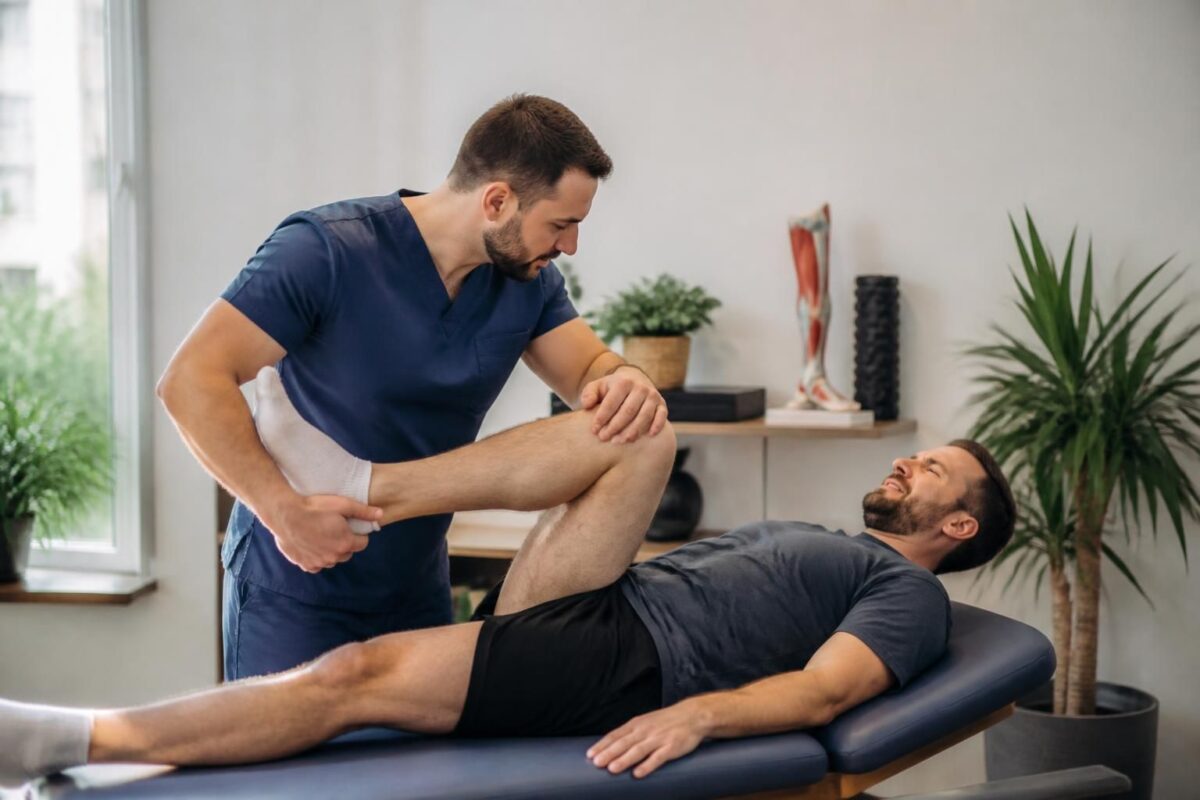
Osteopathy and chronic leg pain: regaining an optimal quality of life
In short In short, Osteopathy is one Global manual approach aimed at reducing Chronic leg pain and improve the quality of life. What is it? Non-drug therapy using the hands to identify restrictions and treat lesional chains. How does it…
Perspectives and Synthesis
The Chest manipulations aim to restore the mobility of the dorsal vertebrae and joints around the rib cage, in order to optimize inspiration and exhalation and to reduce the painful signals that limit breathing.
The use of a global assessment is essential: a Postural assessment And attention to the background can identify voltage zones and mechanical malfunctions. The care plan is personalized and generally combines manipulations thoracic, a Diaphragmatic work, techniques of costal mobilization and gentle approaches to the skull to optimize the nervous system and cervical tensions likely to affect breathing.
Among the most used techniques are the Chest manipulations, which improve the mobility of dorsal and costo-vertebral joints; the Work on the diaphragm, to promote deeper and more effective breathing; the Coastal mobilization and soft tissue; the cranial techniques to regulate the nervous system; and the Intercostal release to reduce tension and pain. The lymphatic drainage Can also help reduce inflammation and promote better circulation around the airways.
Expected profits include a Improved respiratory function, a decrease in pain and chest tension, a more balanced posture and a reduction in the risk of recurrence when the approach is continued over time. By combining osteopathic techniques with postural advice and breathing exercises, the osteopath can contribute to a lasting improvement in the quality of life.
To deepen osteopathic approaches related to thorax and respiration, you can consult the following resources: Techniques#ATFP_CLOSE_TRANSLATE_SPAN# Osteopathic to alleviate pain at floating ribs, Approaches#ATFP_CLOSE_TRANSLATE_SPAN# Osteopathics to improve body balance, Techniques#ATFP_CLOSE_TRANSLATE_SPAN# Osteopathic to improve physical performance, Benefits#ATFP_CLOSE_TRANSLATE_SPAN# of Losteopathy to relieve chest pain, Approaches#ATFP_CLOSE_TRANSLATE_SPAN# Osteopathic to treat neuropathic pain, Comment#ATFP_CLOSE_TRANSLATE_SPAN# Losteopath can help you in case of chest pain, Manipulations#ATFP_CLOSE_TRANSLATE_SPAN# Osteopathic to strengthen joint flexibility, Problems#ATFP_CLOSE_TRANSLATE_SPAN# Respirators, Approaches#ATFP_CLOSE_TRANSLATE_SPAN# Osteopathic to relieve arthritis pain.
In practice, discuss with your osteopath the objectives and the treatment schedule in order to adapt the sessions and integrate simple exercises to practice at home, to support the gains obtained during the sessions and to preserve a Adapted posture and an Optimized respiratory functionand on a daily basis.
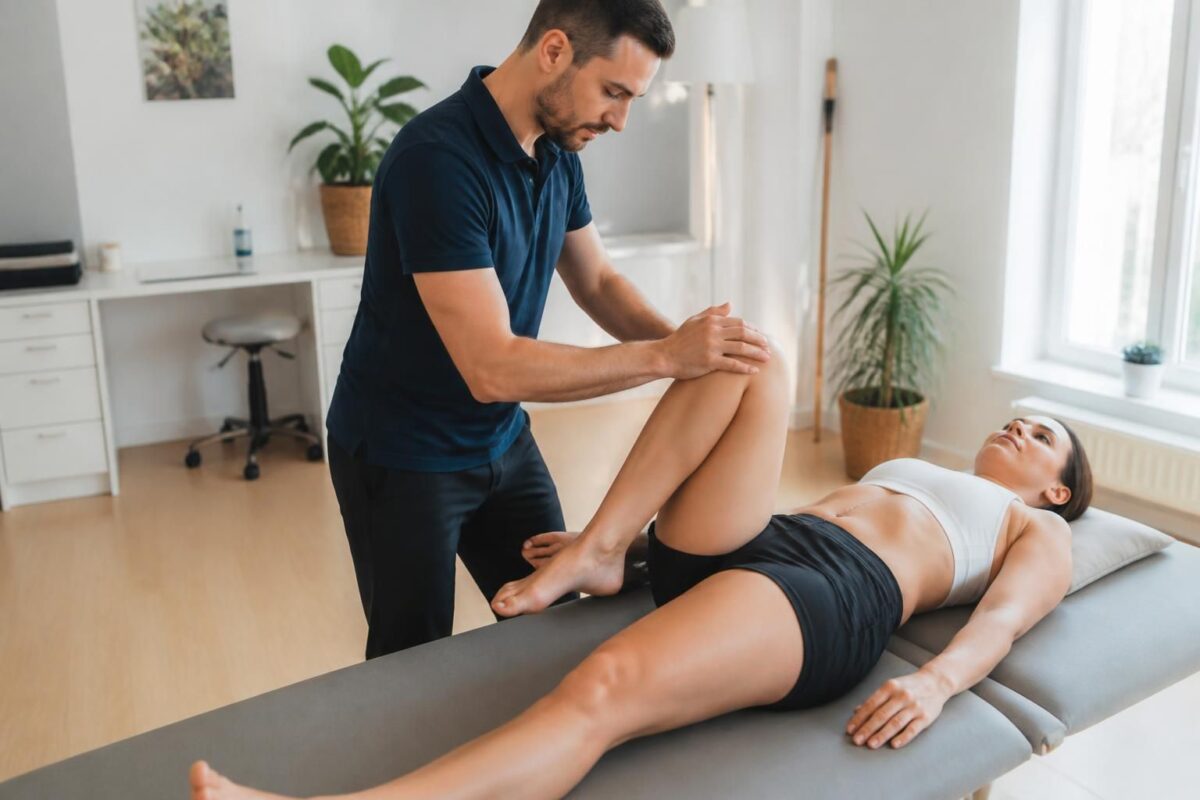
How osteopathy supports recovery after complex surgery
In short In short, Post-operative osteopathy is an approach fresh which supports the recovery After a Complex surgery. It helps to reduce the pain and the fatigue, improves the mobility and accelerates the healing thanks to a better vascularization and…

Dr Sylvain Desforges, B.Sc., D.O., N.D., osteopath, is the founding president of TAGMED and of the ACMA association. He dedicates his practice to chronic spinal pain, low back pain and symptoms compatible with sciatica, particularly when pain radiates toward the buttock, leg, calf, foot or toes.
Through SOS Sciatique, he publishes educational content on sciatica symptoms, possible causes such as disc herniation, disc narrowing, foraminal stenosis or irritation of a lumbar nerve root, as well as non-surgical approaches that may be considered according to the evaluation. At Clinique TAGMED, care may include, depending on the case, motorized neurovertebral decompression, specific osteopathic care or precision percussion.
For an evaluation related to sciatica treatment in Montreal / Mount Royal or sciatica treatment in Terrebonne, please consult the services available at Clinique TAGMED.
Medical disclaimer
The information published on SOS Sciatique is provided for educational purposes only and does not replace a consultation, diagnosis, opinion or treatment provided by a physician or another authorized healthcare professional. The author of this article is neither a medical doctor nor a specialist in a medical specialty recognized by the Collège des médecins du Québec. The osteopathic, manual medicine or functional support approaches described on this site do not constitute medical acts and are not intended to replace medical follow-up.
Consult a physician or emergency service in cases of loss of bladder or bowel control, anesthesia in the saddle area, significant or progressive weakness in the leg or foot, fever, recent trauma, severe pain or rapid worsening of symptoms. For more details, please read our Legal Notice.