Osteopathy and prevention: avoid muscle injuries
27/06/2026
How osteopathy acts on chronic postural imbalances
27/06/2026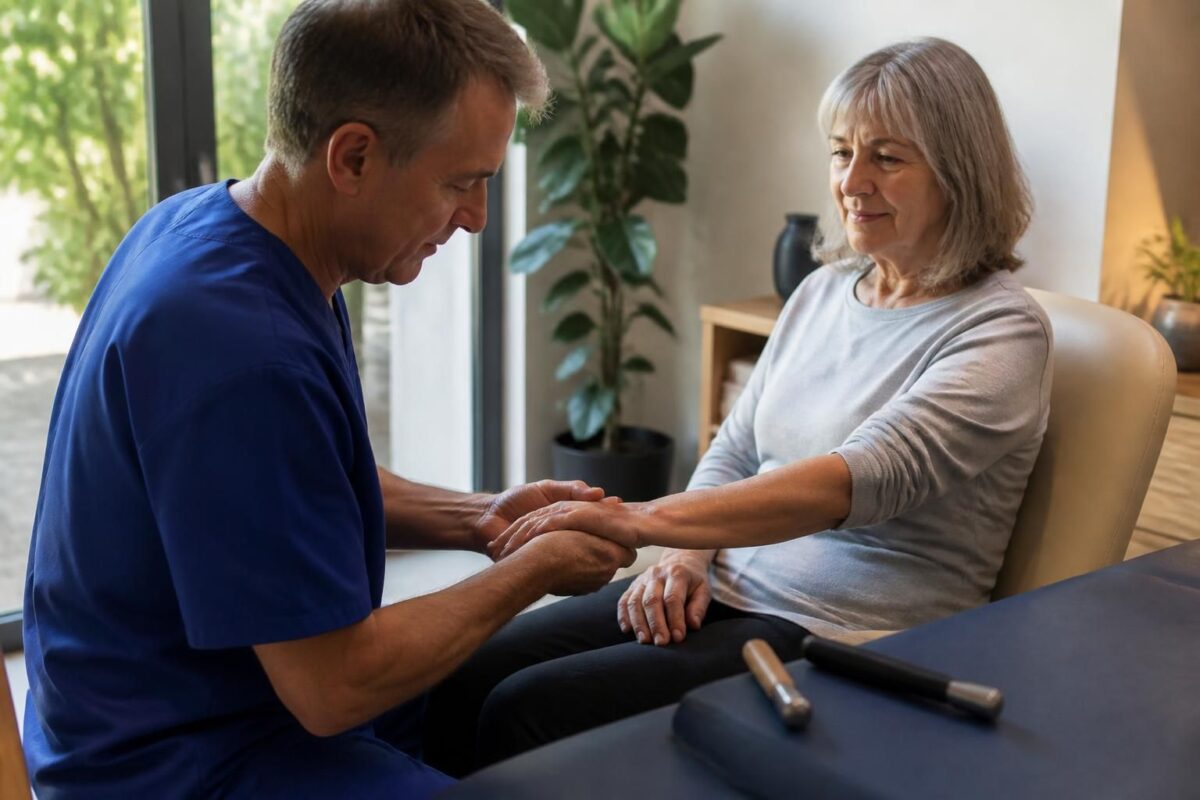
In short In short, the Osteopathic approaches to relieve arthritis pain designate a Manual method which aims to restore the Joint mobility and reduce tensions around inflammatory areas. Key Benefits: pain reduction, Improved joint mobility, and Prevention of stiffness, with a Sweet and personalized approach. Operation is based on a Targeted evaluation Then techniques adapted to promote musculoskeletal harmony without surgery. In Montreal, this service is part of a global support for arthritis to improve daily comfort and the function of the joints. |
Osteopathic approaches offer a comprehensive approach to alleviating pain related to thearthritis, by acting on the joints, muscles and the nervous system to improve mobility and comfort.
- Structural techniques aimed at restoring joint mobility and reducing stiffness.
- Myofascial techniques To release muscle tension and reduce stress around painful areas.
- improvement of the circulation and the functioning of the surrounding tissues to reduce painful sensations.
- Work on the posture And everyday gestures, with adapted gentle exercises.
- Stress and sleep management to modulate pain perception and promote rest.
The results vary from person to person, and osteopathy can supplement medical treatment without replacing it. A personalized evaluation allows you to adapt the care to your arthritis and your daily life.
This article is written by a health professional and expert in osteopathy. He presents the Osteopathic approaches for Relieve arthritis pain. It describes the mechanisms, techniques and practical indications. It also specifies the limits and the complementary role of osteopathy in the care pathway.
In arthritis, the joints suffer and mobility may decrease. theosteopathy Offers gentle techniques to improve mobility and reduce tension around the joints. This approach aims to restore the balance between the structures involved and to promote a more fluid functioning of the body.
Objectives and framework for action
Its main objective is to reduce pain and improve the mobility affected joints. It also seeks to reduce tensions that amplify discomfort and stiffness. The approach is global and takes into account posture, movement habits and physical stress.
Techniques suitable for arthritic joints
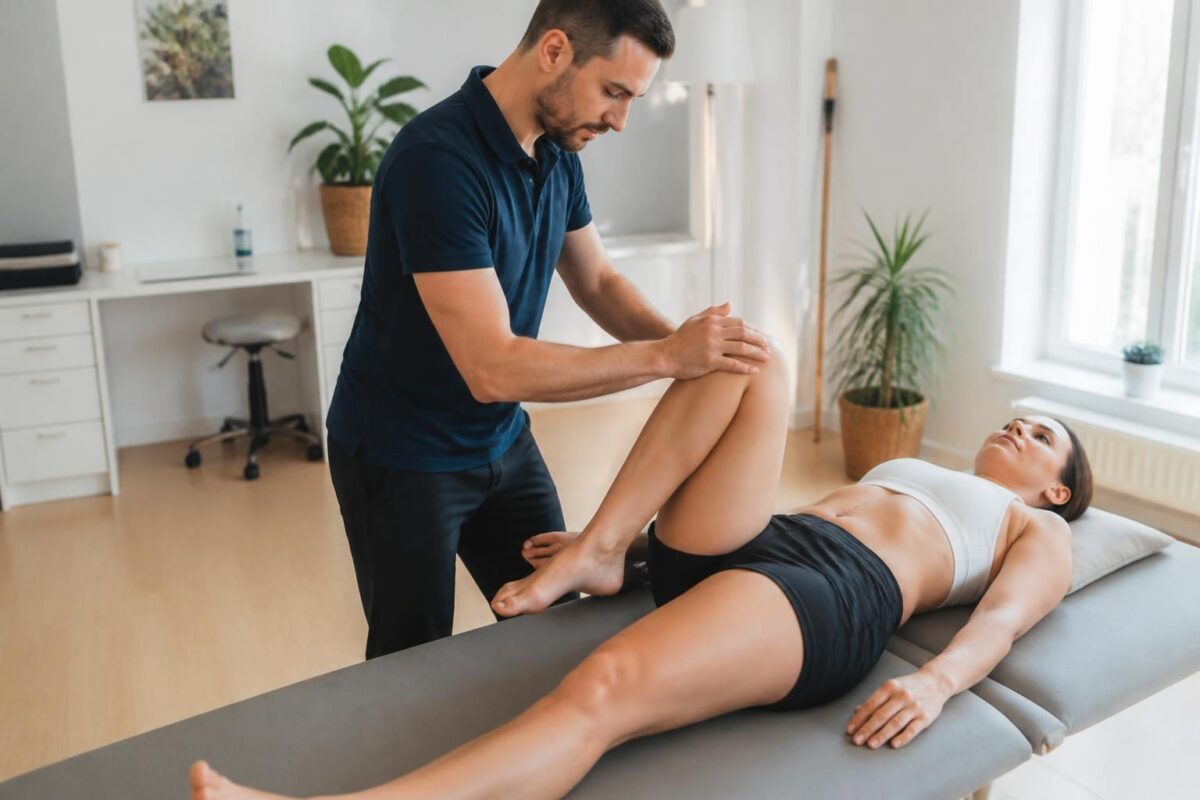
the techniques used are sweet and progressive. We favor light joint mobilization and soft tissue work around arthritis areas. The goal is to improve the range of motion and promote better synchrony between the different structures of the body.
Practical applications by articulation
For common arthritis, the focus is on large joints such as the knee, hip, shoulder and, sometimes, the spine. The work aims to support stability and reduce the tensions that limit function. Everything is done without pain and with particular attention to the patient’s comfort.
Integration with the care pathway
theosteopathy Can accompany medical treatments, without replacing them. Coordination with the attending physician is recommended. Regular sessions can help maintain mobility and reduce discomfort, while respecting medical indications.
Resources and training
Osteopaths are trained in particular via Numss and Nao, or by National University of Medical Sciences and National Academy of osteopathy. To enrich your knowledge, you can explore resources that explore the benefits of osteopathy in the face of nervous tension and pain.
To learn more, you can consult the following resources:
The benefits of osteopathy to relieve nervous tension,
and additional information on the mechanisms and indications for osteopathy in the arthritis context on Why osteopathy is effective for chronic back pain and Osteopathy and body balance. For more clinical information, see Tagmed Clinic and specialized resources available on authorized domains.
As part of the additional information on osteopathic approaches and arthritis, you can also refer to resources on joint mechanisms and the effects of gentle manipulations. For more details, visit authorized referral sites when necessary.
Disclaimer: This information does not replace personalized medical advice. For any medical questions, consult your attending physician.
Medical Disclaimer: The information and advice provided on this site does not replace the health professional’s diagnosis or treatment. Please note that Dr. Sylvain Desforges osteopath is neither a doctor of medicine nor a doctor, and is not a specialist in a medical specialty as defined by the Collège des Médecins du Québec. Manual medicine, functional medicine and sports medicine as described on this site exclude any medical treatment or diagnosis made by a doctor or specialist doctor. Always consult your doctor for any medical questions. For more details, please read our full legal notice.
- Targeted evaluation joints and mobility
- Joint mobilizations soft to restore movement
- Myofascial release Around arthritic areas
- Posture and alignment To reduce constraints
- Adapted self-stretching and daily advice
- cranial techniques and breathing To calm the nervous system
- pain management and reduction of tensions
- Simple exercises at home to preserve mobility
- Global approach Including activity and restful sleep
- flare-up prevention With a personalized plan

This article summarizes how osteopathic approaches can help relieve pain related toarthritis thanks to Sweet mobilizations, soft tissue techniques and an approach centered on movement and function. It presents the types of adapted techniques, the expected benefits and practical advice for integrating osteopathy into a global management of pain and mobility.
Understanding arthritis and the role of osteopathy
thearthritis Includes painful and inflammatory or degenerative joint conditions. The objective of osteopathy is to preserve or restore the mobility of the affected joints, decrease the surrounding muscle tension and improve overall body engineering. The approach is personalized and adapted to each stage of the disease: it favors gestures freshs and progressive, without forcing sensitive areas, in order to support function and quality of life without aggravating inflammation.

How osteopathy improves the quality of life of active people
In short In short, theosteopathy is a global approach that Optimizes mobility and the function of the body of ACTIVE PEOPLE, for a better quality of life. It helps prevent injury and reduce Musculoskeletal pain While promoting the Sports recovery.…

Osteopathy and sports recovery: prepare the body for lasting performance
In short In short, Osteopathy and Sports recovery is one Global manual approach that sustainably prepares the body for the effort by restoring mobility and circulation After the effort. It is a discipline that acts on the sinews, the joints,…
Osteopathic approaches adapted to arthritis
Structural techniques and gentle mobilizations
The Structural techniques and the Sweet mobilizations aim to restore freedom to the movements of the affected joints. Depending on the case, osteopathy can offer gradual amplitudes, posture adjustments and segmental harmonizations to reduce mechanical stress and improve load distribution. The goal is to improve function without causing pain or overexertion of tissues.
Myofascial techniques and soft tissue work
The Myofascial techniques And soft tissue work targets the muscles and fascias surrounding the joints. By releasing the tensions, the circulation is facilitated, the compensations are reduced and we help to maintain better joint stability. This approach can be particularly useful when joint pain is accompanied by stiffness or persistent muscle tension.
Complementary approaches and security
As part of thearthritis, the osteopath favors gestures adapted to the level of inflammation, the state of the joints and the capacities of the patient. Advice on positioning, ergonomics, adapted physical activity and daily habits complete manual techniques. Each session is designed to enhance stability without increasing pain or the risk of injury.
Why Osteopathy Is Essential For Recovery People
In short In short, Osteopathy in convalescence is an approach manual and holistic which helps to accelerate the recovery by restoring The balance, the mobility and a good circulation fabrics. it contributes to Reduce the pain, support the Back to…

Osteopathic manipulations to strengthen post-traumatic muscles
In short In short, Osteopathic manipulations for Strengthen post-traumatic muscles constitute a gentle manual approach aimed at restoring the mobility, reduce the pain and facilitate the Functional rehabilitation After a injury. What is Is it? A series of precise gestures…
Integration and security
Security is at the heart of the intervention. The osteopath carefully assesses the areas to be treated, avoids aggressive gestures on the painful joints and adjusts the consideration of comorbidities. It is recommended to coordinate care with your attending physician or rheumatologist in order to harmonize pharmacologic treatments and exercises. A multidisciplinary approach optimizes the results and tolerance of the sessions.

Osteopathy and prevention of work-related musculoskeletal disorders
In short theosteopathy is one Manual approach that restores body balance and prevents MSD related to work. Its advantages: reduction of tension, improvement of mobility and prevention of chronic pain. She is preventive and healing, suitable for office and trades…

The benefits of osteopathy to treat muscle imbalances
In short theosteopathy is a manual approach to restore themuscle harmony and postural considering the body as a whole. Its main benefits include the reduction of aches and tensions, the improvement of the mobility and from the posture, and prevention…
What an osteopathic session can bring for arthritis
A typical session begins with an assessment of your pain, mobility and habits. It continues with adapted techniques and personalized advice for daily life, posture and exercises to be carried out at home. Many see a gradual reduction in pain, a better range of motion and a general feeling of comfort. A personalized care plan may include targeted exercises, postural adjustments, and recommendations to preserve mobility between sessions.
Osteopathy and chronic leg pain: regaining an optimal quality of life
In short In short, Osteopathy is one Global manual approach aimed at reducing Chronic leg pain and improve the quality of life. What is it? Non-drug therapy using the hands to identify restrictions and treat lesional chains. How does it…
How osteopathy supports recovery after complex surgery
In short In short, Post-operative osteopathy is an approach fresh which supports the recovery After a Complex surgery. It helps to reduce the pain and the fatigue, improves the mobility and accelerates the healing thanks to a better vascularization and…
Practical tips to get the most out of osteopathy in the face of arthritis
Prepare your questions before each appointment and write down the most painful areas. Ask your osteopath for simple exercises and adaptations to your daily life, such as ergonomic advice and appropriate activities (walking, swimming, targeted reinforcement). Adopt a progressive and steady routine, staying alert to pain and adjusting intensity. The objective is a lasting balance between mobility, comfort and activity, in order to feel better on a daily basis.
Osteopathic approaches to relieve arthritis pain
| Osteopathic approach | Concise effect and profit |
|---|---|
| Structural techniques | Targeted mobilization joints to improve mobility and decrease pain. |
| Joint mobilizations | cheer Joint glide and reduces stiffness, without exceeding the pain. |
| Myofascial techniques | Release of tensions from the fascias around arthritis areas to facilitate movement. |
| cranial techniques | Reduces the stress and improves nervous coordination around painful areas. |
| Mild visceral techniques | Improves the Diaphragmatic mobility and visceral tensions influencing posture. |
| Postural education and adapted movements | Simple tips and daily exercises to limit painful solicitations. |
| Progressive strengthening | Increases the stability and the support to mobility. |
| Stress management and breathing | reduction of strain global which amplify the perception of pain. |
| Personalized follow-up | Blueprint individual With evolutions adapted to the evolution of arthritis. |
Testimonials on osteopathic approaches to relieve arthritis pain
“Before starting the sessions, my Joint pain related to thearthritis braked me on a daily basis. thanks to an approach centered on Structural techniques And some Sweet mobilizations, I found a better mobility And less stiffness after each visit. »
“My cervical arthritis caused strong tension and difficult nights. Osteopathy targeted Articular areas and the muscles around, which decreased the Joint pain, improved the mobility neck and my sleep. »
“I thought the results would take time, but the sessions gradually reduced inflammation and discomfort. The Myofascial techniques And the postural advice helped me resume the activities I loved. »
“As an athlete, arthritis could limit my rhythm. After a few sessions, I won in flexibility and endurance. The global approach allowed me to maintain my routine while respecting my Joint pain. »
“Osteopathic care has given me lasting relief without heavy drugs. While working on muscle chains and joints, I found more than comfort and a better posture on a daily basis. »
Dr. Sylvain Desforges, expert in osteopathy, naturopathy and manual medicine, is founding president of TAGMED and the ACMA association. With a career dedicated to innovation in health care, he specializes in the management of chronic pain and the integration of advanced technologies such as spinal decompression, laser and shock wave therapy. His approach is for evidence-based care to optimize the health and well-being of his patients. As part of arthritis, this approach is deployed around personalized support that combines listening, precise evaluation and techniques adapted to each profile.
For patients with Arthritis-related pain, Osteopathy offers global care that seeks to restore joint mobility while reducing muscle tension that strengthens pain. Structural techniques, combined with gentle stimulation of the surrounding tissues, aim to free up blocking areas and optimize the functioning of articular surfaces. At the same time, myofascial and diaphragmatic approaches contribute to reducing tension and improving coordination between muscles and joints, a common source of discomfort in people with arthritis.
At the heart of this approach, the objective is to preserve and improve the mobility without exposing the inflamed joints to unnecessary stresses. The osteopath finely evaluates postural patterns, daily habits and trigger factors, in order to propose a treatment plan personalized which can include gentle exercises to do at home, ergonomic advice and progressive movement adjustments. This approach aims not only to reduce pain, but also to improve the range of motion and functional independence, essential to resume pleasant and daily activities such as walking, cooking or gardening.
Osteopathic techniques can be supplemented by additional interventions, when appropriate. As part of arthritis, sessions can also aim to optimize local circulation, promote better muscle recovery and reduce tense fascias that accentuate painful sensations. The therapeutic relationship is based on open communication, continuous evaluation and adaptation of techniques according to the clinical evolution and comfort of the patient. The desired result is a lasting balance between controlled pain, regained mobility and improved quality of life.
In addition to manual approaches, advanced technologies can intervene to support the physionomic and tissue rebalancing process. For example, spinal decompression can help lower joint pressures and promote more fluid movements, while modalities like laser therapy and shockwave therapies can support tissue repair and reduce inflammatory reactions associated with arthritis. Each protocol is chosen after an in-depth evaluation and takes place in a secure and adapted environment for the arthritis patient.
To learn more about the approach and services available, contact the TagMed Clinic to arrange a first appointment. Adapted and progressive care can transform your relationship to pain and give you freedom in your daily actions.
This article presents the Osteopathic approaches for Relieve arthritis pain, showing how appropriate manual techniques can improve joint mobility, reduce muscle tension and support overall body functions, even when the precise cause is not clearly identifiable. You will discover the mechanisms of action, the areas of intervention and the potential benefits for arthritic patients, as well as practical benchmarks on the course of the sessions and the therapist-patient collaboration.
The Osteopathic approaches for arthritis are based on three complementary axes: improving the Joint mobility, soothe the Muscle tensions and support the mechanisms of regulation of the nervous and circulatory system in order to reduce painful perception. They adapt to different joints affected by arthritis and aim to facilitate daily activities, while remaining non-invasive and patient-centric.
In practice, the techniques can vary between structural manipulations, visceral work and a cranial approach, and are adjusted to each profile (physical activity, mobility, age). This diversity makes it possible to attenuate the symptoms without systematically using drug treatments, and can be associated with advice on ergonomics and the maintenance of an active lifestyle. To deepen, you can consult specialized resources on the techniques and indications for osteopathy in arthritis: The 5 most common osteopathic treatments and Osteoarthritis and joint pain.
Specialized resources describe how osteopathy can help reduce Muscle tensions associated with arthritis and to improve the mechanisms of joint movement. Concrete examples include reducing pain and better joint stability, which can contribute to a better quality of life: Reduce muscle tension with osteopathy and Benefits for recurring sports pain.
In addition, osteopathy can promote better bloodstream And better stress management, two levers that modulate pain and support general well-being, which can be particularly useful in inflammatory arthritis: Circulation and osteopathy and Osteopathy and fibromyalgia.
For those who want to understand the mechanisms and techniques, dedicated resources present the Osteopathic techniques and their purposes: the osteopathic techniques used and why and Techniques explained.

Dr Sylvain Desforges, B.Sc., D.O., N.D., osteopath, is the founding president of TAGMED and of the ACMA association. He dedicates his practice to chronic spinal pain, low back pain and symptoms compatible with sciatica, particularly when pain radiates toward the buttock, leg, calf, foot or toes.
Through SOS Sciatique, he publishes educational content on sciatica symptoms, possible causes such as disc herniation, disc narrowing, foraminal stenosis or irritation of a lumbar nerve root, as well as non-surgical approaches that may be considered according to the evaluation. At Clinique TAGMED, care may include, depending on the case, motorized neurovertebral decompression, specific osteopathic care or precision percussion.
For an evaluation related to sciatica treatment in Montreal / Mount Royal or sciatica treatment in Terrebonne, please consult the services available at Clinique TAGMED.
Medical disclaimer
The information published on SOS Sciatique is provided for educational purposes only and does not replace a consultation, diagnosis, opinion or treatment provided by a physician or another authorized healthcare professional. The author of this article is neither a medical doctor nor a specialist in a medical specialty recognized by the Collège des médecins du Québec. The osteopathic, manual medicine or functional support approaches described on this site do not constitute medical acts and are not intended to replace medical follow-up.
Consult a physician or emergency service in cases of loss of bladder or bowel control, anesthesia in the saddle area, significant or progressive weakness in the leg or foot, fever, recent trauma, severe pain or rapid worsening of symptoms. For more details, please read our Legal Notice.