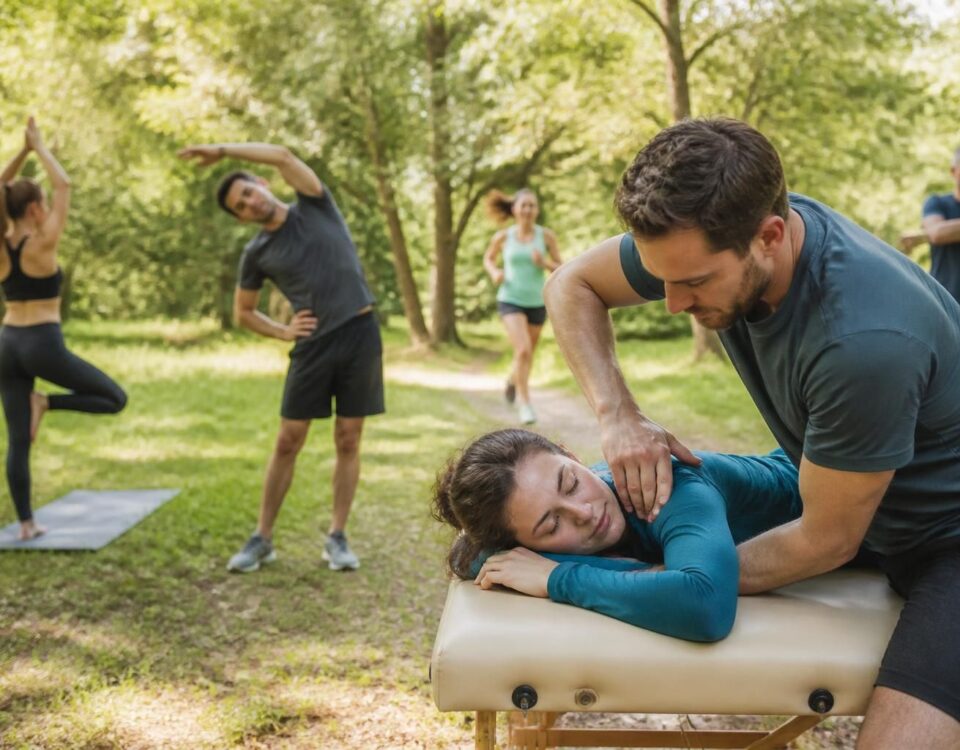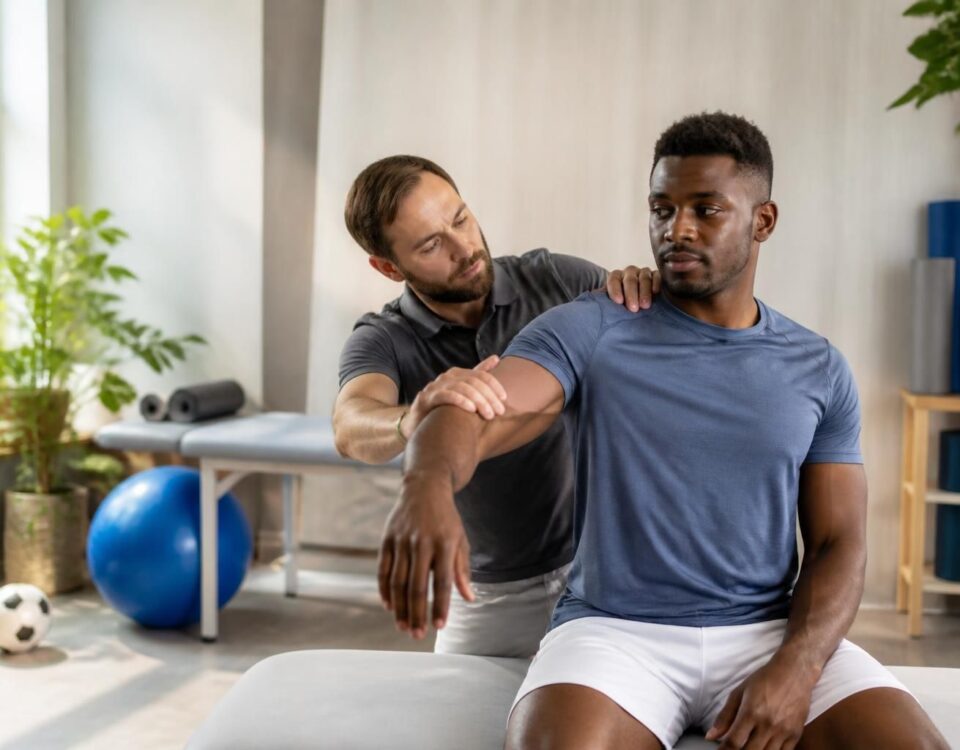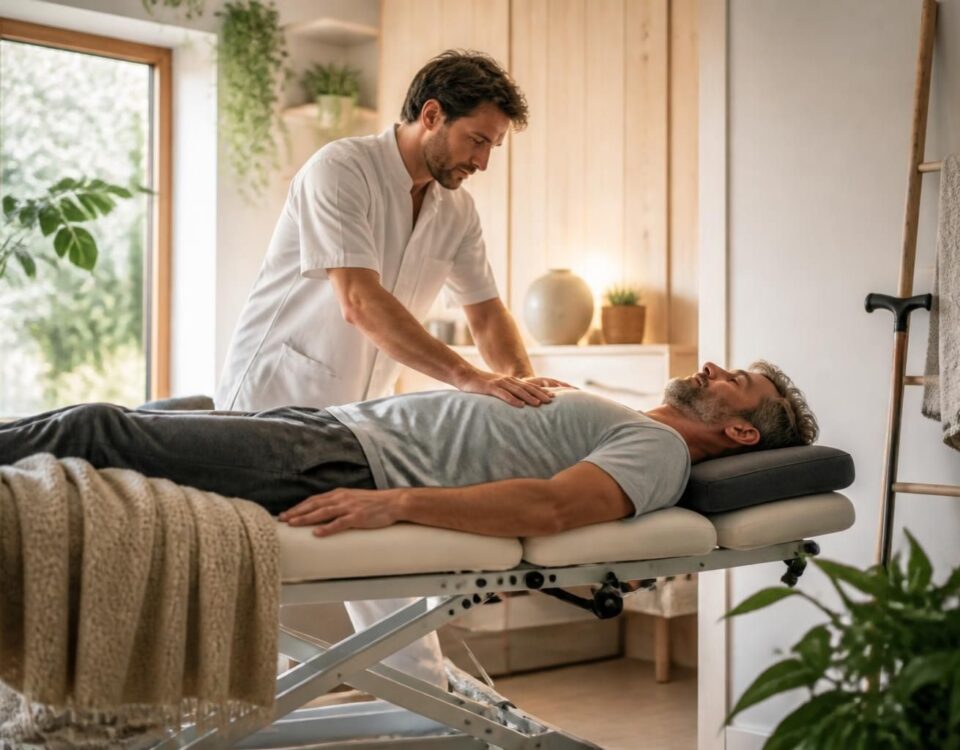
The benefits of osteopathy on chronic muscle pain
27/06/2026
Clinical results proving the efficacy of osteopathy
27/06/2026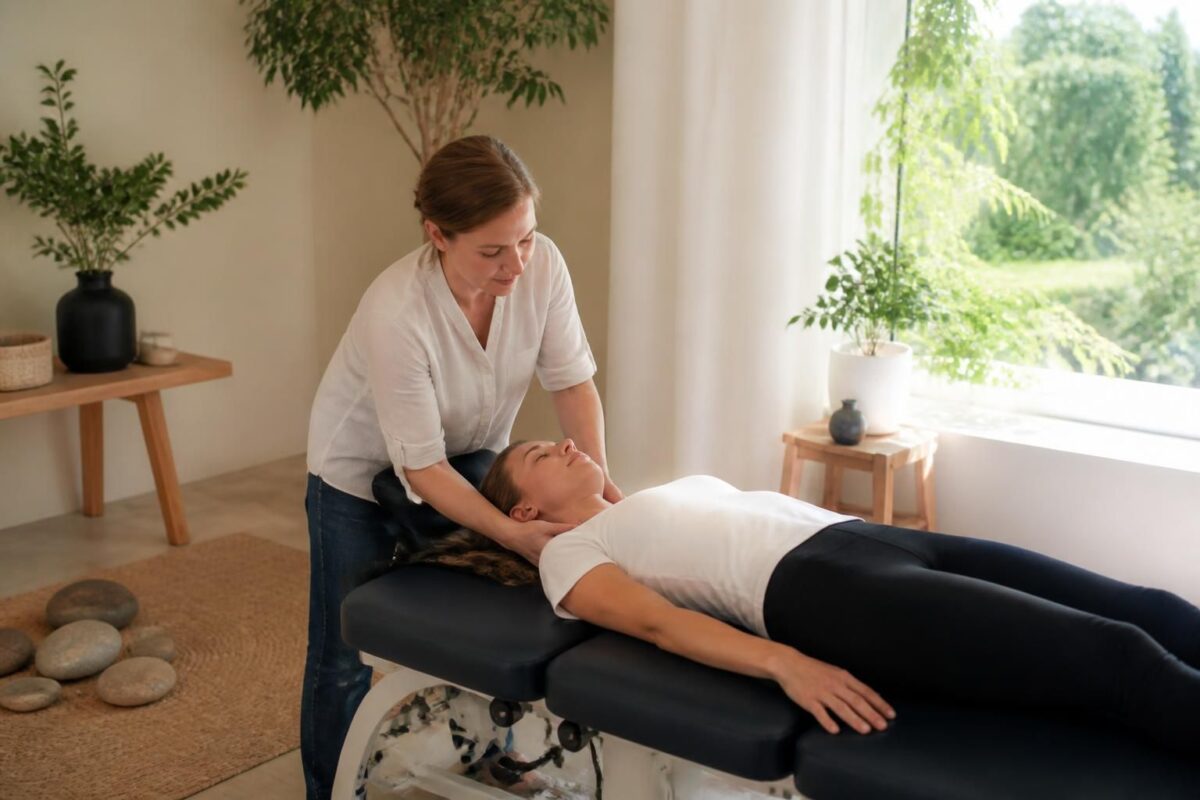
In short
| In short, theosteopathy and theBody balance aim to restore theNatural harmony of the body taking into account the unity of the systems and their ability toself-healing. What is it? A manual approach that connects Structure and function To improve movement and limit musculoskeletal pain. Advantages: Better posture, pain reduction, stress management and prevention of imbalances. How does it work? Global diagnosis and targeted techniques (mobilizations, relaxation of the fascias, cranio-sacral and visceral therapies), supplemented by life advice to maintain the balance. In Montreal, this service is particularly relevant for people seeking holistic well-being care. |
osteopathy and Body balance aim to restore theNatural harmony of the body by considering the organism as a unit where structure and function are intimately linked. Based on three key principles — body unity, theInterdependence between structure and function and the Self-healing ability — This approach acts to release tensions, improve mobility and support natural regulation. It helps prevent imbalances, reduce pain and strengthen the resilience in the face of daily stress and efforts. Thanks to soft and personalized techniques, it promotes a Adapted posture, a better sleep And a more stable energy, for a more aligned and harmonious life.
This article presents how theosteopathy acts on the balance of the body. It explains the foundations that link structure, function and capacity for self-regulation, then describes the common imbalances and therapeutic approaches used to restore natural harmony. You will also discover practical advice to maintain this balance on a daily basis and access reliable resources.
Foundations of body balance
In osteopathy, balance is based on three clear principles. First, the structure of the body governs its function; An aligned skeleton and healthy tissues allow for effective body operation. Second, the body has mechanisms ofself-regulation that promote repair and maintenance of health. Finally, there is a Relationship between body and mind, where emotional and mental states influence physical well-being.
Considering these principles makes it possible to achieve a balance optimal, conducive to a better quality of life, to the Injury prevention and increased resilience in the face of daily constraints.
imbalances and their consequences
Several factors can generate a body imbalance. We find in particular the bad postures, the Repetitive movements, the injuries and the stress or emotional tension. The imbalance can manifest itself in Pain and stiffness Articular, musculoskeletal disorders (tendinitis, fasciitis, etc.), headache, fatigue or digestive disorders.
For example, an attack of the musculoskeletal system can be treated by a global approach that aims to restore muscle chain balance and tissue mobility, in order to reduce tension and restore function.
Role of the osteopath and techniques used
The osteopath establishes a personalized treatment plan to restore proper functioning and balance of the body. Techniques can include the Joint manipulation, the mobilization of muscles and fascias, and Tissue relaxation techniques. Strengthening and stretching exercises can be offered when necessary, always suitable for the patient and his state of health.
In addition, lifestyle advice can prevent future imbalances. The goal is to support self-healing mechanisms and improve long-term postural stability.
cranio-sacral and visceral techniques
Cranio-sacral and visceral techniques are among the major approaches in modern osteopathy. The cranio-sacral therapy acts on the cranio-sacral system and seeks to release tensions around the membranes and cerebrospinal fluid, while promoting better fluid circulation. Visceral therapy, for its part, is interested in the mobility of internal organs and their relationships with the rest of the body, in order to improve their functioning and reduce visceral pain. The integration of the fascias makes it possible to release tensions globally and to optimize the coordination of movements.
Fascia integration and osteopathic diagnosis
The fascias connect all the structures of the body and play a central role in balance. Osteopathic work aims to release fascia-read tensions and restore tissue mobility, which positively influences posture and movement. Osteopathic diagnosis is based on careful palpation and joint mobility tests, in order to identify areas requiring appropriate care.
Maintaining body balance: practical advice
To support body balance on a daily basis, adopt these good practices. Correct your posture To reduce tension on joints and muscles. Practice a varied physical activity to strengthen muscles, improve flexibility and coordination. Learn simple techniques for managing stress To limit physical and emotional tension. Aim for a healthy lifestyle, with a balanced diet and sufficient sleep, and limit risk factors like smoking and inactivity. Finally, plan an annual consultation with an osteopath to prevent imbalances and receive personalized advice.
Useful links and resources
To deepen concepts related to body harmony and osteopathic approach, check out these resources:
Body Harmony and Collaboration Between Patient and Losteopath,
Scientific evidence of the effectiveness of osteopathy,
Osteopathy and body balance,
Benefits for sciatic pain,
Support after surgery,
Preventive benefits for overall health,
holistic osteopathy,
Osteopathy and body rebalancing,
Importance of regular osteopathy consultations,
Holistic approach to osteopathy.
References related to training and professional practices are limited to NUMSS, NAO, National University of Medical Sciences and National Academy of Institutions osteopathy, as well as the ACMA, College of Canadian Osteopaths and College of Canadian Osteopaths associations when relevant in the professional context.
Medical Disclaimer: The information and advice provided on this site does not replace the health professional’s diagnosis or treatment. Please note that Dr. Sylvain Desforges osteopath is neither a doctor of medicine nor a doctor, and is not a specialist in a medical specialty as defined by the Collège des Médecins du Québec. Manual medicine, functional medicine and sports medicine as described on this site exclude any medical treatment or diagnosis made by a doctor or specialist doctor. Always consult your doctor for any medical questions. For more details, please read our full legal notice.
- Alignment and mobility joints
- muscle balance and postural chains
- Relaxation of fascias and tissue tension
- self-regulation and ability toself-healing
- stress management and emotional balance
- lifestyle : Sleep, diet and physical activity

This article presents how theosteopathy can restore theBody balance by bringing together structure, function and welfare mind, in order to restore theNatural harmony of the body and to promote better resilience in the face of daily constraints.
Essential balance in osteopathy
The first principle is based on the idea that The structure of the body rudder his function; When the skeleton, muscles and tissues are aligned and healthy, the body can function effectively and smoothly.
The second principle highlights Self-regulation: The body has innate mechanisms of repair and maintenance of health, which should be stimulated and supported by targeted treatments.
The third principle recalls the Relationship between body and mind: Emotional states and stress influence physical well-being and recovery capacity, hence a global approach.

How osteopathy improves the quality of life of active people
In short In short, theosteopathy is a global approach that Optimizes mobility and the function of the body of ACTIVE PEOPLE, for a better quality of life. It helps prevent injury and reduce Musculoskeletal pain While promoting the Sports recovery.…
Imbalances that impact the body
Several factors can create a Body unbalance. of bad postures, of Repetitive movements or a Muscle overoptimization can cause tension and pain.
The injuries and trauma, periods of stress and emotional tension also contribute to the alteration of body harmony.
These imbalances result in various symptoms: joint pain, musculoskeletal disorders, headache, fatigue, and sometimes digestive disorders or sleep.

Osteopathy and sports recovery: prepare the body for lasting performance
In short In short, Osteopathy and Sports recovery is one Global manual approach that sustainably prepares the body for the effort by restoring mobility and circulation After the effort. It is a discipline that acts on the sinews, the joints,…
The role of the osteopath to restore balance
During a consultation, the osteopath establishes a Personalized treatment plan intended to restore the smoothness of the body and to restore its balance.
The techniques used may include a Joint manipulation adapted, a mobilization of muscles and fascias, a Relaxation of tissue tensions, as well as Strengthening and stretching exercises.
In addition, the osteopath provides concrete advice on Lifestyle changes In order to prevent future imbalances and to support the rehabilitation.
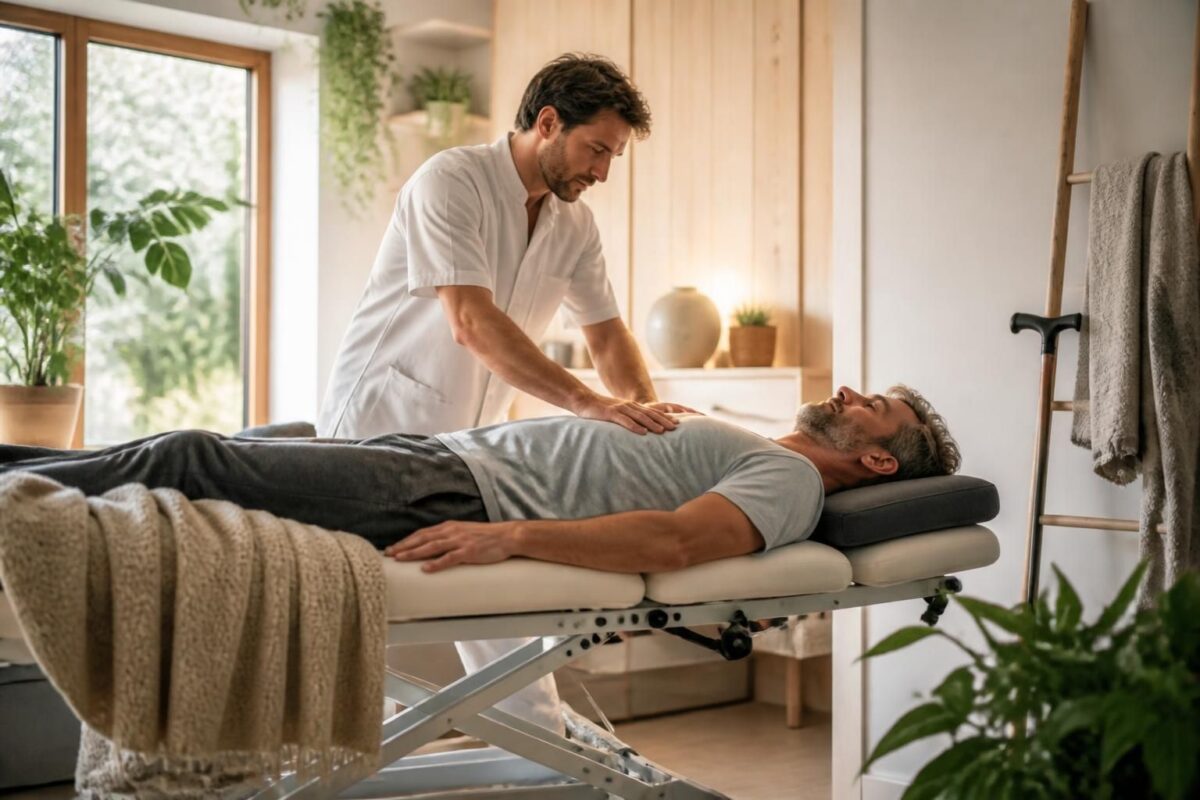
Why Osteopathy Is Essential For Recovery People
In short In short, Osteopathy in convalescence is an approach manual and holistic which helps to accelerate the recovery by restoring The balance, the mobility and a good circulation fabrics. it contributes to Reduce the pain, support the Back to…
Key Techniques
cranio-sacral techniques
This gentle approach aims to restore the mobility of the cranio-sacral system and to improve the circulation of fluids, contributing in particular to the reduction of tensions and better regulation of the nervous system.
Visceral techniques
Visceral techniques work on the mobility of the internal organs and their suspensions, in order to improve the digestive, respiratory and circulatory function and to reduce referred pain.
Fascia integration
The fascial approach releases tension in the connective networks that surround muscles and organs, promoting better overall mobility and a more balanced posture.

Osteopathic manipulations to strengthen post-traumatic muscles
In short In short, Osteopathic manipulations for Strengthen post-traumatic muscles constitute a gentle manual approach aimed at restoring the mobility, reduce the pain and facilitate the Functional rehabilitation After a injury. What is Is it? A series of precise gestures…
How to maintain your daily balance
correct his posture and practice a Regular physical activity and adapted help to strengthen muscles, flexibility and coordination, while reducing stress on the joints.
Manage the stress Via breathing, relaxation or meditation techniques helps reduce body tension and support recovery.
adopt a Healthy lifestyle, getting enough sleep and avoiding risk factors promotes the harmony of the body. An annual consultation with an osteopath makes it possible to adjust the advice and prevent imbalances.
| Axis | concise text |
|---|---|
| Structure and function | thealignment structural optimizes the mobility and reduces pain. |
| self-regulation | The body can cure when clearing obstacles and supporting its mechanisms. |
| Body–mind | The balance between the physical and the mind supports the welfare sustainable. |
| imbalances frequent | Bad postures, repetitive gestures, stress and traumas create tension. |
| Cracks and symptoms | Pain, stiffness, migraines and fatigue guide the procedure. |
| techniques osteopathic | joint manipulations, tissue relaxation and work of fascias. |
| Diagnosis osteopathic | Evaluation overall and precise palpation to target the treatment plan. |
| Way of life and balance | adapted posture, varied activity, management of stress and sleep. |
| Earnings | regained mobility, reduced pain, better resilience. |

Osteopathy and prevention of work-related musculoskeletal disorders
In short theosteopathy is one Manual approach that restores body balance and prevents MSD related to work. Its advantages: reduction of tension, improvement of mobility and prevention of chronic pain. She is preventive and healing, suitable for office and trades…
Testimonials: Osteopathy and Body Balance — Restoring Natural Harmony
“Before I started the sessions, my lower back pain limited me on a daily basis. Through the approach focused onBody balance, I found a Natural harmony in my body and a better energy for my activities. Osteopathy has awakened the mechanisms ofself-healing which allow me to suffer less and to move better. »
“As an athlete, work on Muscle chains and the fascias allowed me to regain real stability and improve my performance without excessive tension. My balance increased and my recoveries are more effective. »
“After the delivery, the rebalancing of the basin and the column greatly facilitated my recovery and my posture became more aligned. I feel lighter and ready to move forward with confidence, thanks to this approach that harmonizes body and mind. »
“Working sitting all day put my posture strained and increased my level of stress. Osteopathy helped me release tension and restoreBody balance, for a lasting feeling of well-being on a daily basis. »
“In an elderly person, find mobility and theenergy Thanks to a global approach, it is possible. thebalance is at the heart of the treatment, and I gained in coordination and comfort in my movements. »
osteopathy and Body balance Combine to restore the harmony that allows the body to function with efficiency and softness. This approach, focused on the relationship between body and mind, considers the human being as a whole where the physical, neurological and emotional aspects constantly interact. Through precise gestures and attentive listening, it aims to optimize natural healing mechanisms and to strengthen the patient’s ability to adapt to the constraints of daily life.
The fundamental principles of theosteopathy are based on the idea that the structure of the body governs its function, that the body has self-regulation mechanisms and that the Relationship between body and mind is central. By restoring a balance between these dimensions, the osteopathic approach seeks not only to relieve pain, but also to prevent future imbalances and strengthen resilience to stress and daily stress.
The Body unbalance can result from various factors such as bad postures, of Repetitive gestures, of trauma or even the stress. These disturbances often lead to pain and stiffness, and can promote musculoskeletal disorders, migraines, chronic fatigue or digestive disorders. Understanding these mechanisms allows the osteopath to target the areas involved and to intervene on all the chains that maintain the balance of the body.
A concrete imbalance can project its effects on regions such as the shoulder, back or pelvis, reflecting a complex interaction between muscles, fascias and joints. The objective is to level out these tensions by promoting harmonious alignment and fluid mobility of the tissues, in order to reduce the stresses that nourish pain and inflammation.
THE ROLE OF THEosteopath is to establish a Personalized treatment plan adapted to each patient, taking into account their history, their activities and their expectations. The techniques used may include a Joint manipulation measured, a Mobilization of muscles and fascias, as well as Tissue tension release techniques. Strengthening and stretching exercises, accompanied by lifestyle advice, often complete this therapeutic journey to prevent future imbalances and promote sustainable recovery.
To maintain this Body balance, a few simple practices can be integrated on a daily basis: adopt an adapted posture, regularly practice a varied physical activity, learn to better manage stress and favor a healthy lifestyle. A Annual visit In the osteopath, we can assess recurrent tensions, adjust treatment and receive personalized recommendations based on specific needs and general health.
This holistic vision of osteopathy is based on concepts that go back to the origin of the discipline, where the unity of the body, the interdependence between structure and function, the capacity for self-healing and the importance of the circulation of body fluids direct therapeutic action. By working on muscle chains, fascias and organs, osteopathy offers an integrated approach that can sustainably improve well-being and help everyone to re-establish Natural harmony.
Through a variety of techniques, in particular cranio-sacral and visceral approaches, osteopathy aims to free up restrictions that hinder mobility and promote optimal fluid circulation. By refocusing the body on its balance, patients regain a better quality of life and an enhanced ability to face daily challenges, while preserving long-term health.
This summary highlights how Osteopathy, centered on Body balance, aims to restore The natural harmony By combining manipulation, fascia work and lifestyle tips. It highlights the body’s self-healing mechanisms, the importance of the body-mind unit and the concrete benefits for the quality of daily life.

The benefits of osteopathy to treat muscle imbalances
In short theosteopathy is a manual approach to restore themuscle harmony and postural considering the body as a whole. Its main benefits include the reduction of aches and tensions, the improvement of the mobility and from the posture, and prevention…
Body balance and holistic approach
The heart of the approach is based on the idea that structure and the function are intimately linked. When bones, muscles and tissues stay aligned and healthy, the body can function optimally and self-regulate more effectively.
This approach considers that the Fluid circulation, joint mobility and loosening of tissue tension affect overall well-being. By stimulating natural healing mechanisms, the osteopath seeks to unleash the potential ofself-regulation of the body and to restore lasting harmony.
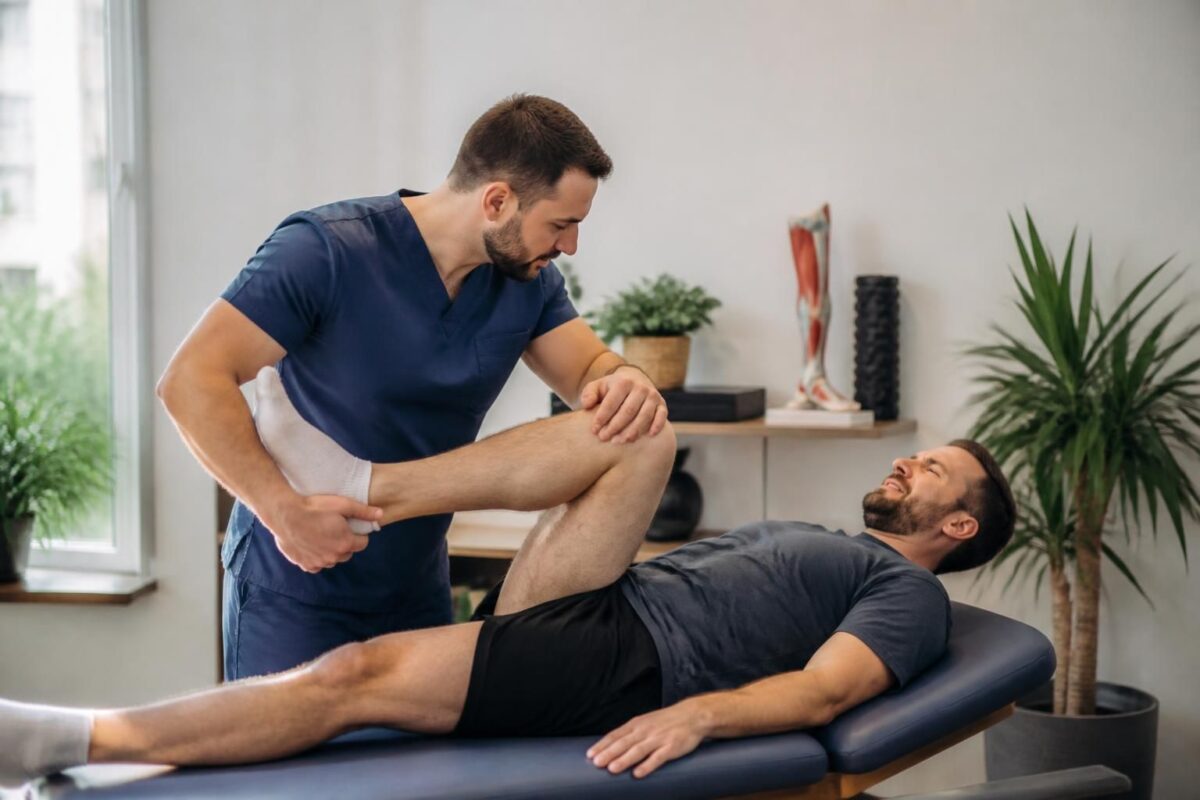
Osteopathy and chronic leg pain: regaining an optimal quality of life
In short In short, Osteopathy is one Global manual approach aimed at reducing Chronic leg pain and improve the quality of life. What is it? Non-drug therapy using the hands to identify restrictions and treat lesional chains. How does it…
Objectives and mechanisms of osteopathy
the treatments aim to restore a Functional balance By combining techniques articular with fascia release methods and visceral approaches when relevant. This range of tools makes it possible to address the root causes of imbalances rather than reacting only to symptoms.
The work is personalized and is often accompanied by concrete recommendations to promote the maintenance of this balance beyond the session. The objective is not only to reduce pain, but also to improve coordination, flexibility and resistance of the body to daily stress.
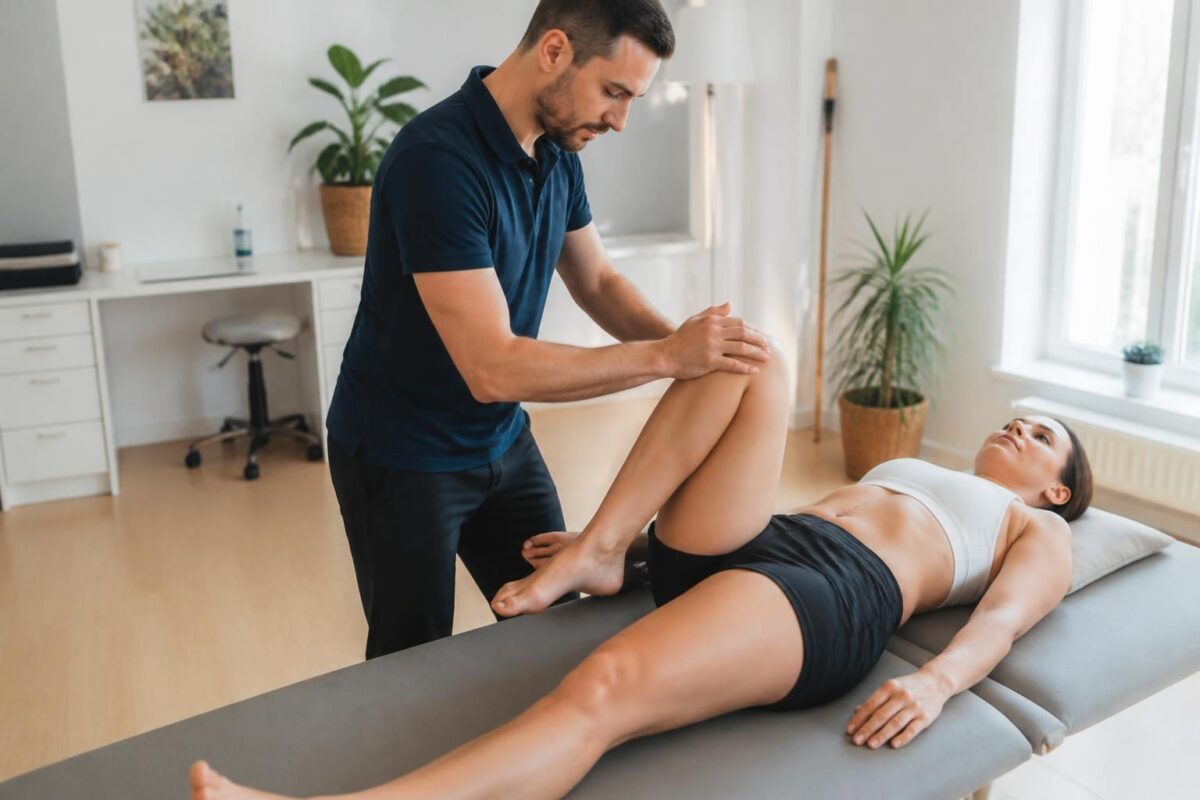
How osteopathy supports recovery after complex surgery
In short In short, Post-operative osteopathy is an approach fresh which supports the recovery After a Complex surgery. It helps to reduce the pain and the fatigue, improves the mobility and accelerates the healing thanks to a better vascularization and…
Maintaining daily balance
To sustainably support Body balance, it is useful to ensure a Adapted posture, practice a varied and adapted activity, and learn to manage the stress emotional. Healthy lifestyle habits, such as a balanced diet and restful sleep, enhance the powers ofself-healing and reduce the risk of future imbalances.
An annual consultation can help identify emerging tensions and adjust personalized advice. In addition, some technical resources and efficacy witnesses support the idea that osteopathy can contribute to Better quality of life and reduced addiction to drug treatments, when appropriate for each patient.
Applications and benefits
The osteopathic approach applies to many problems, from back and cervical pain to functional disorders affecting the digestive system or the nervous system. By working on muscle chains and organ mobility, osteopathy can reduce pain, improve posture and restore smoother movement coordination.
In the event of pathologies such as fibromyalgia or Chronic pain, the global approach can provide significant relief and better tolerance to physical activity, while avoiding heavy drug resorts when possible and appropriate.
Resources and perspectives
Various resources evoke how osteopathy promotesbalance and the welfare global, in particular in connection with the attention paid to the nervous system and the circulation of fluids. To learn more, you can view content such as Finding Body Harmony — The Ways of Osteopathy and other specialized resources like How Osteopathy Helps Treat Tendinitis.
To explore specific applications and observed results, you can also view articles on Osteopathy and fibromyalgia or better quality of life.

Dr Sylvain Desforges, B.Sc., D.O., N.D., osteopath, is the founding president of TAGMED and of the ACMA association. He dedicates his practice to chronic spinal pain, low back pain and symptoms compatible with sciatica, particularly when pain radiates toward the buttock, leg, calf, foot or toes.
Through SOS Sciatique, he publishes educational content on sciatica symptoms, possible causes such as disc herniation, disc narrowing, foraminal stenosis or irritation of a lumbar nerve root, as well as non-surgical approaches that may be considered according to the evaluation. At Clinique TAGMED, care may include, depending on the case, motorized neurovertebral decompression, specific osteopathic care or precision percussion.
For an evaluation related to sciatica treatment in Montreal / Mount Royal or sciatica treatment in Terrebonne, please consult the services available at Clinique TAGMED.
Medical disclaimer
The information published on SOS Sciatique is provided for educational purposes only and does not replace a consultation, diagnosis, opinion or treatment provided by a physician or another authorized healthcare professional. The author of this article is neither a medical doctor nor a specialist in a medical specialty recognized by the Collège des médecins du Québec. The osteopathic, manual medicine or functional support approaches described on this site do not constitute medical acts and are not intended to replace medical follow-up.
Consult a physician or emergency service in cases of loss of bladder or bowel control, anesthesia in the saddle area, significant or progressive weakness in the leg or foot, fever, recent trauma, severe pain or rapid worsening of symptoms. For more details, please read our Legal Notice.