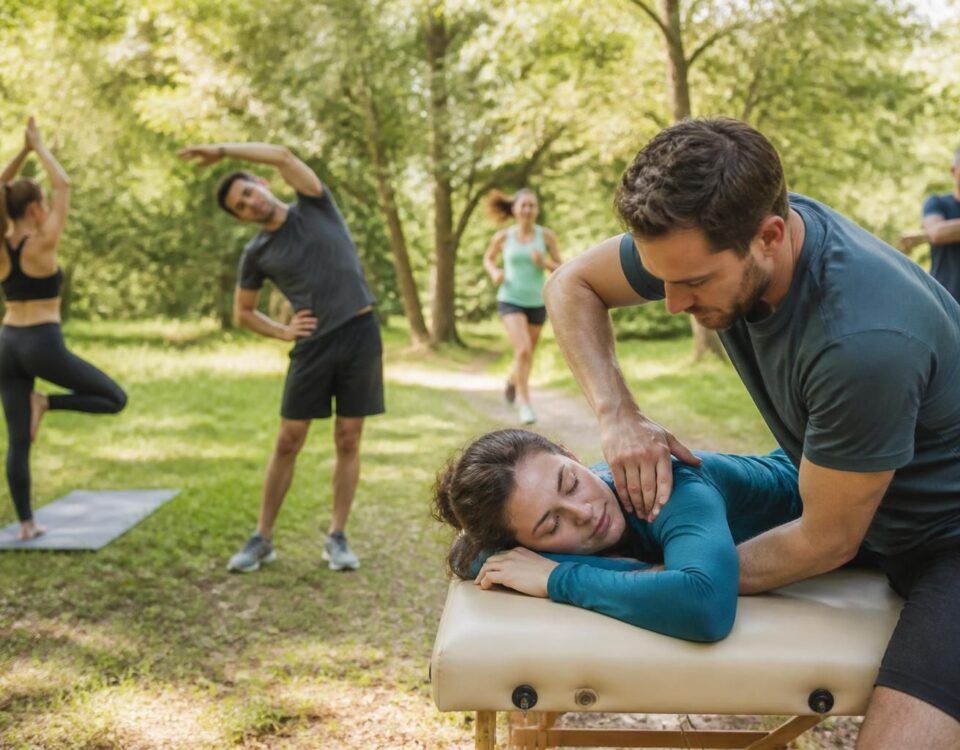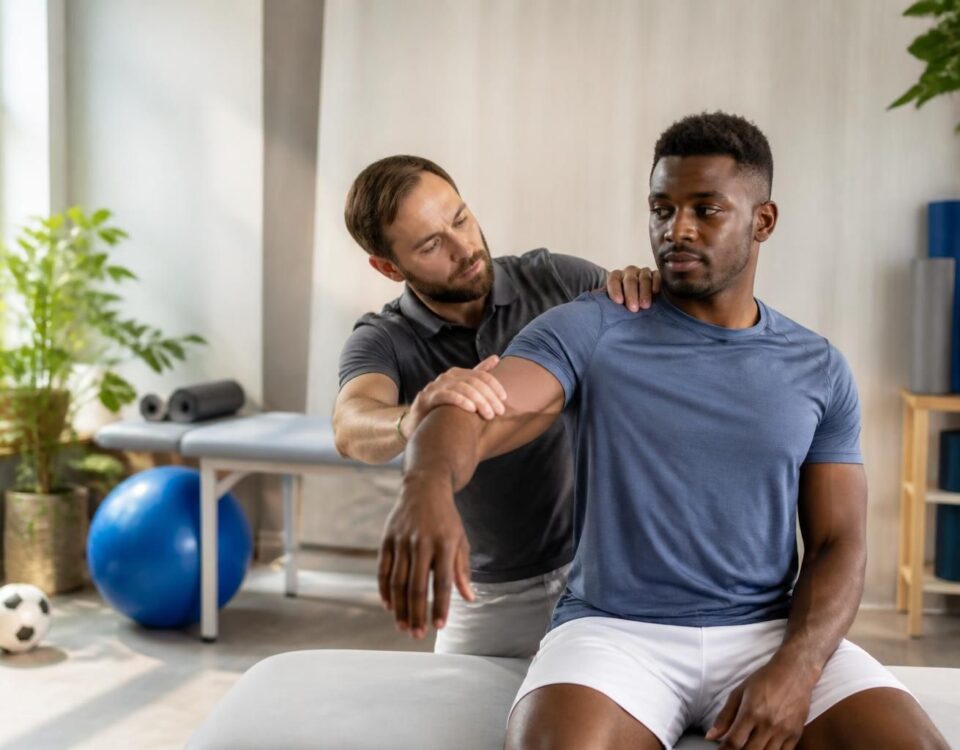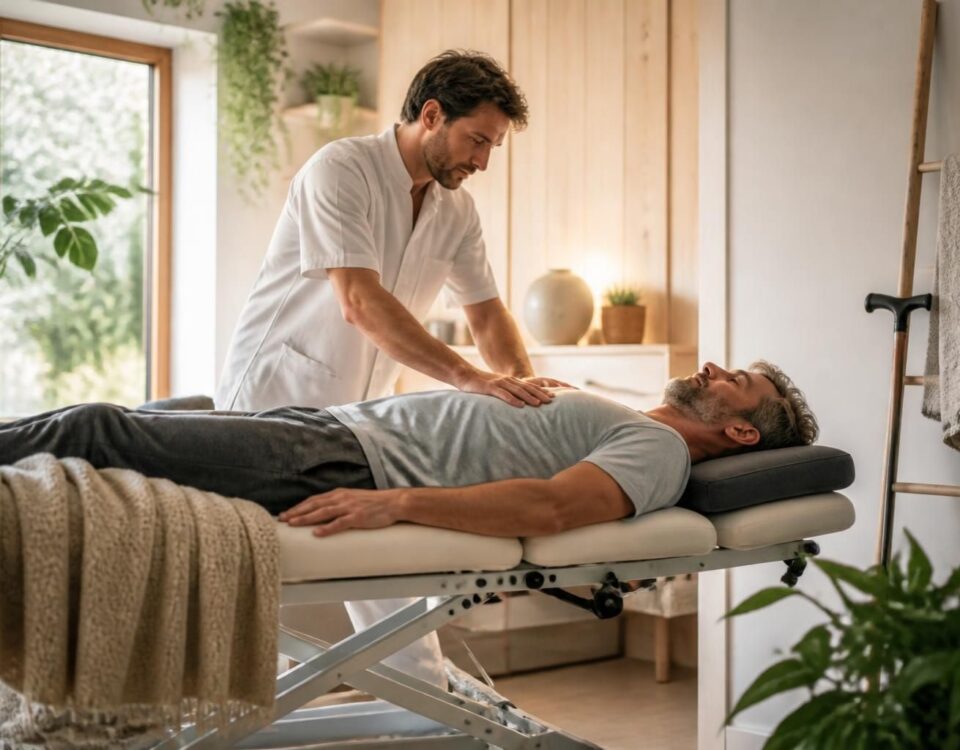
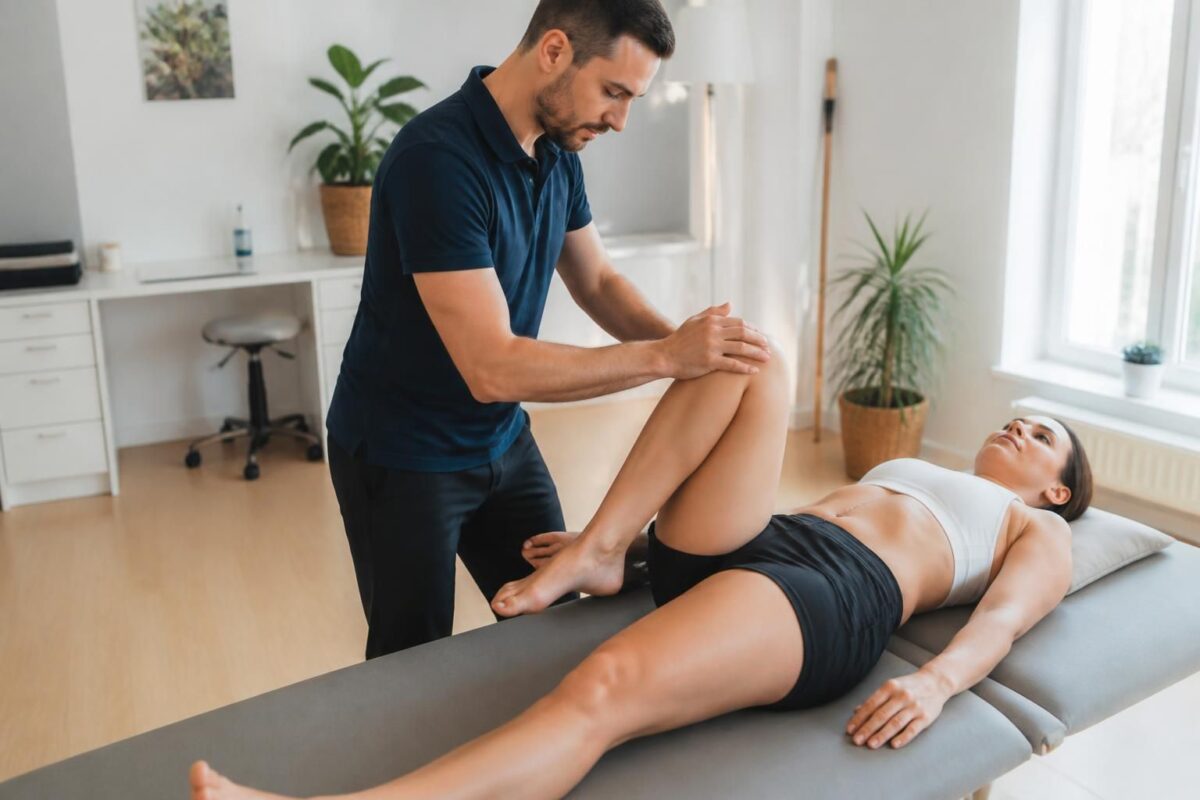
How Osteopathy Prevents Sport Injuries
27/06/2026
Reduce muscle tension with osteopathy
27/06/2026
In short In short, Osteopathy is one Manual approach Aiming to restore the mobility and theFunctional balance of the body. The Scientific evidence evaluate his efficiency for the musculoskeletal disorders and other pathologies. of Randomized clinical trials and reviews demonstrate improvements in the pain, from the function and from the quality of life, especially for Lower back pain and the migraines. when practiced by competent osteopaths and within the framework of a medical monitoring, the approach is usually secure and can be used in complement conventional treatments. In Montreal, this service is particularly relevant for people with Chronic pain and functional limitations, offering an alternative non-pharmacological and personalized. |
Summary of scientific evidence on the effectiveness of osteopathy:
- The Recent clinical studies use methods Controlled and often randomized, with control groups to assess the effects of osteopathy on patients.
- For the Lower back pain, the tests showed a Significant relief Symptoms compared to conventional treatments, with benefits that are maintained over several weeks when osteopaths apply appropriate protocols and advanced training.
- Regarding the Migraines and headaches, the results indicate a decrease in the frequency and intensity of seizures and an improvement in the quality of life.
- of Methodological limits exist, linked to the variability of approaches, the standardization of protocols and the sometimes subjective nature of the evaluation criteria; Some physiological mechanisms remain to be clarified, especially for cranial techniques.
- initiatives of Collaborative research aim to harmonize protocols, develop measurement tools and document mechanisms of action, in order to consolidate evidence and facilitate integration into health practices.
As a health professional and expert, I present scientific evidence of the effectiveness of theosteopathy. This article summarizes the most robust results from current research, recalls the limitations of studies and specifies what this means for patients and professionals. The goal is to bring clarity and guide consistent and safe support.
Context and results of clinical trials
Clinical trials randomized Test osteopathy against controls such as placebo or other approaches. These studies measure the pain, the mobility and overall well-being. The results indicate that, for certain musculoskeletal conditions, osteopathy may offer a statistically significant reduction in pain and a functional improvement over standard treatments alone. In these trials, the benefits often appear after a few weeks and are maintained when the protocol is adapted to the patient and performed by trained osteopaths.
For the Lower back pain, several trials show greater relief than that observed with certain conventional practices, with effects that extend at least over a few weeks of follow-up. This trend is confirmed when the intervention is performed by practitioners with advanced training and an appropriate approach for each patient. These results do not mean that osteopathy is a universal “cure”, but that it can be part of an effective therapeutic set in selected cases.
Outside the lumbar, research focuses on migraines and functional headaches. Some series and trials indicate a reduction in seizure frequency and intensity in a notable percentage of patients. The quality of life and well-being assessments support these observations, even if the effects vary between individuals and clinical profiles.
Clinical applications and fields concerned
In the musculoskeletal field, osteopathy is particularly studied for Lower back pain and mobility disorders. The objective is to restore mobility and correct mechanical dysfunctions that can maintain pain. The evidence suggests a useful role alongside other approaches, especially when movement-centric treatments are part of a global and multidisciplinary approach.
Research on migraines explore local and systemic mechanisms. The results show that some osteopathic techniques can help reduce individual differences in the occurrence and intensity of seizures. This approach can be part of a multidisciplinary care aimed at reducing triggers and improving pain tolerance.
Emerging work is also studying other clinical situations, with a focus on safety and personalization of care. They suggest that osteopathy can supplement medical treatments when integrated into a comprehensive patient-centric care strategy and its daily functions.
Limits and controversies
Criticism remains about the standardization protocols and the variability of the techniques used. The measurement of certain results is still based on subjective criteria, such as the improvement reported by the patient, which can limit the reproducibility of the results. Experts ask for more objective measurement tools and homogeneous protocols to facilitate comparisons between studies and interpretations on an international scale.
The question of underlying physiological mechanisms remains complex. Some techniques, in particular so-called cranial approaches, are the subject of debate, because robust evidence and clearly established mechanisms remain insufficient. This uncertainty explains part of skepticism in the biomedical community and nurtures the need for rigorous and transparent studies.
Practitioners reply that each patient is unique and that their treatments are based on a holistic and personalized evaluation. They also underline the favorable safety profile when care is delivered by qualified professionals and are part of an integrated approach with other health professionals.
Prospects and security
Research in osteopathy evolves thanks to collaborations between osteopaths, doctors and researchers. the projects aim to clarify the Mechanisms of action, to harmonize the protocols and to study the results in diversified populations. This contributes to better positioning osteopathy in the care landscape, while remaining cautious about the interruption or replacement of medical treatments when necessary.
In terms of safety, osteopathy is generally well tolerated when practiced by trained professionals. The risk of adverse effects is low and the benefits perceived by patients are mainly in the improvement of mobility and quality of life. However, as with any therapy, an appropriate evaluation and regular monitoring remain essential.
Methodological issues and integration into care
The search conditions require clear protocols, precise selection criteria and a reliable assessment of results. Trials should include sufficient follow-up and relevant comparisons with other treatments to establish a robust picture of the effects of osteopathy. Integration with existing clinical practices remains key to optimize patient outcomes and promote safe and effective management.
Training and professional executives play a central role. Osteopaths obtain their training in recognized establishments such as NUMSS, nao, National University of Medical Sciences and National Academy of osteopathy. This training base supports a practice based on scientific developments and a rigorous approach.
For patients wishing to better understand the foundations of osteopathy and associated evidence, several accessible resources allow to explore the themes of evidence, benefits and limits. For example, dedicated resources discuss mechanisms for preventing sports-related injuries and the benefits for physical exertion pain. Articles and guides also mention the types of pain that can be treated and the fundamental principles of osteopathy. Accessing these resources can enrich the dialogue with their health professional and support an informed decision.
To learn more, see the following resources:
How Osteopathy Prevents Sport Injuries,
Benefits for chronic pain,
Types of pain treated,
Tagmed Clinic,
Benefits for sport-related pain,
Principles of osteopathy.
Complementary resources make it possible to address issues of scientific validity and evidence from a practical perspective. They explore the limits and conditions in which osteopathy is more likely to bring real and measurable benefit. These resources also underline the importance of collaboration between professionals and the need to assess each patient in a safe and integrated setting.
Medical Disclaimer: The information and advice provided on this site does not replace the health professional’s diagnosis or treatment. Please note that Dr. Sylvain Desforges osteopath is neither a doctor of medicine nor a doctor, and is not a specialist in a medical specialty as defined by the Collège des Médecins du Québec. Manual medicine, functional medicine and sports medicine as described on this site exclude any medical treatment or diagnosis made by a doctor or specialist doctor. Always consult your doctor for any medical questions. For more details, please read our full legal notice.
Axes of evidence and synthetic results
- testing randomized on the Lower back pain Demonstrate pain reduction and functional improvement after osteopathy vs conventional treatments.
- migraine and headaches, some series report a Reduced frequency and intensity crises and a better quality of life.
- meta-analyses on various musculoskeletal disorders indicate moderate benefit, with significant heterogeneity results.
- mobility and a Overall well-being measured in several studies.
- Favorable safety: Rare and mild side effects when osteopathy is performed by qualified professionals.
- Placebo/simulated care show present but more modest benefits.
- musculoskeletal.
- proposed mechanisms: improvement of the Tissue mobility and reduction of tensions myo-fascial.
- integrated with other health professionals.
- Limitations: lack of Standardized protocols and measures Objectives comparable between studies.
- homogeneous protocols and measurements Objectives to clarify the mechanisms of action.
- Methodological: Controlled trials and prolonged follow-up are multiplying, aiming to solidify endpoints and conclusions.

This article presents the evidence current on theefficiency osteopathy, results of Randomized clinical trials, and perspectives for a practice stringent and secure. It summarizes what we know today about the relief of musculoskeletal pain and on the potential impacts on quality of life, while underlining the methodological limits and the axes of progress.
State of current evidence
The available data is mainly based on Randomized clinical trials and journals that examine the criteria for pain, of mobility and of welfare. In the pains lumbar, some works report a Significant improvement Compared to conventional care, with effects observed over several weeks when the protocol is adapted and executed by osteopaths trained. For migraines, the results indicate a reduction in the frequency and intensity of seizures in a subset of patients, with a concomitant improvement in the quality of life.
pragmatic interpretation
These results reflect a Inter-individual variance and highlight the importance of Precise diagnosis and one Personalized care plan. They also show that the effects may depend on the training and of protocol used by the osteopath.

How osteopathy improves the quality of life of active people
In short In short, theosteopathy is a global approach that Optimizes mobility and the function of the body of ACTIVE PEOPLE, for a better quality of life. It helps prevent injury and reduce Musculoskeletal pain While promoting the Sports recovery.…
Methodological issues
The validity of the conclusions is based on Homogeneous protocols and clear measures, hence the need for robust evaluation tools and appropriate monitoring. The standardization of Measurement tools And some Evaluation criteria is crucial to allow international comparisons and reliable syntheses. The haptic sense and personalization of treatments pose additional challenges for theobjectification results and reproducibility of studies.
Protocol and reproducibility
projects of Collaborative research in 2026 aim to develop Common protocols, clear inclusion criteria and better described physiological action mechanisms. The objective is to establish stronger evidence bases while respecting the need to adapt care to each patient.

Osteopathy and sports recovery: prepare the body for lasting performance
In short In short, Osteopathy and Sports recovery is one Global manual approach that sustainably prepares the body for the effort by restoring mobility and circulation After the effort. It is a discipline that acts on the sinews, the joints,…
Clinical applications and targeted areas
theosteopathy is often requested for Lower back pain and migraines, with encouraging feedback on pain reduction and mobility improvement. It is also explored for neurodevelopmental disorders in children and for various functional dysfunctions, although these areas remain more preliminaries and require stronger evidence. In practice, osteopathy can act as a complement conventional treatments, in an approach multidisciplinary.
Lumbar and headache pain
In the context of low back pain, manual techniques and functional adjustments aim to restore the mobility and reduce tensions, with results that are maintained when treatment is individualized and done by an experienced professional. For migraines, the goal is to reduce the frequency and theintensity crises and improve the quality of life by an approach centered on the neck and skull, in addition to other therapies.
Why Osteopathy Is Essential For Recovery People
In short In short, Osteopathy in convalescence is an approach manual and holistic which helps to accelerate the recovery by restoring The balance, the mobility and a good circulation fabrics. it contributes to Reduce the pain, support the Back to…
Controversies and limits
The criticisms relate in particular to the Approach variability and the rigor existing methodologies. The subjectivity Assessments and difficulty in measuring certain osteopathic concepts (somatic dysfunction, perceived effects) complicate reproducibility. Some controversial techniques, such as cranial approaches, are arousing careful consideration of the lack of clearly established physiological mechanisms. However, practitioners insist on the security and the personalization care within a framework integrated and privileged.
Risk of overinterpretation and safety
Methodological limits do not invalidate theClinical utility When the treatments remain secure, individualized and enrolled in an approach multidisciplinary. The challenge is to continue research with clear objective signs and reproducible protocols to support evidence-based practice.

Osteopathic manipulations to strengthen post-traumatic muscles
In short In short, Osteopathic manipulations for Strengthen post-traumatic muscles constitute a gentle manual approach aimed at restoring the mobility, reduce the pain and facilitate the Functional rehabilitation After a injury. What is Is it? A series of precise gestures…
Good practices and recommendations
For patients and professionals, focus on an approach evidence-based goes through the use of osteopaths qualified, an in-depth diagnostic assessment and a care plan personalized with measurable goals. Integrate osteopathy into an approach multidisciplinary And monitoring the evolutions of the symptoms over defined periods makes it possible to determine the actual efficacy. Documenting the results and regularly reassessing the benefits and risks is essential for optimizing care without overinterpreting subjective outcomes.

Osteopathy and prevention of work-related musculoskeletal disorders
In short theosteopathy is one Manual approach that restores body balance and prevents MSD related to work. Its advantages: reduction of tension, improvement of mobility and prevention of chronic pain. She is preventive and healing, suitable for office and trades…
Scientific evidence of the effectiveness of osteopathy
| Evaluation axis | concise proof |
|---|---|
| Level of evidence and type of studies | Limited evidence and heterogeneous; Benefits observed in certain pathologies when the protocols are rigorous. |
| Methodological quality and bias | The biases and variability of the protocols limit the solidity of the conclusions. |
| Lumbar pain and mobility | significant effects observed on pain and mobility in some short and medium term trials. |
| Migraine and headache | improvement in some patients; Variable results depending on the individual. |
| Other musculoskeletal pathologies | less solid evidence; reported but non-systematic benefits. |
| Duration of relief | Sustainable relief possible with specialized practice and appropriate follow-up. |
| Safety and side effects | Favorable safety profile, rare and generally benign side effects. |
| Mechanisms and assumptions | Several postulated mechanisms, but still limited direct evidence. |
| Reproducibility and standardization | Need for homogeneous protocols and measurement tools to improve reproducibility. |

The benefits of osteopathy to treat muscle imbalances
In short theosteopathy is a manual approach to restore themuscle harmony and postural considering the body as a whole. Its main benefits include the reduction of aches and tensions, the improvement of the mobility and from the posture, and prevention…
Testimonials on scientific evidence of the effectiveness of osteopathy
Testimonial – lumbar pain : after months of lumbar pain persistent, I tried losteopathy and I experienced a Significant pain reduction as well as a Improving mobility. The Clinical research current ones go in the same direction: in Randomized trials, some patients have a relief more marked compared to the usual treatments, and this benefit can be maintained over several weeks when the treatment is adapted and delivered by a Trained osteopath and experienced.
Testimony – Migraines : For me as for many people suffering from migraine, osteopathic sessions have often contributed to reducing the frequency and theintensity crises. series of observations and Clinical trials suggest a Improved quality of life In a significant number of patients, thanks to the decrease in the mechanical and neuromuscular factors involved in migraine episodes. These results promote an integrated and personalized approach.
Testimonial – Clinician : as a clinician, I see that the evidence evolve with More rigorous trials And some Standardized protocols. The results of Randomized trials show a real effect on certain musculoskeletal pathologies, but generalization requires better standardization of protocols and measurement tools to be able to compare the results on an international scale.
Testimonial – Security and customization : the security is a key element. Clinical returns indicate a Low rate of side effects and an approach Customization centered treatment, which can lead to Sustainable benefits When the procedure is adapted to the patient and followed in a professional and integrated setting.
Testimony – Research perspective : the researchers and the health professionals agree on the need to deepen knowledge with Interdisciplinary collaborations And some More Accurate Measurement Tools. This will make it possible to better document the Mechanisms of action and specify under what conditions osteopathy offers the best results, thus reinforcing the confidence patients and prescribers.
Osteopathy and chronic leg pain: regaining an optimal quality of life
In short In short, Osteopathy is one Global manual approach aimed at reducing Chronic leg pain and improve the quality of life. What is it? Non-drug therapy using the hands to identify restrictions and treat lesional chains. How does it…
Scientific evidence of the effectiveness of osteopathy in 2026
In the contemporary health landscape, Osteopathy is increasingly examined through the prism of scientific evidence. an expert in osteopathy, naturopathy and manual medicine, Founder and President of TAGMED and ACMA, actively contributes to advancing knowledge in terms of clinical mechanisms and outcomes. Recent research favors rigorous methodological frameworks, with control groups and relevant comparisons, in order to assess efficiency and the benefits for the patient on measurable criteria such as pain, mobility and the welfare.
In terms of lower back pain, trials randomized demonstrate that patients treated with osteopathy exhibit significant pain reduction and functional improvement over conventional approaches. The benefits are maintained over several weeks, and their durability is more observed when osteopaths have in-depth training and a personalized protocol adapted to the patient. This convergence between clinical competence and adapted approach is a key element in interpreting the results as being durable and generators of sustainable gain in quality of life.
With regard to migraines and headaches, research is beginning to show a reduction in seizure frequency and intensity in a significant number of patients, with significant improvements in quality of life. Although the results differ according to the individuals, these data support the idea that theosteopathy Can be integrated into a multimodal approach, offering an alternative or complement to pharmacological and non-pharmacological treatments.
However, the methodological issues remain substantial. The standardization Protocols and the objective measurement of certain criteria, including subjective perceptions of patients and concepts specific to osteopathy (such as somatic dysfunction), constitute major challenges for reproducibility and international validation. The so-called cranial techniques also fuel controversies around their mechanism and their experimental robustness. In 2026, interprofessional collaborative projects intensified to develop homogeneous protocols, develop precise measurement tools and better document the physiological mechanisms of action at work.
Osteopathy continues to extend its scope of application in the musculoskeletal sphere. It is particularly recognized for lower back pain and related disorders, while offering a holistic perspective that complements conventional treatments and favors safety and personalization of care. The use of appropriate and prudent manual practices, carried out by competent professionals, is associated with a low rate of adverse effects and better continuity of care in an integrated approach.
Beyond the clinical results, the scientific approach evolves thanks to a community that favors intellectual humility and curiosity. thelack of proof is not Proof of absence, and advances in research are based on a rigorous accumulation of data, questioning hypotheses and highlighting plausible mechanisms of action. Osteopathy, a young discipline, is based on a developed haptic sense and on a person-centric approach, while being part of a dynamic where research and training continuous reinforce its credibility and integration into care pathways.
For those who wish to deepen, discover the approach and services offered by the associated structures and contact the specialized clinics directly that advocate a practice based on the evidence and safety of care. This approach is part of the spirit of osteopathy and its promoters who work towards a better understanding and an ever more refined clinical application of the discipline at the service of patients. Discover their approach and the services available at the TagMed Clinic.
This quick introduction summarizes the evidence and debates around The effectiveness of osteopathy In 2026: encouraging results for certain musculoskeletal pathologies, sustained attention to methodological rigor and a need to better communicate the real benefits to patients and professionals.
The Scientific evidence current shows that osteopathy can bring a pain relief and functional improvement in certain clinical situations, including Lower back pain and some functional disorders. of Randomized clinical trials And observational analyzes indicate benefits in reducing pain and improving mobility compared to non-osteopathic or placebo care in well-designed protocols. To deepen these results, you can consult the summaries and analyzes available on resources such as Is losteopathy really effective and the work of Dr Desforges.
Beyond lower back pain, research is also interested in the impact on migraines and headaches, with observations indicating a reduction in the frequency and intensity of seizures in a significant number of patients. These results are part of a dynamic that combines quality of life and overall well-being, increasingly measured aspects in studies pain and disability.
However, criticism remains important and critical opinions underline the need for tools and protocols standardized to ensure fair reproducibility and comparison between studies. Part of the discussions are about measuring outcomes and clear physiological mechanisms, especially for cranial techniques, which remain controversial for lack of solid evidence and widely accepted mechanisms. To explore these issues, mediated analyzes and specialized journals invite caution and methodological rigor, and interdisciplinary collaboration between osteopaths, doctors and researchers. Consult the resources that address these methodological issues and current limitations on pages like Universe in question and osteopathy cross.
In terms of clinical applications, the areas where osteopathy is most often used remain musculoskeletal pain, but emerging work explores potential effects in other functional and pediatric contexts. This progression reflects a patient-centered approach, where treatment customization and ongoing assessment of outcomes are essential. For a broader view of current findings and therapeutic goals, several resources outline the supposed objectives and mechanisms of osteopathy (e.g. Objectives of osteopathy and Typical duration of a session).
Research perspectives and evidence conditions remain crucial to guide clinical practice and shared decision-making with patients. The development of more sensitive measurement tools and the implementation of homogeneous protocols will promote a more transparent understanding of the mechanisms of action and the results observed. For an evaluative summary, resources such as Vbiovir — Osteopathy and scientific evidence and Benefits by age can be viewed.
How osteopathy supports recovery after complex surgery
In short In short, Post-operative osteopathy is an approach fresh which supports the recovery After a Complex surgery. It helps to reduce the pain and the fatigue, improves the mobility and accelerates the healing thanks to a better vascularization and…

Dr Sylvain Desforges, B.Sc., D.O., N.D., osteopath, is the founding president of TAGMED and of the ACMA association. He dedicates his practice to chronic spinal pain, low back pain and symptoms compatible with sciatica, particularly when pain radiates toward the buttock, leg, calf, foot or toes.
Through SOS Sciatique, he publishes educational content on sciatica symptoms, possible causes such as disc herniation, disc narrowing, foraminal stenosis or irritation of a lumbar nerve root, as well as non-surgical approaches that may be considered according to the evaluation. At Clinique TAGMED, care may include, depending on the case, motorized neurovertebral decompression, specific osteopathic care or precision percussion.
For an evaluation related to sciatica treatment in Montreal / Mount Royal or sciatica treatment in Terrebonne, please consult the services available at Clinique TAGMED.
Medical disclaimer
The information published on SOS Sciatique is provided for educational purposes only and does not replace a consultation, diagnosis, opinion or treatment provided by a physician or another authorized healthcare professional. The author of this article is neither a medical doctor nor a specialist in a medical specialty recognized by the Collège des médecins du Québec. The osteopathic, manual medicine or functional support approaches described on this site do not constitute medical acts and are not intended to replace medical follow-up.
Consult a physician or emergency service in cases of loss of bladder or bowel control, anesthesia in the saddle area, significant or progressive weakness in the leg or foot, fever, recent trauma, severe pain or rapid worsening of symptoms. For more details, please read our Legal Notice.