How osteopathy promotes a better quality of life
27/06/2026
Osteopathy to relieve spinal pain
27/06/2026
In short
In short, the Regular osteopathy consultations are one preventive approach and holistic which helps to maintain theBody balance and to prevent Musculoskeletal pain. What is this service? A manual discipline focused onself-regulation and the Overall well-being. What are its advantages? pain reduction and prevention, improvement of mobility, better posture, and management of stress. How does it work? Appropriate consultations make it possible to identify and correct malfunctions before they worsen, with a Personalized follow-up that adapts to your pace. Accessible in Montreal, this service is particularly recommended to prevent pain related to poor posture and improve the quality of life on a daily basis. |
The importance of regular osteopathy consultations
periodic visits in osteopathy allow to maintain theOverall balance of the body and dself-regulate natural healing mechanisms. They facilitate the early detection of tensions or restrictions and adapt care to the evolution of your posture and your lifestyle.
- Prevention pain and imbalances thanks to personalized follow-up.
- Mobility and improved posture to better move on a daily basis and during physical activities.
- Welfare overall and stress reduction through targeted manual techniques.
Integrating regular sessions into your routine can help to stay active, prevent future pain and sustainably improve quality of life. Ask your osteopath for the rhythm that suits you.
This article explains why the Regular osteopathy consultations are essential to prevent pain, maintain the mobility and promote theself-regulation of the body. It presents the benefits, scientific bases and good monitoring practices, with practical resources and links to complementary approaches.
Regular visits make it possible to detect tensions and malfunctions early. They help the body Self-regulate and maintain an overall balance. Osteopathy works on all the systems of the body and aims to prevent the installation of pain. Consistent monitoring contributes to better mobility, better circulation and a general feeling of well-being.
Prevention and autonomy of the body
A PLAN OF prevention Detects areas of tension before pain occurs. Regular reviews help adjust lifestyles and optimize posture over seasons and activities. Regular monitoring promotesself-regulation and helps everyone to take charge of their daily health.
Frequency and personalized follow-up
For most adults, 1 to 2 consultations per year are sufficient for prevention. In case of acute pain, we can consider closer sessions over a short period, then the rhythm is adjusted according to the evolution. Each person benefits from a Custom Plan adapted to his needs and lifestyle.
Osteopathy and specific pathologies
in situations related to the spine and conditions such as neurovertebral decompression, focuses on non-invasive protocols and approaches to maintaining structural integrity. This article does not offer exercises or stretches for these cases, but a general orientation towards appropriate and secure support options is given. To deepen mechanisms and approaches, you can consult specialized resources on dedicated platforms.
Training and professional executive
Professionals working in osteopathy can be trained by recognized establishments such as NUMSS, nao, National University of Medical Sciences and National Academy of osteopathy. Affiliated osteopaths work within professional organizations acma, College of Canadian Osteopaths and College of Canadian Osteopaths. This training and this framework guarantees a practice based on evidence and professional ethics.
Service and expected results
A regular approach can sustainably improve the circulation, the mobility and the quality of life. It can also reduce stress-related tensions and support recovery after exercise. For those who wish to deepen, resources on the prevention and effectiveness of osteopathy are available via specialized articles and sites.
Cases and resources related to sciatica
In sciatica situations associated with degenerative or structural phenomena, osteopathy may be proposed as part of a non-surgical protocol. This article does not indicate specific exercises and directs towards integrated and secure approaches. For additional information, see the pages dedicated to neurovertebral decompression and associated approaches on professional sites.
To enrich your learning and practice, consult the following resources: Prevent sports injuries, Osteopathic manipulations and chronic pain, and Tagmed Clinic.
| Aspect | osteopathy | Physiotherapy |
|---|---|---|
| Approach | manual and holistic | Physiotherapy and rehabilitation |
| Main objective | Self-regulation and mobility | Functional restoration and movement |
| Mode of action | Gentle and precise handling | Guided exercises and targeted therapies |
Useful links: Prevention of sports injuries, Protocols for neurovertebral decompression, Neurovertebral decompression and low back pain in athletes.
Medical Disclaimer: The information and advice provided on this site does not replace the health professional’s diagnosis or treatment. Please note that Dr. Sylvain Desforges osteopath is neither a doctor of medicine nor a doctor, and is not a specialist in a medical specialty as defined by the Collège des Médecins du Québec. Manual medicine, functional medicine and sports medicine as described on this site exclude any medical treatment or diagnosis made by a doctor or specialist doctor. Always consult your doctor for any medical questions. For more details, please read our full legal notice.
- Prevention Imbalances before pain
- Autonomy of the body through self-regulation
- Posture and optimized mobility
- Circulation and improved recovery
- Personalized follow-up and rhythm adjustment
- Reduction risk of relapse
- Adaptability to all profiles (sports, pregnancy, seniors)
- Quality of life and stress reduction
- competent economy thanks to early intervention
- Sustainable impact on mobility and well-being

This text demonstrates that regular visits to osteopathy are not limited to punctual pain relief. They promote active prevention, maintenance of mobility and self-regulation of the body, with a frequency adapted to everyone to optimize quality of life and performance on a daily basis.
A preventive and appropriate approach
prevention is at the heart of modern osteopathy. Regular check-ups make it possible to identify emerging tensions and mobility limitations before they turn into pain. By working on the balance of the musculoskeletal, circulatory and nervous systems, the osteopath reinforces the body’s ability to self-regulate and adapt to daily stress.

How osteopathy improves the quality of life of active people
In short In short, theosteopathy is a global approach that Optimizes mobility and the function of the body of ACTIVE PEOPLE, for a better quality of life. It helps prevent injury and reduce Musculoskeletal pain While promoting the Sports recovery.…
Why does regularity matter
Regularity creates a therapeutic continuity and helps to follow the evolution over time. Sessions spaced out but present throughout the year facilitate the gradual correction of imbalances and the consolidation of mobility gains. This persistence acts on the whole body, improving posture, breathing and circulation, and reducing the risk of reappearance of pain.

Osteopathy and sports recovery: prepare the body for lasting performance
In short In short, Osteopathy and Sports recovery is one Global manual approach that sustainably prepares the body for the effort by restoring mobility and circulation After the effort. It is a discipline that acts on the sinews, the joints,…
How to determine the ideal frequency
Each individual is unique and the frequency must be adapted after a first anamnesis and a balance sheet. In practice, we favor a rhythm that gives the body time to react and self-regulate, generally between two and six weeks depending on the motive treated. For some, especially in times of increased stress or resumption of activities, closer visits can be beneficial without becoming systematic.
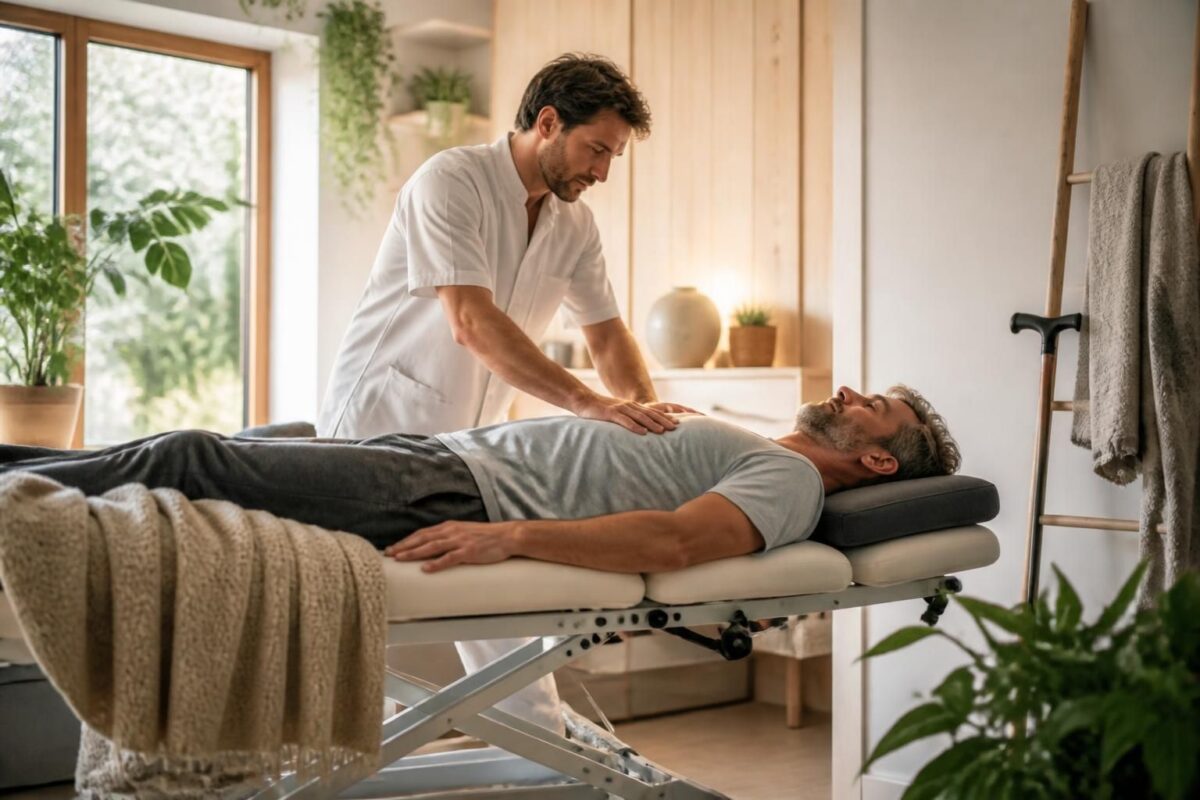
Why Osteopathy Is Essential For Recovery People
In short In short, Osteopathy in convalescence is an approach manual and holistic which helps to accelerate the recovery by restoring The balance, the mobility and a good circulation fabrics. it contributes to Reduce the pain, support the Back to…
Practical applications by group
Sports and intense activities
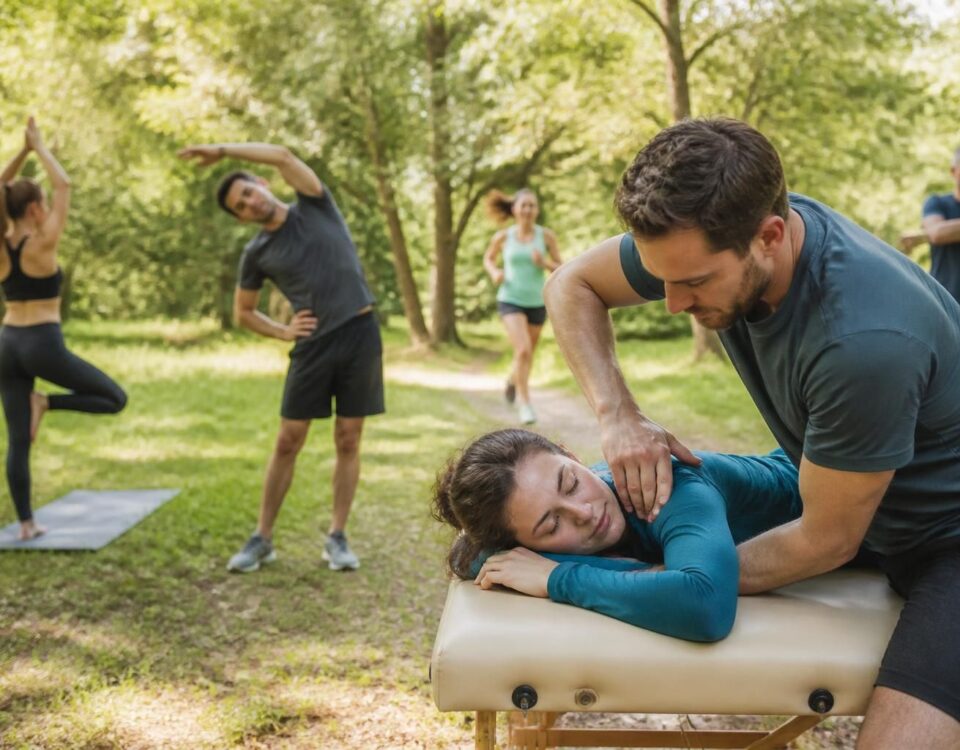
For active people, osteopathy is used to optimize recovery and prevent injuries. Regular visits in anticipation of competitions or during training campaigns help maintain soft fabrics and effective technical gestures, while reducing downtime.
Pregnant and postpartum women
Pregnancy profoundly changes the balance of the body. Regular and appropriate consultations can limit lumbar tension, prepare the pelvis for childbirth and facilitate postnatal recovery. Appropriate follow-up supports motherhood and improves the physical and mental well-being of the mother.
Infants and seniors
In infants, an early assessment can prevent tensions linked to childbirth and promote harmonious development. In seniors, regular follow-ups help maintain mobility and quality of life despite osteoarthritis or joint stiffness, while adjusting techniques to the evolution of the body with age.
By integrating regular appointments into your health routine, you support the overall balance of the body and give your energy better recovery capacity. A proactive, personalized and self-managed approach allows you to prevent future pain and stay active longer.
| Aspect | Concise impact |
|---|---|
| Early detection and regular reviews | Regular check-ups make it possible to anticipate and avoid pain. |
| self-regulation and body balance | Promotes self-regulation and general balance of the body. |
| Prevention pain and injury | Prevents recurring pain and injury. |
| Posture and mobility | Fixes postural imbalances and improves mobility. |
| Recovery sportswoman | Supports recovery and sports performance. |
| Monitoring personalized | Adapts rhythm and techniques to everyone. |
| Economy costly | Reduces overall costs by avoiding emergencies. |
| Education and autonomy | Strengthens education and patient autonomy. |
| Quality of life and energy | Improves quality of life and energy on a daily basis. |

Osteopathic manipulations to strengthen post-traumatic muscles
In short In short, Osteopathic manipulations for Strengthen post-traumatic muscles constitute a gentle manual approach aimed at restoring the mobility, reduce the pain and facilitate the Functional rehabilitation After a injury. What is Is it? A series of precise gestures…
Testimonials: the importance of regular osteopathy consultations
Marie, 38, a dynamic executive, says: “Since I add Regular consultations to my routine, my posture has improved significantly and my days are less tiring. Prevention helps me to avoid tensions linked to sedentary lifestyle and to remain efficient at work. »
Antoine, 44 years old, amateur athlete, testifies: “The sessions are part of a prevention and of recovery. Thanks to an appropriate frequency, I gained in mobility And my long-distance training periods go without recurring pain. »
Claire, 32, pregnant then young mother, shares: “Osteopathy accompanied me throughout pregnancy and after childbirth. A regular frequency Helped me maintain pelvic balance and manage cervical and dorsal tensions related to bodily changes. »
Luc, 72, retired, says: “With age, mobility Reduces and joint pain can limit daily life. Repeated but planned visits have improved my quality of life and allowed me to stay active in my daily activities.”
Sophie, 29, active mother, concludes: “Investing in Regular consultations was a real source of appeasement. My body is rebalancing, the tensions are dissipating and I feel better prepared to manage the unforeseen life of mom and professional. »
Dr. Sylvain Desforges, expert in osteopathy, naturopathy and manual medicine, is at the forefront of health innovation and holds the position of founding president of the Tagmed clinics and the ACMA association. His background, centered on the continuous improvement of practices, leads him to focus on prevention, the management of Chronic pain and the integration of advanced technologies such as spinal decompression, laser and shockwave therapy. Its commitment is to provide evidence-based care to optimize the health and well-being of each of its patients.
In an approach where the body is perceived as an interconnected system, regular consultations play a key role in maintaining balance, preventing imbalances and reinforcing natural self-regulation. Osteopathy, practiced with sensitivity and rigor, aims not only to relieve occasional pain, but also to reduce the tensions that accumulate and to improve overall mobility. By enrolling in a suitable routine, repeated visits become an effective and lasting prevention lever.
The preventive logic of recurrent consultations allows the osteopath to identify early tensions or movement limitations which, without intervention, could turn into persistent pain. Each session offers an opportunity to adjust the treatment plan, evaluate evolution and rebalance the bodily systems—musculoskeletal, circulatory, nervous—to support self-healing. This proactive approach helps to maintain a balanced posture, promote better circulation and reduce the triggers of future pain.
The technological tools used in the context of regular monitoring complete the manual approach. By combining gentle techniques with technologies like targeted decompression, applications laser And shockwave therapies, the osteopath can intensify the beneficial effects and offer more precise monitoring of progress. This synergy between manual know-how and therapeutic innovations makes it possible to obtain more lasting results and an improved quality of life, in particular for people suffering from chronic or recurrent pain.
Concretely, the frequency of consultations depends on your personal situation and your objectives. For the prevention and maintenance of optimal balance in healthy adults, one to two annual visits may be sufficient. In case of acute pain, a series of close sessions are favored over a few weeks, then a consolidation interview. For chronic pathologies or athletes, more regular follow-ups can be offered to support recovery, endurance and performance. In the context of a pregnancy, an infant or a senior, specific and adapted rhythms guarantee a safe and effective approach.
Beyond the therapeutic aspect, the objective is to educate patients and support them towards better bodily autonomy. Transparency on the reasons for monitoring, continuous reassessment and information on post-session effects are an integral part of this ethical approach. Regular consultations do not replace medical recourse when necessary, but they are a valuable pillar for preventing problems, optimizing mobility and supporting sustainable well-being.
To deepen the approach and the services offered, it is possible to inquire directly with the specialized teams and discover how an adapted routine can transform your health on a daily basis.
This approach highlights why regular visits to the osteopath not only help to soothe pain but also to prevent future imbalances. By strengthening the self-regulation of the body and adjusting the posture on a daily basis, these consultations play a key role in maintaining a Sustainable well-being, of a Mobility found and a better quality of life, whatever your profile.

Osteopathy and prevention of work-related musculoskeletal disorders
In short theosteopathy is one Manual approach that restores body balance and prevents MSD related to work. Its advantages: reduction of tension, improvement of mobility and prevention of chronic pain. She is preventive and healing, suitable for office and trades…
Purpose of regular consultations
Periodic visits are part of a preventive and proactive approach. They allow toIdentify early tensions And dysfunctions that could change in pain if you wait too long. by rebalancing the structural mechanisms and improving theself-healing, osteopathy helps to limit the appearance of pain and preserve the function of the joints and muscles.
This regular follow-up promotes Optimal circulation and supports the body’s natural regulation mechanisms. It acts as a device of Injury prevention and can help maintain sustainable energy in daily, sports or professional activities.
For those who wish to deepen the approach and make the most of the consultations, practical resources and personalized protocols exist to guide your approach and optimize the results.

The benefits of osteopathy to treat muscle imbalances
In short theosteopathy is a manual approach to restore themuscle harmony and postural considering the body as a whole. Its main benefits include the reduction of aches and tensions, the improvement of the mobility and from the posture, and prevention…
Impact on well-being and performance
By working on the overall balance of the body, osteopathy can improve the mobility, reduce muscle tension and promote better quality of sleep. The effects often result in a significant decrease in pain and a feeling of lightness after each session, which facilitates more fluid physical activity and more effective recovery after exercise.
The benefits also extend to the level of the stress and emotional tensions, because a posture and liberated fabrics contribute to a state of relaxation and better daily management. In a logic of performance, regular consultations help athletes to prevent injuries, optimize recovery phases and support training consistency.
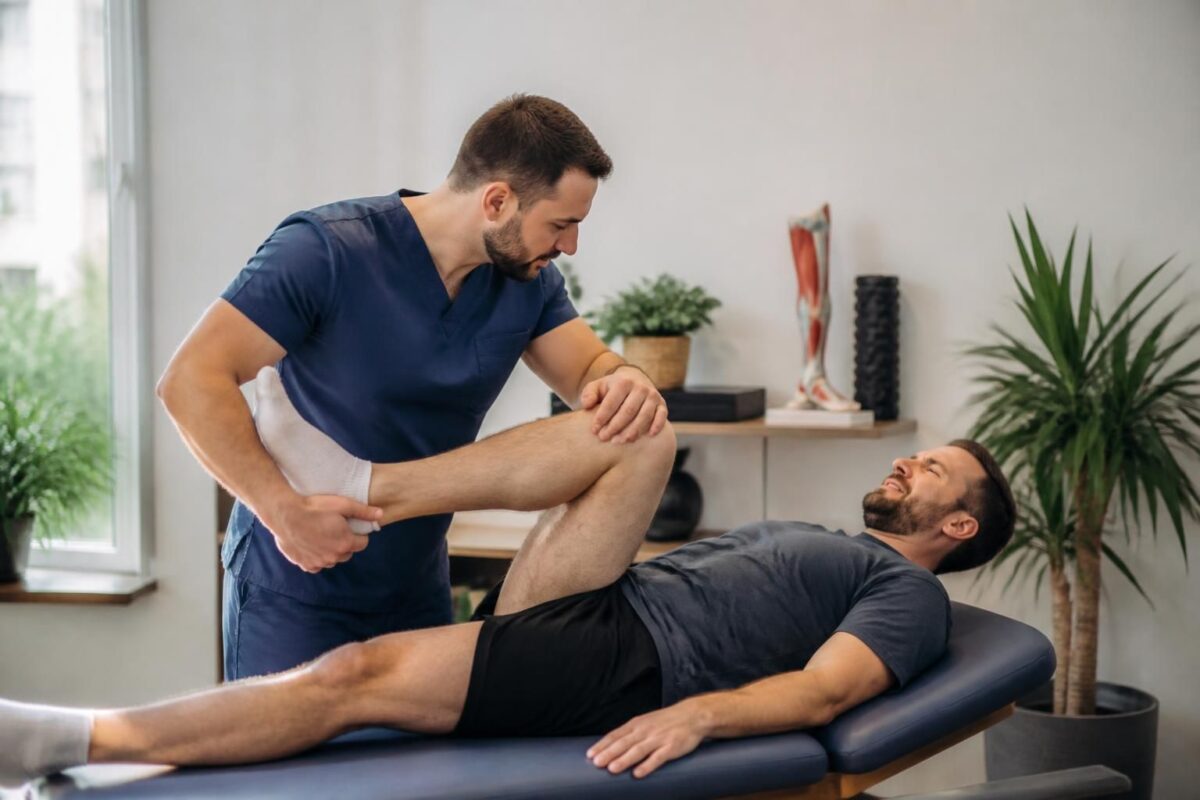
Osteopathy and chronic leg pain: regaining an optimal quality of life
In short In short, Osteopathy is one Global manual approach aimed at reducing Chronic leg pain and improve the quality of life. What is it? Non-drug therapy using the hands to identify restrictions and treat lesional chains. How does it…
Customization and adapted rhythm
The pace of visits is personalized And depends on your age, activity and goals. For most adults without major pathology, a preventive frequency of 1 to 2 consultations per year may be sufficient, supplemented by closer sessions during periods of physical overload or acute pain. Assiduous athletes, pregnant women and seniors often benefit from a more regular follow-up adjusted to their specific needs.
Transparent communication with your practitioner is essential: clear explanations of the purpose of each session, possible post-session effects and adjustment of the rhythm according to the evolution. The goal is to help your body better self-regulate without creating addiction or unnecessary overconsumption.
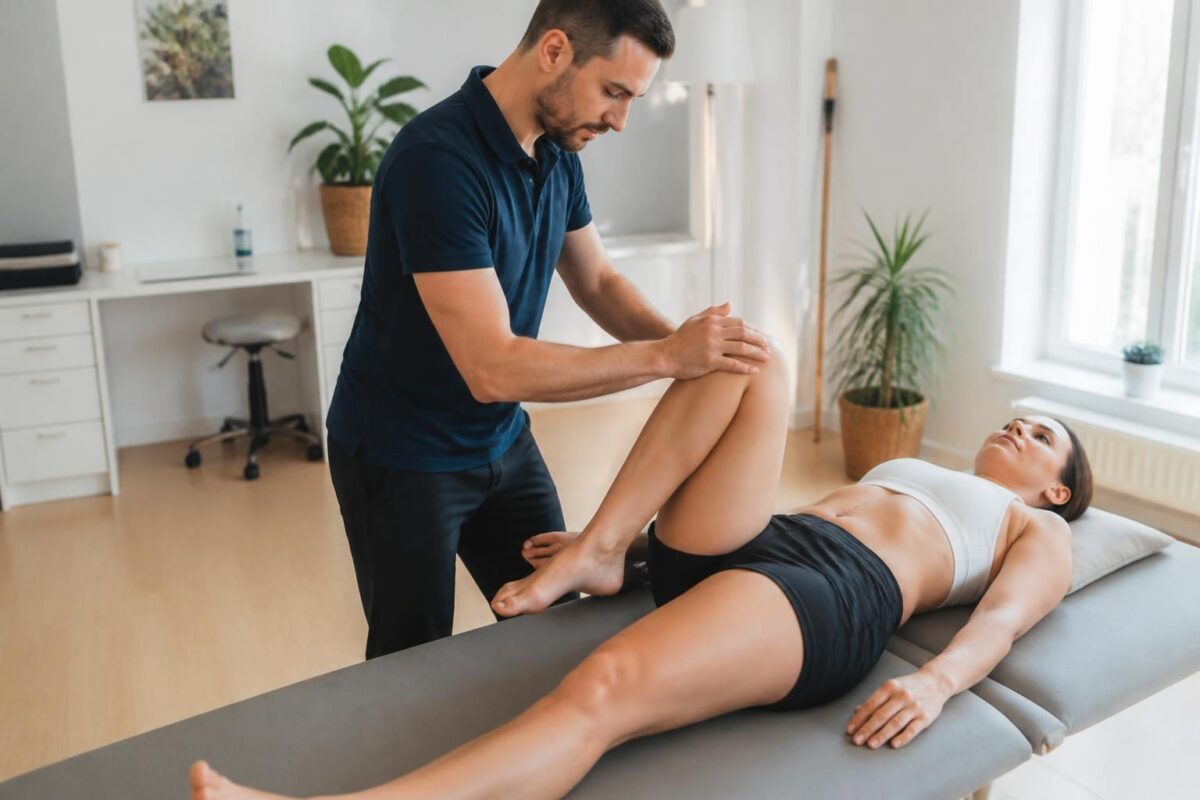
How osteopathy supports recovery after complex surgery
In short In short, Post-operative osteopathy is an approach fresh which supports the recovery After a Complex surgery. It helps to reduce the pain and the fatigue, improves the mobility and accelerates the healing thanks to a better vascularization and…
Transparency and security in monitoring
Transparency is at the heart of ethical and responsible monitoring. Your osteopath must justify the proposed pace, regularly reassess progress and adapt the plan to your condition. In the event of no improvement after several sessions, referral to a doctor or specialist may be considered to guarantee appropriate and complete care.
To go further and explore complementary approaches or specific protocols, you can learn about dedicated resources and practical guides that explain how to optimize your osteopathic follow-up and promote Long-term prevention.
To learn more, consult resources on prevention and osteopathic follow-up, including personalized protocols and criteria for choosing a good practitioner:https://www.sossciatique.com/les-protocoles-personnalises-pour-les-douleurs-complexes-en-decompression-neurovertebraleandhttps://www.sossciatique.com/comment-choisir-un-bon-osteopathe.You can also refer to resources on osteopathic techniques and joint inflammation management:https://www.sossciatique.com/les-techniques-osteopathiques-pour-reduire-les-inflammations-articulairesandhttps://www.sossciatique.com/politique-de-confidentialite.
#ATFP_CLOSE_TRANSLATE_SPAN#Do you want to go further in your approach and know the practical aspects of regular monitoring? Do not hesitate to consult the available resources and discuss with your osteopath the frequency that suits you best.

Dr Sylvain Desforges, B.Sc., D.O., N.D., osteopath, is the founding president of TAGMED and of the ACMA association. He dedicates his practice to chronic spinal pain, low back pain and symptoms compatible with sciatica, particularly when pain radiates toward the buttock, leg, calf, foot or toes.
Through SOS Sciatique, he publishes educational content on sciatica symptoms, possible causes such as disc herniation, disc narrowing, foraminal stenosis or irritation of a lumbar nerve root, as well as non-surgical approaches that may be considered according to the evaluation. At Clinique TAGMED, care may include, depending on the case, motorized neurovertebral decompression, specific osteopathic care or precision percussion.
For an evaluation related to sciatica treatment in Montreal / Mount Royal or sciatica treatment in Terrebonne, please consult the services available at Clinique TAGMED.
Medical disclaimer
The information published on SOS Sciatique is provided for educational purposes only and does not replace a consultation, diagnosis, opinion or treatment provided by a physician or another authorized healthcare professional. The author of this article is neither a medical doctor nor a specialist in a medical specialty recognized by the Collège des médecins du Québec. The osteopathic, manual medicine or functional support approaches described on this site do not constitute medical acts and are not intended to replace medical follow-up.
Consult a physician or emergency service in cases of loss of bladder or bowel control, anesthesia in the saddle area, significant or progressive weakness in the leg or foot, fever, recent trauma, severe pain or rapid worsening of symptoms. For more details, please read our Legal Notice.