Osteopathy and sports recovery: optimize performance
27/06/2026
Osteopathy to improve posture and balance
27/06/2026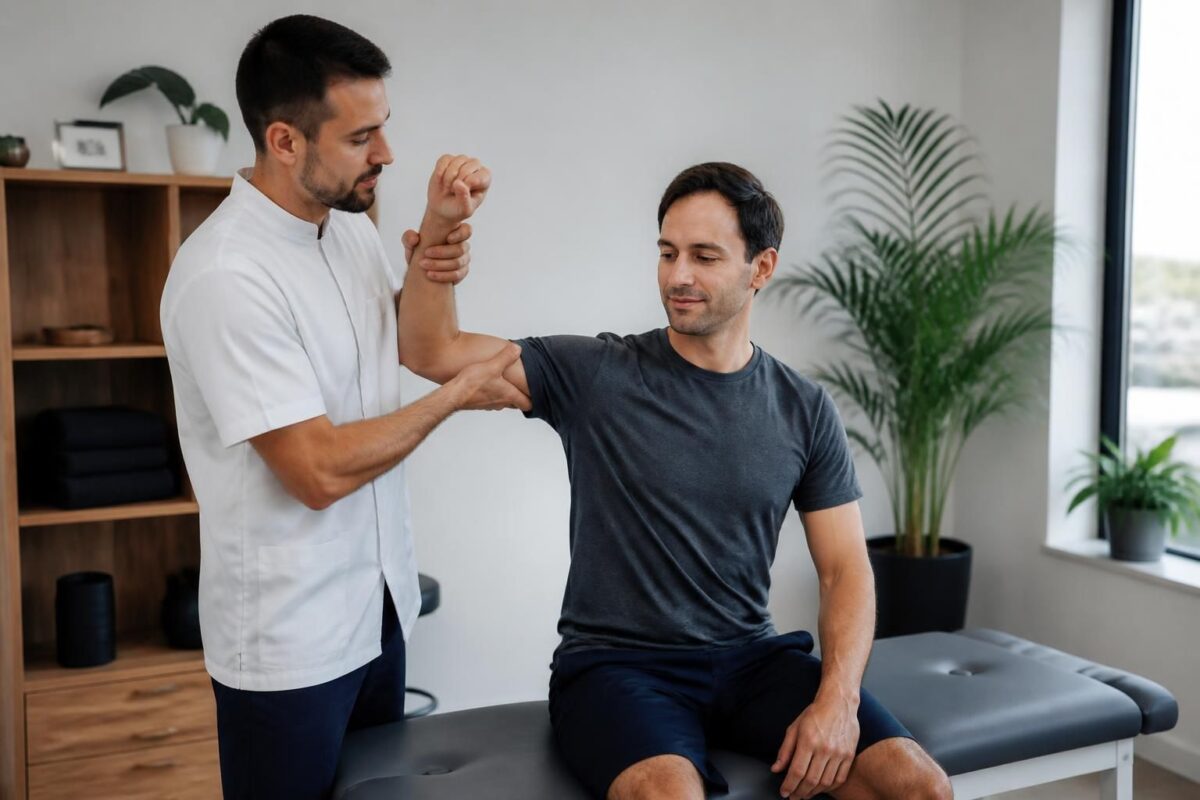
In short In short, theosteopathy for the tendinitis is a non-invasive approach that attacks mechanical and postural causes rather than masking pain. It allows Reduce the pain, to improve the bloodstream and mobility, and rebalance the joint chains. She corrects the bad postures and repetitive gestures, helps Prevent recurrences And can promote a more natural recovery, often without drugs. The practitioner uses Gentle manipulations, techniques myofasciales and posture tips to release tension and restore tendon function. In Montreal, this service is particularly relevant for Tendinitis linked to professional or sporting overload. |
How Osteopathy Helps Treat Tendinitis : an approach non-invasive which targets the root causes rather than mere pain, including Postural imbalances and repetitive gestures.
it acts by releasing the tensions of the sinews And some fascias, by improving the local traffic and restoring the Joint mobility At the origin of tendinopathy through techniques sweet and targeted.
an accompaniment that also includes practical advice on the posture, daily movements and, if necessary, a small rehabilitation program to prevent recurrences.
The result? pain reduction, better function And faster recovery, often without depending on anti-inflammatories.
This text explains how osteopathy can relieve tendonitis. It describes the causes, mechanisms of action, techniques used and possible outcomes. It also shows how to better manage tendonitis on a daily basis and which areas of the body are the most affected. Relevant resources and references are proposed to go further.
What is tendonitis and why losteopathy can help
The tendinitis is the inflammation of a tendon, the structure that connects a muscle to a bone. It is manifested by local pain and discomfort during movement. Osteopathy seeks root causes, not just pain. The osteopath evaluates the Postural imbalances, muscle tension and circulation in the affected area. The objective is to restore the overall balance of the body and to prevent recurrences.
Mechanisms of action of osteopathy
Osteopathy acts on Muscle chains and associated joints. It improves the bloodstream and lymphatic around the inflamed tendon. It helps to reduce tension and release joint restrictions. This approach aims to reduce pain and promote sustainable recovery, without systematically using drugs.
Techniques used by the osteopath
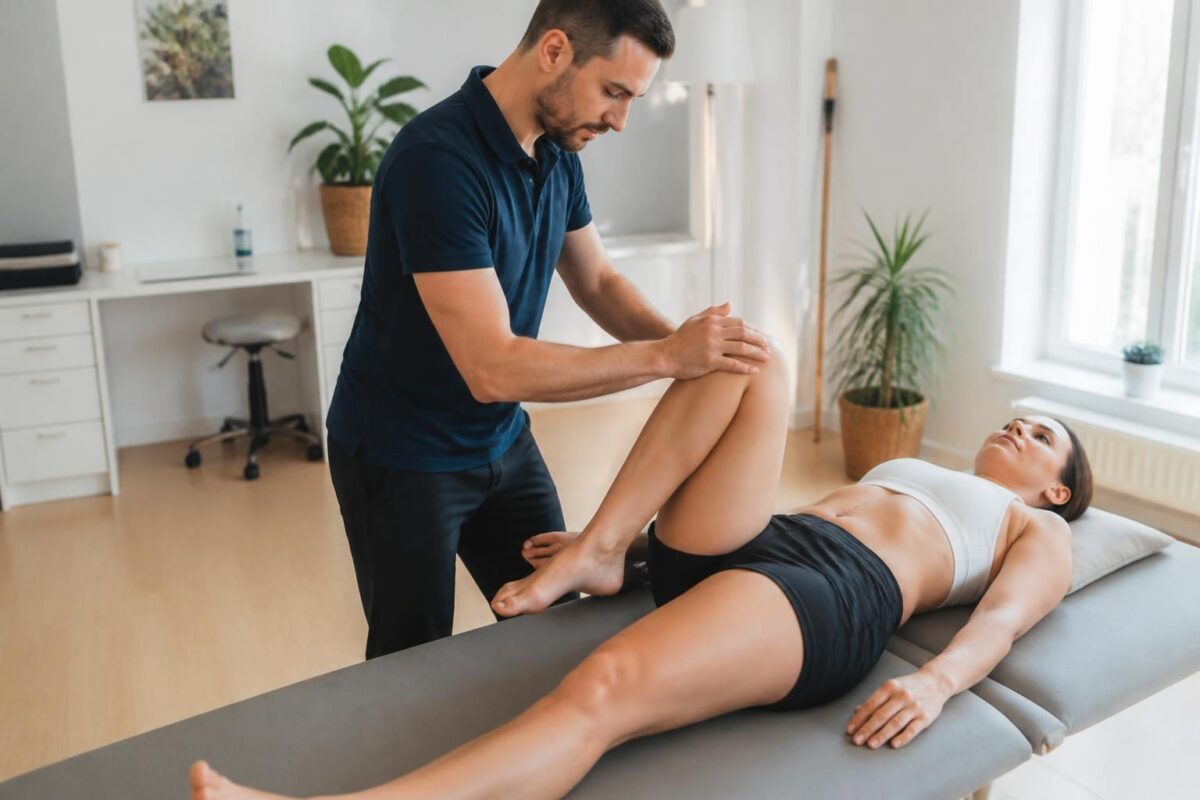
The practitioner performs a Full assessment of the body. He uses Gentle manipulations and techniques myofasciales To relax the muscles and release the compensation areas. It guides the patient on postural rebalancing and adjustments to be made in daily gestures. The objective is to release the pressure exerted on the tendon and to stimulate the natural healing mechanisms.
Observed benefits and results
Patients often experience pain reduction and improved mobility. The improvement of the local traffic Supports recovery and can prevent recurrences. Osteopathy affects both symptoms and structural and functional causes. It can be proposed in addition to other approaches as appropriate.
Areas of the body frequently affected by tendonitis
The most affected areas are shoulders, the elbows, the cuffs, the hunkers, the knees and the ankles. Each zone has particularities related to the type of tendon involved and the repeated gesture that triggers the pain. Osteopathy aims to correct the imbalances that affect these areas.
How to better manage your daily tendonitis
To support recovery, choose a relative rest And avoid gestures that aggravate the pain. Adopt a Adapted posture at work and in your activities. Be careful of a Anti-inflammatory diet, rich in fruits, vegetables and omega-3. ensure a good hydration and sufficient sleep. Avoid excess and look for natural solutions to limit inflammation. If in doubt, seek advice from a qualified osteopath.
Summary table of approaches
| Approach | Objective | Role | Benefits | Limitations |
|---|---|---|---|---|
| osteopathy | Treat mechanical and functional causes | Tensor release and postural rebalancing | Global and sustainable approach | May require multiple sessions |
| physiotherapy | Rehabilitation and reinforcement | Targeted exercises | Effective for functional restitution | less focused on root causes |
| Drugs/other treatments | Control pain and inflammation | symptomatic treatment | Quick relief possible | does not deal with the cause; Potential side effects |
To deepen, you can consult resources on the benefits of osteopathy and blood circulation on authorized partner sites. For example, the site SOS#ATFP_CLOSE_TRANSLATE_SPAN# Sciatica Presents elements on the advantages of osteopathy. You can also explore the information available via Tagmed Clinic.
FAQ
Can an osteopath relieve tendonitis? Yes I do. Osteopathy acts on the mechanical and postural causes to reduce pain and promote recovery.
When to consult an osteopath for tendinitis? Check whether the pain persists despite rest, or if mobility is impaired and pain interferes with daily activities.
How long does the osteopathic treatment of tendonitis last? It depends on the severity. Multiple sessions may be needed to achieve lasting improvement.
Medical Disclaimer: The information and advice provided on this site does not replace the health professional’s diagnosis or treatment. Please note that Dr. Sylvain Desforges osteopath is neither a doctor of medicine nor a doctor, and is not a specialist in a medical specialty as defined by the Collège des Médecins du Québec. Manual medicine, functional medicine and sports medicine as described on this site exclude any medical treatment or diagnosis made by a doctor or specialist doctor. Always consult your doctor for any medical questions. For more details, please read our full legal notice.
Axis : stock targeted against the causes and results measurable on pain and mobility
- Liberation of Muscle tensions
- Rebalancing of Joint chains
- Improvement of the local traffic
- Setting postural and alignment of trunk
- adapted management of the load and movement
- Education and advice fromdrill and ofPostural hygiene
- reduction of the pain
- recovery more quick and sustainable
- decrease ininflammation
- prevention of recurrences
- Improvement of the mobility and from the function tendon
- Better tolerance and control of movements

This article explains how theosteopathy helps to treat tendinitis By targeting root causes, pain mechanisms and movement habits. You will discover how a global approach can reduce inflammation, restore mobility and prevent recurrences, while respecting the rhythm of your body.
What is tendonitis and why losteopathy can help
The tendinitis is an inflammation of a tendon that connects a muscle to a bone. It can appear after repetitive gestures, occasional overload or too rapid a resumption of an activity. Osteopathy is not content to mask pain: it seeks the mechanical and postural causes that fuel tendon irritation. By considering the body as a whole, the osteopath identifies the muscle imbalances, tensions and joint chains involved, in order to avoid the insufficient circle pain-inflammation-rest.

How osteopathy improves the quality of life of active people
In short In short, theosteopathy is a global approach that Optimizes mobility and the function of the body of ACTIVE PEOPLE, for a better quality of life. It helps prevent injury and reduce Musculoskeletal pain While promoting the Sports recovery.…
How Osteopathy Treats Tendinitis
Assessment and identification of causes
Each session begins with a Overall assessment which makes it possible to locate the zones of tension and any postural imbalances. The goal is to understand why the tendon is stressed and how muscle compensation aggravates inflammation.
Techniques and gestures used
The osteopath employs Gentle techniques and targeted, combining precise manipulations, myofascial releases and appropriate stretching. The work aims to release tension, improve blood circulation and relaunch the body’s natural recovery ability. At the same time, he adjusts the joint chains and optimizes daily movements to reduce the load on the tendon concerned.

Osteopathy and sports recovery: prepare the body for lasting performance
In short In short, Osteopathy and Sports recovery is one Global manual approach that sustainably prepares the body for the effort by restoring mobility and circulation After the effort. It is a discipline that acts on the sinews, the joints,…
Concrete benefits of osteopathy on tendonitis
The sessions often allow a rapid pain reduction and improved mobility. By promoting better local circulation, they support a more complete recovery and reduce the risk of recurrence. Osteopathy also acts on the root causes, corrects inappropriate postures and repetitive gestures which, if not modified, can compromise the long-term results.
Why Osteopathy Is Essential For Recovery People
In short In short, Osteopathy in convalescence is an approach manual and holistic which helps to accelerate the recovery by restoring The balance, the mobility and a good circulation fabrics. it contributes to Reduce the pain, support the Back to…
Frequently touched areas of the body and adapted approach
Tendinitis can affect different regions depending on activities: shoulder, elbow, wrist, hip, knee or ankle. The osteopathic approach aims to balance the muscles around the painful area, to restore the mobility of the joints and to fluidify tissue exchanges. This method is particularly effective when the pain is accompanied by stiffness, weakness or movement limitations, regardless of the tendon concerned.

Osteopathic manipulations to strengthen post-traumatic muscles
In short In short, Osteopathic manipulations for Strengthen post-traumatic muscles constitute a gentle manual approach aimed at restoring the mobility, reduce the pain and facilitate the Functional rehabilitation After a injury. What is Is it? A series of precise gestures…
Practical tips for everyday life
To support the treatment, favor a Rest adapted And some Soft stretches regular in order to preserve mobility without overloading the tendon. Work your posture And adapt your workstation to limit repetitive gestures. Adopt an anti-inflammatory diet rich in fruits, vegetables and omega-3, and stay hydrated. In case of persistent pain, an osteopathic consultation makes it possible to adjust the treatment and establish a personalized plan including progressive strengthening exercises.

Osteopathy and prevention of work-related musculoskeletal disorders
In short theosteopathy is one Manual approach that restores body balance and prevents MSD related to work. Its advantages: reduction of tension, improvement of mobility and prevention of chronic pain. She is preventive and healing, suitable for office and trades…
Quick FAQs
Can osteopathy relieve tendonitis? Yes I do. By tackling the mechanical, postural and muscular causes, osteopathy promotes the reduction of inflammation and better recovery.
How often to consult? The frequency depends on the severity and stage of tendinitis. Several sessions can be recommended at the start, then a spaced interview once progress has been made.
What if the pain persists despite osteopathy? It is advisable to complete with a medical assessment and, if necessary, to coordinate with physiotherapist or doctor for a targeted rehabilitation plan and appropriate progression.
| Element | Concise impact |
|---|---|
| Detection of root causes | IDENTIFICATION OF Postural imbalances and strain To act at the source |
| Release of muscle tension | Decrease in pressure On the tendon and pain |
| Improved local traffic | Acceleration of the recovery |
| Rebalancing of joint chains | reduction of stress on the tendon |
| Daily postural correction | prevention of Repetitive charges |
| Manual techniques and stretching | Improved mobility and strain diminished |
| Prevention of recurrences | maintenance of earnings and prevention relapses |
| Rehabilitation and targeted reinforcement | strengthening the muscles of support tendon |
| Life advice and anti-inflammatory diet | Support nutritional and better recovery |

The benefits of osteopathy to treat muscle imbalances
In short theosteopathy is a manual approach to restore themuscle harmony and postural considering the body as a whole. Its main benefits include the reduction of aches and tensions, the improvement of the mobility and from the posture, and prevention…
Testimonials: How Osteopathy Helps Treat Tendinitis
“Before consulting, my tendinitis Wrist blocked me every time I hit the computer. After a few sessionsosteopathy, the tensions have freed, the pain decreased and my mobility came back. »
“I had a tendinitis At the rotator cuff which prevented me from raising my arm without pain. theosteopathy Worked on all muscle chains and corrected postural imbalances. result: a better function shoulder and less recurrence. »
“My elbow was blocked by a tendinitis caused by repeated gestures at work. After the first sessions, feathery Improvement of the pain, then constant progression thanks to posture and exercise advice, without medication prescription. »
“I was suffering from a tendinitis of the middle buttocks which disturbed my walk. theosteopathy Relaxed tensions around the pelvis, restored body alignment and improved my mobility when walking. I can go up the stairs again without pain. »
“As an athlete, my tendinitis From the Achilles heel braked me in my workouts. After a few sessions, my balance body has adjusted, pain returned to a bearable level and the sports recovery was smooth. »
“my tendinitis On the knee limited me when moving and climbing stairs. theosteopathy Worked on the alignment of the legs and the flexibility of the posterior muscles, which reduced pain and improved my daily stability. »
“The doctor said it was through muscle strength, but it’s the overall approach toosteopathy who made the difference. By releasing tensions, adjusting my posture and giving me simple stretches to do at home, my tendinitis improved and I found an active life without continuous pain. »
The tendinopathy Is defined by inflammation or irritation of a tendon, often caused by repeated gestures, overload or alteration of muscle chains. It can touch the shoulder, elbow, wrist, knee or hip and manifested by local pain, associated with stiffness and sometimes functional limitation. Osteopathy adopts a global vision of the body: it seeks to understand how movements, postures and tensions fit into an interconnected system, rather than treating the tendon in isolation.
Dr. Sylvain Desforges, expert in osteopathy, naturopathy and manual medicine, is founding president of TAGMED and the ACMA association. His background, focused on innovation in care, led him to develop an approach to Chronic pain and to integrate advanced technologies such as spinal decompression, laser and shock wave therapies within a evidence-based approach. This approach, applied to tendinopathy, aims not only at relieving pain but also at identifying and correcting the root causes that feed the insufficient pain-inflammation-rest cycle.
In osteopathic practice, diagnostic evaluation is essential. The osteopath scrutinizes the postural imbalances, the repetitive movement patterns and the constraints of professional or sporting life that overload the tendon concerned. It takes into account eating habits and lifestyle, because a Anti-inflammatory nutrition And a suitable recovery can promote tissue repair. The objective is to illuminate the patient’s path to a lasting recovery by acting on all the elements that participate in tendon stress.
The techniques used are varied and adapted to the location of tendonitis. They include gentle manipulations, myofascial techniques and targeted releases of muscle chains. The objective is to reduce tensions, improve local circulation and restore optimal joint mobility, which reduces the load applied to the suffering tendon. In addition, the osteopath can offer specific stretching and reinforcement exercises, as well as practical advice to correct everyday actions and limit risky gestures.
Technological advances integrated into practice can improve results. Spinal decompression can help reduce the neurological stress associated with certain tensions, laser Stimulates tissue repair processes and shock waves promote vascularization and resorption of inflammation. Together, these tools support a Faster recovery and an pain reduction in the long term, while limiting the prolonged use of symptomatic treatments.
Tendinitis can target various areas: shoulder rotator cuff, elbow, wrist, hip, knee or Achilles heel. Whatever the location, the osteopathic approach favors a balanced distribution of loads and an improvement in the circulation and from the mobility to facilitate healing. This approach does not just ease the pain; It strives to prevent recurrences by re-educating postures and repetitive gestures that have caused the initial inflammation.
By placing the patient at the heart of the treatment, osteopathy offers a gentle and effective path to resumption of activity without pain, with better resilience of the tendons in the face of future stress. This approach aims to restore the functional balance and support a regained quality of life, beyond the simple ephemeral relief.
Quick Summary: Osteopathy Targets the root causes of tendonitis (postural imbalances, muscular tensions and disturbed local circulation) and offers comprehensive, gentle and appropriate care for the patient’s rhythm, to reduce pain and promote lasting movement.
Osteopathy and chronic leg pain: regaining an optimal quality of life
In short In short, Osteopathy is one Global manual approach aimed at reducing Chronic leg pain and improve the quality of life. What is it? Non-drug therapy using the hands to identify restrictions and treat lesional chains. How does it…
Review and recommendations
losteopathy does not just alleviate the symptoms; It aims to restore the functional balance by working on the musculo-articular chains and on the posture. By improving joint mobility and tissue flexibility, it restores better circulation and a more favorable inflammatory response, which helps to reduce pain and accelerate recovery.
The techniques used include Gentle manipulations, techniques myofasciales, targeted stretching and postural advice, supplemented by exercises to be carried out at home. This approach releases tension around the affected tendon, rebalancing the muscle chains and preparing the ground for a gradual resumption of activity.
The benefits of this approach are measured both in the short and medium term: pain reduction, Improving mobility, and Prevention of recurrences treating the causes rather than the only symptoms. By correcting repetitive gestures and inadequate postures, osteopathy acts as a real long-term prevention lever.
the areas of the body most affected by tendonitis — such asshoulder, the elbow, the wrist, and the Medium Buttocks — All can benefit from osteopathic treatment. This approach aims to release tensions around the tendons, restore alignment and optimize local circulation, in order to promote faster and more sustainable recovery.
For optimal management, osteopathy can be integrated into a global strategy including physiotherapy, an anti-inflammatory diet and appropriate rest periods. This combination not only relieves pain, but also rehabilitates everyday gestures and reduces the triggering factors that cause tendonitis. To go further, you can explore resources such as alternative approaches and work-related muscle pain advice right here, or discover how osteopathy can be part of a global management of sports pain there.
To learn more about the mechanisms by which osteopathy can contribute to tendonitis relief and improved mobility, consult specialized resources such as How Osteopathy Helps Treat Tendinitis and LOSTeopathy A natural alternative to drug treatments.
Note that each support is personalized: a Osteopathic diagnosis Initial makes it possible to establish a suitable plan, with regular monitoring to assess the progress of the pain and to adjust the technical gestures and exercises. For a broader perspective on the preventive benefits of osteopathy, you can consult other resources dedicated to injury prevention and improvement of joint mobility.
How osteopathy supports recovery after complex surgery
In short In short, Post-operative osteopathy is an approach fresh which supports the recovery After a Complex surgery. It helps to reduce the pain and the fatigue, improves the mobility and accelerates the healing thanks to a better vascularization and…

Dr Sylvain Desforges, B.Sc., D.O., N.D., osteopath, is the founding president of TAGMED and of the ACMA association. He dedicates his practice to chronic spinal pain, low back pain and symptoms compatible with sciatica, particularly when pain radiates toward the buttock, leg, calf, foot or toes.
Through SOS Sciatique, he publishes educational content on sciatica symptoms, possible causes such as disc herniation, disc narrowing, foraminal stenosis or irritation of a lumbar nerve root, as well as non-surgical approaches that may be considered according to the evaluation. At Clinique TAGMED, care may include, depending on the case, motorized neurovertebral decompression, specific osteopathic care or precision percussion.
For an evaluation related to sciatica treatment in Montreal / Mount Royal or sciatica treatment in Terrebonne, please consult the services available at Clinique TAGMED.
Medical disclaimer
The information published on SOS Sciatique is provided for educational purposes only and does not replace a consultation, diagnosis, opinion or treatment provided by a physician or another authorized healthcare professional. The author of this article is neither a medical doctor nor a specialist in a medical specialty recognized by the Collège des médecins du Québec. The osteopathic, manual medicine or functional support approaches described on this site do not constitute medical acts and are not intended to replace medical follow-up.
Consult a physician or emergency service in cases of loss of bladder or bowel control, anesthesia in the saddle area, significant or progressive weakness in the leg or foot, fever, recent trauma, severe pain or rapid worsening of symptoms. For more details, please read our Legal Notice.