Osteopathy and mobility: improving the quality of daily life
27/06/2026
Osteopathic manipulations to optimize physical recovery
27/06/2026
In short
In short, theosteopathy is a global manual approach that restores the harmony of body systems to relieve Chronic back pain. She acts by a pain reduction, a Improving mobility and from the motility, as well as by drug-free prevention. Its functioning is based on attentive listening, fine palpation and targeted manipulation of muscles, joints, viscera and membranes, adapted to each patient. Accessible in Montreal, this treatment is particularly effective for low back pain and pain related to sciatica and can accompany pregnancy or return to sport. |
Osteopathy is one Overall therapy aimed at relieving chronic back pain by restoring the mobility and theTissue balance (Bones, muscles, nerves, viscera, fascias). thanks to a Targeted anamnesis and precise manipulations, it reduces tension and promotesself-regulation of the body, which can permanently reduce pain.
Evidence suggests that osteopathy is more efficient than the absence of treatment or placebo for low back pain and cervical pain, with observable benefits in the short and medium term and without the side effects of the drugs. By favoring patient unity and prevention, it also helps to limit recurrences and improve the quality of life during painful episodes.
quick summary : theosteopathy Can be an effective approach for chronic back pain. This article presents the simple mechanisms, available evidence and practical advice to better manage these pains and improve the quality of life.
The back is the point of convergence of the body’s systems. theosteopathy aims to restore theBody harmony By working on the muscles, joints and surrounding tissues. The practitioner listens to the patient, observes the posture and performs fine palpation to identify tensions and imbalances.
The session combines precise manipulations and gentle adjustments that aim to restore the mobility and the motility fabrics. The goal is to help the body regain its natural capacity for self-regulation and self-healing. The approach is global, and the practitioner takes into account the patient as a whole and not just the symptom.
How osteopathy acts on the back
During the evaluation, the osteopath identifies areas of tension and movement limitations. The techniques used can target joints, muscles, fascias and, if necessary, the associated organs and membranes. The work is progressive, adapted to each person and their general state of health.
Scientific evidence and their interpretation
Reviews and meta-analyses indicate that theosteopathy May reduce pain and improve function in acute and chronic low back pain. The results appear in the short and medium term, with variations according to populations and protocols. These data support the interest of osteopathy in the context of multimodal management of back pain.
To deepen mechanisms and outcomes, consult specialized resources that showcase the effects on pain and quality of life. For example, you can access information on the impact of osteopathy in sports and maintaining a body balance via our partner resources.
Quality of life, prevention and body balance
Osteopathy can contribute to Better quality of life and to a Active aging. It can help maintain balance between systems and support sustained posture and mobility over time. Dedicated resources explain how osteopathy can promote better body perception and more sustainable physical activity.
To learn more about the links between osteopathy, Body Balance and Prevention, consult the following resources:
Osteopathy and body balance,
Osteopathy and quality of life,
And discover how osteopathy can support active aging.
When to consult and how to choose
Consult an osteopath when back pain persists, reappears or limits your daily activities. Choose a graduate practitioner by recognized organizations and who pursue continuing education. Recognized osteopathic training courses include institutions such as NUMSS, NAO, National University of Medical Sciences and National Academy of osteopathy. Also check membership in recognized professional associations, such as ACMA, the College of Canadian Osteopaths or the College of Canadian Osteopaths.
To find out about the services and approach of a clinic, you can consult the following resources:
Tagmed Clinic,
and informative osteopathy resources available on Osteopathy and sports pain.
Integration into a global approach to back pain
Osteopathy is often part of a care strategy that can include other approaches when appropriate. The goal is to improve the mobility and integrity of body systems, while taking into account the patient’s preferences and goals. Some resources highlight the importance of a person-centric approach and long-term maintenance of mobility and well-being.
Additional useful resources on the overall action of osteopathy and its impact on daily life can be found through the pages dedicated to body balance and prevention, accessible via the links above.
For more information, additional resources and examples of approaches, visit the following links:
Osteopathy and sports pain,
Osteopathy and active aging,
and Osteopathy and body balance.
To understand the practice framework and associated training, refer to the osteopathy training resources and the professional associations mentioned above.
Medical disclaimer : The information and advice provided on this site does not replace the advice, diagnosis or treatment of a health professional. Please note that Dr. Sylvain Desforges osteopath is neither a doctor of medicine nor a doctor, and is not a specialist in a medical specialty as defined by the Collège des Médecins du Québec. Manual medicine, functional medicine and sports medicine as described on this site exclude any medical treatment or diagnosis made by a doctor or specialist doctor. Always consult your doctor for any medical questions. For more details, please read our full legal notice.
- Global approach of the body and pain related to posture.
- Mobility and Motility restored in tissues and joints.
- pain reduction thanks to targeted and gentle techniques.
- Multi-system action (musculoskeletal, nervous, circulatory).
- Prevention and improvement of mobility on a daily basis and during pregnancy.
- Fewer drugs and use of non-pharmacological approaches.
- Personalization of each session (anamnesis + fine palpation).
- Adaptability to all profiles (sports, sedentary, seniors).

This article presents why theosteopathy is particularly effective for Chronic back pain, based on a global approach, precise techniques and mechanisms that promote self-regulation of the body. You will discover how a well-conducted session can sustainably reduce pain and improve functionality, while being part of a personalized prevention strategy.
A comprehensive and adapted approach
The back is the seat of a network of interactions between muscles, joints, organs and nervous systems. Osteopathy considers the patient as a whole and analyzes posture, daily movements and tensions to identify the underlying causes. The goal is to restore a mobility harmonious tissues and structures to sustainably reduce pain and improve quality of life.
Consider the patient as a whole
Chronic lower back pain is not the result of a single link. By listening and observing the patient, the osteopath adapts the care to age, lifestyle and activity level, offering a personalized approach that evolves over time.
Mobility and motility as treatment compasses
Motility, a movement specific to each tissue or organ, is restored to release tension and improve circulation. Better motility often results in a pain reduction and an improvement in the function, in the short as in the medium term.

How osteopathy improves the quality of life of active people
In short In short, theosteopathy is a global approach that Optimizes mobility and the function of the body of ACTIVE PEOPLE, for a better quality of life. It helps prevent injury and reduce Musculoskeletal pain While promoting the Sports recovery.…

Osteopathy and sports recovery: prepare the body for lasting performance
In short In short, Osteopathy and Sports recovery is one Global manual approach that sustainably prepares the body for the effort by restoring mobility and circulation After the effort. It is a discipline that acts on the sinews, the joints,…
Clear mechanisms of action
Osteopathy is not limited to a single gesture. It combines muscle relaxation, alignment of structures and stimulation of self-healing mechanisms to reduce nociceptive activity and promote lasting spinal stability.
pain reduction and improved mobility
The sessions may show a marked decrease in lumbar or cervical pain, with effects that continue after treatments. This improvement is often achieved without immediately resorting to analgesics and without major side effects, making it an interesting option in a lasting pain management strategy.
Effects on related body systems
By acting on the tensions around the diaphragm, viscera and membranes, osteopathy can contribute to an overall balance of the body, reduce inflammatory reactions and improve coordination between the different systems.
Why Osteopathy Is Essential For Recovery People
In short In short, Osteopathy in convalescence is an approach manual and holistic which helps to accelerate the recovery by restoring The balance, the mobility and a good circulation fabrics. it contributes to Reduce the pain, support the Back to…

Osteopathic manipulations to strengthen post-traumatic muscles
In short In short, Osteopathic manipulations for Strengthen post-traumatic muscles constitute a gentle manual approach aimed at restoring the mobility, reduce the pain and facilitate the Functional rehabilitation After a injury. What is Is it? A series of precise gestures…
Techniques and personalization of the treatment
The techniques vary according to the patient’s needs: fine joint manipulations, visceral techniques and, depending on the case, cranial approaches. Each session is adapted to the age, pathology and context of the patient’s life, with a progressive and secure progression.
Types of manipulation and adaptation to the patient
The gestures are chosen to accompany the body towards self-repair, without forcing the painful areas. The practitioner favors a gentle and precise action, respectful of the patient’s tolerance threshold.
Progress of sessions and expectations
A standard program can include several sessions over a few weeks, supplemented by simple exercises at home to support progress and maintain the gains obtained between appointments.

Osteopathy and prevention of work-related musculoskeletal disorders
In short theosteopathy is one Manual approach that restores body balance and prevents MSD related to work. Its advantages: reduction of tension, improvement of mobility and prevention of chronic pain. She is preventive and healing, suitable for office and trades…

The benefits of osteopathy to treat muscle imbalances
In short theosteopathy is a manual approach to restore themuscle harmony and postural considering the body as a whole. Its main benefits include the reduction of aches and tensions, the improvement of the mobility and from the posture, and prevention…
Prevent and optimize results
Integrating osteopathy into an active prevention strategy can limit recurrences and strengthen results. At the same time, appropriate physical activity, correct posture and quality sleep sustainably enhance the efficiency of care and promote a better quality of life.
Integrate osteopathy into a multimodal strategy
To maximize the benefits, associate the sessions with healthy lifestyles and simple exercises, while consulting if necessary to adjust the plan according to the evolution of pain and personal goals.
When to start and what to do next
In case of chronic back pain, consider osteopathic management and assess progress over 6 to 12 weeks makes it possible to decide on a sustainable plan including exercises and postural advice to prevent relapses.
| Element | Impact |
|---|---|
| Global approach and mobility | Improves the mobility tissues and joints, acting on the cause. |
| Relief quick | Reduction quick pain without medication. |
| Posture and imbalances | Correct them postures and tensions, preventing recurrences. |
| self-regulation and homeostasis | Promotes theself-regulation and thehomeostasis, limiting relapses. |
| Multi-system approach | Reach on connected systems (nervous, digestion, breathing) that affect the back. |
| Personalization of the session | session adapted to each patient and pattern, improving theefficiency. |
| Side effects | fewSide effects; sometimes transient aches. |
| Prevention and maintenance | Helps prevent relapses and maintain mobility in the long term. |
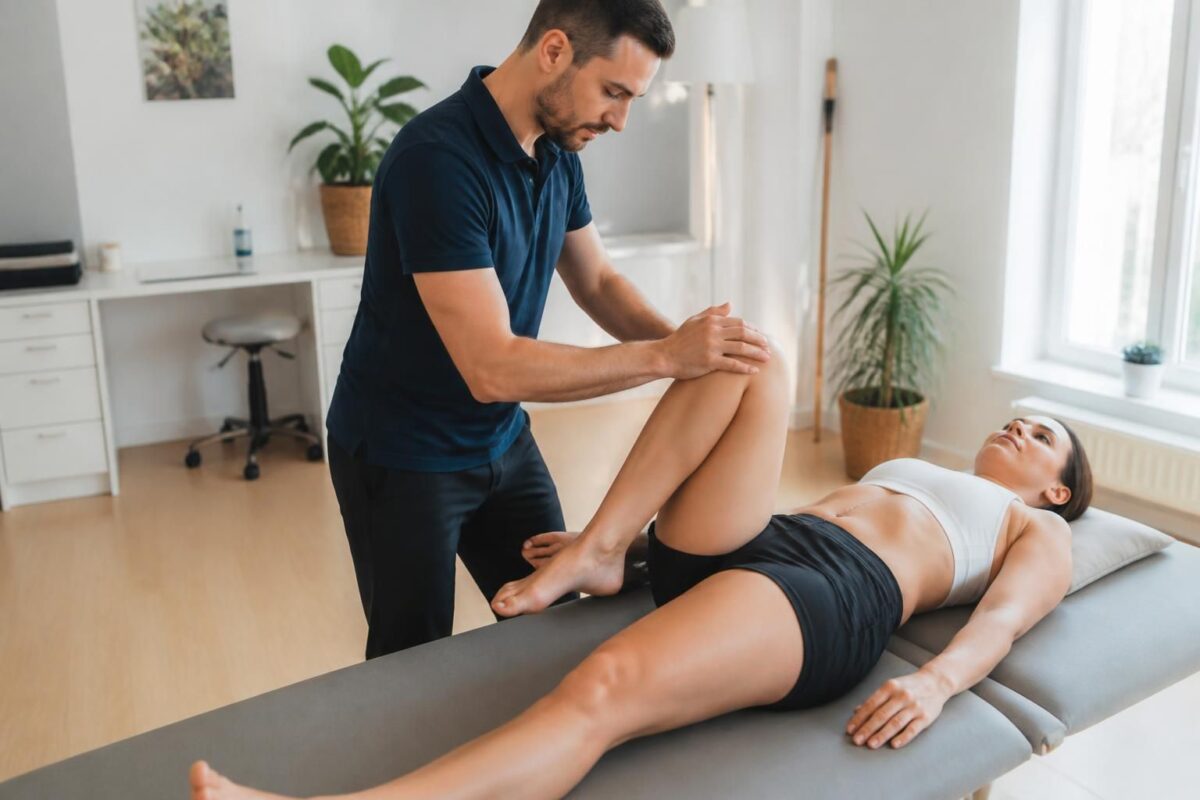
Osteopathy and chronic leg pain: regaining an optimal quality of life
In short In short, Osteopathy is one Global manual approach aimed at reducing Chronic leg pain and improve the quality of life. What is it? Non-drug therapy using the hands to identify restrictions and treat lesional chains. How does it…
How osteopathy supports recovery after complex surgery
In short In short, Post-operative osteopathy is an approach fresh which supports the recovery After a Complex surgery. It helps to reduce the pain and the fatigue, improves the mobility and accelerates the healing thanks to a better vascularization and…
Testimonials: Why osteopathy is effective for chronic back pain
“Before my first session, my chronic low back pain prevented me from sleeping and greatly limited my activities. The osteopath examined my body as a whole and restored a better mobility throughout the musculoskeletal system. After a few sessions, the pain decreased for a long time and I regained a real quality of life. »
“I was spending my days sitting and my lower back pain came back as soon as I moved. Thanks to a respectful approach and precise handling, my touch and my motility tissue improved, and my tensions dissipated. I feel more free in my movements and the pain no longer systematically catches me. »
“As a sportswoman, my back pain limited my performance and my recovery sessions were long. After several sessions, I found an excellent mobility and faster recovery after exercise. Osteopathy made it possible to return to training without systematically resorting to analgesics. »
“After surgery, adhesions and partial loss of movement invaded me. The osteopath targeted the affected areas and worked on the junctions, which restored a better mobility and reduces residual voltages. Today, I move more easily and less painfully. »
“I am convinced that regular osteopathic follow-up is a real lever for prevention For the back. By evaluating the patient as a whole and identifying the origin of the tensions, osteopathy acts in depth to limit relapses and sustainably improve the quality of life related to the back. »
the DR Sylvain Desforges, expert in osteopathy, Naturopathy and manual medicine, is the founding president of TagMed and the ACMA association. With a career dedicated to health innovation, he specializes in Chronic pain management and in the integration of advanced technologies such as spinal decompression, laser and shockwave therapy. Its mission is to provide evidence-based care to optimize the health and well-being of its patients. This approach is based on a global vision of the body and on measurable clinical results, in order to propose lasting and personalized solutions.
theosteopathy is particularly suitable for chronic back pain because it considers the body as a Functional Unit interconnected. By evaluating posture, mobility and tissue balance, she seeks the root causes of tension rather than limiting herself to neutralizing the symptom. The practitioner uses fine palpation and mobility tests to detect and readjust imbalances, thus promoting the return of harmonious mobility and motility in the bones, muscles, viscera and membranes.
What makes osteopathy effective is its character overall and individualized. Back pain may reflect tensions that radiate from other areas of the body, such as the diaphragm, pelvis or even the skull. By acting on these remote but influential areas, the osteopath restores the dynamic balance of the musculoskeletal system and other systems (circulatory, nervous, digestive), which can lead to a decrease in pain and an improvement in function over the weeks.
The techniques used by the osteopath are varied and adapted to each patient. Functional and structural manipulations remain the basics, but visceral and cranial approaches can also be used to release tension and improve tissue mobility. The goal is to help the body self-correct and rebalance pain control mechanisms. In this context, the sessions are designed to be gentle, often painless, and adjustable according to the age, lifestyle and activities of the patient.
The osteopathic doctor can also offer complementary and preventive axes, such as exercises at home and postural advice, in order to obtain lasting gains. This approach is particularly relevant when the back has been suffering for a long time and traditional treatments remain insufficient. The results observed in clinical practice show a reduction in painful intensity and an improvement in mobility, with benefits that can persist in the short and medium term.
For patients who want integrated care, osteopathy offers answers adapted to different contexts, including pregnancy and recovery after sports effort. By remaining attentive to listening to the patient and by favoring a clinical data-based approach, Dr. Desforges is committed to offering a therapy that respects everyone’s safety, comfort and objectives. Discover an approach that places the harmony of the body at the center of the treatment and which aims to regain durable control over lower back and back pain.
Here is a quick summary:osteopathy Acts on the body as a functional unit, targets causes rather than just symptoms, and can offer a lasting reduction in chronic pain back thanks to adapted techniques that restore mobility and motility. In addition, it can be part of a preventive approach and be useful in various contexts (pregnancy, sports activity, recovery after sport). To deepen, it relies on a global approach that can act on the musculoskeletal, circulatory, nervous and visceral systems, while favoring an attentive and personalized patient-therapist relationship.
Synthesis
in theosteopathy, the body is perceived as a unit where tensions in one area can influence other regions. The osteopath seeks the origin of the tensions and acts through manipulations that promote the mobility and the motility Tissues (bones, muscles, organs, membranes). This approach makes it possible to bring the organism back into a dynamic ofself-regulation and harmony, rather than treating just a point symptom.
For chronic back pain, research shows a tendency to pain reduction and an improvement in function In the short and medium term, with results that can compete with some conventional approaches, without some side effects. However, the effects vary between individuals and clinical situations, and some populations require an appropriate assessment. In any case, the benefits are most often part of a multimodal and progressive approach.
The techniques used by the osteopath cover a varied range: manipulations functional and structural, manipulations visceral, and, when relevant, approaches cranial. This diversity makes it possible to accompany pain while working on tissues and deep movements that condition the mobility of the back and associated areas.
On a practical level, osteopathy can help to reduce the use of certain analgesics, promote better quality of life and support rehabilitation after injury. It can also be relevant in prevention: during pregnancy, after an intense sports episode or during a post-operative recovery process, it can improve mobility and prevent recurrences thanks to an approach adapted to the patient’s profile.
To optimize the results, it is best to consult a practitioner D.O. (diploma in osteopathy) or a doctor/physiotherapist trained in osteopathy, in order to ensure adequate training and safe practice. The course of a session typically consists of an anamnesis, posture observation, mobility tests and fine palpation before personalized treatment. The sessions generally last between 45 and 60 minutes and may require several visits, depending on the nature and severity of the pain.
To go further and explore additional viewpoints, you can view resources like Relieve low back pain, Effectiveness on back pain, or Mobility and quality of life. You can also consult analyzes and feedback available at doctissimo and specialized resources in the field to deepen mechanisms and indications.
In short, osteopathy can be an effective and appropriate pathway for chronic back pain, in particular when it is integrated into a global approach to well-being and prevention. To find out more and determine if this approach may be right for you, discuss with a graduate osteopath and examine the options that best suit your situation.

Dr Sylvain Desforges, B.Sc., D.O., N.D., osteopath, is the founding president of TAGMED and of the ACMA association. He dedicates his practice to chronic spinal pain, low back pain and symptoms compatible with sciatica, particularly when pain radiates toward the buttock, leg, calf, foot or toes.
Through SOS Sciatique, he publishes educational content on sciatica symptoms, possible causes such as disc herniation, disc narrowing, foraminal stenosis or irritation of a lumbar nerve root, as well as non-surgical approaches that may be considered according to the evaluation. At Clinique TAGMED, care may include, depending on the case, motorized neurovertebral decompression, specific osteopathic care or precision percussion.
For an evaluation related to sciatica treatment in Montreal / Mount Royal or sciatica treatment in Terrebonne, please consult the services available at Clinique TAGMED.
Medical disclaimer
The information published on SOS Sciatique is provided for educational purposes only and does not replace a consultation, diagnosis, opinion or treatment provided by a physician or another authorized healthcare professional. The author of this article is neither a medical doctor nor a specialist in a medical specialty recognized by the Collège des médecins du Québec. The osteopathic, manual medicine or functional support approaches described on this site do not constitute medical acts and are not intended to replace medical follow-up.
Consult a physician or emergency service in cases of loss of bladder or bowel control, anesthesia in the saddle area, significant or progressive weakness in the leg or foot, fever, recent trauma, severe pain or rapid worsening of symptoms. For more details, please read our Legal Notice.