How osteopathy promotes better muscle flexibility
27/06/2026
Osteopathic techniques to relieve wrist pain
27/06/2026
In short
theosteopathy is a natural approach that aims to prevent and treat Sports pain By restoring theBody balance by Manual techniques. Key Benefits: Injury prevention (tendinitis, sprains, lower back pain and imbalances), performance improvement (mobility, flexibility, balance, coordination). Recovery after exercise: quick recovery (increased circulation, reduction of tension and pain, decreased aches). Adaptability and local practice: Adaptability to all sports; To montreal, this service is particularly recommended for athletes wishing to prevent injuries and optimize their recovery. |
Find out how theosteopathy Can help athletes prevent and effectively treat stress-related pain. thanks to Soft manual techniques, it aims to restore thebalance and the mobility of the body, to reduce tension and promote a recovery faster after exercise.
- Prevention Injuries: correction of imbalances, improvement of posture and reduction of tensions due to the repetition of technical gestures.
- Performance: Better articulatory mobility, muscle flexibility and improved coordination to optimize gestures and performance.
- Recovery: Decreased aches, improved circulation and reduction of pain after training or competition.
Integrated into all disciplines and without surgical recourse, osteopathy is a key support to preserve the body and accompany long-term training.
This clear guide explains how prevent and treat pain related to sports practice thanks to theosteopathy. You will discover how to improve the mobility, reduce tension, promote recovery and support performance sport without resorting to invasive measures.
Prevent Injuries is the first step. Osteopathy acts on Postural imbalances and the Joint functioning To limit the risk of tendonitis, sprains and lumbar or cervical pain linked to the repetition of technical gestures. By correcting these imbalances, it contributes to keeping a body aligned and stable during training and competitions.
Prevent sports injuries
balanced posture and optimal mobility promote a Muscle preservation and preserve the joints against repeated stresses. Osteopathy can also help identify tensions that could turn into pain early if left untreated. The goal is to maintain a Body balance Durable to reduce the risk of common injuries in athletes.
Improve sports performance
A body mobile and balanced allows a better Joint mobility, a muscle flexibility increased and a consistency in breathing and coordination. These adjustments promote more effective technical gestures, better economy of movement and Increase in performance overall.
Recovery after exercise
After training or competition, the body works to repair microtraumas. Osteopathy helps Reduce tension, to Improve traffic blood and lymphatic, and Relieve pain and inflammations. Osteopathic follow-up can lead to Faster recovery and a smoother return to training.
An approach adapted to all sports disciplines
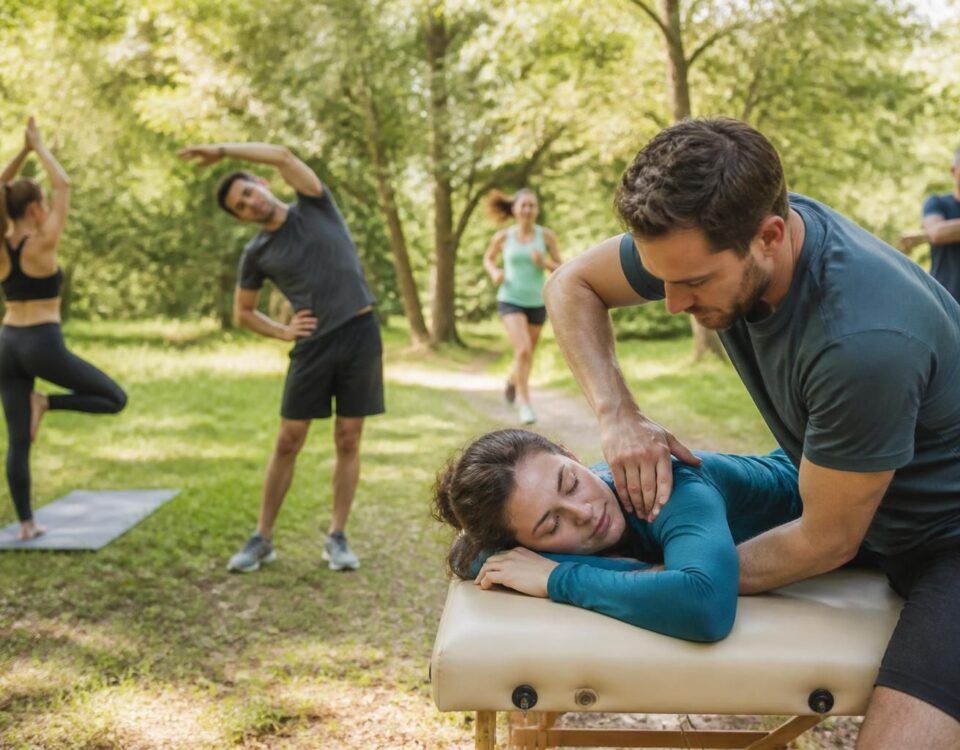
Whether you run, pedal, practice a team sport or a racket sport, osteopathy is involved in key points that influence performance: mobility, posture, balance and coordination. It can support preparation before the test and recovery after exercise, while remaining consistent with the specific requirements of each discipline.
When to consult an osteopath for sports?
Before a competition, to prepare the body and optimize performance. After exercise, to accelerate recovery and limit pain. In case of recurrent pain (back, knees, shoulders, ankles) and in prevention, to maintain a body balance and avoid injury.
Osteopathy and overall well-being
In addition to sporting benefits, osteopathy contributes to general well-being in Rebalancing posture, in improving mobility and reducing stress and tension. A global approach helps prevent imbalances related to training and promote sustainable and secure sports practice.
References and Resources
To deepen, you can consult resources that explain how osteopathy treats pain associated with poor postures and why it is essential in a global approach to health. Certain training and professional organizations references in the field of osteopathy can be consulted according to the following recommendations: NUMSS, NAO, National University of Medical Sciences, National Academy of osteopathy. Relevant professional associations include ACMA, College of Canadian Osteopaths and College of Canadian Osteopaths. To compare approaches and better understand the options available, it may be useful to consult specialized resources and clinical testimonies published by recognized professionals.
Useful links: Comment#ATFP_CLOSE_TRANSLATE_SPAN# Osteopathy treats pain related to bad postures, Why#ATFP_CLOSE_TRANSLATE_SPAN# Osteopathy is essential in a global approach to health, Osteopathy#ATFP_CLOSE_TRANSLATE_SPAN# and sports pain — Prevent and treat effectively, Reduce#ATFP_CLOSE_TRANSLATE_SPAN# Muscle tension with osteopathy, The importance#ATFP_CLOSE_TRANSLATE_SPAN# of osteopathy for athletes, Osteopathy#ATFP_CLOSE_TRANSLATE_SPAN# for athletes — prevent, improve performance and accelerate recovery, Reduce#ATFP_CLOSE_TRANSLATE_SPAN# Relief on painkillers, Guide#ATFP_CLOSE_TRANSLATE_SPAN# Complete osteopathy in the treatment of sports injuries, Treat#ATFP_CLOSE_TRANSLATE_SPAN# Effectively sports injuries, Osteopathy#ATFP_CLOSE_TRANSLATE_SPAN# for work-related muscle pain.
| Therapy | General efficiency | comments |
|---|---|---|
| osteopathy | tall | Targeted and functional manual approach |
| Physiotherapy | Moderate to low as appropriate | Compared to osteopathy, sometimes less focused on global balances |
practical elements to know. For spinal or disc-related conditions, the approach favors clear diagnoses and appropriate non-invasive procedures. In these situations, avoid specific exercise or stretching instructions until the exact diagnosis is made by a qualified professional.
Medical Disclaimer: The information and advice provided on this site does not replace the health professional’s diagnosis or treatment. Please note that Dr. Sylvain Desforges osteopath is neither a doctor of medicine nor a doctor, and is not a specialist in a medical specialty as defined by the Collège des Médecins du Québec. Manual medicine, functional medicine and sports medicine as described on this site exclude any medical treatment or diagnosis made by a doctor or specialist doctor. Always consult your doctor for any medical questions. For more details, please read our full legal notice. »
- Prevention : correct the Postural imbalances and tensions to reduce the risk of injury.
- Mobility and posture : Optimize the Joint mobility and thebalance of the body.
- Warming up and ergonomy : Advice adapted to each sport to prepare the effort.
- Approach individual : Personalized protocol according to discipline and level.
- Performance : improvement of the mobility, from the flexibility and from the coordination.
- Breathing and technical gestures: optimization of the breathing and synchronization of movements.
- Recovery : Reduction of tension, better circulation and reduction of pain after exercise.
- Monitoring : Plane personalized and secure progress towards the return to training.

This article presents practical recommendations on theosteopathy for prevent and treat pain related to sports practice. It highlights how a targeted manual approach can improve the mobility, rebalance the body and accelerate the recovery, while promoting a performance durable and secure.
Prevent sports pain
Evaluation and alignment
A Osteopathic evaluation regular identifies the Postural imbalances, tensions and mobility limitations before they turn into injury. By adjusting areas under tension and rebalancing muscle chains, osteopathy helps prevent tendinitis, the sprains and lower back pain related to repeated exertion.
Mobility and balance
Osteopathic work aims to restore a Joint mobility fluid and a Muscle flexibility adapted to each discipline. By correcting the imbalances and improving thePostural balance, the stresses on the joints are reduced and the risk factors for injury are limited during technical procedures.
Warm up and recovery
Personalized recommendations fromwarming up and of recovery are based on an analysis of the movements and amplitudes specific to each sport. Osteopathy can offer simple exercises to prepare joints and muscles, while facilitating a bloodstream effective and better tissue oxygenation.

How osteopathy improves the quality of life of active people
In short In short, theosteopathy is a global approach that Optimizes mobility and the function of the body of ACTIVE PEOPLE, for a better quality of life. It helps prevent injury and reduce Musculoskeletal pain While promoting the Sports recovery.…
Effectively treat athletic pain
Manual approaches
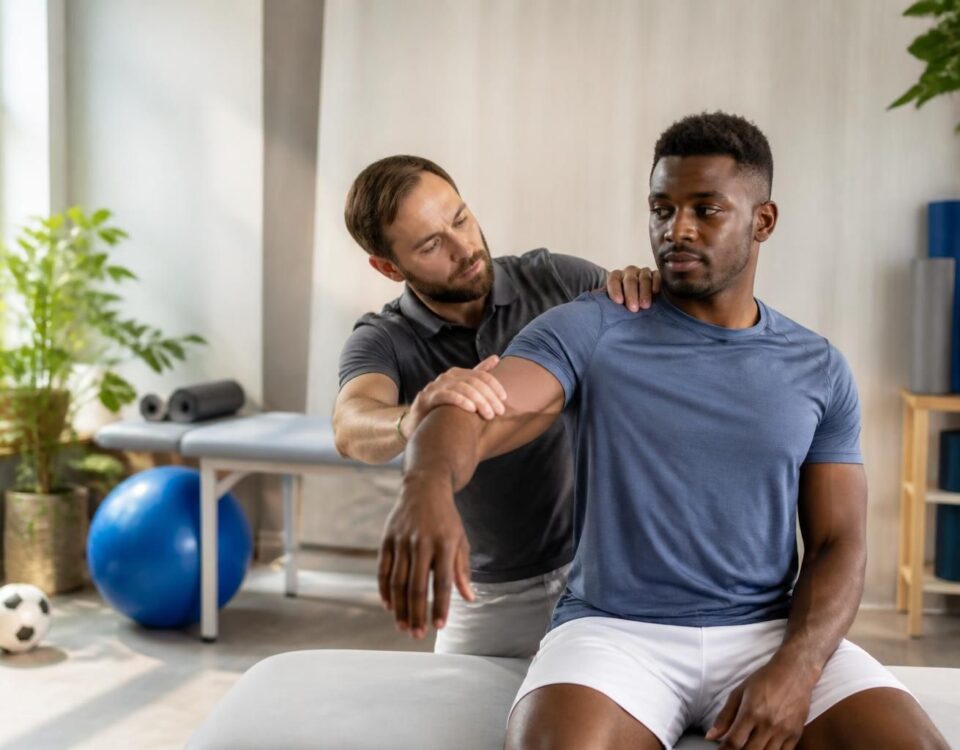
The Manual techniques used target the Joint restrictions and soft tissue tension. The Myofascial release, joint mobilizations and precise adjustments aim to restore alignment and decrease the pain, allowing a gradual return to training.
Personalized rehabilitation plan
One rehabilitation program Is elaborated according to the injury and sporting objectives. It combines guided exercises, adapted progression and ergonomic advice to prevent recurrences and strengthen the structures used during practice.

Osteopathy and sports recovery: prepare the body for lasting performance
In short In short, Osteopathy and Sports recovery is one Global manual approach that sustainably prepares the body for the effort by restoring mobility and circulation After the effort. It is a discipline that acts on the sinews, the joints,…
Integration into sports practice
Adaptation to all disciplines
Whether you practice running, cycling, team sports or snowshoe sports,osteopathy Can be integrated as a tool preventive and of rehabilitation. By working on mobility and theMuscle endurance, it supports overall performance and contributes to a sustainable health base.
Why Osteopathy Is Essential For Recovery People
In short In short, Osteopathy in convalescence is an approach manual and holistic which helps to accelerate the recovery by restoring The balance, the mobility and a good circulation fabrics. it contributes to Reduce the pain, support the Back to…
When to consult
Before and after exercise
Consult in prevention to prepare the body and optimize the performance, and after the effort to accelerate the recovery and limit residual pain.
Recurrent pain
In the presence of severe or persistent pain affecting the back, knees, shoulders or ankles, a Specialized assessment is recommended to identify root causes and to adjust treatment and associated exercises.
| Aspect | Effects and elements |
|---|---|
| Injury prevention | Osteopathy corrects imbalances, improves thealignment and the mobility, reducing the tendinopathies and the sprains. |
| performance improvement | Joint mobility, flexibility and coordination optimized for more gestures effective and a better technical. |
| Recovery after exercise | reduction of tensions, stimulation of the circulation and drainage, decrease in aches and aches. |
| Preparation by discipline | Approach adapted to each sport (race, cycling, team sports, snowshoes, combat sports) to optimize technical gestures andbalance. |
| Monitoring and ongoing prevention | Regular postural evaluation and personalized program to prevent recurrences and maintain body balance. |
| Well-being and body balance | Postural rebalancing and reducing overall tension for comfort and resilience general. |
| Type of care | Joint manipulation, tissue work and advice ergonomic suitable for each athlete. |
| Measurable results | top mobility, reduction of pain and progress towards returning to training. |
| When to consult | before and after exercise, or in case of Recurrent pain For preventive and rehabilitative follow-up. |

Osteopathic manipulations to strengthen post-traumatic muscles
In short In short, Osteopathic manipulations for Strengthen post-traumatic muscles constitute a gentle manual approach aimed at restoring the mobility, reduce the pain and facilitate the Functional rehabilitation After a injury. What is Is it? A series of precise gestures…
Testimonials: osteopathy to effectively prevent and treat sports pain
“Since I joined osteopathy in my program, my workouts become safer and my longer sessions without pain. It’s a real Injury prevention which also acts on my recovery After the effort. »
“As a cyclist, I often had tension in my back after long outings. theosteopathy improved my Joint mobility and my posture on the bicycle. Less pain, more endurance and performance increased on my departures and my climbs. »
“After a sprain, osteopathic work was decisive for my re-education. Soft tissue work, targeted mobilization and alignment recovery allowed me to return to training more quickly, with less pain and less recurrence. »
“On the court, I saw a real difference: Injury prevention and Improved shoulder mobility thanks to postural advice and appropriate techniques. My service is smoother and more powerful, and I approach each match with more confidence. »
“Before my next marathon, osteopathy harmonized my body and my breathing. This approach optimized my recovery and allowed me to approach the finish line with constant energy, improving my performance overall. »
“In combat sports, tension and stress management is crucial. Osteopathy helped me release tension, to rebalance my muscles and accelerate my recovery after intensive sessions. Result: more stability and better coordination of technical gestures. »
Dr Sylvain Desforges is a recognized professional in the field of functional anatomy and manual care. osteopath, it also combines skills in naturopathy and in manual medicine to propose global and personalized approaches. Founder and president of TagMed, he takes an approach centered on innovation and continuous improvement of practices, in order to help everyone find an optimal quality of life, sporting or not. His career is guided by a desire to integrate technological advances within the framework of a realistic and accessible care.
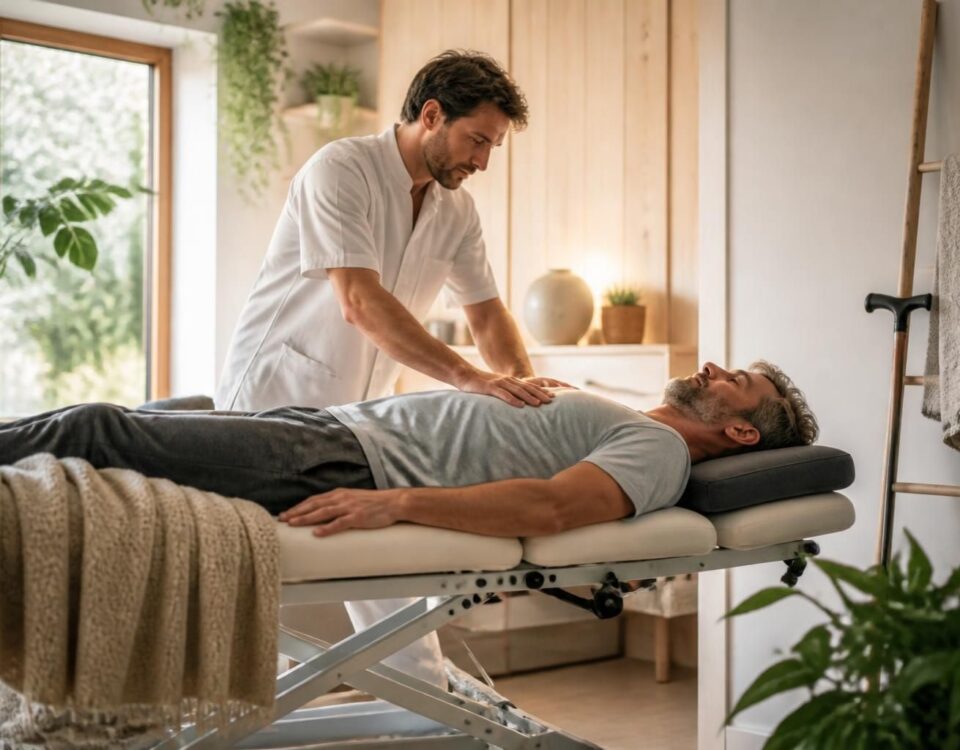
In his practice, theosteopathy is seen as an approach natural which accompanies sports practice, whether dense or occasional. thanks to techniques manuals targeted, it helps to maintain theBody balance, release tension and support recovery after exercise. This discipline aims to restore thealignment structures and to optimize communication between the musculoskeletal, nervous and circulatory systems, in order to promote fluid and sustainable mobility.
For athletes, the priority is prevention. By identifying postural imbalances and functional fragilities early, osteopathy makes it possible to reduce the risk of tendinopathies, sprains and lumbar or cervical pain linked to the repetition of technical gestures. The sessions aim to correct ineffective movement patterns, to improve the circulation local and to prepare the body for the effort by reducing accumulated tensions. The goal is to provide a solid foundation for safe practice and to prevent the appearance of long-term limitations.
The performance sports is also at the heart of the approach. A body mobile and balanced optimizes the finesse of technical gestures, the breathing and coordination. By working on the Joint mobility, muscle flexibility and postural balance, osteopathy can contribute to increasing the effectiveness of movements, reducing fatigue and supporting the mastery of the sporting gesture. Several athletes notice better responsiveness and a feeling of increased fluidity in their training and competitions.
in times of recovery, the effects of post-workout or post-competition microtraumas can be mitigated thanks to gentle techniques that promote bloodstream and lymph. This reduces aches, accelerates the elimination of metabolites and quickly restores mobility. An adapted osteopathic follow-up offers a progressive rehabilitation program, combining ergonomic advice and targeted exercises to promote the return to training in the best conditions.
This approach is aimed at all sports disciplines, whether it is racing, cycling, team sports or precision sports. It incorporates regular assessment and dialogue with other health and sports professionals to adjust care as the symptoms progress and athlete goals. The objective is clear: to preserve the body and support a sustainable and effective sports practice, without systematic use of invasive treatments.
This approach osteopathic offers a natural and effective solution for athletes wishing to prevent pain, optimize the performance and accelerate the recovery. Through personalized evaluation, targeted manual techniques and appropriate advice, it applies to all disciplines and at all levels, from leisure to elite.

Osteopathy and prevention of work-related musculoskeletal disorders
In short theosteopathy is one Manual approach that restores body balance and prevents MSD related to work. Its advantages: reduction of tension, improvement of mobility and prevention of chronic pain. She is preventive and healing, suitable for office and trades…
Prevent pain and injury
Athletes are exposed to significant constraints that can lead to tendinitis, of sprains, as well as lower back or cervical pain and postural imbalances related to the repetition of gestures. Osteopathy works by correcting these imbalances and harmonizing muscle and joint tension, which reduces the risk of recurrent injuries. To deepen, you can consult Common pathologies supported by osteopathy or Prevent sports injuries through osteopathy. Dedicated resources detail mechanisms and non-invasive approaches to stay fit and performing.

The benefits of osteopathy to treat muscle imbalances
In short theosteopathy is a manual approach to restore themuscle harmony and postural considering the body as a whole. Its main benefits include the reduction of aches and tensions, the improvement of the mobility and from the posture, and prevention…
Optimize performance and mobility
A body aligned and mobile transmits less parasitic effort and improves the Joint mobility, the muscle flexibility and thePostural balance. Osteopathy can also promote breathing and the coordination, which results in a better efficiency of technical gestures and a measurable progression of performance. Specialized resources are of interest to osteopathy as a performance lever, particularly in the context of global sports support (Partner link). To go further, consult Complete guide.
Osteopathy and chronic leg pain: regaining an optimal quality of life
In short In short, Osteopathy is one Global manual approach aimed at reducing Chronic leg pain and improve the quality of life. What is it? Non-drug therapy using the hands to identify restrictions and treat lesional chains. How does it…
Recovery and rehabilitation after exercise
After training or competition, the body accumulates microtraumas. theSport osteopathy Help to Reduce tension, to promote circulation blood and lymphatic and Reduce pain and inflammation. It can also facilitate the phases of re-education By proposing adapted and progressive exercises to restore strength and mobility, promoting a faster and safer return to training. To explore these dimensions, see Osteopathy and prevention of injuries related to repetitive activities and Chronic pain and lasting solution. Specialized resources also offer concrete rehabilitation and return-to-sport scenarios.
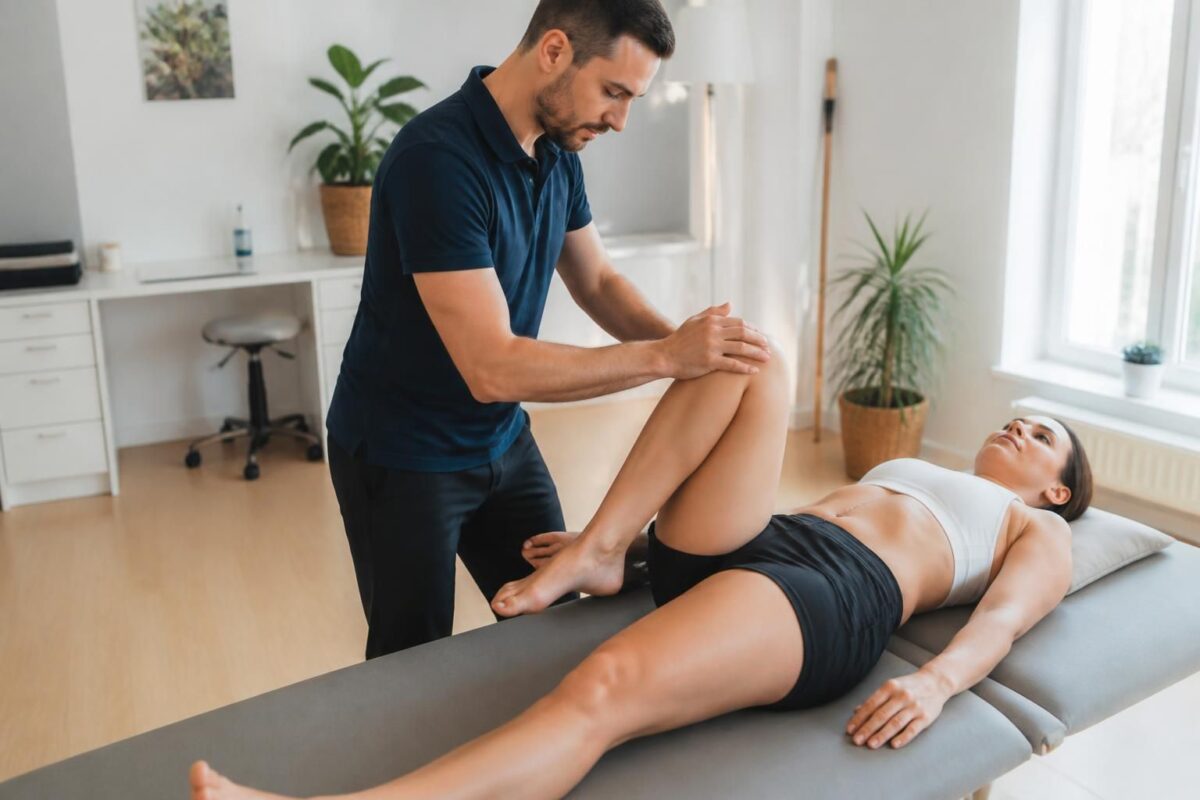
How osteopathy supports recovery after complex surgery
In short In short, Post-operative osteopathy is an approach fresh which supports the recovery After a Complex surgery. It helps to reduce the pain and the fatigue, improves the mobility and accelerates the healing thanks to a better vascularization and…
Integration into the sports program
Integrating osteopathy into a complete sporting approach helps to strengthen body balance, to improve the Movement quality and support stamina in the long term. This often involves a Postural evaluation, of Joint techniques And some Soft tissue care, supplemented by ergonomic, overheating and hydration advice. For specific application examples, refer to losteopathy and sport and Body balance and natural harmony. Additional resources explain how osteopathy can be an asset in a multidisciplinary approach.
When and how to consult
Before a competition, the goal is to Prepare the body and ofOptimize performance. After the effort, it is a question of “accelerating the recovery” and limiting the pain. In case of recurrent pain (back, knees, shoulders, ankles) or for continued prevention, osteopathy can be a key element of a balanced program. To deepen the approaches and expected results, see Osteopathy and sports injury management and Chronic pain – Durable solution.
For those who want to go further, you can consult various resources on the effectiveness and mechanisms of osteopathy applied to sport, such as Osteopathy: an asset for athletes and Complete guide.
Studies and feedback highlight that osteopathic intervention can improve muscle balance and coordination, while facilitating the return to training after an injury. To explore details and perspectives, consult specialized resources such as Osteopathy and body balance and Improved muscle flexibility.

Dr Sylvain Desforges, B.Sc., D.O., N.D., osteopath, is the founding president of TAGMED and of the ACMA association. He dedicates his practice to chronic spinal pain, low back pain and symptoms compatible with sciatica, particularly when pain radiates toward the buttock, leg, calf, foot or toes.
Through SOS Sciatique, he publishes educational content on sciatica symptoms, possible causes such as disc herniation, disc narrowing, foraminal stenosis or irritation of a lumbar nerve root, as well as non-surgical approaches that may be considered according to the evaluation. At Clinique TAGMED, care may include, depending on the case, motorized neurovertebral decompression, specific osteopathic care or precision percussion.
For an evaluation related to sciatica treatment in Montreal / Mount Royal or sciatica treatment in Terrebonne, please consult the services available at Clinique TAGMED.
Medical disclaimer
The information published on SOS Sciatique is provided for educational purposes only and does not replace a consultation, diagnosis, opinion or treatment provided by a physician or another authorized healthcare professional. The author of this article is neither a medical doctor nor a specialist in a medical specialty recognized by the Collège des médecins du Québec. The osteopathic, manual medicine or functional support approaches described on this site do not constitute medical acts and are not intended to replace medical follow-up.
Consult a physician or emergency service in cases of loss of bladder or bowel control, anesthesia in the saddle area, significant or progressive weakness in the leg or foot, fever, recent trauma, severe pain or rapid worsening of symptoms. For more details, please read our Legal Notice.