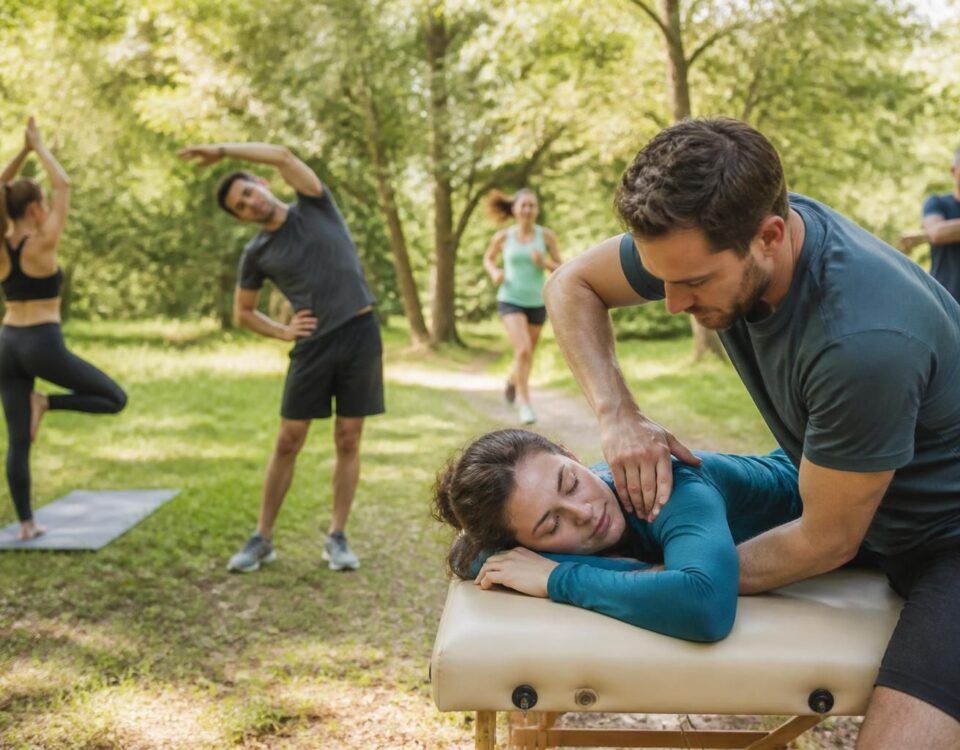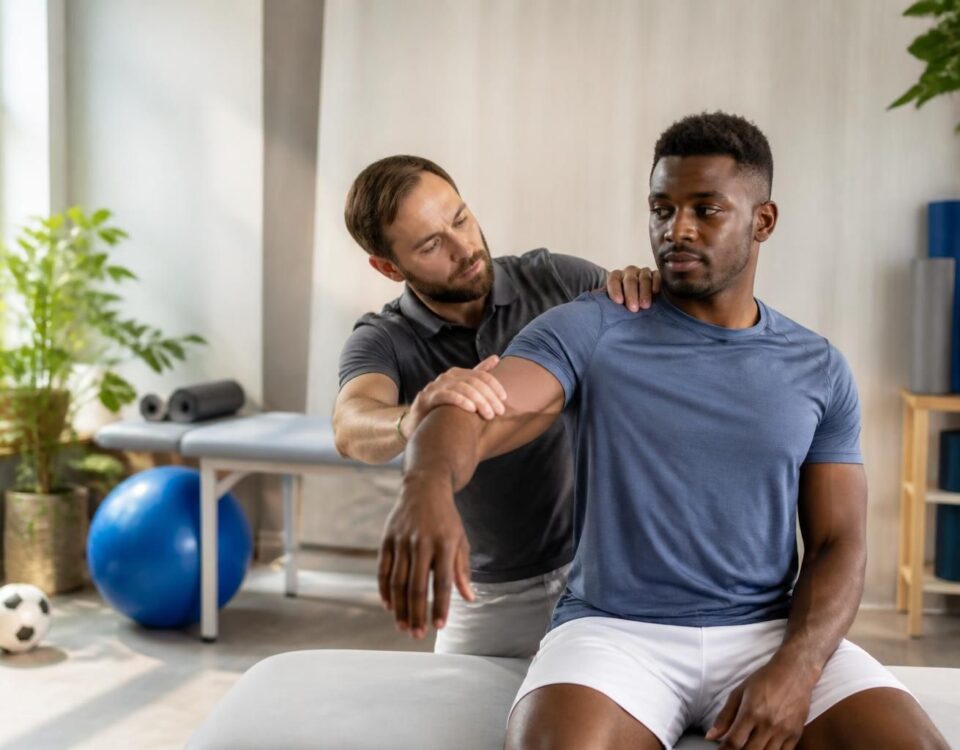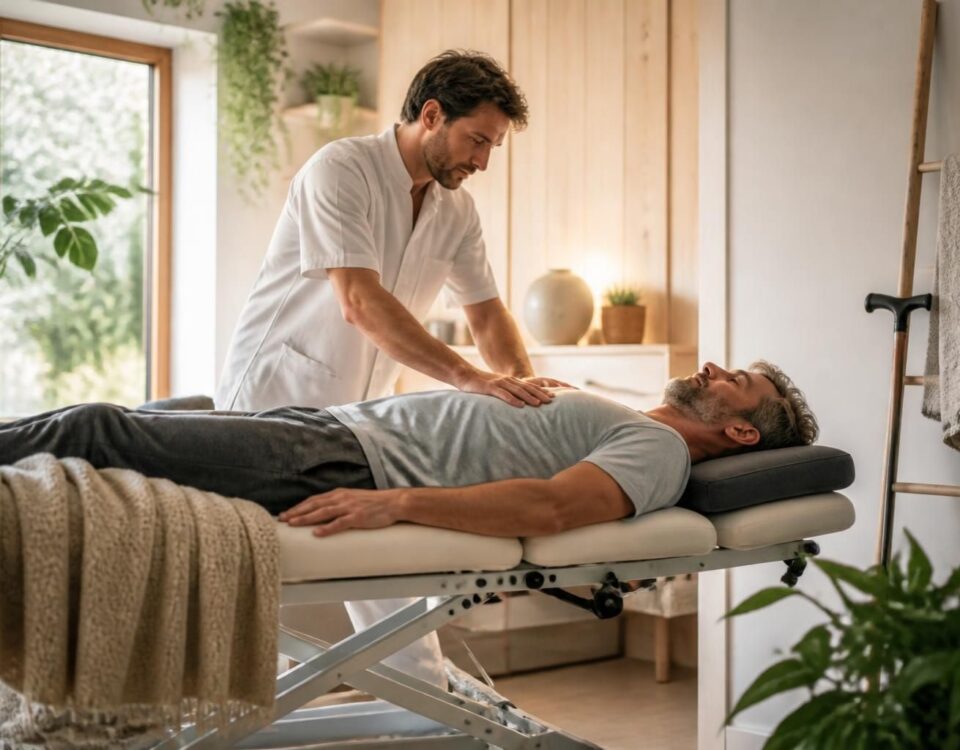
Common pathologies supported by osteopathy
27/06/2026
How to choose a good osteopath
27/06/2026
In short |
In short, theosteopathy is a manual therapeutic approach that considers the body as a whole and aim for theself-regulation and structural balance. This method is particularly suitable for Chronic pain, because it acts on the Causes and imbalances underlyings rather than on symptoms. Its main advantages include a Lasting pain reduction, a Better mobility and an Prevention of recurrences thanks to a Personalized approach and holistic. The treatment aims to restore the circulation and the coordination of the body, promoting a recovery functional overall and an improvement in the quality of life and of sleep. accessible to Montreal and in the region, this Durable solution can be adapted to the specific needs of each patient, with a Overall support and without systematically resorting to pharmaceuticals. |
It front of Chronic pain, theosteopathy offers a Durable solution By relying on a holistic approach and personalized.
By evaluating the body as a whole and by working on the musculoskeletal system, the osteopath uses Manual techniques adapted to improve the mobility, reduce tensions and act on underlying imbalances. This approach aims not only to relieve pain, but also to prevent relapses.
the result is reflected in a better quality of life, more restorative sleep, more energy and greater autonomy in daily activities.
This page explains how Osteopathy can offer a Durable solution for the Chronic pain. It describes the approach, mechanisms and potential benefits for daily life, while specifying the limitations and criteria for consultation.
What is osteopathy and what is its approach to chronic pain?
The body is seen as a whole. The diagnosis and the treatment Rely on the balance of tissues, muscles and joints. The goal is to improve the mobility, reduce tensions and promote circulation. The approach holistic Takes into account the interactions between the different systems of the body, not just the painful site.
The practice is based on the idea that the body has self-regulation and healing abilities. The specialist uses precise manual techniques to restore the structural and functional balance. This global vision makes it possible to approach chronic pain from different angles and to adapt care to each patient.
To deepen, resources describe the mechanisms and potential outcomes of osteopathy in age-related pain and other factors. For example, you can view the articles available on The benefits of osteopathy for age-related pain and on the techniques used in an osteopathic approach.
Professional training and associations supervise the practice. Recognized training centers include NUMSS and NAO, as well as National University of Medical Sciences and National Academy of osteopathy. Osteopaths can be affiliated with professional organizations such as ACMA, College of Canadian Osteopaths or College of Canadian Osteopaths. These references help to ensure responsible and safe practice.
Clear goals and observable results
Osteopathic care aims to restore movement, reduce tension and improve circulation. By working on the whole body, they target the imbalances that fuel pain and can contribute to a better quality of life, particularly in terms of sleep and energy.
Each patient receives a personalized approach. The prior diagnosis makes it possible to adapt the gestures and techniques to the situation. This customization can help prevent recurrences and support a healthier lifestyle.
To find out more about the techniques used, dedicated resources exist on Techniques used in osteopathy, and on Tagmed Clinic.
Techniques and therapeutic approach
The Osteopathic techniques cover several families. They include joint manipulations, myotensive manipulations and cranial or visceral techniques. Each gesture is chosen according to the diagnosis and needs of the patient. The goal is to restore theBody balance and improve the circulation fluids to promote healing.
For general information, you can explore additional resources on the following links. For example, pages dedicated to neurovertebral decompression and disc pain management are available on specialized sites, such as neurovertebral decompression and herniated disc and osteopathy.
For cervical pain and other painful manifestations, resources are also available on Relieve cervical pain with osteopathy and on Techniques used.
When to consult and how to prepare
There is no specific time to consult an osteopath. In case of persistent pain, it is useful to carry out an early assessment in order to avoid chronification. A consultation may be considered when pain disrupts sleep, daily activities or mobility.
Before the visit, prepare a list of symptoms, your medical and family history, the times when the pain is maximum and the questions to ask. This preparation helps the osteopath to establish a clearer diagnosis and to offer appropriate care.
For more contexts and tools, you can also view resources on Objectives of osteopathy and on neck pain.
Useful links and additional resources
For more accessible information, you can consult:
The benefits of osteopathy for age-related pain,
/
Osteopathic Technologies and Techniques,
/
Tagmed Clinic,
/
Carpal tunnel and osteopathy,
/
herniated disc and osteopathy,
/
Herniated disc and osteopathy – global approach,
/
Chronic pain and osteopathy
For training and professional coaching aspects, several public and professional resources specify training frameworks and practice requirements.
Resources available on specific areas of osteopathy and chronic pain can be viewed through recognized sites in the field. For example, pages on the approaches and results of osteopathy are accessible via the domains mentioned above.
Regarding the associated treatments, it should be noted that the information relating to the neurovertebral decompression, at the slipped disc, at bulge disc, at the Foraminal stenosis and other associated conditions do not recommend exercises or stretches in the articles devoted to these topics.
Clinique TagMed offers services that can be considered depending on the individual assessment and patient needs.
If you are looking for additional information about possible approaches and results, refer to the cited resources and dedicated pages available on the sites mentioned above.
Medical Disclaimer: The information and advice provided on this site does not replace the health professional’s diagnosis or treatment. Please note that Dr. Sylvain Desforges osteopath is neither a doctor of medicine nor a doctor, and is not a specialist in a medical specialty as defined by the Collège des Médecins du Québec. Manual medicine, functional medicine and sports medicine as described on this site exclude any medical treatment or diagnosis made by a doctor or specialist doctor. Always consult your doctor for any medical questions. For more details, please read our full legal notice.
- Personalized diagnosis and holistic
- Musculoskeletal rebalancing for mobility
- lasting improvement mobility and function
- reduction of tensions and inflammations
- Targeted manual techniques and safe
- Education and prevention To avoid recurrences
- Long-term support and autonomy
- Improved quality of life through sustainable management

This article presents how theosteopathy can constitute a Durable solution It front of Chronic pain, favoring an approach overall and personalized which aims to restore the balance of the body and improve daily mobility.
A comprehensive approach to chronic pain
theosteopathy is based on the idea that the body forms an interdependent whole and that it has mechanisms ofself-regulation to heal yourself. By treating the relationships between the musculoskeletal, nervous and visceral systems, the osteopath seeks to restore general harmony rather than limiting itself to filtering out the symptoms. This vision holistic Allows to address the root causes of the pain and not only its effects.

How osteopathy improves the quality of life of active people
In short In short, theosteopathy is a global approach that Optimizes mobility and the function of the body of ACTIVE PEOPLE, for a better quality of life. It helps prevent injury and reduce Musculoskeletal pain While promoting the Sports recovery.…
How osteopathy affects pain
By working on the mobility Joints and muscle tension, osteopathy aims to reduce pain and improve function. The techniques used promote better circulation of body fluids and better communication between organs and tissues, which can decrease pain signals and support the process of healing. The use of gentle and targeted manipulations can also positively affect the nervous system, reducing stress reactions that often aggravate chronic pain.

Osteopathy and sports recovery: prepare the body for lasting performance
In short In short, Osteopathy and Sports recovery is one Global manual approach that sustainably prepares the body for the effort by restoring mobility and circulation After the effort. It is a discipline that acts on the sinews, the joints,…
Personalized and progressive treatments
Each consultation begins with a Complete diagnosis which takes into account the patient’s history, symptoms and lifestyle. The care plan is then constructed in a way personalized, with appropriate progression and realistic objectives. The objective is not only to provide occasional relief, but also to Prevent recurrences And to teach the patient to maintain their health through beneficial daily habits.
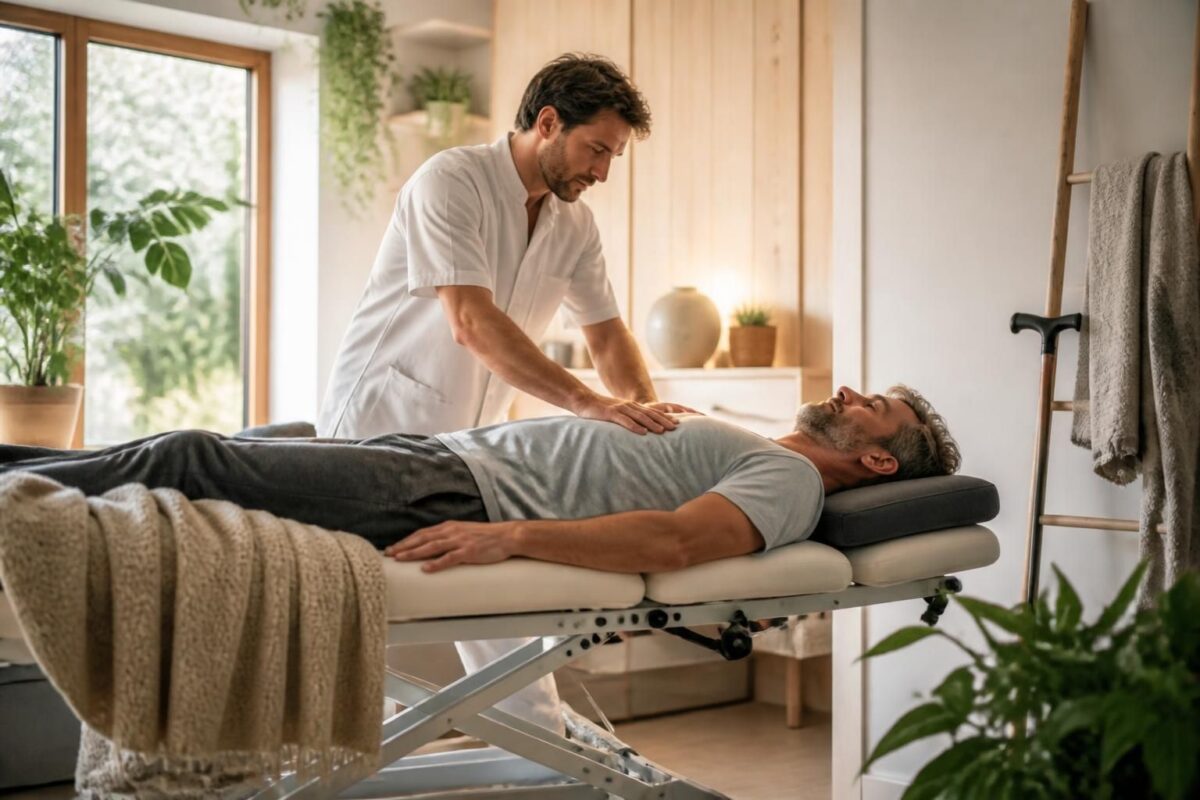
Why Osteopathy Is Essential For Recovery People
In short In short, Osteopathy in convalescence is an approach manual and holistic which helps to accelerate the recovery by restoring The balance, the mobility and a good circulation fabrics. it contributes to Reduce the pain, support the Back to…
Key Techniques and Clinical Choice
Joint manipulation and muscle techniques
The Joint manipulations and the Muscle Techniques aim to restore mobility, release tension and improve coordination of movements. These precise gestures adapt to each painful area to act directly on the mechanical causes of chronic pain.
cranial and visceral techniques
The CRANIAN TECHNIQUES and the Visceral techniques Allow to harmonize internal energy flows and improve organ function. They play an important auxiliary role in reducing global tensions and supporting a lasting balance.

Osteopathic manipulations to strengthen post-traumatic muscles
In short In short, Osteopathic manipulations for Strengthen post-traumatic muscles constitute a gentle manual approach aimed at restoring the mobility, reduce the pain and facilitate the Functional rehabilitation After a injury. What is Is it? A series of precise gestures…
When to consult and how to prepare
It may be useful to consult as soon as persistent pain appears in order to avoid a long chronicity. To prepare for the consultation, note the symptoms, the times when the pain is most intense and the relevant medical history. Preparing a list of questions and goals helps the osteopath to optimize treatment and clarify expectations.

Osteopathy and prevention of work-related musculoskeletal disorders
In short theosteopathy is one Manual approach that restores body balance and prevents MSD related to work. Its advantages: reduction of tension, improvement of mobility and prevention of chronic pain. She is preventive and healing, suitable for office and trades…
Impact on daily life and autonomy
By promoting a better quality of life, a reduction in pain and an improvement in the Daily functionality, osteopathy makes it possible to gain in autonomy. Patients find more easily sleep, energy and positive mood, which contributes to a more active and less pain-limited life. To take full advantage of these benefits, a regular approach and active collaboration with the practitioner are essential: continuous evaluation, posture advice and adapted exercises complement osteopathic care. If you suffer from pain that persists, consider a consultation to assess an approach lasting and adapted to your situation.
| Analysis axis | Clarification |
|---|---|
| Objective and approach | rebalance the entire body and sustainably reduce Chronic pain treating the causes rather than the symptoms. |
| Therapeutic approach | Approach holistic which favors the links between body systems and mobility. |
| main technique | joint manipulations and myotensive adapted to the patient. |
| Sustainability and prevention | Personalized plan + postural advice to prevent recurrences. |
| Security and invasiveness | Treatment non-invasive, low risks when performed by a qualified professional. |
| Personalization | Complete diagnosis and solution adapted to each profile. |
| Time and results | Progressive improvement after a few sessions, with better sleep quality and pain reduction. |
| Integration with other treatments | complete the physiotherapy and other care according to the evaluation, without replacing them. |

The benefits of osteopathy to treat muscle imbalances
In short theosteopathy is a manual approach to restore themuscle harmony and postural considering the body as a whole. Its main benefits include the reduction of aches and tensions, the improvement of the mobility and from the posture, and prevention…
Testimonials: osteopathy and chronic pain, a lasting solution
Find out how theosteopathy can become a Durable solution For people facing Chronic pain. Here are some testimonials that illustrate real journeys towards a better quality of life.
“Before, each movement gave me a pain that burned my back and hips. After a few sessionsosteopathy targeted, I found a larger mobility And above all, a more restful sleep. Today, the pain is much less present and I have regained the taste for doing what I like without fear of relaunch. »
“I suffered from cervical pain and frequent migraines. The global and personalized approach of my osteopath helped reduce crises and improve my concentration at work. It is sustainable: the profits extend over several months and I have regained better energy on a daily basis. »
“My sciatica limited me in my sports activities. After a protocol osteopathic Adapted, the pain has decreased and I can again run and practice fitness several times a week. It’s a real Durable solution, because I am able to maintain the postural adjustments and the simple exercises proposed. »
“As an active, my lower back pain made my days difficult. thanks to theosteopathy, I gained in mobility and comfort. Personalized treatment and advice on daily actions helped me prevent recurrences and better manage my health in the long term. »
Dr. Sylvain Desforges, recognized expert in osteopathy, in naturopathy and in manual medicine, holds the position of founding president of both Tagmed and the ACMA association. His career is guided by a desire for innovation in the service of health, with a strong specialization in the Chronic pain management and the integration of advanced technologies such as spinal decompression, the laser and the Shockwave therapy. Its mission is to offer care evidence-based that optimize the health and well-being of its patients, placing efficacy and safety at the heart of each therapeutic approach.
Guided by a holistic approach, Dr. Desforges considers the body as an interdependent whole, where the musculoskeletal, nervous and visceral systems interact to maintain balance. This global vision makes it possible to identify the root causes of pain and to intervene in a targeted way to restore optimal functioning, rather than treating only the symptom. Each session is part of a personalized approach aimed at restoring lasting body harmony.
In a context where chronic pain can become debilitating, modern osteopathy stands out as a solid and effective care offer. Dr. Desforges’ approach focuses on interventions that improve mobility, reduce tension and ease inflammation. By working on the whole body, the practitioner aims not only to reduce the pain present, but also to correct the imbalances which, in the long term, could generate new ones or aggravate those already existing.
The osteopathic treatments offered are based on a Push customization : Each therapist carries out a complete diagnosis in order to understand the origin of chronic pain and to develop an appropriate treatment plan. This individualized approach ensures that the results obtained are not limited to temporary relief, but are part of effective prevention of recurrences and continuous improvement in the quality of life. At the same time, the osteopath accompanies the patient by giving him advice on postures, lifestyles and daily habits that support the effectiveness of care.
The techniques used cover a wide range of manual gestures, each adapted to the diagnosis and needs of the patient. Among them, we find the Joint manipulations returning to joint mobility; the Myotensive techniques intended to release muscle tension; the cranial techniques to rebalance internal flows and treat certain types of headaches; and the approaches visceral which take into account the influence of internal organs on the musculoskeletal system. This variety makes it possible to obtain concrete and lasting results, adapted to the specificity of each patient.
By choosing osteopathy as a lasting solution for chronic pain, you are opting for an approach that aims to improve mobility, sleep, energy and the ability to carry out your daily activities without pain. Discover his approach and the services available at the TagMed Clinic.
Quick summary: theosteopathy offer a Durable solution for the Chronic pain targeting root causes, rebalancing the body and improving the mobility and the quality of life by an approach holistic and personalized.
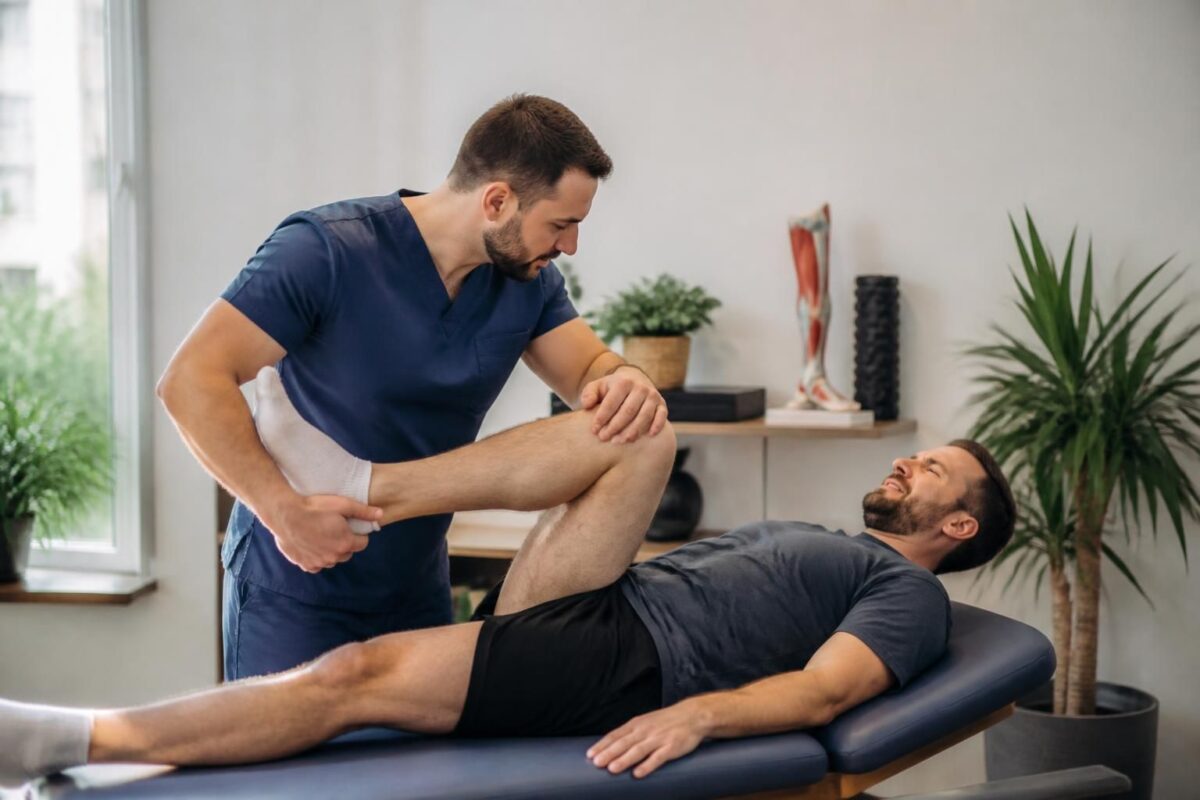
Osteopathy and chronic leg pain: regaining an optimal quality of life
In short In short, Osteopathy is one Global manual approach aimed at reducing Chronic leg pain and improve the quality of life. What is it? Non-drug therapy using the hands to identify restrictions and treat lesional chains. How does it…
How osteopathy acts on chronic pain
This discipline is based on the idea that the body can self-regulate when the tissues and joints work harmoniously. By working on the relationships between muscles, bones and organs, the osteopath seeks to restore theStructural balance and functional, which can permanently reduce the Chronic pain and improve mobility.
Contrary to an approach that focuses only on the symptom, osteopathy aims at underlying imbalances and postural habits that fuel pain. This perspective makes it possible to aim for a prevention recurrences and increase theautonomy of the patient in his pain management.
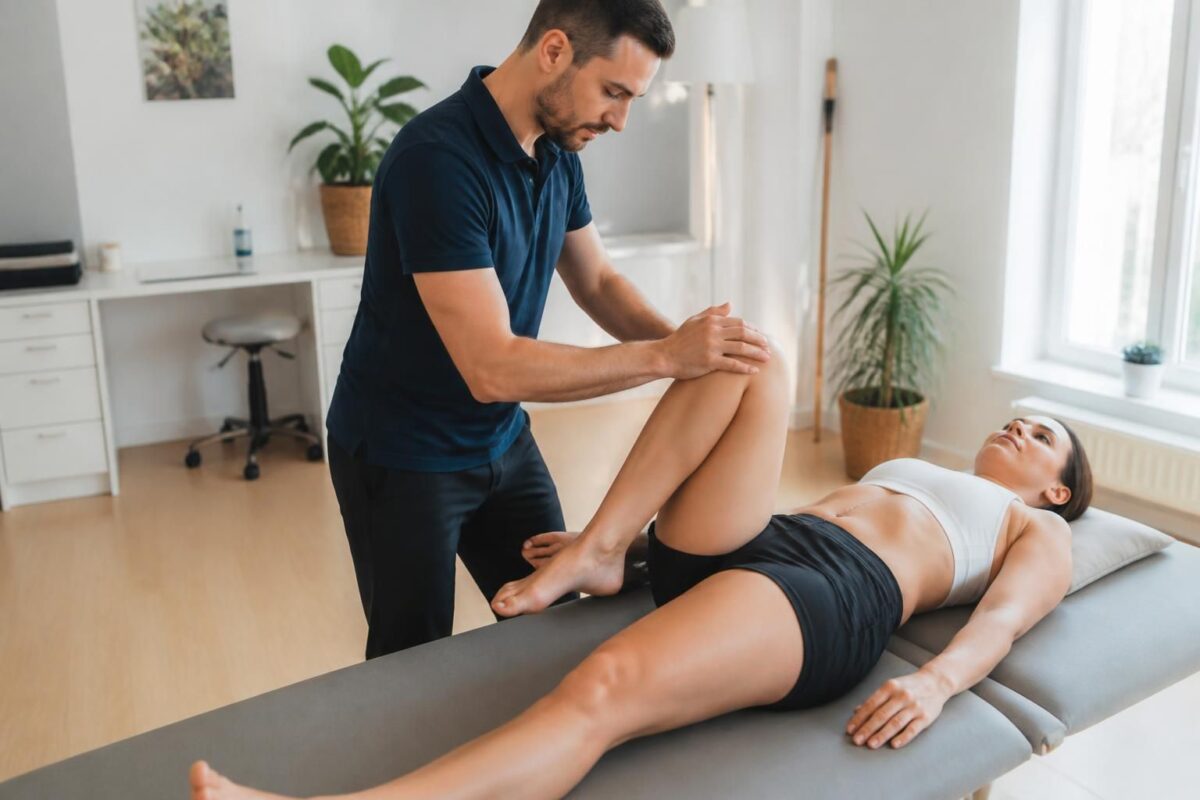
How osteopathy supports recovery after complex surgery
In short In short, Post-operative osteopathy is an approach fresh which supports the recovery After a Complex surgery. It helps to reduce the pain and the fatigue, improves the mobility and accelerates the healing thanks to a better vascularization and…
A personalized and sustainable approach
Each session is adapted to the patient and his lifestyle. The in-depth diagnosis makes it possible to identify the potential causes and to propose tailor-made solutions, ranging from targeted manipulations to simple advice on postural hygiene and daily movements. This personalization promotes more lasting results and a reduction in tensions and inflammation that fuels Chronic pain.
The techniques used may include joint manipulation, muscle relaxation and, as appropriate, cranial or visceral approaches. The objective is to restore effective circulation of body fluids and to support the Body resilience in the face of daily mechanical stress. To deepen the mechanisms and benefits, you can consult dedicated and reliable resources.
Resources and useful links
To go further and understand the benefits and principles of osteopathy in chronic pain, check out these relevant resources:
- Benefits of osteopathy for lower back pain
- Osteopathy in the face of chronic pain
- Reduce muscle tension with osteopathy
- Advantages of osteopathy for postpartum women
- Principles of osteopathy
- Osteopathy and chronic pain
- Efficacy of osteopathy on chronic pain
- What is osteopathy?
- Osteopathy, solution for chronic pain
- Osteopathy and chronic pain – Latest scientific data

Dr Sylvain Desforges, B.Sc., D.O., N.D., osteopath, is the founding president of TAGMED and of the ACMA association. He dedicates his practice to chronic spinal pain, low back pain and symptoms compatible with sciatica, particularly when pain radiates toward the buttock, leg, calf, foot or toes.
Through SOS Sciatique, he publishes educational content on sciatica symptoms, possible causes such as disc herniation, disc narrowing, foraminal stenosis or irritation of a lumbar nerve root, as well as non-surgical approaches that may be considered according to the evaluation. At Clinique TAGMED, care may include, depending on the case, motorized neurovertebral decompression, specific osteopathic care or precision percussion.
For an evaluation related to sciatica treatment in Montreal / Mount Royal or sciatica treatment in Terrebonne, please consult the services available at Clinique TAGMED.
Medical disclaimer
The information published on SOS Sciatique is provided for educational purposes only and does not replace a consultation, diagnosis, opinion or treatment provided by a physician or another authorized healthcare professional. The author of this article is neither a medical doctor nor a specialist in a medical specialty recognized by the Collège des médecins du Québec. The osteopathic, manual medicine or functional support approaches described on this site do not constitute medical acts and are not intended to replace medical follow-up.
Consult a physician or emergency service in cases of loss of bladder or bowel control, anesthesia in the saddle area, significant or progressive weakness in the leg or foot, fever, recent trauma, severe pain or rapid worsening of symptoms. For more details, please read our Legal Notice.