The benefits of osteopathy to treat sciatic pain
27/06/2026
The Benefits of Osteopathy to Prevent Injuries
27/06/2026
In short In short, Osteopathy is one holistic approach which can promote blood circulation By acting on the nervous system, muscle tension and joint mobility. This approach aims to release restrictions and optimize tissue irrigation, which can support oxygen and organ function. Key benefits include reducing the stress, improving muscle relaxation, better Venous return and an prevention Discomforts from slow circulation. The operation is based on targeted techniques: release of tension, manipulation of soft tissue and joint mobilization which promotes more fluid circulation and better balance of the body. In Montreal, this service can be considered as a Non-invasive approach and complementary to support the bloodstream and the management of stress, while remaining compatible with medical follow-up. |
How osteopathy promotes blood circulation
The osteopathic approach acts on the body as a whole to improve blood flow and lymphatic circulation. In Releasing mechanical restrictions at the level of the spine and skull, and working the soft tissues, it facilitates the Venous return and thetissue oxygenation.
The Joint mobilizations and techniques on the fascias reduce the Muscle tensions and improve the elasticity of the vessels, thus stimulating the circulation and organ perfusion. The Stimulation of the lymphatic system Contributes to waste disposal and reduction of ignition.
By decreasing the stress and tensions, heart Can work with less effort, which promotes better vitality and a preventive approach without invasive recourse.
Quick summary: Osteopathy can promote blood circulation By working on the soft goods, the sinews, the system lymphatic and the nervous network. This approach can improve oxygenation and Venous return, without invasive recourse. This article outlines the mechanisms, techniques and benefits of this approach.
Circulation depends on the mobility of body structures and nervous balance. Osteopathy evaluates the body as a whole and looks for the tensions that slow down blood flow. By releasing these tensions, it can improve the vascularization and support the Venous return.
Evaluation and osteopathic diagnosis
The practitioner observes posture, breathing and mobility. It identifies areas where traffic can be disrupted. This step guides targeted and secure techniques.
Osteopathic techniques and circulation
Common techniques include soft tissue manipulations, fascia-les releases, joint mobilizations, and spinal work. These gestures promote better organ irrigation and can stimulate the lymphatic system for effective waste disposal.
Useful resources on the benefits of osteopathy for circulation and sport are available on public and professional bases related to osteopathy, and provide a better understanding of the link between circulation and performance.
Benefits on infusion and venous return
By releasing tensions and improving vascular mobility, osteopathy can facilitate Venous return and improve tissue oxygenation. Gentle techniques promote relaxation, which decreases vascular resistance and can reduce the feeling of heaviness or fatigue in the limbs.
For additional approaches and testimonials, see the resources on the SOS Sciatica website.
Role in prevention and general well-being
Beyond curative care, osteopathy acts as a prevention. A regular approach helps maintain the overall balance, strengthens the resilience of the circulatory system and can contribute to better regulation of stress, a factor influencing hypertension and vascular health.
When to consult and how to integrate into medical follow-up
Consulting an osteopath may be relevant if you show signs of poor circulation or general symptoms such as persistent fatigue, heavy legs, or feeling of heat/vibration in the extremities. Osteopathy is a complementary approach and does not replace medical follow-up. Ask your attending physician for advice and consider integrated care.
To explore in more detail perspectives related to circulation and osteopathy, you can consult resources like
The benefits of osteopathy for sport-related pain and
The treatment of sports injuries by manual medicine and osteopathy. Other useful resources address cervical pain and adaptation issues in the elderly.
To deepen the link between osteopathy and blood circulation, you can also consult the following articles:
Osteopathy and chiropractic,
and Cervical pain and osteopathy.
references to training in osteopathy are limited to recognized institutions such as NUMSS and NAO, without citing other organizations.
Note: Osteopathy does not replace medical treatment. For any severe or worrying symptoms, consult a doctor.
Useful links :
Benefits of osteopathy for sport-related pain,
Podcast on sports injuries and osteopathy,
Relieve cervical pain by osteopathy,
Osteopathy suitable for the elderly,
Differences Osteopathy and chiropractic.
Medical Disclaimer: The information and advice provided on this site does not replace the health professional’s diagnosis or treatment. Please note that Dr. Sylvain Desforges osteopath is neither a doctor of medicine nor a doctor, and is not a specialist in a medical specialty as defined by the Collège des Médecins du Québec. Manual medicine, functional medicine and sports medicine as described on this site exclude any medical treatment or diagnosis made by a doctor or specialist doctor. Always consult your doctor for any medical questions. For more details, please read our full legal notice. }
- Release of mechanical restrictions that hinder blood flow.
- Joint mobilizations and stretching to restore balance and flow.
- Relaxation of fascias and muscles to facilitate traffic.
- Improved venous return through targeted manipulations.
- Mobility of the arteries for optimized blood flow.
- Reduction of cervical and lumbar tensions which limit the flow.
- Stimulation of the lymphatic system For the evacuation of toxins.
- stress management and soothing the nervous system to lower blood pressure.
- Tissue oxygenation improved by better circulation.
- Drainage of edema and reduced inflammation.
- Breathing and diaphragm to optimize oxygen supply.
- Global approach Without medication, promoting sustainable circulation.

Quick summary: This article explains how theosteopathy can promote the bloodstream By acting on muscle tension, joint mobility and the lymphatic system. It offers simple mechanisms and practical recommendations to optimize these effects during consultations and in daily life.
Understanding blood circulation issues
The bloodstream Depends on multiple factors, including heart work, blood volume, and the ability of the arteries to dilate. When these mechanisms are disturbed, the arterial pressure May increase and blood flow may slow down, which can affect tissue oxygenation and organ perfusion. Effective circulation supports energy, muscle recovery and functioning of vital organs.

How osteopathy improves the quality of life of active people
In short In short, theosteopathy is a global approach that Optimizes mobility and the function of the body of ACTIVE PEOPLE, for a better quality of life. It helps prevent injury and reduce Musculoskeletal pain While promoting the Sports recovery.…

Osteopathy and sports recovery: prepare the body for lasting performance
In short In short, Osteopathy and Sports recovery is one Global manual approach that sustainably prepares the body for the effort by restoring mobility and circulation After the effort. It is a discipline that acts on the sinews, the joints,…
How osteopathy affects circulation
Osteopathy approaches the body as a whole and aims to restore the harmony of structures in order to facilitate the flow of blood and lymph. By working on fascias, muscles and joints, the osteopath can release tensions that hinder venous return and irrigation of tissues. This approach promotes better circulation and reduces the effort required by the cardiovascular system.
Reduction of voltages and mechanical restrictions
Osteopathic techniques target areas of mechanical restriction of the spine, skull and soft tissue. By releasing these constraints, they improve the mobility of the bone segments and fascias, which allows the blood to circulate more freely and to the lymphatic flow to evacuate cellular waste. Result: less local friction and a circulation more fluid.
Mobility and thoraco-pelvic dynamics
Good thoracic and pelvic mobility promotes effective diaphragmatic breathing and improves the Venous return. By releasing restrictions in the ribs, diaphragm and pelvis, osteopathy facilitates complete inspiration and exhalation, which stimulates blood circulation and tissue oxygenation.
Stimulation of the lymphatic system and venous return
In addition to blood circulation, osteopathic techniques can support the lymphatic system, essential for the evacuation of toxins and metabolic waste. Effective lymphatic drainage helps reduce edema and maintain organs under optimal operating conditions, while improving Venous return.
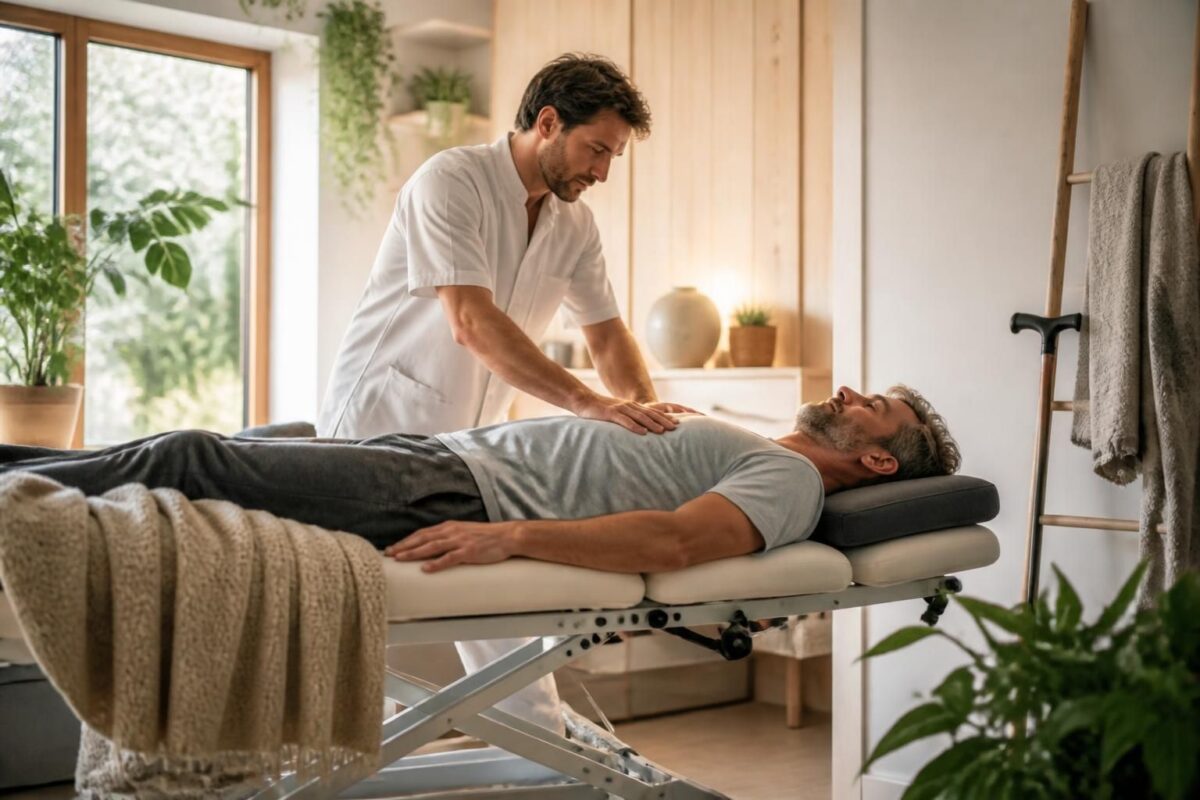
Why Osteopathy Is Essential For Recovery People
In short In short, Osteopathy in convalescence is an approach manual and holistic which helps to accelerate the recovery by restoring The balance, the mobility and a good circulation fabrics. it contributes to Reduce the pain, support the Back to…

Osteopathic manipulations to strengthen post-traumatic muscles
In short In short, Osteopathic manipulations for Strengthen post-traumatic muscles constitute a gentle manual approach aimed at restoring the mobility, reduce the pain and facilitate the Functional rehabilitation After a injury. What is Is it? A series of precise gestures…
Stress management and breathing to support circulation
Chronic stress can promote sympathetic nervous system activation and increased arterial pressure. Osteopathic sessions associated with breathing and relaxation techniques can help soothe the nervous system and reduce muscle tension. Slower and deeper breathing improves diaphragm dynamics and contributes to more regular blood flow.

Osteopathy and prevention of work-related musculoskeletal disorders
In short theosteopathy is one Manual approach that restores body balance and prevents MSD related to work. Its advantages: reduction of tension, improvement of mobility and prevention of chronic pain. She is preventive and healing, suitable for office and trades…

The benefits of osteopathy to treat muscle imbalances
In short theosteopathy is a manual approach to restore themuscle harmony and postural considering the body as a whole. Its main benefits include the reduction of aches and tensions, the improvement of the mobility and from the posture, and prevention…
Practical advice and recommendations
Request regular sessions when looking to optimize your bloodstream. During the consultations, favor sessions which aim to release tensions of the spine, chest and pelvis, and which work on breathing and the lymphatic system. Complete these treatments with appropriate physical activity and daily breathing exercises to maintain the effects between appointments.
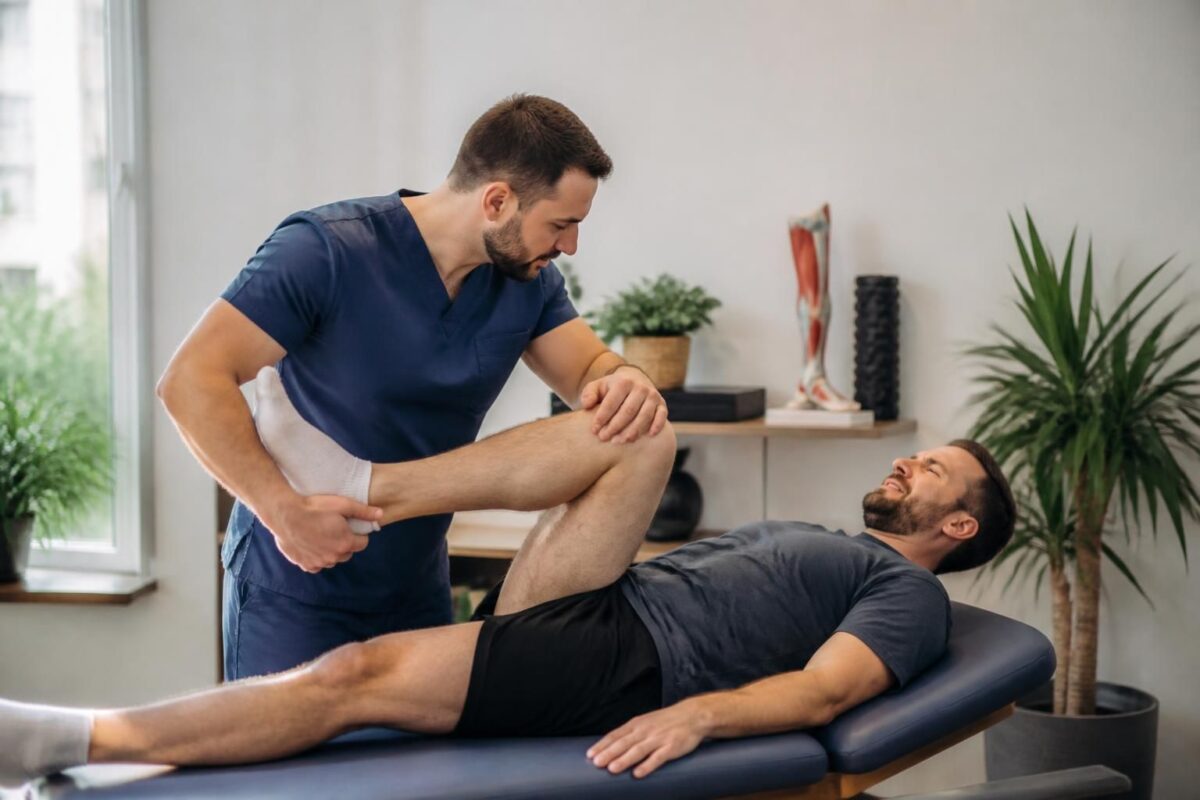
Osteopathy and chronic leg pain: regaining an optimal quality of life
In short In short, Osteopathy is one Global manual approach aimed at reducing Chronic leg pain and improve the quality of life. What is it? Non-drug therapy using the hands to identify restrictions and treat lesional chains. How does it…
How osteopathy supports recovery after complex surgery
In short In short, Post-operative osteopathy is an approach fresh which supports the recovery After a Complex surgery. It helps to reduce the pain and the fatigue, improves the mobility and accelerates the healing thanks to a better vascularization and…
Support and follow-up
For those with vascular disorders or risk factors, osteopathy is a Additional support useful, in coordination with the attending physician. The goal is to support a circulation Healthy while respecting prescribed medical treatments and therapeutic advice, without ever replacing medical advice when necessary.
| Aspect | Concise impact |
|---|---|
| Release of mechanical and fascial tensions | Reduces stress on vessels and promotes blood flow. |
| Joint mobilizations and stretching | Restores alignment and releases flow into the arteries and veins. |
| soft tissue work | Releases muscles and fascias for better circulation. |
| Stimulation of the lymphatic system | Stimulates the lymphatic network to evacuate toxins. |
| Vascular mobility and elasticity | Improves the mobility of the vessels and the elasticity of the arteries. |
| Stress management and nervous balance | Calms the nervous system, decreases tone and vasoconstriction. |
| Venous return | Accelerates venous return from extremities to heart. |
| organ perfusion | Improves tissue oxygenation and organ perfusion. |
| Prevention and maintenance | Promotes the prevention of circulatory disorders through a preventive approach. |
Testimonials on how osteopathy promotes blood circulation
“After years of heavy leg sensations and fatigue, I started a follow-uposteopathy. The sessions targeted the bloodstream and the blood flow in my limbs. A few weeks later, the heaviness dissipated and I regained energy for my daily activities. »
“My doctor mentioned a slight hypertension. With the global approach toosteopathy, the tensions have freed and the circulation Renovated, helping to stabilize my arterial pressure without resorting to invasive treatments. »
“I suffered from edema and tingling at the end of the day. By working on tissues and vessels, theosteopathy favored the Venous return and a better bloodstream. Result: less swelling and more comfort when walking. »
“The targeted work on the lymphatic system and the tensions around the thorax brought me overall well-being. I saw a better oxygenation Tissues and a reduction in inflammation, with more energy on a daily basis. »
“After several sessions, I found a better ability to practice my sports activities. The circulation and the blood flow seem more effective and the recovery phases are faster. »
This biography highlights how theosteopathy can promote the bloodstream and support cardiovascular health, based on the expertise of a practitioner who combines osteopathy, naturopathy and manual medicine. Founder of TagMed and ACMA, this expert places innovation at the service of care, with a practice focused on the management of chronic pain and the integration of advanced technologies. Its objective is to offer evidence-based care to optimize the state of health and well-being of its patients, while favoring a relationship of trust and a personalized approach.
Understand the challenges of circulation Requires consideration of factors that influence blood flow, such as blood volume, heart contraction force, and vessel resistance. Osteopathy adopts a global vision of the body, where muscle tension, tissue restrictions and structural imbalances can hinder venous return and organ irrigation. By working on the balance of the musculoskeletal system and on targeted manipulations, the osteopath can promote better tissue perfusion and optimized oxygenation, thus helping to prevent potential repercussions on the heart, kidneys and brain.
Osteopathic techniques dedicated to circulation are based on a gentle and gradual approach. Releases of mechanical restrictions in the skull and spine, combined with soft tissue manipulation (muscles and fascias) and joint mobilization, reduce tensions that may hinder blood flow. By restoring structural harmony, the body regains better vein upstream dynamics and more fluid lymphatic circulation, which results in improved tissue oxygenation and faster recovery after exercise.
The role of stress in cardiovascular balance is central. The autonomic nervous system can, under the effect of chronic stress, maintain a state of “overactivity” which increases blood pressure and cardiac work. Osteopathy, through techniques of nervous system relaxation and release of global tension, contributes to a reduction in overall tone. Approaches such as cranial relaxation, restriction release and muscle relaxation promote a decrease in 抵erations and support a lasting improvement in the arterial pressure and from the circulation.
From a modern and holistic perspective, the approach integrates advanced technologies when relevant. complementary protocols such as neurovertebral decompression, therapy by laser And shock waves can optimize perfusion and accelerate tissue healing in connection with improved circulation. Combined with a naturopathic strategy and lifestyle advice, this approach aims to prevention reinforced and a optimization sustainable cardiovascular health, without resorting to invasive solutions.
This discipline emphasizes continuity of care and prevention. Through comprehensive assessments and a personalized plan, osteopathy seeks to preserve the overall balance of the body and to support venous return, capillary circulation and evacuation of toxins. The desired result is regained energy, better endurance and risk reduction associated with hypertension and circulatory imbalances, all in a patient-centric approach and available clinical evidence.
Quick Summary: Theosteopathy can promote the bloodstream By acting on structural restrictions, the nervous system and the network lymphatic, in order to improve theoxygenation tissues and venous return. This holistic approach can complement medical follow-up and contribute to better vascular and metabolic health on a daily basis.
The mechanisms by which osteopathy acts on the circulation are based on overall care of the body. By releasing the mechanical restrictions of the skull and spine, the osteopath allows better mobility of the structures that surround the vessels and soft tissues. The Soft tissue techniques and the Joint mobilizations Promote muscle relaxation and restore a structural balance favorable to a smoother blood flow.
Another pillar is action on the autonomic nervous system, which can modulate vascular tone and help reduce physiological stress. By reducing physical tension and stress, the heart and vessels benefit from more efficient work without prolonged overload, which can result in better arterial pressure and improved organ perfusion.
The stimulation of lymphatic system And the work on the tissues around the vessels supports the venous return and the evacuation of metabolic waste. These actions can help to reduce edema and optimize intake of nutrients and oxygen to the deep tissues, thus promoting better recovery and reduction of chronic inflammation due to ineffective circulation.
On a practical level, osteopathy can be considered as a Complementary solution other health practices, particularly in association with appropriate physical activity and healthy lifestyles. This approach can also be relevant to specific situations such as postpartum, demanding professional activities or pain related to vascular disorders, depending on the assessment carried out by the practitioner.
To deepen the benefits and applications of osteopathy in circulation, discover these resources:
The benefits of osteopathy,
How osteopathy promotes blood circulation,
Blood circulation and osteopathy,
and for questions related to the ability of techniques in active contexts, see Is LOSTeopathy suitable for active people.

Dr Sylvain Desforges, B.Sc., D.O., N.D., osteopath, is the founding president of TAGMED and of the ACMA association. He dedicates his practice to chronic spinal pain, low back pain and symptoms compatible with sciatica, particularly when pain radiates toward the buttock, leg, calf, foot or toes.
Through SOS Sciatique, he publishes educational content on sciatica symptoms, possible causes such as disc herniation, disc narrowing, foraminal stenosis or irritation of a lumbar nerve root, as well as non-surgical approaches that may be considered according to the evaluation. At Clinique TAGMED, care may include, depending on the case, motorized neurovertebral decompression, specific osteopathic care or precision percussion.
For an evaluation related to sciatica treatment in Montreal / Mount Royal or sciatica treatment in Terrebonne, please consult the services available at Clinique TAGMED.
Medical disclaimer
The information published on SOS Sciatique is provided for educational purposes only and does not replace a consultation, diagnosis, opinion or treatment provided by a physician or another authorized healthcare professional. The author of this article is neither a medical doctor nor a specialist in a medical specialty recognized by the Collège des médecins du Québec. The osteopathic, manual medicine or functional support approaches described on this site do not constitute medical acts and are not intended to replace medical follow-up.
Consult a physician or emergency service in cases of loss of bladder or bowel control, anesthesia in the saddle area, significant or progressive weakness in the leg or foot, fever, recent trauma, severe pain or rapid worsening of symptoms. For more details, please read our Legal Notice.