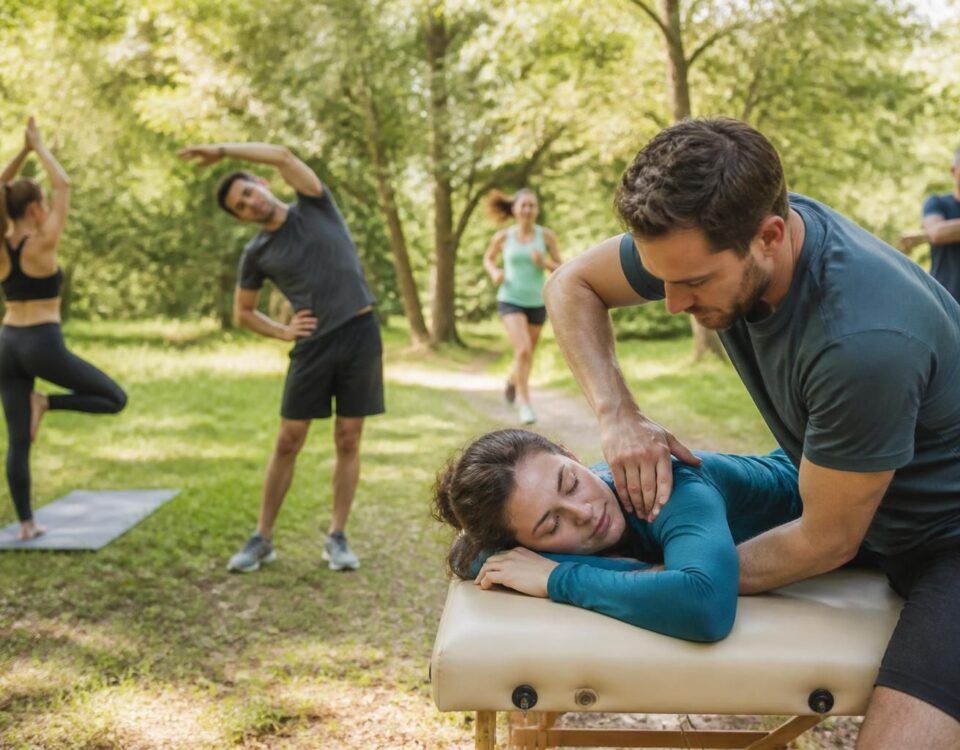
How osteopathy supports recovery after an accident
27/06/2026
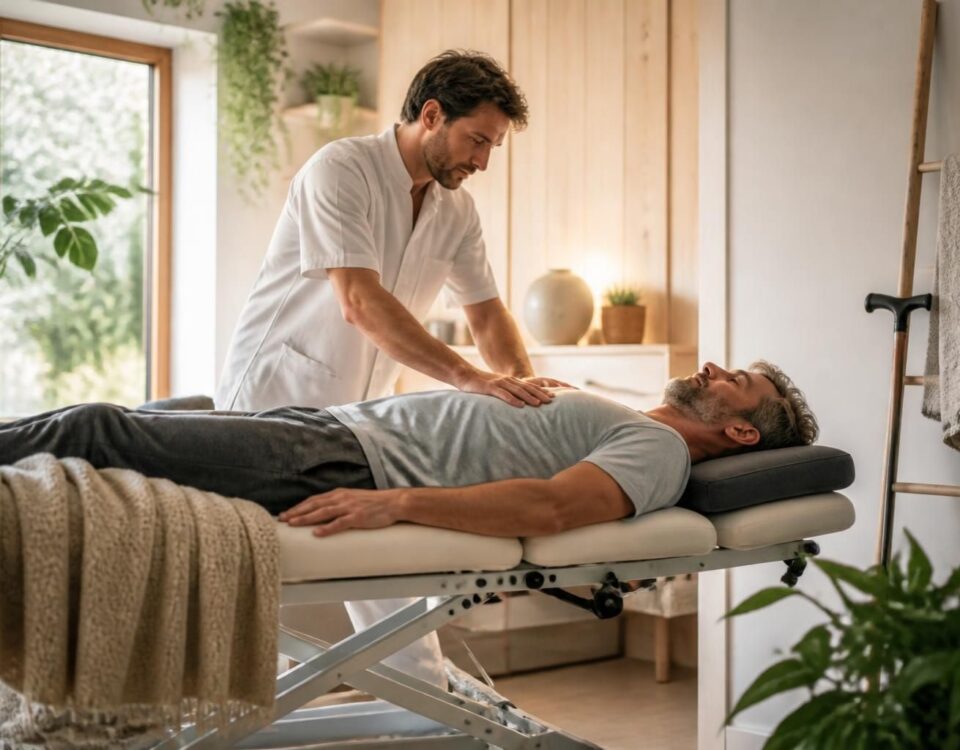
Osteopathy and chronic leg pain: a natural solution
27/06/2026
In short
| In short, the Osteopathic manipulations for Reinforce joint flexibility represent gestures precise and controlled intended to improve the slip and amplitude joints. Advantages: Increased mobility, reduction of mechanical blockages and better Neuromuscular coherence. Functioning: targeted diagnosis then calibrated gestures, adapted to the patient’s ground, in order to release restrictions and promote fluid joint dynamics. In Montreal, this service is particularly useful for active adults looking to optimize their Articulatory flexibility and prevent stiffness associated with prolonged posture. |
The Osteopathic manipulations intended to strengthen the Joint flexibility are based on fine and perfectly controlled gestures, designed to release blockages and restore the amplitude of the joint segments.
- Principle : brief and rapid movement, applied at the end of the amplitude on the motor barrier, in order to promote sliding and overall mobility.
- Efficiency : Improved amplitude, reduction of blockages and harmonization of joint and muscle chains.
- Preparation and safety : Precise diagnosis, tissue preparation (relaxation, patient breathing) and gestures performed without pain or violence.
- directions : reversible mechanical restrictions and amplitude limitations linked to segmental blockages, conducive to improving flexibility.
- Global approach : fits into a broader therapeutic strategy, combining fascia work and postural optimization to consolidate flexibility gains.
This article, written by a health professional expert in osteopathy, presents the Osteopathic manipulations as a precise and sure way to strengthen the Joint flexibility. It details the biomechanical framework, neurophysiological mechanisms, indications and precautions, then describes the different types of manipulation and their integration into a patient-centric global therapeutic approach.
Definition and biomechanical framework
Osteopathic manipulation is a brief and controlled movement applied to a joint. It aims to exceed the Physiological game Without crossing the anatomical barrier. The impulse occurs at the end of the amplitude and seeks to restore the Joint slip To improve the segmental mobility and the overall balance of movement. As the clinical tradition describes, this impulse is dryer And directed from the edge of the normal game, without claiming to be an end in itself.
Neurophysiological bases
Manipulation does not only affect the structure. It triggers a simple and useful neurophysiological cascade. Rapid activation of muscle spindles can cause Reflex relaxation muscles in tension. She also participates in a pain inhibition by modulating sensory afferents and can improve local microcirculation. Finally, it acts on the balance between the autonomic nervous system and local vascular responses, which can facilitate rapid functional improvement when the gesture is well chosen.
Conditions for safe and effective handling
Preliminary osteopathic diagnosis: manipulation is based on an accurate assessment of mobility, tissue quality and overall patient dynamics. Mastery of the gesture and positioning: the practitioner prepares the tissues and realizes the impulse quickly, without violence, by synchronizing tensioning, direction and relaxation. Comfort and communication: The patient must be comfortable and informed of the gesture to promote the relaxation necessary for an effective impulse. These elements guarantee the safety and effectiveness of the intervention.
Indications and contraindications
Indications: Reversible joint mechanical restrictions, vertebral dysfunctions (e.g. cervical, thoracic, lumbar), postural disorders with segmental blockages and residual amplitude limitations after mild trauma. Contraindications: Active inflammatory or infectious disorders, tumor pathologies, major osteoporosis, structural malformations of the cervico-occipital hinge and vertebro-basilar insufficiencies. In all cases, the use of the gesture is guided by the diagnosis and evaluation of the patient’s terrain.
Typology of osteopathic manipulations
Direct manipulations: gesture directed against the motor barrier, with a rapid and precise impulse, for example in the lumbar or thoracic regions. Indirect manipulations: movement oriented towards facilitation, without going beyond the restrictive barrier, often suitable for fragile or painful patients. Complementary techniques: association with myotensive, fascial or cranio-sacral approaches to integrate the correction into the overall dynamics of the body.
Global osteopathic approach and clinical integration
Manipulation is a link in a global therapeutic strategy. It is part of a systemic approach to the patient, working on myofascial chains, diaphragm regulation, and influence on the autonomic nervous system. Success depends on the correct integration of the gesture in the patient’s field and the moment when the intervention is carried out, in order to avoid any too early repetition which could be counterproductive. The goal is Sustainable mobility and the Postural refocusing rather than isolated action.
Ethical considerations and professional responsibility
Handling engages the responsibility of the practitioner. It requires rigorous training and constant updating of knowledge. Patient safety is the priority. Osteopathic ethics guides the decision to intervene and abstain when the conditions do not allow the gesture to be safe.
To deepen the mechanisms of action and clinical outcomes, you can consult the following resources on authorized domains: The advantages of osteopathy to treat recurrent athletic pain, The benefits of osteopathy on chronic muscle pain, Osteopathic techniques and indications, Osteopathy and reduction of stress-related tensions, Osteopathy manipulation, Effectiveness of manipulative osteopathic treatment, Osteopathic manipulations to enhance joint flexibility, Benefits for optimal recovery, Importance of regular osteopathy consultations, Osteopathy and joints: preserving mobility on a daily basis.
Medical Disclaimer: The information and advice provided on this site does not replace the health professional’s diagnosis or treatment. Please note that Dr. Sylvain Desforges osteopath is neither a doctor of medicine nor a doctor, and is not a specialist in a medical specialty as defined by the Collège des Médecins du Québec. Manual medicine, functional medicine and sports medicine as described on this site exclude any medical treatment or diagnosis made by a doctor or specialist doctor. Always consult your doctor for any medical questions. For more details, please read our full legal notice.
- hvba : Releases slip and increases amplitude
- Myofascial release : Reduces voltages and facilitates mobility
- proprioception : Improved engine control and flexibility
- microcirculation : Better local circulation and tissue recovery
- Direct vs indirect : direct for blockages; indirect for fragility
- Preparation : Breathing and relaxation for efficiency
- Comfort and Consent : relationship of trust and security
- Integration : Associate with exercises and postural corrections

In this article, you will discover how osteopathic manipulations can strengthen the Joint flexibility promoting smooth and sustainable mobility. By favoring precision, safety and adaptation to the patient’s ground, these gestures become concrete levers to regain amplitude and comfort in everyday movements.
Framework and objectives of manipulations for flexibility
The Osteopathic manipulations dedicated to articulatory flexibility aim to restore the Joint slip And to release the blockages that limit the amplitude. The gesture is brief and controlled, applied at the end of the amplitude, in order to promote a reorganization of the articular surfaces without excess force. The objective is to make the segments more mobile while respecting the tissue integrity and the patient’s ground.
Principles and mechanisms
Beyond the mechanical effect, these gestures activate neurophysiological responses that facilitate the relaxation and relaxation of the muscle chains. Safety and efficacy are based on precise evaluation and appropriate progression, with particular attention paid to tolerance and communication with the patient.

How osteopathy improves the quality of life of active people
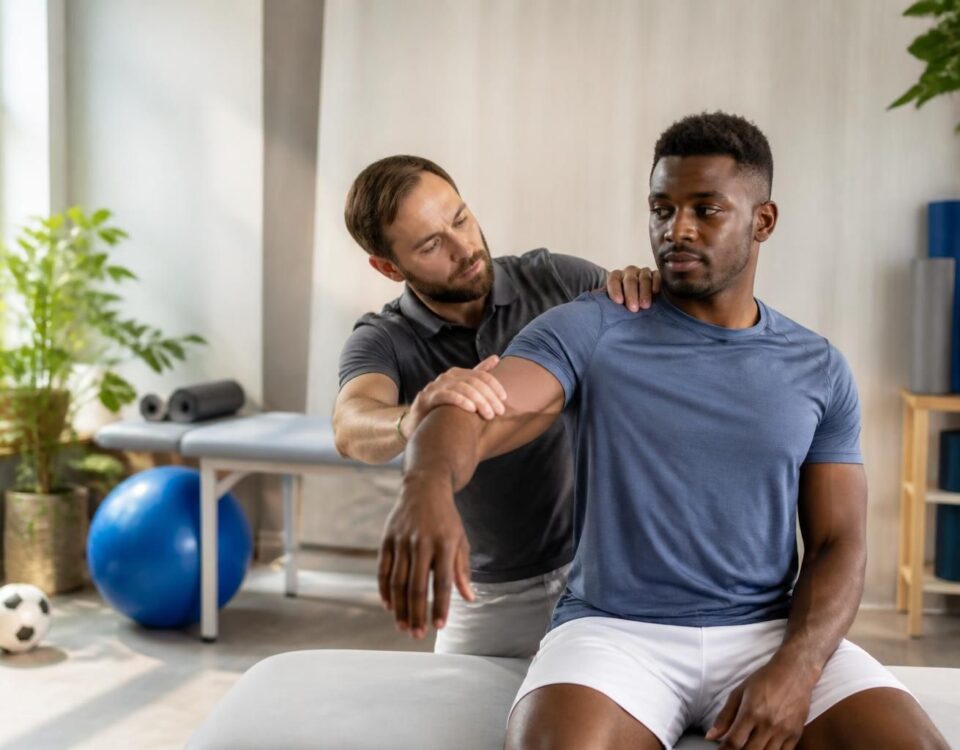
In short In short, theosteopathy is a global approach that Optimizes mobility and the function of the body of ACTIVE PEOPLE, for a better quality of life. It helps prevent injury and reduce Musculoskeletal pain While promoting the Sports recovery.…
Protocols and practical approach
To develop the Joint flexibility, Adopt a structured approach: clear diagnosis, measured gesture and functional relearning. The choice between direct and indirect manipulation depends on the terrain, pain and the patient’s ability to relax; The objective is to improve mobility without imposing the gesture.
Preparation and safety
The preparation includes guided breathing, relaxing muscle tension and synchronization between the therapist and the patient. Security requires transparent information, consent and compliance with limits. A relaxed patient allows a more precise and effective impulse.
Rhythm and progress
Gradual progressions make it possible to anchor mobility durably: start with moderate amplitudes, increase according to tolerance and maintain gains with regular sessions. The goal is that improvements are part of daily life and usual activities.

Osteopathy and sports recovery: prepare the body for lasting performance
In short In short, Osteopathy and Sports recovery is one Global manual approach that sustainably prepares the body for the effort by restoring mobility and circulation After the effort. It is a discipline that acts on the sinews, the joints,…
Additional exercises and continuity
Associating manipulations with active mobility exercises and myofascial work prolongs the effects. Soft stretches, breathing exercises and simple gestures to integrate into everyday life help transform technical gains into real and sustainable functional mobility.
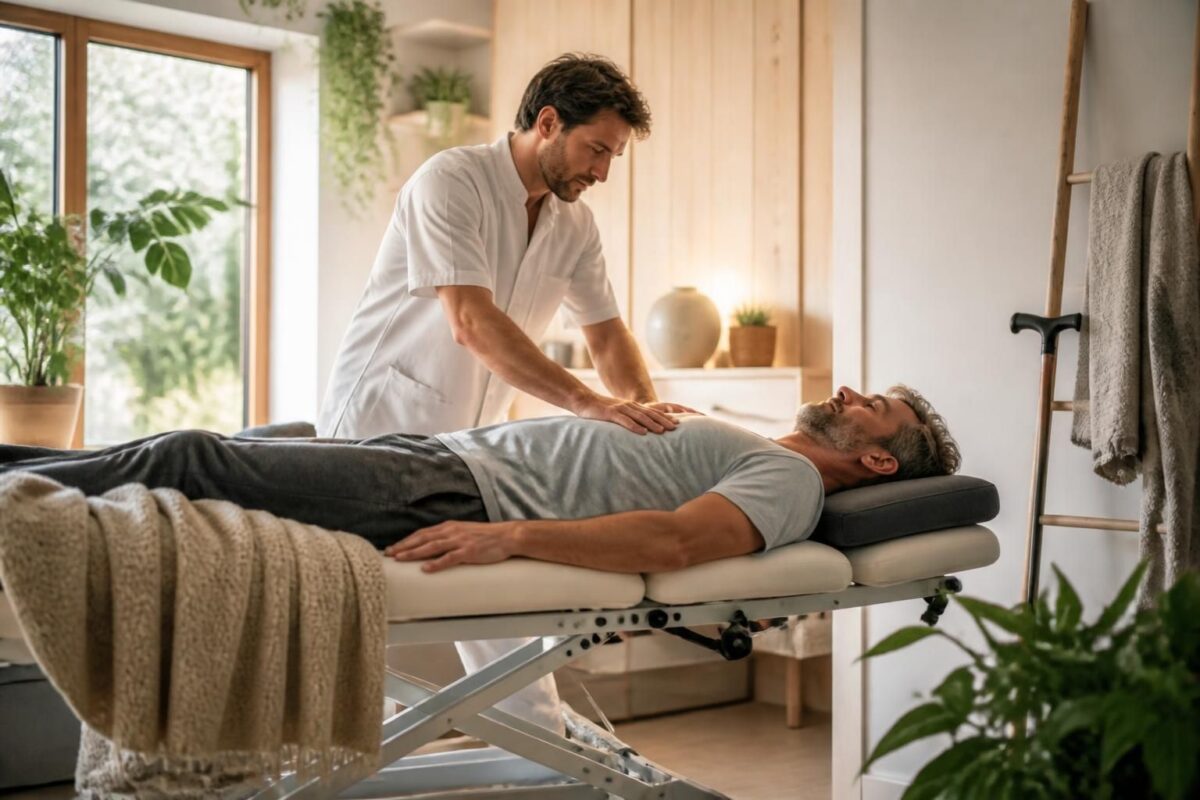
Why Osteopathy Is Essential For Recovery People
In short In short, Osteopathy in convalescence is an approach manual and holistic which helps to accelerate the recovery by restoring The balance, the mobility and a good circulation fabrics. it contributes to Reduce the pain, support the Back to…
Indications and precautions
manipulations intended for Joint flexibility are mainly aimed at reversible and non-inflammatory mechanical restrictions. They are suitable for mobility arrangements and segmental blockages which do not present any major risk. Contraindications to monitor include active inflammatory conditions, unconsolidated fractures, osteoporotic pathologies or any signs of neurological or vascular disorder that would require specialized assessment.
| Technical axis | Effect on flexibility |
|---|---|
| HVBA Direct | Fast and targeted impulse at the end of the amplitude to restore the sliding and the mobility segmental. |
| Indirect manipulations | action towards ease which stimulates the proprioception and gradually improves the flexibility. |
| Myotensive techniques | reflex stimulation prolonging theamplitude and decreasing the tone To win in flexibility. |
| Gentle joint techniques | Proceedings sweet favoring the Joint slip and local amplitudes. |
| Myofascial chains | release of Myofascial tensions Freeing the chains and improving theelasticity segmental. |
| Diaphragm and posture | regulation of diaphragm and from the posture To dispel restrictions and restore amplitudes. |
| Coordinated breathing-pulse | Synchronization of the breathing With thepulse To optimize control neuromuscular and mobility. |
| Capsular decompression | Decompression Synovial capsular associated with a harmonious resumption of movement. |

Osteopathic manipulations to strengthen post-traumatic muscles
In short In short, Osteopathic manipulations for Strengthen post-traumatic muscles constitute a gentle manual approach aimed at restoring the mobility, reduce the pain and facilitate the Functional rehabilitation After a injury. What is Is it? A series of precise gestures…
Testimonials on osteopathic manipulations and joint flexibility
“Before starting the sessions, my flexibility was limited and each movement required an effort from me. thanks to osteopathic manipulations carried out with a precision adapted, my joints find a Natural amplitude and an fluidity in everyday actions. »
“As a sportswoman, I was looking for a Joint mobility more fluid without pain. targeted interventions eliminated blockages and improved my recovery after training. My stride lengthens and my joints respond with ease. »
“In dance, the hip and back suppleness is the heart of the movement. After a few sessions, I feel a better coordination and an stability that allow me to perform more demanding tricks with confidence. »
“As you get older, the rigidity Installs, but manipulations measured and adapted offer me a freedom of movement found. I can stretch again without pain and practice my daily activities with more ease. »
“Spending long hours in front of a screen creates tension and limits theamplitude shoulders and back. Osteopathic gestures, applied with delicacy, restore the mobility and improve my breathing. My overall posture has recovered and my day is more energetic. »
“My child was embarrassed by small joint restrictions that hindered his sports practice. After the manipulations, the flexibility has increased and training is now going on without discomfort or pain. »

Osteopathy and prevention of work-related musculoskeletal disorders
In short theosteopathy is one Manual approach that restores body balance and prevents MSD related to work. Its advantages: reduction of tension, improvement of mobility and prevention of chronic pain. She is preventive and healing, suitable for office and trades…
Biography and approach to osteopathic manipulations to enhance joint flexibility
Dr. Sylvain Desforges is a Recognized osteopath whose expertise extends to osteopathy, naturopathy and manual medicine. Founder of TagMed and Founding President of the ACMA association, he dedicates his practice to innovation in health care and to the sustainable improvement of the well-being of his patients. His approach is part of an approach evidence-based, where clinical outcomes and patient safety guide every therapeutic decision.
In its therapeutic constellation, the Osteopathic manipulations play a key role in optimizing the Joint flexibility. His work is based on gestures liquid, precise and controlled, designed to promote harmonious joint slipping without exceeding the physiological limits, and to Рестaer segmental mobility. This approach aims to transform the movement into a sustainable health factor rather than a one-time correction.
On the biomechanical level, the expertise of this practitioner highlights that each impulse is oriented towards the resurgence of Joint mobility and the reharmonization of body chains. The technique involves a fine understanding of the biomechanical joints, the role of fascias and neuromuscular dynamics. It is part of a logic of tissue preparation, muscle relaxation and postural alignment, in order to allow a better range of movement during daily and sporting activities.
The neurophysiological bases associated with these manipulations explain their effectiveness. By rapidly stimulating proprioceptive receptors, they lead to a Reflex muscle inhibition and an Nociceptive modulation, which decreases painful perception and promotes a reorganization of motor patterns. In addition, the reactivation of the segments restores a Local microcirculation and helps the balance of the autonomic nervous system, contributing to a feeling of lightness and fluidity of walking and gestures.
The safety and relevance of osteopathic manipulation is based on a rigorous palpatory diagnosis. The practitioner distinguishes a Reversible functional lesion a more complex structural pathology. Patient comfort and clear communication are essential: a relationship of trust and coordinated breathing facilitate the effectiveness of the gesture and reduce tensions that could hinder the accuracy of the pulse.
In practice, the indications target the reversible mechanical restrictions of the joints, particularly in the vertebral regions and sacroiliac assemblies, segmental blockages and residual amplitude limitations after mild trauma. Absolute contraindications include inflammatory or tumor conditions, advanced osteoporosis and malformations that may compromise joint safety. The therapeutic framework favors a progression measured and adapted to the patient’s terrain.
Finally, the effectiveness of osteopathic manipulations for joint flexibility is based on global integration. They are part of a systemic approach that encompasses myofascial chains, diaphragmatic regulation and influence on the autonomic nervous system. Each gesture is thought of as a step in a personalized care plan, where the objective is to maintain and amplify mobility gains in the long term, without favoring speed to the detriment of patient safety and comfort.
Here is a detailed summary of the Osteopathic manipulations Aiming to develop Joint flexibility. This presentation highlights the framework biomechanical, the mechanisms neurophysiological and application conditions to optimize theamplitude and mobility while respecting the patient’s ground.

The benefits of osteopathy to treat muscle imbalances
In short theosteopathy is a manual approach to restore themuscle harmony and postural considering the body as a whole. Its main benefits include the reduction of aches and tensions, the improvement of the mobility and from the posture, and prevention…
Framework and mechanisms of osteopathic manipulations
The practice is based on precise and measured gestures, often carried out at High speed and low amplitude (HVBA), applied to a just joint when the capsulo-ligament structures approach their elastic limit. The goal is not the force, but a controlled suggestion of the movement that restores the Joint slip and the segmental mobility. The possible noise is a simple decompression of the synovial capsule and does not condition the therapeutic efficacy.
This approach is part of a logic Win-benefit where the gesture is integrated into a broader postural and functional dynamic, avoiding sudden movements and favoring precision and respect for bodily limits.
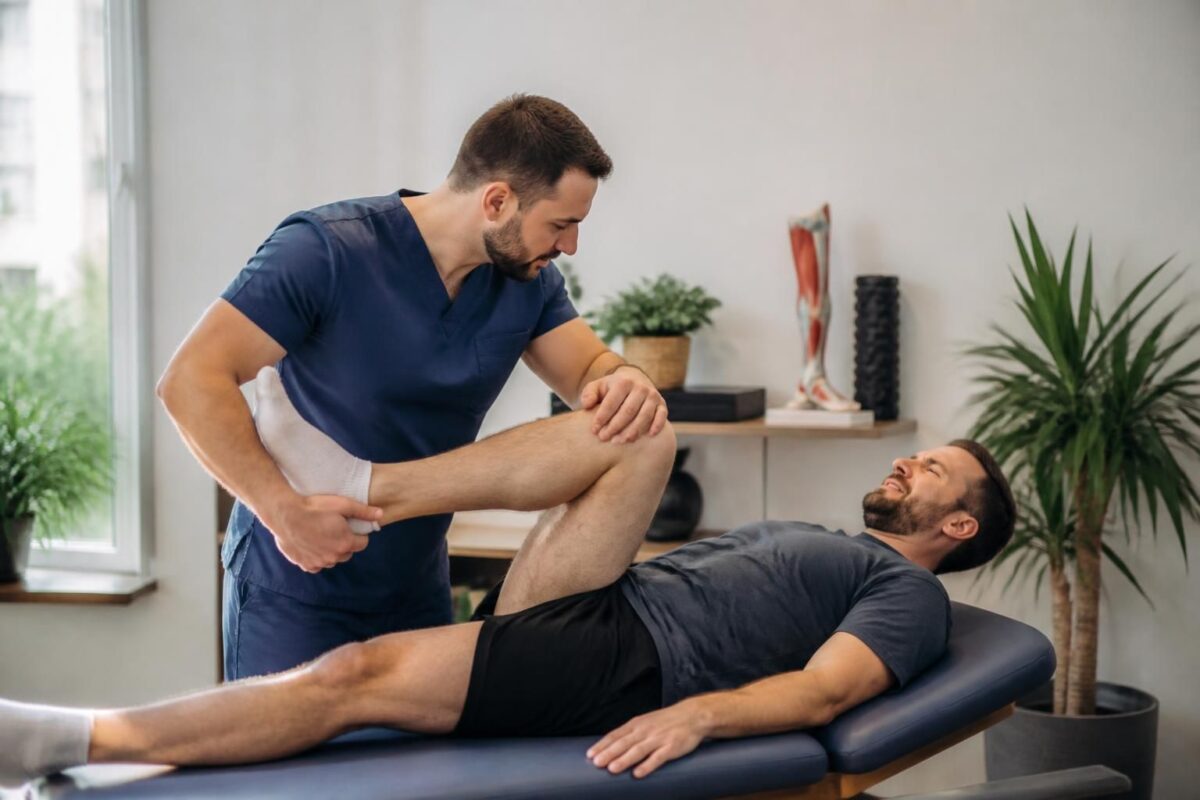
Osteopathy and chronic leg pain: regaining an optimal quality of life
In short In short, Osteopathy is one Global manual approach aimed at reducing Chronic leg pain and improve the quality of life. What is it? Non-drug therapy using the hands to identify restrictions and treat lesional chains. How does it…
Neurophysiological effects and functional gains
Beyond the mechanical aspect, manipulation triggers a favorable neurophysiological cascade: Muscle reflex inhibition muscles in tension, thanks to rapid stimulation of the neuromuscular spindles; Painful modulation via sensory pathways that decrease pain perception; and Improved microcirculation as well as a rebalancing of the autonomic nervous system.
These effects explain the rapid gains observed in mechanical pain syndromes when safety and diagnostic conditions are met, and they prepare the ground for effective functional rehabilitation.
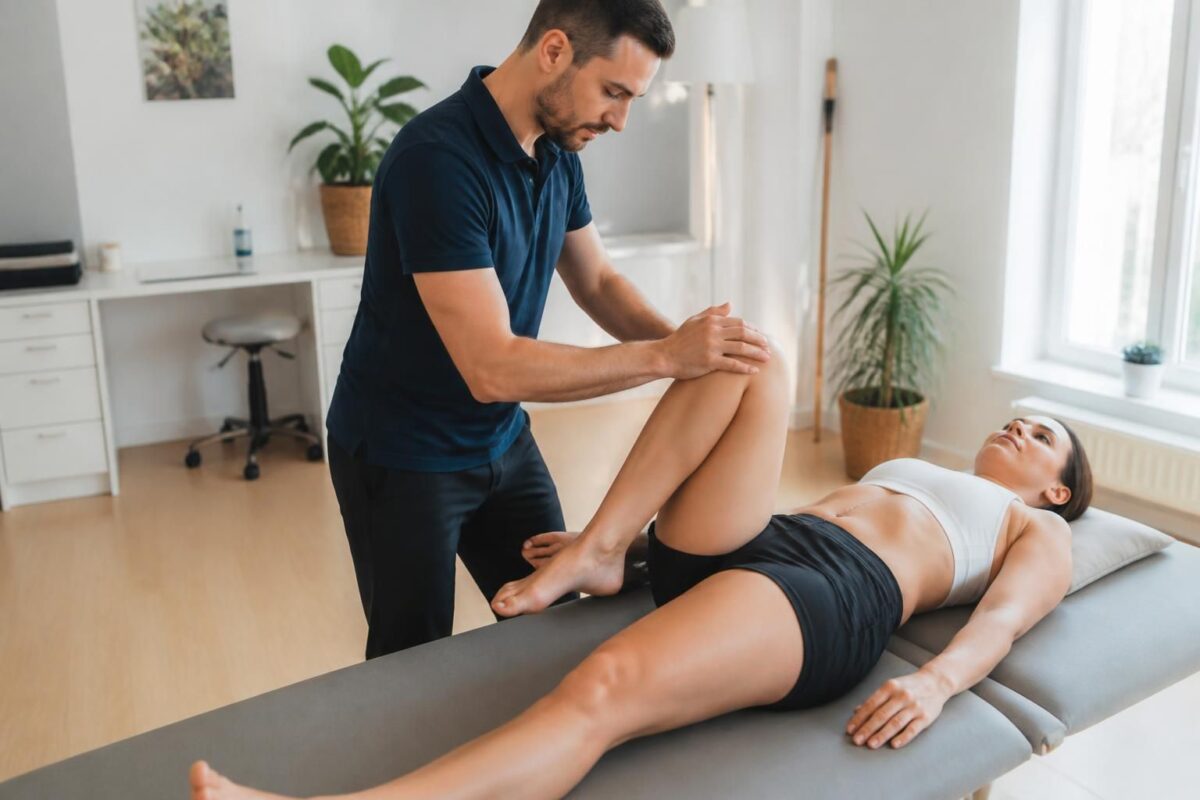
How osteopathy supports recovery after complex surgery
In short In short, Post-operative osteopathy is an approach fresh which supports the recovery After a Complex surgery. It helps to reduce the pain and the fatigue, improves the mobility and accelerates the healing thanks to a better vascularization and…
Safety conditions and prior diagnosis
The decision to carry out a manipulation is based on a Precise osteopathic diagnosis, incorporating mobility, tissue texture and patient reaction. The gesture must be prepared by a muscle relaxation And a guided breathing, in order to preserve comfort and avoid any tension that could hinder the impulse.
Manipulations are not practiced outside a framework: they require a Mastery of the gesture and an clear communication with the patient. They have absolute contraindications when the inflammatory, infectious, tumoral or osteoporotic condition is present, or in the event of major vertebral malformations or vascular/spinal insufficiency.
Handling modes and integrated approach
The manipulations are available in direct, which direct the gesture towards the motor barrier and bring the segment to its restriction position for a rapid pulse, or indirect, which favor ease and proprioceptive reorganization without crossing the restrictive barrier. The choice depends on the patient’s condition, fragility and pain tolerance.
Complementary techniques—such as myotensive, fascial, or cranio-sacral approaches—can be associated to prolong the effects and incorporate correction into the overall dynamics of the body. The goal is a Systemic approach which connects myofascial chains, diaphragmatic breathing and postural balance.
Practical integration and advice to promote flexibility
Success depends on appropriate preparation: work on myofascial chains, tissue relaxation, and respiratory control (synchronized expirations). The practitioner adjusts the speed, direction and amplitude according to the terrain and the patient’s reactions, favoring accuracy over brute force.
To optimize the Joint flexibility, it is crucial to include manipulation in a broader therapeutic strategy, including mobility exercises, postural corrections and prevention of imbalances that could limit long-term gains.
Additional resources
To deepen mechanisms and techniques, these resources offer useful and complementary perspectives:
- Guide to improving joint mobility and flexibility
- Detailed osteopathic techniques
- Joint flexibility and amplitude — complete guide
- Osteopathy and injury prevention in athletes
- Support for post-spurse rehabilitation
- Management of chronic postural imbalances
- Prevent muscle injuries
- Handling to strengthen weak joints
- Osteopathy and joint pain—Mobility and well-being
- Benefits of osteopathy for lower back pain

Dr Sylvain Desforges, B.Sc., D.O., N.D., osteopath, is the founding president of TAGMED and of the ACMA association. He dedicates his practice to chronic spinal pain, low back pain and symptoms compatible with sciatica, particularly when pain radiates toward the buttock, leg, calf, foot or toes.
Through SOS Sciatique, he publishes educational content on sciatica symptoms, possible causes such as disc herniation, disc narrowing, foraminal stenosis or irritation of a lumbar nerve root, as well as non-surgical approaches that may be considered according to the evaluation. At Clinique TAGMED, care may include, depending on the case, motorized neurovertebral decompression, specific osteopathic care or precision percussion.
For an evaluation related to sciatica treatment in Montreal / Mount Royal or sciatica treatment in Terrebonne, please consult the services available at Clinique TAGMED.
Medical disclaimer
The information published on SOS Sciatique is provided for educational purposes only and does not replace a consultation, diagnosis, opinion or treatment provided by a physician or another authorized healthcare professional. The author of this article is neither a medical doctor nor a specialist in a medical specialty recognized by the Collège des médecins du Québec. The osteopathic, manual medicine or functional support approaches described on this site do not constitute medical acts and are not intended to replace medical follow-up.
Consult a physician or emergency service in cases of loss of bladder or bowel control, anesthesia in the saddle area, significant or progressive weakness in the leg or foot, fever, recent trauma, severe pain or rapid worsening of symptoms. For more details, please read our Legal Notice.