How osteopathy supports rehabilitation after a sprain
27/06/2026
Osteopathy and muscle tension linked to repetitive activities
27/06/2026
In short
| In short, theosteopathy for the Lower back pain is one Global manual approach which aims to relieve non-specific low back pain without surgery. What is it? It’s a Custom method which identifies causes and releases blockages. What advantages? Sustainable relief, Mobility found, voltage reduction and relapse prevention, all without drugs when possible. How does it work? A Personalized evaluation then gestures soft On the fascias, organs and skull, accompanied by movement councils. In Labège, this service is accessible to help you regain your mobility and comfort. |
The benefits of osteopathy To relieve the Lower back pain lies in an approach Overall and soft which targets the causes and not just the symptom. By working on the fascias, organs and tensions at a distance (visceral and cranial), it helps to find a mobility fluid, to improve the posture and reduce pain.
- Mobility found and diminished pain thanks to a suitable approach.
- improvement of postual information and from the Respiratory function to support the back.
- relapse prevention with simple advice from
self-care
- Accompaniment holistic which can complete exercises and physiotherapy.
This article shows how Osteopathy can act on Lower back pain favoring an approach overall, fresh and patient-centric. You will discover the mechanisms, the fields of intervention and practical advice to preserve the mobility of the back on a daily basis.
A global approach adapted to each
Osteopathy is not limited to isolated gestures. It is based on careful listening and overall body evaluation. The practitioner seeks to understand why the back suffers and adapts the techniques according to the patient’s profile and evolution, in order to restore the overall balance.
Areas of intervention of osteopathy
osteopathy fascial : The fascias envelop muscles, organs and joints. Their tension can limit mobility and maintain pain. By working on their elasticity, the practitioner allows better tissue freedom and pain reduction.
Visceral osteopathy : The organs influence the dynamics of the back. Internal tensions, such as a disturbed intestine or a contracted stomach, can pull the lower back via the fascias. Soft techniques release these tensions and improve lumbar balance.
Cranial osteopathy : the skull and column are connected; Tensions in the jaw, skull or diaphragm may affect the back. Subtle gestures can alleviate these repercussions and promote better mobility.
What you can expect and testimonials
The results vary by individual and the duration of symptoms. Some people feel improvement after a few sessions thanks to an approach that targets the overall causes rather than limiting themselves to the symptom.
Examples of frequent returns: a resumption of mobility, less morning stiffness and a better ability to remain active in daily life without systematic use of analgesics.
Prevent and maintain back health
To support the benefits of osteopathy, adopt simple habits on a daily basis. Move regularly, favor various activities such as walking or swimming, and maintain a suitable ergonomic posture. Diaphragmatic breathing can also help release the diaphragm and decrease lumbar tension.
Training and professional executives: Osteopaths are part of recognized courses such as Numss, NAO, National University of Medical Sciences and National Academy of osteopathy. Relevant professional associations include ACMA, College of Canadian Osteopaths and College of Canadian Osteopaths.
To further explore the benefits of osteopathy and links with lower back pain, you can consult specialized resources at the following sites:
The benefits of osteopathy to relieve chest pain,
benefits,
Treat sciatic pain,
Valuable support against lower back pain,
Principles and benefits,
practical guide,
Post-surgical rehabilitation,
Traffic and health,
Relieve low back pain,
Effectiveness of chronic back pain.
Medical Disclaimer: The information and advice provided on this site does not replace the health professional’s diagnosis or treatment. Please note that Dr. Sylvain Desforges osteopath is neither a doctor of medicine nor a doctor, and is not a specialist in a medical specialty as defined by the Collège des Médecins du Québec. Manual medicine, functional medicine and sports medicine as described on this site exclude any medical treatment or diagnosis made by a doctor or specialist doctor. Always consult your doctor for any medical questions. For more details, please read our full legal notice.
© © Dr Sylvain Desforges. All rights reserved.
Note: This content complies with the indications for training and authorized professional associations, and does not offer physiotherapeutic treatments outside the comparative framework, except when necessary for a global evaluation of therapies (comparative table). For more details, see the resources listed above.
Whether you are pregnant, in rehabilitation or resuming activity, ask for an appropriate osteopathic assessment. Make an appointment to assess your case and discover an approach adapted to your back.
- Global approach which identifies the causes and blockages to release low back pain as a whole.
- pain reduction By gentle mobilizations and the work of the tensions fascia-the.
- Improving mobility of the pelvis and the column, to facilitate everyday gestures.
- Prevention of recurrences Thanks to tips and exercises adapted to strengthen the body.
- Action on the fascias To release tissue membranes and relieve blockage points.
- Visceral influence on the lumbar tensions linked to the functioning of the internal organs.
- Relaxation and stress reduction with gentle techniques and guided breathing.
- Less medication In addition to the usual treatments when appropriate.
- Accelerated recovery and better adaptation after an injury or a pregnancy period.

This rapid introduction shows how osteopathy can sustainably relieve lower back pain by acting on the body as a whole. By favoring a gentle and adapted approach, it releases tension, improves mobility and accompanies favorable daily habits. The result: less pain, better posture and prevention of relapses, without systematic use of drugs.
A comprehensive approach for sustainable results
Lower back pain is not limited to an isolated lesion. Osteopathy is based on a global vision of the body and seeks to identify the imbalances that maintain pain. By working on muscle chains, tensions and postural compensation, she aims to restore harmony between the upper and lower back and support the body’s natural ability to self-regenerate.
Thanks to this integrative perspective, the beneficiaries find not only a decrease in pain, but also an improvement in mobility, breathing and general tone. This approach is not limited to the treatment of acute pain: it prepares the back to better support daily efforts and sports activities, while reducing the risk of recurrence.
Fascial osteopathy
The fascias, these membranes that envelop muscles and organs, play a key role in freedom of movement. Fascial osteopathy Targets the tensions that are lodged in these tissues and which limit the elasticity. By restoring their flexibility, the blocked areas are released, which results in a Improving mobility and an pain reduction in the lower back.
Visceral osteopathy
The organs and their fascial links with the spine can influence the lower back. Localized tension in the stomach, intestines or liver can pull on the lower back. by targeted techniques, Visceral osteopathy Helps to release these internal tensions and improve the overall balance of the back.
Cranial osteopathy
The skull and spine are intimately linked. Tensions in the jaw, skull or diaphragm may affect the lower back. Subtle and precise gestures make it possible to work remotely and free local restrictions without intensely soliciting the lumbar structures.

How osteopathy improves the quality of life of active people
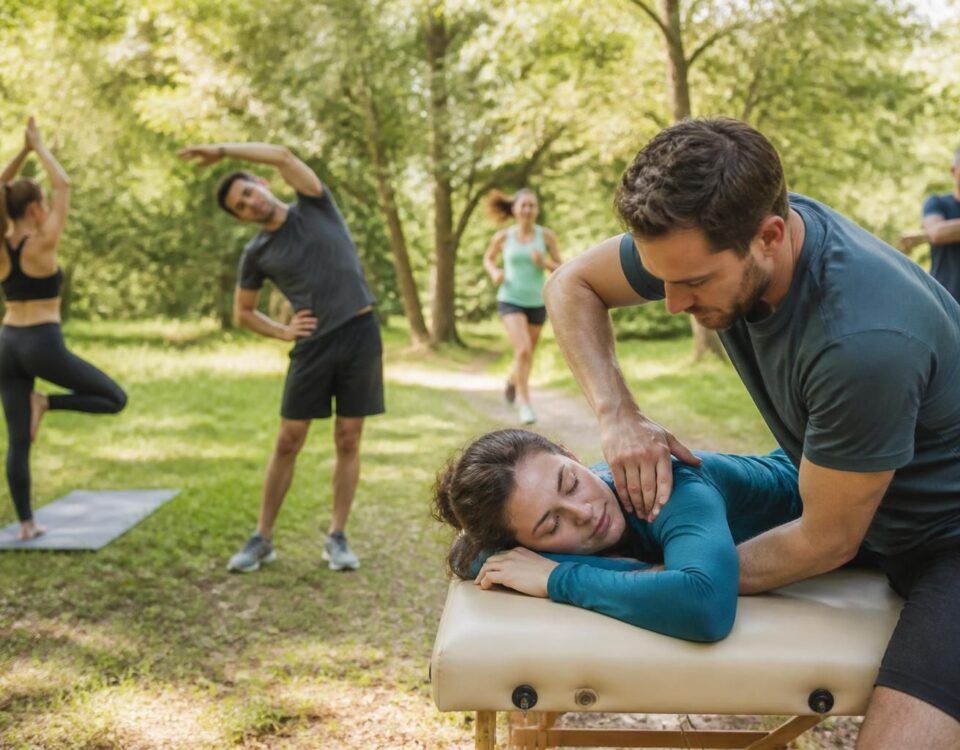
In short In short, theosteopathy is a global approach that Optimizes mobility and the function of the body of ACTIVE PEOPLE, for a better quality of life. It helps prevent injury and reduce Musculoskeletal pain While promoting the Sports recovery.…
Concrete results and daily benefits
The benefits of osteopathy for the back pain are measured on several levels: pain reduction, Improving mobility, and relapse prevention. In addition, patients find a better sleep, a freer breathing, and a more balanced posture that facilitate daily activities and sporting efforts.
The results depend on each person and on appropriate follow-up. The important thing is to associate the sessions with simple habits: regular movement, appropriate ergonomics and taking into account the body signals to avoid repeated overloads.

Osteopathy and sports recovery: prepare the body for lasting performance
In short In short, Osteopathy and Sports recovery is one Global manual approach that sustainably prepares the body for the effort by restoring mobility and circulation After the effort. It is a discipline that acts on the sinews, the joints,…
Practical tips to support the benefit of osteopathy
Move regularly and avoid prolonged sitting periods: active breaks every hour support lumbar stability.
Practice gentle stretching and diaphragmatic breathing exercises that relax the diaphragm and relax the lower back.
Adopt a suitable ergonomics: eye level screen, well-posed feet, lumbar support and adapted chairs during daily tasks.
Integrate a varied physical activity: walking, swimming, yoga or pilates nourish the back without overload and strengthen the supporting muscles.
Finally, combine professional advice with a self-care routine adapted to maintain the benefits obtained during osteopathy sessions and prevent future discomforts.
| Aspect | Concise benefits |
|---|---|
| Diagnosis and global approach | Personalized assessment and overall plan that aims to reduce pain and improve mobility. |
| Immediate and lasting relief | Reduction of pain through gentle manipulations and targeted mobilizations, with results that gradually set in. |
| Mobility and posture | Release of joint restrictions and fascias to facilitate posture and daily gestures. |
| Decreased muscle tension | Relaxation of tension zones, improved flexibility and comfort. |
| work on the fascias | Restoration of fascia elasticity to limit restrictions and pain. |
| Visceral osteopathy | Relaxation of internal tensions that can influence the back via the fascias and organs. |
| safety and non-invasive | Non-surgical approach, generally well tolerated and suitable for the patient. |
| Prevention and long-term management | Strengthening and postural education to prevent relapses and improve sustainable well-being. |
| Complement to treatments | Contribution to a global program including physical activity and targeted exercises. |
Why Osteopathy Is Essential For Recovery People
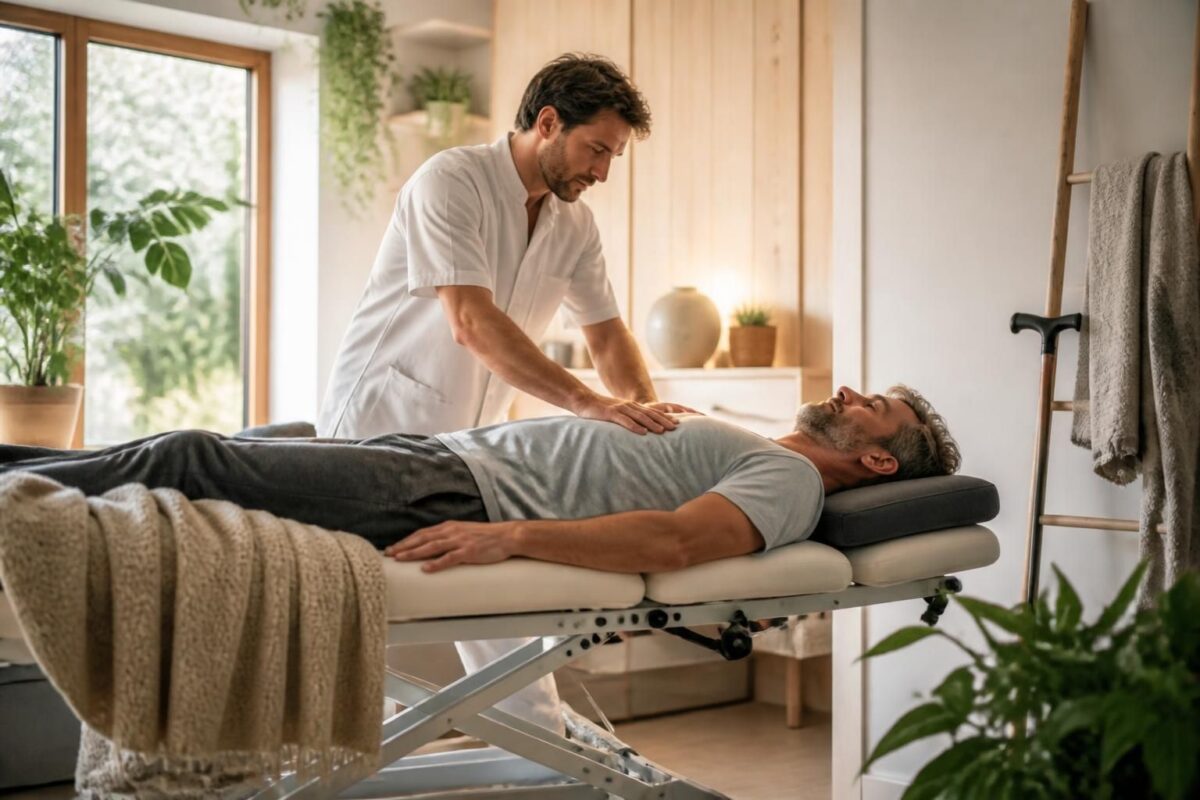
In short In short, Osteopathy in convalescence is an approach manual and holistic which helps to accelerate the recovery by restoring The balance, the mobility and a good circulation fabrics. it contributes to Reduce the pain, support the Back to…
Testimonials on the benefits of osteopathy to relieve lower back pain
“Before, I spent hours in front of my computer and my back pain needed on a daily basis. After 3 sessions ofosteopathy, I found a mobility Sufficient to work and my pain subsided markedly, without taking any medications. »
“As an amateur athlete, my Lower back pain came back after each workout. thanks to the global approach toosteopathy, I have not only recovered better, but also warned the relapses and won in Physical resilience. »
“I was skeptical, but after a few sessions focused on techniques fasciales and cranial, my back found some flexibility And I live again. less stiffness in the morning and more than freedom during my activities. »
“During my pregnancy, the lower back pain was accentuated. manipulations sweet and targeted have made it possible to Relief without medication And to feel lighter on a daily basis. »
“The stress was piling up and my lower back suffered. With osteopathy, strain released and I found a free breathing, which reduced pain and improved my posture. »
Dr. Sylvain Desforges is a Expert in osteopathy, naturopathy and manual medicine, and he holds the position of founding president of TagMed as well as that of the ACMA association. With a career dedicated to innovation in care, he specializes in the management of chronic pain and the integration of advanced technologies such as spinal decompression, laser and shockwave therapy. Its mission is to offer care evidence-based To optimize the health and well-being of its patients.
Lower back pain is a common problem and, in many cases, is not based on a major structural lesion. We then speak of non-specific low back pain, where the pain can be deaf or sharp, weighing on the daily life and limiting the usual activities. It is precisely in this context that osteopathy, practiced by Dr Desforges, offers a global and personalized approach, capable of acting on the plural causes that nourish pain.
To understand the origins, one must consider the lower back as an essential transition zone between the upper and the lower body. The lumbar support the trunk, participate in walking, breathing and posture, and working continuously. Osteopathic work is not limited to “crunching”: it aims to restore mobility and free up blockages through an approach Sweet and global. Dr Desforges intervenes on several levels: the fascia To improve the elasticity of the membranes that surround muscles and organs, the visceral for loosening internal tensions affecting the back, and sometimes the system cranial When tensions in the jaw, the skull or diaphragm affect the lumbar.
This articulation between fascia, organs and cranial sphere allows an approach that does not just soothe pain, but which seeks to identify and treat deep imbalances. In addition, Dr. Desforges can offer non-invasive and adapted techniques, integrating modern parameters and advanced evaluation tools to guide treatment. The desired result is a Sustainable improvement in mobility, pain reduction and faster resumption of daily activities.
In addition to direct care, back osteopathy is accompanied by practical advice to prevent relapses. Simple habits like moving regularly, adopting appropriate ergonomics, practicing mobility and reinforcement exercises, and managing stress contribute to maintaining the gains obtained during the sessions. Dr. Desforges’ approach is like this personalized, patient-centric and focused on long-term prevention, to sustainably support comfort and quality of life.
To find out more about the approach and services offered by TagMed, and consider appropriate treatment for your lower back pain, contact the TagMed clinic and plan a consultation with Dr Sylvain Desforges.
This presentation highlights the Benefits of Osteopathy To relieve the Lower back pain, explaining why low back pain occurs, how a global and personalized approach acts on the body and how to adopt simple gestures on a daily basis to prevent crises. The objective is to get out of the simple symptom to restore mobility and overall functioning of the back.

Osteopathic manipulations to strengthen post-traumatic muscles
In short In short, Osteopathic manipulations for Strengthen post-traumatic muscles constitute a gentle manual approach aimed at restoring the mobility, reduce the pain and facilitate the Functional rehabilitation After a injury. What is Is it? A series of precise gestures…
Mechanisms that explain low back pain and the role of osteopathy
The back pain Not limited to a visible lesion. They often result from a multidimensional imbalance linked to sedentary lifestyle, prolonged posture, stress and lack of movement. Osteopathy addresses these factors by acting on soft tissues, fascias and body compensation mechanisms, in order to restore fluid and sustainable mobility.
In this perspective, osteopathy is not limited to occasional manipulations. It aims to release the blockages that limit movement, to optimize the function of the fascias and to relax the structures that contribute to pain, while respecting the rhythm of the patient. To understand possible approaches and dispel certain received ideas, you can consult dedicated resources on the benefits and received ideas of osteopathy.

Osteopathy and prevention of work-related musculoskeletal disorders
In short theosteopathy is one Manual approach that restores body balance and prevents MSD related to work. Its advantages: reduction of tension, improvement of mobility and prevention of chronic pain. She is preventive and healing, suitable for office and trades…
A global approach adapted to each patient
Osteopathic treatment is based on careful listening and holistic evaluation. The intervention can combine techniques fasciales, visceral and cranial According to individual needs, with an intention to support self-healing mechanisms of the body. This gentle and personalized approach aims not only to calm the pain, but also to understand its root causes and to prevent recurrences.
In addition, resources and testimonies show that osteopathy can act on muscle tension linked to stress and postural imbalances, thus contributing to a better quality of life and regained mobility.
To enrich your understanding of the mechanisms and demystify certain ideas, you can explore dedicated articles on therapeutic axes and results observed in daily practice.

The benefits of osteopathy to treat muscle imbalances
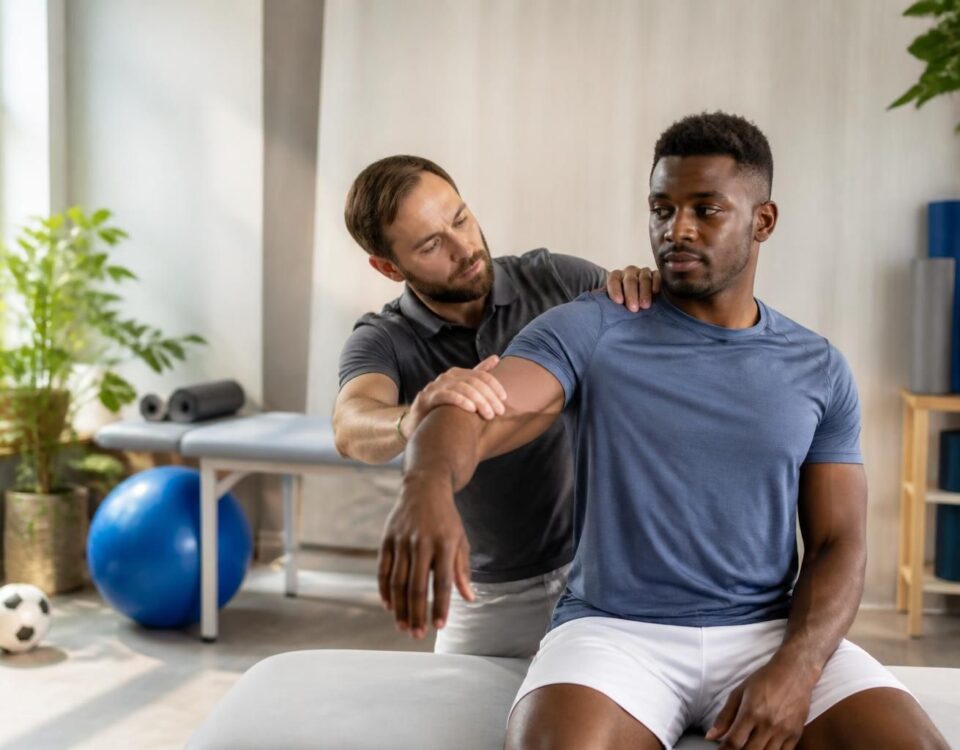
In short theosteopathy is a manual approach to restore themuscle harmony and postural considering the body as a whole. Its main benefits include the reduction of aches and tensions, the improvement of the mobility and from the posture, and prevention…
Practical applications and concrete testimonies
Patients recount improvements after a few sessions, including better mobility, less pain and a more serene recovery in daily activities. Feedbacks evoke the importance of approaching the back as an interdependent system, where posture at work, breathing and diaphragm play a key role in reducing lumbar tension.
These experiments illustrate the potential effectiveness of an integrated approach, which is not limited to dissipating the symptom but seeks to rebalance the relationships between the fascias, the internal organs and the nervous system.
To deepen the foundations and results observed, you can consult resources on the benefits of osteopathy for chronic muscle pain and the overall benefits devoted to tension prevention.
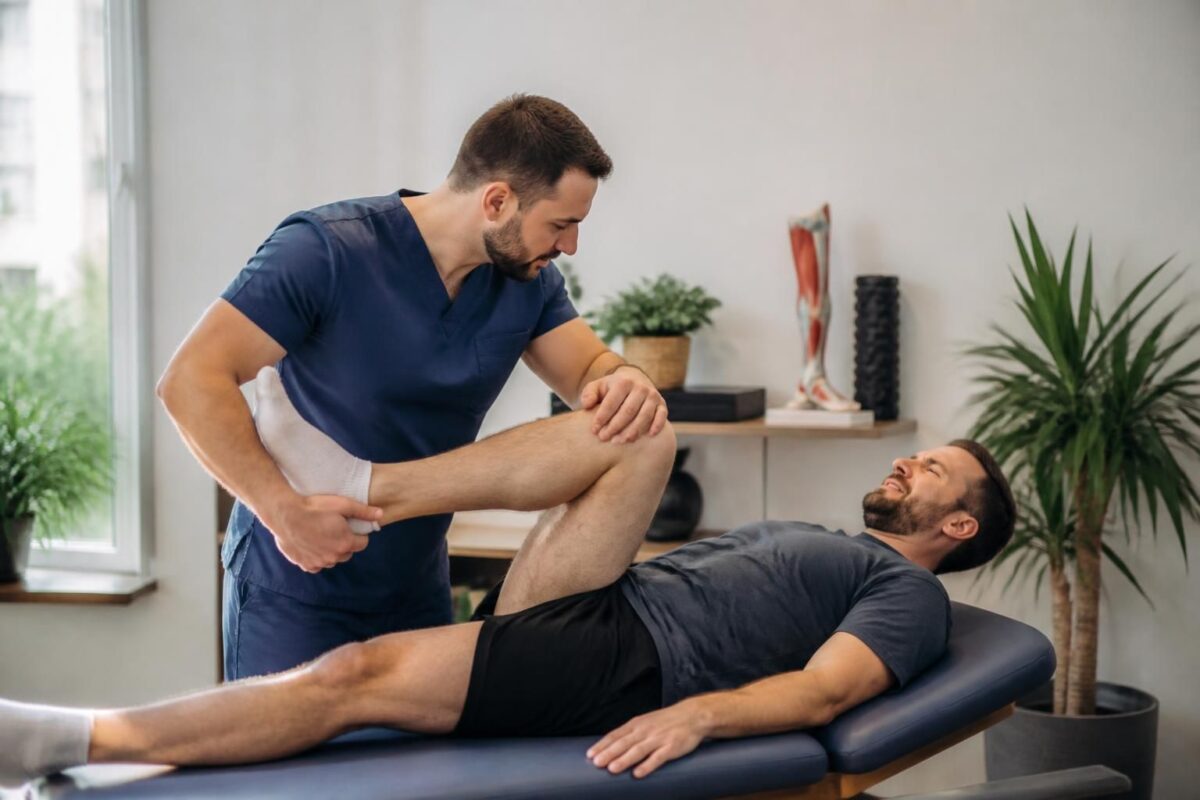
Osteopathy and chronic leg pain: regaining an optimal quality of life
In short In short, Osteopathy is one Global manual approach aimed at reducing Chronic leg pain and improve the quality of life. What is it? Non-drug therapy using the hands to identify restrictions and treat lesional chains. How does it…
Simple tips to prevent and manage on a daily basis
Adopting regular habits can make the difference between persistent pain and controllable low back pain. Move every hour And maintaining a varied physical activity are essential levers. Integrate soft stretches, breathe with the diaphragm and favor ergonomics suitable for work and movement.
Simple gestures, such as short walks, targeted muscle strengthening and breathing routines, help support the back and limit the risk of relapse. To learn more about complementary approaches and practical advice, consult resources dedicated to osteopathy and functional well-being.
In addition, explore resources that explain how osteopathy can reduce stress-related tensions and improve overall functional stability, to sustainably support your back.
To take advantage of the benefits described and consider an approach adapted to your situation, make an appointment in a specialized firm to benefit from a personalized evaluation and a treatment plan based on your mobility and comfort objectives.
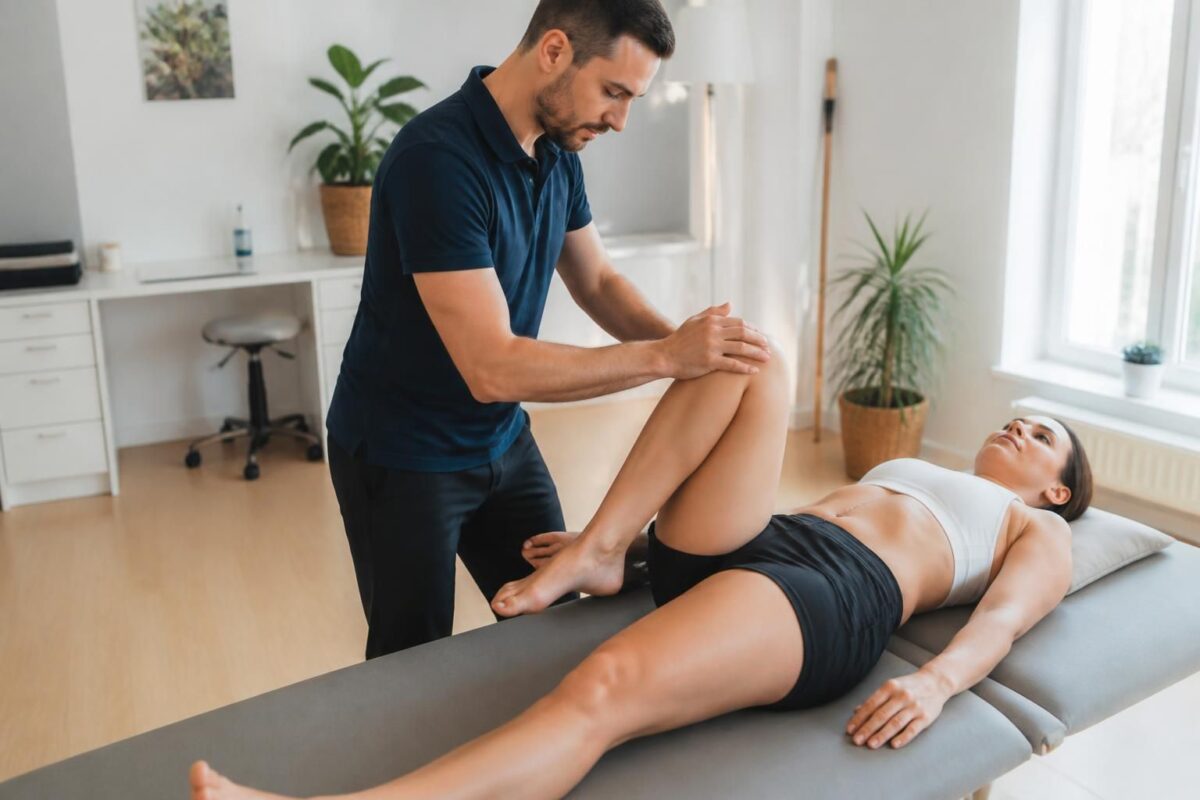
How osteopathy supports recovery after complex surgery
In short In short, Post-operative osteopathy is an approach fresh which supports the recovery After a Complex surgery. It helps to reduce the pain and the fatigue, improves the mobility and accelerates the healing thanks to a better vascularization and…

Dr Sylvain Desforges, B.Sc., D.O., N.D., osteopath, is the founding president of TAGMED and of the ACMA association. He dedicates his practice to chronic spinal pain, low back pain and symptoms compatible with sciatica, particularly when pain radiates toward the buttock, leg, calf, foot or toes.
Through SOS Sciatique, he publishes educational content on sciatica symptoms, possible causes such as disc herniation, disc narrowing, foraminal stenosis or irritation of a lumbar nerve root, as well as non-surgical approaches that may be considered according to the evaluation. At Clinique TAGMED, care may include, depending on the case, motorized neurovertebral decompression, specific osteopathic care or precision percussion.
For an evaluation related to sciatica treatment in Montreal / Mount Royal or sciatica treatment in Terrebonne, please consult the services available at Clinique TAGMED.
Medical disclaimer
The information published on SOS Sciatique is provided for educational purposes only and does not replace a consultation, diagnosis, opinion or treatment provided by a physician or another authorized healthcare professional. The author of this article is neither a medical doctor nor a specialist in a medical specialty recognized by the Collège des médecins du Québec. The osteopathic, manual medicine or functional support approaches described on this site do not constitute medical acts and are not intended to replace medical follow-up.
Consult a physician or emergency service in cases of loss of bladder or bowel control, anesthesia in the saddle area, significant or progressive weakness in the leg or foot, fever, recent trauma, severe pain or rapid worsening of symptoms. For more details, please read our Legal Notice.