Osteopathy and chronic muscle pain: a natural solution
27/06/2026
The benefits of osteopathy to relieve lower back pain
27/06/2026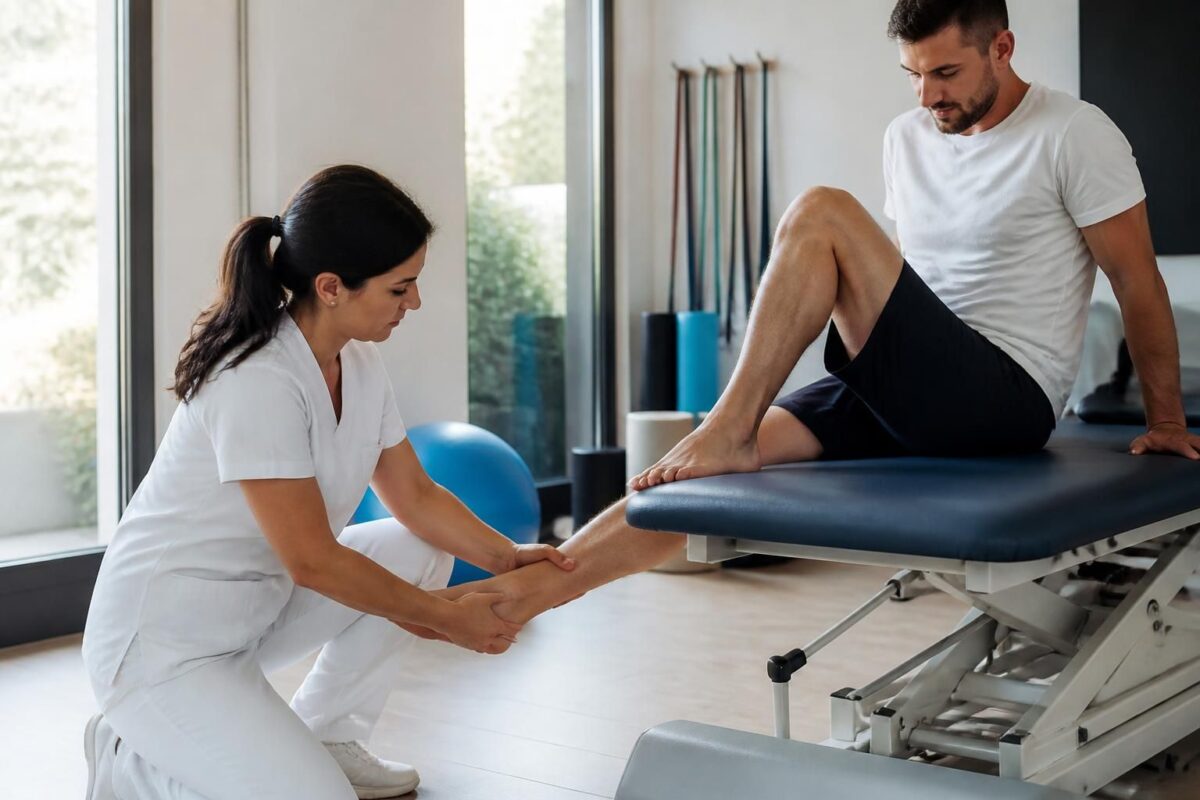
In short
| In short, theosteopathy supports the rehabilitation After a sprain By restoring the mobility and reducing theinflammation, thanks to Soft manual techniques adapted to each patient. This approach allows a reduction in the pain and an improvement in mobility and from the flexibility, while helping to prevent relapses and complications. Operation is based on a Holistic evaluation and the use of Myofascial release, of Sweet mobilizations and exercisesself-care, with personalized advice to accelerate the recovery and the return to daily activities. In Montreal, this service is particularly recommended for ligament sprains and shock sequences, offering a pain-free global approach adapted to the patient’s healing pace. |
After a sprain, theosteopathy supports the rehabilitation By combining a Personalized evaluation And some Soft manual techniques intended for Reduce the pain, inflammation and to restore the mobility joints and muscles.
It promotes tissue healing and overall balance by releasing tensions, improving circulation and supporting the nervous system to reduce post-traumatic tension. of Adapted reinforcement exercises and tips fromself-care complete the manipulations in order to prevent relapses and accelerate the Back to activity daily and sports.
This article explains how Osteopathy supports the rehabilitation After a sprain. The osteopathic approach aims to reduce pain, restore mobility and prevent recurrences by treating the body as a whole. Through gentle manipulations and personalized support, it facilitates the rapid and sustainable return to daily and sporting activities.
Initial assessment and definition of a personalized plan
At the first consultation, the osteopath assesses pain, mobility and muscle tension around the sprain. It examines history and movement patterns to understand causes and repercussions on the whole body. This approach enables a clear and realistic treatment plan to be defined, focused on functional recovery and complication prevention.. A personalized approach Ensures that the techniques chosen correspond to your state and activity.
Soft and targeted manual techniques
Techniques Soft manuals and targeted Aim to release tension, relax the fascias and restore the mobility of the joints and muscles surrounding the sprain. The work focuses on the posterior chain and close groups to restore alignment and neuromuscular coordination. To better understand the mechanisms of action, consult resources such as content on pain related to bad postures and Improved local traffic.
Pain management and inflammation reduction
Osteopathic techniques act on local mechanisms to reduce inflammation and limit pain. By restoring effective circulation and reducing muscle tension, the sprain can regulate its symptoms more quickly. This approach contributes to increased comfort and a faster resumption of everyday actions. Resources describe how osteopathy can modulate pain and promote return to activity: Improved circulation and pain reduction.
Functional recovery and return to activities
Rehabilitation involves gradual restoration of function, proprioception and coordination of movements. The osteopath works on the joints, muscles and fascias to allow optimal control of the gesture and better stability. This prepares the return to daily and sports activities, while avoiding compensation that could promote other pain. For an overview of the links between osteopathy and post-traumatic rehabilitation, see the page Osteopathy and post-traumatic rehabilitation.
Relapse prevention and balance
Proper and regular follow-up helps maintain functional gains and reduce the risk of relapse. The osteopath can offer adjustments and advice to preserve body balance over the long term. This prevention is based on better proprioception and appropriate management of daily burdens and movements. Resources related to prevention and recovery can be viewed via the dedicated pages on Osteopathy and circulation.
Coordination with other professionals and practical advice
Osteopathic treatment is often part of a multidisciplinary approach. The osteopath collaborates with your doctor or other health professionals to refine the rehabilitation plan. Practical advice focuses on posture, daily activities and pain management techniques that do not replace medical follow-up but support the healing process.
To deepen the aspects of post-traumatic rehabilitation, you can consult This dedicated content.
When to consult and security
Quickly check if the pain persists, if mobility remains limited, or if unusual signs appear after a sprain. An early consultation can prevent chronicization and help adjust treatment early on. A detailed anamnesis during the first session makes it possible to precisely identify the manifestations and to assess the impact on the whole body.
Related Resources and Useful Links
To enrich your knowledge, here are resources that are relevant and in line with our standards:
Improved local traffic,
Osteopathy and post-traumatic rehabilitation,
Tagmed Clinic,
neurovertebral decompression,
herniated disc and osteopathy,
Carpal tunnel syndrome and osteopathy,
SOS SCIATIC RESOURCES.
Medical Disclaimer: The information and advice provided on this site does not replace the health professional’s diagnosis or treatment. Please note that Dr. Sylvain Desforges osteopath is neither a doctor of medicine nor a doctor, and is not a specialist in a medical specialty as defined by the Collège des Médecins du Québec. Manual medicine, functional medicine and sports medicine as described on this site exclude any medical treatment or diagnosis made by a doctor or specialist doctor. Always consult your doctor for any medical questions. For more details, please read our full legal notice.
- Targeted evaluation and personalized plan for the sprain.
- Relief pain and reduction of inflammation by gentle techniques.
- Sweet mobilizations To restore joint mobility and surface glide.
- proprioception and stability through guided exercises and neuromuscular reprogramming.
- Progressive strengthening and motor control around the ankle and knee.
- Functional return progressive to daily gestures and sports activity.
- relapse prevention and self-care advice (stretching, self-massage, stress management).
- Personalized follow-up and protocol adjustments according to the evolution.

This article explains how theosteopathy supports rehabilitation after a sprain, by combining precise evaluation, adapted manual techniques and rehabilitation advice to limit pain, restore mobility and promote a gradual return to activity.
Evaluation and personalized treatment plan
During a sprain, the osteopath begins with a anamnesis targeted and a functional examination to identify affected structures and trauma mechanisms. The goal is to determine the local restriction zones and possible compensations in the musculoskeletal chains. One Custom Plan is then established, with clear objectives: reduce pain and inflammation, restore joint mobility and prepare the ground for progressive strengthening. Each session aims to adjust the treatment according to the evolution of the patient and his activity.

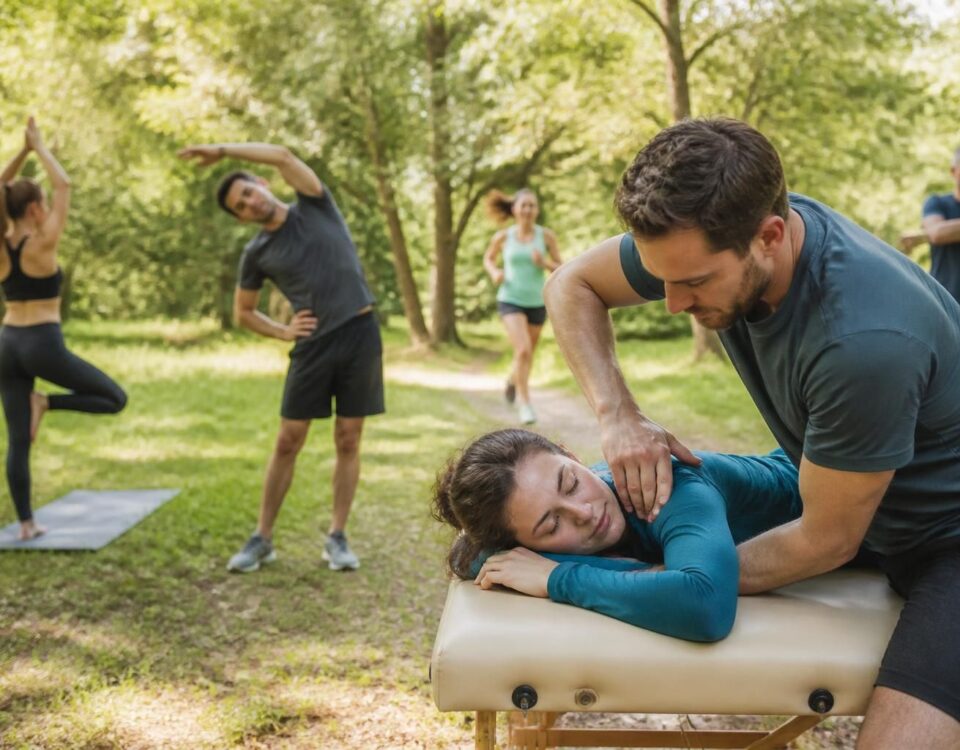
How osteopathy improves the quality of life of active people
In short In short, theosteopathy is a global approach that Optimizes mobility and the function of the body of ACTIVE PEOPLE, for a better quality of life. It helps prevent injury and reduce Musculoskeletal pain While promoting the Sports recovery.…

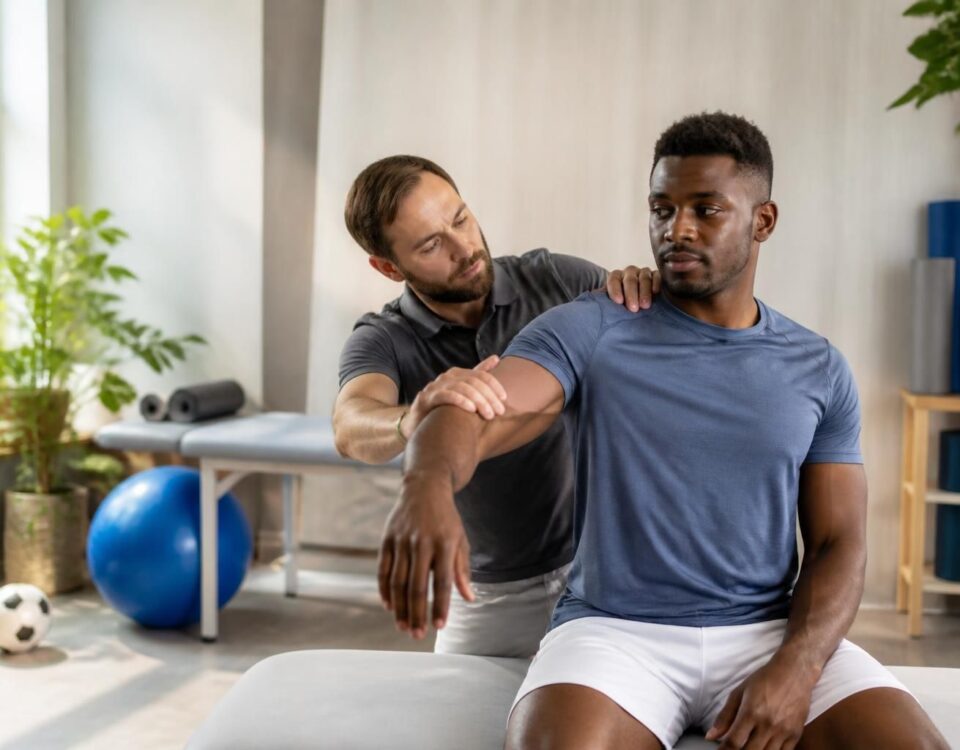
Osteopathy and sports recovery: prepare the body for lasting performance
In short In short, Osteopathy and Sports recovery is one Global manual approach that sustainably prepares the body for the effort by restoring mobility and circulation After the effort. It is a discipline that acts on the sinews, the joints,…
Osteopathic techniques transferable to the sprain
Myofascial release and gentle mobilizations
Gentle techniques help release tension in soft tissue around the ankle and adjacent joints, while restoring smooth mobility. The Myofascial release Helps to reduce blockages and promote better circulation of biological fluids, which can reduce local inflammation and accelerate recovery.
Inflammation management and circulatory balance
Targeted techniques accompany the reduction of theinflammation and improving the circulation peripheral. At the same time, respiratory and postural approaches facilitate the delivery of nutrients and the evacuation of toxins, supporting tissue regeneration and progressive resumption of movements.
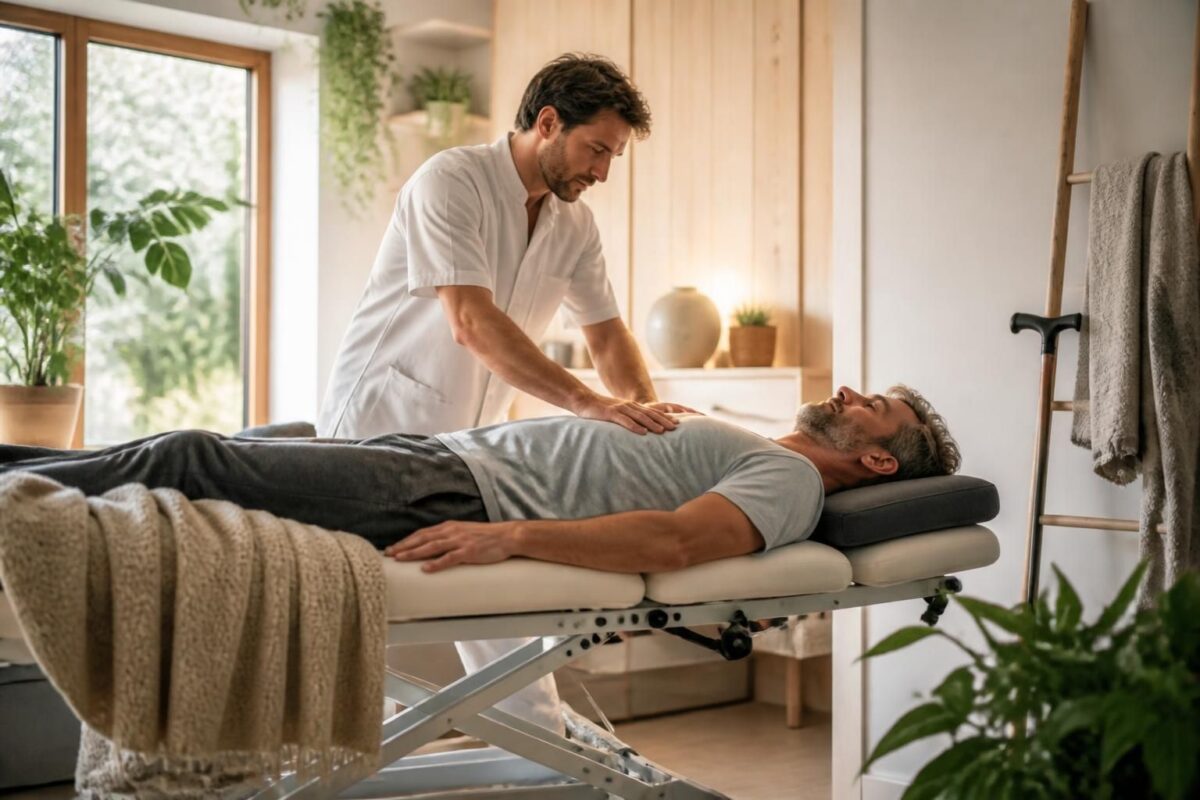
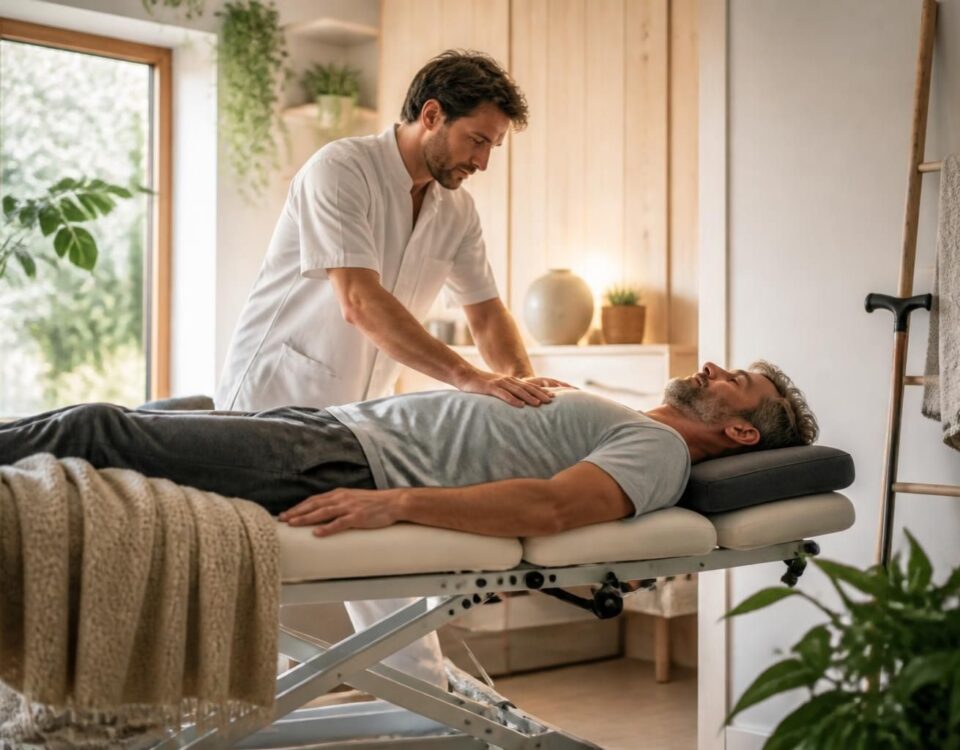
Why Osteopathy Is Essential For Recovery People
In short In short, Osteopathy in convalescence is an approach manual and holistic which helps to accelerate the recovery by restoring The balance, the mobility and a good circulation fabrics. it contributes to Reduce the pain, support the Back to…

Osteopathic manipulations to strengthen post-traumatic muscles
In short In short, Osteopathic manipulations for Strengthen post-traumatic muscles constitute a gentle manual approach aimed at restoring the mobility, reduce the pain and facilitate the Functional rehabilitation After a injury. What is Is it? A series of precise gestures…
Functional rehabilitation and proprioception
Targeted strengthening and joint stability
Once the pain is under control, the osteopath integrates exercises reinforcing Focused on the muscles around the ankle and foot, to stabilize the joint and improve proprioception. The work progresses gradually, taking into account the level of pain and the patient’s tolerance, to prevent recurrences and promote a safe return to working life.
Secure business progression
Rehabilitation includes series of functional exercises and scenarios simulating daily gestures and sports activities. The goal is to improve the mobility, coordination and confidence in support, while avoiding sudden efforts that could compromise recovery.

Osteopathy and prevention of work-related musculoskeletal disorders
In short theosteopathy is one Manual approach that restores body balance and prevents MSD related to work. Its advantages: reduction of tension, improvement of mobility and prevention of chronic pain. She is preventive and healing, suitable for office and trades…

The benefits of osteopathy to treat muscle imbalances
In short theosteopathy is a manual approach to restore themuscle harmony and postural considering the body as a whole. Its main benefits include the reduction of aches and tensions, the improvement of the mobility and from the posture, and prevention…
Prevent relapses and optimize return to activity
Beyond the initial treatment, osteopathy aims to relapse prevention through a global approach. Personalized advice on shoes, the practice field and the charging mechanisms make it possible to adapt the rehabilitation program to the rhythm of life and physical activity. Regular check-ups help adjust the exercises and maintain joint stability over the long term.
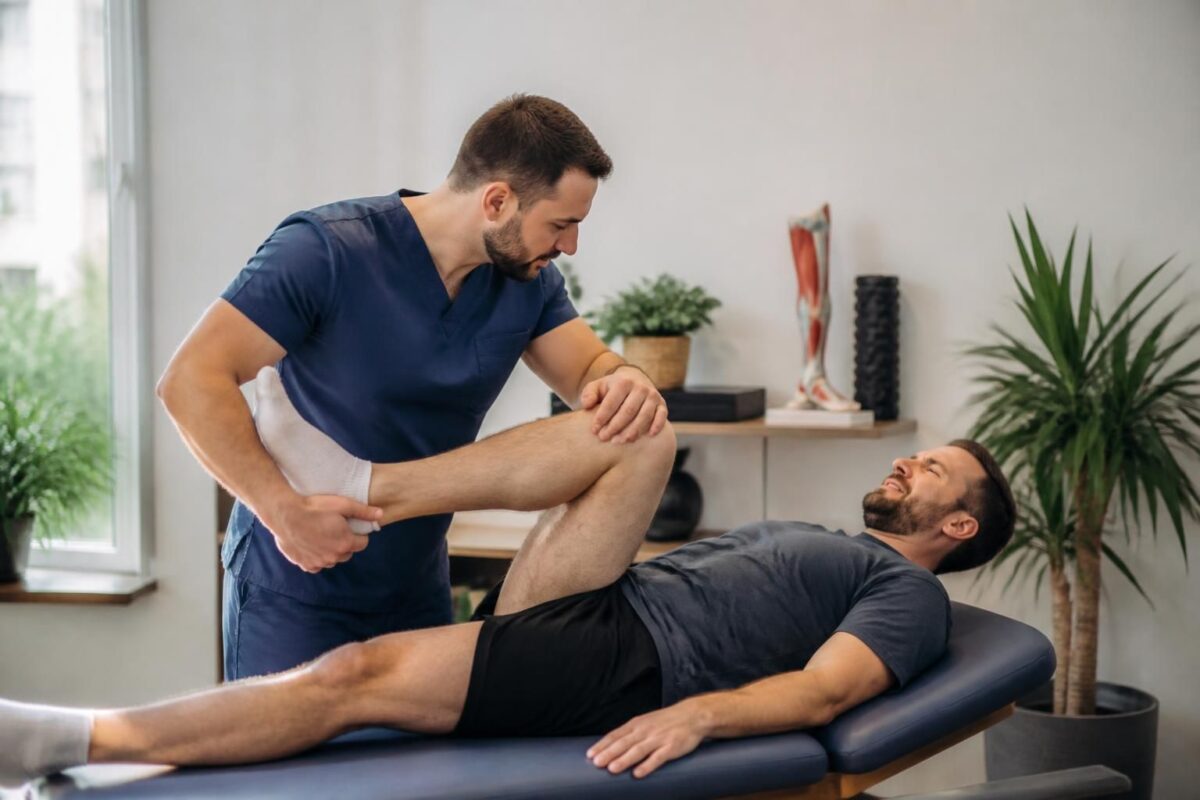
Osteopathy and chronic leg pain: regaining an optimal quality of life
In short In short, Osteopathy is one Global manual approach aimed at reducing Chronic leg pain and improve the quality of life. What is it? Non-drug therapy using the hands to identify restrictions and treat lesional chains. How does it…
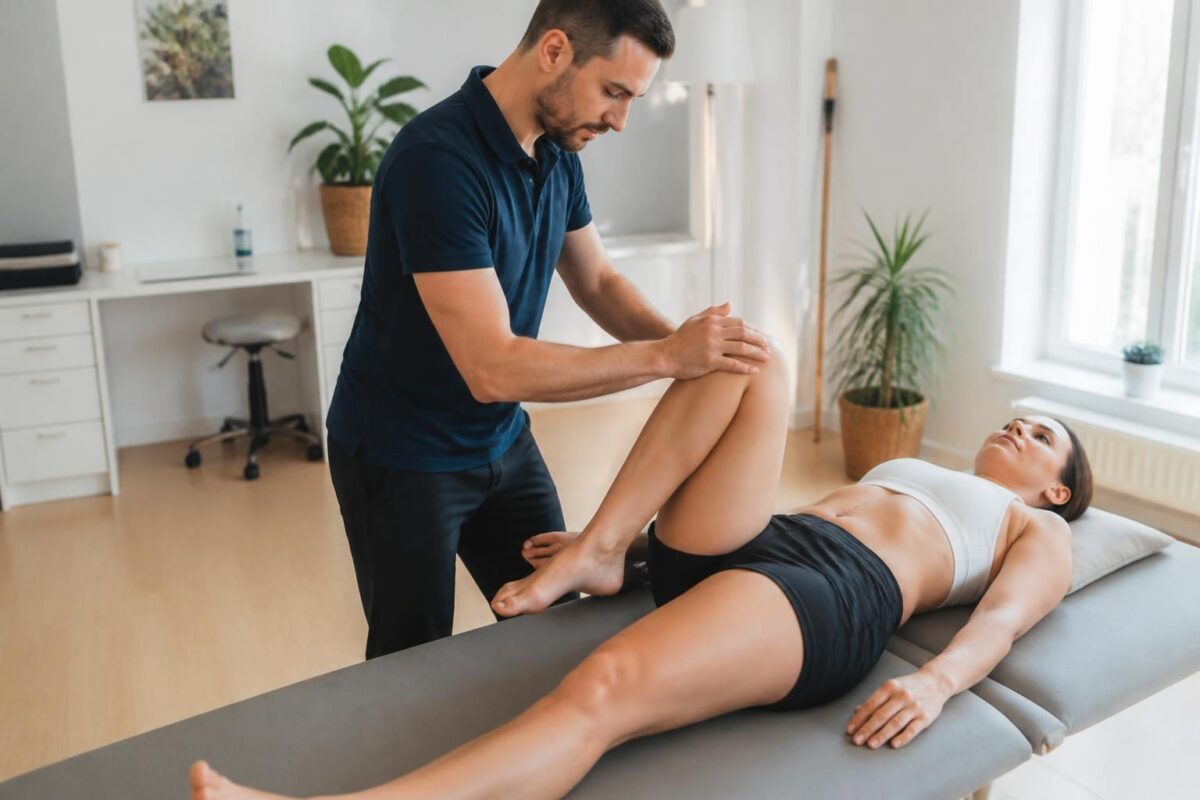
How osteopathy supports recovery after complex surgery
In short In short, Post-operative osteopathy is an approach fresh which supports the recovery After a Complex surgery. It helps to reduce the pain and the fatigue, improves the mobility and accelerates the healing thanks to a better vascularization and…
When to consult and warning signs
Quickly consulting an osteopath is useful if there is still significant pain, instability, swelling that does not improve, or difficulties in resuming daily gestures. Early and appropriate care reduces the risk of chronification and facilitates effective return to the activity.
Comparative table: rehabilitation after a sprain
| Intervention axis | Concise impact |
|---|---|
| Evaluation and plan personalized | Custom Plan and Regular follow-up to guide recovery. |
| Myofascial release and muscle tension | Soft release Tensions and reduction of inflammation. |
| Mobilization articular fresh | targeted mobilizations to find mobility and function articular. |
| proprioception and rehabilitation | proprioception reinforced to prevent injuries recurring. |
| Progressive strengthening and stabilization | Progressive strengthening and stabilization adapted functional. |
| Circulation and Tissue repair | Traffic and Tissue repair accelerated. |
| stress management and nervous balance | Regulation nervous and reduction of stress post-traumatic. |
| Prevention relapses | Relapse prevention through advice and plan long-term. |
| Coordination with the Other professionals | coordination with Other professionals and continuous monitoring. |
Testimonials: how osteopathy supports rehabilitation after a sprain
“After my ankle sprain during a match, I quickly consulted. thanks to a Personalized evaluation, the osteopath targeted sensitive areas with Sweet mobilizations and an Myofascial release. I felt a pain reduction From the first sessions and a Improving mobility which allowed me to gradually resume walking and strengthening exercises. »
“My knee was injured after a fall and the return to walking was difficult. The osteopathic accompaniment offered me a Personalized rehabilitation plan with appropriate techniques, and I noted a relapse prevention Through stimulation of proprioception and working on lower limb alignment. My recovery is faster and more durable. »
“As a dancer, a sprained wrist braked me on stage. Osteopathy helped me release tensions and to Restore wrist mobility by Targeted mobilizations. The process also improved my quality of life And gave me tools to prevent future pain during my choreographies. »
“After a sprained finger, the recovery seemed long. The sessions brought a rapid reduction in inflammation and an Increased proprioception Hands, which allowed me to find my fine gestures and resume my daily activities without embarrassment. »
“I recommend osteopathy after a sprain for a safe return to sports. In addition to Soft manual techniques, we receive self-care advice and follow-up that promotes relapse prevention and an Functional recovery Faster. »
After a sprain, the key objective is to quickly restore the function and prevent repetitive pain in the long term. Osteopathy offers a global approach that goes beyond ad hoc relief: it acts on tissues and support mechanisms around the ankle and foot to reduce theinflammation, restore the mobility and avoid the compensation that may occur. By taking into account the balance between the body and the mind, the practitioner aims for a harmonious regeneration, by adapting each gesture to the unique dynamics of the wound and the patient’s experience.
The initial assessment is based on a anamnesis precise and dynamic observation of the role of the ankle in walking and posture. The therapist explores joint mobility, muscle tone around the foot and leg, and possible fascia restrictions. Targeted tests identify sensitive areas and functional limitations that hinder the return to normal activity. This evaluation Deeply serves as the base for a personalized treatment plan, designed to optimize recovery and limit the risk of relapse.
The techniques used after a sprain focus on safety and measured progression. Among them are the Myofascial release, the Sweet mobilizations Joints and techniques for rebalancing muscle chains around the ankle. These approaches aim to reactivate joint mobility, to relax tense fascias and to promote better blood and lymphatic circulation. By working smoothly on the injured structures, the osteopath helps to reduce pain and accelerate the recovery phase while respecting the natural healing rhythm.
The main objectives of osteopathic intervention during post-spent rehabilitation are multiple: pain reduction and theinflammation, improvement of the mobility and stability, and prevention of long-term complications. The osteopathic approach also seeks to restore proprioception and balance, crucial elements to prevent recurrences and facilitate the return to daily or sporting activity without pain or discomfort.
Beyond the manipulations, an effective rehabilitation phase is accompanied by strengthening and proprioception exercises adapted to each patient. The osteopath advises simple gestures to perform at home, progresses loads and amplitudes, and sometimes coordinates with other health professionals to enrich the program (muscle strengthening, work to migration of loads and advice on shoes or soles). This integrated support aims to optimize functional recovery, reduce the risk of relapse and allow a resumption of usual activities with confidence and security.
Regular monitoring is essential: it allows you to adjust the treatment according to the evolution, to prevent residual tensions and to accompany the patient until the normalization of his daily gestures. By combining listening, fine palpation and personalized plan, osteopathy is positioned as a key resource for effective and lasting post-spent rehabilitation.
Quick summary: Osteopathy supports the Rehabilitation after sprain By combining Soft manual techniques for release tensions, restore the mobility and reduce theinflammation. A personalized treatment plan, based on the assessment of background and lifestyle, allows a gradual return to the activity and prevention of recurrences.
Editorial note: This section does not offer a formal conclusion, but highlights the essential points and key benefits of osteopathic support after a sprain.
Key points : The primary objective is to Restore function and of Reduce the pain thanks to targeted techniques such as Myofascial release and the Sweet mobilizations. These actions help to improve quickly Joint mobility and the proprioception, while promoting a bloodstream Suitable for healing soft tissues and ligaments.
The role of osteopathy goes beyond immediate relief: it aims for Global rehabilitation which integrates postural balance and relapse prevention. In connection with an adapted functional rehabilitation, it can accelerate the return to Daily activity and sporting without relapse, limiting the compensations that delay recovery.
To understand the extent of the benefits and results, detailed resources exist, including on Clinical results proving the effectiveness of osteopathy. Other articles address issues related to post-spentwork consultation and post-surgical rehabilitation, which you can consult via the following links: Can an osteopath be consulted after a sprain and Rehabilitation after surgery.
The osteopathic approach is also supported by general resources on the principles and benefits ofosteopathy, which describe how this discipline considers the body as a whole and supports sustainable recovery: Principles and benefits of osteopathy.
Lastly, the post-splash approach can benefit from the advice and results described in resources dedicated to inflammation and relapse prevention: Reduction of chronic inflammation and Active aging.
To enrich your understanding and your rehabilitation course following a sprain, consider exploring the resources that cover the benefits of osteopathy on chronic muscle pain and post-traumatic recovery: Benefits on chronic muscle pain and Post-traumatic recovery.
For additional insights on overall care after a sprain, you can view specialized resources such as How osteopathy can support postoperative recovery and Osteopathy and recovery after surgery.

Dr Sylvain Desforges, B.Sc., D.O., N.D., osteopath, is the founding president of TAGMED and of the ACMA association. He dedicates his practice to chronic spinal pain, low back pain and symptoms compatible with sciatica, particularly when pain radiates toward the buttock, leg, calf, foot or toes.
Through SOS Sciatique, he publishes educational content on sciatica symptoms, possible causes such as disc herniation, disc narrowing, foraminal stenosis or irritation of a lumbar nerve root, as well as non-surgical approaches that may be considered according to the evaluation. At Clinique TAGMED, care may include, depending on the case, motorized neurovertebral decompression, specific osteopathic care or precision percussion.
For an evaluation related to sciatica treatment in Montreal / Mount Royal or sciatica treatment in Terrebonne, please consult the services available at Clinique TAGMED.
Medical disclaimer
The information published on SOS Sciatique is provided for educational purposes only and does not replace a consultation, diagnosis, opinion or treatment provided by a physician or another authorized healthcare professional. The author of this article is neither a medical doctor nor a specialist in a medical specialty recognized by the Collège des médecins du Québec. The osteopathic, manual medicine or functional support approaches described on this site do not constitute medical acts and are not intended to replace medical follow-up.
Consult a physician or emergency service in cases of loss of bladder or bowel control, anesthesia in the saddle area, significant or progressive weakness in the leg or foot, fever, recent trauma, severe pain or rapid worsening of symptoms. For more details, please read our Legal Notice.