Why osteopathy is a lasting solution for chronic pain
27/06/2026
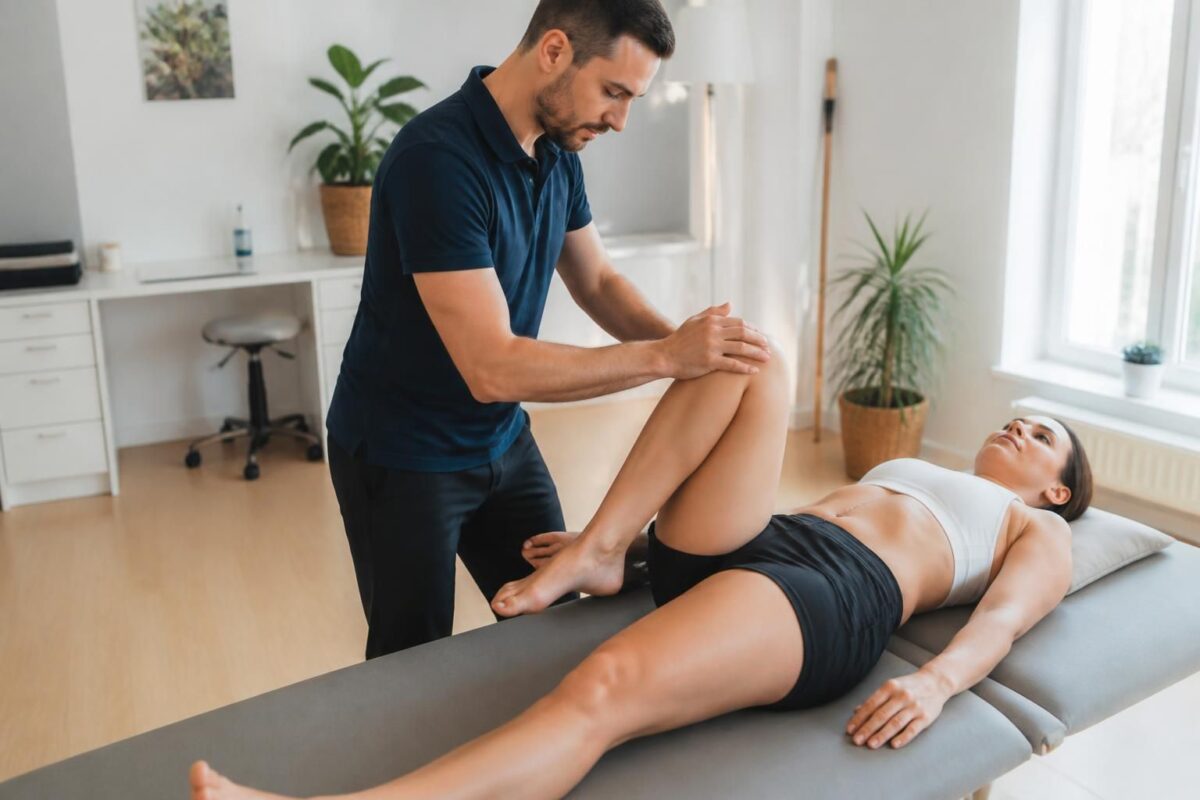
Osteopathy to relieve persistent knee pain
27/06/2026
In short
| In short, theosteopathy is a manual approach that accompanies Chronic inflammations By acting on mechanical dysfunctions and the nervous system. it does not cure autoimmune disease, but it can improve the mobility, reduce the aches and increase daily comfort thanks to Sweet mobilizations and personalized. The appeal is considered as a complement at medical monitoring global, respecting the treatments and periods of outbreaks. In Montreal, this service is particularly suitable for people with chronic inflammatory rheumatism and persistent joint pain, looking for an approach non-invasive and adapted to their daily life. |
theosteopathy offers a complementary approach for chronic inflammations by acting on the mechanical and neurovegetative aspects that fuel the inflammatory phenomenon, without claiming to cure autoimmune disease.
- maintenance and improvement of Joint mobility Thanks to gentle mobilizations, to limit stiffening and pain related to inflammation.
- reduction of Muscle tensions and compensations that aggravate the discomfort and chronic pain.
- System regulation neurovegetative and the inflammatory response thanks to techniques adapted to the patient’s condition.
- Potentialization of lymphatic drainage and microcirculation to support waste disposal and tissue oxygenation.
- Integration into overall medical follow-up, without replacing treatments, and respecting the contraindications during acute flare-ups.
This article clearly explains how osteopathy can help reduce chronic inflammation. The objective is to improve mobility, reduce tension and support the overall functioning of the body. This approach is part of a global treatment and does not replace medical treatment.
Understanding chronic inflammation and the role of osteopathy
Chronic inflammation is a response of the body that lasts over time. The immune system remains activated, which can cause pain and stiffness. Osteopathy does not affect the disease itself. It acts in the mechanical and neurovegetative field. This approach aims to reduce the tensions that maintain inflammation.
Chronic inflammatory pathologies affect the joints, muscles and sometimes other organs. Among them are autoimmune and degenerative conditions. Osteopathy is used as support, not as a curative treatment for these diseases.
How the osteopathic approach acts on the body
The techniques used are gentle and target tissues and muscle chains. They promote joint mobility and muscle relaxation. This can reduce tensions that aggravate inflammation. The objective is to improve comfort and function, without causing acute thrusts.
Osteopathy also helps regulate the autonomic nervous system. Better regulation can decrease excessive muscle tone and promote smoother recovery.
Role of lymphatic drainage and neurovegetative regulation
Lymphatic drainage is used to support waste disposal and edema. This can contribute to reducing the feeling of heaviness and local inflammation. Neurovegetative regulation aims to balance the sympathetic and parasympathetic nervous systems. This balance supports recovery and general well-being.
Resources show that osteopathy can promote a more comfortable recovery for joint and muscle inflammatory conditions. Practitioners also describe benefits on flexibility and mobility.
Integration with diet and lifestyle
The osteopathic approach is more effective when associated with an anti-inflammatory diet and appropriate lifestyle habits. A balanced diet and appropriate physical activity can support the reduction of inflammation over the long term.
To deepen, some resources explore how osteopathy can complement nutritional and recovery approaches. You can view information on the effects of osteopathy on inflammation and mobility.
When to consult and limits
Osteopathy does not replace ongoing medical treatment. It acts as a complementary approach to reduce mechanical pain and improve function.
In the event of an acute inflammatory flare, the direct intervention may be limited. The practitioner can treat remote areas to limit compensation and plan the session after medical stabilization.
Training and professional associations
Osteopaths work according to recognized training in institutes such as Numss and NAO, or in programs of the National University of Medical Sciences and National Academy of osteopathy.
Professionals follow the standards and codes of practice of the ACMA, College of Canadian Osteopaths and College of Canadian Osteopaths.
Useful links and recommended resources
To enrich your understanding, you will find relevant resources on the themes of osteopathy and inflammation at the following sites:
Osteopathy and osteoarthritis,
muscle flexibility,
Postoperative recovery.
For additional information on non-drug approaches, external resources may be useful, including content dealing with inflammation and osteopathy at specialized sites.
Also, discussions and analyzes on inflammation and osteopathic options are accessible via resources dedicated to inflammation and recovery.
“Medical disclaimer: The information and advice provided on this site does not replace the health professional’s benefit, diagnosis or treatment. Please note that Dr. Sylvain Desforges osteopath is neither a doctor of medicine nor a doctor, and is not a specialist in a medical specialty as defined by the Collège des Médecins du Québec. Manual medicine, functional medicine and sports medicine as described on this site exclude any medical treatment or diagnosis made by a doctor or specialist doctor. Always consult your doctor for any medical questions. For more details, please read our full legal notice. »
- Sweet mobilizations Improve mobility and reduce inflammation
- release of tensions muscles to limit inflammatory pain
- lymphatic drainage Local and Waste Disposal Support
- Nervous system regulation To decrease the inflammatory response
- traffic improvement tissue and oxygen supply
- Postural advice and adapted activity to prevent outbreaks
- Crisis management with adapted techniques excluding inflammatory flare-ups
- Neuromuscular regulation Reducing painful pro-inflammatory signals
- Global approach associate osteopathy and lifestyle
- Medical monitoring Coordinated for safety and efficiency
- Progression progressive sessions to support recovery
- Improved quality of life Through better managed stress and sleep

This article explains how Osteopathy can support the reduction of Chronic inflammations In addition to medical treatment, thanks to gentle approaches aimed at mobility, the nervous system and drainage. It does not cure autoimmune disease but improves comfort and quality of life by acting on the mechanical and neurovegetative mechanisms involved.
Understanding chronic inflammation and the contribution of osteopathy
The Chronic inflammations Involve an immune response that sets in over the long term and can affect several areas of the body. The therapeutic objective is to limit pain, preserve mobility and avoid complications related to stiffening. theosteopathy intervenes as a global support that fits into a medical course, respecting background treatments and contraindications during acute flare-ups.

How osteopathy improves the quality of life of active people
In short In short, theosteopathy is a global approach that Optimizes mobility and the function of the body of ACTIVE PEOPLE, for a better quality of life. It helps prevent injury and reduce Musculoskeletal pain While promoting the Sports recovery.…
The action levers of osteopathy
gentle mobilization and maintenance of mobility
osteopathic techniques favor Sweet mobilizations and targeted to preserve the Joint mobility and prevent compensatory tensions. By working on fascias and soft tissues, the osteopath helps to limit stiffening and promote better range of movements, without causing inflammatory flare.
Nervous system and muscle tone regulation
A significant part of the benefits are based on the regulation of the autonomic nervous system, which can modulate muscle tone and pain level. By reducing the tensions and neurovegetative repercussions of inflammation, osteopathy can contribute to a feeling of overall wellness and a reduction in physiological stress associated with chronic pain.
Lymphatic drainage and improvement of tissue circulation
the techniques focused on the lymphatic drainage and improving tissue circulation are aimed at facilitating waste disposal and better oxygenation of tissues. This approach can reduce edema and local engorgement, promoting better recovery from painful areas and a reduction in diffuse pain.

Osteopathy and sports recovery: prepare the body for lasting performance
In short In short, Osteopathy and Sports recovery is one Global manual approach that sustainably prepares the body for the effort by restoring mobility and circulation After the effort. It is a discipline that acts on the sinews, the joints,…
Integration into the care pathway
Osteopathy does not replace medical treatment but is part of a multidisciplinary approach. In the event of an acute inflammatory flare, the direct intervention may be limited; The practitioner can then focus on distant areas or plan the session after medical stabilization. The goal is to coordinate efforts with the rheumatologist, nutritionist and physical therapists to support mobility, diet and sleep.
Why Osteopathy Is Essential For Recovery People
In short In short, Osteopathy in convalescence is an approach manual and holistic which helps to accelerate the recovery by restoring The balance, the mobility and a good circulation fabrics. it contributes to Reduce the pain, support the Back to…
Practical and lifestyle advice
Adapted physical activity
Prioritize regular and appropriate exercises that stress the muscles without attacking the joints, in order to support metabolic regulation and reduce local tensions.
Diet and inflammatory balance
Adopt a diet anti-inflammatory Focused on various vegetables, fatty fish and healthy fats can modulate inflammatory signals and support the benefits of osteopathy.
Stress and sleep management
Breathing, relaxation and restful sleep practices promote rebalancing of the nervous system and enhance the effectiveness of osteopathic sessions in the long term.
Organization of sessions
For effective support, regular background sessions can be planned, typically 2 to 4 annual visits, adjusted according to crisis periods and individual needs.

Osteopathic manipulations to strengthen post-traumatic muscles
In short In short, Osteopathic manipulations for Strengthen post-traumatic muscles constitute a gentle manual approach aimed at restoring the mobility, reduce the pain and facilitate the Functional rehabilitation After a injury. What is Is it? A series of precise gestures…
Axes of action of osteopathy in the face of chronic inflammation
| Axis of action | concise effect |
|---|---|
| Regulation neurovegetative | Neurovegetative modulation which reduces inflammation and pain. |
| engagement sweet | Sweet mobilizations To maintain mobility without inflammatory thrust. |
| strain muscular | Decreased tensions and mechanical compensation. |
| Traffic and drainage | traffic improvement and lymphatic drainage to reduce edema. |
| techniques adapted | Adapted techniques depending on the inflammatory state to avoid flare-ups. |
| Course medical | Integration in medical follow-up under supervision. |
| Mobility preserved | Preservation mobility and ankylosis prevention. |
| management of stress | stress reduction and improved sleep. |
| Activity physical | Adapted activity to support inflammatory regulation. |

Osteopathy and prevention of work-related musculoskeletal disorders
In short theosteopathy is one Manual approach that restores body balance and prevents MSD related to work. Its advantages: reduction of tension, improvement of mobility and prevention of chronic pain. She is preventive and healing, suitable for office and trades…
Testimonials on how osteopathy supports the management of chronic inflammation
“Since the beginning of the sessionsosteopathy, I see a marked reduction in theinflammation and a better mobility joints. My daily activities no longer cause me so many pain And I have less stiffness in the morning. »
“My inflammatory outbreaks were disabling and disturbing my sleep. After a few series of consultations, theinflammation is better controlled and the mobility improves, which allows me to stay active at work and at home. »
“The approach is gentle and personalized: mobilizations and targeted techniques relieve tensionsinflammation and prevent stiffening. I feel a better management of my energy and less pain, even in times of mild crisis. »
“In addition to basic treatments, theosteopathy helps to maintain the mobility and to limit the aches related to chronic inflammation. Regular sessions have reduced compensatory muscle tension and provide lasting comfort in everyday actions. »
“I appreciate that theosteopathy does not claim to cure the disease, but acts as a valuable support to reduce the impact ofinflammation on everyday life. The gentle sessions allow me better tolerance of the treatments and greater autonomy. »

The benefits of osteopathy to treat muscle imbalances
In short theosteopathy is a manual approach to restore themuscle harmony and postural considering the body as a whole. Its main benefits include the reduction of aches and tensions, the improvement of the mobility and from the posture, and prevention…
Osteopathy and chronic inflammation: course and approach of Dr. Sylvain Desforges
Dr. Sylvain Desforges is recognized as Expert in osteopathy, naturopathy and manual medicine, and holds the position of Founding President of tagmed as well as the association acma. Its trajectory is guided by a clear ambition: to place innovation at the service of health, in order to sustainably improve the management of chronic pain and the inflammatory mechanisms that accompany it. With a patient-centric practice, it offers an approach integrating precise manual techniques and advanced technologies to optimize well-being and quality of life.
In the context of chronic inflammation, osteopathy is not a magical cure, but a response adapted to the mechanical and functional manifestations of inflammation. Osteopathic work aims to Preserve joint mobility, reduce compensatory muscle tension and improve the Circulation and lymphatic drainage. By acting on the neurovegetative system and movement patterns, the osteopathic approach can help reduce painful sensations and limit the repercussions of inflammation on the musculoskeletal system and on the whole body.
Dr. Desforges’ method is based on a comprehensive and personalized assessment, which takes into account the acute or chronic inflammatory state, medical history and ongoing treatments. preferred techniques during stable periods favor Sweet mobilizations, functional manipulations and tissue revitalizations, while avoiding aggressive gestures during outbreaks. This care logic is part of an approach Evidence-based, where osteopathy completes medical treatment without replacing them, and where each session is anchored in a global care plan.
To amplify the anti-inflammatory action and accelerate recovery, Dr. Desforges integrates complementary non-invasive solutions. technologies such as spinal decompression, the laser and the Shockwave therapy Can be mobilized as supports for tissue repair and pain reduction, when they are adapted to the patient’s condition. The objective is to help the tissues regain their normal function, to reduce mechanical stress and to improve the cellular exchanges necessary for the reduction of chronic inflammation.
Beyond technical interventions, Dr. Desforges’ approach incorporates practical advice and lifestyle adjustments. an adapted lifestyle, a Progressive physical activity, stress management and anti-inflammatory nutritional choices are essential elements of the therapeutic protocol. This philosophy aims to support the immune system and limit the factors that fuel inflammation, while promoting the rehabilitation and prevention of recurrences.
Based on a practice focused on efficiency and safety, Dr. Sylvain Desforges offers a clear view of what osteopathy can bring in the context of chronic inflammation: personalized support, focused on maintaining mobility, reducing tension and improving Daily comfort, in addition to comprehensive and rigorous medical follow-up. Its mission remains to optimize the health and well-being of its patients, thanks to an evidence-based approach adapted to each life course.
This article summarizes how Osteopathy can support the management of Chronic inflammations By acting on mechanical and neurovegetative mechanisms, without claiming to cure autoimmune disease. It offers additional support, focused on mobility, reducing tension and improving comfort, integrated into a global medical follow-up.
Osteopathy and chronic leg pain: regaining an optimal quality of life
In short In short, Osteopathy is one Global manual approach aimed at reducing Chronic leg pain and improve the quality of life. What is it? Non-drug therapy using the hands to identify restrictions and treat lesional chains. How does it…
Key points of the impact of osteopathy on chronic inflammation
Osteopathic practice favors Sweet mobilizations and tissue approaches adapted to the inflammatory state. It aims to reduce mechanical stresses that aggravate pain and reduce compensatory muscle tension, thus contributing to better mobility and a feeling of relief.
In an approach multidisciplinary, osteopathy is part of a support for existing medical treatment. It does not replace background treatments or medical advice, but it can improve the tolerance and overall efficacy of the therapies in progress. To understand how this approach fits into global support, see Why osteopathy is essential in a global approach.
The techniques used, when adapted, favor methods sweet and secure to avoid aggravating an inflammatory flare-up. Work can include lymphatic body drainage and facial mobilizations, promoting better circulation and decreased edema, without endangering the painful area.
The observed benefits concern a Reduction of chronic pain, an improvement in the Joint mobility and a better quality of life. Specialized resources emphasize that osteopathy can act as a lasting component in pain and inflammation management, in addition to medical treatments. To explore these perspectives, read Osteopathy and chronic pain — a lasting solution and Osteopathy and inflammation.
For those who want to go further, additional resources demonstrate how osteopathy can be combined with nutritional approaches and other manual techniques to support the body in its fight against inflammation. Discover, for example, The benefits of osteopathy for optimal health and Osteopathy to relieve chronic back pain.
Finally, some readers may find it useful to complete the approach with specific resources on the links between inflammation and treatment. Experts address in particular the interactions between anti-inflammatories and osteopathy via practical examples and critical analyses, available through Anti-inflammatories and osteopathy and other specialized items, such as Osteopathy and inflammation — Understanding and relieving inflammatory pain.
These elements demonstrate that appropriate care, combining osteopathy, advice from Anti-inflammatory lifestyle and medical follow-up, can help restore body balance and support tissue repair within the limits of chronic inflammatory pathologies. To go further on mechanisms and benefits, you can consult resources such as How Osteopathy Reduces Chronic Inflammation and Relieve cervical pain with osteopathy.
How osteopathy supports recovery after complex surgery
In short In short, Post-operative osteopathy is an approach fresh which supports the recovery After a Complex surgery. It helps to reduce the pain and the fatigue, improves the mobility and accelerates the healing thanks to a better vascularization and…

Dr Sylvain Desforges, B.Sc., D.O., N.D., osteopath, is the founding president of TAGMED and of the ACMA association. He dedicates his practice to chronic spinal pain, low back pain and symptoms compatible with sciatica, particularly when pain radiates toward the buttock, leg, calf, foot or toes.
Through SOS Sciatique, he publishes educational content on sciatica symptoms, possible causes such as disc herniation, disc narrowing, foraminal stenosis or irritation of a lumbar nerve root, as well as non-surgical approaches that may be considered according to the evaluation. At Clinique TAGMED, care may include, depending on the case, motorized neurovertebral decompression, specific osteopathic care or precision percussion.
For an evaluation related to sciatica treatment in Montreal / Mount Royal or sciatica treatment in Terrebonne, please consult the services available at Clinique TAGMED.
Medical disclaimer
The information published on SOS Sciatique is provided for educational purposes only and does not replace a consultation, diagnosis, opinion or treatment provided by a physician or another authorized healthcare professional. The author of this article is neither a medical doctor nor a specialist in a medical specialty recognized by the Collège des médecins du Québec. The osteopathic, manual medicine or functional support approaches described on this site do not constitute medical acts and are not intended to replace medical follow-up.
Consult a physician or emergency service in cases of loss of bladder or bowel control, anesthesia in the saddle area, significant or progressive weakness in the leg or foot, fever, recent trauma, severe pain or rapid worsening of symptoms. For more details, please read our Legal Notice.